The main category of Dietary Supplements News Articles.
You can use the search box below to find what you need.
[wd_asp id=1]
The main category of Dietary Supplements News Articles.
You can use the search box below to find what you need.
[wd_asp id=1]
Life Time Experts Share What to Look for in a Creatine Supplement — Beware of Hype and Focus on Purity and Proof
Life Time experts explain how to find creatine that delivers real benefits
CHANHASSEN, Minn., Nov. 21, 2025 /PRNewswire/ — Creatine is having a major mainstream moment as one of the most talked-about supplements of 2025. It’s also one of the most misunderstood. Once thought to be for bodybuilders only, it’s now embraced by a much broader segment of people, including women and active agers looking to improve strength, recovery, overall vitality, and cognitive brain health. But with so many new brands flooding the market, Life Time’s registered dietitians and performance experts are reminding consumers that not all creatine is created equally.
“It’s fantastic to see creatine finally recognized for what it truly is as one of the most researched and effective supplements for total wellness, including the newest research on brain health and recovery,” said Paul Kriegler, Registered Dietitian at Life Time and Director of Nutritional Product Development. “But creatine quality varies immensely and just because your favorite influencer is promoting a particular brand or the packaging looks pretty, that doesn’t mean it’s pure, tested and effective. At Life Time, we find it imperative to ensure people know what to look for, and why.”
With hundreds of creatine products on the market from powders to gummies and premade drinks, Kriegler and Life Time experts offer these top tips to keep front and center when considering adding a creatine supplement:
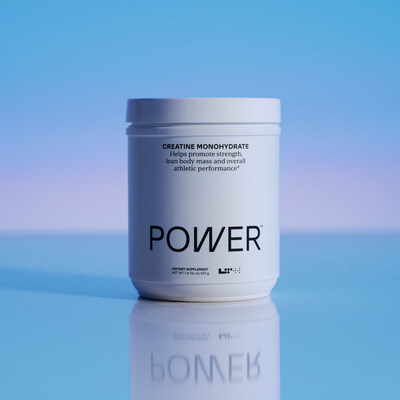
Following these same principles, Life Time, which has offered creatine to its members since 2008, offers NSF Certified for Sport LTH Power Creatine Monohydrate in 90 serving containers to deliver precisely what the company’s experts recommend.
As with every LTH supplement, it’s regularly and consistently third-party tested for purity, and contains no artificial colors, flavors, or sweeteners. The product is vegan, gluten-free, and dairy-free, and easily mixes into any beverage or smoothie. Consumers can conveniently find LTH Power in Life Time athletic country clubs nationwide or on the LT Shop and Amazon.
“We’ve been educating our members on the science of creatine for more than a decade,” added Kriegler. “We’re thrilled to see more people, especially women and older adults, discovering its benefits, and we’re proud to offer a supplement that’s proven, simple, and trustworthy.”
Building on more than 30 years of trusted expertise, Life Time (NYSE: LTH), the nation’s premier healthy lifestyle brand, continues to expand its LTH supplement line of more than 50 highly trusted products, including the recent launch of the (RE)FUEL collagen protein bar and NOURISH daily multivitamin + greens powder. Other products include six different quality-sourced protein powders, pre-workout, essential amino acids, creatine, grass-fed colostrum, multivitamins, fish oil and more.
You can learn more about creatine by listening to this LT Talks podcast with Paul Kriegler.
LTH is also on Instagram, Facebook, TikTok and Pinterest featuring education, experts and recipes.
For more information about Life Time, visit www.lifetime.life, follow on social media at Facebook, Instagram and LinkedIn, or download the complimentary Life Time App.
About Life Time
Life Time (NYSE: LTH) empowers people to live healthy, happy lives through its 185 athletic country clubs across the U.S. and Canada, the complimentary and comprehensive Life Time app featuring its L•AI•C™ AI-powered health companion, and more than 30 iconic athletic events. Serving people ages 90 days to 90+ years, the Life Time ecosystem uniquely delivers healthy living, healthy aging, and healthy entertainment experiences, a range of unique healthy way of life programs, highly trusted LTH nutritional supplements and more. Recognized as a Great Place to Work®, the company is committed to upholding an exceptional culture for its 43,000 team members.
SOURCE Life Time, Inc.
For further information: Media Contact: Dan DeBaun / 952.229.7776 / ddebaun@lt.life
The France probiotic food supplement market recorded a value of US$ 184.56 million in 2024 and is expected to reach a value of US$ 249.66 million in 2028, growing at a CAGR of 8.01% during the forecast period (2025-2028).
According to DataM Intelligence Comprehensive Report has released its latest report on the “France Probiotic Food Supplement Market Size 2025,” providing a detailed analysis of market trends, key growth drivers, competitive landscape, and regional insights. The report includes market size (value and volume), CAGR projections, and emerging opportunities that help businesses identify growth areas and build effective strategies. Backed by data-driven insights and future outlook, this study serves as a valuable resource for companies looking to stay competitive and capitalize on market potential.
Get a Free Sample PDF Of This Report (Get Higher Priority for Corporate Email ID):- https://datamintelligence.com/download-sample/france-probiotic-food-supplement-market?ca
Industry Developments:
October 2025: Leading French nutraceutical companies expanded probiotic portfolios with clinically validated strains targeting digestive health and immunity, responding to growing consumer demand for science-backed supplements.
August 2025: New product launches included plant-based and dairy-free probiotic formats such as jelly sweets and chewables, aimed at younger consumers and those seeking clean-label alternatives.
June 2025: Adoption of advanced microencapsulation technologies improved probiotic strain stability and shelf life, supporting wider retail and e-commerce distribution.
September 2025: A major French probiotic manufacturer acquired a domestic fermentation-technology startup to boost local production capacity and reduce reliance on imported strains.
May 2025: Biocodex acquired a minority stake in a European microbiome-focused biotech firm to expand into next-generation precision probiotics.
Market growth is driven by increasing consumer awareness of gut health, rising prevalence of digestive disorders, and preference for natural, preventive wellness solutions.
Capsules and jelly sweets lead by convenience and compliance, while powders grow in sports and functional nutrition categories.
Pharmacies and drugstores remain key distribution channels, particularly in urban regions with higher health awareness.
Get Customization in the report as per your requirements: https://datamintelligence.com/customize/france-probiotic-food-supplement-market?ca
Latest M & A:
In January 2023, France officially allowed the use of the term ‘probiotic’ in food and supplements, aligning with EU regulations and encouraging new product development and claims related to gut health.
Growing consumer awareness of gut health, rising digestive disorders, and a preference for natural health solutions are key drivers of market growth.
The market is boosted by increasing scientific research and product innovation, including novel probiotic strains, synbiotics, and microencapsulation for improved stability and efficacy.
Probiotic foods such as yogurt, fermented milk drinks, and dietary supplements dominate the French market, accounting for over 65% of market revenue, with yogurt remaining the most preferred probiotic food.
Government initiatives like the Programme National Nutrition Santé (PNNS) promote healthier eating habits, indirectly supporting probiotic food acceptance and innovation.
The France probiotics market size was valued at about USD 2.15 billion in 2024 with projections to grow to USD 4.76 billion by 2035, at a CAGR of around 7.49% from 2025 to 2035.
Other reports indicate a higher growth scenario with market size expected to reach nearly USD 9.83 billion by 2035, with a CAGR of 12.8%, reflecting diverse product segments and increasing functional food demand.
Emerging consumer demands include more dairy-free and plant-based probiotic options catering to lactose-intolerant and vegan populations, along with interest in probiotic-enriched snacks and beverages.
Major Key Player:
NUTRIPURE SAS, Nutergia Laboratoire, Laboratoire EffiNov Nutrition, SAS DYNVEO, Biocodex, Epycure Laboratory, AIME INC, Novoma SARL, INELDEA Laboratories, PARINAT, Nestlé S.A. (Nestlé France), BioGaia, Amway (AMWAY (FRANCE) GMBH )
Key Segments:
➥ By Ingredient: Lactobacillus, Streptococcus, Bifidobacterium, Others
➥ By Dosage: Tablet, Capsules, Liquid, Powder, Others
➥ By Application: Gastrointestinal Health, Vaginal Health, Urinary Tract Health, Oral Health, Anti/Healthy Ageing, Allergies/Asthma, Bone & Joint Health, Brain/Mental Health, Cardiovascular Health, Circulation, Energy/Fatigue Reduction, Metabolic Syndrome/Blood Glucose, Liver Health, Energy, Immunity/Respiratory Infections, Nutrient Absorption, Skin-Hair-Nails, Sports, Women’s Health, Men’s Health & Men’s Fertility, Weight Management, Pediatric Health, Others
➥ By Age: Infant, Children, Adults, Seniors
➥ By Distribution Channel: Supermarkets/Hypermarkets, Pharmacies and Drug Stores, Convenience Stores, Online Retailers, Other Distribution Channels
Buy Now & Get 30% OFF – (Grab 50% OFF on 2+ reports) @ https://www.datamintelligence.com/buy-now-page?report=france-probiotic-food-supplement-market?ca
Product Launches
Have any Query We Will Provide in Detailed @ https://www.datamintelligence.com/enquiry/france-probiotic-food-supplement-market?ca
Latest News
Get 2-Day Free Trial + 50% OFF DataM Subscription@ https://www.datamintelligence.com/reports-subscription?ca
Power your decisions with real-time competitor tracking, strategic forecasts, and global investment insights all in one place.
Have a look at our Subscription Dashboard: https://www.youtube.com/watch?v=x5oEiqEqTWg
Contact Us –
Company Name: DataM Intelligence
Contact Person: Sai Kiran
Email: Sai.k@datamintelligence.com
Phone: +1 877 441 4866
Website: https://www.datamintelligence.com
About Us –
DataM Intelligence is a Market Research and Consulting firm that provides end-to-end business solutions to organizations from Research to Consulting. We, at DataM Intelligence, leverage our top trademark trends, insights and developments to emancipate swift and astute solutions to clients like you. We encompass a multitude of syndicate reports and customized reports with a robust methodology.
Our research database features countless statistics and in-depth analyses across a wide range of 6300+ reports in 40+ domains creating business solutions for more than 200+ companies across 50+ countries; catering to the key business research needs that influence the growth trajectory of our vast clientele.
This release was published on openPR.
usatoday.com wants to ensure the best experience for all of our readers, so we built our site to take advantage of the latest technology, making it faster and easier to use.
Unfortunately, your browser is not supported. Please download one of these browsers for the best experience on usatoday.com
Consuming biscuits fortified with red palm olein (RPO) for six months can increase beneficial gut microbes in vitamin A deficient children, according to a randomised controlled trial in Malaysia.
Compared to the control group, children who ate RPO-fortified biscuits had significantly higher levels of gut microbes, including Christensenellaceae R-7 group, Anaerostipes, Lachnospiraceae_NK4A136_group, and Ruminococcus.
These gut microbes are linked to improved gut and metabolic health.

Probiotics supplementation was shown to significantly lower the increment of fasting blood glucose levels in individuals with type 2 diabetes mellitus (T2DM), as compared to taking placebo, according to a four month study conducted in Thailand.
Forty-two participants aged 35 to 65 years with T2DM and on metformin were randomised to take either the probiotic Bifidobacterium animalis subsp. lactis TISTR 2591 for six weeks followed by a four-week washout period and a six-week placebo phase, or vice versa.
Researchers also found improved insulin sensitivity and pancreatic function in the probiotics phase, compared to the placebo phase.

A study conducted in Singapore has found that two weeks of oral glycine supplementation could help improve several biomarkers of liver health in individuals with severe obesity, suggesting its potential in managing liver diseases.
A total of 19 severely obese adults with body mass index of (BMI) of 38.3 ± 5.3 kg/m2 were given two weeks of glycine supplement manufactured by NOW Foods at 100 mg/kg/day, while maintaining their usual dietary habits at the same time.
It was found that glycine supplementation had significantly increased plasma glycine plasma levels and other amino acids including serine, cysteine folate, and homocysteine – amino acids which are involved in the one-carbon metabolism cycle that supports essential processes such as methylation, antioxidant function, and cell growth.

A 12-month randomised controlled trial conducted in Thailand found that curcumin supplementation could significantly reduce liver fat accumulation and inflammation in obese individuals with type 2 diabetes (T2DM).
A total of 227 obese adults with T2DM – a group at high risk of developing metabolic dysfunction-associated steatotic liver disease (MASLD) – took part in the trial.
They were randomized to receive either 1500 mg of curcumin daily or a placebo for 12 months.

A study from Japan found that underweight women – those with a body mass index (BMI) of less than 17.5 – have a significantly lower gut microbiota diversity and a higher amount of gut bacteria species linked to inflammation.
The findings suggest that gut health is as important as caloric intake when it comes to addressing low body weight.
Researchers from Fujita Health University and Symbiosis Solutions recommended pre- and probiotics supplementation to improve the gut microbiota and for a healthier body weight.
I’ve been living in the States for 10 years now. I first came here for college, then moved to New York, so at this point I’m basically a New Yorker. And I’m sure you’ve heard that we New Yorkers love an early-morning, late-night routine . . . which conveniently allows us to drink more than a couple cups of coffee a day.
I might be a New Yorker now, but I’m also Turkish. Growing up in Turkey, tea was non-negotiable — it was just part of life. But after adapting to the American lifestyle, I’m ashamed to say I went from drinking several cups of tea a day to having it once in a blue moon. And honestly, the tea here just doesn’t compare to the tea back home (and I’m not even talking about the ritual, everyone drinking tea together like it’s water, which adds so much to the experience). So I slowly just let it go.
That’s why when Rishi Tea reached out with their tea offerings, I was genuinely excited to hopefully get my groove back and try a new tea company. I immediately checked their website, which has a ton of options from Japanese matcha (another favorite of mine, as long as it’s high quality and not chalky) to blends with turmeric and ginger, cinnamon plum, Earl Grey lavender, and even vanilla mint chai, which I haven’t seen much before. I wanted to try everything. The website is visually pleasing, and seeing the loose tea leaves honestly just made me want to start brewing right away.
Once I got the package that’s filled to the brim with Turmeric Ginger ($36), it took me maybe 3 to 5 minutes to make my first cup, I was that excited. And let me tell you, it did not disappoint. They come individually packaged, which I love because it helps preserve the aroma and prevents the tea from going stale. Plus, it just feels more hygienic.
:extract_cover():upscale():fill(ffffff)/2025/11/20/990/n/44344577/shopZCAxIM.jpg)
The awesome, centering energy of golden turmeric root is enhanced by strengthening licorice root and zesty ginger in this Ayurveda-inspired blend.
The tea is uncaffeinated and super easy to prepare. The instructions are printed on each sachet, but if you get the loose-leaf version, you basically use 1.5 tablespoons in 12 oz of hot water (around 200°F) and steep for 5 minutes. If you want an extra soothing cup, you can steep it stronger and longer, up to 10 minutes. They also offer a Simple Brew Loose Leaf Teapot ($29) and Loose Leaf Tea Filters ($9) to make things easier. Or you can just do what I do and stick with the pre-packaged sachets. The good thing is Rishi offers everything — sachets, loose leaf, iced teas, concentrates, powders, you name it.
:extract_cover():upscale():fill(ffffff)/2025/11/20/994/n/44344577/shopQWp7CQ.jpg)
:extract_cover():upscale():fill(ffffff)/2025/11/20/994/n/44344577/shopekmInS.jpg)
The moment I took a sip, I knew I was going to be hooked. I personally love ginger – I use it in meals, soups, green juices, anything. I think it’s one of the best ingredients for supporting your health, and when you pair it with turmeric, there’s no going back.
One thing I loved about this tea is that you can actually taste both ginger and turmeric strongly. The flavor is sharp and warming, and it feels like you’re fighting a cold even before you have one. The tea is slightly spicy thanks to the golden turmeric and the citrusy, spicy ginger, truly a perfect match. Fragrant lemongrass and citrus peels add a lemon-drop sweetness that balances out the turmeric’s pungency. You can taste the tradition behind the Ayurvedic blend.
As someone with a hectic schedule, who can’t afford to get sick, is obsessed with natural herbal benefits, and constantly tries to keep her digestion calm (my stomach hurts all the time), this tea feels like it’s about to become my best friend.
I’m not ashamed to say I had two cups back-to-back while working, and I could feel my digestion waking up (if you know what I mean).
The only downside is that the tea is a bit more expensive than supermarket tea options. But honestly, the flavor strength, ingredient quality, and sourcing transparency make the price understandable if you’re looking for something that feels like a treat and not just a random tea bag.
It’s also caffeine-free, which might be a downside for some, but I actually love that I can drink it during the day or night without worrying about sleep.
You can purchase it directly from Rishi Tea’s website or on Amazon which has their full selection — from sachets and loose leaf to matcha, concentrated teas, and unique blends.
Rating:
★★★★
Balim Tezel (she/her) is a shopping updates editor at PS and the founder of Maison des Nus, a New York-based affordable luxury brand. She graduated from Northwestern University’s Medill School of Journalism.
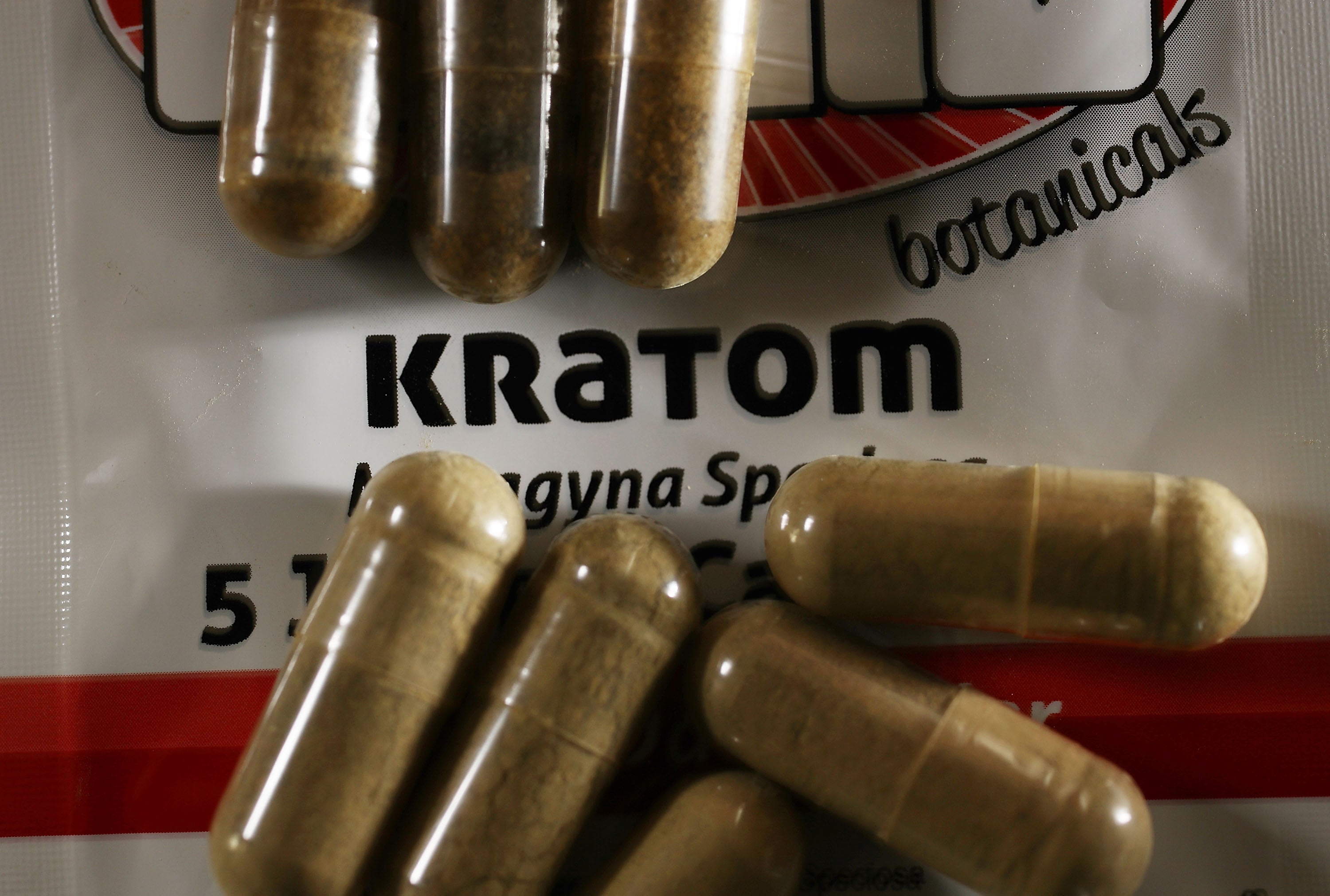
California officials have banned the sales of kratom, a popular supplement often used to treat pain and anxiety, after finding it was linked to six deaths in Los Angeles County, but what role the supplement played remains a mystery.
Kratom is a tropical tree native to Southeast Asia; 7-OH is a natural psychoactive component found in kratom leaves in trace amounts. But there’s a growing popularity of concentrated versions — offered as tablets, gummies, and liquid extracts — which are synthetic, according to the FDA.
Neither kratom nor 7-OH are regulated or approved for use in the U.S. as a drug product, a dietary supplement, or a food additive, according to the FDA. In July, the agency issued warning letters to companies that were “illegally marketing products” containing 7-OH.
Since the spring, six people between the ages of 18 and 40 have died after ingesting products containing 7-OH, Los Angeles County Department of Public Health said. The department this month advised retailers to stop selling products that contain kratom and the synthetic kratom compound 7-OH from their shelves.
These products are often marketed as dietary supplements, used to alleviate pain, anxiety and mood disorders, opioid withdrawal, LA County health officials said.
“At lower doses, 7-OH acts like a stimulant and at higher doses, it acts like an opioid. Mixing or using it with alcohol, prescription drugs, or illicit substances can significantly slow breathing and lead to death,” Dr. Muntu Davis, Los Angeles County Health Officer, said in a statement. “The safest choice is to avoid all 7-OH products.”
The county isn’t alone. Some local governments have adopted bans on kratom products and at least six states — Alabama, Arkansas, Indiana, Rhode Island, Vermont and Wisconsin — have banned 7-OH, according to a 2023 report by the Congressional Research Service.
The FDA warned consumers to avoid using kratom “because of the risk of serious adverse events,” such as seizures, noting it has been linked to deaths “in rare cases.” But, the agency noted that in these cases, “kratom was usually used in combination with other drugs, and the contribution of kratom in the deaths is unclear.”
That was true in the deaths reported in LA County this year tied to kratom use. Health officials noted that alcohol, medications or illicit substances were also found alongside 7-OH. Medical examiners’ reports, obtained by the Los Angeles Times, showed the cause of five of the deaths was listed as a consequence of “mixed drug effects.” The sixth death was caused by a cocaine overdose.
Toxicologists told the LA Times that there was insufficient research to show what concentrations of kratom can be toxic when not mixed with another substance.
“I don’t claim to have investigated all the reports about kratom deaths, but I haven’t seen too many reports of single-drug ingestions of kratom causing death,” Craig Smollin, medical director of the San Francisco division of the California Poison Control System, told the paper.
On top of lack of research, the testing methods may not be effective, experts say. There is a test to show how much kratom is in the body, but no such test exists for 7-OH. The existing test merely shows whether 7-OH was present or not, according to the LA Times.
Perhaps further complicating measures, when the body metabolizes kratom, part of the breakdown includes 7-OH, making the compound likely to appear in medical tests alongside kratom, Donna Papsun, a forensic toxicologist at NMS Labs in Pennsylvania, told the outlet.
Testing results may also be complicated because 7-OH is also “incredibly unstable,” Papsun said, noting that while it may be detected at the time of death, in the time that passes until samples are collected, it may have already broken down.
The deaths are “not an easy picture” to unpack, Robert Powers, a forensic toxicologist at the University of New Haven, told the paper, saying he understands why health officials have taken steps to restrict kratom and 7-OH.
“I think it’s reasonable to recognize that in these cases, kratom could have indeed played a contributory role. And I understand the interest in trying to limit the potential effects of this drug in those mixed cases, so I understand why people would be interested in controlling this drug,” Powers said.
But not everyone is supportive of the ban. Consumers and sellers argue kratom products should be regulated.
Dee Macaluso, a 74-year-old who has trouble breathing and suffers from fatigue due to chronic lung illnesses, sought out specialists to try to help her get back to her once-active lifestyle, but nothing they suggested improved her health, the LA Times reported. So she turned to kratom after watching a documentary.
“I didn’t use it very often, but when I did I found that it helped so many of my issues,” Macaluso told the outlet, saying it gave her a boost of energy. Now she relies on it daily.
After the county announced it was going to pull kratom products from the shelves, she recalled: “I told my husband, I don’t know what I’m going to do if I don’t have it and then I won’t be able to get out of bed, or paint or do the little bit that I can do.”
Macaluso educated herself on how to use the products, experimenting with different dosages, and said she thinks the government should allow the public to continue to do so, regulating them, not banning them altogether. “There’s always going to be people that misuse it but I don’t think that those of us who are using it responsibly and getting benefit from it should be penalized,” she said.
Abdullah Mamun, who started the business Authentic Kratom in 2013, told the LA Times that while he understands that 7-OH poses a danger, he says a ban on all kratom products is a mistake.
His customers say his products have helped them manage pain. Mamun supported regulating kratom products: “We want them to be properly labeled for customers because people should know what they’re putting in their body.”
Image courtesy of Melt PM
If you’ve been searching for a Melt PM review that gives real insight from an actual user, you’re in the right place. Heidi B., a woman in her 40s, shares how Vitauthority’s women’s sleep support supplement transformed her nights and mornings. Going through menopause can be a tough stage for many women, filled with restless nights, mood swings, and stubborn fat that refuses to go away. But for Heidi, Vitauthority supplement, Melt PM, has been nothing short of a life-changing solution.
Before trying Melt PM, Heidi described her nights as long and exhausting. Like many women entering menopause, she struggled to fall asleep and often woke up multiple times a night. Her metabolism slowed down, her energy dipped, and losing fat became harder than ever.
She mentioned,
“I used to wake up tired, with cravings that made me reach for unhealthy snacks. I just couldn’t find balance.”
That’s when she discovered Vitauthority Melt PM, a menopause nighttime aid designed to help women sleep better, recover overnight, and support fat-burning while they rest.
Melt PM is a fat-burning sleep supplement that works while you rest. It’s formulated to help your body relax, support healthy metabolism, and improve sleep quality, especially for women dealing with hormonal changes during menopause.
The key idea behind Melt PM is simple yet powerful:
Better sleep = better recovery = better weight control.
By promoting deep, uninterrupted sleep, this supplement helps your body manage stress hormones and burn fat naturally overnight. Many women, like Heidi, report waking up feeling lighter, refreshed, and more in control of their hunger and energy levels.

Image courtesy of Melt PM
Heidi’s customer testimonial perfectly captures what many women experience after using Melt PM:
“Melt PM has been a life changing supplement for me! Being a woman in my 40s and going through the phase of not so fun menopause, this product has helped me sleep through the night, keep stubborn fat OFF, and wake up feeling rested and ready to start the day without feeling hungry or having any crazy cravings. Thank you Vitauthority for this AMAZING little capsule!”
Her story is a real user experience that shows how a targeted nighttime formula can make a big difference. She didn’t just lose unwanted fat, she regained her energy, improved her sleep, and felt like herself again.
Vitauthority designed Melt PM specifically for women who face hormonal and metabolic challenges during midlife.
Here’s why it stands out:
For those struggling with sleepless nights and menopause symptoms, Melt PM acts as both a women’s sleep support supplement and a menopause nighttime aid, delivering results from the first few weeks.

Image courtesy of Melt PM
During menopause, hormonal imbalances, especially a drop in estrogen, can disrupt sleep and slow metabolism. Lack of rest can also increase cortisol, a stress hormone that promotes fat storage. Melt PM helps reverse these effects by:
This combination helps the body recover, repair, and maintain a healthy balance, exactly what women in their 40s and 50s need.
Heidi’s results go beyond physical changes. She describes feeling mentally stronger, emotionally calmer, and overall more confident. “I can finally get through my day without feeling drained or stressed,” she says.
Her real user experience reminds other women that health during menopause isn’t just about losing weight, it’s about restoring balance and peace of mind.
If you’ve tried countless sleep or weight loss products with no success, Heidi’s experience may inspire you. Melt PM isn’t a quick fix, it’s a gentle, effective way to support your body’s natural rhythms.
For women struggling with fatigue, sleepless nights, or stubborn fat during menopause, this fat-burning sleep supplement could be the missing piece. Thousands of women have shared similar customer testimonials, praising Melt PM for its life-changing impact. The consistent theme? Better sleep, improved mood, and a stronger, healthier body.
To complement Melt PM’s benefits, following practices like 7 Proven Tips to Improve Sleep Naturally can enhance results even more, helping women create the ideal environment for deeper, restorative rest.
Melt PM review from Heidi B. offers an authentic look at how Vitauthority supplements can make a real difference during menopause. From improving sleep to reducing fat and increasing energy, Melt PM delivers on its promises.
Heidi’s real user experience is proof that the right menopause nighttime aid can help women regain control of their health, happiness, and confidence. If you’re ready to experience deeper sleep and better mornings, Vitauthority’s Melt PM might be your next step toward balance and vitality.
Food and supplements to keep stocked this season
Reviews and recommendations are unbiased and products are independently selected. Postmedia may earn an affiliate commission from purchases made through links on this page.
Advertisement 2
Article content
As a shopping editor, I test a lot of consumables — from protein powdersto pantry staples to toddler snacks. Only a few earn a permanent spot in my kitchen, or have my toddler asking for more. These are the standouts I genuinely loved, used up, and reordered. Many are Canadian, all are editor-approved.
Article content
Article content

Why I love it: This all-in-one supplement from David Beckham’s wellness brand replaced a shelf of capsules with one scoop. With 92 ingredients — including adaptogens, prebiotics and greens — it’s a powerhouse for energy and recovery. It blends nicely into smoothies and doesn’t have that grassy aftertaste that many greens powders do. For less than $5 per serving, the focus and energy boost I feel makes it worth the investment.
Price: $131/month
Where to buy: IM8 Health
Advertisement 3
Article content

Why I love it: A clean creatine that supports strength and recovery without fillers. I noticed better performance in my workouts and zero bloating, plus it comes in a bunch of fun (and tasty) flavours like sour peach, blue raspberry and watermelon. I find it much easier to pop three gummies than remember to mix powder into a smoothie, and you can take these on the go.
Price: $48 (on sale from $60)
Where to buy:Create

Why I love it: Made in Canada from wild-caught fish, this collagen powder is clean, neutral-tasting, and blends beautifully into coffee. I noticed smoother skin and stronger nails after a few weeks of daily use, and now I’m hooked.
Price: $56
Where to buy: COLE Skin


Shopping Essentials
Article content
Advertisement 4
Article content
Why I love it: Clean, Canadian-made protein with no gums, sweeteners or fillers. The Plain Whey (Unflavoured) is an all-arounder – smooth and creamy and truly tasteless. The Protein Coffee packs a huge kick and is made from Colombian beans, meaning I can combine my two morning drinks into one effortlessly. Both come in vegan options, and all are packaged using biodegradable materials.
Price: From $45+
Where to buy:Plain Nutrition

Why I love it: This Canadian brand makes pantry staples like cacao powder, matcha powder, ashwagandha and acai berry powder that are organic and potent. I’m currently drinking the Pumpkin Spice Latte mix, because we can all shamelessly love a PSL in the fall. I love the added probiotics and the clear explanation on the packaging on how each product supports my health and wellbeing.
Price: From $14+
Where to buy:Organic Traditions |Amazon | Well
Advertisement 5
Article content

Why I love it: This electrolyte-packed powder comes in single-serve portions, ideal for travel days, workouts and anytime I feel dehydrated. It mixes easily into water, tastes good (I’m partial to the Lemon Lime), and actually makes me feel energized without the sugar crash. That said, they are quite sweet – I find half of a package mixed with 8 oz of water is more than enough.
Price: $35+
Where to buy:Liquid IV | Amazon

Why I love it: This Calgary-based, woman-led brand makes raw, unfiltered honey that tastes delicious and comes in a variety of flavours. I’m partial to the White Raw Honey for its subtle clover notes, but the Turmeric Gold and Cinnamon Spice blends are up there, too. Bonus: it’s bee-friendly and supports Canadian beekeepers.
Price: From $15+
Where to buy:Drizzle Honey | Amazon
Advertisement 6
Article content

Why I love it: This Toronto-based brand makes grain-free, allergen-friendly granola that’s crunchy, satisfying and not overly sweet. The Blueberry Acai is my go-to for topping yogurt or eating straight from the bag, and my partner loves the Chocolate with Raw Cacao – each has three or four grams of protein, is low in sugars and packed with superfoods like coconut and pumpkin seeds.
Price: From $12+
Where to buy: Rawcology |Amazon

Why I love it: This Calgary bakery makes exceptional cupcakes — moist, flavourful and beautifully frosted – but the best part is it’s “bake at home selection” so Canadians can enjoy all across the country. I paired the red velvet cake mix with the vanilla buttercream and at least 12 toddlers can attest to how delicious they are. Gluten-free and vegan options are available and just as tasty.
Price: From $8+
Where to buy: Crave Cupcakes |Amazon
Advertisement 7
Article content

Why I love it: Wild-caught, flash-frozen Canadian seafood delivered to your door? Yes, please. The halibut and scallops are restaurant-quality, and I love that they support small coastal fisheries across Canada.
Price: $9+
Where to buy: Larry’s Catch

Why I love it: As a busy parent, HelloFresh takes the guesswork out of dinner. There is nothing worse than questioning what to make, whether I have the ingredients or whether I have the time to prepare after a long day at work. The recipes are straightforward, the ingredients are fresh and the portions are generous enough for me to buy for two people but have enough for our family of three. I love having the option of the Family Friendly and Quick & Easy plans.
Price: $89+
Where to buy: HelloFresh
Advertisement 8
Article content

Why I love it: These toddler snacks are a lifesaver for post-daycare pick-ups or long road trips. They’re organic, low in sugar and come in fun shapes and textures that help with self-feeding. My kiddo’s favourites? The Organic Sweet and Salty Popcorn (I find myself stealing handfuls often) and Organic Apricot Fruity Bars.
Price: $4+
Where to buy:Little Bellies | Amazon| Well

Why I love it: Imagine pizza night without the carb crash. Dreamcrust’s high-protein, high-fibre pizza mix is keto-friendly and actually tastes like real pizza. Just add water and olive oil and voila – 11 grams of protein, 22 grams of fibre and only 2 grams of net carbs in 20 minutes.
Price: From $38/pack of three
Where to buy:Dreamcrust
Read More
Shopping Essentials, a category written by research-obsessed shopping fanatics, is now on Canoe. Explore in-depth product reviews, expert recommendations and exciting collaborations — plus get behind-the-scenes info on your favourite brands and trending products — learn more here or sign up for our newsletter.
ltaveroff@postmedia.com
Article content
ALSO READ: Essential tips to prevent fatty liver: Foods to avoid and lifestyle changes for better liver health
One of the most popular beverages in the world, tea is frequently connected to peaceful times, morning rituals, or evening wind-downs. However, a renowned gastroenterologist is advising tea drinkers to reconsider common practices that may be more detrimental to their bodies than beneficial, despite the fact that tea can provide some digestive and wellness benefits. According to a report by The Express, Harvard-trained Dr. Saurabh Sethi recently posted a thorough analysis on Instagram, where he has 1.3 million followers, highlighting seven particular behaviors that may have an impact on liver and gut health.
He began his post by telling his audience, “I’m a board certified gastroenterologist and here are [the] seven worst tea habits wrecking your gut + liver.” His warning quickly captured attention, especially from those who drink tea multiple times a day without realizing how certain patterns impact long-term health, as per a report by The Express.
ALSO READ: Protein in your urine? Top doctor reveals 5 hidden causes you can’t afford to ignore
The first issue Dr. Sethi highlights is drinking tea on an empty stomach. He explains that the acidity of tea, along with compounds like caffeine and tannins, can irritate the stomach lining. This irritation may lead to nausea, acid reflux, discomfort and even dehydration since tea acts as a diuretic. He also notes that this habit can interfere with iron absorption, particularly for people with anemia.
From there, he calls attention to sweetened teas. Many iced teas and milk teas, he notes, can contain “30 – 40 grams of sugar.” Consuming sugar at these levels on a regular basis raises the chances of developing non-alcoholic fatty liver disease or diabetes. For those who rely on bottled teas or café drinks, this is a hidden risk that adds up quickly, as per a report by The Express.
Another common trend he discusses is the use of detox or slimming teas. While heavily marketed as health boosters, Dr. Sethi explains that the “slimming” aspect in these drinks often comes from laxatives. Overuse can trigger dehydration, electrolyte imbalance and intestinal damage. It can also create dependence, leading individuals to believe the teas are supporting cleansing when they are actually stressing the digestive system.
Although green tea is frequently thought of as a healthier option, Dr. Sethi advises against taking too many green tea extracts or supplements. They offer polyphenols and antioxidants, but too much of them can be dangerous. According to a report by The Express, he draws attention to the uncommon but real risk of liver toxicity connected to excessive consumption of green tea extract.
ALSO READ: 5 whole grains dietitians swear by to improve Insulin resistance and balance blood sugar
He also brings up the problem of drinking too-hot tea. Dr. Sethi suggests waiting until the temperature drops below 65°C, but many people pour boiling water directly onto their teabags and drink right away. Frequent consumption of tea that is hotter than this can raise the risk of esophageal cancer. He cites a 2020 Chinese study that found a connection between tea that was hotter than 150°F and esophageal squamous cell carcinoma, a type of cancer that affects the esophageal lining’s flat squamous cells.
Another element that is often disregarded is caffeine content. Despite having less caffeine than coffee, tea can still cause sleep disturbances if it is drunk late at night. Since caffeine remains in the body for a longer period of time than most people realize, Dr. Sethi advises against drinking caffeinated teas like chai and green tea at night. The body’s overnight healing process, which includes the liver and gut, is then impacted by inadequate sleep.
Bubble tea enthusiasts are not exempt from his advice. The combination of sugar and starchy boba pearls can result in a high intake of “hidden calories,” according to Dr. Sethi. This pattern may eventually lead to non-alcoholic fatty liver disease and insulin resistance. According to a report by The Express, his message is not to completely avoid these drinks but rather to be conscious of their effects and balance them with healthier options.
ALSO READ: Mixing these 5 common foods with Diabetes meds could be a big mistake, experts say avoid these
For tea drinkers who rely on multiple cups a day, Dr. Sethi’s guidance serves as a reminder that even familiar habits can carry risks. His recommendations encourage people to pay attention to what they drink, how they prepare it and how often they consume sweetened or concentrated forms. He emphasizes maintaining a healthy lifestyle overall, rather than eliminating tea entirely.
Dr. Sethi’s message ultimately empowers tea lovers to enjoy their drinks more mindfully, protecting their gut and liver in the process.
Note: This article is for informational purposes only and not a substitute for professional medical advice. Always consult your doctor regarding any medical concerns.
Why is drinking tea on an empty stomach a problem?
It can irritate the stomach lining and trigger nausea, acid reflux and discomfort.
Are sweetened teas harmful?
Regularly drinking iced or milk teas high in sugar can raise risks of diabetes and fatty liver disease.
Next-Generation Gummies for People Living with Chronic Kidney Disease
EXTON, Pa., Nov. 20, 2025 /PRNewswire/ — Kibow Biotech, a leading innovator of superior probiotic supplements for maintaining kidney health, today announced the launch of Renadyl® Advanced Multivitamin for Kidney Health. It is the first and only gummy multivitamin specially formulated for people managing chronic kidney disease (CKD) or end-stage renal disease (ESRD).

“Most multivitamins don’t account for the unique nutritional needs of individuals with impaired kidney function,” said Mike Kane, Executive Vice President of Kibow Biotech. “With Renadyl Advanced Multivitamin, we’ve created a clean-label gummy that supports renal health without compromising on quality, taste, or convenience.”
Renadyl Advanced Multivitamin is formulated to meet the unique nutritional needs of people managing kidney disease. Free of phosphorus and potassium, it delivers bioavailable L-methyl folate (vitamin B9) and CoQ10 to help support cellular energy and overall wellness. This clean-label, berry-flavored gummy is sugar-free, dairy-free, allergen-free, vegan, non-GMO, and contains no artificial flavors or colors. Designed to complement Renadyl® Probiotic, Kibow’s clinically studied kidney-health supplement, it provides an optimal and convenient approach to supporting kidney function and overall well-being.
This new offering is available for purchase at Renadyl.com, either individually or bundled with the company’s flagship probiotic supplement, Renadyl Probiotic.
About Kibow Biotech, Inc.: Kibow Biotech specializes in research, development, and commercialization of probiotic dietary supplements adhering to US FDA and FTC regulations. Founded October 1, 1997, in Philadelphia, PA, the company’s primary mission is to offer affordable, readily available, and easily administered nutritional supplements to support kidney health and other healthcare applications. Kibow Biotech’s extensive scientific (R&D) and clinical data from three different pilot/observational scientific human clinical trials has been published in peer-reviewed scientific/medical journals (kibowbiotech.com/rd), and the company’s flagship product, Renadyl, is marketed in the US, Canada, and several other countries as a kidney dietary supplement product in adherence with each country’s governmental rules and regulatory authorities.
Contact Information:
Michelle Adams
President
PRISM Marketing
614-989-6373
[email protected]
 View original content to download multimedia:https://www.prnewswire.com/news-releases/kibow-biotech-launches-renadyl-advanced-multivitamin-for-kidney-health-302622103.html
SOURCE Kibow Biotech


:quality(70):extract_cover():upscale():fill(ffffff)/2025/11/20/990/n/44344577/shopZCAxIM.jpg "I Tried Rishi Turmeric Ginger Tea, Here’s My Honest Review")