The main category of Dietary Supplements News Articles.
You can use the search box below to find what you need.
[wd_asp id=1]
The main category of Dietary Supplements News Articles.
You can use the search box below to find what you need.
[wd_asp id=1]
Choosing a protein powder for weight loss can be overwhelming—especially when every tub on the shelf claims to be the magic solution for trimming your waistline or powering your workouts. It can feel like decision paralysis for shoppers already managing high-stress routines. But at the same time, with new and improved formulas landing on the market in 2025, it’s easier than ever to pick something that actually fits your lifestyle, tastes good, and helps you reach your goals.
We’ve done the research to make your decision easier. Although protein powder isn’t exactly a weight loss supplement, it can certainly be a helpful, nutritious tool. We tested and selected the seven best protein powders for weight loss without unnecessary fillers or gimmicks. Ready to shake up your routine? Here are the best protein powders for weight loss this year.
Transparent Labs’ 100% Grass-Fed Whey Protein Isolate is our top pick for weight loss because it features about 28 grams of protein, less than three grams of carbohydrates, and only about one gram of fat per 130-calorie serving, depending on the flavor chosen. This high protein-to-calorie ratio supports muscle preservation and recovery while staying low in carbs and fat—important for those aiming to create a calorie deficit without losing lean muscle mass.
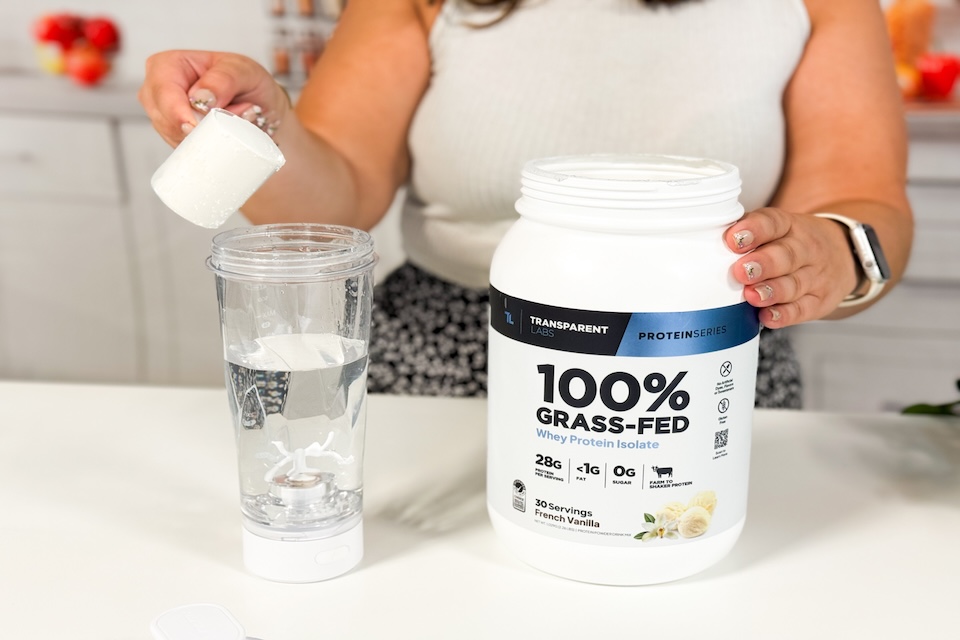
Kayla tested this protein powder and gave it a perfect 5 out of 5 for her first impression. She immediately appreciated the simple, clean packaging, noting that it delivers all the essential details without being overwhelming. “The brand exudes transparency (hence the name) and shows that with their packaging, third-party testing, clean ingredients, and so forth,” she said.
She also found the instructions straightforward and easy to follow. After shaking for 60 seconds, the mixture came out smooth and free of graininess, which is ideal. “The mix has a small foam layer at the top, however, it wasn’t super thick,” Kayla noted. “I used 8 ounces of water and this seemed to be a good consistency. I think anything over 10 [ounces] would be too watery.” She rated it a 5 out of 5 for mixability.
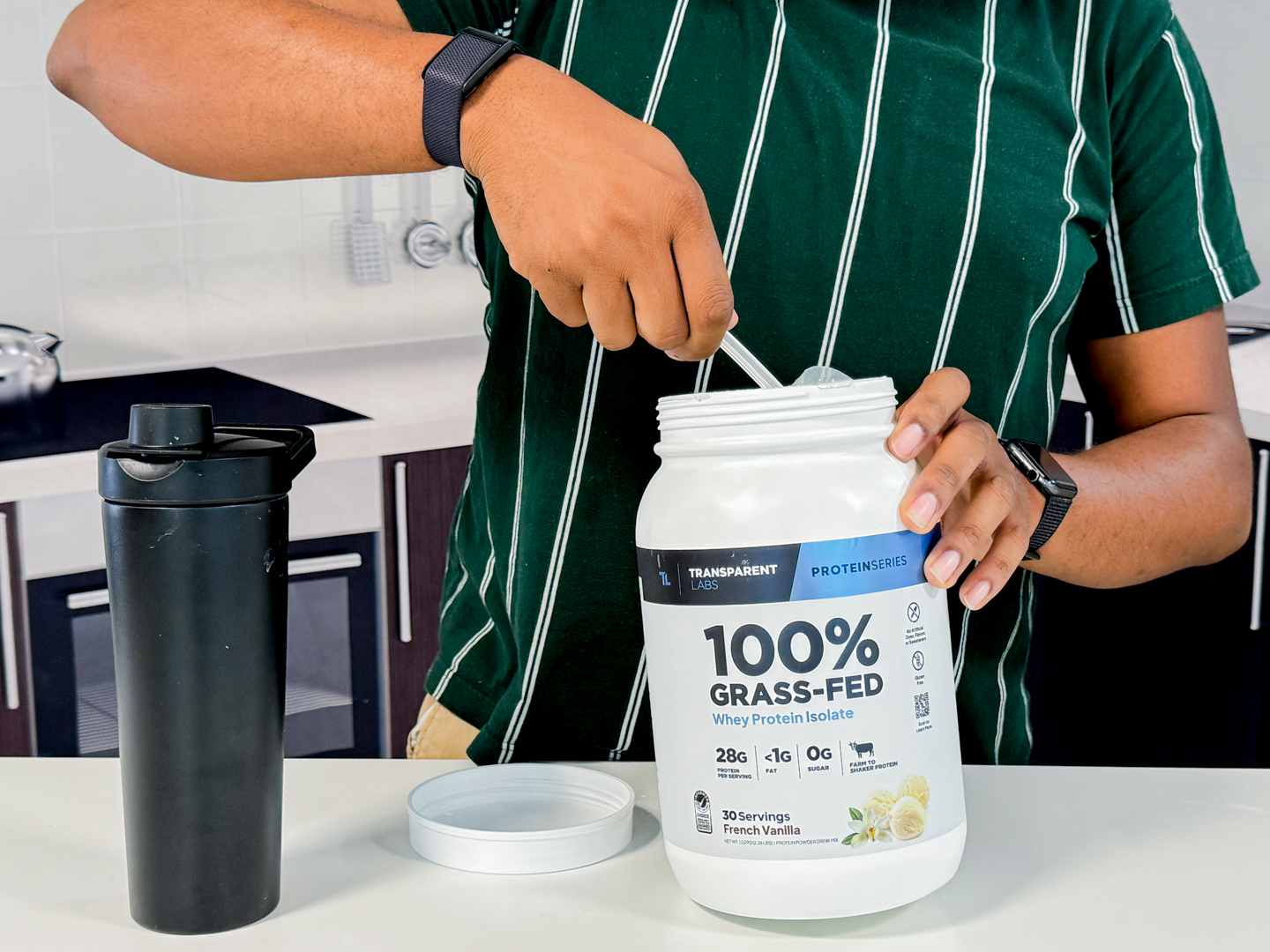
Kayla values both flavor and the balance between protein and calories. “With this product having 28 grams of protein and only 130 calories, you might start to worry that it’s going to lack in taste. This brand leaves you with zero disappointment.” She described the flavor as lightly sweet, with a frothy, milk-like texture and full body. She rated it a 5 out of 5 for taste and a 3 out of 5 for sweetness.
After drinking a full serving, Kayla said she felt excellent. “Usually, whey protein isn’t a problem for me, but if it’s too thick I can feel full and sluggish. With this mixture, I felt great, and didn’t have any tummy issues that I sometimes do with plant or casein products.”
Overall, this protein powder stood out among all we tested for its smooth texture, enjoyable flavor, and the brand’s clear commitment to transparency. We also love that it’s third-party tested and provides a protein-focused formula, helpful for folks looking to minimize their daily calories.
Legion Casein+ is our pick for the best protein powder for muscle gain and weight management for its certified grass-fed sourcing, clean ingredient profile, and slow-release micellar casein. We love that it’s made with natural sweeteners and comes in a variety of flavors. Casein is also a slow-digesting protein, which helps prevent muscle breakdown and promotes muscle repair.
Pete, our certified nutrition coach, tested this casein pick and gave his first impression a 5 out of 5. “This casein protein supplement comes in a bag instead of a plastic tub, which helps with storage space and I like the design,” he said. The aesthetic bag comes with a scoop and was easy to open and close with a resealable zipper.
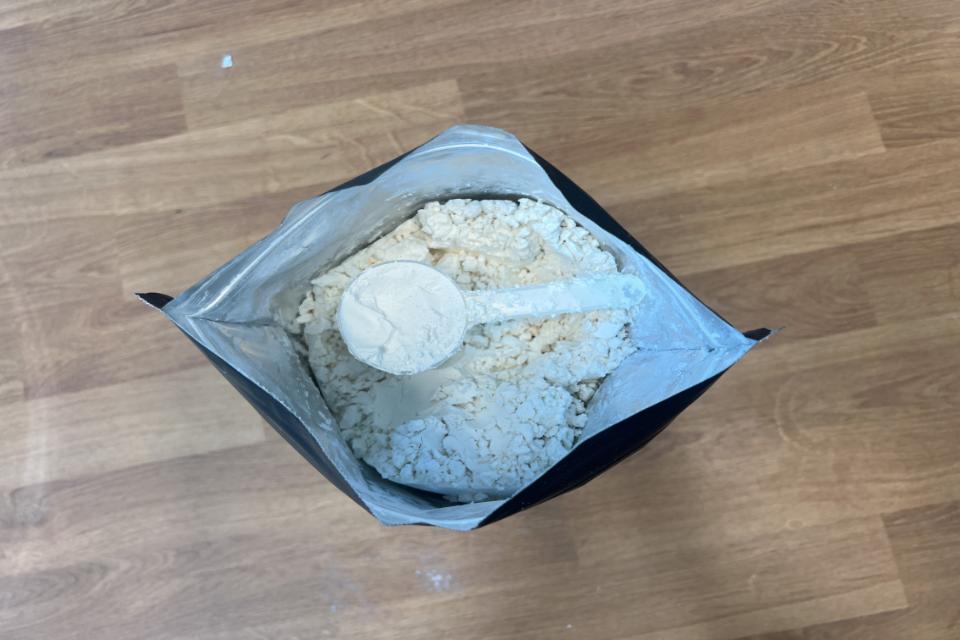
He found the instructions easy to follow, rating them a 5 out of 5 in this category. When mixing up the casein protein, it fully dissolved in sixty seconds, so you definitely won’t need a blender. “There weren’t any visible chunks or clumping; the texture was surprisingly smooth for a casein protein,” Pete said. “There wasn’t that grainy texture that’s very common with casein protein supplements.”
What we loved most about this casein was the flavor. “This is honestly one of the best tasting casein protein powders that I’ve tried,” he said, giving the taste a 5 out of 5. “The texture was great with no grainy or gritty consistency.” He tested the cinnamon cereal flavor, and it was delicious—very reminiscent of the milk left in your cereal bowl after some Cinnamon Toast Crunch. Pete also liked that it wasn’t too sweet, rating it a mid-level 3 out of 5 for sweetness.
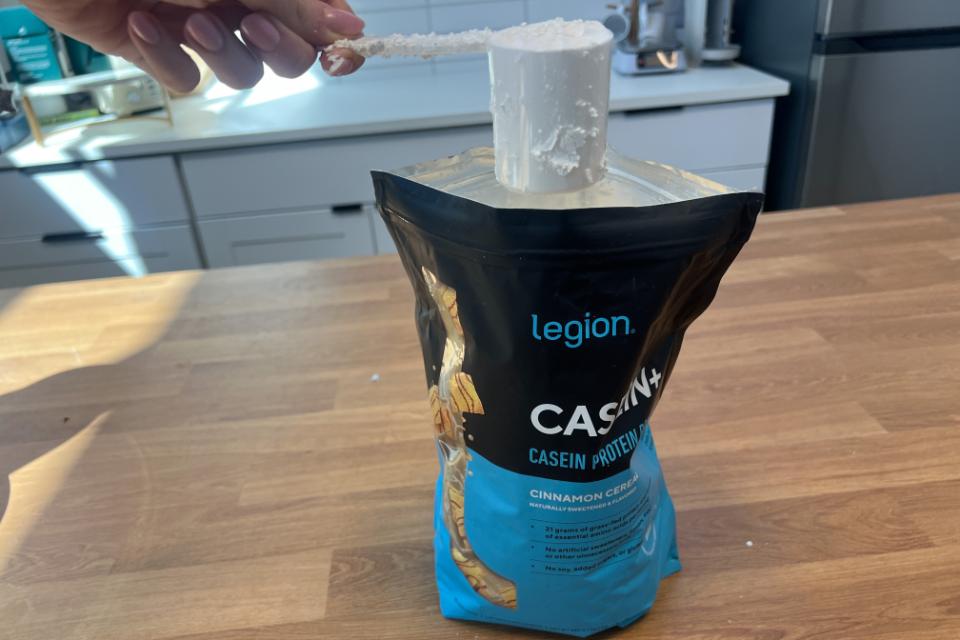
Pete (and our team in general) is a big fan of Legion as a whole. “They focus on simple ingredient profiles and all natural ingredients. I like that their supplements are all third-party tested,” he said. Pete also likes that this product provides 21 grams of protein per serving, and at only 100 calories it is a fairly high protein-to-calorie ratio.
Gainful is our pick for the best whey protein powder for weight loss because of its one-of-a-kind customization, clean formula, and commitment to transparency. The brand’s quiz helps you to narrow options that support your lifestyle and goals, while the ability to mix flavors can keep your daily sipping routine interesting and tasty. Especially for those who have weight loss in mind, the customization is a huge plus.
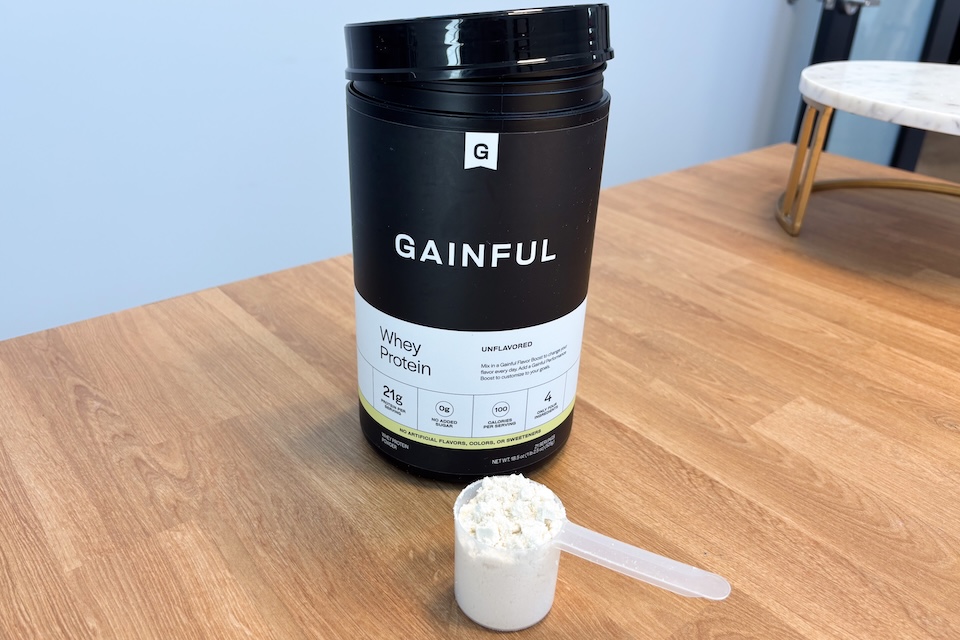
Pete tested Gainful’s Whey Protein Powder, rating it a 5 out of 5 for his first impression. This product came in a slim, black plastic container with a classic screw top lid that’s easy to open and close. He also liked that a scoop came included.
Our tester also rated mixability a 5 out of 5, as it dissolved quickly and easily. “The protein powder dissolved fully within 60 seconds, and no further shaking was needed. I mixed one scoop of this powder in ten ounces of water, and there were no visible clumps or chunks,” Pete said.
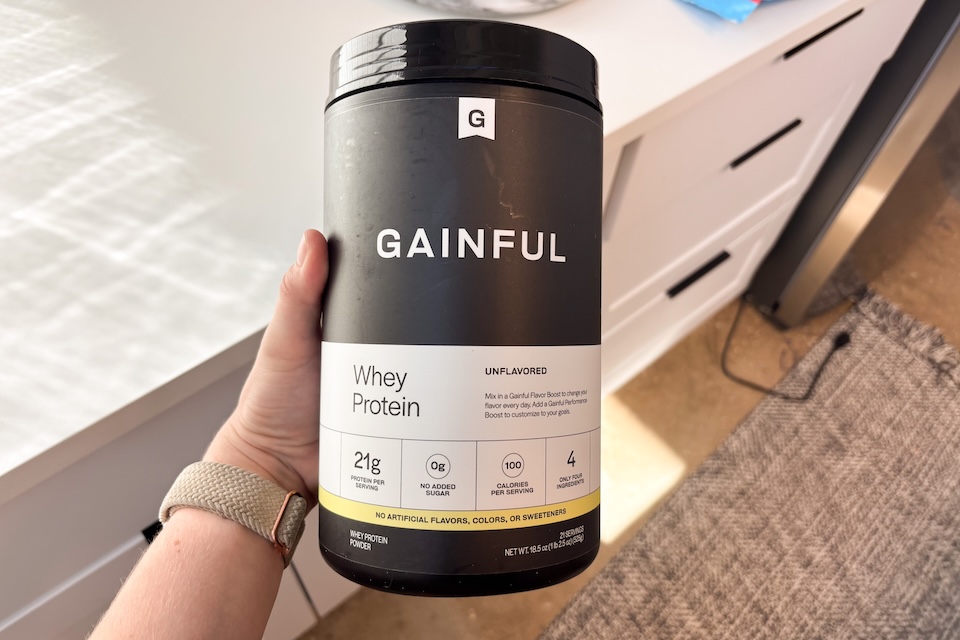
All Gainful protein powders come unflavored, but you have the choice to add one of Gainful’s flavor packets to add a boost of flavor to your shake. If you love one taste in particular, you can get multiple packets of the same flavor. You also have the option to skip the flavor packets and save some money on your order.
“I chose to drink the whey protein unflavored, and it honestly tasted pretty good,” Pete said. “It was similar in flavor to regular milk, and the product dissolved easily and had a light consistency.” It’s worth noting that the drink was fairly foamy after shaking, but it settled within a few minutes.
Pete noted that the main draw of Gainful’s protein powder are the minimal ingredients used in the formula—just whey protein concentrate, whey protein isolate, micellar casein, and sunflower lecithin, and the individual flavor packets that allow you to switch up your shakes flavor from day to day. In addition, there are no artificial flavors, colors, or sweeteners.
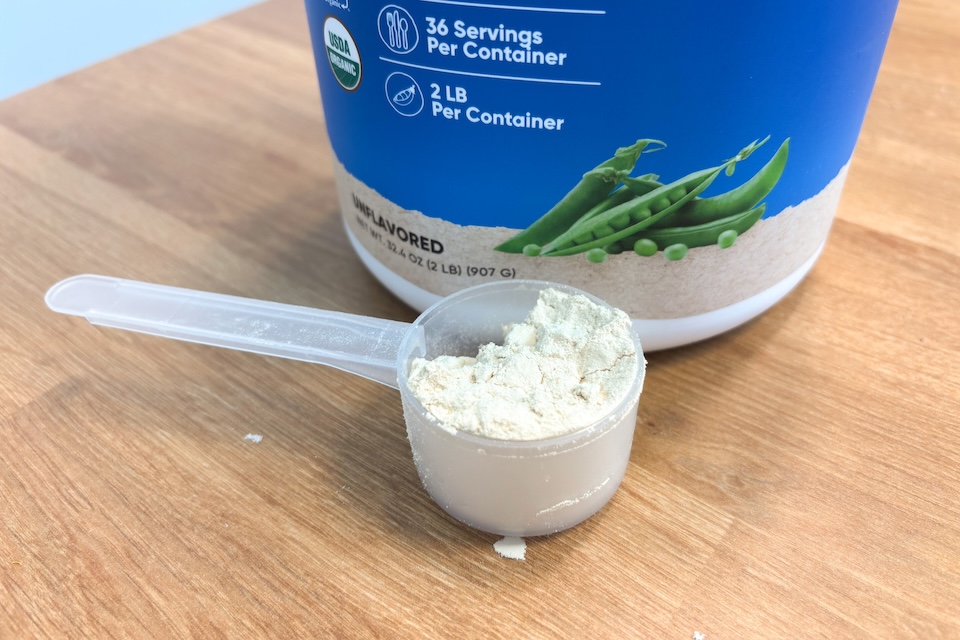
Nutricost Organic Pea Protein Isolate is our pick for the best vegan protein powder for weight loss because it delivers a clean, high-protein solution. Pea protein is effective for building muscle and keeping you full, which helps with healthy fat loss and appetite control. Its organic, allergen-free formula makes it easy to work into a weight management plan.
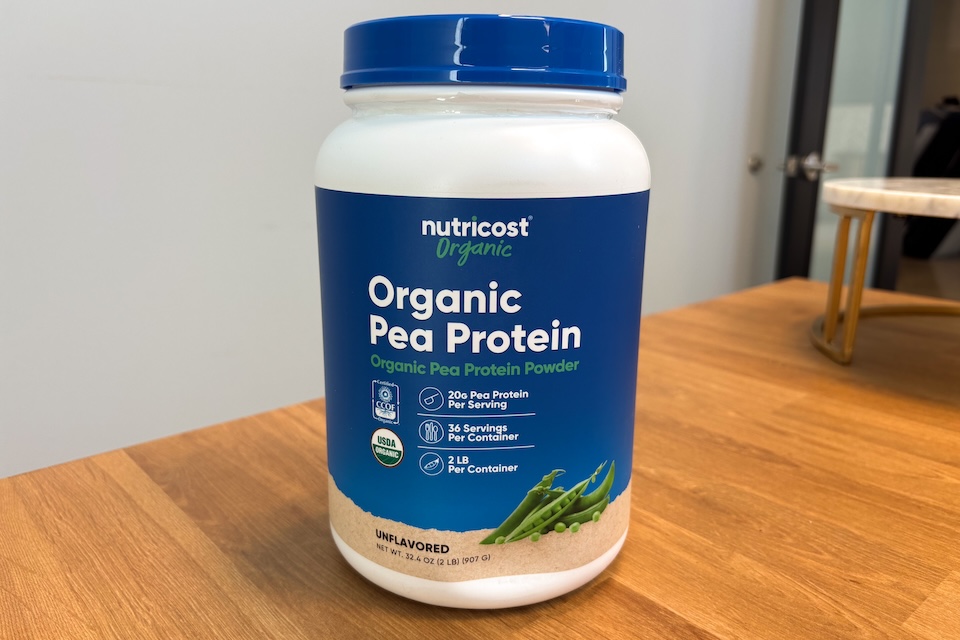
After giving this protein a try, our tester Pete rated its mixability as a 3 out of 5. “The product dissolved pretty well, but there were a few very small clumps that floated to the surface after the 60-second shake,” he said. He shook for an additional 60 seconds, and then the product was fully dissolved. Given his experience, you may want to mix this protein powder with the liquid of your choice in a blender to ensure a smooth mixture.
He tried the unflavored variety, rating the taste a 3 out of 5. Though, he did mention that a flavored version likely has a better taste. “This is unflavored, so the taste isn’t great,” Pete said. “If you’re used to a flavored whey, then this may take some getting used to. That said, it tastes very natural and the pea flavor isn’t overpowering like the other vegan protein powders I’ve used in the past,” he said.
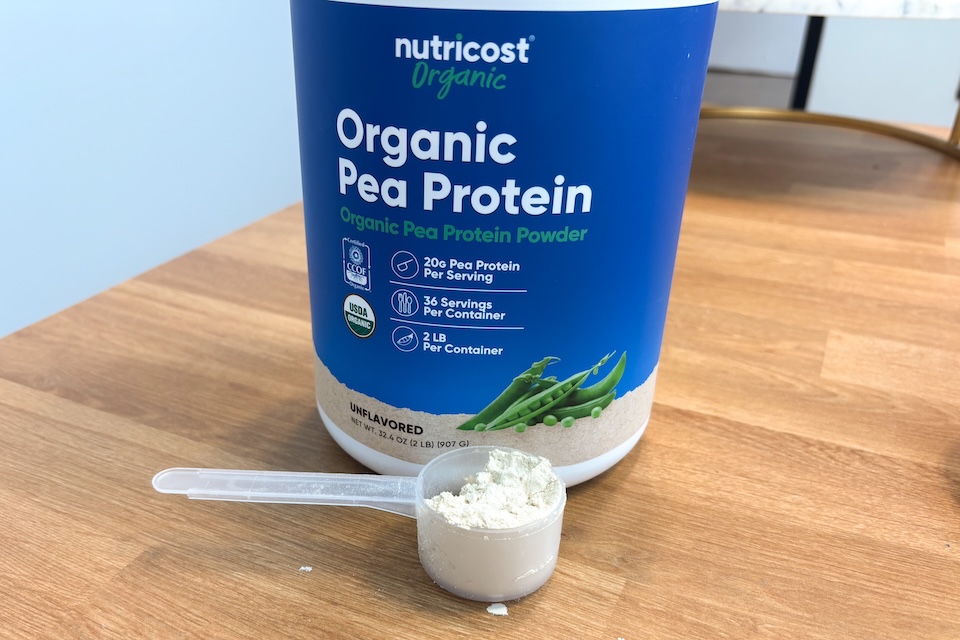
Pete rated the sweetness as a 1 out of 5, so if you are looking for a protein powder to mix into baked good recipes, this could be a good option without an overpowering flavor. Overall, he thinks the product mixes fairly well, and the shake wasn’t too thick when mixed with 10 ounces of water.
Ka’Chava is our pick for best protein meal replacement shake for weight loss because it combines high-quality plant protein, substantial fiber, and an array of beneficial superfoods in one formula. The inclusion of adaptogens, digestive enzymes, and a vitamin-rich greens blend means it does much more than just provide protein—it genuinely covers the full nutritional spectrum most people need in a meal replacement. Its allergen-friendly approach and commitment to clean, third-party tested ingredients set it apart as well.
Kayla tested Ka’Chava, rating its mixability a 5 out of 5. “The product mixed well after 60 seconds. It was more of a thick consistency, like a smoothie, and the texture was slightly gritty in the glass,” she said. “It tasted smooth overall. The look seemed just like a strawberry smoothie and was very pleasing. Typically, with protein drinks It’s like a thick milk and this seemed like a drink I could enjoy daily,” Kayla mused.
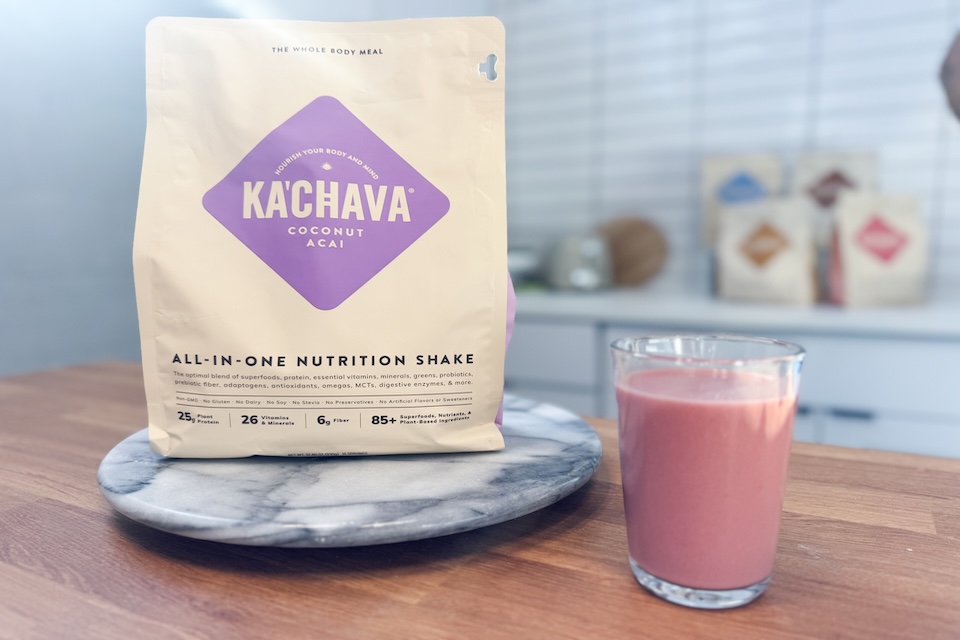
She also rated the flavor as a 5 out of 5, and the sweetness a mid-level of 3 out of 5. “The flavor is subtle, and the texture is nice and creamy,” Kayla said. “It tastes more like a smoothie, rather than a juice or a milkshake.” She found the sweetness to be just right; not super sweet or bitter at all. “I don’t taste any of the greens, which is perfect because I am not a fan of greens powders. The coconut is the boldest of the flavors, but the acai is present as well, offering a nice and subtle sweetness,” she said.
On her overall experience, Kayla said she felt great after drinking Ka’Chava. “I honestly enjoyed every sip and didn’t feel any heaviness in my stomach after drinking it,” she said. She loved the 26 grams of protein and only 240 calories, and that it was packed with greens and nutrients. “I’m not sure if I felt full enough after this to use it as a meal replacement, but as someone who likes to skip breakfast, I can see this as a great substitution to start my day.”

Ritual’s Essential Protein Daily Shake is our pick for best clean protein powder for weight loss because it delivers purity, safety, and simplicity at every step. Its vegan formula uses regeneratively sourced peas and avoids sugar, soy, and artificial additives, which aligns perfectly with a cleaner approach to healthy weight management. It’s the only product on this list that is Informed Sport certified, which guarantees you’re not ingesting contaminants.
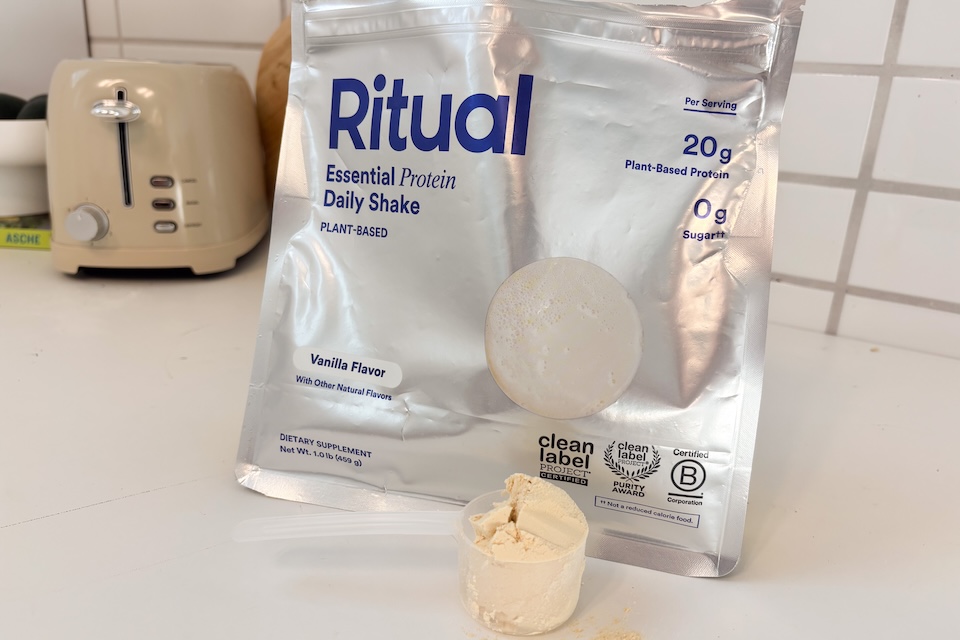
Pete tested Ritual’s protein shake, rating it a 5 out of 5 for mixability: “The product dissolved fully during the 60 seconds of shaking. The texture was thick, but there weren’t any clumps or chunks in the container,” he said.
He tested the vanilla flavor, rating it a 3 out of 5 for taste, and a 1 out of 5 for mild sweetness. “There’s a hint of vanilla flavor, but the pea protein flavor really dominates the taste. It’s also not very sweet, which made it tough to drink,” Pete said. “I’d recommend using more water than the suggested 12 ounces. When mixed using the directions on the label, the shake came out quite thick. Mixing it with around 16 ounces of water created a lighter, smoother consistency that was easier to drink,” he said.
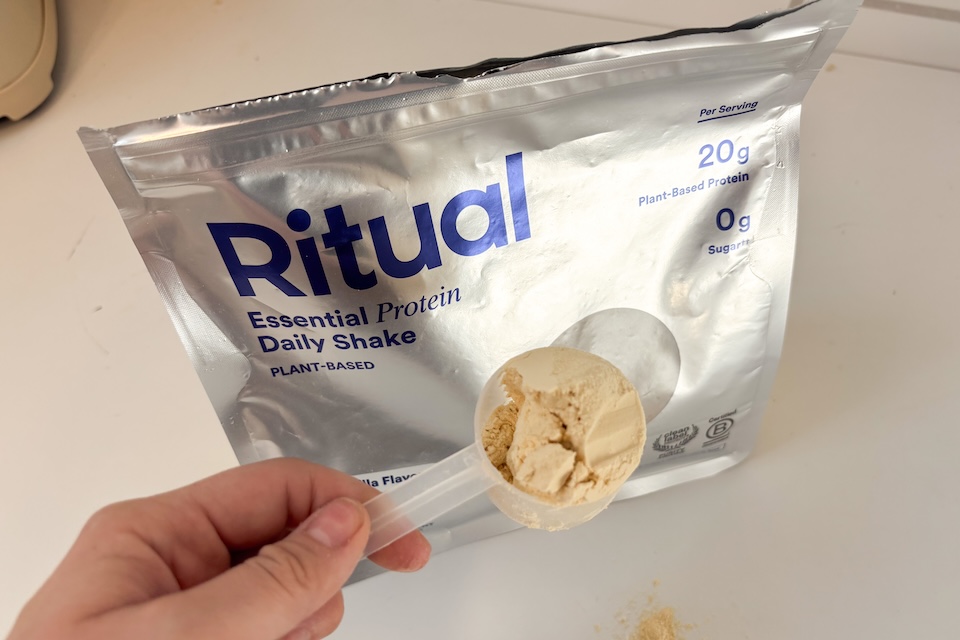
Overall, Pete thinks that Ritual does a great job using all-natural and traceable ingredients in their products. They also prioritize third-party testing. “This protein powder is expensive and it’s cumbersome that they don’t provide a scoop inside of the bag. Instead, they recommend using 5 tablespoons which would annoy me if I had to do that every morning,” Pete said. Just a heads up that if you choose this protein powder, you may want to measure it out ahead of time for each day, or get a scoop to make measuring less of a chore.

Jacked Factory Authentic ISO Grass-Fed Whey Protein Isolate is our pick for the best tasting protein powder for weight loss because it delivers a delicious flavor while still supporting your weight management goals. By using whey isolate, it gives maximum protein along with very few carbs or fat—perfect for maintaining a calorie deficit. This protein powder comes in five flavors, including vanilla oatmeal cookie and cookies and cream.

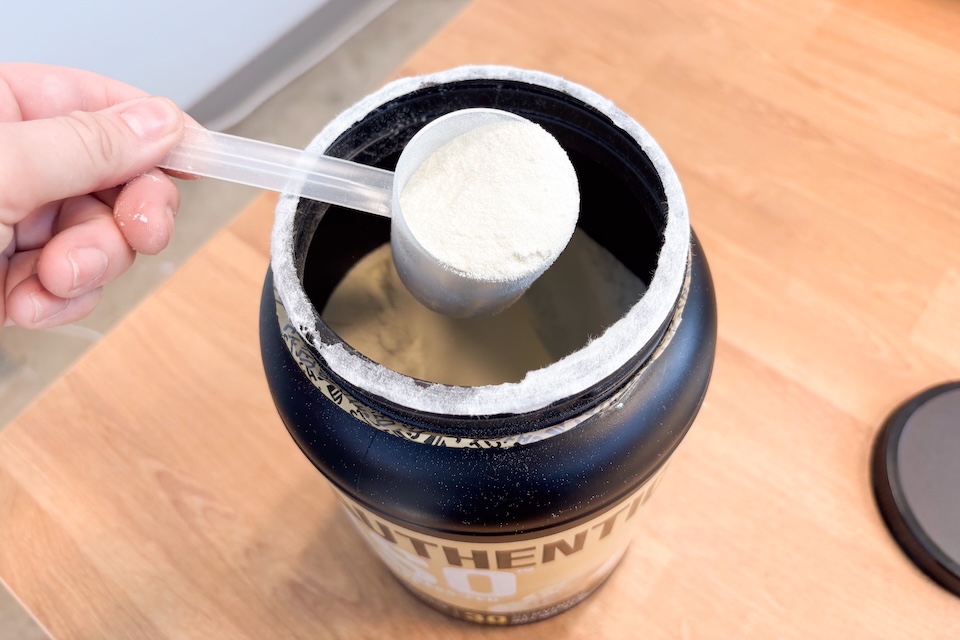
Pete tested this protein powder, rating it a 5 out of 5 for its mixability: “The product dissolved fully in 60 seconds inside of a standard shaker bottle. There were no visible chunks or clumping of the powder.
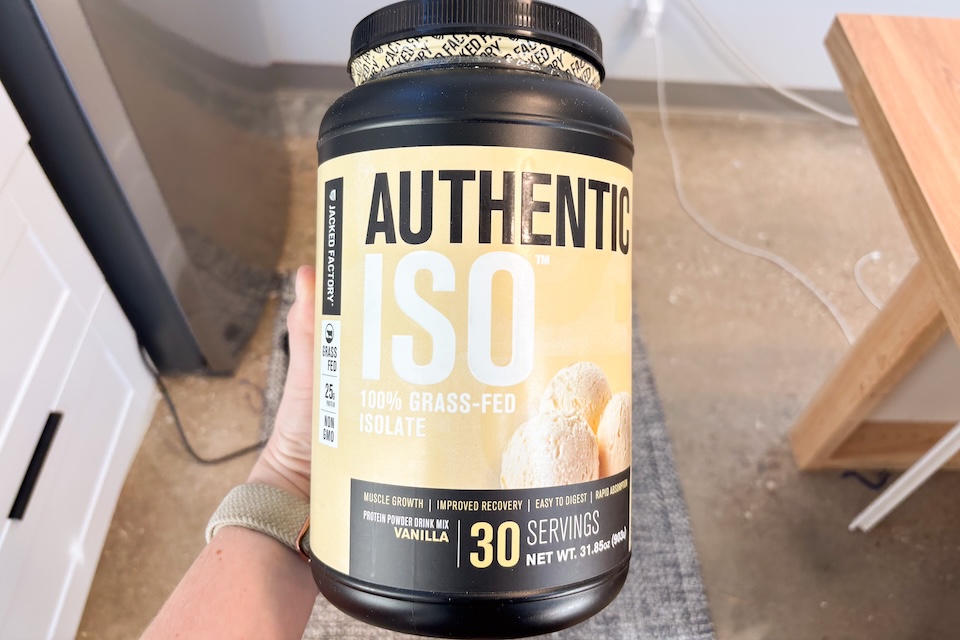
He rated both the taste and flavor of Jacked Factory’s protein powder as a 5 out of 5. “I tested the vanilla flavor, and it was noticeably sweet,” Pete said. “Jacked Factory uses both sucralose and stevia extract, which gives it a strong sweetness that stands out more than the vanilla itself. That said, it mixes easily and has a light, smooth texture that makes it easy to drink.”
Pete didn’t experience any digestive issues or negative side effects, rating it a 5 out of 5 in this category. However, he did note that there is a sweet stevia aftertaste from this product. Overall, he liked that this is a lean protein powder with a high protein-to-calorie ratio, providing 25 grams of protein per 110 calories.
We tested over a dozen protein powders hands-on in our lab. Here are a few that we considered but didn’t make our list of top picks, and why.
When selecting the best protein powders for weight loss, our team follows a thorough, research-driven methodology to ensure only the safest, most effective options make the list.
We partner with a certified nutrition coach for all product testing, analyzing not just labels but actual ingredients and their dosages. Formulas are evaluated for protein content, clinical effectiveness, and safety, prioritizing those that provide a high ratio of protein with minimal calories from carbohydrates or fat—key for fat loss. Artificial sweeteners, unnecessary additives, and controversial ingredients are avoided whenever possible, and we favor dosages aligned with recommended dietary values (RDV) and evidence-based guidelines for supporting weight management.
That said, protein powders aren’t a weight-loss supplement, specifically. We don’t recommend using these products as a primary weight-loss method (instead, focus on consuming a helathy whole-food diet with a slight caloric deficit), they can make for a nutritious, protein-packed snack.
Taste and mouthfeel can make or break a protein powder—after all, if you don’t enjoy it, you’re less likely to stick to your plan. That’s why our team includes blind taste test panels for every powder under consideration. Each option is sampled as directed, and sweetness is rated on a scale of 1 to 5 (5 being very sweet). This helps us identify options that are not only low in sugar but also appealing enough to use daily.
No one wants a gritty or clumpy shake, so we rigorously test the mixability of every product as instructed by the manufacturer. Powders that dissolve easily—without leaving behind residue or chalky bits—score highest, as this improves not just texture but also the willingness of users to use the product consistently.
Given the lack of tight FDA regulation around dietary supplements, third-party testing is non-negotiable in our process. Products that are independently verified for safety and purity by organizations like NSF Certified for Sport or Informed Choice are given preference. This reduces the risk of contamination with heavy metals or unlisted ingredients and ensures what’s on the label matches what’s in the tub.
Finally, value is assessed by weighing all criteria—ingredient quality, effectiveness, flavor, mixability, certifications, and price—against each other. We look for products that deliver strong performance for their cost, so you get the best return possible from a long-term investment in your health.
When searching for the best protein powder for weight loss, it’s essential to consider your individual preferences, fitness objectives, and health needs. The right protein supplement can make your weight loss journey easier and more sustainable, but with so many products on the market, knowing what to look for—and what to avoid—can help ensure your choice aligns with your goals.
Everyone’s weight loss path is different, and what works for one person may not work for another. Endurance athletes, casual gym-goers, and those focused on preserving muscle mass during a calorie deficit will have distinct requirements.
We recommend talking with your doctor or registered dietitian to ensure that your protein intake matches your health status, weight loss plan, and exercise routine. If your main goal is fat loss, prioritize a protein powder with a high protein-to-calorie ratio and minimal added sugars or unnecessary fillers. Above all, make sure to manage your expectations–there’s no such thing as a magic weight-loss supplement.
Choosing a flavor you enjoy is key to making protein powder part of your daily routine. If you dislike the taste, you’re less likely to use it consistently. Sampling a small size, selecting an unflavored option (to add to smoothies or recipes), or reviewing third-party taste ratings can help you avoid flavor fatigue.
Dietary needs and preferences vary: some people need dairy-free or plant-based powders, while others are focused on lower carbohydrates or allergen-free options. Always read the label to understand the ingredients, macro breakdown (protein, carbohydrate, fat content), and how each serving aligns with the recommended daily values (RDVs) for protein and other nutrients. This ensures the product fits into your broader nutrition plan.
Protein supplements can range significantly in price. While cleaner formulas with minimal additives and high-quality ingredients often cost more, consider it an investment in your health—especially if you plan to use it daily.
Third-party testing should be a top priority when choosing a new protein powder. Certification from organizations such as NSF Certified for Sport or Informed Choice helps ensure the product has been tested for purity, potency, and absence of banned substances or contaminants.
Protein powders can be a helpful addition for those working toward weight loss by supporting muscle maintenance, enhancing fullness, and boosting metabolism. Here are some of the main benefits:
Protein powder is most commonly mixed with a liquid—such as water, milk, or a milk alternative—to create a quick, convenient shake, which is especially useful around workouts or when you’re on the go. However, you can get creative by adding protein powder into baked goods, oatmeal, pancake batter, yogurt, or blending it into smoothies for extra nutrition and variety. This flexibility makes it easy to boost your daily protein intake without getting bored or relying solely on shakes.
The Recommended Dietary Allowance (RDA) for protein is about 0.8 grams per kilogram of body weight per day for the average adult, which research shows is sufficient to avoid deficiency but may be on the low end for those who are active, older, or aiming to lose weight and preserve muscle.
A 10-week study comparing pre- and post-workout shakes showed no significant difference in muscle gains—so it’s really about finding a routine that works for you, whether that means in the morning, after exercise, or before bed. For weight loss and appetite control, some evidence suggests that starting your day with a protein-rich meal or shake may curb hunger and reduce calorie intake throughout the day.
Protein powders are not intended to replace balanced meals, as they typically lack the full spectrum of nutrients found in whole foods and proper meal replacements. Instead, think of protein powder as a low-calorie, high-protein snack or dietary supplement to help meet your goals, not as a weight loss solution itself. Relying on protein powder instead of whole foods will not provide the vitamins, minerals, fiber, and healthy fats your body needs. We recommend talking with your doctor or a registered dietitian before adding protein supplements to your weight loss plan, as individual needs may vary depending on your age, goals, etc.
When choosing a protein powder for weight loss, it’s important to be selective because many products contain hidden or potentially risky ingredients that can slow down your progress or even impact your health. Here are some things you should actively avoid:
Transparent Labs’ 100% Grass-Fed Whey Protein Isolate is our top pick for weight loss because it features about 28 grams of protein, less than three grams of carbohydrates, and only about one gram of fat per 130-calorie serving, depending on the flavor chosen. This high protein-to-calorie ratio supports muscle preservation and recovery while staying low in carbs and fat—important for folks aiming to create a calorie deficit without losing lean muscle mass.
Yes, studies have shown that consuming a protein powder drink may help you manage your weight.
The best type of protein for fat loss is typically whey protein, particularly whey protein isolate. Multiple studies and nutrition experts note that whey is rapidly absorbed, highly satiating, helps preserve lean muscle during calorie deficits, and is low in carbohydrates and fat.
Ottawa, Nov. 17, 2025 (GLOBE NEWSWIRE) — The global berberine API market size was valued at USD 523 million in 2024 and is predicted to hit around USD 973.13 million by 2034, rising at a 6.45% CAGR, a study published by Towards Healthcare a sister firm of Precedence Research. The global berberine API market is driven by the expanding healthcare applications and growing innovations.
The Complete Study is Now Available for Immediate Access | Download the Sample Pages of this Report @ https://www.towardshealthcare.com/download-sample/6313
Key Takeaways
What is the Berberine API?
The berberine API market is driven by increasing consumer interest in natural remedies for the management of chronic diseases and growing dietary supplement applications. The berberine API refers to the concentrated form of berberine alkaloids, which are used in the development of dietary supplements or pharmaceutical products. They are used to improve insulin sensitivity, lipid profiles, cardiovascular health, and gut health.
Executive Summary Table
| Table | Scope | |
| Market Size in 2025 | USD 556.74 Million | |
| Projected Market Size in 2034 | USD 973.13 Million | |
| CAGR (2025 – 2034) | 6.45 | % |
| Leading Region | North America by 68% | |
| Market Segmentation | By Product Grade / Quality, By Source / Manufacturing Route, By Form / Salt Type Offered, By Application / End Use, By Business Model / Sales Channel, By Region | |
| Top Key Players | Spectrum Chemical / Spectrum Nutraceuticals, Ningbo / Zhejiang regional botanical extract manufacturers, Hunan / Anhui botanical extract suppliers, Nutraceutical API trading houses & distributors, AdvanSix, Contract API CDMOs, Sabinsa-style formulators, Lonza / Catalent / other large CDMOs, Nutraceutical brand, Botanical farms, Natural ingredient brokers | |
You can place an order or ask any questions, please feel free to contact us at sales@towardshealthcare.com
What are the Major Growth Drivers in the Berberine API Market?
Growing metabolic disease is the major driver in the market. This is increasing the demand for natural or plant-based treatment options for their management, increasing their use. Additionally, expanding the nutraceutical sector, technological innovations, and increasing sustainability trends are some of the other market drivers.
What are the Key Drifts in the Berberine API Market?
The market has been expanding due to the growing collaborations to launch and enhance the use of various berberine solutions.
What is the Significant Challenge in the Berberine API Market?
Quality and standardization issues act as the major challenge in the market. This may affect the purity, quality, and effectiveness of the products, decreasing their acceptance rates. Moreover, poor bioavailability, drug interactions, competition from synthetic alternatives, and regulatory challenges act as other market limitations.
Regional Analysis

Why did Asia Pacific Dominate the Berberine API Market in 2024?
In 2024, the Asia Pacific captured the biggest revenue share of 68% in the market, due to its long history as a traditional medicine. They were used for the treatment of diabetes, metabolic disorders, and as dietary supplements, where the growing awareness also increased their use as nutraceuticals. This increased their production rates as well as innovations, which were backed by investments. This contributed to the market growth.
What Made North America the Fastest Growing Region in the Berberine API Market in 2024?
North America is expected to host the fastest growth in the market during the forecast period, due to the presence of a robust supply market. The growing consumer awareness is also increasing their use as preventive and natural health products. The growing diseases and R&D are also increasing their demand and innovations, where their availability is being enhanced through online platforms, which is promoting the market growth.
Become a valued research partner with us – https://www.towardshealthcare.com/schedule-meeting
Segmental Insights
By product grade/quality analysis
Why Did the Nutraceutical/Dietary-Supplement Grade Segment Dominate in the Berberine API Market in 2024?
By product grade/quality, the nutraceutical/dietary-supplement grade segment led the market with 58% share in 2024, as they were used as natural products for weight management as well as metabolic health. They were affordable and easily accessible, which increased their use.
By product grade/quality, the custom/formulation-ready premixes & blends segment is expected to show the fastest growth rate in the market from 2025 to 2034, due to their improved bioavailability. The ready-use blend saves time and contains multi-ingredient formulations, which is increasing their acceptance rates.
By source/manufacturing route analysis
Which Source/Manufacturing Route Type Segment Held the Dominating Share of the Berberine API Market in 2024?
By source/manufacturing route, the plant-extracted segment held the dominating share of 72% in the market in 2024, driven by its traditional medicinal use. Moreover, as they are naturally occurring and consist of target alkaloids, their use has increased, driving their production and cultivation.
By source/manufacturing route, the semi-synthetic/synthetic segment is expected to show the highest growth in the market from 2025 to 2034, due to its better standardization and purity. They are easy to scale up, and new novel analogues or delivery systems can be easily developed to enhance their applications.
By form/salt type offered analysis
What Made Berberine Chloride/Berberine HCl the Dominant Segment in the Berberine API Market in 2024?
By form/salt type offered, the berberine chloride/berberine HCl held the largest share of 62% in the market in 2024, driven by its better water solubility. Additionally, they also provided accurate dosing, which increased their use in the forms of tablets, capsules, and other nutraceutical formulations.
By form/salt type offered, the micronized/particle-engineered berberine segment is expected to show the fastest growth rate in the market from 2025 to 2034, due to its enhanced bioavailability. This is increasing their use as fast-acting health products, driving their demand in nutraceuticals.
Get the latest insights on life science industry segmentation with our Annual Membership: https://www.towardshealthcare.com/get-an-annual-membership
By application/end use analysis
How the Dietary Supplements & Nutraceuticals Segment Dominated the Berberine API Market in 2024?
By application/end use, the dietary supplements & nutraceuticals segment led the market with 60% share in 2024, due to its increased use in blood sugar control and weight management. They were also used as natural products, where their increased availability prompted their use.
By application/end use, the pharmaceutical/prescription products segment is expected to show the highest growth in the market from 2025 to 2034, due to their increasing R&D. They are also being formulated for the treatment of diabetes and lipid disorders, which is increasing their acceptance rates.
By business model/sales channel analysis
Which Business Model/Sales Channel Type Segment Held the Dominating Share of the Berberine API Market in 2024?
By business model/sales channel, the bulk API sales to formulators/brand owners segment held the dominating share of 55% the market in 2024, due to their focus on product development. Therefore, the large-scale production helped in producing affordable berberine solutions, which increased their use.
By business model/sales channel, the direct-to-brand white-label & co-packing segment is expected to show the fastest growth rate in the market from 2025 to 2034, due to its low upfront investments and faster product launches. Moreover, their flexibility provides varied batch sizes, which is increasing their use.
Recent Developments in the Berberine API Market
Browse More Insights of Towards Healthcare:
The global insulin API market size is calculated at US$ 4.51 billion in 2025, grew to US$ 4.94 billion in 2026, and is projected to reach around US$ 10.21 billion by 2034. The market is expanding at a CAGR of 9.52% between 2024 and 2034.
The global oncology API market size is calculated at USD 41.79 billion in 2024, grew to USD 43.95 billion in 2025, and is projected to reach around USD 69.55 billion by 2034. The market is expanding at a CAGR of 5.24% between 2025 and 2034.
The global steroid hormone API market size is calculated at US$ 3.54 billion in 2024, grew to US$ 3.74 billion in 2025, and is projected to reach around US$ 6.06 billion by 2034. The market is expanding at a CAGR of 5.54% between 2025 and 2034.
The global small molecule API market size is calculated at US$ 206.9 billion in 2025, grew to US$ 219.52 billion in 2026, and is projected to reach around US$ 374.03 billion by 2035. The market is expanding at a CAGR of 6.1% between 2026 and 2035.
The global serum gonadotrophin API market size was estimated at US$ 131 million in 2024, projected to increase to US$ 137.1 million in 2025 and reach US$ 202.93 million by 2034, showing a healthy CAGR of 4.64% across the forecast years.
The global non-ionic contrast media API market size is calculated at US$ 1.81 billion in 2024, grew to US$ 1.92 billion in 2025, and is projected to reach around US$ 3.32 billion by 2034. The market is projected to expand at a CAGR of 6.34% between 2025 and 2034.
The clavulanic acid series API market was estimated at US$ 385 million in 2023 and is projected to grow to US$ 777.66 million by 2034, rising at a compound annual growth rate (CAGR) of 6.6% from 2024 to 2034.
Berberine API Market Key Players List
Segments Covered in The Report
By Product Grade/Quality
By Source/Manufacturing Route
By Form/Salt Type Offered
By Application/End Use
By Business Model/Sales Channel
By Region
North America
South America
Europe
Asia Pacific
MEA
Immediate Delivery Available | Buy This Premium Research @ https://www.towardshealthcare.com/checkout/6313
Access our exclusive, data-rich dashboard dedicated to the healthcare market – built specifically for decision-makers, strategists, and industry leaders. The dashboard features comprehensive statistical data, segment-wise market breakdowns, regional performance shares, detailed company profiles, annual updates, and much more. From market sizing to competitive intelligence, this powerful tool is one-stop solution to your gateway.
Access the Dashboard: https://www.towardshealthcare.com/access-dashboard
About Us
Towards Healthcare is a leading global provider of technological solutions, clinical research services, and advanced analytics, with a strong emphasis on life science research. Dedicated to advancing innovation in the life sciences sector, we build strategic partnerships that generate actionable insights and transformative breakthroughs. As a global strategy consulting firm, we empower life science leaders to gain a competitive edge, drive research excellence, and accelerate sustainable growth.
You can place an order or ask any questions, please feel free to contact us at sales@towardshealthcare.com
Europe Region: +44 778 256 0738
North America Region: +1 8044 4193 44
APAC Region: +91 9356 9282 04
Web: https://www.towardshealthcare.com
Our Trusted Data Partners
Precedence Research | Statifacts | Towards Packaging | Towards Automotive | Towards Food and Beverages | Towards Chemical and Materials | Towards Consumer Goods | Towards Dental | Towards EV Solutions | Nova One Advisor | Healthcare Webwire | Packaging Webwire | Automotive Webwire | Nutraceuticals Func Foods | Onco Quant | Sustainability Quant | Specialty Chemicals Analytics
Find us on social platforms: LinkedIn | Twitter | Instagram | Medium | Pinterest

Dublin, Nov. 17, 2025 (GLOBE NEWSWIRE) — The “Europe Tea Market Analysis and Growth Forecast 2025-2033” has been added to ResearchAndMarkets.com’s offering.
The Europe Tea Market is anticipated to grow from US$ 20 billion in 2024 to US$ 33.71 billion by 2033 at a CAGR of 5.97% from 2025 to 2033. Growing health consciousness, demand for specialty and herbal teas, and changing consumer tastes towards organic products are fueling market expansion throughout the region, complemented by robust retail and e-commerce distribution networks.
Growth Drivers in the Europe Tea Market
Increased Health and Wellness Awareness
European consumers are increasingly substituting tea for sugary drinks and coffee as a healthier option. Green tea, herbal teas, and functional teas (which contain ingredients such as turmeric or ginger) are becoming sought after for their antioxidant, cleansing, and soothing virtues. As interest grows in immune well-being and mental health, demand for organic and wellness-focused tea products has accelerated, particularly since COVID-19, transforming consumption behaviors throughout the region. March 2024, Twinings launched a line of functional tea blends specially crafted for the European market, featuring distinctive botanical ingredients and wellbeing benefits.
Growth in Specialty and Premium Tea
The tea market in Europe is being driven by growth in specialty blends, luxury teas, and artisanal products. Consumers are trying new tastes, single-origin teas, and responsibly sourced varieties, stimulating innovation among companies. Boutique tea houses, experience-based store formats, and edited subscription boxes are raising tea from an ordinary drink to an aspirational product. The premiumization movement has widened appeal across younger, more upscale audiences. January 2024, Unilever PLC introduced a new range of premium organic teas appealing to health-focused consumers, with innovative eco-friendly packaging.
Development of E-commerce and Digital Retail Channels
Online tea sales have seen high growth in Europe as a result of convenience, wider product range, and social media. Internet platforms enable access to niche and international brands that might be lacking in physical retail. Subscription models and wellness influencers also play a part in product finding and interaction, enabling tea businesses to create direct customer relationships and tailor offers. For instance, in the UK, tea sales online became extremely popular, with investment increasing by 70% in 2022, according to the British E-commerce Association. One of the main forces driving this sector’s high growth is the increasing focus on digital accessibility and subscription services.
Challenges in the Europe Tea Market
Market Saturation and Intense Competition
The European tea industry is mature and competitive, especially in Western Europe. There are many local and international brands competing for consumers’ attention, triggering price pressure and constrained shelf space. Innovation assists but is challenging for new brands to make headway without massive marketing spend. Mature tea-consuming nations such as the UK experience levelling-off growth, with brands needing to differentiate via health messages, taste, or ethical origin.
Fluctuating Raw Material Costs and Climate Impact
Tea production is greatly dependent on climatic factors. Erratic weather conditions, floods, and droughts in key tea-producing countries such as India, Sri Lanka, and Kenya may impact supply chains and raise costs. These uncertainties impact price and supply in Europe. Also, increased transportation and energy costs, along with sustainability issues, pose difficulties for producers and importers in keeping the producers profitable without sacrificing quality or ethical sourcing practices.
Key Attributes
| Report Attribute | Details |
| No. of Pages | 200 |
| Forecast Period | 2024-2033 |
| Estimated Market Value (USD) in 2024 | $20 Billion |
| Forecasted Market Value (USD) by 2033 | $33.71 Billion |
| Compound Annual Growth Rate | 5.9% |
| Regions Covered | Europe |
Key Topics Covered
1. Introduction
2. Research & Methodology
3. Executive Summary
4. Market Dynamics
4.1 Growth Drivers
4.2 Challenges
5. Europe Tea Market
5.1 Historical Market Trends
5.2 Market Forecast
6. Market Share Analysis
6.1 By Product Type
6.2 By Packaging
6.3 By Application
6.4 By Distribution Channel
6.5 By Country
7. Product Type
7.1 Green Tea
7.2 Black Tea
7.3 Oolong Tea
7.4 Others
8. Packaging
8.1 Plastic Containers
8.2 Loose Tea
8.3 Paper Boards
8.4 Aluminium Tea
8.5 Tea Bags
8.6 Others
9. Application
9.1 Residential
9.2 Commercial
10. Distribution Channel
10.1 Supermarkets and Hypermarkets
10.2 Specialty Stores
10.3 Convenience Stores
10.4 Online Stores
10.5 Others
11. Country
11.1 France
11.2 Germany
11.3 Italy
11.4 Spain
11.5 United Kingdom
11.6 Belgium
11.7 Netherlands
11.8 Russia
11.9 Poland
11.10 Greece
11.11 Norway
11.12 Romania
11.13 Portugal
11.14 Rest of Europe
12. Value Chain Analysis
13. Porter’s Five Forces Analysis
13.1 Bargaining Power of Buyers
13.2 Bargaining Power of Suppliers
13.3 Degree of Competition
13.4 Threat of New Entrants
13.5 Threat of Substitutes
14. SWOT Analysis
14.1 Strength
14.2 Weakness
14.3 Opportunity
14.4 Threats
15. Pricing Benchmark Analysis
16. Key Players Analysis
16.1 Associated British Foods PLC
16.2 Tata Consumer Products Limited (Tata Group)
16.3 Unilever
16.4 Barry’s Tea
16.5 Taetea Group
For more information about this report visit https://www.researchandmarkets.com/r/o6nc6w
About ResearchAndMarkets.com
ResearchAndMarkets.com is the world’s leading source for international market research reports and market data. We provide you with the latest data on international and regional markets, key industries, the top companies, new products and the latest trends.

Elderberry supplements and syrups pop up all over the place during cold and flu season, making it feel like everyone else knows something you don’t. But is elderberry full of the immune-boosting health benefits people across social media report?
Elderberry has been used to support immune systems for centuries, and something is driving this trend. It shows up in everything from children’s medications to capsules, but doctors say this is not a slam dunk for immune health.
To be fair, there is some data to suggest that elderberry may help support immune health—it’s just not robust. “Non-rigorous studies have driven the use of elderberry as a common cold treatment given that they contain certain vitamins and antioxidants,” says Amesh A. Adalja, M.D., a senior scholar at the Johns Hopkins Center for Health Security.
Also, elderberry supplements are largely well-tolerated and safe, making them something most people don’t mind trying, says Jamie Alan, Ph.D., associate professor of pharmacology and toxicology at Michigan State University.
Meet the experts: Amesh A. Adalja, M.D., is a senior scholar at the Johns Hopkins Center for Health Security; Thomas Russo, M.D., is a professor and chief of infectious diseases at the University at Buffalo in New York; Jamie Alan, Ph.D., is an associate professor of pharmacology and toxicology at Michigan State University; Scott Keatley, R.D., is co-founder of Keatley Medical Nutrition Therapy; Jessica Cording, R.D., C.D.N., is author of The Little Book of Game-Changers; Sonya Angelone, Ph.D., R.D.N., is a nutritionist and registered dietitian based in San Francisco
But doctors and a dietitian want you to keep a few things in mind before adding that elderberry supplement to your cart. Here’s what to know.
Elderberry is a small berry that grows on the elder tree, which is actually a bush, says Scott Keatley, R.D., co-founder of Keatley Medical Nutrition Therapy. “It’s grown mostly in Europe,” he says.
The ripe, cooked berries are added to syrups, teas, and jams, Keatley says. “They are often accompanied by sugar because they have a flavor most people do not enjoy,” he says. Keatley also flags this important caveat: “When consumed unripe, they are toxic.”
Elderberry has been used medicinally for hundreds of years for immune support, says Jessica Cording, R.D., C.D.N., author of The Little Book of Game-Changers. “It’s rich in antioxidants like vitamin C and anthocyanins,” she says.
While elderberry can be consumed cooked, “you mostly find it in supplement form, such as syrups, gummies, or capsules,” Cording says.
Keep in mind, though, that elderberry supplements are not regulated by the U.S. Food and Drug Administration. With that, it’s hard to know if you’re actually getting elderberry and at what dose in any given supplement.
Most of the supposed benefits of elderberries focus on immune health, but there’s no strong scientific evidence to support these claims.
“There is some evidence that elderberry can decrease immune-signaling molecules in our body and may shorten the duration or lessen the symptoms of the common cold and/or flu,” says Jamie Alan, Ph.D., an associate professor of pharmacology and toxicology at Michigan State University. “However, there are no studies that clearly link elderberry use to improved clinical outcomes.”
Thomas Russo, M.D., a professor and chief of infectious diseases at the University at Buffalo in New York, agrees. “The highest quality studies did not demonstrate benefit for viral respiratory infections,” he says. “Larger, high-quality trials are needed to resolve whether there is a benefit or not.”
Just a few examples of those studies to keep in mind. Two older studies on 60 patients published in the Journal of International Medical Research in 2004 determined that elderberry extract supplements shortened the duration of the flu by up to four days compared to people aged 18 and up who took a placebo. But that study was small, making it hard to draw too many conclusions.
Keep in mind, too, that another small study of 87 patients aged 5 and up found that children who tested positive for the flu and took 15 milliliters of elderberry extract twice a day for five days did not show shorter recovery times than children who took the placebo. That study also found that kids who took elderberry needed an extra two days for their symptoms to improve compared to a placebo. As a result, the researchers concluded that there was “no evidence” that elderberry helped with flu severity or how long it lasted.
Ultimately, “it’s unclear whether elderberry has an immune-boosting effect that is clinically significant,” Dr. Adalja says.
There are a few things to keep in mind when it comes to potential side effects. “Only ripe, dark berries are safe to eat when properly cooked,” says Sonya Angelone, Ph.D., R.D.N., a nutritionist and registered dietitian based in San Francisco. “It is best not to eat green or underripe red berries since they may cause nausea, vomiting, or diarrhea.”
But elderberry, even in its cooked form, has potential drug interactions, although Dr. Adalja says these are “mostly minor.”
“If you are taking immunosuppressants, then I would recommend having a discussion with your healthcare provider,” Alan says. “Also, if you are diagnosed with diabetes, elderberry may lower blood sugar, so I would also recommend talking to your healthcare provider.” (But this does not mean it could be used to replace any medications you’re already on for blood glucose management.) Those are the two Alan says she’s most concerned about.
Overall, doctors and dietitians recommend taking a pass on elderberry supplements. “There is no strong evidence that these supplements improve clinical outcomes,” Alan says. “I would recommend saving your money.”
Updated:Nov 17, 2025
Kolkata’s culture is deeply rooted in its tea. From early in the morning until late at night, it is consumed throughout the day. The sound of dishes clattering and the smell of freshly brewed tea fill the booths of the chaiwallahs, or street merchants, who are everywhere. But Kolkata is also home to a few of the most luxurious tea rooms in the country, linked to the city’s colonial heritage. Here are a few interesting ones you can take note of.
Image Credit: Pixabay
A modest tea stall on the street, a passionate dispute about politics, a newspaper in one hand and hot chai in the other. It’s peak Bengali behaviour. Today, though, the discussion shifts from the local tea stalls in the city to tea rooms in the city. What is a tea-room, you ask? A tearoom is a quaint setting where people congregate to savour different kinds of tea, frequently with light fare like cakes, sandwiches, or scones. With a steaming cup of tea, tearooms provide a comfortable and friendly setting where guests may relax, talk with friends, or even hold business meetings. Yes, it’s the European influence that still permeates these tea rooms in Kolkata. It’s all very Bridgerton, with tea cakes on the side, charming tea rooms and lounges, pinky-up while drinking, and laughing like it’s high tea at a royal estate. Tea rooms and lounges that radiate this vintage English charm abound in Kolkata. Continue reading to know where to go:
India’s first female tea taster opened her own tea business in Kolkata in 1988. Dolly Roy, who goes by Dolly, launched Dolly’s – The Tea Shop inside Dakshinapan Shopping Complex. Dolly’s been serving exceptional blends and educating people how to enjoy tea the way experts do, long before tea rooms and lounges were trendy. Try raw tea, particularly Darjeeling tea without milk, also referred to as liquor cha in the community (no, it isn’t made with alcohol; we prefer tea made with tea leaves). And also the Mango Tango if the heat rushes to your head! You can also purchase tea to take home. With vintage, retro music playing in the background, the atmosphere is terrific. There is something for everyone, including herbal infusions, speciality blends, and black and green teas.
Address: Shop No. G-62, Ground Floor, Dakhinapan Shopping Complex, 2, Gariahat Rd S, Dhakuria, Jodhpur Park, Kolkata, West Bengal 700068
Timings: 10:30 AM – 8 PM. Closed on Sundays.

Like a scene from your current book, this is where all the BookTok girlies, bookworms, and literary romantics congregate. If you enjoy falling into a main-character mindset, the Cha Bar within Oxford Bookstore, Park Street, is the place to start your story. Purchase a book and immediately begin reading it while enjoying some tea and pastries. While enjoying what is arguably the largest selection of teas in Kolkata, including several tea-based mocktails, you can read and write at your leisure. With over 150 different types of tea, Cha Bar’s tea menu includes Arabic, Chinese, Japanese, Moroccan, Russian, Sri Lankan, South African and Thai teas in addition to a variety of single-origin Darjeeling, Nilgiri, Sikkim and Oolong teas, flowering teas, organic teas, herbal teas, fruit teas and bubble teas.
Address: 17, Park Street, Oxford Book Store, Park Street Area, Taltala, Kolkata, West Bengal 700016
Address: Ground Floor, 62/1, Golpark, Hindustan Park, Gariahat, Kolkata, West Bengal 700029

Not only one of the oldest bakeries but also one of the oldest tea rooms in the city and country, Flurys has to be on your list. It serves the best view of the iconic Park Street with a side of English charm in Kolkata. Flurys originally had been established as an old English tearoom by Mr and Mrs J. Flurys in 1927. Well-known around the world for its rich, creamy cookies, puddings, and pastries, and hot beverages too, decades later, the restaurant is still as well-liked, featuring chandeliers, fancy furniture, and pastel colours that evoke the atmosphere of European tea salons. The tea blend offered at the flagship location on Park Street will appeal to you. Namring Upper Tea Estate supplies the second flush Darjeeling tea, while the company-owned garden at Budlabeta supplies the Assam tea. Darjeeling is the source of green tea. They also have an upcoming tea set that will have the logo stamped on it, which includes tea, milk, sugar pots, cups, saucers, and a strainer.
Address: 18A, Park St, Park Street area, Kolkata, West Bengal 700071
The Glenburn Cafe has been renovated from an old warehouse site. It gives the feel of a European tea room and is part of the famous Glenburn tea estate in Darjeeling. Upon entering, you will be mesmerised by the quaint white louvred windows, the vintage décor, the chequered marble floors, and the flower-filled boxes underneath each window. It’s a wonderful spot to enjoy Glenburn’s renowned tea and some delectable cakes and pastries. Hot and cold drinks from the 8th Day Café, a roastery in Kolkata, are offered, along with a wide variety of 23 varieties of Darjeeling, Assam, and tasty mixes from their tea plantations in Darjeeling and Khongea, Assam. Tea from Darjeeling is served with a squeeze of fresh Gondhoraj lemon.
Address: 7A, Russel St, Park Street area, Kolkata, West Bengal 700071

Image Credit: ITC Royal Bengal
Address: G9WX+G3 ITC Royal Bengal, 1, JBS Haldane Ave, Tangra, Kolkata, West Bengal 700105
Address: 21, 2, Gariahat Rd, Ballygunge Gardens, Keyatala, Kolkata, West Bengal 700019

Image Credit: Makaibari Bungalow
Visit the recently built Makaibari Bungalow Life store at Taj Bengal to experience the atmosphere of a plantation. Excellent tea, beautiful handmade fabrics, and the sophistication of plantation furniture are all available in this immersive space. Celebrated for its 160-year history of creating outstanding organic teas, the renowned Bengali tea brand Makaibari at Taj Bengal in Kolkata is now offering its discriminating clientele a lavish bungalow lifestyle. The space features handcrafted goods from Luxmi Estates’ historical outposts, which are responsible for prestigious brands like Obeetee and Makaibari, each of which has more than a century of unmatched craftsmanship. This includes an amazing selection of excellent teas, well-wrought silver teapots, plantation furniture, beautiful carpets, and home linens, all of which are expertly intended to create an extravagant, handcrafted lifestyle.
Address: 34-B, Belvedere Rd, Alipore, Kolkata, West Bengal 700027
Cost: INR 95,000 per package
A gastroenterologist trained at Harvard has cautioned individuals to scrutinise their tea-drinking habits, as they could be causing damage to your gut and liver.
Brits are famous for their fondness for tea, consuming over 100 million cups daily – amounting to approximately 36 billion cups each year. The UK Tea and Infusions Association (UKTIA) discloses that 84% of Britons savour a brew every single day.
But have you ever pondered what this might be doing to your body?
Harvard-educated gastroenterologist Dr Saurabh Sethi has now taken to Instagram to alert his 1.3 million followers about potentially harmful tea-drinking practices that could be detrimental to their health.
“I’m a board certified gastroenterologist and here are [the] seven worst tea habits wrecking your gut + liver,” he penned on his post, reports the Mirror.
He then proceeded to share seven common blunders people make when drinking tea, and how it can impact your health negatively.
Dr Sethi’s initial warning advised against drinking tea without food, urging individuals to have a snack before or during their cuppa.
He clarified that having tea on an empty stomach irritates the stomach lining due to its acidity and compounds such as caffeine and tannins.
This can subsequently provoke acid reflux, nausea, and general discomfort.
It may also lead to dehydration since tea acts as a diuretic and could obstruct iron absorption, particularly problematic for those suffering from anaemia.
Next, Dr Sethi advised people to limit their consumption of iced teas or milk teas due to their high sugar content. He informed his followers: “Iced teas or milk teas can pack 30 – 40 grams of sugar.”
This implies that regularly drinking these types of sugary teas can heighten the risk of conditions like non-alcoholic fatty liver disease or diabetes.
Thirdly, Dr Sethi disclosed that detox teas, or ‘slimming’ teas, may not be as beneficial as they are advertised
While they might work for some, the doctor explained that the ‘slimming’ element in these teas is usually a form of laxative.
Frequent consumption of these tea ‘laxatives’ can lead to dehydration, electrolyte imbalance, and gut damage.
Therefore, it’s essential not to consume more than recommended and to consult NHS guidance on laxatives to avoid any lasting harm to your body.
Lastly, while green tea is generally considered a healthier alternative to standard black tea, it’s also important not to overdo it.
If you’re not fond of the taste of green tea, then green tea supplements have become a popular way to still reap the benefits of green tea, such as antioxidants and polyphenols, without having to drink it.
However, Dr Sethi issued a stark warning about over-reliance on these supplements, as they’ve been associated with a rare, ‘but real’ risk of liver toxicity.
While many of us are guilty of pouring boiling water straight from the kettle onto our teabag, Dr Sethi has advised tea lovers to hold off drinking until the water has cooled to below 65C.
He further explained that regularly consuming tea hotter than 65C has been shown to heighten the risk of oesophageal cancer.
A Chinese study published in 2020 found a significant link between regularly drinking tea hotter than 65C and Oesophageal squamous cell carcinoma, a type of cancer that originates in the thin, flat squamous cells lining the oesophagus, the tube connecting the throat and stomach.
Although different types of tea contain significantly less caffeine compared to coffee, it’s still crucial to be aware of its presence.
For this reason, Dr Sethi advised tea drinkers to steer clear of chai and green teas late at night. He elaborated that caffeine lingers in our bodies, which can disrupt our sleep.
This can subsequently hinder your body’s ability to repair itself effectively during the night, such as your liver or gut.
Dr Sethi issued a stark warning to bubble tea lovers, cautioning them about the high sugar content and ‘hidden calories’ in their favourite drinks.
He explained that the sweet mixture, along with starchy boba pearls made from tapioca, can lead to an unexpected calorie intake. This could potentially result in insulin resistance and non-alcoholic fatty liver disease.
To avoid these health problems, it’s essential to maintain a balanced lifestyle and adhere to a nutritious diet.
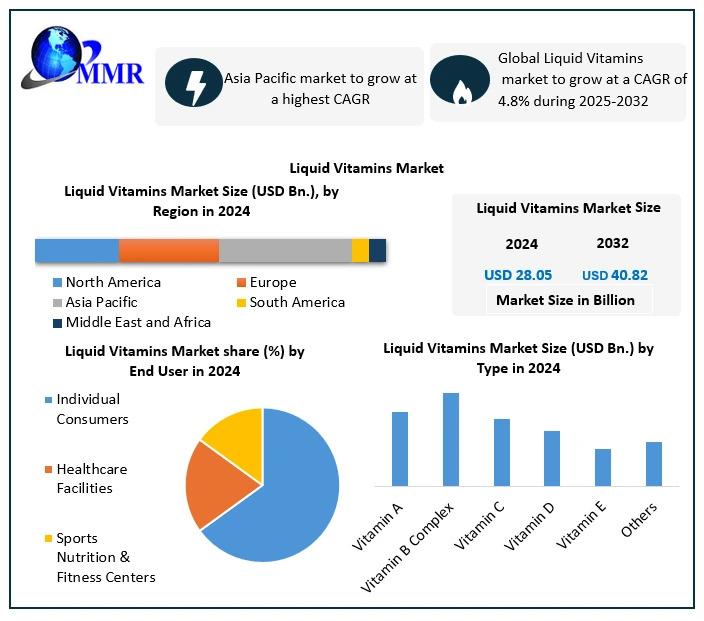
According to a new report by Maximize Market Research, the global Liquid Vitamins Market was valued at USD 28.05 billion in 2024 and is projected to reach USD 40.82 billion by 2032, growing at a CAGR of 4.8%. The increasing adoption of liquid vitamin supplements across pharmaceuticals, food & beverages, and cosmetics is fueling market expansion worldwide.
► Get a sample of the report:https://www.maximizemarketresearch.com/request-sample/110856/
♦ Key HighlightsaMarket Size:
Market Size & CAGR: USD 28.05 Bn in 2024; projected USD 40.82 Bn by 2032, CAGR 4.8%
Leading Application: Pharmaceuticals segment dominates the market
Fastest-Growing Region: Asia Pacific, driven by rising population and nutritional awareness
Market Drivers: Health awareness, convenience of liquid formulations, and fast absorption
Challenges: Bitter taste and dosing issues of liquid vitamins
Top Companies: Key players include DSM, Amway, Nature’s Bounty, Pfizer, and Abbott Laboratories
♦ Market Outlook
Liquid vitamins offer multi-mineral supplementation suitable for children and adults with difficulty absorbing tablets. Water-soluble vitamins like B12, B6, and C dominate due to high bioavailability, while fat-soluble vitamins A, D, E, and K contribute to bone health, immunity, and vision. Growth is supported by urban lifestyle trends and increasing preventive healthcare measures.
► Get access to the full description of the report @https://www.maximizemarketresearch.com/market-report/global-liquid-vitamins-market/110856/
♦ Regional Insights
Asia Pacific leads the market due to rising consumer demand in China, India, and Southeast Asia. Government initiatives promoting nutritional supplements and increasing disposable income accelerate adoption. North America and Europe continue to show steady growth, particularly in the pharmaceutical and cosmetics sectors.
♦ Key Players & Competitive Landscape
Market competition is intense, with prominent players such as DSM, Amway, Nature’s Bounty, Pfizer, and Abbott Laboratories focusing on innovation, product diversification, and regional expansion. Companies leverage R&D and marketing strategies to strengthen their presence.
♦ Quote
“Rising awareness about preventive health and convenience of liquid supplementation positions the liquid vitamins market for consistent growth over the next decade,” said Priya Malhotra, Senior Analyst at Maximize Market Research.
◉ Get Market Research Latest Trends
♦ Mexico Online Ondemand Home Services Market https://www.maximizemarketresearch.com/market-report/mexico-online-on-demand-home-services-market/39031/
♦ Banking Cyber Security Market https://www.maximizemarketresearch.com/market-report/global-banking-cyber-security-market/92354/
♦ Global Content Distribution Platform Market https://www.maximizemarketresearch.com/market-report/global-content-distribution-platform-market/109151/
Contact Maximize Market Research:
3rd Floor, Navale IT Park, Phase 2
Pune Bangalore Highway, Narhe,
Pune, Maharashtra 411041, India
sales@maximizemarketresearch.com
+91 96071 95908, +91 9607365656
About Maximize Market Research:
Maximize Market Research is a multifaceted market research and consulting company with professionals from several industries. Some of the industries we cover include medical devices, pharmaceutical manufacturers, science and engineering, electronic components, industrial equipment, technology and communication, cars and automobiles, chemical products and substances, general merchandise, beverages, personal care, and automated systems. To mention a few, we provide market-verified industry estimations, technical trend analysis, crucial market research, strategic advice, competition analysis, production and demand analysis, and client impact studies.
This release was published on openPR.
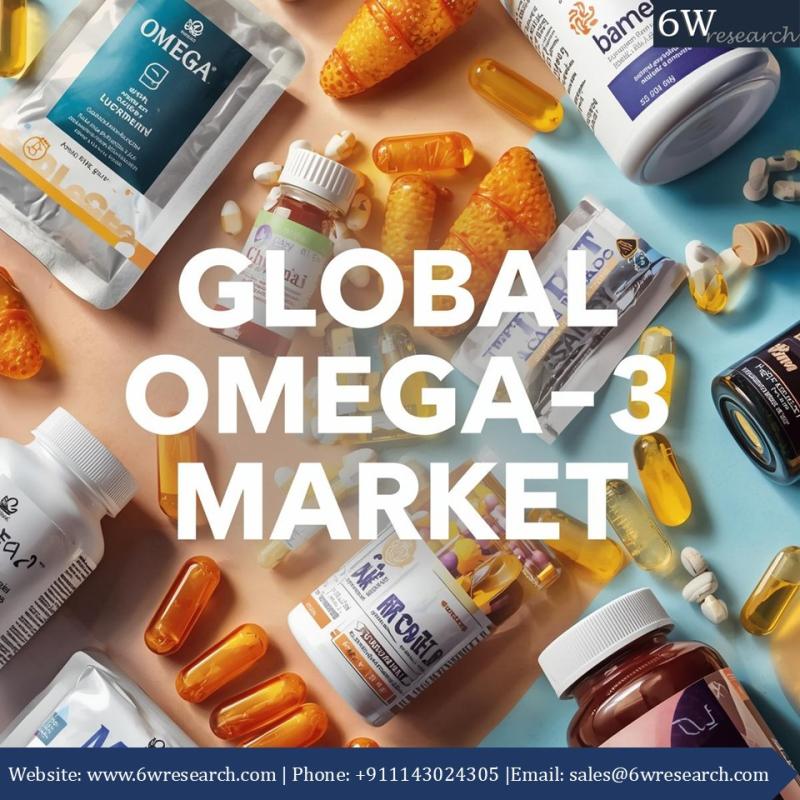
The global omega-3 market is experiencing vigorous growth as demand increases in various sectors such as pharmaceutical, food, health, and cosmetics. Rising consumer awareness of the health benefits, like enhancing brain function, supporting cardiovascular health, and decreasing inflammation, is driving market expansion. Omega-3, which is said to be one of the essential fatty acids for the body, is obtained from krill oil, algae oil, fish oil, and plant-based options, making it highly demanded in healthcare products, households, and dietary supplements.
According to 6Wresearch, the Global Omega-3 Market is projected to grow strongly at a compound annual growth rate (CAGR) of 5.60% between 2025 and 2031. Major factors driving the global omega-3 market growth include urbanization, rising disposable incomes, growing demand for preventive healthcare, and the expansion of international trade. Furthermore, consumer preferences for natural, plant-based, and sustainable omega-3 products are reshaping the industry. The rising popularity of functional foods, the health and wellness trend, and innovations in supplement delivery systems are also contributing to strong market growth worldwide.
Request Sample Page: https://www.6wresearch.com/industry-report/global-omega-3-market
Regional Insights:
• North America: The U.S. and Canada are experiencing strong demand due to rising health awareness and widespread consumption of dietary supplements.
• Europe: Europe is a key market driven by consumer awareness of preventive healthcare.
• Asia-Pacific: Rapid growth is observed as consumers in China, India, and Southeast Asia adopt healthier diets.
• Latin America: Countries like Brazil and Mexico are experiencing growing demand due to lifestyle changes and increasing health concerns.
• Middle East & Africa: Rising health awareness, growing disposable incomes, and increasing urbanization are supporting market expansion.
Applications of Omega-3:
• Food & Beverages: Used in fortified dairy, bakery, infant formulas, and health drinks.
• Dietary Supplements: Widely consumed for heart, brain, eye, and joint health.
• Pharmaceuticals: Incorporated in medicines for cardiovascular, neurological, and inflammatory conditions.
• Cosmetics & Personal Care: Used in skin and haircare products for anti-aging and moisturizing benefits.
Market Segmentation
• By Source: Fish Oil, Krill Oil, Algae Oil, and Plant-Based Sources (like flaxseed, chia, and walnut).
• By Application: Food & Beverages, Dietary Supplements, Pharmaceuticals, Animal Nutrition, and Cosmetics.
• By End User: Households, Healthcare Companies, Food & Beverage Manufacturers, Animal Feed Companies, and Cosmetic/Pharma Companies.
• By Region: North America, Europe, Asia-Pacific, Latin America, Middle East & Africa.
Challenges and Opportunities
Even though the market is experiencing steady growth, there are still significant challenges that hinder its progress. Concerns about sustainability issues, overfishing, counterfeit or low-quality items, and stringent global quality standards act as barriers. Lack of awareness in evolving markets and high price fluctuations in raw materials also impact development.
However, the industry offers promising prospects. The rising exports, growing demand for sustainable and plant-based omega-3 options, and growing use in pharmaceuticals and cosmetics are enhancing the sector’s potential. Eco-friendly packaging innovations, sustainability-focused production, and the expansion of fortified foods and preventive healthcare are opening new growth avenues.
Conclusion
The global omega-3 market is set for robust development. Factors driving market expansion include rising global trade, increasing adoption of health-conscious diets, and consumer demand for sustainable and premium-quality products. Ongoing advancements in biotechnology, sustainable sourcing, and value-added omega-3 products are shaping market dynamics. Finally, the global omega-3 market is positioned to grow steadily, providing healthcare providers, exporters, manufacturers, and investors globally.
Related Topics:
https://www.6wresearch.com/industry-report/russia-omega-3-market
https://www.6wresearch.com/industry-report/north-america-omega-3-market
https://www.6wresearch.com/industry-report/middle-east-omega-3-market
https://www.6wresearch.com/industry-report/united-arab-emirates-uae-omega-3-market
About Us-
6Wresearch is the premier, one stop market intelligence and advisory centre, known for its best in class business research and consulting activity. We provide industry research reports and consulting service across different industries and geographies which provide industry players an in-depth coverage and help them in decision making before investing or enter into a particular geography.
Contact Us: Phone: +911143024305 | Email Id: sales@6wresearch.com
Address: 3rd Floor, Pearls Omaxe Tower, 4-5-6, Netaji Subhash Place, Pitampura, New Delhi, 110034
This release was published on openPR.
Delray Beach, FL, Nov. 16, 2025 (GLOBE NEWSWIRE) — According to MarketsandMarkets™, The global omega-3 market is estimated to be USD 4,362.2 million in 2025 and is projected to reach USD 7,756.4 million by 2030, at a CAGR of 12.2% from 2025 to 2030.
What’s behind this momentum? A powerful mix of rising health awareness, innovation in sustainable sourcing, and a growing preference for preventive nutrition. Let’s explore how omega-3s are transforming the global health and wellness landscape.
Why Is Omega-3 Becoming a Must-Have for Modern Consumers?
Omega-3 fatty acids have evolved from being a niche supplement to a cornerstone of daily wellness routines. Consumers are increasingly aware of their proven benefits for heart, brain, and joint health, and are integrating omega-3-rich foods and supplements into their diets.
This trend is reinforced by the rising prevalence of chronic diseases such as cardiovascular disorders, cognitive decline, and arthritis. Omega-3s are perceived not just as nutritional aids but as preventive and therapeutic tools—helping consumers take charge of long-term health in a world shifting toward proactive wellness.
How Are Plant-Based and Algae-Derived Omega-3s Disrupting the Market?
The omega-3 industry is undergoing a sustainability revolution. Once dominated by fish and krill oil, the market is now embracing vegan and vegetarian sources like algae and flaxseed oils. This shift is being fueled by:
As a result, consumers can now find omega-3s in fortified foods, beverages, and functional nutrition products—all without compromising on ethics or taste. Manufacturers are also enhancing product performance through microencapsulation, improving stability and masking odor or flavor challenges.
Request Specialized Data to Suit Your Business Requirements
Why Is Asia Pacific the Next Hotspot for Omega-3 Growth?
The Asia Pacific region is poised to be the fastest-growing market for omega-3s through 2030. Key drivers include:
Manufacturers are capitalizing on these trends by developing ready-to-go functional foods and beverages infused with omega-3s. The region’s rising demand for algae-based and plant-derived omega-3s also aligns with sustainability goals and vegan lifestyles, creating new growth avenues for both established brands and new entrants.
Who’s Leading the Omega-3 Revolution?
The global omega-3 industry is powered by key players such as BASF SE (Germany), Cargill (US), dsm-firmenich (Netherlands), ADM (US), Aker BioMarine (Norway), and Corbion (Netherlands). These companies are setting benchmarks in:
By focusing on innovation and transparency, these leaders are turning omega-3s into a multi-sector growth engine — extending far beyond traditional dietary supplements.
What’s New in Omega-3 Innovation?
Recent developments highlight the industry’s focus on cutting-edge science and global expansion:
A Harvard-trained gastroenterologist has warned people to examine their tea drinking habits, as it could have harmful effects on your gut and liver.
Tea is a relaxing drink served in many forms, whether you drink it with your breakfast or before going to bed. While it can be good for your health in some aspects, like helping with digestion, a doctor is now warning of potential health issues that come with drinking the liquid.
Harvard-trained gastroenterologist Dr Saurabh Sethi took to his Instagram account to warn his 1.3 million followers to examine their tea drinking habits, to make sure it’s not harming their health.
“I’m a board certified gastroenterologist and here are [the] seven worst tea habits wrecking your gut + liver,” he wrote at the start of the post.
For his first point, Dr Sethi warned people not to have a cup of tea on an empty stomach, but to make sure to eat something before or while enjoying your cuppa.
He went on to explain that drinking tea on an empty stomach will irritate the stomach lining due to its acidity and compounds like caffeine and tannins.
This can later lead to acid reflux, nausea, and general discomfort. It can also cause dehydration because tea is a diuretic and may interfere with iron absorption, particularly for those with anemia.
Following this, Dr Sethi proceeded to caution people about consuming excessive amounts of iced teas or milk teas, citing their elevated sugar levels.
He informed his followers: “Iced teas or milk teas can pack 30 – 40 grams of sugar.”
This indicates that regularly consuming these types of sweetened teas can elevate someone’s chances of developing conditions such as non-alcoholic fatty liver disease, or diabetes.
For his third observation, Dr Sethi disclosed that detox teas, or ‘slimming’ teas may not deliver the benefits they promise in advertisements. While they could potentially work for you, the doctor proceeded to explain that the ‘slimming’ component in these teas typically consists of some form of laxatives.
Consuming these tea ‘laxatives’ excessively can result in overall dehydration, electrolyte imbalance, as well as intestinal damage.
Due to this risk, it’s crucial to never consume more than what’s recommended, and you should also consult the NHS’ guidelines on laxatives to avoid any permanent harm to your body.
While consuming green tea is commonly recognized as a superior and healthier option compared to your standard black tea, it’s equally important not to go overboard.
If you dislike the flavor of green tea, then green tea supplements have emerged as a popular method to still obtain the advantages of green tea, such as the antioxidants and polyphenols, without needing to drink it. However, Dr. Sethi cautioned against over-reliance on these supplements, citing a rare but real risk of liver toxicity.
While many of us pour boiling water directly onto our teabag, Dr. Sethi advises waiting until the water cools below 65C before drinking. He explained that regularly consuming tea hotter than 65C can increase the risk of esophageal cancer.
A 2020 Chinese study found a significant link between drinking tea hotter than 150°F and Esophageal squamous cell carcinoma, a type of cancer that begins in the flat squamous cells lining the esophagus, the tube connecting the throat and stomach.
Although tea generally contains less caffeine than coffee, it’s still crucial to recognize its presence. For this reason, Dr. Sethi recommends avoiding chai and green teas late at night.
He further explained that caffeine lingers in our bodies, potentially disrupting sleep.
This disruption can hinder your body’s ability to repair itself overnight, including vital organs like your liver or gut.
Dr. Sethi issued a warning to bubble tea enthusiasts, cautioning them about the high sugar content and ‘hidden calories’ in their favorite drinks.
He explained that the combination of sugar and starchy boba pearls, made from tapioca, can lead to an intake of hidden calories that drinkers may not be aware of.
This could potentially result in insulin resistance and non-alcoholic fatty liver disease. To avoid these health issues, Dr. Sethi advises maintaining a healthy lifestyle and diet.