The main category of Dietary Supplements News Articles.
You can use the search box below to find what you need.
[wd_asp id=1]
The main category of Dietary Supplements News Articles.
You can use the search box below to find what you need.
[wd_asp id=1]
For many people looking to optimize their health, protein powders and nutritional supplements are helpful tools, but the combination isn’t always beneficial. Some pairings can cause digestive upset or make the nutrients less effective.
For most people, combining creatine and protein powder is perfectly safe and may even enhance nutrient uptake and performance benefits.
But more isn’t necessarily better. “Once muscle stores are saturated, the body simply excretes the excess,” said Lara Zakaria, PharmD, CNS, an integrative pharmacist and nutritionist specializing in functional medicine and personalized nutrition. “That’s why most studies use that range consistently and safely.”
Combining more than recommended (3 to 5 grams daily) with protein could cause dehydration, gastrointestinal upset, and even kidney strain in some people. Overall, “Creatine itself is safe and well-studied,” said Alex Larson, RDN, a registered sports dietitian and founder of Alex Larson Nutrition. “Just stick to the effective dosing.”
Many pre-workout supplements contain caffeine, which can cause your heart rate and blood pressure to spike. Certain protein powders and shakes also contain caffeine, which can double your dose.
When you combine lots of caffeine with a heavy protein shake, it can delay gastric emptying—the process where food exits the stomach—and cause nausea, cramping, or reflux.
This isn’t necessarily harmful, but it can be uncomfortable. “It’s less about [supplement] interaction and more about timing and tolerance,” said Zakaria. “Protein shakes digest best when the body isn’t in full sympathetic fight-or-flight mode from caffeine.”
Amino acid blends, like BCAAs (branched-chain amino acids), are essential nutrients that help build muscle. Most protein powders also naturally contain amino acids, so you don’t necessarily need to add more to the mix.
“If your protein powder already delivers about 20 to 30 grams per serving, [with BCAAs], there’s no meaningful advantage to stacking [more] BCAAs on top,” said Zakaria, who added that too many additional amino acids could potentially lower tryptophan (an essential amino acid) availability and affect your mood.
Different protein powders often contain varying amounts of calcium, so you may want to take iron or zinc supplements separately—calcium can compete with iron for absorption, said Larson.
However, having a protein shake around the same time you take your iron supplement isn’t necessarily harmful, said Zakaria, and the delayed effect is clinically irrelevant for most folks who don’t have an existing iron deficiency.
Herbal supplements like ginseng and green tea extract often contain hidden stimulants. When those stimulants are combined with caffeine from other sources, like some protein powders or pre-workout supplements, they can elevate your heart rate and put more stress on your digestive system, said Larson.
Additionally, excess caffeine may make it hard to fall asleep and get the adequate rest and recovery your body needs after a hard workout—which, like protein, is crucial for muscle growth.
There are still safe and effective ways to maintain your supplement routines while also taking protein powder—and consistency is more important than exact timing.
Supplements like omega-3s, vitamin D, probiotics, carbohydrate powders, electrolytes, and green powders are generally safe to consume with your protein shake and won’t interfere with absorption, said Larson.
For supplements containing caffeine (pre-workout or herbal supplements) or creatine, be sure to read the label and take the recommended dosage, while spacing them out so you don’t overload your digestive system.
Pay special attention to spacing out iron supplements—instead of combining with your morning protein shake, take them on an empty stomach with vitamin C, then wait two hours before consuming anything that could compete with absorption (calcium, zinc, coffee, or tea).
It’s also worth noting that protein powders and supplements aren’t regulated in the same way medications are. You can feel more confident in your choices with products that have been third-party tested for purity and safety by programs like NSF’s Certified for Sport or LGC’s Informed Choice. And before you start any new supplements or protein powders, check with your doctor, since those two things can also interact with any medications you may be taking.
Guwahati: North East Confederation of Small Tea Growers (NECSTG) has written to Prime Minister Narendra Modi, urging the introduction of a mechanism to ensure fair and remunerative prices for green tea leaves.The growers said the move is essential to protect them from market price volatility and safeguard their livelihood.In its appeal, the confederation pointed out that the Minimum Support Price (MSP) is currently applicable to 22 agricultural crops, while sugarcane farmers benefit from a Fair and Remunerative Price (FRP) system.Since tea cultivation is “half agriculture and half industry,” the confederation argued that similar protection should be extended to the small tea growers who “engage in the cultivation and harvesting of tea leaves, which is a form of agriculture/farming.”“We therefore, earnestly request you to introduce Minimum Support Price (MSP) or Fair and Remunerative Price (FRP) for green tea leaves produced by Small Tea Growers (STGs),” the confederation said.The confederation added that the present Price Sharing Formula (PSF) or declaration of Average Green Leaf Price (AGLP) by the Tea Board, district-wise and month-wise, is not benefiting the tea growers, but rather creating a rift between them and the tea manufacturers.The growers also sought inclusion under all schemes of the agriculture ministry and requested govt support for plucking and pruning machines, fencing, irrigation facilities, and subsidised fertilisers and pesticides.
Eating the right food can keep diseases at bay, even cancer. Colorectal cancer led to more than 930,000 deaths in 2020, according to the World Health Organization. The numbers are only rising, and of late there has been an alarming increase in the incidence of early-onset colorectal cancer. It is becoming increasingly common among young people. From 1999 to 2020, there was a 185% increase in colorectal cancer among adults aged between 20 and 24, and a 333% increase among teenagers aged between 15 and 19, according to the CDC. One way to reduce the risk of colon cancer is to eat the right foods.In a video shared on Instagram, Dr Karan Rajan, an NHS surgeon, listed foods that may significantly lower the risk of developing colon cancer. “I eat these four things every single day to reduce my risk of colon cancer,” the doctor said. Let’s take a look.YoghurtThe creamy yoghurt can be more than just a treat. Dr Rajan reveals that it is a staple for maintaining optimal gut health. “It’s a rich source of calcium, and research shows that every additional 300 mg of calcium is associated with an 8% lower risk of colon cancer. And it doesn’t matter if your yoghurt is from dairy or plant-based sources. In one study, men who had two servings of yoghurt per week had fewer polyps, which are small precancerous growths,” the doctor said. A recent study by Mass General Brigham researchers found that yoghurt consumption over time may protect against colorectal cancer through changes in the gut microbiome.BerriesSecond on Dr Rajan’s list is prebiotics, and his favourite source is berries. “They’re super easy to pair with probiotic-rich yoghurt to give you a natural symbiotic effect. Remember, prebiotics are a subset of fibres that have a proven health effect, and not all fibres are prebiotics. Prebiotics are linked with a lower risk of colon cancer because when they feed your gut microbes, they create protective metabolites in your colon,” the doctor said.A 2024 study by Cancer Research UK looked at resveratrol – a naturally occurring compound found in grapes, blueberries, raspberries, and peanuts – as a potential treatment to help prevent bowel cancer. The research builds on previous findings that purified resveratrol can inhibit the growth of cancer cells even at low doses.BeansDr Rajan turns to fibre, specifically beans, to keep colon cancer at bay. “Yes, I’m having beans for breakfast. Most people barely hit their daily fibre target, and we have plenty of research showing that more fibre in your diet decreases your risk of colon cancer. This effect is particularly beneficial for people who eat processed red meat,” the doctor said.“Just 10 extra grams of fibre a day – that’s half an avocado and a cup of mixed berries – lowers your colon cancer risk by 10%,” he added.CoffeeYes, that’s right. Your morning coffee is more than just a pick-me-up; it also has some anti-cancer properties. “One thing I have at least once a day is black coffee. The prebiotic fibres and polyphenols have a protective effect on the cells of the colon against DNA damage. You get the same benefits even if it’s decaf coffee. Studies show that, compared with non-drinkers, high coffee intake is associated with a 15–21% lower risk of colon cancer,” he explained. The right food can really boost your immunity and even reduce your risk of colon cancer. Note: The information provided in this article is for educational purposes only and is not intended as medical advice. Always consult a qualified healthcare professional before starting any new medication or treatment, or before changing your diet or supplement regimen.
Karishma Nandkeolyar is a lifestyle and entertainment journalist with a lifelong love for storytelling — she wrote her first “book” at age six and has been chasing the next sentence ever since. Known for her sharp wit, thoughtful takes, and ability to find the humor in just about anything, she covers everything from celebrity culture and internet trends to everyday lifestyle moments that make you go, “Same.”
Her work blends insight with a conversational tone that feels like catching up with your cleverest friend — if your friend also had a deadline and a latte in hand. Off-duty, Karishma is a proud dog mom who fully believes her pup has a personality worth documenting, and yes, she does narrate those inner monologues out loud.
Whether she’s writing features, curating content, or crafting the perfect headline, Karishma brings curiosity, creativity, and just the right amount of sarcasm to the mix.
In 2025, there has been a shift towards more targeted child supplements designed to meet specific health needs, such as immunity, gut health, and metabolic health, while being carefully tailored to age-appropriate requirements.
For instance, data from Mintel Reports China, Purchasing Food and Drink for Children, 2025 showed that 57% of Chinese parents are most concerned about their children’s weight, signaling broader concerns around their kids’ metabolic health.
Yunn Lim, Senior Analyst of Food Science at Mintel, spoke to NutraIngredients on her observations of the children supplements category and market shifts that she anticipates would transpire over the next few years.
While gummies have dominated the child supplement space for years due to their taste and texture, the next wave of growth will hinge on format flexibility, Lim said.
Based on Mintel Reports India, Baby Foods, 2025, parents increasingly want supplements that integrate seamlessly into daily feeding rituals rather than replace them.
For example, 91% of mothers in India give homemade food to children aged 0 to 3, yet 31% are willing to pay more for Vitamins, Minerals and Supplements (VMS) products. This highlights their openness to supportive tools.
Similarly, in the UK, 39% of parents are interested in powder supplements that can be added to meals.
“This shift suggests that while gummies will stay relevant, brands that reimagine supplements as part of mealtime, through powders, drops, or dissolvable strips, can better align with parental expectations for convenience and integration.”
Apart from flexible supplement formats that can be easily added into homemade meals or drinks, Lim has seen a growing trend towards “snackified” supplement formats, such as jellies, candies, and chocolates.
“Brands can focus on innovation in these formats while prioritising safety, efficacy, and bioavailability to reassure parents.”
At the same time, products that make the consumption experience more pleasurable, such as those with fun flavours, colour-changing elements, or reward systems (such as sticker-based tracking), can boost children’s willingness to take them and help develop self-management skills.
With the lines between supplements and food and drinks increasingly blurred, convenient, enjoyable formats like functional snacks, fortified drinks, and gummies are poised to become key tools for everyday nourishment instead of occasional doses.
Babies and toddlers require vitamin D, calcium and DHA to support bone, immune and cognitive health during their fastest growth and brain development stage.
As activity levels rise during early childhood, they will need iron, zinc and omega-3s to support energy production, focus, and immunity to aid brain function and attention.
With children’s nutritional needs evolving from infancy to adolescence, these spell opportunities for brands to offer age-specific formats with benefits that speak directly to these changing needs.
“In the next two to three years, we can expect to see the premiumization of VMS for children driven by smaller families. With birth rates falling, parents are focusing more resources on fewer children.
“This will drive premium, high-quality, and science-backed supplements tailored for developmental milestones, from gut health and immunity to focus and emotional balance.”
As parents become more proactive, viewing VMS not as a remedy but as preventive care to support their kids’ long-term well-being, a rise in precision formulations addressing immunity, cognition, microbiome balance, and metabolic health can be anticipated.
“Brands and companies will need to premiumize with purpose by offering clinically tested formulas that justify higher spend; expand beyond immunity to develop multi-benefit solutions supporting focus, mood and emotional balance; and develop innovative, food-like formats that fit into family routines.”
Improve your hydration and enhance performance with Fortune’s picks for the best electrolyte powders of 2025. If you’re training hard, pursuing peak health, or tackling demanding days, the right electrolyte supplement can help you stay refreshed, energized, and focused through every challenge.
Our nutrition experts and testers have identified the best hydration supplements to help athletes, busy professionals, and daily wellness seekers stay hydrated. Each powder was rigorously reviewed for quality, taste, safety, and third-party testing to ensure you can find the right high-quality product to empower you as you hit your goals in work, sports, and life.
| Electrolyte Powder | Key Ingredients | Serving Size | Sweeteners Used | Flavors Available |
|---|---|---|---|---|
| Transparent Labs Hydrate | SenActiv®, taurine, organic coconut water | 1 scoop | Stevia | Ten flavors |
| Kaged Hydration | Sodium, Potassium, Calcium, Phosphorus | 1 scoop | Stevia, sucralose | Eleven flavors |
| Liquid IV | Sodium, Potassium | 1 powder stick | Cane sugar | Over twenty flavors |
| LMNT | Sodium, Potassium, Magnesium | 1 powder stick | Stevia | Ten flavors |
| Waterboy Daily Hydration | Sodium, Potassium, Chloride, and Magnesium | 1 powder stick | Stevia | Four flavors |
| Transparent Labs Hydrate | |
|---|---|
| SenActiv®, taurine, organic coconut water | |
| 1 scoop | |
| Stevia | |
| Ten flavors | |
| Kaged Hydration | |
| Sodium, Potassium, Calcium, Phosphorus | |
| 1 scoop | |
| Stevia, sucralose | |
| Eleven flavors | |
| Liquid IV | |
| Sodium, Potassium | |
| 1 powder stick | |
| Cane sugar | |
| Over twenty flavors | |
| LMNT | |
| Sodium, Potassium, Magnesium | |
| 1 powder stick | |
| Stevia | |
| Ten flavors | |
| Waterboy Daily Hydration | |
| Sodium, Potassium, Chloride, and Magnesium | |
| 1 powder stick | |
| Stevia | |
| Four flavors |
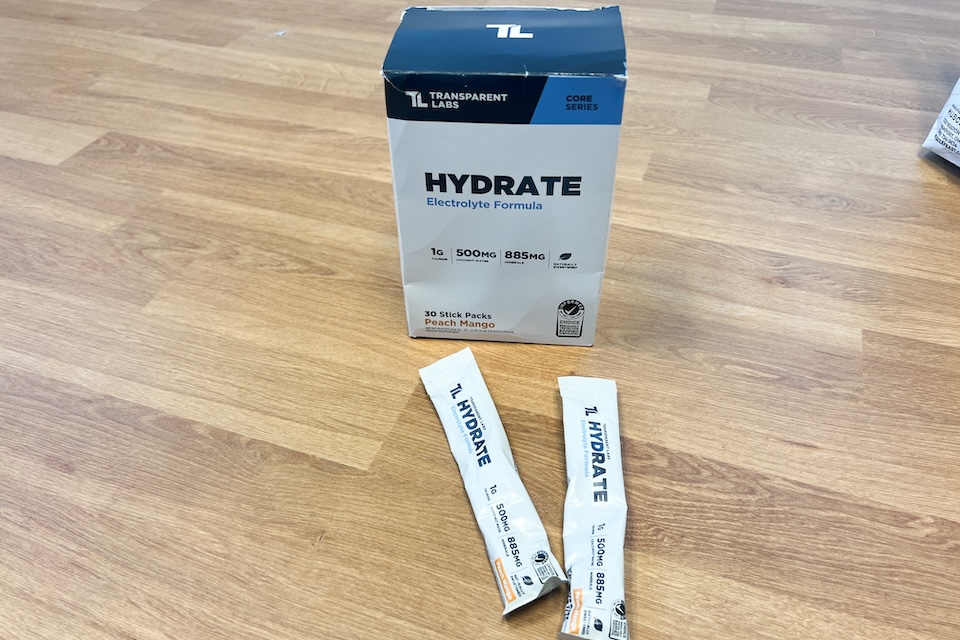
Transparent Labs Hydrate is our pick for the best overall electrolyte powder because it includes optimal electrolyte ratios, clean sourcing, and flavor variety, all backed by third-party lab testing—a combination that makes it the best overall pick for anyone serious about performance, hydration, and health-conscious supplementation.

Pete, our team’s dietitian, tested Transparent Labs Hydrate, rating his first impression of the product a 5 out of 5. “I tested the individual stick packs,” he noted. “The product does come in a container as well, but this is the travel-friendly version. The stick packs are clearly labeled and were easy to rip open. While the writing is a bit small on the stick packs, it wasn’t too hard to read the nutrition facts information.”
He rated the mixability of this electrolyte powder as a 5 out of 5: it dissolved fully during the 60 seconds of shaking, and there were no visible clumps. Pete loved the flavor of this product, rating it a 5 out of 5 as well. He tested the peach mango flavor. “It was refreshing and delicious. The peach flavor really stands out, much more than the mango. It has a good balance of sweetness and flavor,” Pete said.
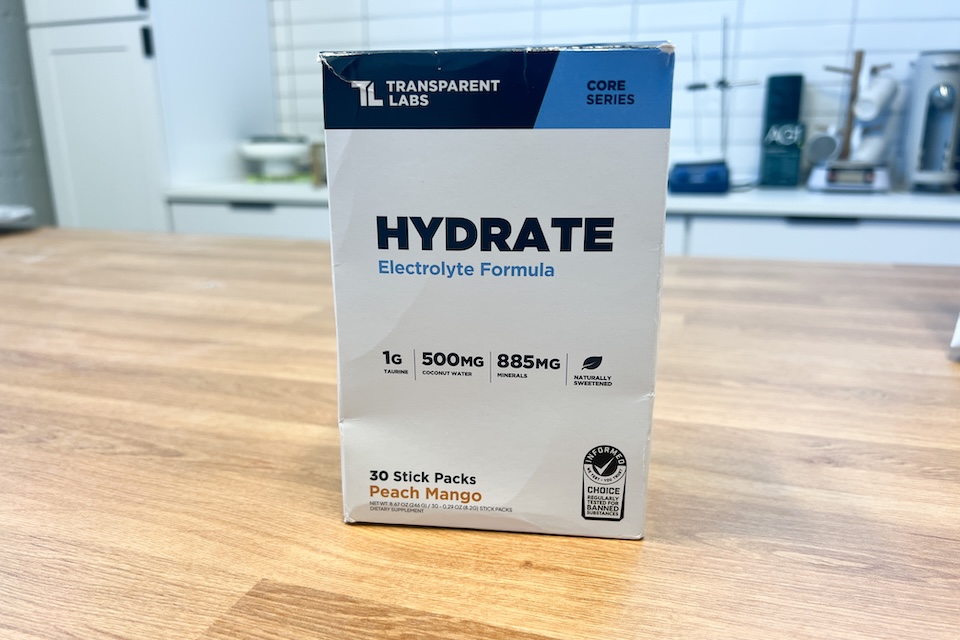
Pete didn’t experience any negative side effects after testing this electrolyte powder, saying he felt hydrated afterwards. “The Hydrate stick packs are extremely convenient and easy to use when you’re on the go,” he said. “The ingredient dosages also make sense for an electrolyte supplement. The product contains 500 milligrams of sodium, 250 milligrams of potassium, 50 milligrams of magnesium, and 84 milligrams of calcium. This would work well after a long workout or cardio session where the individual was sweating a lot, or when training in hot and humid conditions.”

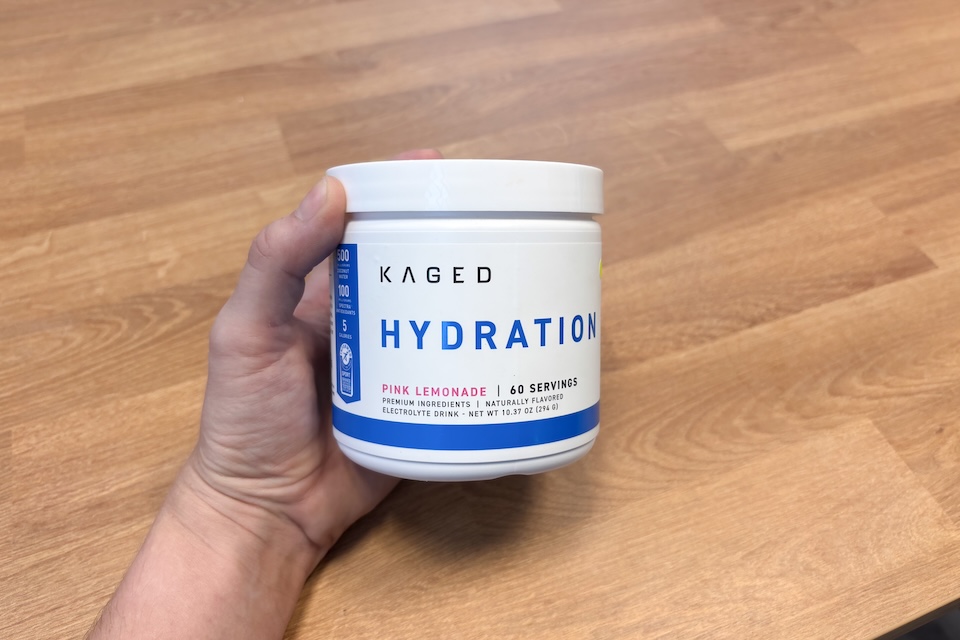
Kaged Hydration is our pick for the best sugar-free electrolyte powder because it has essential hydration with five electrolytes, adds powerful antioxidant support for recovery, and offers fun, bold flavors—all with less than 1 gram of sugar per serving. It also includes coconut water powder and the Spectra™ blend, which is great for athletes and daily users alike who want a clean, certified supplement for optimal rehydration without excess salt or artificial ingredients.
Rebecca tested this electrolyte powder, rating her first impression of the product as a 3 out of 5. “This is a small container of powder. It’s not as easy on-the-go as some of the single serve electrolyte packets they have now. It looks similar to lots of other supplements and powder products on the market,” she said. “There is a scooper provided inside to measure the powder, but it gets buried easily. The container opens and closes easily.”
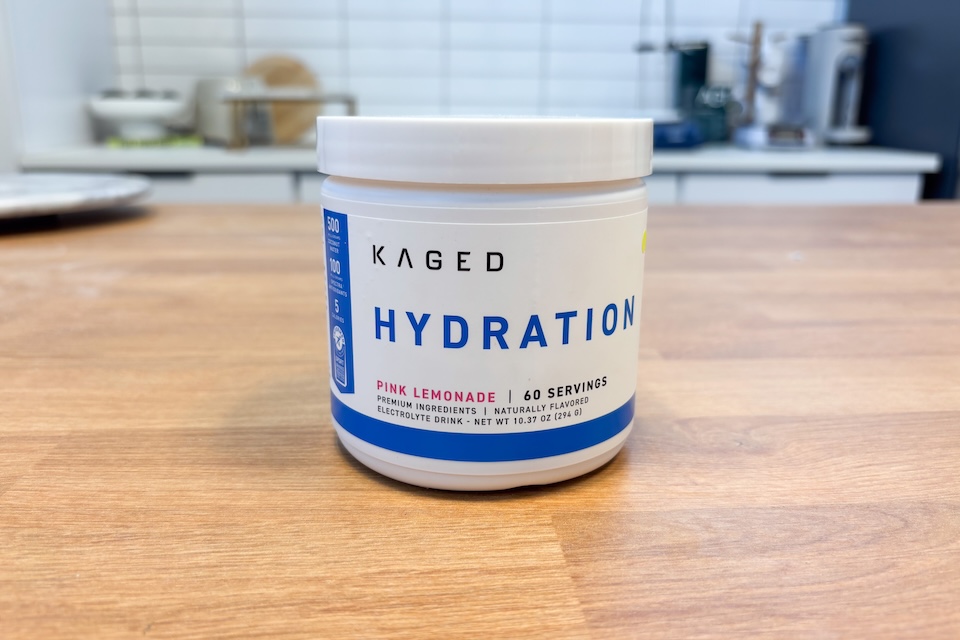
She rated mixability as a 5 out of 5, noting: “This product dissolved easily within the 60 seconds of shaking it. There were no visible chunks leftover at the bottom or throughout the drink.”
Our tester tried Kaged Hydration in the pink lemonade flavor, rating the taste a 3 out of 5. “The product flavor is pretty strong, but not salty like some other products,” she wrote. “It’s not something I would prefer to drink regularly, but I can definitely get through it when needed.” Luckily, it didn’t have a chalky texture, though it’s a bit thicker than other electrolyte powders Rebecca tested. As a solution, she recommends adding a few extra ounces of water to dilute the flavor a little bit.
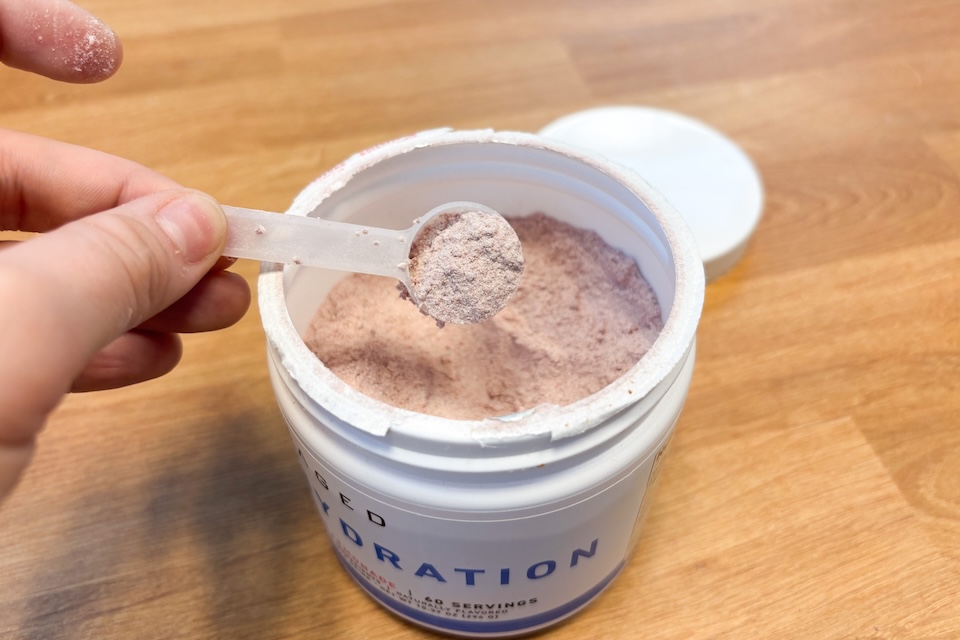
Rebecca did notice some side effects, rating her experience as a 3 out of 5. “There was a slightly weird aftertaste, but not as pungent as other supplements I’ve tried in the past. I didn’t experience any digestive side effects or any other issues,” she said.
Liquid IV is our choice for the best tasting electrolyte powder thanks to its standout, enjoyable flavors that make routine hydration an enjoyable experience. The Cellular Transport Technology (CTT®) formula supports effective and fast hydration, making it a go-to for active lifestyles, travel, or whenever rapid replenishment is needed—but what truly sets it apart is the flavor experience, with nearly 30 different flavor varieties available. The brand also releases seasonal flavors year-round.
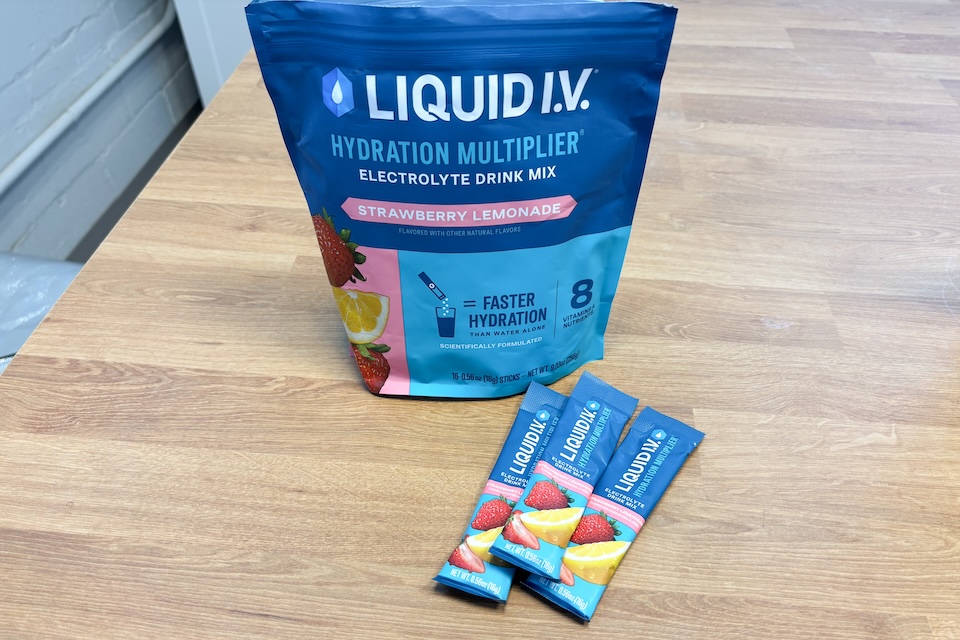
Kendall tried Liquid IV in the strawberry lemonade flavor, rating the ease of following the instructions as a 5 out of 5. “The directions are super easy to read and follow. It says to add one stick of the electrolyte powder to sixteen ounces of water and mix thoroughly before drinking,” she noted.
Our tester also rated the mixability a 5 out of 5: “The product dissolved within the 60 seconds of mixing. The texture of the water looks cloudy, but there are no visible chunks.”

She found the sweetness a little overwhelming, giving it a score of 5 meaning she felt it had the maximum amount of sweetness. In addition, she found it a little thick, and suggested diluting it with extra water or adding ice. “Compared to other electrolyte packets that I’ve tried, this product is a little too sweet for me,” Kendall said. “There is no aftertaste, however. I would drink this if it was the only electrolyte provided in a situation where I need to hydrate.”
After trying out Liquid IV, Kendall definitely felt hydrated. She didn’t experience any digestive issues or weird aftertaste. Overall, Kendall said, “It’s a decent option for days when I need an extra hydration boost—like after a long workout, traveling, or being out in the heat. In general, I like that it’s convenient and easy to throw into my bag when I’m on the go, since I don’t always remember to drink enough water throughout the day.”
LMNT is our pick for the best electrolyte powder for runners because of its no-sugar, high-electrolyte formula that replaces exactly what endurance athletes lose on long runs or through intense sweating. It includes 1,000 milligrams of sodium, 200 milligrams of potassium, and 60 milligrams of magnesium per serving, along with no sugar, fillers, or artificial colors.
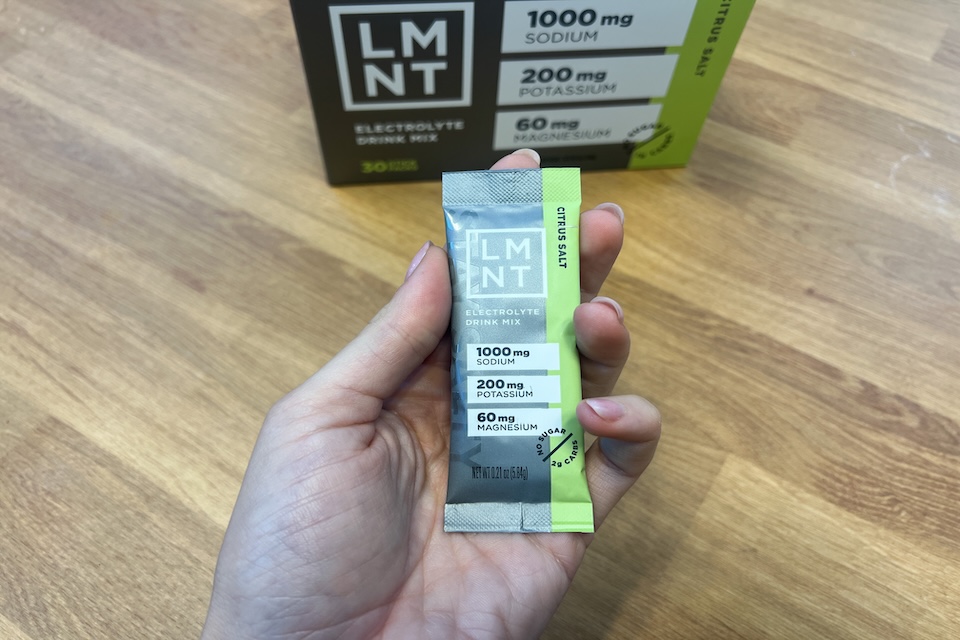
Kate tested LMNT, rating it a 5 out of 5 for her first impression. “The instructions are super clear: bolded text says to mix one stick pack with anywhere from 16 to 32 ounces of water to find your preferred taste.” We like that the brand acknowledges that different palates may prefer stronger or more diluted flavor.
She rated the mixability of LMNT as a 4 out of 5. “The product dissolved for the most part—there was a slightly gritty texture during the first few sips, but I think it’s because I used a straw and some of the bottom residue got stuck,” Kate said. Overall, she enjoyed the texture and didn’t find it too salty.
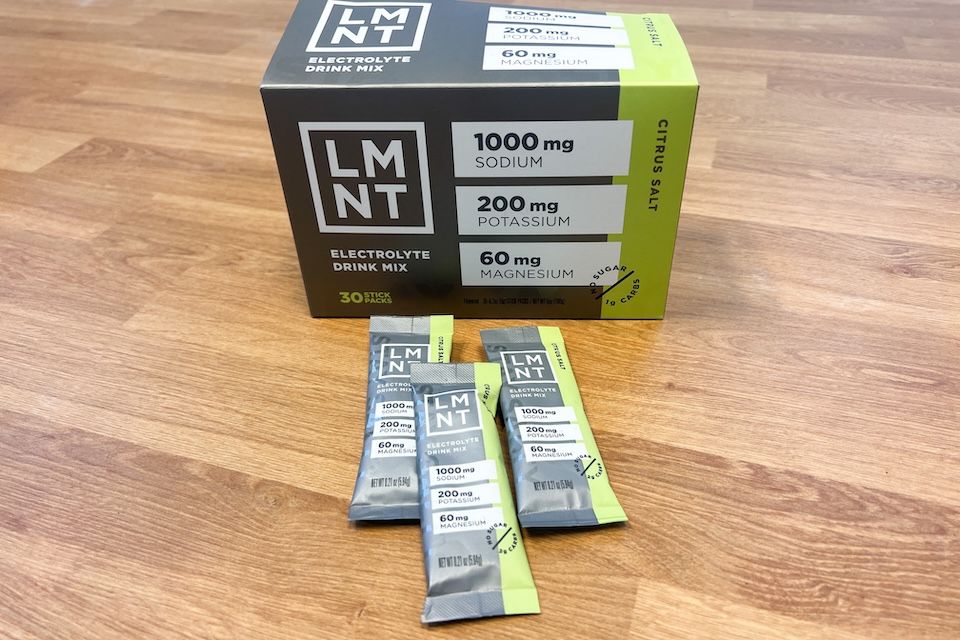
Kate is a huge fan of LMT’s flavors, rating it a 5 out of 5 for taste—she uses this product almost daily. “To me, it tastes like a less potent yellow Gatorade; it’s not as sweet and sugary. The salt is not overwhelming, and the lemon-lime is just subtle enough to be enjoyable but not give me a stomachache,” Kate said.
Our tester thinks this is a great product for someone who is looking for additional nutrients with their electrolytes. “Since it has potassium and magnesium with sodium, I think it’s a great mix of healthy supplements,” Kate wrote. “These come in individual packets, so for anyone who wants an easy to transport and small packaged electrolyte, this is perfect.”
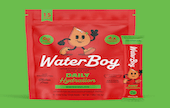
Waterboy Daily Hydration is our pick for everyday electrolyte use because it packs a strong electrolyte punch without any sugar or artificial ingredients, making daily hydration easy and healthy. The addition of functional botanicals like ginger and l-theanine, vegan and gluten-free certification, and flavorful options ensure Waterboy is versatile for virtually any routine—from office days to workouts or a morning after a night out—with an accessible, user-friendly approach.

Rebecca tested Waterboy, rating it a 5 out of 5 for her first impression. “The packaging is aesthetic and pleasing, with vibrant colors that give you insight into the flavors,” she said. “It’s easy to take on the go with you since it comes in small packets that you can pour right into water. They’re easy to tear open, and the whole packet is one serving, so you don’t have to worry about measuring anything out.”
She rated mixability as a 5 out of 5 as well. “The product is quickly dissolvable. I didn’t even need to use a shaker bottle,” Rebecca said. “I used a stirring stick and it dissolved very quickly, in less than 60 seconds. There was no loose powder or chunks visible,” she said.
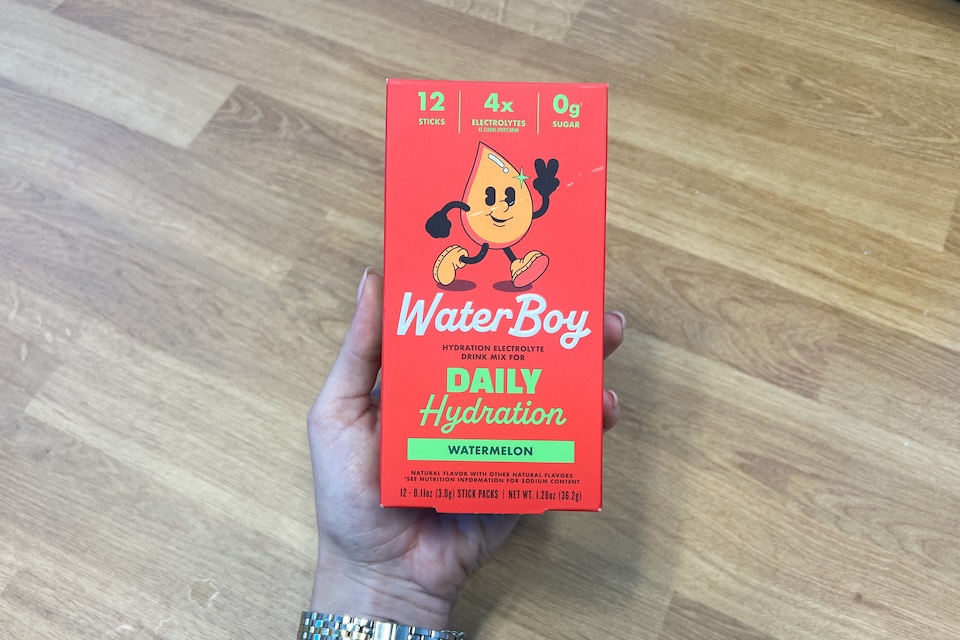
Rebecca liked the flavor as well, rating it a 5 out of 5 in this category. “The product tastes very light in the amount of water that I used,” she said. “It’s a nice hint of flavor without being too powerful. It also doesn’t have a salty taste like many of the other electrolytes I’ve used in the past. If you want to have a more bold flavor, I would recommend using less water. But if you’re looking for just a bit of flavor, mixing Waterboy in with around twelve ounces of water will work out well.
Electrolytes are essential minerals that carry an electric charge when dissolved in water, enabling them to regulate critical functions in the body. These minerals are found in blood, tissues, and other fluids, and are required for muscle function, nerve signaling, hydration, pH balance, and maintaining proper fluid levels in and around cells.
Key electrolytes and their functions:
Finding the best electrolyte powders requires a combination of scientific rigor, nutritional expertise, and attention to user experience. Our process centers on transparency, safety, and results.
We seek out blends that supply effective amounts of sodium, potassium, magnesium, and other essentials, while avoiding excessive sugar, artificial sweeteners, dyes, or preservatives. Only products meeting a high standard for efficacy and safety are considered.
Flavor is a major factor in adherence and satisfaction, so each powder undergoes blind taste testing by our team. Products are rated not only for overall taste but for sweetness (using a 1 to 5 scale, with 5 being very sweet), mouthfeel, and aftertaste. We make sure that a great electrolyte supplement is also enjoyable and easy to sip throughout the day.
To assess mixability, each powder is dissolved exactly as instructed by the manufacturer. We pay close attention to how easily the powder blends, whether it leaves any clumping or grittiness, and the overall experience of drinking the mixed supplement. Easy, residue-free mixing is a must for our top picks.
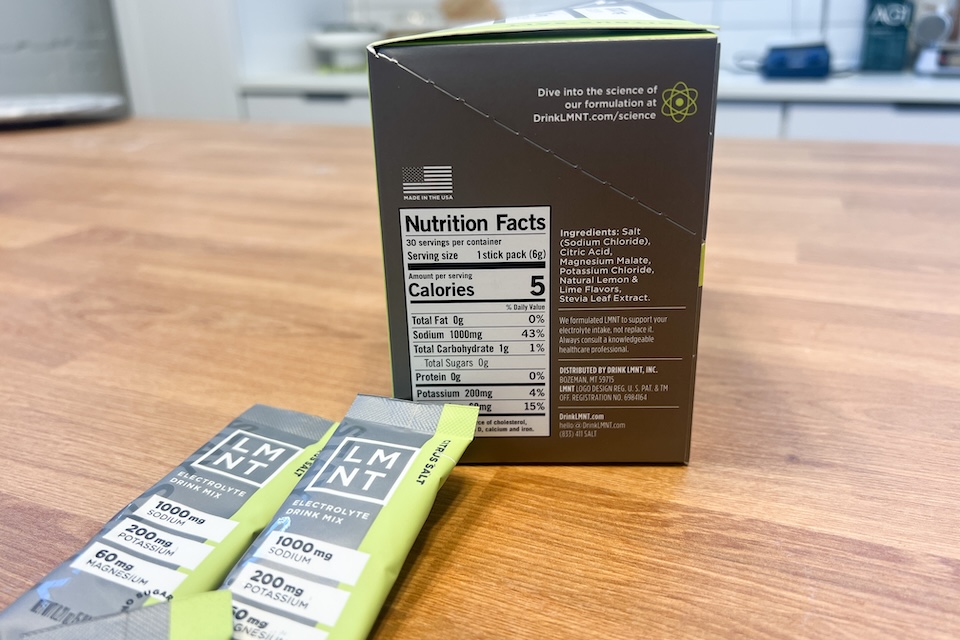
Third-party testing is a strong indicator of product quality and trustworthiness, especially since supplements aren’t regulated by the FDA the way foods and drugs are. We prioritize products with certifications such as NSF Certified, Informed Sport, or similar independent verification — ensuring accurate labeling, purity, and the absence of banned substances, which is crucial for both athletes and everyday users.
We weigh quality, ingredients, taste, testing, and price to recommend the best overall value. That way, you’re not just getting the most affordable product, but the one that delivers optimal health and hydration benefits for your investment.
Choosing an electrolyte supplement comes down to matching your unique needs, preferences, and lifestyle with the right formula. From athletic performance to flavor variety and ingredient transparency, knowing your priorities can help you select the best option for daily use or specific workouts.
Different athletes require different electrolyte profiles based on their activity level, sweat rate, and duration of exercise. Endurance athletes (runners, cyclists, triathletes), those training in hot or humid environments, and team sports players lose more sodium and fluids, making a higher-sodium, full-spectrum electrolyte supplement beneficial. For lighter activities or daily hydration, a milder formula may suffice. Tailor your choice based on whether you need extra sodium for marathon sessions, or a lighter option for general wellness.
Athletes/sports that benefit most from electrolytes include:
Selecting a flavor you enjoy is key to consistent hydration. Since you’re more likely to sip regularly if you like the taste, sample different options or buy variety packs before committing to a large tub. The best flavor is the one that helps you keep up your hydration habit day after day.
Electrolyte needs are as individual as your routine and diet. Some people require more sodium or potassium due to higher sweat rates or dietary patterns (e.g., keto or vegan diets), while others want a lower dose. Always check the nutrition label for sodium, potassium, magnesium, and calcium content per serving, and compare the recommended daily values (RDVs) and your specific goals. Look for options that align with your macro needs—some include carbohydrates or added sugar for athletic performance, while others are sugar-free for daily use or weight management.
Electrolyte supplements range in price; while budget picks are available, premium and cleaner formulas often cost more. If you plan to use electrolytes every day, consider the price per serving, but remember that a high-quality supplement is a wise investment for consistent health and performance.
Prioritize choosing an electrolyte supplement that is third-party tested (e.g., NSF Certified, Informed-Sport, Informed Choice). These certifications ensure the product is free from banned substances, contaminants, and meets label claims. For competitive athletes, this is essential for safety and peace of mind; for everyday users, it’s an extra layer of quality assurance in your supplement routine.
Electrolyte powders offer a convenient way to replenish the essential minerals lost through sweat, exercise, illness, or daily activities. They can help support hydration more efficiently than water alone and are especially valuable for athletes, people in hot climates, or anyone whose fluid balance may be disrupted. Here are some benefits:
Electrolyte powders work best when thoroughly mixed with water. This ensures rapid absorption and helps the body restore balance efficiently. They are especially beneficial before, during, or after exercise, in hot or humid weather, or when recovering from sickness or dehydration.
Not all electrolyte supplements are created equal; some include unnecessary or potentially harmful additives. Read labels carefully to select clean, balanced products. Here are a few things to avoid in electrolyte powders:
The best electrolyte drink matches your needs: it balances sodium, potassium, magnesium (sometimes calcium), and avoids excess sugars and artificial ingredients. Our top pick is Transparent Labs Hydrate, because it includes optimal electrolyte ratios, clean sourcing, and flavor variety, all backed by third-party lab testing—a combination that makes it the best overall pick for anyone serious about performance, hydration, and health-conscious supplementation.
Yes, electrolyte powders are effective for replenishing minerals lost through sweat and supporting hydration, muscle function, and recovery during/after high-intensity exercise, illness, or fluid loss.
Side effects are rare when used as directed, but may include digestive upset (bloating, diarrhea) if consumed in excess, or issues from excess sodium or potassium (such as high blood pressure, abnormal heart rhythms). We recommend talking with your doctor or other healthcare provider to be sure using an electrolyte powder is right for you.
A new study presented at the American Heart Association’s 2025 Scientific Sessions suggests that long-term prescription melatonin use could be associated with a higher risk of heart failure, hospitalization, and death.
While the findings are attention-grabbing, experts say they’re preliminary and don’t prove that melatonin directly causes heart problems.
The five-year study tracked 130,828 adults with insomnia and found that people who took prescription melatonin for at least one year had a 90% higher chance of heart failure. Researchers analyzed data from the United States and the United Kingdom. While melatonin is available over-the-counter in the U.S., it’s prescription-only in the U.K.
Since the “melatonin” group in the study only included people who had been prescribed melatonin, it did not account for OTC use.
Since this was an observational study, it does not prove that melatonin directly caused heart failure. More studies, including gold-standard randomized controlled trials, are needed to validate these findings.
The new findings did not explain why melatonin may harm the heart. People who take melatonin long-term may have stress or sleep-related issues that actually cause heart failure.
“It may not necessarily be the melatonin, but it’s just the fact that sleep is extremely important and necessary for not just cardiovascular health, but overall health and well-being,” said Tochukwu M. Okwuosa, DO, FACC, FAHA, a cardiologist and a professor of internal medicine at Rush University, who was not involved with the study.
Estimates suggest that 5 million U.S. adults and 4 million U.S. children take melatonin each month, making it one of the most commonly used sleep aids. Its perceived safety and accessibility have driven growing use in recent years. These new findings underscore the importance of talking with a healthcare provider before using melatonin for an extended period.
Anyone who relies on melatonin nightly should consider seeing a sleep specialist to determine potential underlying issues like chronic insomnia or stress, Okwuosa said. People who don’t get enough sleep have a higher risk of high blood pressure, heart disease, and stroke.
Short-term melatonin use can help with certain sleep issues and may offer some cardiovascular benefits. Human and animal studies have suggested that melatonin can help relieve oxidative stress and improve left ventricular function in people with heart failure.
“If a patient is taking melatonin for a few days or a few weeks, I would not have any problems with it,” Okwuosa said.
Short-term melatonin use is generally safe, but it may interact with certain medications or cause daytime drowsiness, nausea, dizziness, or headaches in some people.
“The long-term implications of melatonin are unclear, and more studies should be done. At this time, I would recommend using it at the lowest dose possible, and for the shortest duration possible,” Jamie Alan, RPh, PharmD, PhD, an associate professor of pharmacology and toxicology at Michigan State University, told Verywell in an email.
There are other medications, such as Benadryl (diphenhydramine) and Ambien (zolpidem), that can help with sleep. Talk with your healthcare provider if you are worried about melatonin or interested in these other medications, since they also come with risks, Alan added. Cognitive behavioral therapy for insomnia may help address sleep problems without long-term medication use.
:max_bytes(150000):strip_icc()/StephanieBrownnewheadshot-e5ca9ba2a404491384e9300a7871f190.jpg)
A new study has experts cautiously excited about the potential benefits of vitamin D supplementation for people living with heart disease.
“I think people are opening their minds to the concept that vitamin D might be something that is good for heart health,” says Heidi T. May, PhD, the study’s principal author and an epidemiologist and professor of research at Intermountain Health in Salt Lake City.
“It does need more study, but I think there’s the opportunity to reevaluate vitamin D levels — how we’re actually prescribing it and monitoring it, and that it shouldn’t just be a fixed dose for everyone,” says Dr. May.
For this randomized trial, researchers set out to study whether or not optimal levels of vitamin D in people with heart disease could help lower their risk of cardiovascular events like heart attack, heart failure, stroke, and death.
To do so, they recruited more than 600 adults with acute coronary syndrome (coronary artery blockage that reduces blood flow to your heart) who were treated at a Utah medical center between 2017 and 2023. A majority of the participants were men (78 percent) with an average age of 63, and nearly half had a previous heart attack.
A majority (more than 85 percent) started the study with vitamin D blood levels below 40 nanograms per milliliter (ng/mL), which is considered insufficient for optimal health.
One group received customized vitamin D supplementation to get them up to recommended levels (in this case, between 40 ng/mL and 80 ng/mL), with the opportunity for dose adjustments every three months. The other group didn’t receive vitamin D monitoring or dose-tailoring.
After following participants for nearly four years on average, the researchers found:
May says this new trial aimed to look at personalized vitamin D dosing based on each participants’ blood test results, rather than standard dosing, to potentially improve patient care.
“As we started thinking about it, all of the previous clinical trials pretty much gave fixed doses of vitamin D, and they didn’t necessarily always test participants’ blood levels or adjust, so we started thinking, well, maybe they’re the reason that they’re not getting positive findings is because they’re not getting participants’ blood levels of vitamin D high enough,” says May.
In this trial, roughly half of the participants (52 percent) who received personalized vitamin D dosing required more than 5,000 IU of the supplement every day in order to reach the study’s blood level threshold of 40 ng/mL.
“We had found in some of our observational data that 40 ng/mL of vitamin D [in the blood] was our sweet spot, and that’s why we chose that amount,” says May. “But there’s been this debate for a long time: What is the level of vitamin D you need to be above in order to obtain these potential benefits?”
“The doses [in the study] are quite high, but my work and that of others suggests that these doses are safe; the body has a good way to balance too much vitamin D, as is the case with vitamin D that you get from the sun. But it can get overwhelmed — so taking such high doses without monitoring is probably not a good idea,” he says.
As May points out, some of the study limitations include the relatively small number of participants and a lack of diversity: Only adults with a heart disease diagnosis were included, and 90 percent of the participants identified as white. Because these factors can limit the applicability of the findings, May suggests future clinical trials include broader populations.
She also emphasizes the importance of discussing vitamin D supplementation with a healthcare provider, rather than taking matters into your own hands.
“Our study shows that vitamin D supplementation is not just a catch-all — it’s very much a personal thing, which is why it’s important to have a dialogue with your healthcare provider about your vitamin D levels and heart health,” she says.
NEWYou can now listen to Fox News articles!
An unexpected trio — green tea, walnuts and a tiny aquatic plant called Mankai — might help keep the brain young, new research suggests.
In an 18-month randomized trial of nearly 300 adults, a plant-heavy “green Mediterranean” diet was linked to lower levels of Galectin-9, a blood protein associated with markers of faster brain aging on MRI, according to a study published in the journal Clinical Nutrition.
Researchers from Harvard University, Ben-Gurion University in Israel and the University of Leipzig in Germany looked at blood proteins and compared them with MRI scans that estimated participants’ “brain age.”
NEW VITAMIN COMPOUND SHOWS PROMISE FOR REVERSING ALZHEIMER’S DAMAGE TO THE BRAIN
Those who followed the green Mediterranean diet, which was rich in plants and lower in red and processed meat, showed the biggest drop in Galectin-9, a protein tied to faster brain aging — and the MRI scans suggested a “younger” brain compared to their actual age.
“Reducing Galectin-9 may mean dampening the inflammatory processes that contribute to cognitive decline, memory loss and neurodegenerative diseases like Alzheimer’s,” senior study author Iris Shai, an adjunct professor of nutrition at Harvard’s T.H. Chan School of Public Health, told Fox News Digital.
Also known as duckweed, Mankai is a nutrient-dense aquatic plant that researchers say may support brain and metabolic health. (iStock)
“It’s an early sign that nutrition can influence brain biology at the molecular level, offering a non-pharmacological path to protect cognitive function as we age.”
Shai said researchers “wanted to test whether an enhanced, more plant-forward Mediterranean diet, richer in natural polyphenols and lower in red and processed meat, could actually slow the biological aging of the brain.”
ALZHEIMER’S DECLINE COULD SLOW DRAMATICALLY WITH ONE SIMPLE DAILY HABIT, STUDY FINDS
The green Mediterranean diet included more polyphenols, plant compounds that help fight inflammation and protect cells and are found in foods such as nuts, olive oil, red wine, tea, fruits and vegetables.
A second group of participants followed a traditional Mediterranean diet rich in vegetables with red meat replaced by poultry and fish, while another followed standard healthy eating guidelines.

Walnuts, rich in healthy fats and antioxidants, were among the top foods linked to healthier brain aging in the study. (iStock)
Shai said green tea’s EGCG antioxidant compounds, along with the healthy fats and polyphenols in walnuts, likely drove the change, with Mankai adding support through gut–brain and metabolic pathways.
While Mankai is harder to find, green tea and walnuts showed the strongest benefits, suggesting most people could gain comparable benefits by focusing on just those, even without specialty ingredients.
TEST YOURSELF WITH OUR LATEST LIFESTYLE QUIZ
Mankai caught the researchers’ attention because it packs an unusually dense nutritional profile. It’s a complete plant-based protein and contains easily absorbed vitamin B12 and iron.
Previous studies by the same team have linked Mankai to better blood sugar control, improved metabolism and gut health, and reduced inflammation, all factors that can influence brain and cognitive function.
“It is plausible that green tea and Mankai could reduce markers linked to neurodegeneration, but we still need more human trials that measure actual cognitive outcomes.”
“When we designed the green Med diet, we deliberately sought a new kind of green — something unfamiliar to the Western gut microbiome,” Shai said. “Introducing this novel plant, originally from the Far East, likely triggered a stronger microbial and metabolic response than we initially expected.”
The findings come from the 18-month DIRECT PLUS trial, one of the longest-running studies on diet and brain health.
Most participants were men with obesity or cholesterol issues, so more research is needed to see if the results apply to women and healthier populations. Still, the data add to growing evidence that eating more plants and less red and processed meat may help slow brain aging.

Mankai, the world’s smallest flowering plant, added a unique green boost to the diet. (iStock)
The researchers hope future blood tests could use proteins like Galectin-9 to flag early brain risks.
CLICK HERE TO SIGN UP FOR OUR LIFESTYLE NEWSLETTER
They caution, however, that the findings are also preliminary and don’t prove the diet prevents Alzheimer’s or cognitive decline.
“Based on this study, it is plausible that green tea and Mankai could reduce markers linked to neurodegeneration, but we still need more human trials that measure actual cognitive outcomes,” said Jenny Finke, a Connecticut-based metabolic health dietitian and owner of The Metabolic Dietitian. She was not involved in the new study.
CLICK HERE FOR MORE LIFESTYLE STORIES
“Green tea provides antioxidants and walnuts offer healthy fats, including omega-3 fatty acids — both of which can be incorporated into a mid-morning snack or an afternoon pick-me-up to support metabolic health and enjoy anti-inflammatory benefits,” Finke told Fox News Digital.

Green tea’s natural compounds, including EGCG, have been shown to fight inflammation and may help protect the brain from age-related decline. (iStock)
She also recommended keeping red meat consumption to no more than two times per week.
CLICK HERE TO GET THE FOX NEWS APP
“While these adjustments won’t completely change the brain in one week, over time, they can support overall brain health as part of a balanced diet,” she added.
Medicare and Medicaid Services Administrator Dr. Mehmet Oz discusses how the government shutdown affected healthcare and President Donald Trump’s deal with Eli Lilly on ‘Mornings with Maria.’
Oral weight-loss pills will be replacing GLP-1 shots by March 2026, Medicare and Medicaid Services Administrator Dr. Mehmet Oz predicted on Monday.
Oz made the statement during a Monday morning appearance on FOX Business’ “Mornings With Maria,” where he discussed the Trump administration’s wider push to improve Americans’ health.
“These pharma companies are rapidly evolving this technology,” Oz said. “We have pills coming out. I just learned, I’ll break it to your audience, by March we will have pills replacing the injections for these patients as well. That’s at $150 a month, it’s even cheaper.”
“We are dramatically changing the face of obesity. One big statement, one big plea, Maria, you were kind with your words to me earlier. My whole life has been built on educating folks, empowering people. Lose weight the right way. Diet, exercise. Obesity is not a shortage of GLP-1 drugs in your blood stream. However, if you can’t lose weight, these are an important crutch. They absolutely work,” Oz continued.
WEIGHT LOSS DRUGS COULD ADD YEARS TO AMERICANS’ LIVES, RESEARCHERS PROJECT
Health and Human Services Secretary Robert F. Kennedy Jr. speaks in the Oval Office amid President Donald Trump’s push to lower drug prices. (Andrew Harnik / Getty Images)
Oz predicted that President Donald Trump‘s deal with pharmaceutical companies will allow America to lose 135 million pounds over the next 12 months.
He added that the weight loss would also have health benefits downstream, lowering the instances of heart disease and other weight-related conditions.
Under the administration’s new deal, Novo Nordisk said the lowest doses of Wegovy will cost $149 for a month’s supply, if approved, and will extend across all the company’s direct-to-patient offerings. The company also confirmed plans to lower prices for its injectable drugs, including Wegovy and Ozempic, under Medicare Part D, Medicaid and self-pay channels. Novo Nordisk said it is reviewing its U.S. self-pay pricing and expects to announce updated offers for Wegovy and Ozempic in the coming weeks.
AMERICA’S OBESITY CRISIS MEETS THE OZEMPIC BOOM AS DATA REVEALS GLP-1 HOT SPOTS

Dr. Oz says weight-loss pills will replace injections as soon as March 2026. (Leigh Vogel/for Concordia Summit / Getty Images)
Trump called the deals “a triumph for American patients that will save lives and improve the health of millions and millions of Americans.”
For self-pay patients, Lilly said it will offer Zepbound starting at $299 for the lowest dose and up to $449 for higher doses – roughly $50 below current direct-to-patient prices and comparable to prices in Europe through the company’s digital pharmacy platform, LillyDirect. Orforglipron, Lilly’s once-daily oral obesity pill that is still awaiting federal approval, will also start at $149 for the lowest dose. Medicare beneficiaries will pay no more than $50 per month for Zepbound and Orforglipron.
Additional drugs, including Emgality, Trulicity and Mounjaro, will be added to LillyDirect at 50% to 60% off current list prices.
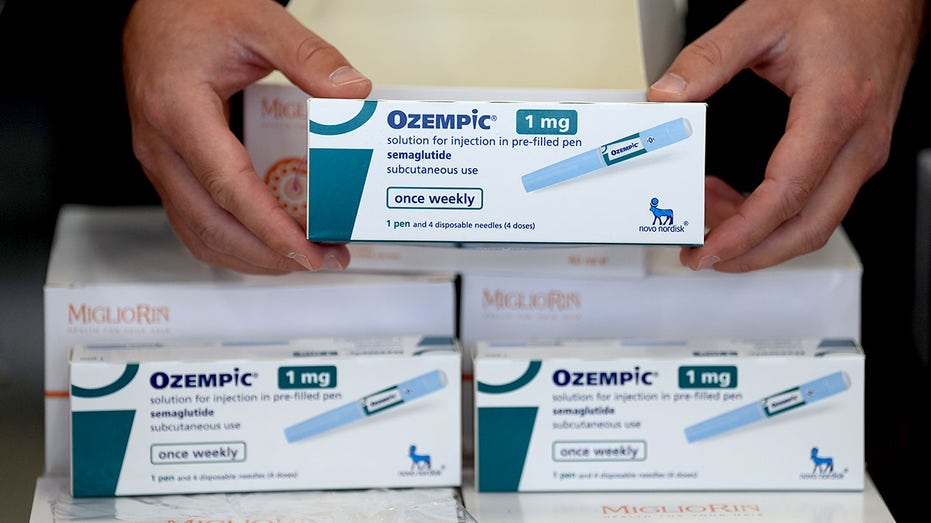
President Donald Trump’s administration has reached a deal to lower the cost of weight-loss drugs. (Marcus Brandt/picture alliance via / Getty Images)
CLICK HERE TO DOWNLOAD THE FOX NEWS APP
GLP-1 medications work by mimicking natural hormone pathways in the body to help regulate appetite, increase feelings of fullness and improve blood sugar control. They were originally developed to treat type 2 diabetes, but in recent years have become FDA-approved specifically for obesity under certain brand names like Wegovy and Zepbound.
Fox News’ Daniella Genovese contributed to this report.
:max_bytes(150000):strip_icc()/Health-GettyImages-1823122687-7dada60a32e74716bf6a217f3df1a53c.jpg "5 Supplements You Shouldn’t Mix With Protein Powder")