
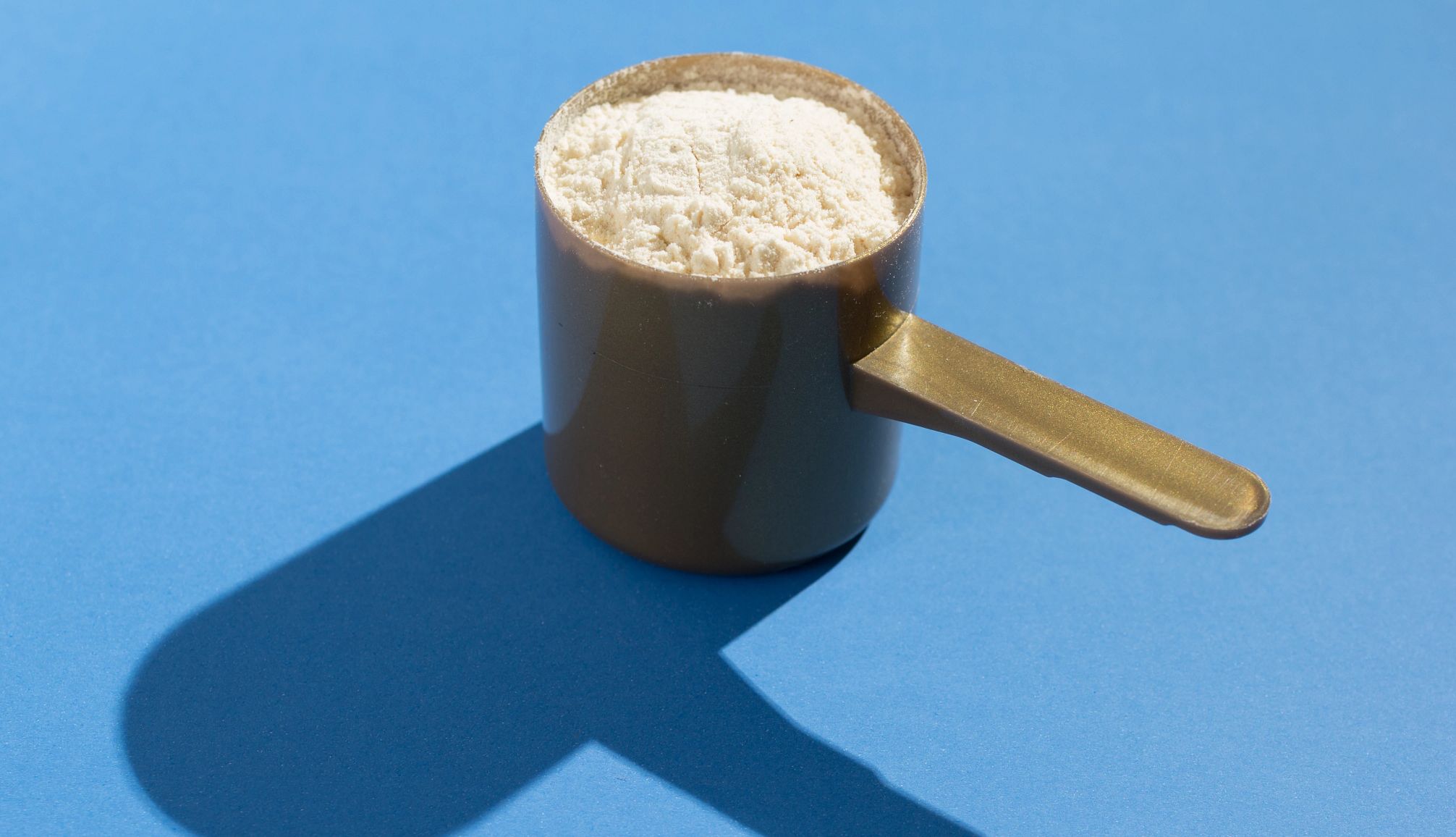
Do All Protein Powders Contain Lead?
Consumer Reports also detected cadmium and arsenic in three products during the investigation.
In a statement, Naked Nutrition said that its product is a weight-gainer product and therefore has a bigger serving size than others tested. “When viewed on a per-gram basis, our results are consistent with other plant-based protein products,” the company said. On its website, Huel says its product remains well within the recognized food safety threshold for lead.
Limiting lead
One challenge, explains Dr. Pieter Cohen, an associate professor of medicine at Harvard Medical School who researches supplement safety, is that it’s hard to know how much lead a person is exposed to each day. Knowingly adding to that unknown baseline is something experts say should be avoided.
The toxic metal, which can accumulate in the body over time, can be found in everything from food — lead can make its way into food from the environment where it is grown, raised or processed, according to the FDA — to dust in our homes. Some estimates suggest adults ingest around 6 mcg of lead daily. “You shouldn’t be getting 8, 9, 10 micrograms of lead a day from your supplements,” Cohen says.
Lead can affect almost every organ and system in the body, according to the Environmental Protection Agency, and is especially hazardous for young children. In adults, the health effects of lead can include high blood pressure, memory and concentration problems, kidney issues, muscle and joint pain, and reproductive problems in both men and women. Public health experts say even small amounts of lead can be harmful.
In a news release, Tunde Akinleye, the Consumer Reports food safety researcher who led the testing project, said “there’s no reason to panic” if you’ve been taking any of the products the group tested, “since many of these protein powders are fine to use occasionally and none of them will cause immediate harm.” However, Akinleye said, “regular users of protein supplements should consider reducing their consumption.”
The Council for Responsible Nutrition, a trade association representing the dietary supplement and functional food industry, urged caution in interpreting the results of the investigation, saying that Consumer Reports’ “use of its own internal ‘Level of Concern’ benchmarks — standards not recognized by any regulator — creates a misleading impression of risk.”
Source link









Share this article: