The main category of Fitness News.
You can use the search box below to find what you need.
[wd_asp id=1]
The main category of Fitness News.
You can use the search box below to find what you need.
[wd_asp id=1]
New Zealand Rugby Player, Olympic Gold Medalist
Believes in “Ultimately, the only real thing about your journey is the step you’re taking right now“
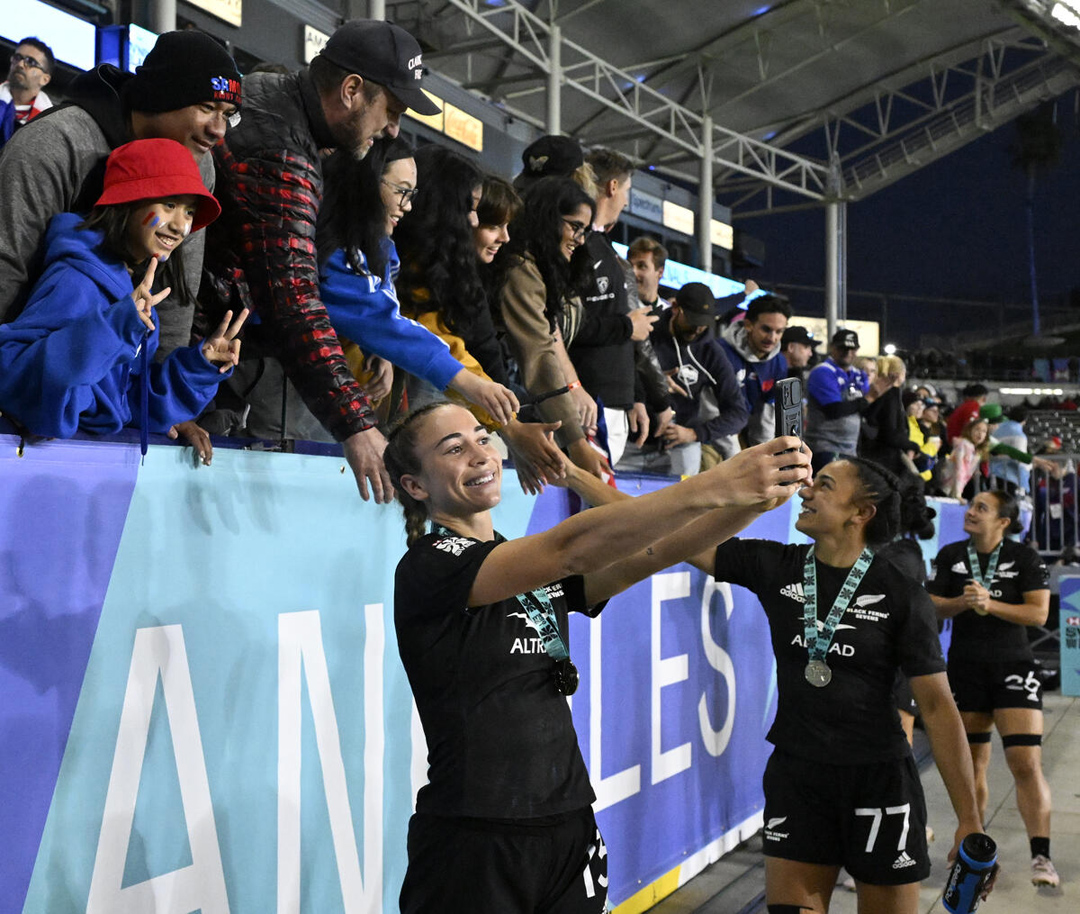
Jazmin Felix-Hotham is a New Zealand rugby sevens player. She plays for the Black Ferns Sevens and represents Waikato provincially. Hotham was a member of the New Zealand Women’s Sevens team when they won a gold medal at the 2024 Summer Olympics in Paris.
Another high school star, Jazmin Hotham made her international debut in the victory at the Sydney Sevens in 2020.
Covid lockdown’s meant it was almost two years before she got another taste World Series Sevens and she has gone on to become a regular in the Black Ferns Sevens. Hotham has impressed on the sevens field since start in Year 10, and in 2017 helped guide her Hamilton Girls’ seven team to a National title before starring in the New Zealand Under 17 team that won the World School Sevens.
Hotham was still attending Hamilton Girls’ High School when she was given a development contract with the Black Ferns Sevens team. In 2017, she helped her school win the National Condors title and also scored the winning try in the World Schools Sevens final.
Hotham was initially chosen to captain the New Zealand girls’ sevens team to the 2018 Youth Olympics, but was ruled out due to a shoulder injury she received while playing representative rugby.
Hotham made her international debut for the Black Ferns sevens in the semi-final against France at the 2020 Sydney Women’s Sevens. She was named as a travelling reserve for the 2021 Olympics squad in Tokyo. Hotham was named in the Black Ferns squad for the 2022 Sevens Series. She made the Black Ferns Sevens squad for the 2022 Commonwealth Games in Birmingham. She won a bronze medal at the event. She later won a silver medal at the Rugby World Cup Sevens in Cape Town.
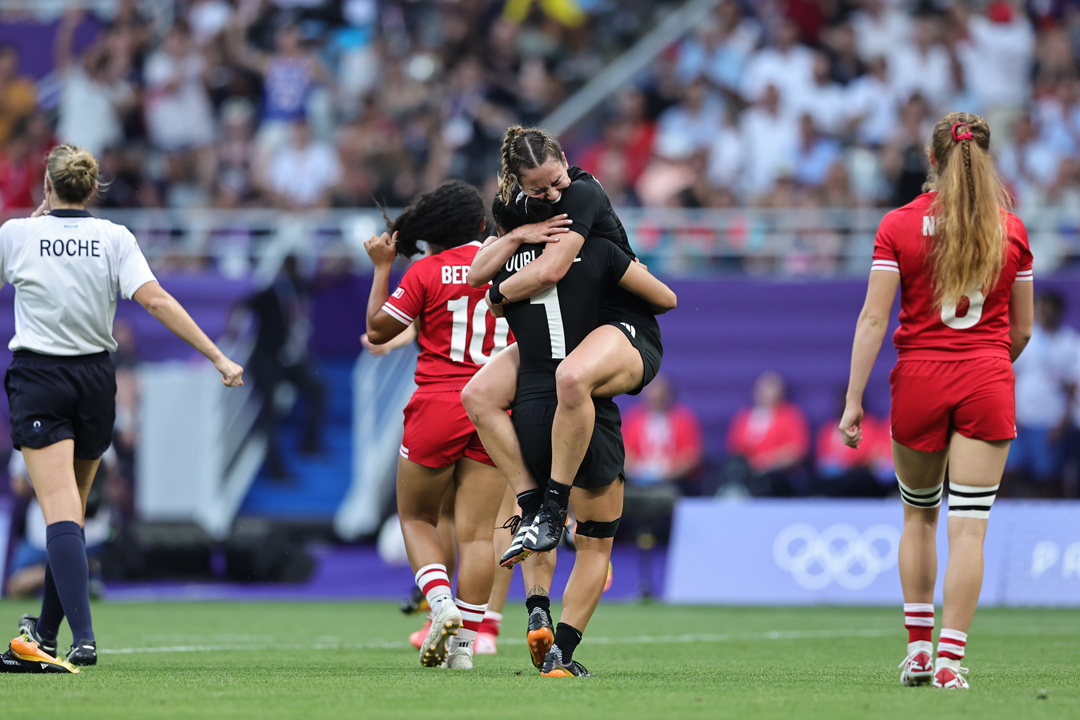
On 20th June 2024 it was announced that she had been selected as a member of the New Zealand Women’s Rugby Sevens team for the Paris Olympics. Hotham scored four tries over the course of the Olympic sevens competition and won a gold medal after the New Zealand team triumphed against Canada in the final, 19-12.
Medal record Representing New Zealand
Women’s Rugby sevens
Olympic Games
Gold medal – first place 2024 Paris Team competition
Rugby World Cup Sevens
Silver medal – second place 2022 Cape Town Team competition
Commonwealth Games
Bronze medal – third place 2022 Birmingham Team competition
Women Fitness President Ms. Namita Nayyar catches up with Jazmin Felix-Hotham, an exceptionally talented New Zealand rugby sevens player player, here she talks about her fitness regime, and her story to success.
You were born at Henderson, Auckland, New Zealand. As a high school star, you made your international debut in the victory at the Sydney Sevens in 2020.This later propelled your career to the height where you have been at the top of the world as a women rugby player. Tell us more about your professional journey of exceptional hard work, tenacity, and endurance?
I was born in Auckland but grew up in Hamilton. I have four siblings including one sister and three brothers. Both my parents have represented New Zealand in Touch Rugby so naturally myself and my siblings grew up loving and playing all various sports. I tried a lot of sports but my main ones being athletics, swimming, touch rugby and football. My whole family played together in a mixed Touch team and having three brothers I played lots of rugby in the backyard with them. There was never much opportunity for girls to play rugby. In primary school I was the only girl on the team but I played because I just wanted to hang out with all of my mates which at the time were boys.
It was later when I reached high school that I was asked to try out for the school rugby sevens team that was traveling to Japan that I started to properly learn how to play. I really enjoyed it and loved that it provided me with the opportunity to travel to another country. I first watched the Black Ferns Sevens on TV when they competed at the Rio 2016 Olympics. I was 16, and at the time my math teacher Shakira Baker was actually a player in the team along with a few ex Hamilton Girls High students I had played touch with. I think watching them that year ignited this flame inside me that I wanted to one day wear a black jersey and represent my country for rugby sevens at an Olympic games.
In 2017, after playing for my province at a national tournament the Black Ferns coach rang me asking if I would like to have a year’s training contract with the team. At the time I still had another year of high school so I told the coach I had to ring my parents first and ask if I was allowed. My parents’ only condition was that I was never allowed to fall behind in my school work. Through my last year of high school I would attend week long training camps in Mount Maunganui then go back to Hamilton and attend school. I was the school’s deputy head girl prefect, Sports captain prefect and also a part of the senior touch, Rugby 1st XV and Rugby Sevens teams. I definitely learnt time management and balance that year. In September of 2018 I dislocated my shoulder and needed to have shoulder reconstruction surgery.
A few days after surgery I had a call from Allan Bunting the coach asking if I’d like to be a full time Black Ferns Sevens contracted player and I probably almost redislocated my shoulder jumping up super happy celebrating. In 2019 I moved to Mount Maunganui to be a full time professional Rugby Sevens player.
Full Interview is Continued on Next Page
This interview is exclusive and taken by Namita Nayyar President of womenfitness.net and should not be reproduced, copied, or hosted in part or full anywhere without express permission.
All Written Content Copyright © 2025 Women Fitness
Disclaimer
The Content is not intended to be a substitute for professional medical advice, diagnosis, or treatment. Always seek the advice of your physician or other qualified health provider with any questions you may have regarding a medical condition.
Tal como se relató a Shannon Shelton Miller
Septiembre es el Mes de Concientización del Cáncer Ginecológico
Estaba trabajando en febrero de 2019 cuando mi ginecóloga obstetra me llamó y me preguntó si podía hablar por un momento.
“Preferiría no hacer esto por teléfono, pero es muy grave”, dijo. “Tienes cáncer endometrial de etapa 1 y te voy a referir a un oncólogo”.
Estaba conmocionada. Solo tenía 24 años y aunque experimenté problemas la mayor parte de mi adolescencia y mi vida adulta relacionados con el ciclo reproductivo, nunca imaginé que me diagnosticarían cáncer.
Desde la secundaria, siempre tenía períodos menstruales irregulares que a veces duraban entre 10 y 12 días. En la universidad, empecé a tener aumento de peso, acné y vello facial en exceso. Después de tener consultas con el doctor del campus y mi doctor de cabecera, solo recibí consejos estándar para disminuir de peso y cambiar mi dieta. Traté de explicar que mis hábitos alimenticios no habían cambiado y que aun así seguí aumentando de peso y no sabía qué hacer.
Finalmente tuve una consulta con una ginecóloga obstetra nueva cerca de mi hogar en Richmond, Virginia, quien me preguntó acerca de mis síntomas. Me dijo que estas eran señales frecuentes del síndrome de ovario poliquístico o SOP. Me alegró tener una respuesta pero me pregunté porque nadie sugirió eso hace dos o tres años.
Recuerdo que me dijo que el SOP no podía curarse, así que en mi mente, no tuve motivos para investigar mucho al respecto. Supuse que solo debía controlarlo, pero no me indicaron las medidas que debía implementar, métodos para disminuir de peso ni para abordar los síntomas, aparte del uso de anticonceptivos. Había tomado anticonceptivos antes y no me gustaba como me sentía cuando los tomaba, así que decidí no hacerlo.
Un año después, mis síntomas se volvieron más graves. Tuve hinchazón en el vientre durante meses y el sangrado abundante empezó otra vez. A finales de diciembre de 2018, quise tener una consulta con la proveedora médica que me diagnosticó el SOP, pero estaba de vacaciones. Tuve una consulta con otro doctor, un hombre blanco, por aproximadamente cinco minutos. Sentí que apenas escuchó lo que le dije y no me hicieron la ecografía ni las otras pruebas que solicité.
“Es imposible que usted tenga cáncer”, dijo. “Todo está bien”.
Pero yo sabía que algo estaba mal. La hinchazón de mi vientre nunca desapareció y tenía la apariencia de una mujer embarazada. Llamé al consultorio otra vez en enero y programé una consulta con mi ginecóloga obstetra, quien solicitó una ecografía y otras pruebas. Cuando recibió la imagenología, dijo que estaba preocupada por lo que vio y solicitó una D y C.
Cuando me llamó cinco días después de la consulta, estaba trabajando como profesora de prekínder de una escuela primaria y fui a la sala de profesores para hablar. La doctora me dijo que tenía cáncer endometrial, un tipo de cáncer uterino, y quería ver si podía tener una consulta con un oncólogo ese mismo día. Le dije que sí y llamé a mi familia. Mi mamá, papá y hermano vinieron para llevarme a la consulta.
Aquí es cuando empecé a sentir mucha frustración. Obviamente, estaba frustrada con toda esa experiencia, pero cuando el oncólogo preguntó si alguna vez tomé anticonceptivos para mi SOP, me dijo que debí haberlo hecho porque eso pudo haber prevenido que se desarrolle el cáncer. Si hubiese sabido eso, habría implementado esa medida y también hubiese deseado saber que tenía un SOP antes para haber tenido más tiempo para abordarlo.
2025 (Foto/Keith Nixon)
En vez de eso, estaba teniendo conversaciones sobre la tasa de supervivencia del cáncer endometrial, la preservación de mi fertilidad y seguimiento médico por el resto de mi vida. Fue difícil para mí pensar repentinamente en no poder tener hijos o escuchar que si me trataban y el cáncer reaparecía, debería someterme a una histerectomía total. Mi mamá también tuvo cáncer al mismo tiempo, recibió su diagnóstico seis meses antes, así que mantuvimos conversaciones muy serias acerca de la muerte.
El oncólogo dijo que no tenía que someterme a quimioterapia o radiación porque era muy joven y porque mi cáncer no estaba en una etapa avanzada. Me sometí a terapia hormonal, que consistía en dos píldoras en la mañana y dos en la noche. Afectaba mucho mi cuerpo, aumenté 25 libras de peso, comía todo el tiempo y aun así siempre tenía hambre. Me sentía muy incómoda.
Después de mi tratamiento, mantuve consultas de seguimiento con mi oncólogo cada tres meses para asegurarme de que el cáncer no haya reaparecido. Debía tener las consultas con tanta frecuencia porque era muy joven para este tipo específico de cáncer que usualmente se diagnóstica para mujeres menopáusicas.
Decidí no dejar que el cáncer destruya todos mis sueños. El mes después de mi diagnóstico, viajé a Cuba y luego al parque nacional de Joshua Tree. Mi equipo médico me ayudó a desarrollar un plan para mi vida después del cáncer, desde el seguimiento hasta la preservación de mi fertilidad para cuando esté lista para tener hijos. En 2020, congelé mis óvulos por si necesito usarlos después. Pensar en lo que quería hacer en el futuro me dio tranquilidad.
El año pasado fundé Uterine Care Collaborative, una iniciativa para educar a mujeres de raza negra sobre el cáncer uterino, los fibromas, la endometriosis y el SOP. Es una central comunitaria virtual donde las mujeres pueden aprender sobre esos trastornos, cómo controlarlos y cómo tener conversaciones con las mujeres de tu familia acerca de tus antecedentes médicos familiares. Mi esperanza es que Uterine Care Collaborative se convierta en una plataforma en la cual mujeres puedan aprender y sentirse cómodas mientras tienen estas conversaciones que potencialmente podrían salvar vidas.
En mi capacidad como comunicadora de la salud pública, mi mensaje es que cuidarse a uno mismo es crítico, especialmente para mujeres de raza negra porque debemos luchar contra un sistema que no siempre nos escucha, ve o incluye en las investigaciones y en los ensayos clínicos. Es importante decir a las mujeres “epa, si tienes estos síntomas y te pasa esto en el consultorio, no tienes que aceptarlo. Haz que alguien lo evalúe.” Si la respuesta no te satisface, obtén una segunda opinión.
Siempre he sido una persona religiosa y muy alegre. No puedo pasar el resto de mi vida preocupándome de la posibilidad de que mi cáncer reaparezca o de si sangraré otra vez por ocho meses o de cualquier otra cosa que pueda pasar. El mes pasado, fue muy emocionante cuando mi oncólogo me dijo que finalmente podía tener consultas cada seis meses en vez de cada tres, pero acepto que solo tengo el control de las cosas que puedo controlar.
Ahora tengo 31 años y sé que mi historia no ha terminado. A final de cuentas, todo está en las manos de Dios.
Este recurso educativo se preparó con el apoyo de Merck.
¿Eres una mujer con historias reales que te gustaría compartir? Avísanos
Nuestras historias son experiencias auténticas de mujeres reales. HealthyWomen no avala los puntos de vista, opiniones y experiencias expresados en estas historias y no reflejan necesariamente las políticas o posiciones oficiales de HealthyWomen.
From Your Site Articles
Related Articles Around the Web
We all want to feel confident, radiant, and put-together — but real beauty isn’t about perfection or filters. It’s about balance, self-care, and smart choices that bring out the best version of you from head to toe. As the seasons shift and we step into fall, it’s the perfect time to refresh your beauty routine, inside and out. That means nourishing your body with green juice, getting enough quality sleep (even 5–10 minute power naps), and avoiding common beauty mistakes. These small, consistent habits create the foundation for glowing beautifully.
The old saying is true: when you feel good on the inside, it shows on the outside.
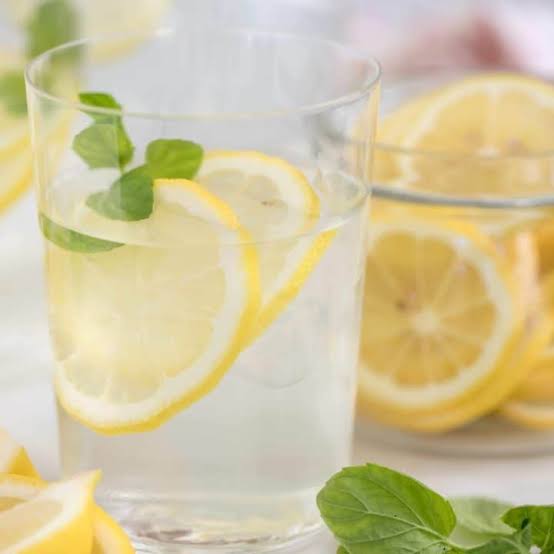
Result: A brighter complexion, better digestion, and an energized start to your day — beauty from the inside out in a single glass.
The simplest rituals deliver the biggest beauty payoff. A daily cup of tea not only soothes the soul but also supports digestion — which is directly linked to skin clarity. Rotate these teas throughout the week to keep your gut balanced and your glow consistent:
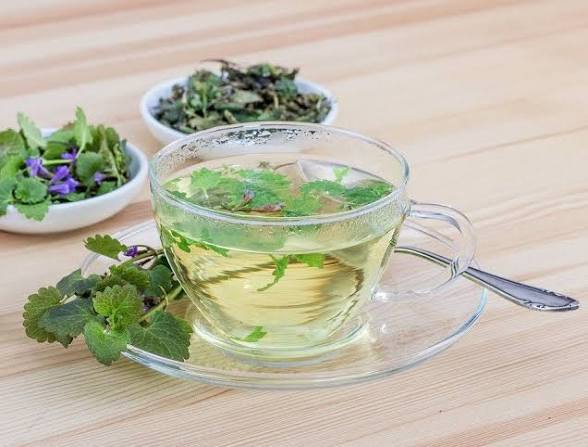
Pro tip: Enjoy a warm cup in the evening as a calming ritual — you’ll sleep better, digest more smoothly, and wake up looking refreshed.
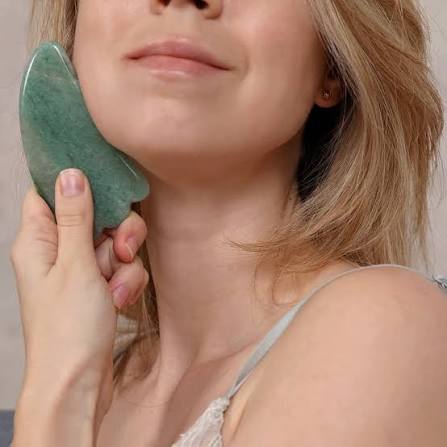
Tip: Keep your gua sha stone in the fridge for an extra cooling, de-puffing boost in the morning.
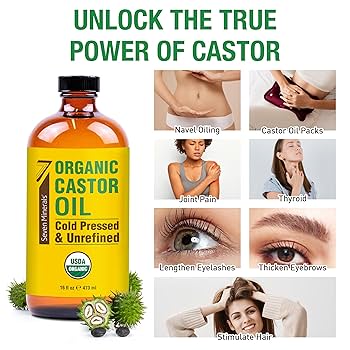
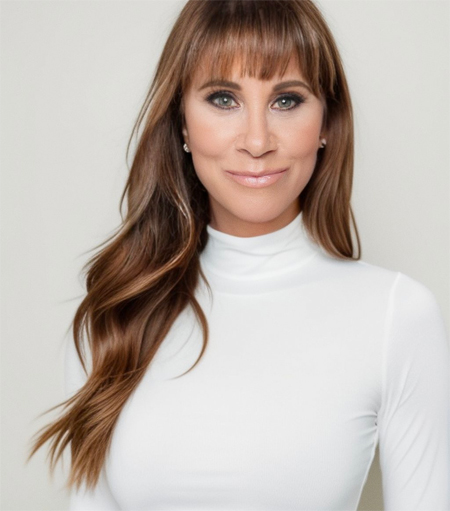
Your hair frames your face, and healthy hair can make you look instantly polished.

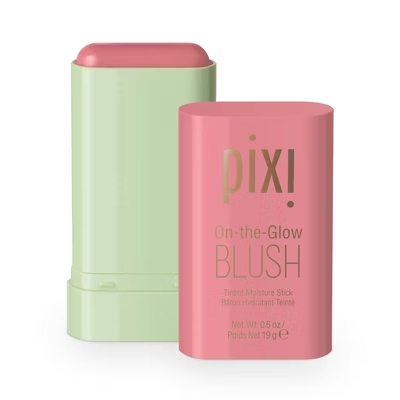
Starting your day with hydration, nourishing foods, and gut-loving habits like teas, a green juice, then layer in self-care rituals like dry brushing and gua sha — it all shows up in your skin and energy. Add shiny hair, glowing makeup, and a few smart tricks (think primer, cream blush, and a touch of highlighter), and you’ll radiate confidence and the illusion of flawless beauty — from the inside out!
For more beauty and wellness tips, inspiring guests, and behind-the-scenes magic, listen to my I’m Too Busy ! Podcast , Christina Flach’s Portfolio & follow us on Instagram: @ChristinaFlachMakeup & @ImtooBusyTV
Disclaimer
The Content is not intended to be a substitute for professional medical advice, diagnosis, or treatment. Always seek the advice of your physician or other qualified health provider with any questions you may have regarding a medical condition.
What do head and neck cancers have in common? Like the name suggests, it’s where they occur that groups them together. And the symptoms vary depending on the location of the cancer.
“When doctors say ‘head and neck cancer,’ they’re usually talking about cancers that start in the mouth, throat, voice box, sinuses or salivary glands,” said Leila J. Mady, MD, a board-certified otolaryngologist (ENT) and head and neck surgeon at Johns Hopkins Medicine. “It doesn’t usually include brain, eye or thyroid cancer.”
Head and neck cancers account for nearly 4% of all cancer cases in the United States. Certain people are at increased risk, including those with a history of tobacco and alcohol use. And human papillomavirus (HPV), a sexually transmitted virus that nearly everyone has, can also cause head and neck cancers. Even if you’re not at high risk, there are some warning signs you should look out for.
We reached out to Mady to find out the most common symptoms of head and neck cancers and when to see a healthcare provider (HCP).
Suspicious lumps are exactly that — suspicious. If you notice anything out of the ordinary, such as swelling or an unusual lump along the neck, jaw or mouth, it’s time to get evaluated by an HCP.
A sore throat is a good example of a head and neck cancer symptom that’s sometimes brushed off as an everyday issue. But sometimes it’s a sign of something more serious, particularly if your sore throat doesn’t go away or improve after two or three weeks.
Dentists are sometimes the first stop on one’s journey to figuring out symptoms of oral cavity cancer. Mouth sores themselves may not be anything too worrisome, but there could be cause for concern if they’re not healing on their own. Watch out for mouth ulcers and red or white patches that won’t heal.
Head and neck cancers are also grouped together because the symptoms can affect speaking, swallowing or breathing. This can even cause you pain. You might also feel like you have something stuck in your throat.
Similar to a sore throat, head and neck cancers can cause a hoarse voice. Any changes to your speech could be worth exploring further. This could indicate that head and neck cancer is impacting your ability to speak.
There are all sorts of explanations for pain in the head and neck — including the teeth, ears, chin and so on. When you’re experiencing pain in your face, head or neck — especially if it’s just on one side — that you can’t get to the bottom of, a more comprehensive exam may be necessary.
Head and neck cancers can affect the nose, so symptoms can include nosebleeds and a stuffy or blocked nose that won’t go away. Any unexplained bleeding — whether from the nose or mouth — could warrant medical attention. This applies to coughing up blood too.
Chronic sinus infections, or sinusitis, could point to nasopharyngeal cancer and nasal and paranasal sinus cancers. This is particularly concerning when sinus infections resist antibiotic treatment.
Another symptom that can be passed off as an everyday issue, headaches are alarming when they occur frequently. There are many possible causes of headaches, so it’s important to see a doctor to get to the root cause.
If you’re on the fence about scheduling an appointment with an HCP, Mady doesn’t recommend waiting too long. Early detection saves lives — survival rates are higher for earlier stages.
“If symptoms last for more than two or three weeks, it’s important to see a doctor,” Mady said. “Starting with a primary care doctor or dentist is a good first step, but an ENT specialist is the best next step if there’s concern.” In order to make a diagnosis, your doctor might perform an exam, order imaging or perform a biopsy.
Mady’s parting words: Do what you can to reduce your risk, but if you have concerning, lingering symptoms, act early. “Head and neck cancers are often very treatable when caught early,” she said.
This educational resource was created with support from Merck.
From Your Site Articles
Related Articles Around the Web
As told to Shannon Shelton Miller
September is Gynecologic Cancer Awareness Month.
I was at work in February 2019 when my OB-GYN called me and asked if I could step away for a moment.
“I’d rather not do this over the phone, but it’s pretty serious,” she said. “You have endometrial cancer, stage 1, and I’m going to refer you to an oncologist.”
I was in shock. I was just 24, and while I’d experienced issues for most of my teenage and young adult years related to my reproductive cycle, I never imagined I’d be diagnosed with cancer.
Since high school, I’d always had irregular periods, sometimes lasting 10-12 days. In college, I started experiencing excessive weight gain, acne and facial hair. After seeing a campus doctor and my primary care physician, I still only received the standard advice to lose weight and change my diet. I tried to explain that my eating habits hadn’t changed, but I still kept gaining weight and didn’t know what to do.
Finally I saw a new OB-GYN near my home in Richmond, Virginia, who asked more questions about my symptoms. She told me these were common signs of polycystic ovarian syndrome, or PCOS. I was happy to have an answer but wondered why someone didn’t suggest that two to three years earlier.
I remember her telling me PCOS couldn’t be cured, so in my mind, there wasn’t a reason to do much research about it. I guessed I was supposed to just manage it, but I wasn’t given any action steps about ways to lose weight or address any symptoms, other than considering birth control. I’d been on birth control before and didn’t like how it made my body feel, so I decided against it.
A year later, my symptoms became more severe. I was bloated for months and the heavy bleeding started again. In late December 2018, I wanted to go back to the provider who diagnosed me with PCOS, but she was out of the office for the holidays. I saw another doctor, a white male, for about five minutes. I felt he glossed over everything I said and didn’t do the ultrasound or other tests I had requested.
“There’s no way you have cancer,” he said. “There’s nothing going on.”
But I knew something wasn’t right. The bloating never went away and I looked like I was pregnant. I called the office again in January and got an appointment with my OB-GYN, who ordered an ultrasound and other tests. When the images came back, she said she was concerned about what she saw and ordered a D&C.
When she called me five days after that appointment, I was at work as a pre-K teacher at an elementary school and went to the teachers’ lounge to talk. The doctor told me I had endometrial cancer, a form of uterine cancer, and she wanted to see if I could see an oncologist that day. I told her I could and called my family. My mom, dad and brother showed up to take me to my appointment.
This is where my real frustration began to kick in. Obviously, I was frustrated with the entire experience, but when the oncologist asked if I’d ever gotten on birth control for my PCOS, he told me that I should have because it could have prevented the cancer from developing. If I’d known this, I would have taken that step, and I also wish I’d known I had PCOS earlier so I could have had more time to take action.
2025 (Photo/Keith Nixon)
Instead, I was being thrown into conversations about the survival rate for endometrial cancer, preserving my fertility and preparing for being under medical surveillance for the rest of my life. It was difficult for me to suddenly think about not ever having children, or hearing that if I was treated and the cancer returned, I’d need a full hysterectomy. My mom also had cancer at the same time, having been diagnosed six months earlier, so we were all having very real conversations about mortality.
The oncologist said I didn’t have to undergo chemotherapy or radiation because I was so young and because my cancer wasn’t at an advanced stage. We did hormone therapy, which consisted of two pills in the morning and two at night. They were very hard on my body — I gained 25 pounds, and I was eating all the time and still hungry. I felt uncomfortable in my own skin.
After my treatment, I would see my oncologist every three months for surveillance to make sure the cancer hadn’t returned. I had to visit often because I was so young with this specific kind of cancer, which is usually diagnosed in menopausal women.
I was determined not to let cancer destroy all of my dreams. The month after my diagnosis, I traveled to Cuba and later went to Joshua Tree National Park. My medical team helped me develop a plan for my life after cancer, from surveillance to preserving fertility for when I’m ready to have kids. In 2020, I froze my eggs in case I need to use them later. Being thoughtful about how I wanted to move forward gave me peace of mind.
Last year I founded the Uterine Care Collaborative, an initiative to educate Black women on uterine cancer, fibroids, endometriosis and PCOS. It’s an online community hub where women can go to learn about these conditions, how to manage them and how to have conversations with the women in your family about your family medical history. My hope is that the Uterine Care Collaborative will become a platform where women can learn and feel comfortable having these potentially lifesaving conversations.
As a public health communicator, my messaging is that self-advocacy is critical, especially for Black women, because we’re up against a system that does not always hear us, see us or include us in the research and the clinical trials. It’s important to say to women “Hey, if you’re experiencing these symptoms, if you have this experience at the doctor’s office, you don’t have to just accept that. Get checked out.” If the answer doesn’t sit well with you, get a second opinion.
I come from a faith background and have always been a very joyful person. I can’t afford to spend the rest of my life worrying about whether my cancer will come back or whether I’ll be bleeding again for eight months or whatever the case may be. Last month, it was really exciting when my oncologist graduated me from surveillance every three months to every six months, but I accept I’m only in control of what I can control.
I’m 31 now, and I know my story is not over. Ultimately, it’s all in God’s hands.
This educational resource was created with support from Merck.
Have your own Real Women, Real Stories you want to share? Let us know.
Our Real Women, Real Stories are the authentic experiences of real-life women. The views, opinions and experiences shared in these stories are not endorsed by HealthyWomen and do not necessarily reflect the official policy or position of HealthyWomen.
From Your Site Articles
Related Articles Around the Web
Joslyn Paguio was diagnosed with HPV, the virus that can cause cervical cancer, in the middle of her freshman year of college. She was given no further information by her school medical clinic, but she did her own research and found an OB-GYN, who discovered that Paguio’s HPV strain was high-risk for becoming cancer and recommended careful monitoring.
Years later, a few weeks before her wedding, Paguio was diagnosed with stage 1 cervical cancer. Paguio was grateful that she was able to wait until after her honeymoon to have the recommended surgery that removed part of her cervix.
“After surgery, sex was different. It was uncomfortable — on top of painful,” she said. “My husband was afraid to hurt me. He was on guard, and that limited our sex life.” Paguio remained vigilant about screenings, and in 2021, when her daughter was in elementary school, she was diagnosed with cervical cancer again. This time Paguio had a hysterectomy. Sex changed for Paguio again, but more radically this time.
“No one warns you about the pain,” Paguio said. “For a whole day after sex I was keeled over in the fetal position, bleeding heavily and popping ibuprofen. I went to the doctor and said, ‘This is not normal. You said I’d be able to have sex again.’”
Read: HPV Vaccination Is Cancer Prevention >>
Sex after cervical cancer treatment
Linda Eckert, M.D., an OB-GYN, professor at University of Washington’s Departments of Obstetrics and Gynecology and Global Health and author of Enough: Because We Can Stop Cervical Cancer, said “[Healthcare providers] tend to think of cervical cancer as curable in the long term, but the changes brought on by treatment can be devastating. Sex isn’t talked about enough — and it should be.”
In one study, most cervical cancer survivors reported having satisfying sex lives after treatment. But finding a satisfying sex life after cervical cancer treatment may require changes. Warnings about the potential side effects of treatment and their possible impacts on sexuality, both physical and emotional, are often lacking. Yet this information might help survivors mentally prepare as well as take necessary steps to make adjustments.
Cervical cancer treatment effects on sexual organs
Cervical cancer treatment depends on what stage the cancer is when it’s found. If it’s found early, there are surgical options for treatment that generally result in the vagina becoming shorter. But, according to Eckert, the vaginal tissue “is forgiving and stretchy” when there are no changes to the reproductive system’s hormones. However, a later stage diagnosis will often add radiation and chemotherapy to the treatment. Radiation can sometimes cause “devastating” scarring, change the vagina’s shape and flexibility, and even change the vaginal discharge.
Sex should be part of the treatment conversation
Christy Chambers was diagnosed with stage 4b cervical cancer. Her treatment plan included low-dose chemo and external radiation, followed by immunotherapy. She had many side effects with her treatments but was told she had “no evidence of disease” in May 2023.
“I was very nervous to resume sex,” Chambers said. “Even though I didn’t have internal radiation, the treatment still altered the internal structure of my vagina. The internal depth was shorter and smaller, also very dry and tight. My partner was very patient, but I felt guilty we had to suspend sex often due to my discomfort.”
Chambers said nobody on her medical team mentioned intimacy, and it wasn’t addressed in the information packet the hospital gave her. “The medical team mentioned it two years after I’d finished treatment,” she said.
Barb DePree, M.D., director of the Women’s Midlife Services at Holland Hospital and a member of HealthyWomen’s Women’s Health Advisory Council, said sex often isn’t discussed after a cervical cancer diagnosis because many healthcare providers focus first and foremost on successful cancer treatment and don’t think of the cervix as being majorly involved in sexual encounters. However, she said, “It’s helpful to take a minute before treatment starts to understand what might change. … It’s realistic to put out there that sex therapy and pelvic floor therapy might be part of recovery.”
Eckert said that patients don’t know enough to ask upfront about potential effects on their sexuality and sex lives. “With a cancer in the genital region, it’s up to the doctor to bring up the potential changes to sexuality, desire, function and accommodation.”
Eckert said the survivors she interviewed for her book mainly got information about post-treatment sex from other survivors. “They were rarely told, except by other survivors, that aggressive and early use of dilators, for instance, can help with vaginal changes. Or they may not be prepared to be hit with treatment-induced menopause, and that’s going to have a rapid effect on estrogen levels and vaginal integrity.”
Paguio found an OB-GYN who listened and understood her challenges, and recommended that she see a physical therapist who specifically works with pelvic floor issues. “I had reservations,” she said. “It sounded strange. I didn’t think it would work.” But the physical therapist convinced her to come for 10 sessions and leave if it didn’t help.
“After the fifth session I saw an improvement,” Paguio said. She and her husband also saw therapists individually to cope with anxiety around the cancer and its impact on their lives, including their sex lives.
“I realized I had apprehensive anxiety before sex,” Paguio said. “Therapy allowed me to tell my husband I’m not in the mood. Because if I’m not in the mood, it isn’t going to feel right, and it is just going to be a bad experience. Therapy helped us keep the lines of communication open.”
Chambers also found pelvic floor therapy helpful. “I wish I’d known about it sooner as it may have made the return to intimacy easier,” said Chambers, who also recommended finding sex and couples therapy.
It’s important to remember that intimacy doesn’t always have to include penetrative sex. There are other ways to be intimate, like finger play, oral sex and even just cuddling. Part of your communication with your partner should be discussing what options you’re both comfortable with.
It took Chambers and her husband around three months after they resumed intimacy to resume penetration. “Lubrication was key and we did quite a lot of finger play and stimulation until I was relaxed enough [to feel desire],” Chambers said.
Finding the right support
The sooner you address any sexual impact of treatment, the better results you can get restoring full function. DePree recommended early use of dilators if vaginal tissue is feeling less responsive or tight. “The longer you go without addressing it, the harder it is to reverse the changes,” DePree said.
Pelvic floor therapists can show women how to use vaginal dilators to expand and relax the vaginal tissue. These physical therapy specialists can also help women find vaginal moisturizers and lubricants that work well for them. A vaginal moisturizer is used daily — like moisturizers used on the skin — to help vaginal tissue stay supple, while lubricants are used only during sex, to reduce friction. When returning to penetrative sex, Eckert recommended early use of dilators and depth-control devices.
“Your life after cancer will never be what it was, but you can definitely create a new normal,” Chambers said. “Be open and honest with each other. Associating intercourse with pain will make you want to find a solution less and less. If it’s causing pain, stop and find a remedy. Experiment and find what works for you.”
Finding support can also be tremendously helpful. Eckert said survivor groups can be valuable for information sharing, and an empathetic medical team can do wonders. “Find a gynecologist who is not only comfortable talking about survivorship but recognizes that survivorship continues all your life.”
This educational resource was created with support from Merck.
From Your Site Articles
Related Articles Around the Web
Attention everyone with a vagina: If your downstairs is feeling parched and persnickety and definitely not in the mood to party — you’re not alone. Everyone who has a period goes through menopause, and fluctuating estrogen levels can make you feel like you’re in the classic horror film, Invasion of the Vagina Snatchers.
But before you decide you don’t even know who your vajayjay is anymore and donate your “nice” underwear to science, know that there are treatment options that can help with vaginal dryness and thinning, loss of elasticity and painful sex (also called genitourinary syndrome of menopause or GSM).
One option making headlines these days is vaginal estrogen therapy. A growing body of research has found that vaginal estrogen creams and tablets are safe for most people — even people with a history of breast cancer.
Read: More Research Shows Vaginal Estrogen Is Safe for People with a History of Breast Cancer >>
This is because local vaginal estrogen only affects the vaginal area — not the whole body like systemic menopausal hormone therapy, which is also safe for most people but may not be recommended for people at risk for certain health conditions like breast cancer.
Most recently, vaginal estrogen made headlines when a panel of experts urged the FDA to remove the black box warning on vaginal estrogen products. The experts noted that the warning cites outdated research that is not about vaginal preparations.
The jury is still out regarding the warning labels on vaginal estrogen, but research shows low-dose creams and tablets are safe for most people and can be life-changing for GSM.
So how does vaginal estrogen work? Should you be Team Cream, Tablet or Ring?
Here’s what you need to know about vaginal estrogen therapy.
What is vaginal estrogen used for?
Vaginal estrogen is a localized treatment for people experiencing GSM during perimenopause, the time leading up to menopause, and after menopause.
Symptoms of GSM can include:
How does vaginal estrogen work?
Vaginal estrogen can come in a variety of forms, including tablets, creams or even vaginal rings. Depending on the form you’re using, vaginal estrogen can be inserted into the vagina using your fingers or an applicator — think tampon or yeast infection medication.
The therapy works by stimulating the cells of your vaginal and vulvar tissue which increases its thickness and can enhance lubrication.
Vaginal estrogen can also help balance pH of the vagina.
Vaginal estrogen tablet vs. cream vs. vaginal ring
Research shows vaginal estrogen cream and tablets are equally effective for GSM, but tablets may be more user-friendly than creams.
One study found participants favored tablets because they were more convenient (prefilled applicators) and less messy than the creams.
Vaginal estrogen tablets
Vaginal estrogen cream
Vaginal ring
Read: 5 Minutes With: Ashley Winter, M.D., Talks Urology, Sex and All Things Vaginas >>
Side effects of vaginal estrogen
Low-dose vaginal estrogen typically has few side effects. But they can happen.
Common side effects of vaginal estrogen cream and tablets can include:
Rare side effects of vaginal estrogen cream and tablets can include:
Vaginal estrogen and sex
Many people take vaginal estrogen to help with painful sex. But before you get busy, make sure you’re leaving enough time between application and getting it on. Estrogen can be absorbed by male partners during sex, so it’s a good idea to wait a day or at least 12 hours to let your body absorb the estrogen.
Limited contact with vaginal estrogen cream/tablets shouldn’t cause any side effects for male partners, but one older study found prolonged exposure can lead to feminine changes. And if your partner is absorbing some of the estrogen, you’re not getting the full dose you need.
Also, avoid using latex condoms, diaphragms or cervical caps for up to 72 hours after using vaginal estrogen creams. Certain oils can weaken the rubber.
Team vagina
If you’re experiencing symptoms of GSM, talk to your HCP about treatment options. You don’t have to suffer — vagina care is healthcare.
From Your Site Articles
Related Articles Around the Web
Emily Jamea, Ph.D., is a sex therapist, author and podcast host. You can find her here each month to share her latest thoughts about sex.
I sat across from Jeremy and his wife, Sonia, in their first session with me. Sonia was fuming. Jeremy fidgeted, eyes fixed on the floor.
“I think he has a porn addiction,” Sonia declared. “This is getting out of hand.” Her anger suddenly broke, revealing sadness. “I just know he’s going to lose attraction to me. I can’t compete with the women he’s masturbating to.” Tears filled her eyes. “I’m approaching menopause, and he’s looking at twenty-somethings. It’s gross,” she added, her tone shifting once again to disgust.
Jeremy’s cheeks flushed. He glanced up, searching my face for judgment.
I took a slow breath, inviting them both to pause. Then I turned to Sonia. “I know how scary this feels for you. I hear your desire to protect the connection you and Jeremy share. Right now, it feels threatened, and that’s a lot to carry.”
Instead of interrogating Jeremy about the details of his porn use, I suggested we first explore their values around sex, connection and pornography.
Sonia and Jeremy had been together for nearly two decades. Sexual frequency had tapered, as it often does, to once or twice a month. They both described sex as satisfying when it happened. No long-standing resentments or betrayals before this porn use came to light. But since her discovery, Sonia had grown hypervigilant — checking Jeremy’s browser history and walking in on him unexpectedly. Porn had become the flashpoint for major conflict.
To Sonia, porn felt dangerously close to infidelity, but Jeremy disagreed.
“Tell me what motivates you to look at porn,” I asked gently.
“I swear I’m still attracted to my wife,” he said, defensively. “To me, she’s as beautiful as she was the day we met. She doesn’t believe me, but it’s true. Sometimes I’m just bored, or stressed, or it’s been a while since we made love. Sometimes it’s easier to take a couple of minutes on the computer than to risk rejection. We’ve been together for a long time. I know when it’s not a good time to approach her, and I’m fine with that. This has nothing to do with her.”
Sonia shook her head. “I don’t have an issue with him masturbating sometimes, but I don’t understand why he can’t just think about me.”
He looked pained. “I could.” In looking at him, I could sense he probably could give up watching porn — but not without some resentment that he was acquiescing to something he genuinely didn’t see as problematic.
I turned to Sonia. “We don’t realize how quickly we develop ideas about certain value-laden topics before fully educating ourselves on them. This is where I come in. I read the science so you don’t have to. I want to explain what the research says about porn and then explore if and how your feelings about it change once you know the facts. Would that be okay with you?” They both nodded.
I explained that the word “addiction” often gets thrown around when people talk about sex and porn. But the fact is, there is no official diagnosis of sex or porn addiction. The Diagnostic and Statistical Manual of Mental Disorders-5-TR, which is the most widely used manual to diagnose mental health disorders in the United States, doesn’t have a category for sex addiction. At one point, they strongly considered including “Hypersexual Disorder,” but there wasn’t enough evidence to back it up. Concerns included lack of consistent criteria for diagnosis, the risk of pathologizing normal variations in sexual desire and behavior, and that there could be cultural and moral bias influencing perceptions of “excessive” sex or porn use.
The ICD-11, which is the diagnostic manual used by The World Health Organization recognizes “Compulsive Sexual Behavior Disorder” as an impulse-control disorder, not a sex- or porn-specific addiction. In other words, the clinical concern isn’t porn itself, but rather when someone feels unable to regulate their sexual behaviors in ways that align with their values. An example would be a person who neglects work and family responsibilities to watch porn and can’t stop despite repeated attempts.
Unfortunately, public perception often paints porn as inherently bad, when science paints a much more nuanced picture. I highlighted eight key research points about pornography for Sonia and Jeremy.
As I went through the data, Sonia’s expression slowly turned from one of skepticism to surprise. “What you’re telling me basically goes against everything I thought I knew about porn. I still don’t like it, but I had no idea that this is what the science says.”
“Most people don’t,” I affirmed. The anti-porn movement is strong, and at the end of the day, our culture is still largely rooted in puritanical values. “I’d like to see if we can shift the conversation away from fear and blame toward understanding and choice. At the end of the day, you are the only two people who can determine your values around porn use. But as you do so, I’d really like you to think about how sexual privacy (not secrecy) and autonomy fits into your partnered sexual experiences. Sonia, I am curious how it might help if we established some boundaries and expectations around Jeremy’s porn use.”
Jeremy looked relieved. “I really have nothing to hide,” he said. “I’m responsible about my use. I am extremely careful to watch only ethically and legally produced content. It’s literally a quick means to an end, just like your vibrator is to you sometimes. I can’t compete with BOB’s magic (Sonia’s nickname for her ‘battery operated boyfriend’).”
“Well, you got me there …” she chuckled.
I explained that pornography, like any form of entertainment, can be misunderstood when people forget it’s a fantasy. Just as we don’t expect action movie fans to reenact car chases or shootouts, we shouldn’t assume porn viewers want to replicate everything they see on screen or that watching porn is going to affect someone’s sexual value system. I also informed Sonia that there was actually a whole category of ethical porn produced for women by women.
“It’s going to take some time for me to really explore whether I can shift my mindset, but I suppose I’d be willing to see if I can as long as Jeremy and I still have a good connection,” Sonia admitted.
“I think that’s a great place to start. At the end of the day, porn is neither inherently good nor bad — it’s how couples navigate it that matters. With open dialogue, shared values and accurate information, you can turn a source of conflict into an opportunity for deeper trust and connection.”
Not all pornography is created equal. Some content may involve people who have been trafficked or who are underage. Be a responsible consumer — seek out ethical sources that prioritize consent, safety and transparency. There are even producers creating porn specifically by women, for women, with a focus on authentic pleasure and diversity.
If you or your partner is experiencing sexual difficulties you think might be related to porn, know that it’s unlikely the porn itself is the root cause. More often, the challenge lies in navigating the natural complexities of partnered sex compared to the ease of solitary self-pleasure. With patience, communication and sometimes professional guidance, most couples can overcome these challenges and reconnect with intimacy in meaningful ways.
From Your Site Articles
Related Articles Around the Web
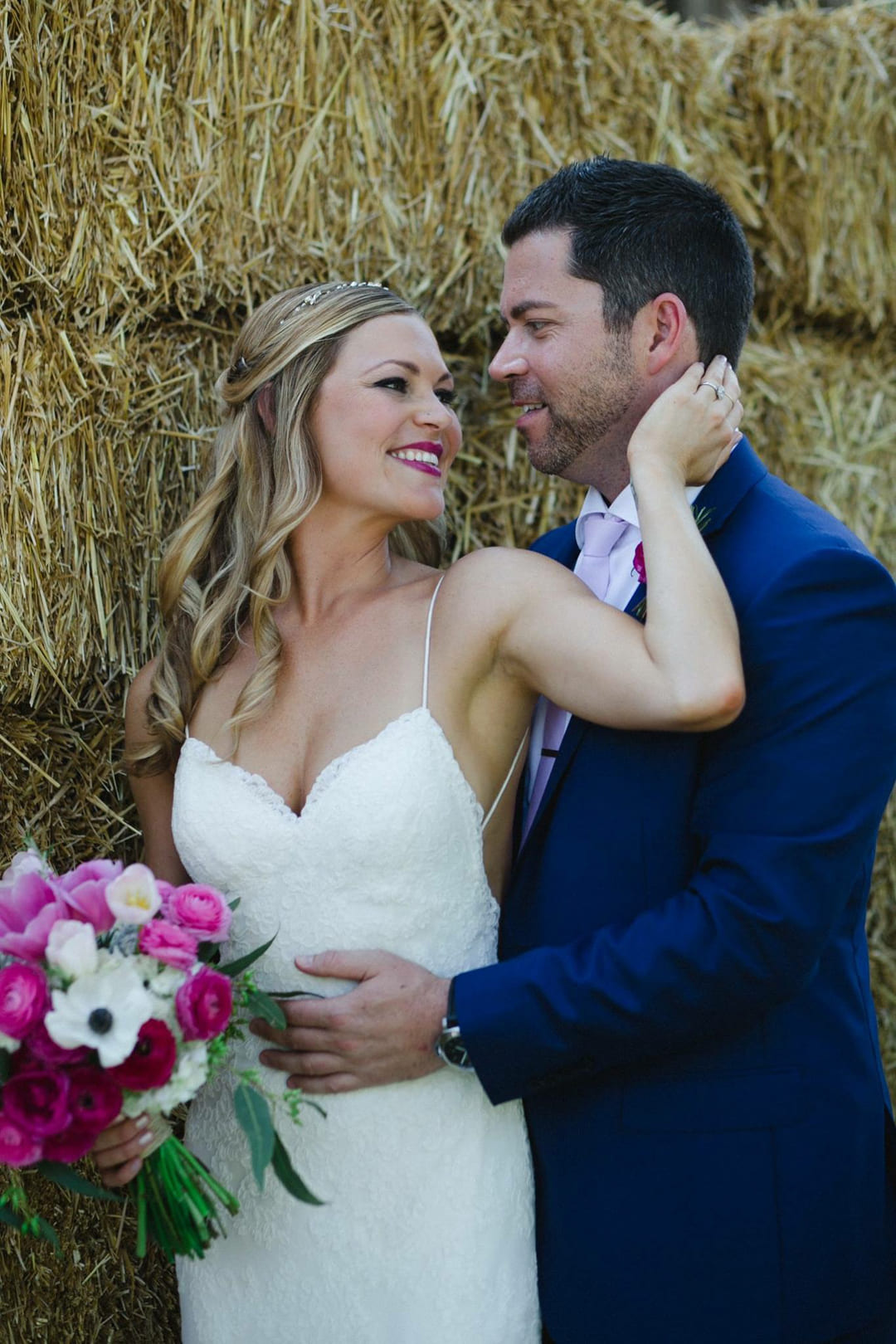
Your wedding day should feel magical and stress-free, but between timelines, emotions, and a buzzing bridal party, the getting-ready hours can turn into controlled chaos. The good news? With the right prep (and mindset), you can stay calm, look radiant, and enjoy every moment.
Map out a schedule with your hair and makeup pros. Start with bridesmaids, do Moms mid-way, and save the bride for last (with a 30-minute buffer). Build in 10–15 minutes between each person for touch-ups and photos.
Book hair and makeup trials at least 4–6 weeks out. Maybe schedule it to coincide with a bridal shower or another special event. Bring inspiration pics, your veil/hair accessories, and take photos in natural light to see how everything reads on camera. Be clear on how you want to look and be realistic with the images for inspiration. 2-3 hours after the makeup and hair trial, give any feedback to the artist, remember the hair and makeup needs to “peek” at the time you walk down the aisle, not the moment it’s finished.
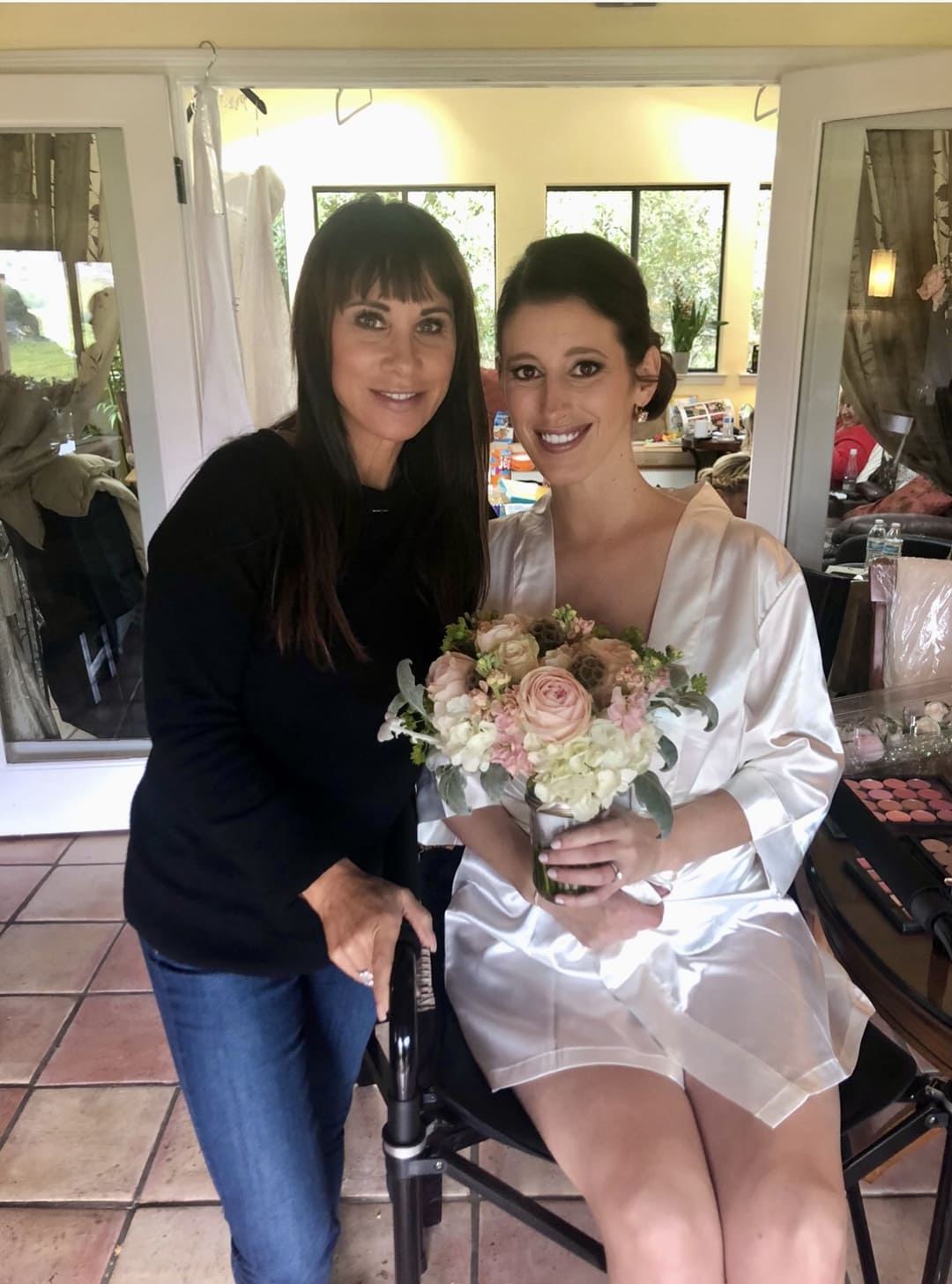
It’s so important for the bride to work with the expertise of the hair and makeup artist to create a vision for her bridal party’s hair and makeup. If each bridesmaid chooses drastically different styles, it can become distracting in photos, which you will be looking at forever. A cohesive beauty plan ensures that no one person stands out more than the others, allowing the bride to remain the focal point while still letting everyone feel beautiful and confident.
Even the most flawless look needs small refreshes.
Pack:
Quick Tip: No blotting papers? A toilet seat cover works wonders to soak up shine without smudging your makeup — not glamorous, but genius in a pinch! Press and lift off the oil, not the makeup.
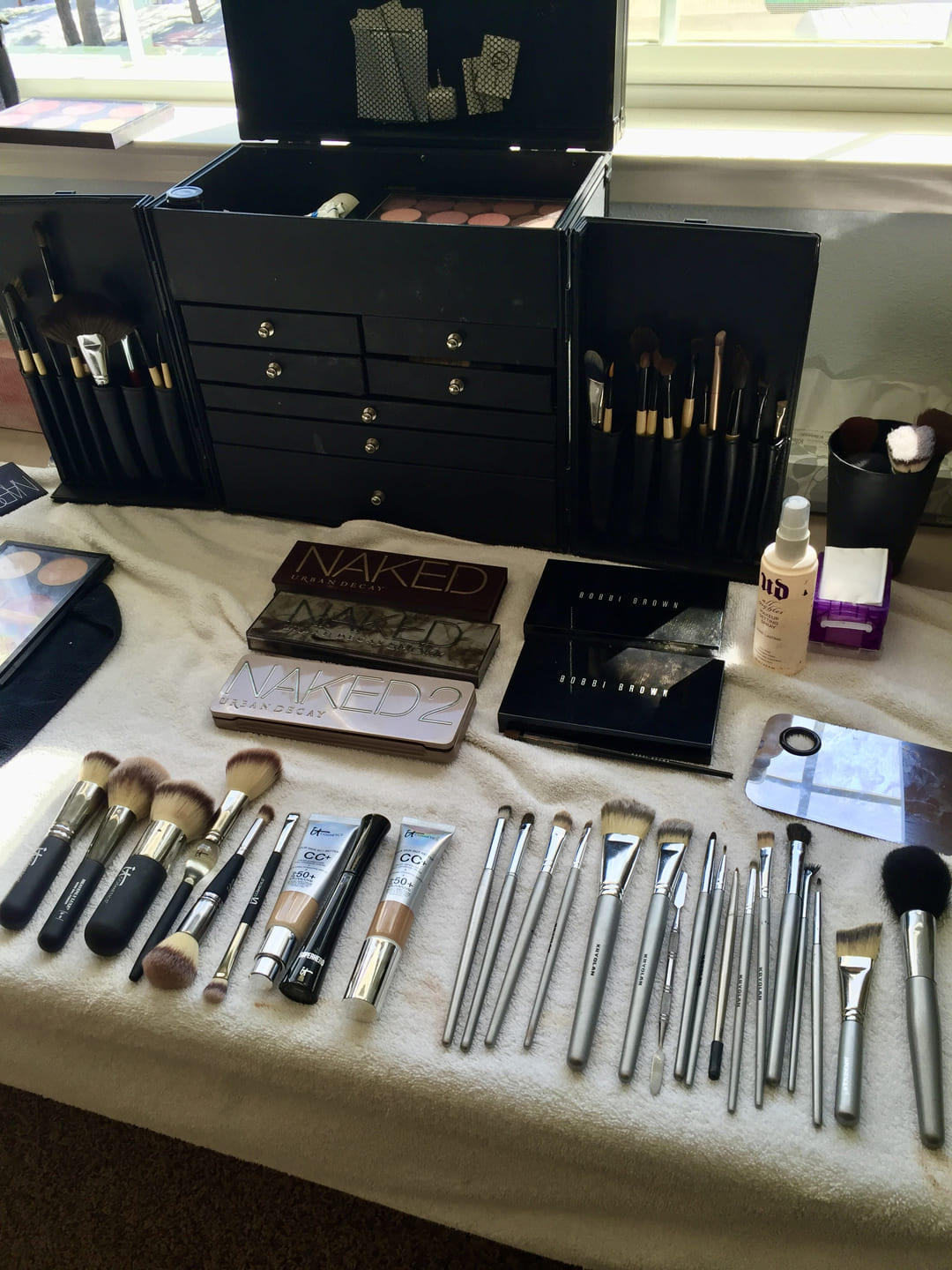
Wedding morning! Don’t skip breakfast. Start the day with a glass of water, lemon, and a pinch of mineral salt. You will thank me that you are properly hydrated! Choose light, protein bites (eggs, yogurt, smoothie) and stay hydrated all day. Limit super-salty foods and bubbly drinks to avoid puffiness. Don’t start drinking champagne while you are doing your glam.
Select one trusted bridesmaid or planner to wrangle the schedule, answer “Where’s the lash glue?” questions, and keep everyone organized and calm—so you can relax and enjoy being “The Bride”
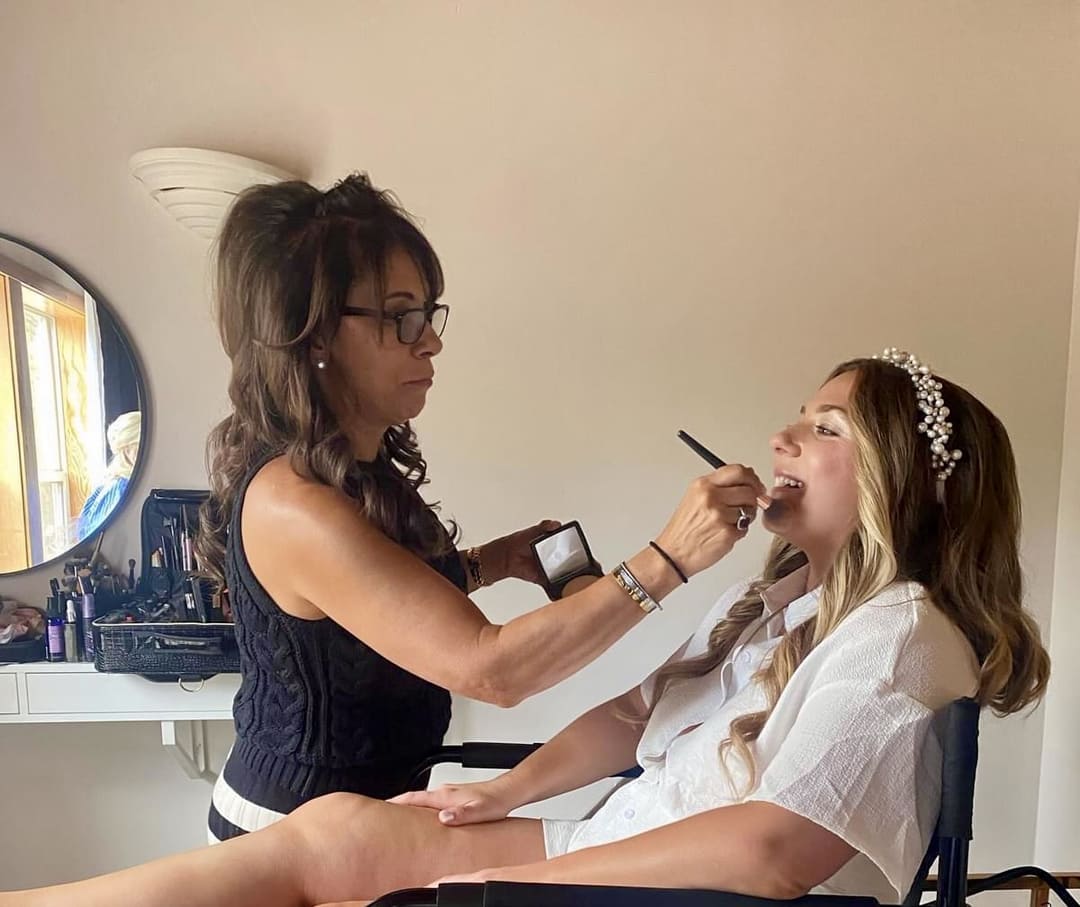
The night before: gentle cleanse, hydrating serum, moisturizer; avoid new products, you don’t need some strange skin reaction when you wake up. A cup of chamomile or mint to help you doze off.
Morning of: light skincare only—no heavy oils that can fight foundation. SPF if you’ll be outdoors. Wedding morning is not the time to do something crazy to irritate your skin. Your makeup artist will be happy that your skin is prepped, but she will probably add more eye cream and moisturizer to make sure your skin is dewy.
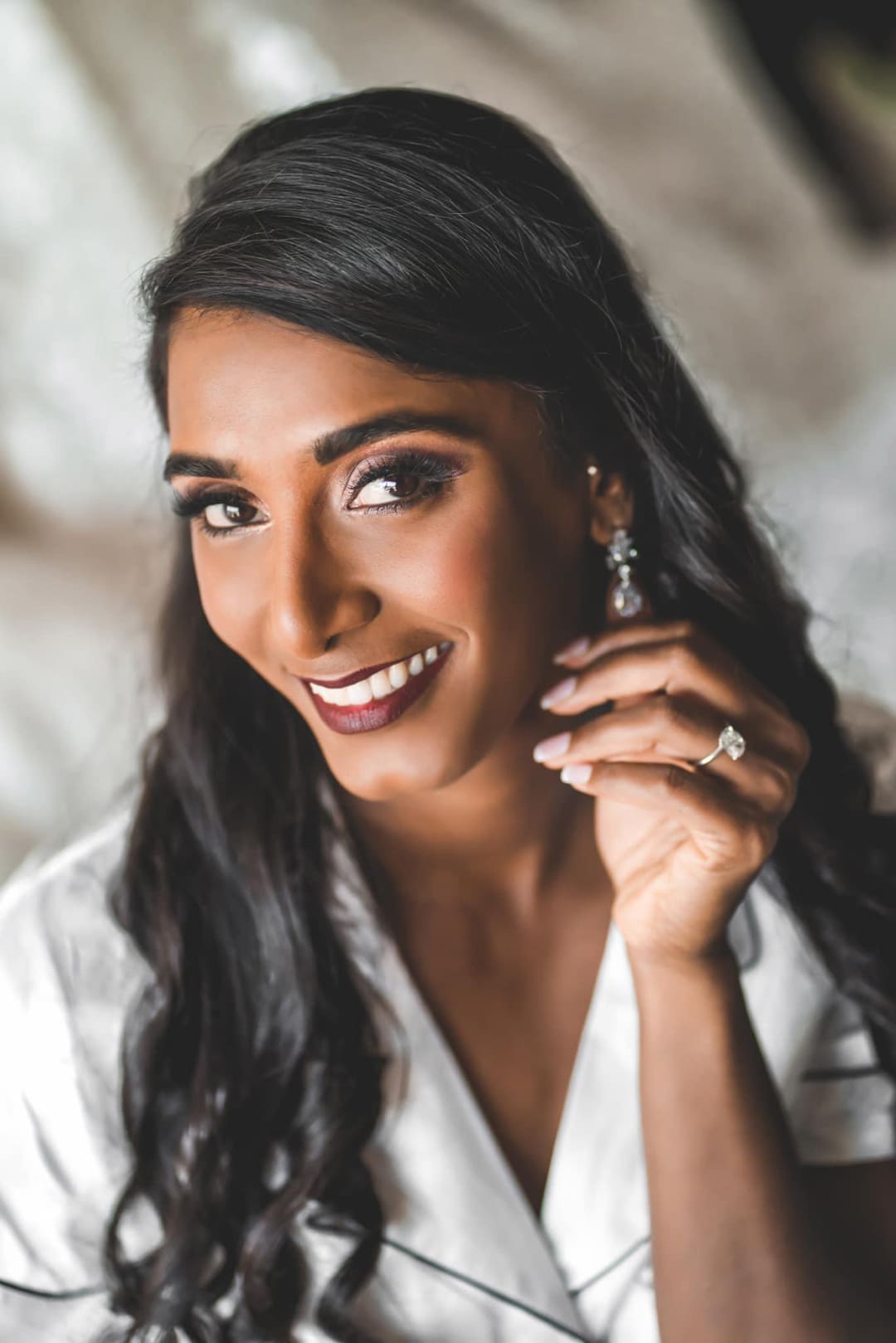
Create a simple, calm ritual: a 3-minute breath work track, your favorite playlist, or a quiet “devices down” 10-minute window pre-dress. Light a candle or have aromatherapy to help relax. The little things that go “wrong” rarely matter on film—joy and happiness photograph best. Take a bit of alone time if you are feeling as though a lot is going on in the room. Your life is about to change in front of everyone you know, and it can feel overwhelming.
Heat/humidity or wind? Ask your stylist for weather-proofing (setting products, anti-frizz, veil-friendly pin plan). For long events, schedule a 15-minute hair/makeup refresh between the ceremony and reception if possible.
Blotting papers * Lip color * Lash glue * Tissues * Bobby pins * Mini hair spray * Safety pins * Fashion tape * Compact mirror * Pain reliever *Breath mints * Concealer * Mascara * Eye Shadow * Eye-Liner
Your wedding look is more than hair and makeup—it’s how you feel. You want to look and feel like the best version of you. With a clear plan, the right team, and a little self-care, you’ll glide through the beauty chaos and truly enjoy your big day. Remember, the wedding is one day, the bride and groom are forever. I wish you love, laughter, joy, and happiness on your wedding day and your new life.
Disclaimer
The Content is not intended to be a substitute for professional medical advice, diagnosis, or treatment. Always seek the advice of your physician or other qualified health provider with any questions you may have regarding a medical condition.
As told to Nicole Audrey Spector
September is Brain Aneurysm Awareness Month.
It was Aug. 11, 2022. I was working remotely that day. During a Zoom call with my boss and colleagues, while discussing a new project I would lead, I heard and felt a big pop go off in my head. Suddenly the voices of those in the meeting sounded strange, as if in stereo.
I didn’t know what was happening to me but knew I needed to get off the call. Being relatively new to my job and not knowing my boss or colleagues well, I had no idea how to explain myself. I typed in the chat that someone was at my door and hopped off.
Minutes later, I was on the hardwood floors of my home office vomiting. I yelled for my husband, Gary. He’s a first responder police officer who’d just gone to bed a couple hours earlier, after working a night shift. He must have been deep asleep. My 17-year-old child came running in.
“Mama, mama, are you okay?!” they cried.
“Go get your dad,” I said.
Gary soon rushed to my side in full first responder police officer mode, asking me a list of questions to assess my condition. We thought this might be a severe migraine attack and that possibly some over-the-counter medication for migraine relief would help. Gary left to go to the nearby pharmacy to pick some up while my child waited with me.
When Gary returned, I was in the bathroom vomiting in the tub. By then, it had been about an hour straight of vomiting. I was so tired I couldn’t get up. Gary called an ambulance and within minutes I was being shuttled off to the nearest hospital.
Through his work, Gary knew the ER hospital staff pretty well, and I was able to be examined and put in a room quickly. I was found to be in stable condition. The vomiting had stopped, but I was exhausted and my headache was unbearable. The fluorescent lights were like daggers in my eyes. I slipped in and out of consciousness awaiting a CT scan.
Gary let others in our family know that I was in the ER. My younger brother hurried over and was sitting with me once the CT scan was done and the results were in. A doctor went over the results with us. Though I was dazed, I remember her saying “Aretha has a brain bleed.”
Gary and I looked at each other in horror. The words “brain bleed” sounded like a death sentence to us. I thought of how Gary and I had just celebrated our 20th wedding anniversary and how our child had just graduated from high school. Milestone events filled with joy … only to be followed with my tragic death at the age of 47.
I was transferred to a trauma hospital where there are neurosurgeons on call. I immediately liked the neurosurgeon who worked with me and my family. He was experienced and sensitive. He made things easy to understand and explained that I had two brain aneurysms. One had burst (that was the popping sound I’d heard) and formed a blood clot. That blood clot had stopped the brain bleed and, ultimately, saved my life. The other aneurysm had not yet burst and needed to be clipped.
The neurosurgeon estimated that to clip the two aneurysms would require 10 hours of surgery. I don’t really remember how I felt when I heard all this. I was still so out of it and so tired. It was nighttime by then.
I went into surgery the next morning. Tons of family and friends showed up. The waiting room, I was later told, was standing room only, so additional chairs needed to be found to accommodate my community. My surgery didn’t take the predicted 10 hours. Complications arose and it took close to 16.
Once I was finally out and recovering in the ICU, my brain started to swell, and I had to be taken back into surgery so more of my skull could be removed. Poor Gary — by then he’d been up for days.
The weeks that followed were a near out-of-body experience. I was there but I wasn’t there. I remember wearing a very annoying mitt on my right hand so that I wouldn’t touch my brain, which was still exposed. My left arm was immobile — a result of the burst aneurysm. Complications kept arising. From August to November, I was back and forth between the trauma hospital and the rehab hospital. In all, I had 11 surgeries and, by October, I’d lost 30 pounds and needed a feeding tube.
As I healed, I worked with a physical therapist, occupational therapist and speech therapist. Having to relearn how to do simple physical things like get out of bed was difficult to accept — but what really devastated me was realizing how dramatically my mind had been affected.
I remember being presented with a connect the dots worksheet. I was so insulted. I’m a PhD-educated executive in higher ed who works with statistics and analytics — and you want me to complete a preschooler’s game? Then I went to connect the dots, and it was unbelievably difficult. I could see what I needed to do, but my body just couldn’t, well, connect the dots. I was baffled and humiliated.
I didn’t recognize my voice either. It was slow and muffled. I sounded like a Muppet. I began to feel hopeless and defeated. At my lowest point, I asked God to end my life. That night, I had a spiking fever and was rushed to the ER. Was God answering my prayer for the end? I panicked and prayed to live, apologizing to God for my earlier ask. I soon after stabilized.
It’s been close to three years since my brain aneurysm ruptured. I’m not the person I was before. My memory, once impeccably sharp, is now spotty and I have to take notes constantly. I’m surrounded by Post-Its, which guide me through my day. I’ve returned to work but am no longer comfortable managing people, so I have a different role.
You may be thinking that my life is worse than it was before my medical ordeals. In fact, it’s better. I’m far more spiritual and connected to God than I used to be. I never did much more for myself in terms of self-care, but now I take time to rest and rejuvenate. Additionally, I work with a mental health therapist — something I never opened my mind to before. I also work with a brain injury coach and am thinking constructively about my future. I try new things. I meet new people. And I’m more fulfilled and more supported than ever before.
Throughout my healing journey, I’ve heard the word “recovery” used over and over. It’s not a bad word, but it implies getting back to a place that simply doesn’t exist anymore. Through practicing LoveYourBrain yoga, which specifically caters to people with brain injury, I’ve come to much prefer the word “resilience.”
I encourage others who are living with an impactful disease or medical event to focus on resilience, too, and to open their minds to new experiences and new people. Celebrating the small wins is also so important. When I left the hospital in 2022, I needed assistance with walking, showering and dressing. I could not drive. I relied on others to help me with things I used to take for granted that I was previously able to do with hardly any effort. After a lot of time, practice and faith, I’m more independent and can do a great deal on my own — including drive. Incredible progress!
I think so many of us feel this urge to become superwomen. We don’t realize that we already are superwomen — we’re just too caught up in society’s high expectations of us to appreciate it. I’m looking forward to seeing God’s plan for me in this new season of life.
Resources
Brain Injury Association of America
Have your own Real Women, Real Stories you want to share? Let us know.
Our Real Women, Real Stories are the authentic experiences of real-life women. The views, opinions and experiences shared in these stories are not endorsed by HealthyWomen and do not necessarily reflect the official policy or position of HealthyWomen.
From Your Site Articles
Related Articles Around the Web