

Category: Forex News, News
GBP/JPY 2026 Forecast How Yen Intervention Drive the Pair
The Japanese yen has become an important variable for currency markets in 2026, particularly after Japan returned to direct foreign exchange intervention. For traders studying the GBPJPY forecast, intervention risk matters because official yen buying can create sudden moves even when broader interest rate trends point in another direction. The key question is how intervention expectations interact with Bank of Japan policy, British monetary policy, positioning, and risk sentiment.
Why Yen Intervention Matters for GBP/JPY
Foreign exchange intervention is designed to influence currency conditions, usually by buying or selling a currency in the market. When authorities buy yen, the immediate effect can be yen appreciation. Because GBP/JPY expresses the value of one pound in yen, stronger yen conditions can place downward pressure on the pair.

This makes intervention a major risk factor even though GBP/JPY is not the direct target of Japanese authorities. An intervention focused on dollar-yen can spread quickly across yen crosses as traders adjust positions. A sharp yen rally can therefore push GBP/JPY lower, potentially changing short-term technical structures and market expectations.
2026 Has Already Changed the Intervention Landscape
Japan’s intervention activity has made this risk more concrete in 2026. The Ministry of Finance stated that Japan purchased yen in coordination with the United States on July 31, describing the action as a response to excessive volatility and disorderly yen movements. The ministry also said it would not hesitate to conduct further joint intervention.
Reuters reported that Japan’s foreign exchange intervention between July 30 and August 26 reached 15.4 trillion yen, the largest intervention operation recorded in a single month. The yen initially strengthened sharply, although some of that move later reversed. These developments show why intervention is a practical risk when assessing yen crosses.
The Possibility of Surprise Intervention
One of the most important developments for 2026 is the possibility that Japanese authorities could avoid identifying a specific exchange rate level before acting. Reuters reported in July that Japan was considering a more unexpected approach intended to make speculative yen selling more difficult.
For GBP/JPY traders, this increases uncertainty. If intervention is no longer preceded by obvious warnings or a predictable threshold, positioning around technical resistance becomes more complicated. A pair can remain supported by carry-trade dynamics and still experience a sudden decline if yen buying begins.
Bank of Japan Policy Adds Another Layer
Intervention is only one part of the yen outlook. The Bank of Japan’s monetary policy also matters because higher Japanese interest rates can make yen-denominated assets relatively more attractive and reduce the incentive for some carry trades.

2026 developments have strengthened this connection. The Bank of Japan changed its monetary policy guidance in September, while market attention remained focused on the future path of rate increases. Reuters reported that the yen’s September rally had been strengthened by expectations for a more hawkish policy direction, although uncertainty remained over how quickly the central bank would continue tightening.
For GBP/JPY, this creates two sources of yen strength. A policy-driven yen rise can reinforce an intervention-driven move, making downward pressure on the pair more pronounced.
The UK Rate Outlook Still Matters
Intervention risk does not operate independently of the British pound. GBP/JPY reflects two economies, so developments in the United Kingdom remain important. If expectations for UK interest rates increase while Japanese policy stays comparatively cautious, the pound can receive support against the yen.
The opposite can also occur. If UK economic data weakens or expectations for further Bank of England tightening fade while Japanese rate expectations rise, the interest rate differential can move against the pound. In that environment, intervention risk could amplify an existing downward trend rather than create it from nothing.
Technical Levels Could Become More Important
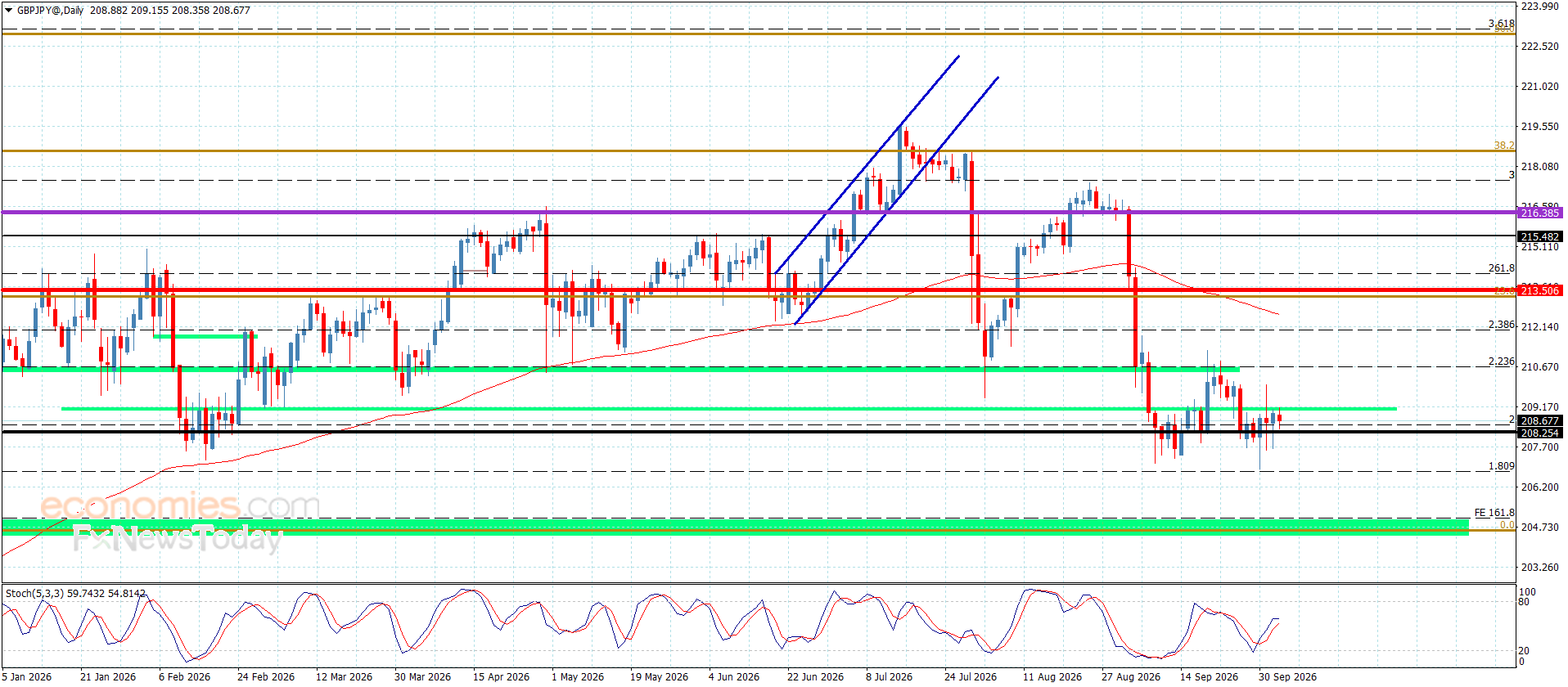
Technical levels can become especially important during policy-sensitive periods because sudden yen buying may create sharp movements in GBP/JPY. Support and resistance zones can help identify areas where buying or selling pressure has previously appeared. A strong intervention move could push the pair below an established support level, while reduced intervention concerns and renewed carry-trade demand could support a recovery.
Moving averages and oscillators can also help assess whether market momentum is strengthening or weakening. However, technical indicators cannot anticipate unexpected intervention decisions. Instead, they can provide useful context for understanding existing price trends, momentum, and potential reactions when Japanese authorities enter the currency market.
Market Positioning and Risk Sentiment
Positioning is another important variable. When traders accumulate large short-yen positions, the market can become vulnerable to a rapid reversal. Intervention can force traders to close positions, creating additional yen demand and accelerating the move.
Risk sentiment also matters because the yen can respond to changes in global market confidence. A shift toward risk aversion may encourage investors to reduce leveraged positions and reconsider carry trades. For GBP/JPY, this can compound pressure created by Japanese policy actions.
What Could Shape GBP/JPY Through Late 2026?
Several developments deserve attention in late 2026. First, traders may watch Japanese government communication for signs that authorities consider yen movements excessive or disorderly. Second, Bank of Japan decisions and guidance will remain important for expectations about future rates. Third, UK inflation, growth, employment, and Bank of England communication can change the relative appeal of sterling.
The relationship between these factors matters more than any single headline. Intervention may produce a sharp short-term reaction, but sustained GBP/JPY direction can still depend on interest rate differentials and economic fundamentals.
Conclusion
Yen intervention risks can influence the GBPJPY forecast in 2026 because Japanese yen buying can transmit quickly into other yen crosses. The risk has become more significant after Japan’s intervention activity this year, while changing Bank of Japan policy expectations provide another potential source of yen strength. For GBP/JPY analysis, traders therefore need to monitor communication, intervention activity, Japanese and UK monetary policy, economic data, positioning, and technical levels together. This framework can explain why the pair may experience abrupt moves even when longer-term fundamentals appear stable.

Written by : Editorial team of BIPNs
Main team of content of bipns.com. Any type of content should be approved by us.





Share this article: