
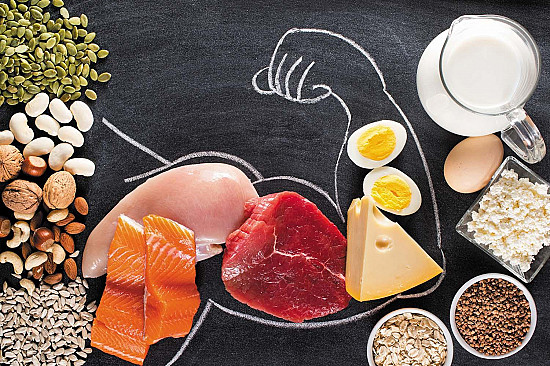
Maximize your muscle defense: Protein is key to protection
It’s not your imagination: gaining or just maintaining muscle mass becomes harder after middle age. In fact, skipping regular strength training can cost you 4 to 6 pounds of muscle per decade.

This muscle loss is called sarcopenia, and it can increase your risk of frailty, disability, loss of independence, and even premature death.
“The way to counter that is by strength training, which helps you build muscle. But you’ll need plenty of protein in your diet to support muscle repair and growth,” says Dr. Howard LeWine, chief medical editor at Harvard Health Publishing and an internist at Harvard-affiliated Brigham and Women’s Hospital.
Getting protein from your diet
The amount of protein you need to consume each day depends on factors such as your height, weight, age, sex, and activity level. For the average adult, the Recommended Dietary Allowance (RDA) of protein is 0.36 grams per pound of body weight. For a person who weighs 165 pounds, for example, that comes to about 60 grams of protein per day. For adults who wish to build muscle, a good target is about twice the RDA, approximately 0.7 grams per pound of body weight.
But don’t overload your diet with protein. Consuming very high amounts of protein per day—anything over 0.907 grams per pound; or about 150 grams per day for a 165-pound person—can be harmful. “Having more than that can cause dehydration or aggravate kidney problems for people with pre-existing kidney conditions such as chronic kidney disease or a history of kidney stones,” Dr. LeWine says.
Good protein sources
A wide variety of foods, both plant- and meat-based, are high in protein. These include legumes such as beans, peas, and lentils; nuts and seeds; lean meats; fish; dairy products; and soy products. Incorporating more of these foods into your diet is the easiest way to up your protein intake. (See “Protein values in common foods.”)
In addition to eating high-protein food sources, when you consume protein is also important. Experts recommend spreading protein consumption throughout the day, with rich protein sources at each meal.
When diet isn’t enough
While the best source of protein in your diet is whole foods, people who can’t get adequate protein through food alone may benefit from supplementation. To decide if you should add protein supplements to your diet, consult with your doctor.
Popular types of supplements include ready-to-drink protein shakes and also protein powders that you can add to oatmeal or smoothies (or simply mix into a glass of water). Protein powders come with convenient scoopers to help you see exactly how much protein you are adding. Always check the label to find the amount of protein per serving, as this varies by supplement brand.
Types of protein powders
There are three main types of protein powders: whey, casein, and plant-based protein powders. Both whey and casein protein powders are made from dairy. Plant-based protein powders are usually a combination of protein derived from wheat, pea, hemp, or soy products.
For people who are avoiding dairy, plant-based protein powder options like soy isolate protein can also be beneficial. These generally have reduced bioavailability compared to animal-based proteins. Bioavailability is the measure of how much and how quickly a substance, such as a nutrient or drug, is absorbed and becomes available for use in the body. Vegan protein powders made from peas or brown rice are also suitable alternatives to dairy-based protein supplements.
Protein supplement concerns
Protein supplements are classified as dietary supplements and aren’t regulated as strictly as medicine; some powders and shakes have been found to contain toxins such as lead and pesticides. For more information, you can go to the Clean Label Project or Consumer Reports.
In addition, the sugar content of protein shakes and powders varies; for example, some brands of powder may have as much as 23 grams per scoop. The risk: weight gain and an unhealthy spike in blood sugar.
Also: whey- or casein-based protein powders can cause digestive discomfort in some people.
Protein values in common foods
|
||
|
|
|
|
|
Plain Greek yogurt
|
6 ounces
|
18
|
|
Cottage cheese
|
1/2 cup
|
14
|
|
Milk
|
1 cup
|
8
|
|
Cooked turkey or chicken
|
1 ounce
|
7
|
|
Tuna, salmon, haddock, or trout
|
1 ounce
|
7
|
|
Cooked beans
|
1/2 cup
|
6–9
|
|
Egg
|
1
|
6
|
|
Cooked pasta
|
1 cup
|
6
|
|
Nuts (all types)
|
1/4 cup or 1 ounce
|
4–7
|
|
|
||
Remember to strength train
While protein consumption is essential for building muscle mass, it needs to be combined with strength training to combat sarcopenia. Supplementing the diet with protein plus a regimen of heavy resistance exercise can lead to the most improvement in muscle mass and strength in people of any age. Some research shows that this combination may be especially important for older adults. Together, the two approaches can significantly aid muscle growth and help keep you strong and independent.
Image: © piotr_malczyk/Getty Images
Source link










Share this article: