The main category of All News Articles.
You can use the search box below to find what you need.
[wd_asp id=1]
The main category of All News Articles.
You can use the search box below to find what you need.
[wd_asp id=1]
XRP was the most traded asset on Uphold in 2025. The exchange confirmed the ranking on X, thanking “one of the most engaged and supportive communities in the digital asset ecosystem.”
The broader backdrop matters here, as this was not an easy year for crypto.
Bitcoin is down 30% from its ATH, and the overall altcoin market has fallen sharply too. Trading activity narrowed, and only a handful of tokens continued to attract consistent volume.
XRP was one of them.
Uphold has long been viewed as one of the more XRP-friendly platforms, having kept the token listed even during the height of regulatory uncertainty in the U.S. That decision appears to have paid off. As trading conditions tightened this year, XRP users stayed active.
In 2025, Uphold expanded XRP-related utility, including yield-focused options tied to the Flare Network. The platform also ran XRP-centered promotions earlier in the year, keeping the asset visible and liquid for users.
At the same time, Uphold itself was growing. The exchange added 74 new tokens, rolled out 45 blockchain integrations, and announced 16 new partnerships across payments and infrastructure. Even with more assets competing for attention, XRP still came out on top.
XRP also benefited from changes outside the exchange. Legal developments reduced long-standing uncertainty, making the asset easier to evaluate for larger investors.
In November, the Canary Capital XRP ETF launched, adding a new way to gain exposure and interest expanded.
According to Motley Fool, analysts expect XRP to nearly triple to around $5 by 2030.
One key factor is XRP’s potential role as a bridge currency for cross-border payments on the Ripple network, where transactions are completed faster and at lower cost than traditional systems like SWIFT.
Separately, “World’s Smartest Man” Younghoon Kim, who claims an IQ of 276, wrote on X that XRP may outperform gold and silver in 2026.
Stay ahead with breaking news, expert analysis, and real-time updates on the latest trends in Bitcoin, altcoins, DeFi, NFTs, and more.
Analyst outlooks for XRP are improving due to its utility in cross-border payments and reduced legal uncertainty, but all crypto investments carry significant risk and volatility.
Some market commentators suggest XRP could outperform precious metals, but this is speculative. Crypto is far more volatile than gold, making direct comparisons risky for long-term portfolios.
Some financial analysts project XRP could reach around $5 by 2030, based on its potential role as a bridge currency for efficient international payments.
CoinPedia has been delivering accurate and timely cryptocurrency and blockchain updates since 2017. All content is created by our expert panel of analysts and journalists, following strict Editorial Guidelines based on E-E-A-T (Experience, Expertise, Authoritativeness, Trustworthiness). Every article is fact-checked against reputable sources to ensure accuracy, transparency, and reliability. Our review policy guarantees unbiased evaluations when recommending exchanges, platforms, or tools. We strive to provide timely updates about everything crypto & blockchain, right from startups to industry majors.
All opinions and insights shared represent the author’s own views on current market conditions. Please do your own research before making investment decisions. Neither the writer nor the publication assumes responsibility for your financial choices.
Sponsored content and affiliate links may appear on our site. Advertisements are marked clearly, and our editorial content remains entirely independent from our ad partners.
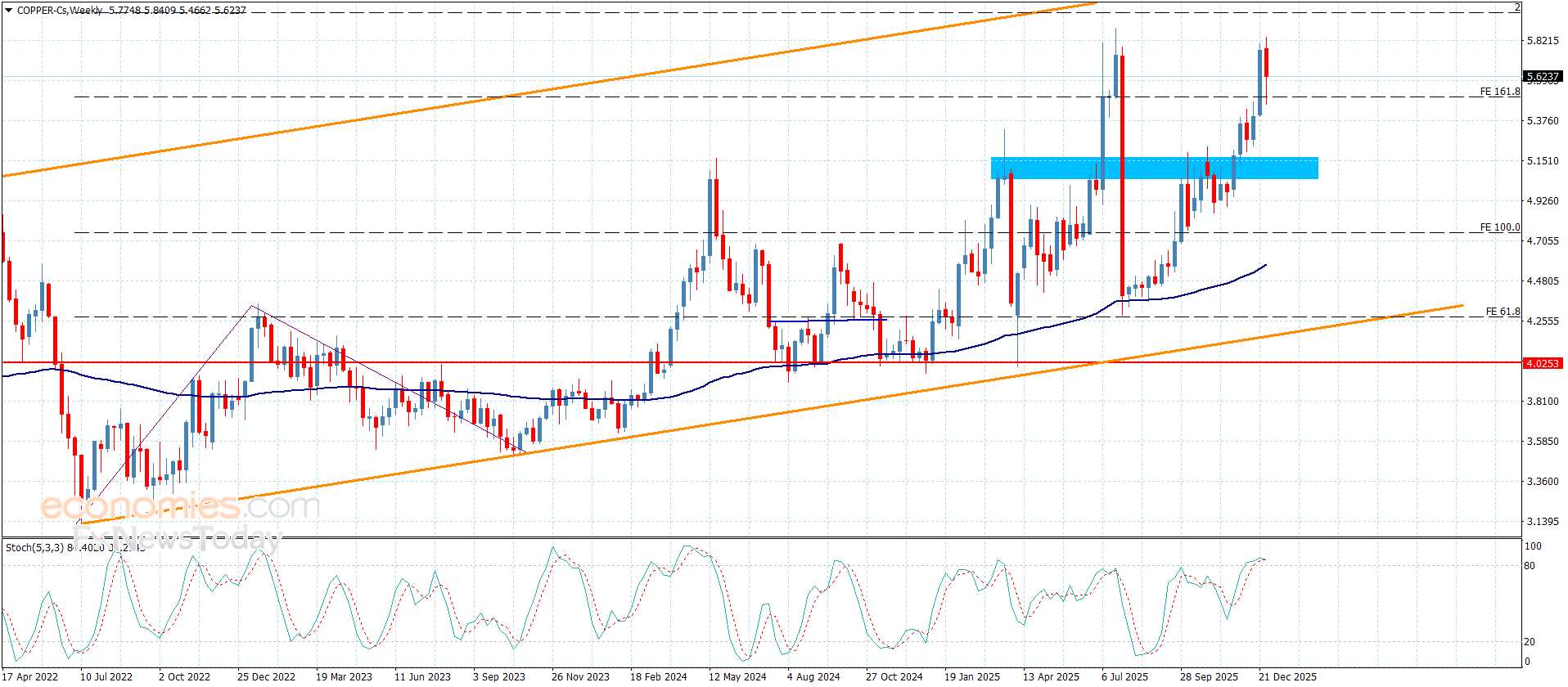
Copper price repeatedly forming weak trading, attempting to surpass stochastic negativity by its fluctuation above EMA50 at $5.5100, the continuation of the sideways bias dominance is expected until gathering the required bullish momentum to resume the bullish attack and achieving extra gains by its rally towards $5.8000 reaching the next resistance at $5.9700.
While the decline below the current support will force it to delay the bullish attack and form bearish waves, which forces it to suffer some losses by reaching $5.3200 followed by the base of the next sport at 5.1500 level.
The expected trading range for today is between $5.5500 and $5.8000
Trend forecast: Bullish
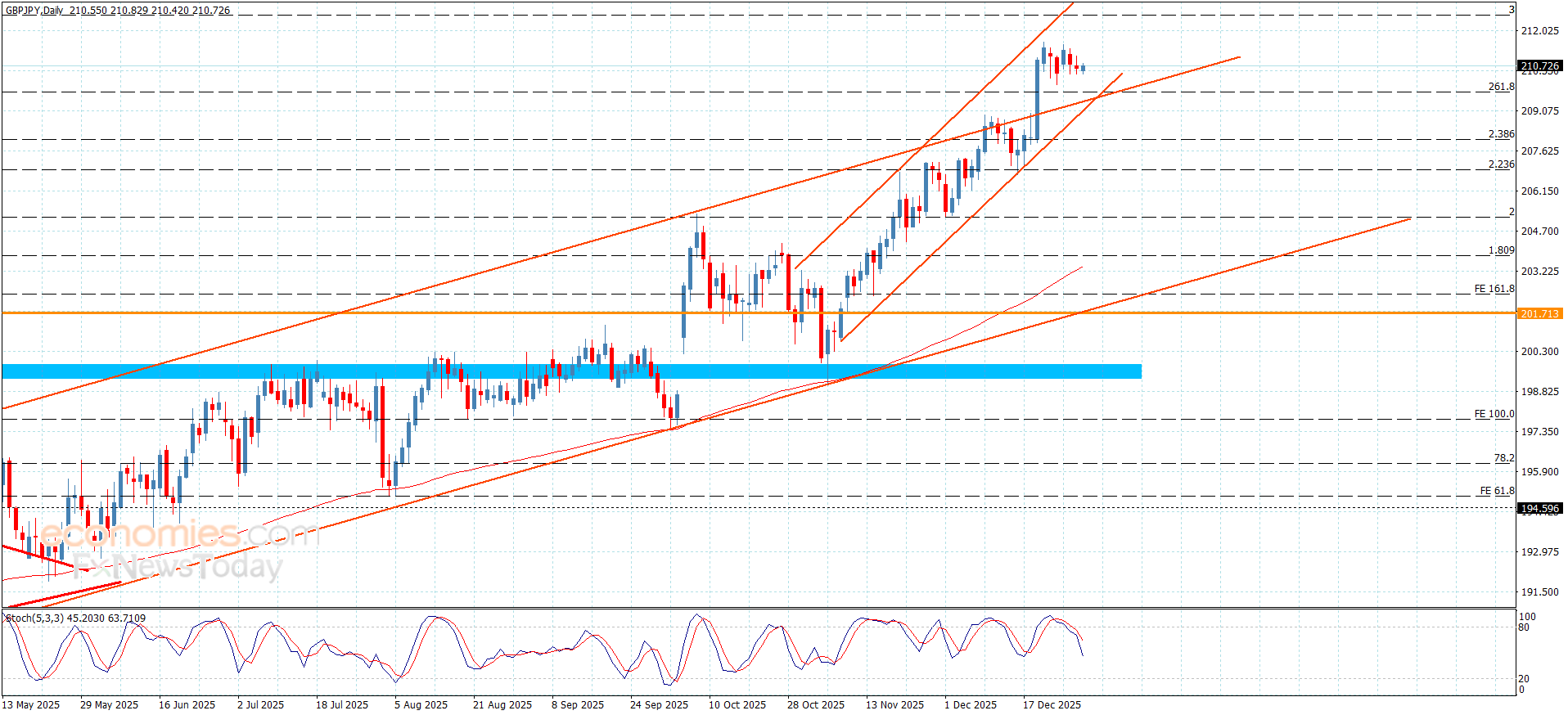
The GBPJPY pair repeatedly providing weak sideways trading by its fluctuating near 210.70 level, affected by the contradiction between the main indicators, while the negative stability below 211.30 barrier keeps the bearish correction scenario, which might target 209.70 level reaching 209.10 support.
Note that surpassing the barrier and holding above will confirm its readiness to renew the bullish attempts, to expect recording new gains by its rally towards 211.90 and 212.65.
The expected trading range for today is between 209.30 and 211.20
Trend forecast: Bearish
Leander, Texas and Tokyo, Japan – Dec.31.2025
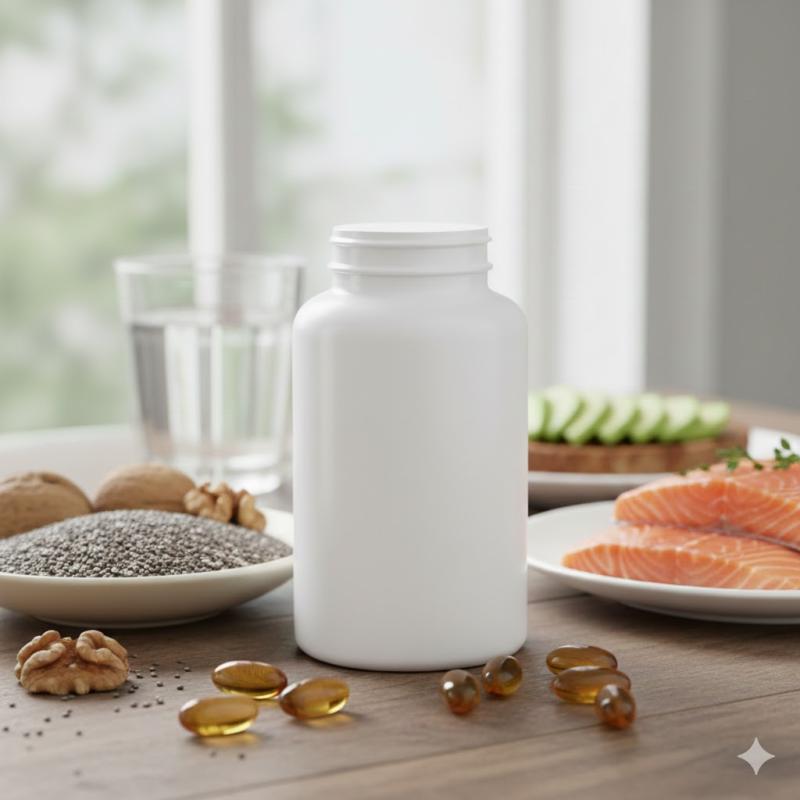
As per DataM intelligence research report” The Global Fatty Acids Supplement Market is expected to grow at a high CAGR during the forecast period (2024-2031).” Heart health awareness and nutritional supplementation trends are driving fatty acid demand.
Download your exclusive sample report today: (corporate email gets priority access):
https://www.datamintelligence.com/download-sample/fatty-acids-supplement-market?prasad
Japan: Recent Industry Developments
✅ In December 2025, Suntory Wellness launched a “DHA & EPA + Sesamin EX” for cognitive support. The premium supplement combines fatty acids with antioxidants for anti-aging. It is a top-selling product for Japan’s silver generation.
✅ In November 2025, Nippon Suisan (Nissui) introduced a “Sports EPA” jelly for athletes. The product promotes muscle recovery and endurance using readily absorbable EPA. It expands the usage of fatty acids into the Japanese sports nutrition sector.
✅ In October 2025, DHC Corporation released a “Krill Oil” supplement with high phospholipid content. The product markets the superior absorption of krill-bound fatty acids. It differentiates from traditional fish oils in the Japanese market.
✅ In September 2025, A Japanese baby food company launched a DHA supplement for pregnant women. The product emphasizes the importance of maternal DHA for fetal brain development. It supports the health of the next generation in Japan.
United States: Recent Industry Developments
✅ In November 2025, Nordic Naturals launched a “Clinical Omega-3” with enhanced absorption technology. The formulation uses emulsification to improve EPA/DHA uptake in the body. It offers a more potent option for U.S. consumers managing heart health.
✅ In October 2025, Wiley’s Finest introduced a “Sustainable Catch” line sourced from Alaskan Pollock. The product highlights the low carbon footprint and traceability of domestic U.S. fish. It appeals to eco-conscious supplement buyers.
✅ In September 2025, Amway (Nutrilite) released a plant-based omega-3 supplement from chia and algae. The product provides a complete fatty acid profile for vegan consumers. It supports the growing plant-based lifestyle market in the U.S.
✅ In August 2025, The GOED organization released a report on the rising demand for high-concentrate omegas. The trend shows U.S. consumers shifting from standard fish oil to pharmaceutical-grade concentrates. It drives innovation in purification technologies.
Fatty Acids Supplement Market: Drivers
The fatty acids supplement market is expanding due to rising awareness of heart and brain health. Omega-3 and omega-6 supplements support preventive healthcare. Growing aging population drives demand. Technological advancements improve bioavailability. Increasing use in dietary supplements fuels growth. Healthcare recommendations support adoption.
Rising focus on fitness and nutrition boosts consumption. Product diversification enhances market appeal. Expansion of nutraceutical distribution channels supports growth. Regulatory approvals strengthen consumer confidence. Emerging markets show strong demand potential. Fatty acid supplements remain key to nutritional wellness.
Get Customization in the report as per your requirements: https://www.datamintelligence.com/customize/fatty-acids-supplement-market?prasad
Fatty Acids Supplement Market: Major Players
Croda International, DSM, Clover Corporation, Omega Protein Corporation, Natural, Swanson, BASF, Orkla Health, BIOCARE and Epax Norway.
Segment Covered in the Fatty Acids Supplement Market:
By Source
The market is segmented into Marine Oil 50%, Algal Oil 30%, and Plant Seeds Oil 20%. Marine oil dominates due to high concentration of EPA and DHA, established supply chains, and strong consumer awareness of its cardiovascular and cognitive health benefits. Algal oil is gaining traction as a sustainable, plant-based source of Omega-3 for vegetarians and vegans. Plant seed oils are used in Omega-3 enriched functional foods and nutraceutical formulations.
By Product Type
Product types include Omega-3 70% and Omega-6 30%.
Omega-3 dominates due to its well-documented health benefits, wide availability in dietary supplements, and growing adoption in functional foods, infant formulas, and pharmaceuticals. Omega-6 is used in specialized nutritional applications and functional formulations, but its market share remains smaller compared to Omega-3.
By Application
Applications include Dietary Supplements 50%, Functional Food & Beverages 30%, and Pharmaceuticals & Infant Formula 20%. Dietary supplements dominate due to ease of consumption, growing awareness of heart and brain health, and strong retail and e-commerce presence. Functional foods and beverages are expanding with fortification trends. Pharmaceuticals and infant formulas leverage fatty acids for clinical nutrition and infant development.
Regional Analysis
North America – 35% Share
North America leads with 35% share, driven by high consumer awareness, strong nutraceutical industry, and growing health-conscious population in the U.S. and Canada. Dietary supplements and fortified foods dominate regional demand.
Europe – 25% Share
Europe holds 25% share, supported by increasing demand for preventive healthcare, widespread adoption of Omega-3 supplements, and strong regulatory frameworks in Germany, France, and the UK.
Asia Pacific – 25% Share
Asia Pacific accounts for 25% share, driven by rising health awareness, growing middle-class population, and increasing infant formula and functional food consumption in China, India, and Japan.
Latin America – 10% Share
Latin America represents 10% share, fueled by increasing nutraceutical adoption and rising focus on preventive healthcare in Brazil, Mexico, and Argentina.
Middle East & Africa – 5% Share
Middle East & Africa account for 5% share, supported by growing awareness of dietary supplements, rising disposable income, and expansion of modern retail channels in UAE, Saudi Arabia, and South Africa.
Purchase this report before year-end and unlock an exclusive 30% discount:
https://www.datamintelligence.com/buy-now-page?report=fatty-acids-supplement-market
(Purchase 2 or more Repots and get 50% Discount)
Request for 2 Days FREE Trial Access:
https://www.datamintelligence.com/reports-subscription?prasad
✅ Competitive Landscape
✅ Technology Roadmap Analysis
✅ Sustainability Impact Analysis
✅ KOL / Stakeholder Insights
✅ Consumer Behavior & Demand Analysis
✅ Import-Export Data Monitoring
✅ Live Market & Pricing Trends
Have a look at our Subscription Dashboard:
https://www.youtube.com/watch?v=x5oEiqEqTWg
Contact Us –
Company Name: DataM Intelligence
Contact Person: Sai Kiran
Email: Sai.k@datamintelligence.com
Phone: +1 877 441 4866
Website: https://www.datamintelligence.com
About Us –
DataM Intelligence is a Market Research and Consulting firm that provides end-to-end business solutions to organizations from Research to Consulting. We, at DataM Intelligence, leverage our top trademark trends, insights and developments to emancipate swift and astute solutions to clients like you. We encompass a multitude of syndicate reports and customized reports with a robust methodology.
Our research database features countless statistics and in-depth analyses across a wide range of 6300+ reports in 40+ domains creating business solutions for more than 200+ companies across 50+ countries; catering to the key business research needs that influence the growth trajectory of our vast clientele.
This release was published on openPR.
As the GameFi sector enters its next phase of evolution, the traditional model of relying on a single blockbuster title to sustain an ecosystem is facing rigorous challenges. Today, the high-profile Web3 gaming project RuneSoul set the market ablaze by officially announcing the closing of a $30 million strategic investment round.
This massive capital injection is more than just “fueling the tank”; it serves as a clarion call for the expansion of the RuneSoul ecosystem. Official sources state that the funds will be primarily allocated toward a comprehensive strategic pivot and infrastructure overhaul. RuneSoul is transcending its identity as a standalone 3A ARPG blockchain game to become a full-scale Web3 Gaming Aggregator & Launchpad.
Breaking GameFi Silos: The “Super Connector” of the Industry
The Web3 gaming industry has long struggled with a “supply-demand mismatch”: talented developers often lack Web3 publishing expertise, while token holders and large-scale guilds are starved for high-quality, sustainable content.
RuneSoul’s transformation aims to fill this market vacuum by positioning itself as a definitive Connector:
Supply Side: Providing traditional game studios and Web3 developers with low-barrier “blockchain-integration” gateways, solving technical hurdles and complex economic model design.
Demand Side: Aggregating global players, top-tier guilds, and distribution channels to tackle the challenges of fragmented traffic and skyrocketing user acquisition costs.
A One-Stop Full-Stack Solution: Building an Ecological Moat
Unlike standard launchpads that offer limited “listing” or “NFT sale” functions, RuneSoul’s “Web3 Gaming Full Lifecycle Solution” is far more ambitious and execution-focused. 9The platform will deliver core services across five key dimensions:
Issuance: Facilitating initial asset offerings (INO/IDO) based on proven tokenomic models.
Growth & Incentive: Leveraging SocialFi mechanisms for viral growth and precision user matching, supported by multi-tiered incentive systems for player retention.
Asset Management: Offering secure, user-friendly built-in wallets and a marketplace to bridge asset barriers between different games.
On-chain Data: Tracking real-time behavior to provide developer user-personas and investor decision-making tools.
Settlement System: An efficient on-chain settlement layer ensuring all revenues are transparent and settled instantly.

From GameFi 4.0 to Industry Infrastructure
At its inception, RuneSoul introduced the concept of GameFi 4.0, emphasizing the deep integration of gameplay and social utility. With this $30M infusion, RuneSoul is now scaling this philosophy from a “single game” to an “entire ecosystem.”
This pivot leverages RuneSoul’s track record—including the successful launch of $RST, high-fidelity graphics, and a robust community—to incubate a new wave of high-quality titles.
“If Steam is the lighthouse of Web2 gaming, RuneSoul aspires to be the gateway for Web3 gaming,” stated the core team. This $30 million investment is not only a validation of RuneSoul’s past performance but a high-stakes bet on its “platform-centric” future.

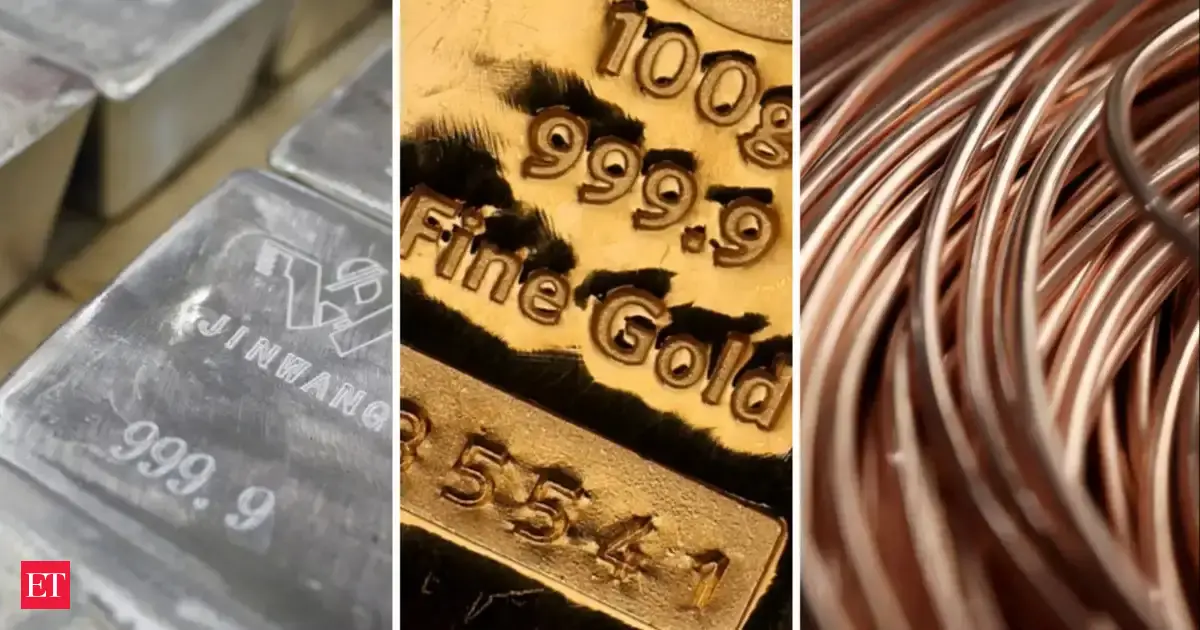
Silver reached $77 per ounce, recovering slightly after a dramatic “flash crash” that saw prices plunge from $84 to below $73 in a single session. Analysts link the decline to a major bank liquidation, rumored to be UBS, and a margin increase by the CME Group. Despite this, silver’s long-term outlook remains bullish due to industrial demand in solar panels, electronics, and the upcoming Chinese export restrictions.
Copper prices are currently around $5.51–$5.80 per pound. The metal has experienced a volatile end to the year but remains up 36% year-over-year. Growth in electrification, AI data center expansion, and green energy infrastructure have fueled strong demand. Supply disruptions in Indonesia and Chile, combined with worker protests in Peru, have tightened global availability, contributing to copper’s 2025 rally.
Gold has traded in a narrow range above $4,300, reflecting moderate easing by the Fed and inflation dynamics. Prices ranged from $4,323.80 to $4,403.90 in the final days of December, closing at $4,400, a 1.58% increase over recent sessions. Market analysts note that central bank purchases and continued safe-haven interest will likely support gold in 2026, with projections from Goldman Sachs and UBS pointing toward $5,000 per ounce.
Investor sentiment has also been influenced by a softer U.S. dollar, which makes gold cheaper for holders of other currencies. Geopolitical tensions and year-end portfolio rebalancing have added momentum, encouraging traders to maintain positions in gold. Overall, gold remains a key hedge against inflation and economic uncertainty heading into 2026.
Silver experienced extreme volatility between December 29–30, dropping from $84 to below $73 per ounce. The sudden decline followed a major bank liquidation and a margin hike on CME silver contracts. Prices have since stabilized near $75–$77. Investors are closely watching China’s new silver export licensing rules, effective January 1, 2026. As the world’s dominant silver processor, China’s policy is expected to tighten global supply, a key factor behind silver’s record-breaking rally earlier this month.
The industrial demand for silver, particularly in solar panels, electronics, and electric vehicles, continues to underpin its value. Analysts highlight that the supply-demand imbalance could persist for months, making silver a potential outperformer in 2026. Market watchers are also noting increased interest from investment funds, which may further amplify price movements.
Copper ended 2025 near $5.6787 per pound, up 2.59% over the last trading session and 36% for the year. Demand is being driven by AI infrastructure, data center buildouts, and global green energy transitions. Supply-side risks remain significant, with halted operations at Freeport-McMoRan’s Grasberg mine in Indonesia, responsible for 3% of global output, and labor unrest in Chile and Peru. Recent threats of US tariffs on copper commodity forms have also shifted flows into US warehouses, tightening markets further.
Long-term demand for copper is expected to strengthen as countries accelerate electrification projects and renewable energy installations. Analysts point to rising copper intensity in electric vehicles, wind turbines, and battery storage as a structural support for prices. The market is likely to remain sensitive to production disruptions, making copper a high-interest commodity for 2026 investors.
Analysts remain bullish for 2026. Gold is expected to continue as a safe-haven asset amid global uncertainties. Silver may test $100 per ounce due to supply deficits and industrial demand. Copper’s outlook is supported by governments’ electrification agendas and rising capital expenditure in AI and clean energy sectors. Investors are closely monitoring both geopolitical developments and supply disruptions as metals enter the new year with strong momentum.
Experts also emphasize the role of central banks, particularly in emerging markets, as continued buyers of gold and silver. Policy shifts, export controls, and infrastructure spending in green technology could create new volatility and opportunities across all three metals. Overall, metals are positioned for strong performance, but investors should prepare for occasional price swings.
As 2025 closes, gold near $4,400, silver around $77, and copper above $5.60 reflect not just cyclical momentum, but deeper structural shifts. Entering 2026, investors are watching whether these forces intensify—or collide—setting the stage for another defining year in global commodities markets.
Q: Why did silver experience a sharp drop at the end of December 2025? A: Silver plunged from $84 to below $73 on December 29–30 due to a major bank liquidation and a CME Group margin hike. The move caused short-term volatility but prices stabilized near $75–$77. China’s upcoming export licensing rules may continue to influence supply and price.
Q: What factors are driving copper and gold prices heading into 2026?
A: Copper remains strong at $5.68 per pound, supported by AI infrastructure, data centers, and green energy demand. Gold trades above $4,400 due to Fed rate cuts, safe-haven buying, and geopolitical tensions. Supply disruptions in Indonesia, Chile, and Peru further tighten global markets. Analysts forecast higher metals prices in 2026.
Marks & Spencer is launching a range of foods tailored to people taking weight-loss injections as use of the drugs accelerates in the UK.
The new range of 20 “nutrient-dense” products from the retailer is aimed at customers taking GLP-1 weight-loss medications, as supermarkets increasingly adapt to the impact the drugs are having on shopping baskets.
The range will go on sale in M&S foodhalls from January 5 and includes salads, meals and bread designed to deliver high levels of fibre, vitamins and minerals in smaller portions.
There has been a dramatic rise in the use of GLP-1 drugs in the UK. Online searches and private prescriptions have increased sharply, driven by their effectiveness for weight loss and widespread media attention. About 1.5 million people in the UK are now estimated to be accessing GLP-1 treatment privately, while NHS England prescriptions for the injections have risen by around 900 per cent since 2020.
GLP-1 medications — known formally as glucagon-like peptide-1 (GLP-1) receptor agonists — were originally developed to treat type 2 diabetes by helping to regulate blood sugar. In recent years, drugs such as semaglutide (sold as Ozempic for diabetes and Wegovy for weight loss) and tirzepatide (sold as Mounjaro) have surged in popularity for their weight-loss effects, as they suppress appetite, slow digestion and signal fullness to the brain.
• Our writers’ share tips for 2026, plus last year’s winners and losers
Nutrient-dense foods are those that provide a concentrated source of vitamins, minerals, fibre, healthy fats and protein relative to their calorie content. M&S said the range was developed by its nutritionists in consultation with the British Nutrition Foundation, using criteria that ensure each product delivers more nutrients per mouthful.
M&S said the new range had been developed to address the nutritional challenges that can arise when people eat less, whether due to medication, age or lifestyle. A reduced appetite can make it harder to consume enough fibre and essential nutrients, increasing the risk of deficiencies and digestive side effects such as constipation.
Grace Ricotti, M&S head of food nutrition, said: “Our nutrient-dense range is perfect for customers looking to support their health as each recipe is packed with the key nutrients we all need in our diets.
“With the increase in popularity of weight-loss injections, a reduced appetite can mean missing out on important nutrients and that’s why nutrient density is so important.
“These new meals, snacks and drinks can help everyone get more fibre, vitamins and minerals in their diet.”
Supermarkets and consumer goods companies are increasingly catering to households using the drugs. Morrisons was the first UK supermarket to announce a dedicated “GLP-1 friendly” range, developed with sports nutrition brand Applied Nutrition, under its “Small & Balanced” banner. Nestlé, the consumer goods giant, has launched a frozen food brand in the US aimed at GLP-1 users, while Haleon, the British multinational consumer healthcare company, has introduced a multivitamin designed to help replenish nutrients for people eating less.
The trend is expected to accelerate further as GLP-1 medications move beyond injections. Tablet versions are beginning to reach the market, with US regulators approving an oral version of Wegovy and rival pills expected to follow, potentially widening access to the drugs.
While the drugs are approved for diabetes and obesity treatment, clinicians have raised concerns about the number of people accessing them outside clinical pathways for cosmetic weight loss. The long-term consequences of widespread use are still being studied, particularly as lower calorie intake can increase the risk of nutrient deficiencies if diets are not carefully managed.
Silver (XAG/USD) is trimming losses on Tuesday after depreciating beyond 7% amid Monday’s thin liquidity conditions. The escalating tensions in diverse regions of the world, coupled with market expectations that the Fed minutes will cement hopes of further monetary easing in 2026, are providing support to precious metals on Tuesday.
Moscow announced the revision of its stance on the peace talks with Ukraine after an alleged drone attack on one of President Vladimir Putin’s residences, while in the South East China Sea, military drills around Taiwan extend for the second day. Beyond that, US President Trump has threatened another attack on Iran.
Apart from that, the minutes of the last Federal Reserve meeting, due later today, are expected to reflect a wide divergence within the monetary policy committee, and feed hopes that the bank might lower borrowing costs beyond the 25 basis pòints projected in the Dot Plot.
In the 4-hour chart, XAG/USD trades at $75.65, after having bottomed at $70.53 on Monday. The rising 50-period Simple Moving Average (SMA), near $70.89, held bears on Monday and keeps the broader upside trend in play.
Oscillators, however, are mixed. The Moving Average Convergence Divergence (MACD) line remains below the Signal line and under the zero mark, while the Relative Strength Index (RSI) has returned to bullish territory above the key 50 line.
The bearish engulfing pattern in the daily chart is a negative sign that might anticipate a deeper correction. Resistances are at the $76.50 intra-day level, ahead of the $80.00 psychological level and the all-time high, at $85.87.
On the downside, the mentioned 50-period SMA and Monday’s low at $70.53 are likely to provide support on a potential bearish reversal. Further down, the December 18 low, near $64.75, will come into focus.
(The technical analysis of this story was written with the help of an AI tool)
Silver is a precious metal highly traded among investors. It has been historically used as a store of value and a medium of exchange. Although less popular than Gold, traders may turn to Silver to diversify their investment portfolio, for its intrinsic value or as a potential hedge during high-inflation periods. Investors can buy physical Silver, in coins or in bars, or trade it through vehicles such as Exchange Traded Funds, which track its price on international markets.
Silver prices can move due to a wide range of factors. Geopolitical instability or fears of a deep recession can make Silver price escalate due to its safe-haven status, although to a lesser extent than Gold’s. As a yieldless asset, Silver tends to rise with lower interest rates. Its moves also depend on how the US Dollar (USD) behaves as the asset is priced in dollars (XAG/USD). A strong Dollar tends to keep the price of Silver at bay, whereas a weaker Dollar is likely to propel prices up. Other factors such as investment demand, mining supply – Silver is much more abundant than Gold – and recycling rates can also affect prices.
Silver is widely used in industry, particularly in sectors such as electronics or solar energy, as it has one of the highest electric conductivity of all metals – more than Copper and Gold. A surge in demand can increase prices, while a decline tends to lower them. Dynamics in the US, Chinese and Indian economies can also contribute to price swings: for the US and particularly China, their big industrial sectors use Silver in various processes; in India, consumers’ demand for the precious metal for jewellery also plays a key role in setting prices.
Silver prices tend to follow Gold’s moves. When Gold prices rise, Silver typically follows suit, as their status as safe-haven assets is similar. The Gold/Silver ratio, which shows the number of ounces of Silver needed to equal the value of one ounce of Gold, may help to determine the relative valuation between both metals. Some investors may consider a high ratio as an indicator that Silver is undervalued, or Gold is overvalued. On the contrary, a low ratio might suggest that Gold is undervalued relative to Silver.
Japan’s tea giant Ito En is sneaking into US fridges and investor watchlists. Viral matcha, steady stock, real talk: is this a low-key game-changer or just background noise?
The internet is slowly waking up to Ito En Ltd – the Japanese tea giant behind a ton of the green tea bottles you see in Asian markets and some US grocery chains. But here’s the question you actually care about: is Ito En worth your money – as a drink and as a stock – or is it just background noise in your portfolio?
You’ve seen matcha everywhere, you’ve seen green tea pushed as a “healthy energy” swap, and you’ve probably scrolled past at least one creator talking about Japanese convenience-store drinks. But is Ito En the real quiet flex here, or are you better off grabbing a random store brand and calling it a day? Let’s break the hype.
On social, Ito En isn’t blowing up the way Prime or Celsius do, but it’s got that “if you know, you know” cult status. Wellness creators, J-beauty stans, and anime-core shoppers are all quietly boosting it.
Want to see the receipts? Check the latest reviews here:
Social sentiment? It’s not “everyone’s screaming in the comments” viral, but it’s definitely in “must-cop if you’re into Japanese drinks, matcha, or ‘cleaner’ caffeine” territory. People shout out:
The clout level isn’t chaotic, but it’s solid and growing – especially as Asian snacks, K/J-beauty, and Tokyo travel vlogs keep flooding feeds.
So, zoom in: as a product and as a stock, is it worth the hype? Here’s the real talk, boiled down to three big points.
Ito En’s core flex is simple: it tastes like actual tea. Their flagship green tea bottles are lighter, less sweet, and way closer to what you’d actually drink in Japan. For you, that means:
It’s not a shock-value drink. It’s more like that friend who’s always in the gym, never posting about it, but still shredded. Understated, but real.
Now let’s talk about Ito En as a company – ticker linked to ISIN JP3143600009, trading on the Tokyo market.
Data check (real-time note): Using live market tools, the latest available data for Ito En stock shows the most recent trading info as follows:
At the time of checking, markets were not actively trading, so pricing is based on the last close rather than live ticks. The exact price can move, and you should always refresh a live finance site before you buy.
What actually matters for you:
If you want pure chaos and 3X risk, skip. If you want a slow-burn, real-business company in a category that keeps getting trendier (wellness drinks, functional beverages, Japanese imports), Ito En starts looking like a no-brainer for the cautious corner of your portfolio.
This is where Ito En quietly wins. The brand taps into three big waves:
That combo makes it extremely future-proof for clout. Even if it never turns into an energy-drink-level craze, it’ll likely stay “respected and recommended” in wellness and foodie circles.
So who’s the real rival here? In the US, you’re basically choosing between:
On clout, here’s how it shakes out:
If we’re talking pure clout war for your feed right now, energy drinks still win the viral race. They’re louder, crazier, more meme-able.
But if we’re talking long-term relevance – something you’d actually still be drinking and maybe investing in years from now – Ito En quietly comes out ahead. It’s the kind of brand that can live in supermarkets, convenience stores, cafe menus, and your fridge without needing a scandal or stunt every month.
So, real talk: is Ito En a must-have or an overhyped import?
As a drink:
As a stock:
Is it a game-changer? Not in the “world flipping overnight” sense. But in the “this is a legit, durable brand that fits where the culture is heading” sense – it’s closer to a quiet game-changer than a flop.
If you’re trying to mix vibes + health + actual business fundamentals, Ito En deserves at least a spot on your watchlist – and maybe in your fridge while you think about it.
Let’s zoom out and hit the finance notes you actually need.
Company: Ito En Ltd
ISIN: JP3143600009
Listing: Tokyo Stock Exchange (common code often shown as 2593.T on US finance apps)
Stock data status: Using live financial data tools, the latest available figures are based on the last market close, confirmed across at least two reputable sources (such as Yahoo Finance and another major financial outlet). Because markets are not always open while you are reading this, you should refresh a live chart before making any moves.
Key takeaways on the business side:
How to approach it:
Bottom line: Ito En is not screaming for attention – but that might be exactly why it belongs on the radar of anyone who likes their investments like their drinks: clean, dependable, and a little bit underrated.