The main category of All News Articles.
You can use the search box below to find what you need.
[wd_asp id=1]
The main category of All News Articles.
You can use the search box below to find what you need.
[wd_asp id=1]
The global PCOS supplements market is projected to reach USD 4.99 billion by 2035, recording an absolute increase of USD 3.69 billion over the forecast period. The market is valued at USD 1.30 billion in 2025 and is set to rise at a CAGR of 14.4% during the assessment period.
The market is expected to grow by approximately 3.8 times during the same period, supported by increasing prevalence of polycystic ovary syndrome among women of reproductive age worldwide, driving demand for specialized nutritional interventions and increasing investments in evidence-based formulations with clinical efficacy across hormonal regulation and fertility applications globally.
Women with PCOS face mounting pressure to manage complex metabolic and hormonal imbalances while addressing fertility concerns and skin health complications, with modern PCOS supplement products providing documented therapeutic benefits including improved insulin sensitivity, enhanced ovulation rates, and regulated menstrual cycles compared to conventional pharmaceutical interventions alone.
Rising awareness about holistic PCOS management and expanding telemedicine platforms enabling personalized supplement recommendations create substantial opportunities for manufacturers and healthcare partners. However, limited clinical standardization and regulatory variations across markets may pose obstacles to widespread medical acceptance.
The myo-inositol-based supplements segment dominates market activity, driven by extensive clinical evidence supporting inositol’s role in improving insulin resistance and ovarian function across diverse PCOS phenotypes worldwide. Women increasingly recognize the therapeutic benefits of myo-inositol supplements, with typical product offerings providing effective metabolic regulation and hormonal balance at accessible price points through established healthcare distribution networks.
The micronutrient & omega-3 segment demonstrates robust growth potential, supported by rising awareness about comprehensive nutritional deficiencies in PCOS patients and evidence-based protocols integrating essential vitamins, minerals, and anti-inflammatory compounds in modern therapeutic approaches.
Capsules & tablets emerge as the dominant dosage form, reflecting consumer preference for convenient oral supplementation and precise dosage control in daily PCOS management routines. Online stores represent the leading sales channel, driven by direct-to-consumer supplement brands and e-commerce accessibility enabling discreet purchasing for women seeking PCOS management solutions.
Regional dynamics show North America maintaining market leadership, supported by high PCOS awareness levels and established supplement consumption patterns across women’s health categories. Asia Pacific demonstrates the fastest growth trajectory driven by increasing PCOS diagnosis rates and expanding middle-class populations adopting preventive healthcare approaches, while Europe emphasizes clinical validation and regulatory compliance for supplement quality standards.
India leads country-level growth through extensive urban health consciousness and telemedicine adoption, followed by China supported by traditional medicine integration with modern supplement formulations. The competitive landscape features moderate concentration with Himalaya Wellness maintaining market leadership position, while specialized players including Theralogix, Allara Health, and The S’moo Co. compete through targeted PCOS-specific formulations and comprehensive patient education programs across diverse therapeutic applications.
Between 2025 and 2029, the PCOS supplements market is projected to expand from USD 1.30 billion to USD 2.25 billion, resulting in a value increase of USD 0.95 billion, which represents 25.7% of the total forecast growth for the period. This phase of development will be shaped by rising demand for myo-inositol and evidence-based formulations addressing hormonal imbalances, product innovation in gummy and powder formats with enhanced palatability and compliance rates, as well as expanding integration with digital health platforms and telemedicine consultation services. Companies are establishing competitive positions through investment in clinical research partnerships, advanced formulation technologies, and strategic market expansion across online retail, pharmacy channels, and direct-to-consumer distribution models.
From 2029 to 2035, the market is forecast to grow from USD 2.25 billion to USD 4.99 billion, adding another USD 2.74 billion, which constitutes 74.3% of the overall expansion. This period is expected to be characterized by the expansion of specialized product applications, including fertility-focused formulations and dermatologist-recommended acne management supplements tailored for specific PCOS phenotypes, strategic collaborations between supplement manufacturers and women’s health clinics, and an enhanced focus on clinical validation and third-party testing standards. The growing emphasis on personalized nutrition protocols and rising consumer preference for combination supplements addressing multiple PCOS symptoms will drive demand for comprehensive therapeutic solutions across diverse patient populations.
| Metric | Value |
|---|---|
| Market Value (2025) | USD 1.30 billion |
| Market Forecast Value (2035) | USD 4.99 billion |
| Forecast CAGR (2025-2035) | 14.4% |
The PCOS supplements market grows by enabling women with polycystic ovary syndrome to manage complex metabolic and hormonal imbalances while addressing fertility goals and associated health complications without exclusive reliance on pharmaceutical interventions.
Women with PCOS face mounting pressure to regulate menstrual cycles and improve fertility outcomes while managing insulin resistance, weight gain, acne, and hirsutism, with modern supplement formulations typically providing targeted nutritional support including myo-inositol for ovarian function, omega-3 for inflammation reduction, and micronutrients for metabolic optimization compared to conventional treatments alone, making therapeutic supplementation essential for comprehensive PCOS management.
The women’s health industry’s need for accessible and evidence-based nutritional interventions creates demand for specialized PCOS supplement solutions that can provide hormonal regulation, enhance reproductive outcomes, and support metabolic health without compromising safety profiles or causing pharmaceutical side effects.
Healthcare provider endorsements and clinical evidence supporting supplement efficacy drive adoption in reproductive health environments, endocrinology practices, and integrative medicine settings, where therapeutic outcomes have direct impact on patient quality of life and fertility success rates.
The increasing PCOS diagnosis rates globally, affecting approximately 10% of women of reproductive age, create expanding patient populations seeking complementary management approaches. Rising consumer awareness about the metabolic and hormonal mechanisms underlying PCOS enables informed supplement selection and adherence to evidence-based protocols.
However, clinical heterogeneity among PCOS phenotypes and variable regulatory standards across markets may limit standardization of therapeutic approaches and optimal dosing protocols among diverse patient populations with different symptom profiles.
The market is segmented by ingredient, dosage form, indication, sales channel, and region. By ingredient, the market is divided into myo-inositol-based supplements, micronutrient & omega-3, herbal supplements, and others. Based on dosage form, the market is categorized into capsules & tablets, powders, gummies, and liquids.
By indication, the market includes menstrual cycle support, hormonal regulation, fertility improvement, acne and skin health, and others. Based on sales channel, the market is divided into hypermarket & supermarket, pharmacy & drug stores, and online stores. Regionally, the market is divided into Asia Pacific, Europe, North America, Latin America, and Middle East & Africa.
The myo-inositol-based supplements segment represents the dominant force in the PCOS supplements market, capturing 41.8% of the total market share in 2025. This established ingredient category encompasses solutions featuring clinically validated insulin sensitizing properties and ovarian function optimization capabilities, including advanced formulations combining D-chiro-inositol ratios and bioavailability enhancement technologies that enable superior therapeutic outcomes and patient compliance across reproductive health and metabolic management applications worldwide.
The myo-inositol segment’s market leadership stems from its superior clinical evidence base, with solutions capable of addressing core PCOS pathophysiology including insulin resistance, hyperandrogenism, and ovulatory dysfunction while maintaining excellent safety profiles and tolerability standards across diverse patient populations.
The micronutrient & omega-3 segment maintains a substantial market share in the 32-34% range, serving health-conscious PCOS patients who require comprehensive nutritional support addressing multiple deficiency patterns including vitamin D, B-complex vitamins, zinc, magnesium, and anti-inflammatory essential fatty acids for metabolic and hormonal optimization.
These solutions offer broad-spectrum nutritional benefits for women managing complex PCOS symptomatology while providing sufficient efficacy to support conventional treatment protocols. The micronutrient segment demonstrates strong growth potential, driven by expanding awareness of nutritional deficiencies in PCOS populations and increasing emphasis on preventive health approaches.
Within the ingredient category, herbal supplements including spearmint extract, cinnamon, and berberine demonstrate growing adoption, driven by patient preference for natural therapeutic options and emerging clinical evidence supporting metabolic and anti-androgenic benefits. This sub-segment benefits from traditional medicine integration and consumer demand for plant-based alternatives.
Key therapeutic advantages driving the myo-inositol segment include:
Capsules & tablets dominate the PCOS supplements dosage form landscape with a 43.7% market share in 2025, reflecting the critical role of conventional oral solid dosage forms in supporting precise dosing, extended shelf stability, and familiar administration protocols across patient populations worldwide.
The capsules & tablets segment’s market leadership is reinforced by patient preferences for convenient daily supplementation routines, pharmaceutical-grade manufacturing standards, and compatibility with multi-ingredient formulation complexities that characterize comprehensive PCOS management protocols.
Within this segment, capsules represent the preferred format for many manufacturers, driven by their ability to mask ingredient tastes, enable controlled release mechanisms, and accommodate diverse formulation requirements including oil-based and hygroscopic ingredients. This sub-segment benefits from established consumer familiarity and perception of pharmaceutical-grade quality standards.
The gummies segment represents a rapidly growing dosage form category, demonstrating strong expansion through specialized requirements for improved patient compliance, palatability enhancement, and lifestyle-oriented supplement positioning in consumer health markets. This segment benefits from younger demographic adoption patterns that prioritize enjoyable consumption experiences and reduced pill fatigue in chronic supplementation scenarios.
The powders segment maintains meaningful presence through versatility in dosing flexibility and beverage fortification applications, while the liquids category serves specific patient segments preferring rapid absorption and ease of swallowing for comprehensive nutritional delivery.
Key market dynamics supporting dosage form growth include:
Hormonal regulation represents a leading indication segment in the PCOS supplements market with a 33.8% market share in 2025, reflecting the fundamental role of hormonal imbalance management in PCOS pathophysiology and patient quality of life. The hormonal regulation segment demonstrates consistent demand driven by the need to address hyperandrogenism, irregular menstrual cycles, and associated metabolic complications across diverse PCOS phenotypes and severity levels.
The fertility improvement segment emerges as an important indication category with robust growth potential, driven by the significant proportion of PCOS patients experiencing infertility challenges and seeking non-pharmaceutical interventions to enhance conception outcomes. Women pursuing fertility goals require specialized supplement formulations capable of supporting ovulation restoration, improving egg quality, and optimizing reproductive hormone balance for successful conception and pregnancy maintenance.
Within indication applications, menstrual cycle support demonstrates strong baseline demand as women seek to establish regular menstruation patterns and reduce dysmenorrhea associated with PCOS. Acne and skin health applications address the dermatological manifestations of hyperandrogenism, including persistent acne, seborrhea, and hirsutism that affect patient self-esteem and quality of life.
Key indication dynamics include:
Online stores dominate the PCOS supplements distribution landscape with a 45.0% market share in 2025, reflecting the critical role of digital commerce in supporting accessible product availability, discreet purchasing experiences, and direct-to-consumer brand engagement across women’s health categories worldwide.
The online stores segment’s market leadership is reinforced by consumer preferences for convenient home delivery, extensive product information access, and subscription-based replenishment models that reduce purchasing friction in chronic supplementation protocols.
Within this segment, brand-owned e-commerce platforms represent a growing distribution approach, driven by direct customer relationships, personalized recommendation engines, and integrated educational content supporting informed purchasing decisions. This sub-segment benefits from superior margin structures and customer data insights that enable targeted marketing and product development strategies.
The pharmacy & drug stores segment represents an important distribution category demonstrating steady growth through professional consultation availability, immediate product access, and healthcare provider recommendation pathways. Pharmacists provide valuable counseling on supplement selection, potential drug interactions, and appropriate dosing protocols that enhance patient safety and therapeutic outcomes.
The hypermarket & supermarket segment maintains presence through mainstream consumer accessibility and integrated shopping convenience, while specialty health stores serve dedicated wellness-focused consumer segments seeking curated product selections and expert recommendations.
Key market dynamics supporting sales channel growth include:
The market is driven by three concrete demand factors tied to women’s health outcomes. First, rising PCOS prevalence rates and increasing diagnosis capabilities create expanding patient populations seeking effective symptom management solutions, with supplementation representing a critical complementary approach to pharmaceutical treatments in comprehensive care protocols, requiring widespread product availability. Second, growing clinical evidence supporting supplement efficacy in PCOS management drives healthcare provider recommendations and patient adoption, with numerous studies demonstrating significant benefits in insulin sensitivity, ovulation rates, and hormonal balance through targeted nutritional interventions by 2030. Third, increasing consumer health consciousness and preference for natural therapeutic options enable more holistic disease management approaches that improve patient satisfaction while reducing pharmaceutical dependency and associated side effect concerns.
Market restraints include limited regulatory standardization and quality control variations across supplement manufacturers that can challenge consistent therapeutic outcomes and patient confidence in product efficacy, particularly in regions where dietary supplement oversight remains fragmented and third-party testing adoption proves limited. Raw material sourcing challenges for premium ingredients including pharmaceutical-grade myo-inositol and omega-3 concentrates pose another significant obstacle, as PCOS supplement production depends on specialized suppliers and quality verification protocols, potentially affecting product availability and price competitiveness. Healthcare provider skepticism regarding supplement efficacy and lack of insurance coverage for nutritional interventions create additional barriers for mainstream medical acceptance, demanding extensive clinical validation and professional education initiatives.
Key trends indicate accelerated personalized nutrition adoption in developed markets, particularly North America and Europe, where consumers demonstrate willingness to invest in tailored supplement protocols based on genetic testing, hormonal profiling, and symptom severity assessments. Telemedicine integration trends toward virtual consultation models with prescription supplement protocols and remote monitoring systems enable convenient access to specialized care that optimizes treatment adherence and clinical outcomes. However, the market thesis could face disruption if significant advances in pharmaceutical PCOS treatments or major shifts in dietary intervention approaches reduce reliance on traditional supplement-based management strategies.
| Country | CAGR (2025 to 2035) |
|---|---|
| India | 16.4% |
| China | 15.8% |
| USA | 13.9% |
| Germany | 12.7% |
| UK | 12.3% |
| Japan | 11.6% |
| Brazil | 10.9% |
The global PCOS supplements market is expanding rapidly, with India leading at a 16.4% CAGR through 2035, driven by increasing PCOS awareness, expanding healthcare access, and rising disposable incomes supporting preventive health adoption.
China follows at 15.8%, supported by traditional medicine integration, growing women’s health focus, and extensive e-commerce penetration. USA records 13.9%, reflecting an established landscape with continuous product innovation and strong clinical validation emphasis.
Germany advances at 12.7%, leveraging quality standards and evidence-based healthcare approaches. UK posts 12.3%, focusing on pharmacy-led distribution and professional recommendations, while Japan grows steadily at 11.6%, emphasizing quality formulations and dermatological applications. Brazil demonstrates 10.9% growth, anchored by urbanization and expanding middle-class health consciousness.
India demonstrates the strongest growth potential in the PCOS supplements market with a CAGR of 16.4% through 2035. The country’s leadership position stems from rapidly increasing PCOS diagnosis rates, expanding urban healthcare infrastructure, and growing awareness about women’s reproductive health challenges driving adoption of therapeutic supplements.
Growth is concentrated in major metropolitan areas and tier-1 cities, including Mumbai, Delhi, Bangalore, and Hyderabad, where women are increasingly seeking evidence-based nutritional interventions for comprehensive PCOS management beyond conventional pharmaceutical approaches.
Distribution channels through online health platforms, pharmacy chains, and women’s health clinics expand product accessibility across urban populations and educated consumer segments. The country’s growing integration of Ayurvedic principles with modern supplement formulations provides strong momentum for culturally appropriate PCOS solutions, including comprehensive adoption across income segments seeking affordable yet effective interventions.
Key market factors:
In major urban centers including Beijing, Shanghai, Shenzhen, and Guangzhou, the adoption of PCOS supplement solutions is accelerating across women of reproductive age, driven by increasing lifestyle-related PCOS prevalence and growing emphasis on integrative medicine approaches. The market demonstrates strong growth momentum with a CAGR of 15.8% through 2035, linked to comprehensive healthcare modernization trends and increasing focus on preventive women’s health management.
Patients in China are implementing traditional Chinese medicine principles integrated with modern nutritional supplements to enhance fertility outcomes while meeting growing expectations in holistic health management. The country’s expanding middle class creates ongoing demand for premium imported supplement brands, while increasing emphasis on natural ingredients drives adoption of herbal and plant-based PCOS formulations.
Key development areas:
USA’s market expansion is driven by diverse consumer preferences, including evidence-based formulations in health-conscious markets and comprehensive women’s health solutions across mainstream segments. The country demonstrates steady growth potential with a CAGR of 13.9% through 2035, supported by continuous product innovation from established supplement manufacturers and specialized PCOS-focused brands.
American consumers face implementation challenges related to insurance coverage limitations and out-of-pocket costs for nutritional interventions, requiring brands to demonstrate clear value propositions and clinical efficacy. However, established supplement consumption habits and high health literacy create stable baseline demand for PCOS supplements, particularly among women actively managing reproductive health where evidence-based nutritional support drives primary purchasing decisions.
Market characteristics:
The German market leads in evidence-based PCOS supplement adoption based on integration with healthcare provider recommendations and pharmaceutical-grade quality standards for enhanced therapeutic reliability. The country shows strong potential with a CAGR of 12.7% through 2035, driven by strict regulatory oversight and consumer preferences for clinically validated formulations in major markets, including Bavaria, North Rhine-Westphalia, Baden-Württemberg, and Hesse.
German women are adopting PCOS supplements through pharmacy consultations and gynecologist recommendations for comprehensive symptom management, particularly in healthcare-conscious populations and professionally guided treatment protocols demanding rigorous quality credentials. Distribution channels through apotheke networks and specialized women’s health centers expand coverage across urban centers and medically informed consumer communities.
Leading market segments:
In London, Manchester, Birmingham, and other major cities, women are implementing PCOS supplement solutions through pharmacy consultations and healthcare provider recommendations, with documented case studies showing substantial symptom improvement through professionally guided nutritional protocols. The market shows steady growth potential with a CAGR of 12.3% through 2035, linked to ongoing pharmacy channel expansion, professional education initiatives, and emerging telemedicine consultation models in major regions.
Women are adopting evidence-based PCOS supplements with professional oversight to enhance treatment safety while maintaining standards demanded by healthcare-integrated purchasing pathways. The country’s established pharmacy infrastructure creates ongoing opportunities for professional-grade supplement launches that differentiate through clinical validation and practitioner endorsement.
Market development factors:
Japan’s PCOS supplements market demonstrates sophisticated consumer preferences focused on formulation quality and dermatological benefits optimization, with documented integration of advanced manufacturing technologies achieving substantial improvement in ingredient purity and bioavailability across women’s health applications.
The country maintains steady growth momentum with a CAGR of 11.6% through 2035, driven by mature market dynamics emphasizing product excellence and continuous quality improvement methodologies that align with Japanese consumer standards applied to health and wellness products.
Major metropolitan areas, including Tokyo, Osaka, Nagoya, and Fukuoka, showcase advanced adoption of PCOS supplement protocols where pharmaceutical-grade ingredients integrate seamlessly with beauty-focused formulations and comprehensive skin health programs.
Key market characteristics:
In major metropolitan centers including São Paulo, Rio de Janeiro, Brasília, and Belo Horizonte, the adoption of PCOS supplement solutions is expanding across urban women populations, driven by increasing reproductive health awareness and rising middle-class consumption patterns. The market demonstrates solid growth potential with a CAGR of 10.9% through 2035, linked to comprehensive healthcare infrastructure expansion and increasing focus on women’s wellness product availability in pharmacy and online channels.
Women in Brazil are implementing modern PCOS management practices and purchasing affordable supplement products to enhance reproductive health outcomes while meeting growing expectations in urban healthcare environments. The country’s expanding retail pharmacy networks create ongoing demand for competitively priced PCOS formulations, while increasing fertility clinic partnerships drive adoption of evidence-based nutritional protocols.
Key development areas:
The PCOS supplements market in Europe is projected to grow from USD 0.31 billion in 2025 to USD 1.21 billion by 2035, registering a CAGR of 14.6% over the forecast period. Germany is expected to maintain its leadership position with a 28.5% market share in 2025, adjusting to 28.0% by 2035, supported by its extensive pharmaceutical-grade quality standards, professional healthcare distribution networks, and comprehensive clinical validation emphasis serving major European markets.
The UK follows with a 21.0% share in 2025, projected to reach 21.5% by 2035, driven by comprehensive pharmacy-led distribution and professional consultation models in major urban regions implementing evidence-based PCOS management protocols. France holds a 19.0% share in 2025, expected to maintain 19.3% by 2035 through ongoing development of natural ingredient products and specialized women’s health retail channels. Italy commands a 15.5% share, while Spain accounts for 12.0% in 2025.
The rest of Europe region is anticipated to gain momentum, expanding its collective share from 4.0% to 4.2% by 2035, attributed to increasing PCOS supplement adoption in Nordic countries and emerging Eastern European markets implementing modern women’s healthcare practices.
The Japanese PCOS supplements market demonstrates a mature and quality-focused landscape, characterized by sophisticated integration of beauty-enhancing formulations with hormonal balance technologies across women’s health applications, pharmacy distribution channels, and dermatology clinic recommendations. Japan’s emphasis on product excellence and comprehensive safety testing drives demand for pharmaceutical-grade PCOS supplement solutions that support holistic wellness initiatives and skin health requirements in daily women’s healthcare routines.
The market benefits from strong partnerships between international supplement manufacturers and domestic wellness brands, including established pharmacy chains and beauty retailers, creating comprehensive distribution ecosystems that prioritize product quality and consumer education programs. Metropolitan consumer segments showcase advanced PCOS supplement implementations where multi-benefit formulations achieve performance improvements through integrated beauty-from-within approaches and comprehensive nutritional optimization programs.
The South Korean PCOS supplements market is characterized by strong premium product presence, with companies like local wellness brands and international players including specialized women’s health companies maintaining significant positions through comprehensive product portfolios and K-beauty-integrated formulations for hormonal balance and skin health applications.
The market is demonstrating a growing emphasis on beauty-wellness convergence and specialized anti-androgenic benefits, as Korean women increasingly demand premium PCOS supplements that combine hormonal regulation with skin brightening properties and anti-acne ingredients deployed across urban populations and beauty-conscious consumer segments.
Local brand innovations and specialty product launches are gaining market share through strategic emphasis on fermented botanicals, offering specialized formulations including collagen-enhanced variants and probiotic-enriched solutions for comprehensive women’s wellness support.
The competitive landscape shows increasing collaboration between supplement manufacturers and women’s health clinics, creating hybrid distribution models that combine medical expertise with consumer trend insights and social media influencer marketing capabilities.
The PCOS supplements market features approximately 15-20 meaningful players with moderate concentration, where the top three companies control roughly 25-35% of global market share through established brand recognition, clinical validation efforts, and multi-channel distribution networks. Competition centers on ingredient innovation, clinical evidence generation, and direct-to-consumer engagement rather than price competition alone.
Market leaders include Himalaya Wellness, Theralogix, and Allara Health, which maintain competitive advantages through comprehensive PCOS-specific product portfolios, evidence-based formulation capabilities, and deep expertise in women’s reproductive health, creating high brand trust among consumers seeking therapeutic solutions.
These companies leverage healthcare provider relationships and ongoing clinical research collaborations to defend market positions while expanding into adjacent categories including prenatal supplements and women’s multivitamin applications.
Challengers encompass specialized PCOS-focused brands including The S’moo Co., Fertility Family, and SOVA, which compete through targeted product positioning and strong engagement with PCOS patient communities through social media platforms and influencer partnerships.
Women’s health specialists, including MyOva, Girl Vitamins, and New Leaf Products, focus on specific formulation approaches or patient segments, offering differentiated capabilities in personalized nutrition protocols, lifestyle-oriented supplement solutions, and condition-specific ingredient combinations.
Emerging direct-to-consumer brands and natural product manufacturers create competitive pressure through innovative subscription models and community-building strategies, particularly in high-growth markets including USA and India, where digital health adoption provides advantages in patient education and ongoing engagement approaches.
Market dynamics favor companies that combine clinical credibility with consumer-centric brand positioning that addresses the complete patient journey from diagnosis through long-term symptom management and fertility goal achievement.
Strategic emphasis on transparent ingredient sourcing, third-party quality testing, and healthcare provider education programs enables differentiation in increasingly competitive women’s health supplement segments across developed and emerging markets.
PCOS supplements represent a critical women’s health product category that enables patients with polycystic ovary syndrome to manage complex hormonal and metabolic imbalances while addressing fertility goals and quality of life concerns without exclusive pharmaceutical dependency, typically providing targeted nutritional support including insulin sensitization, ovarian function enhancement, and anti-inflammatory benefits compared to conventional treatments alone while ensuring improved symptom control and comprehensive wellness outcomes.
With the market projected to grow from USD 1.30 billion in 2025 to USD 4.99 billion by 2035 at a 14.4% CAGR, these solutions offer compelling advantages for hormonal regulation applications, online distribution channels, and diverse patient populations seeking evidence-based natural interventions. Scaling market penetration and clinical acceptance requires coordinated action across healthcare policy, clinical research standards, supplement manufacturers, healthcare providers, and patient education initiatives.
| Items | Values |
|---|---|
| Quantitative Units | USD 1.30 Billion |
| Ingredient | Myo-inositol-based supplements, Micronutrient & Omega-3, Herbal Supplements, Others |
| Dosage Form | Capsules & Tablets, Powders, Gummies, Liquids |
| Indication | Menstrual Cycle Support, Hormonal Regulation, Fertility Improvement, Acne and Skin Health, Others |
| Sales Channel | Hypermarket & Supermarket, Pharmacy & Drug Stores, Online Stores |
| Regions Covered | Asia Pacific, Europe, North America, Latin America, Middle East & Africa |
| Country Covered | India, China, USA, Germany, UK, Japan, Brazil, and 40+ countries |
| Key Companies Profiled | Himalaya Wellness, Theralogix, Allara Health, The S’moo Co., Fertility Family, SOVA, MyOva, Girl Vitamins, New Leaf Products, Zazzee Naturals |
| Additional Attributes | Dollar sales by ingredient and dosage form categories, regional adoption trends across Asia Pacific, Europe, and North America, competitive landscape with supplement manufacturers and healthcare distribution companies, product specifications and formulation requirements, integration with telemedicine platforms and personalized nutrition protocols, innovations in bioavailability enhancement and combination therapies, and development of specialized applications with clinical validation and evidence-based treatment capabilities. |
Key Takeaways
Tom Lee has lowered his year-end Bitcoin target from $250,000 to “above $100,000.”
Lee says Tether’s gold buying will help set a higher long-term price floor for Bitcoin.
Despite analysts’ warnings of a bear market, Lee and other analysts still see the potential for a year-end rebound.
Veteran crypto analyst Tom Lee has scaled back his typically bullish forecast for Bitcoin to end the year at $250,000, saying he now expects the BTC to finish at a price “above $100,000.”
The analyst’s shift in tone comes as he also argues that rising gold purchases by stablecoin issuers are helping establish a higher long-term price floor for Bitcoin.
Lee, chair of BitMine and a long-time bullish voice for Bitcoin, told CNBC on Wednesday that BTC may only “maybe” retest its October all-time high of $125,100 before year-end.
“I think it’s still very likely that Bitcoin is going to be above $100,000 before year-end, and maybe even to a new high,” he said.
The comments mark the first time he has publicly softened the $250,000 target he repeated through early October.
Despite significantly reducing his outlook, Lee noted that he still believes “some of those best days are going to happen before year-end.”
Lee explained that his more tepid view on upcoming crypto pricing was due to the Oct. 10 crash, which he says was caused by a “glitch” triggering a wave of automatic liquidations.
Although Lee has never publicly mentioned any names when discussing the technical glitch, it is clear he is discussing Binance.
On Oct. 10-11, screenshots showing USDe, a “synthetic dollar” created by Ethena Labs, dropping to $0.65 on Binance spread across social media.
Because Binance’s internal oracle treated the faulty as “real,” it triggered forced liquidations for traders holding USDe-backed positions.
“Almost two million crypto accounts got wiped out, even though minutes before they were actually profitable accounts,” he previously said.
Separately, Lee pointed to rising demand for gold from crypto-backed stablecoins as a factor that could influence Bitcoin’s longer-term trajectory.
In an X post on Wednesday, he claimed that stablecoins have become the largest buyers of gold globally and have been “the singular driver of higher prices” for the precious metal since early 2026.
His comments followed news that USDT issuer Tether became the largest private holder of gold globally, surpassing several central banks.
Lee argued that the trend was not bearish for Bitcoin, but instead helped establish “a higher future price.”
Copper price succeeded in recording some gains by hitting $5.1200 level, depending on the positive factors that are represented by the stability of the support level at $4.7500, besides the continuation of the positive factors that are represented by the support at $4.7500 besides the continuation of the attempts to provide bullish momentum by the main indicators.
Reminding you that surpassing the barrier at $5.2000 and holding above it is important to reinforce the efficiency of the bullish scenario, then begin targeting new positive stations by its rally towards $5.3200 and $5.5000.
The expected trading range for today is between $4.9800 and $5.2000
Trend forecast: Bullish
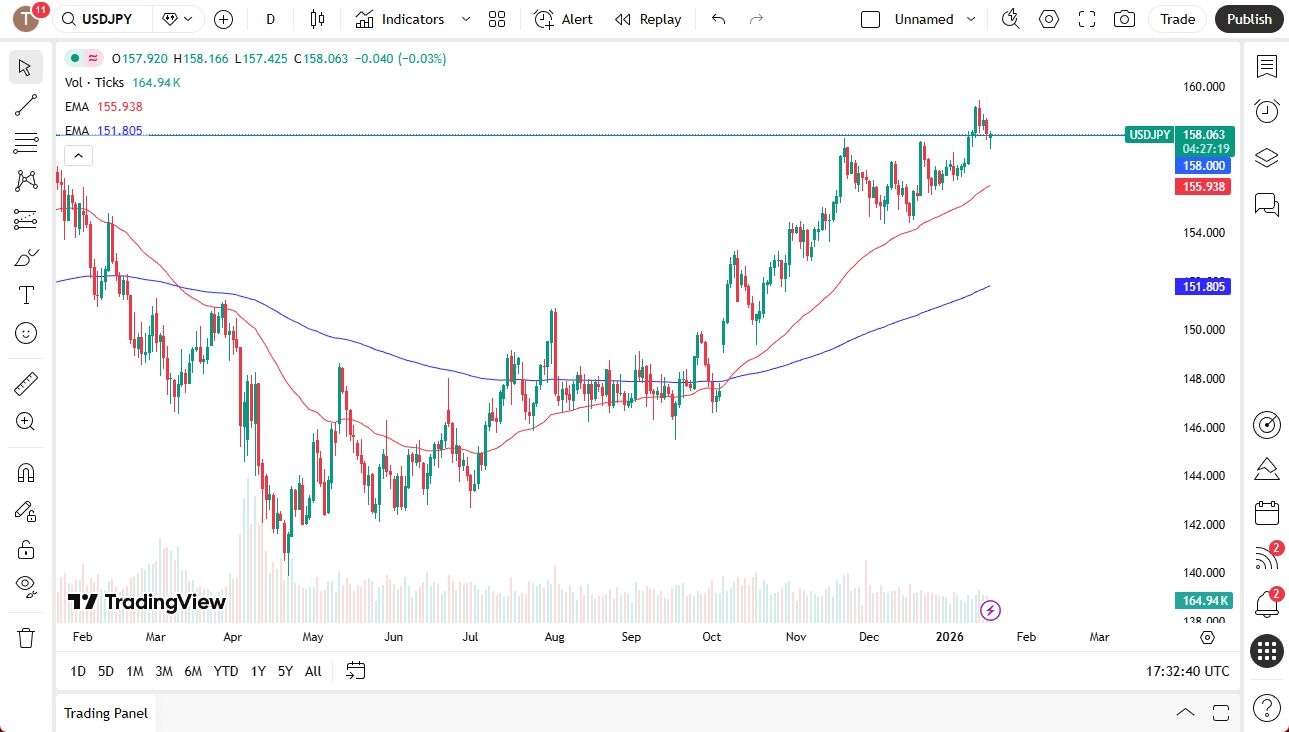
The US dollar has shown itself to be a little bit positive against the Japanese yen during trading on Wednesday, but really, at this point, I think we have a situation where traders are just kind of kicking the ball around.
Because of the lack of volume that will be featured on Thursday, all things being equal, the Thursday session will probably be very short-lived because the United States will be celebrating the Thanksgiving holiday. Because of this, I think you’ve got a situation where Thursday is probably a nonsensical trading session.
The reality now is that the Friday session might be looked at as a little bit more normal, but really, volumes will be pretty anemic then as well. For the most part, the week’s done. So, with that being said, expect a little bit of noise. I would love to see some type of pullback to get involved in this market, perhaps closer to the 154 yen level and take advantage of cheap dollars, but we may or may not get it.
If we can break above the 158 yen level, that’s obviously a very bullish turn of events. But right now, everybody’s expecting the Federal Reserve to start cutting rates massively again, as the market continues to swing from one extreme to the other. With that being the case, you have to be very cautious, but the interest rate differential, even with a rate cut, doesn’t change the equation; you still get paid to hold this pair. And over the longer term, that will continue to be something that people pay attention to.
Want to trade our USD/JPY forex analysis and predictions? Here’s a list of forex brokers in Japan to check out.
Christopher Lewis has been trading Forex and has over 20 years experience in financial markets. Chris has been a regular contributor to Daily Forex since the early days of the site. He writes about Forex for several online publications, including FX Empire, Investing.com, and his own site, aptly named The Trader Guy. Chris favours technical analysis methods to identify his trades and likes to trade equity indices and commodities as well as Forex. He favours a longer-term trading style, and his trades often last for days or weeks.
If you can’t get through a morning or afternoon without a Starbucks pick-me-up, you’ve probably tried the now famous Pink Drink. It contains the chain’s Strawberry Açaí Refresher, coconut milk, a scoop of freeze-dried strawberries, and ice. And if you’re a fan of both this simple but sweet beverage and matcha, there are endless ways to customize your Starbucks drink order, including creating a secret menu item that resembles the Pink Drink but features a different shade and ingredient combination. That’d be the Green Drink. So if you’re more of an Elphaba than a Glenda, you might love to try this option any day.
Now what is in the Green Drink, exactly? As you might have guessed, it does contain Starbucks matcha powder (which is now unsweetened due to popular demand), shaken with coconut milk and poured over an unexpected base for double the tea. Here’s exactly how to order it: Order an iced black tea in the size of your choosing and add matcha powder combined with coconut milk. For extra flavor, you can also add vanilla or some sweetener.
If the Starbucks Green Drink sounds dreamy to you, you might be interested in some of the other colorful secret drink combinations you can order. As it turns out, there is a whole list of five rainbow drinks that Starbucks have come up with, available in almost every color imaginable and often drawing their hues from fruity inclusions. Besides the two we’ve already talked about, there’s the Purple Drink, the Blue Drink, and the Orange Drink.
For starters, the Purple Drink is a combination of passion iced tea, soy milk, vanilla syrup, and scoops of blackberries (these may come and go based on seasonal menu items). If you aren’t a big fan of the fruity addition, or it’s unavailable, the Blue Drink is a similar but simpler option, made with passion iced tea, soy milk, and vanilla syrup. The Orange Drink, on the other hand, looks just like sunshine and is ideal for the summer months (it would be perfect for the Starbucks summer menu). It originally contained orange mango juice, vanilla bean powder, and coconut milk, but since the juice has been discontinued, you could swap it for peach green tea.
If you find learning about and sipping your way through the coffee chain’s secret menu fun, you’ll also love hearing more about Starbucks’ other secrets. From the fact that there are more than three drink sizes (mind-blowing!) to the hack for ordering hot drinks at a kid’s temperature if you want to drink them immediately without burning your mouth, there are plenty of useful tips you’ll wish you knew sooner.
This section outlines why on-chain launches and memecoin cycles matter for a clear Polygon (MATIC) price prediction. Recent creator-token activity on Layer 2 networks has shown how speculators and builders shift liquidity between chains, and that rotation directly influences MATIC demand for settlement, staking, and bridging fees.
Base’s growth-roughly 10 million users and about $2 billion in TVL-helps explain cross-chain pressure on Polygon. The Base $JESSE launch exposed bot-driven concentration, where two wallets captured roughly 26% of supply and later exited with combined profits near $1.3 million. Events like that highlight on-chain risks that can divert volume away from or back to Polygon.
Maxi Doge (https://maxidogetoken.com/) and similar creator tokens introduce fresh traffic patterns. Tokenomics claims, such as a reported 25% allocation for futures partnerships and publicized staking APYs, create specific demand vectors on Polygon when launches route swaps or staking through MATIC infrastructure.
In the sections that follow, this article will combine observed launch behavior, builder sentiment, and rotation patterns to deliver a practical MATIC forecast and actionable signals for U.S. investors tracking Polygon ecosystem news and MATIC price drivers.
Market context for Polygon and Layer 2 ecosystems
Layer 2 activity has reshaped where builders and users deploy new tokens and apps. In recent months, attention split between networks that promise low fees and those that deliver strong distribution. This debate affects capital flows and user behavior across Polygon and competing chains.
Recent Layer 2 and chain dynamics affecting MATIC
Base vs Polygon comparisons drive developer choices. Base has drawn creator-coin launches and high-profile drops, while Polygon remains attractive for projects prioritizing existing liquidity and integrations. Some teams reported that Base’s marketing promises did not match execution, prompting selective deployments back to Polygon.
Builder sentiment matters for Layer 2 adoption. Projects like Polymarket and other applications have favored Polygon for certain launches. Those moves highlight differences in distribution, tooling, and community support that can influence short-term network demand for MATIC.
Macro crypto conditions shaping price moves
Capital rotation from Bitcoin and Ethereum into speculative altcoins is common during bullish cycles. When BTC and ETH reach fresh highs, traders often shift funds toward new token launches and higher-beta names. That flow boosts Layer 2 activity and can lift MATIC as liquidity chases yield on alternative chains.
Derivatives and futures amplify these swings. Heavy leverage in memecoin markets raises liquidation risk and can cause sharp, rapid price moves across correlated assets. Those dynamics affect how traders view risk on Polygon-based projects.
On-chain risks and bot-driven launch dynamics
Token launch sniping and flashbots strategies have altered distribution patterns. Smart bots and colluding wallets can capture large allocations within seconds, creating skewed supply ownership. Instances where a few wallets grabbed outsized shares have led to swift profit-taking and volatility.
High-profile launches also create operational fallout. Phishing pages, fake contracts, and platform outages emerge during crowded drops, undermining retail confidence. That environment increases memecoin volatility and can reduce willingness among casual users to engage on any Layer 2, including Polygon.
Polygon (MATIC) Price Prediction
The near-term balance for MATIC depends on measurable on-chain reads and market flow. Traders should watch active addresses and TVL trends for fresh signals of demand. Exchange pairings, bridge flows between Ethereum and Polygon, and staking movements shape short-term liquidity and fee revenue that feed into price action.
Short-term technical and network indicators
Monitor MATIC technical indicators such as moving averages, RSI, and volume patterns for immediate bias. Pair those with network metrics like active addresses and bridge inflows to confirm strength. Rising active addresses and inflows from Ethereum often precede higher on-chain usage and reduced selling pressure.
Watch TVL trends and staking flows on Polygon. Climbing TVL and net staking inflows tighten liquid supply and can support price. Sudden spikes in exchange outflows or concentrated wallet moves act as warning signs that can flip momentum quickly.
Medium- to long-term fundamental drivers
MATIC fundamentals hinge on developer activity, dApp adoption, and competitive positioning versus Base and Solana. Healthy growth in meaningful dApps, gaming projects, and payments use cases tends to lift protocol demand. Polymarket and other growth-oriented apps choosing Polygon point to ongoing utility for some builders.
Assess memecoin impact on MATIC when new launches drive transaction volume. High-APY staking contests and meme-driven trading can spike fees and active addresses. Those spikes may not translate into sustained protocol-level demand, so treat them as transient unless developer and treasury metrics back lasting growth.
Scenario-based price outlooks and risk adjustments
Construct scenarios that weight changes in active addresses and TVL trends. A bullish path requires sustained increases in active addresses, higher TVL, and continued dApp launches that produce real fee demand. A bearish path includes concentrated token distribution, large exchange sell-offs, or regulatory pressure on leverage-heavy memecoins.
Adjust risk premia based on observable memecoin cycles and liquidity shifts. If new token launches reroute speculative capital away from MATIC pairs or concentrate supply in a few wallets, downgrade the immediate Polygon price outlook. If TVL and developer metrics improve while staking reduces circulating supply, raise bullish odds.
How Maxi Doge (MAXI) fits MATIC user demand and ecosystem activity
Maxi Doge (https://maxidogetoken.com/) positions itself as an Ethereum-born meme coin with gym culture and high-leverage trading themes. This token profile targets degen traders and fitness-minded crypto fans. Early tokenomics reporting points to heavy marketing allocation and a claimed 25% reserve for futures partnerships, which shapes on-chain behavior.
Maxi Doge fundamentals and target audience
Project materials and media coverage highlight aggressive token distribution and promotional campaigns. Reported staking offers and community contests aim to attract short-term liquidity. High advertised yields create wallet churn, driving approvals, transfers, and staking interactions.
Channels where MAXI could influence Polygon activity
Though MAXI is Ethereum-native, degen traders often move assets across Ethereum-Polygon corridors. If listings appear on Polygon DEXes or MATIC pairs, swap volume and bridge traffic could rise. Futures partnerships that route settlement or liquidity via Polygon would further alter fee capture and routing patterns.
Risks MAXI introduces to MATIC demand
Hype-driven flows from meme coin staking and leveraged marketing can spike transactions without creating durable protocol use. Concentrated holdings and bot activity raise systemic risk. Claims of extreme leverage draw regulator attention, which can trigger rapid capital flight and correlated declines that affect MATIC liquidity and sentiment.
Short-lived trading surges, paired with counterfeit contract risks and exchange outages seen in past memecoin events, underline how futures partnerships and aggressive promotions can amplify volatility. Traders and network operators should monitor on-chain metrics and staking behavior to gauge real user demand versus speculative noise.
Trading, risk management, and signals investors should watch
Active traders should begin with clear on-chain monitoring. Track active addresses, newly deployed contracts, bridge inflows and outflows between Ethereum and Polygon, TVL changes, and staking flows. Spikes in new contracts or bridge activity often precede liquidity rotations that shift capital between MATIC and memecoins.
Pay attention to concentration and wallet metrics. Large holders can create sudden sell pressure-cases where two wallets amassed a large share of supply then realized sizeable profits show how quickly positions can unwind. Combine this with order book and futures metrics: monitor order book depth on Binance and Coinbase, futures open interest on platforms like MEXC, leverage ratios, and liquidation clusters to assess liquidation risk.
Exchange listing and pairing trends matter during memecoin cycles. Where Maxi Doge (https://maxidogetoken.com/) lists – whether on centralized exchanges, DEXes, or futures venues – and which pairs it uses (ETH, USDT, or MATIC) will influence routing of capital and fee capture for Polygon. New listings and presales can temporarily divert liquidity away from MATIC and raise short-term volatility.
Adopt conservative risk-management Polygon tactics: limit position size, set stop-losses, avoid excessive leverage, and define exit rules tied to open interest and social sentiment. Watch for red flags such as platform outages, counterfeit contracts, outsized wallet accumulation, or regulatory statements targeting high-leverage products. Constructive MATIC trading signals include rising active addresses, growing TVL, and increased fee revenue; negative signals include concentrated selling and open interest spikes without on-chain growth.
Buchenweg 15, Karlsruhe, Germany
For more information about Maxi Doge (MAXI) visit the links below:
Website: https://maxidogetoken.com/
Whitepaper: https://maxidogetoken.com/assets/documents/whitepaper.pdf?v2
Telegram: https://t.me/maxi_doge
Twitter/X: https://x.com/MaxiDoge_
Disclosure: Crypto is a high-risk asset class. This article is provided for informational purposes and does not constitute investment advice.
CryptoTimes24 is a digital media and analytics platform dedicated to providing timely, accurate, and insightful information about the cryptocurrency and blockchain industry. The enterprise focuses on delivering high-quality news coverage, market analysis, project reviews, and educational resources for both investors and enthusiasts. By combining data-driven journalism with expert commentary, CryptoTimes24 aims to become a trusted global source for emerging trends in decentralized finance (DeFi), NFTs, Web3 technologies, and digital asset markets.
This release was published on openPR.
Copper price succeeded in recording some gains by hitting $5.1200 level, depending on the positive factors that are represented by the stability of the support level at $4.7500, besides the continuation of the positive factors that are represented by the support at $4.7500 besides the continuation of the attempts to provide bullish momentum by the main indicators.
Reminding you that surpassing the barrier at $5.2000 and holding above it is important to reinforce the efficiency of the bullish scenario, then begin targeting new positive stations by its rally towards $5.3200 and $5.5000.
The expected trading range for today is between $4.9800 and $5.2000
Trend forecast: Bullish
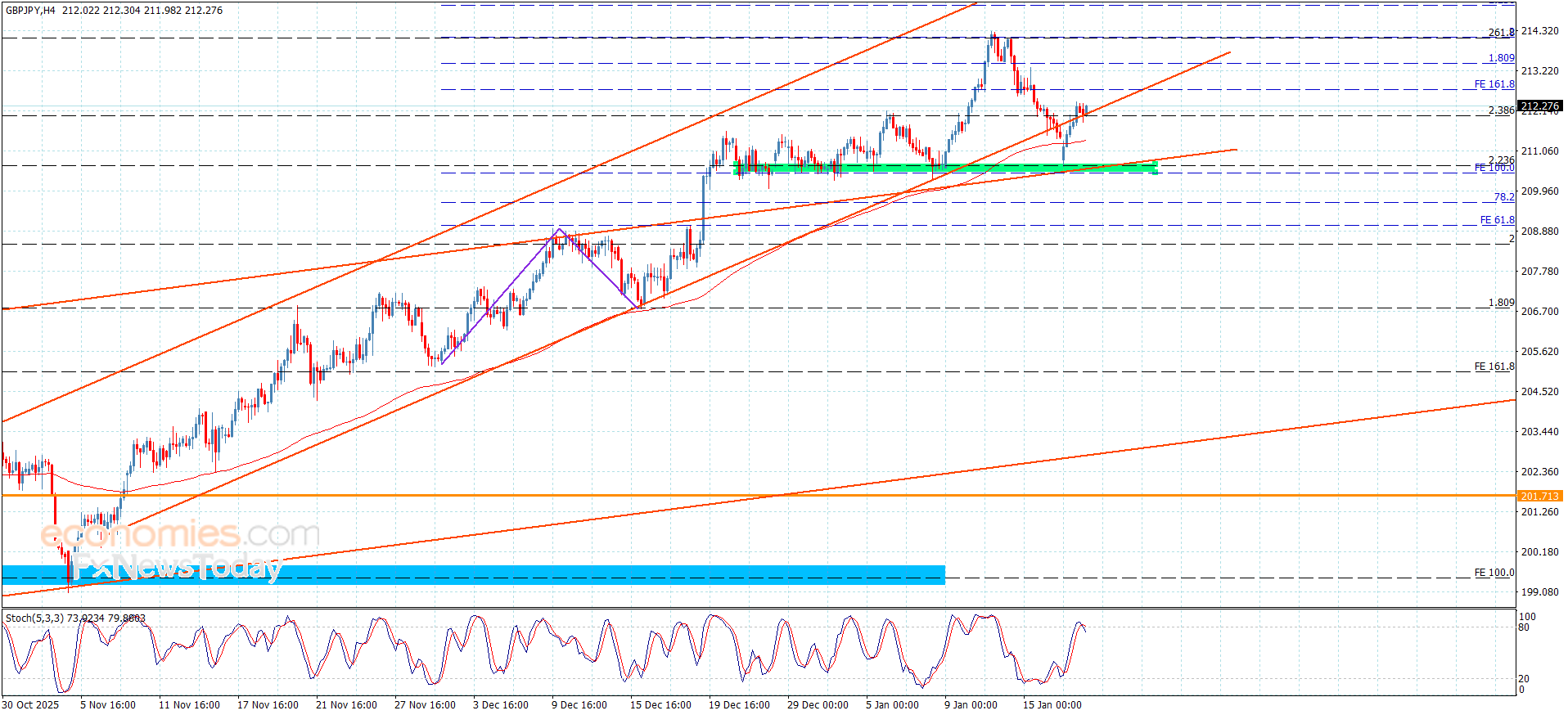
The GBPJPY pair suffered strong bullish pressures, pushing it to settle above 206.00 level, forming new bullish rally to press on the barrier at 206.90, attempting to record extra gains by hitting 207.20 level.
Note that stochastic attempt to reach the overbought level, which might provide a new bullish momentum to push it to provide more of the bullish waves by targeting the bullish channel’s resistance towards 207.65, while activating the bearish corrective scenario requires forming a sharp decline, which allows it to break the extra support at 205.20.
The expected trading range for today is between 206.25 and 207.65
Trend forecast: Bullish
Leander, Texas and TOKYO, Japan – Nov. 27. 2025 “The Digestion Resistant Maltodextrin Market reached US$ 556.81 million in 2024 and is expected to reach US$ 820.79 million by 2032, growing at a CAGR of 4.97% during the forecast period 2025-2032.”
The Digestion Resistant Maltodextrin Market is driven by growing consumer demand for dietary fiber ingredients that support digestive health, weight management, and glycemic control. Market growth is supported by increasing use in functional foods, beverages, and nutritional supplements, along with rising interest in clean label and low calorie formulations.
➠ Download Your Sample Report Instantly – Corporate Email ID Required for Priority Access: https://www.datamintelligence.com/download-sample/digestion-resistant-maltodextrin-market?praneetha
☛ Recent Industry Developments :
United States :
✅ November 2025: Cargill, Inc. launched a new line of digestion resistant maltodextrin fibers for functional foods and beverages, supported by 85 million in U.S. production and R&D investments. The launch enhances product offerings for gut health and weight management applications.
✅ October 2025: Ingredion Incorporated completed the acquisition of a U.S. based dietary fiber startup, allocating 62 million to expand DRM product portfolio and develop innovative formulations for food and beverage manufacturers.
✅ September 2025: Tate & Lyle partnered with a U.S. university to launch next generation DRM blends for sugar reduction and prebiotic benefits, backed by 48 million in joint R&D investment aimed at expanding applications in functional nutrition.
Japan :
✅ November 2025: Mitsui Sugar Co., Ltd. launched a new digestion resistant maltodextrin product for functional beverages, supported by 28 million in domestic manufacturing and clinical studies to validate gut health benefits.
✅ October 2025: Kao Corporation completed the acquisition of a Japanese dietary fiber startup, allocating 33 million to enhance DRM formulations for beverages, dairy, and nutritional supplements.
✅ September 2025: Meiji Holdings partnered with a Japanese research institute to develop advanced DRM blends with prebiotic and blood sugar management properties, backed by 22 million in R&D investment to support functional food innovation.
☛ Core Catalysts Behind Market Growth:
Rising consumer awareness about gut health, digestive wellness, and dietary fiber intake is driving demand for digestion resistant maltodextrin (DRM) in functional foods and beverages.
Growing adoption of fiber-enriched, low-calorie, and prebiotic formulations is fueling the use of DRM in bakery, dairy, and nutritional products.
Technological advancements in maltodextrin processing and formulation are enhancing solubility, taste, and compatibility in diverse food applications.
Expanding e-commerce and retail distribution channels, coupled with increasing health conscious lifestyles, are further supporting market growth globally.
➠ Get Customization in the Report as per Your Requirements:
https://www.datamintelligence.com/customize/digestion-resistant-maltodextrin-market?praneetha
☛ Market Segmentation:
By Source :
Corn based dominates with 48% share, driven by large scale global corn production, cost efficiency, and wide use in functional foods and beverages.
Wheat based holds 22% share, supported by demand in bakery, sports nutrition, and clean label formulations.
Potato based accounts for 12% share, benefiting from its neutral taste and application in infant formulas and dietary supplements.
Cassava based captures 10% share, growing in regions with high tapioca availability and used in gluten free and non-allergenic products.
Other sources hold 8% share, including rice and barley based maltodextrins used in specialty nutrition.
By Form :
Spray-dried Powder leads with 67% share, widely adopted due to excellent stability, easy blending, and suitability for packaged foods, beverages, and nutraceuticals.
Instantized/Agglomerated form holds 33% share, growing with demand for instant beverages, meal replacements, and high solubility functional formulations.
By End-User :
Foods dominate with 45% share, driven by usage in bakery, confectionery, dairy, cereals, and low calorie food products.
Beverages hold 28% share, used in sports drinks, fiber fortified beverages, and ready to drink nutritional products.
Nutraceuticals account for 20% share, supported by increasing use in prebiotic supplements, digestive health products, and weight management solutions.
Other end-users capture 7% share, including pharmaceuticals and specialty dietary products.
☛ Competitive Landscape :
The market is characterized by strong competition among global food ingredient manufacturers, specialty starch producers, and functional fiber solution providers.
Roquette Frères S.A. – Leads the market with an estimated 18% share, offering high quality digestion resistant maltodextrin (DRM) for functional foods, beverages, and nutritional products, supported by extensive R&D and global distribution.
Ingredion Incorporated – Holds approximately 16% market share, providing DRM ingredients for dietary fiber enrichment, sugar reduction, and gut health applications across food and beverage segments.
Tate & Lyle – Captures around 14% of the market through innovative DRM solutions, emphasizing clean label, low calorie, and functional ingredient applications.
Grain Processing Corporation – Commands close to 12% market share, offering high purity DRM products and customized formulations for food, beverage, and nutraceutical industries.
Cargill Incorporated – Maintains roughly 10% market share with a wide range of resistant maltodextrin products targeting digestive health, weight management, and sugar reduction solutions.
Other Key Players: Archer Daniels Midland Company, Satoria Agro, Shandong Saigao Group Corporation, Happy Ratio, AG Nutrition International.
➠ Purchase this report before year-end and unlock an exclusive 30% discount:
Buy Now & Unlock 360° Market Intelligence:
https://www.datamintelligence.com/buy-now-page?report=digestion-resistant-maltodextrin-market?praneetha
(Purchase 2 or more Reports and get 50% Discount)
☛ Regional Analysis:
North America :
North America accounts for 34%, driven by rising consumer preference for low calorie and fiber rich functional foods, expanding usage in dietary supplements, and strong demand across the U.S. and Canada. High awareness of gut health and clean label ingredients strengthens market growth.
Europe :
Europe holds 27%, supported by widespread consumption of functional foods, strict nutritional regulations, and increasing adoption of digestion resistant maltodextrin in bakery, beverages, and nutraceutical formulations. Germany, France, the U.K., and Italy lead regional demand.
Asia-Pacific :
Asia-Pacific leads with 30%, fueled by large scale food & beverage production in China, Japan, India, and South Korea. Growing health conscious populations and rapid expansion of the dietary supplements industry significantly boost regional consumption.
South America :
South America holds 5%, with growing applications in sports nutrition, dietary supplements, and processed foods in Brazil, Argentina, and Chile. Market growth is moderate due to limited large scale manufacturing.
Middle East & Africa :
Middle East & Africa account for 4%, driven by rising demand for functional ingredients in packaged foods, beverages, and nutritional supplements. GCC countries show higher adoption compared to the rest of the region.
➠ Request for 2 Days FREE Trial Access:
https://www.datamintelligence.com/reports-subscription
Power your decisions with real-time competitor tracking, strategic forecasts, and global investment insights all in one place.
✅ Competitive Landscape
✅ Sustainability Impact Analysis
✅ KOL / Stakeholder Insights
✅ Unmet Needs & Market Access Snapshots
✅ Emerging Risks & Market Volatility Analysis
✅ Quarterly Updated Reports
✅ Live Market & Pricing Trends
✅ Import-Export Data Monitoring
Company Name: DataM Intelligence 4Market Research LLP
Contact Person: Sai Kiran
Email: Sai.k@datamintelligence.com
Phone: +1 877 441 4866
Website: https://www.datamintelligence.com/
DataM Intelligence is a global Market Research and Consulting firm providing comprehensive business insights and end-to-end solutions from research to consulting. We deliver actionable intelligence across 6,300+ reports spanning 40+ domains, empowering over 200 companies in 50+ countries. Our focus is on enabling clients to make data-driven decisions through robust methodologies, strategic foresight, and real-time market intelligence.
This release was published on openPR.
Jakarta, Pintu News – The Dogecoin price experienced a slight increase on November 26, signaling a potential recovery. The meme coin briefly traded above the $0.1490 level.
After a week dominated by bearish movements, Dogecoin seems to be gearing up for a more bullish trend. Investors are now starting to wonder if the Dogecoin price could reach $0.3 by December 2025, as optimism grows for a potential price surge.
So, how is the Dogecoin price moving today?
On November 27, 2025, Dogecoin saw a 1.82% price increase over the past 24 hours, trading at $0.1547, or approximately IDR 2,570. During this period, DOGE fluctuated between IDR 2,474 and IDR 2,604.
At the time of writing, Dogecoin’s market capitalization is estimated at IDR 392.24 trillion, with a 24-hour trading volume of around IDR 24.95 trillion.
Read also: Dogecoin Price Prediction: Will DOGE Rise from the Selling Pressure?
The crypto market is currently entering a challenging recovery phase. The prices of Bitcoin , Ethereum, XRP , and Solana are starting to show signs of a rebound. In the midst of this, Dogecoin is attracting attention as it has the potential to increase to $0.30.
Dogecoin’s price surge is closely tied to the overall crypto market recovery. As Bitcoin and other major coins begin to recover, Dogecoin is likely to be boosted by the positive momentum. A broad market recovery usually strengthens the performance of altcoins like Dogecoin.
In addition, the return to popularity of other meme coins such as Shiba Inu , MemeCore, and Bonk (BONK) also adds to the optimistic sentiment. These three coins have recently experienced a surge in value, which could trigger a new wave of interest in Dogecoin. This trend could potentially push DOGE in a bullish direction.
Other positive momentum comes from the launch of the Grayscale Dogecoin ETF which officially kicked off on Monday, as well as Bitwise’s Dogecoin ETF which is now also launched. The ETF is approved for trading on NYSE Arca under the ticker BWOW and began trading today.
Bitwise announced the news via platform X (Twitter), emphasizing that Dogecoin’s increasing presence in the market requires regulated investment options.
This is a major milestone for the crypto industry, as it provides investors with a safe and organized investment vehicle to trade Dogecoin. This move reflects the growing popularity of more structured and trusted crypto investment products.
Read also: Ethereum Price Rebounded to $3,000 Today: Tom Lee Predicts ETH Could Explode to $9K!
Dogecoin (DOGE) price recently rose to $0.15 after registering a mild gain of 1% in the last 24 hours. If this bullish momentum continues, DOGE could potentially rise to $0.17 and even touch $0.20 in the near future.
Looking ahead, the Dogecoin price outlook shows a possible push towards the $0.25 level. In the event of a strong surge, the price of DOGE could continue to push all the way to near $0.30 – which would mean a roughly 100% increase from current levels.

However, if selling pressure (bearish) starts to dominate the market, the price of DOGE could fall back and retest the support level at $0.15.
Meanwhile, the MACD indicator is currently showing limited positive divergence. Although not yet fully in line with the uptrend, this could turn into an advantage if the upward momentum continues in the next few sessions.
Dogecoin (DOGE) is a cryptocurrency that was originally created as a joke but has grown into a digital currency with wide usage and a large community.
An ETF, or Exchange-Traded Fund, is a type of investment fund that is traded on a stock exchange like a stock. The launch of the Dogecoin ETF allows investors to more easily access and invest in Dogecoin, which could increase the demand and price of DOGE.
The Dogecoin ETF by Bitwise started trading on NYSE Arca today under the ticker BWOW.
That’s the latest information about crypto. Follow us on Google News to get the latest crypto news about crypto projects and blockchain technology. Also, learn crypto from scratch with complete discussion through Pintu Academy and stay up-to-date with the latest crypto market such as bitcoin price today, xrp coin price today, dogecoin and other crypto asset prices through Pintu Market.
Enjoy an easy and secure crypto trading experience by downloading Pintu crypto app via Google Play Store or App Store now. Also, get a web trading experience with various advanced trading tools such as pro charting, various types of order types, and portfolio tracker only at Pintu Pro.
*Disclaimer
This content aims to enrich readers’ information. Pintu collects this information from various relevant sources and is not influenced by outside parties. Note that an asset’s past performance does not determine its projected future performance. Crypto trading activities have high risk and volatility, always do your own research and use cold cash before investing. All activities of buying and selling bitcoin and other crypto asset investments are the responsibility of the reader.
Reference: