
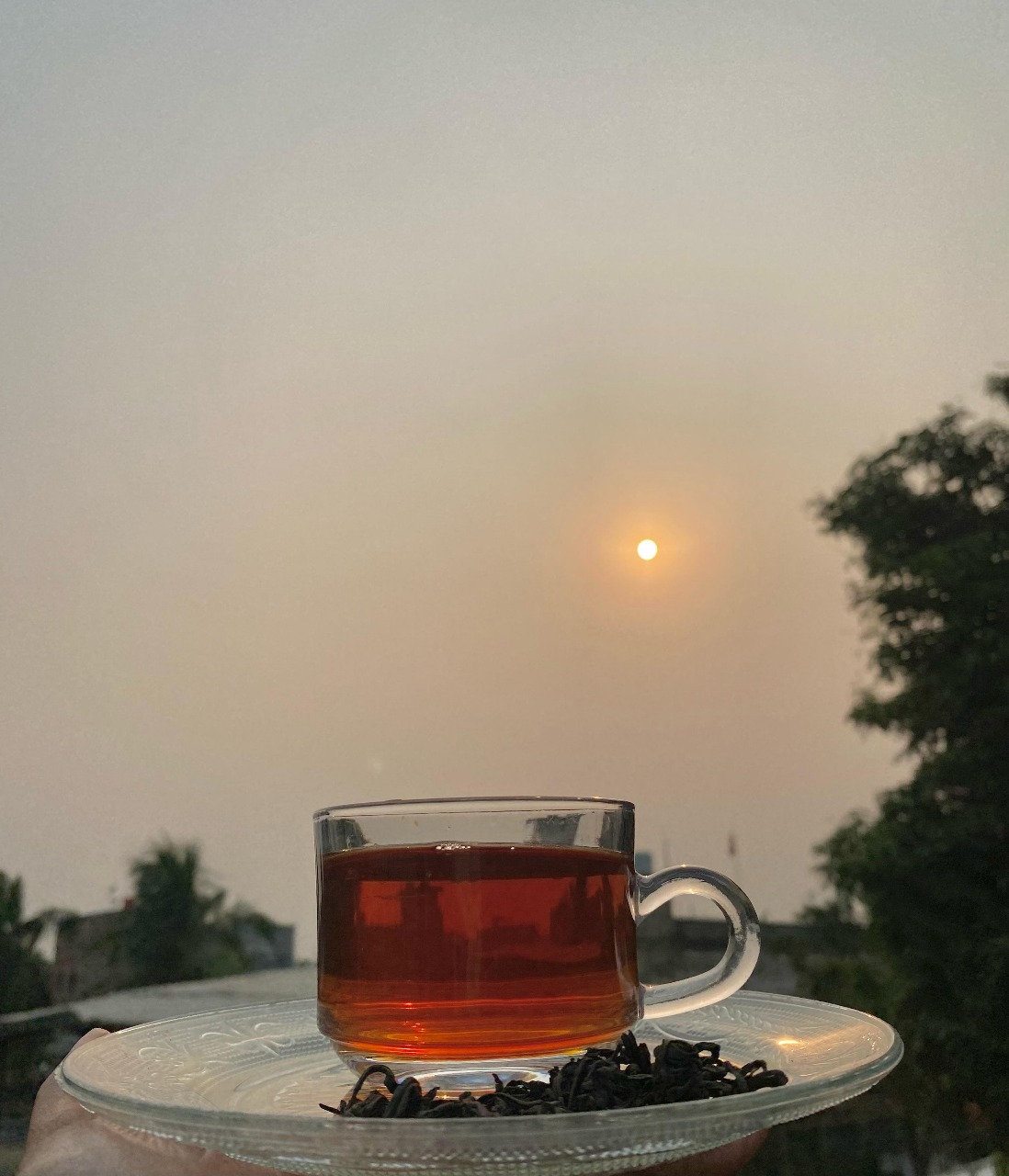
Only Camellia sinensis is ‘tea’: Why FSSAI’s ruling matters
Guwahati: For years, Indian tea consumers browsing supermarket shelves or online stores have encountered a confusing mix of labels such as herbal tea, flower tea and detox tea, often displayed alongside traditional black or green tea. A new clarification issued by India’s food regulator now aims to put an end to that ambiguity.
In an order dated December 24, the Food Safety and Standards Authority of India (FSSAI) ruled that the word “tea” can be used only for products made from Camellia sinensis, the plant from which all true teas—black, green, oolong, white and pu-erh—are derived. Herbal, floral and other plant-based infusions, the regulator said, cannot be marketed as tea.

The clarification goes beyond a technical change in labelling. According to FSSAI, the use of the term tea for products not derived from Camellia sinensis is misleading and amounts to misbranding under the Food Safety and Standards Act, 2006. The move is intended to ensure that when consumers purchase a product labelled as tea, they are clearly informed about what they are consuming, including its characteristic flavour profile, caffeine content and biochemical properties.
Botanically and scientifically, Camellia sinensis (L.) Kuntze is an evergreen perennial shrub belonging to the family Theaceae. Its young leaves and buds are the sole source of all true tea consumed worldwide. The plant naturally contains compounds such as catechins, theaflavins, caffeine and L-theanine, which together give tea its taste, aroma and physiological effects. Beverages made from other plants may offer their own benefits, but in scientific and regulatory terms they are classified as infusions or tisanes, not tea.
The ruling comes at a time when India’s wellness beverage market is expanding rapidly, with many herbal and functional drinks borrowing the cultural and commercial credibility of tea in their branding. FSSAI’s clarification draws a clear distinction between traditional tea and wellness infusions without restricting the sale of the latter. Such products can continue to be marketed, provided they are accurately described on labels in accordance with the Food Safety and Standards (Labelling and Display) Regulations, 2020.
The organised tea industry has welcomed the decision, describing it as long-overdue clarity for both consumers and producers. “We are very happy with this much-needed clarification from FSSAI,” said Bidyananda Barkakoty, Adviser to the North Eastern Tea Association (NETA). “This definition of tea removes ambiguity from consumers’ minds and helps clear clutter and confusion in the marketplace.” He added that the Indian regulator’s position is consistent with global practice, noting that even the U.S. Food and Drug Administration recognises only beverages derived from Camellia sinensis as tea.
Under existing regulations, non-tea infusions cannot use the word “tea” in any form, direct or indirect. Depending on their composition, such products may need to be classified as proprietary foods or obtain approval under separate food safety regulations. The directive applies across the supply chain, covering manufacturers, importers, retailers and e-commerce platforms, with state food safety authorities responsible for enforcement.
For consumers, the impact is straightforward: clearer labels, reduced confusion and greater transparency about what is actually in their cup.
Related










Share this article: