
Plunging Green Leaf Prices And Financial Distress
Golaghat/Sarupathar: The small tea growers of Assam, long considered the backbone of the state’s tea industry, are facing a severe crisis due to a continuous and drastic drop in the price of green tea leaves.
This has plunged many farmers into financial hardship, with the situation in the Tengani region of Golaghat district being particularly dire. Home to approximately 2,000 small tea growers across 42 villages, the region, which was once a model of self-reliance, is now in a “hopeless” situation.

ETV Bharat team visited the Tengani region to assess the situation of these small tea growers, and the issue of plummeting raw leaf prices has had a profound impact on the region’s economy.
For years, tea cultivation provided financial stability for farmers who previously grew sugarcane and vegetables. However, recent developments have jeopardised their livelihoods and raised concerns about the future of Assam’s entire tea industry. With over 1.33 lakh registered small tea growers contributing more than 52% of the state’s total tea production, their plight reflects a larger crisis affecting the state’s economy.
A view of a tea garden in Assam (ETV Bharat)
The most immediate cause of the crisis is the sharp decline in the price of raw green tea leaves. In April-May, farmers in the Tengani region were receiving Rs 28-30 per kilogram. By August, this price had plummeted to Rs 10-15, with reports of prices as low as Rs 10-11 per kg in the last two weeks.
This drop has eradicated profit margins and left farmers struggling to cover their basic expenses. As Pranab Borborah, a Tengani farmer, stated, at the current price, “we don’t get anything” after paying for labour, fertilizer, and pesticides.”
Several factors are contributing to this price drop:
In this regard, Mrinal Saikia, the MLA of Khumtai constituency, who is involved with small tea farming and an advocate of small tea growers said, “It has been observed that more than 300 companies in the country are importing low-quality and low-priced tea from Kenya and blending it with high-quality Indian/Assam tea (Blending) for export as well as for sale in the domestic market. As a result, the demand for genuine Indian Assam tea is decreasing, and the price is falling.” He expressed concern that if this duty-free (Tariff-free) import system is not changed, the death knell for Assam tea is almost certain.
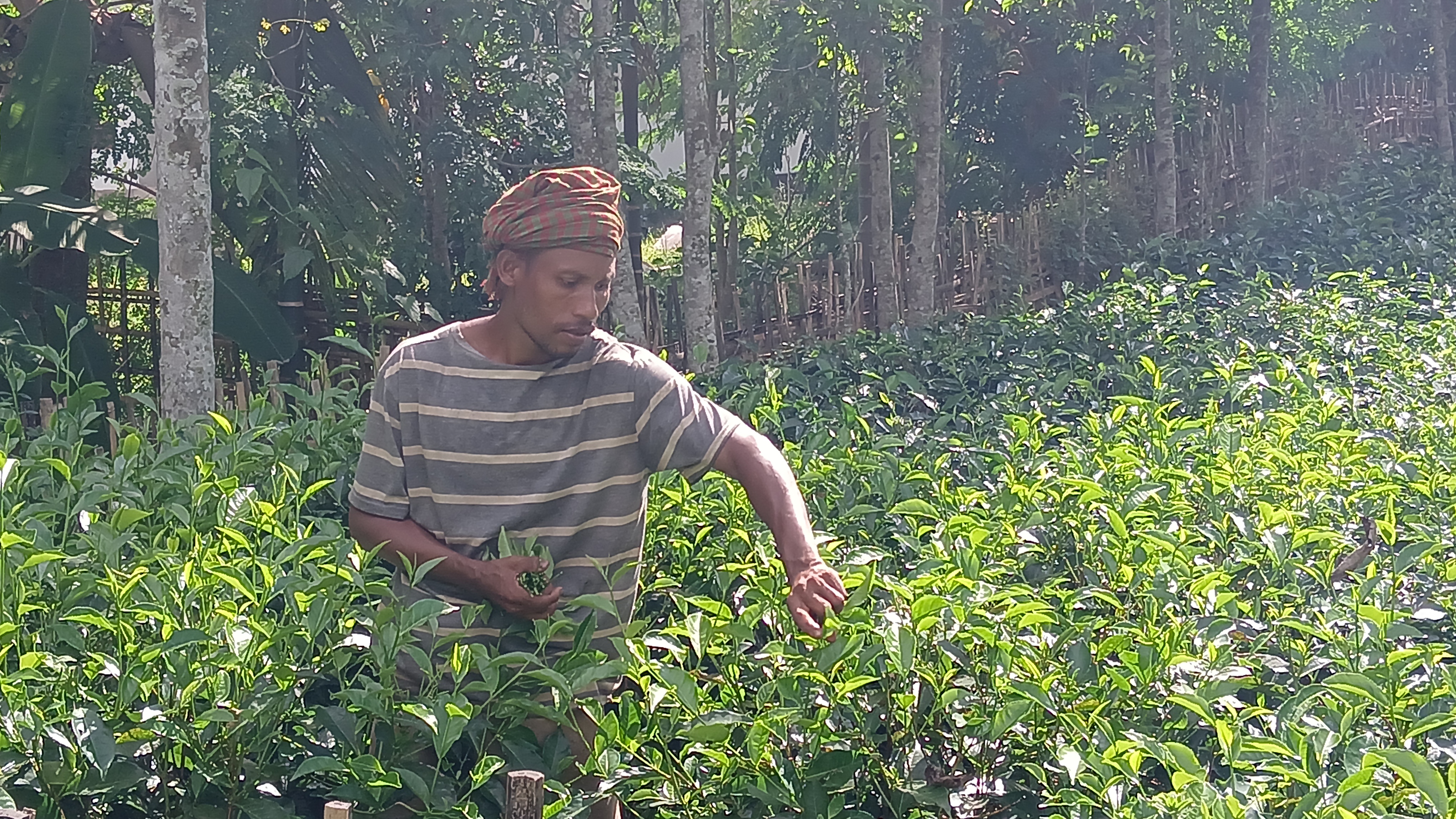
A worker works in tea garden in Assam (ETV Bharat)
Farmers are also grappling with rising production costs. The prices of fertilizer, pesticides, and other supplements have soared, increasing the total cost of producing one kilogram of green tea leaves to Rs 25-27. This, combined with the low sale price, results in significant losses. Additionally, climate change-related issues like fluctuating rainfall and rising temperatures have led to increased pest attacks, forcing farmers to spend more on pesticides.
For small tea growers, the financial impact is severe and immediate. The cost of labour to pluck one kilogram of leaves is Rs 5, and when combined with other expenses, the total cost far exceeds the current selling price.
As Bolin Gogoi, a small farmer from Panchghara village, lamented, “This year, until May-June, we got a good price of 30 rupees per kg for good leaves. We gave good leaves. But now, no matter how good the leaves are, we don’t get a price above rupees 10, 11, or 12. We are now facing huge losses.”
Many farmers are now considering cutting down their tea bushes, a move that would have a catastrophic impact on the livelihoods of 2000 growers in the Tengani region alone, and potentially on the wider state economy.
Calls for Action and a Way Forward:
The small tea growers, local leaders, and social workers are not taking this crisis lying down. The All Assam Student Union, represented by Simanta Bora, has called for a joint meeting involving the Tea Board, tea industry entrepreneurs, and the state government to find a solution. The farmers of Tengani have put forward specific demands:
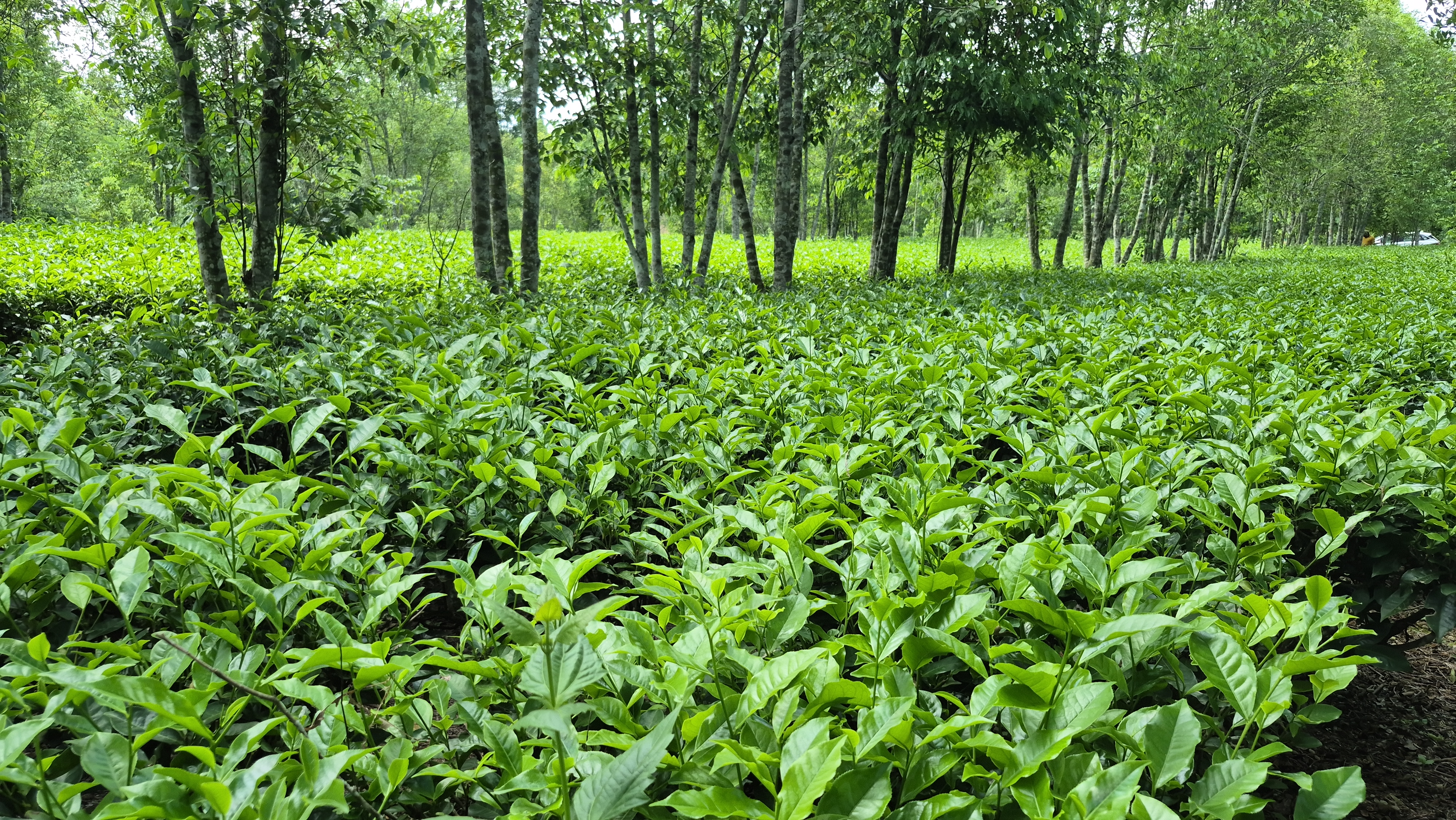
A view of a tea garden in Assam (ETV Bharat)
Minimum Support Price (MSP): They are demanding a Minimum Support Price of Rs 25-30 per kilogram for green tea leaves to ensure they can at least cover their production costs.
There is a strong call to regulate and control the import of cheap foreign tea, which is undermining the domestic market.
Farmers also believe that focusing on improving quality standards within the domestic industry can help them compete with blended imports. The plight of the small tea growers in Tengani is a microcosm of the struggles faced by over two lakh small farmers across Assam. Their crisis highlights the urgent need for government intervention and policy changes to protect this vital sector. If the issues of low prices, high costs, and unregulated imports are not addressed, the future of Assam’s tea industry, and the livelihoods of thousands of farmers, remains uncertain.
Source link











Share this article: