
Category: Forex News, News
Rabobank Euro To Pound Forecast: EUR/GBP At 0.84 In Three Months
Pound Sterling Outlook: Rabobank Adds February BoE Hike After Budget
Rabobank sees Budget relief supporting Pound Sterling, but its new call for an extra BoE hike complicates the case for weakness against the Euro and US Dollar.
The Pound to Dollar exchange rate finished Friday at $1.3389, leaving Pound Sterling 0.94% higher over October after a Budget that avoided the disruption investors had feared.
Pound to Euro (GBP/EUR): 1.199748 (+0.28%)
Pound to Dollar (GBP/USD): 1.3389 (+0.08%)
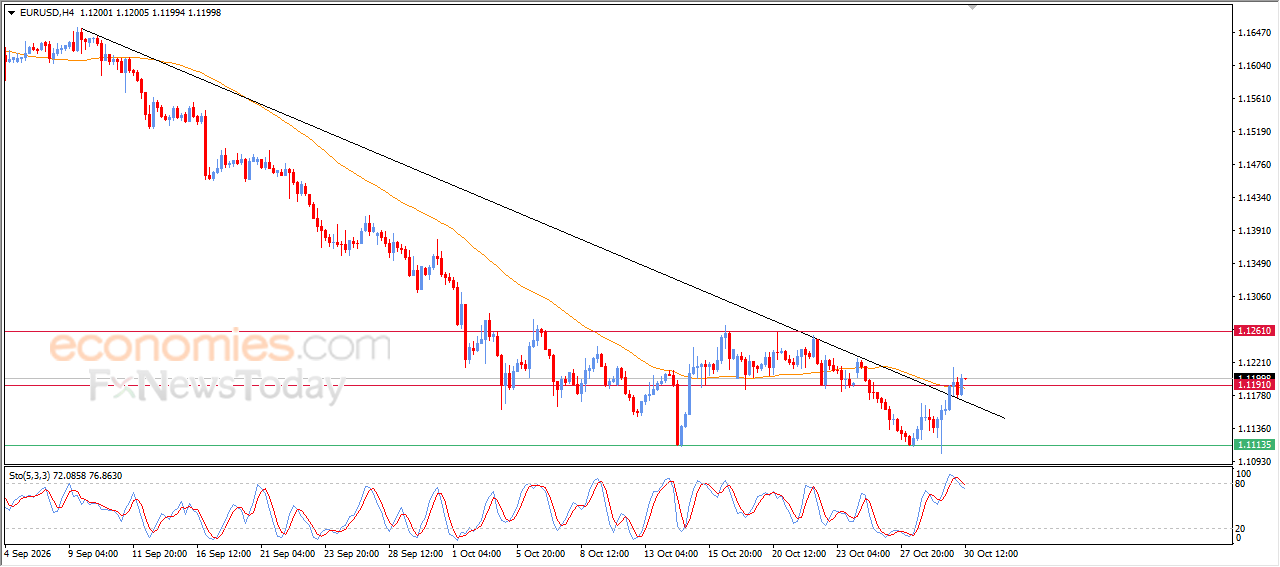
Euro to Dollar (EUR/USD): 1.115984 (-0.20%)
Rabobank’s post-Budget currency projections allow little further upside over three months, with GBP/USD at $1.34 around late January 2027, before a retreat to $1.30 over 12 months, around late October 2027.
Those projections accompanied a view that markets expected too many Bank of England rate increases.
Since then, Rabobank’s economists have added another hike to their own outlook, changing an important assumption behind the currency analysis without supplying replacement exchange-rate targets in that update.

A February hike changes the policy argument
Before Friday’s policy revision, Rabobank senior FX strategist Jane Foley wrote:
“In RaboResearch’s view, the market continues to price in too much BoE policy tightening. Our central view is that the Bank is unlikely to hike more than once more this cycle. If the market unwinds rate hike speculation, GBP is at risk of being undermined into 2027.”
Lower expected UK rates would reduce the prospective return on Pound Sterling assets, potentially offsetting the reassurance delivered by the Budget.
But on Friday, Rabobank economist Stefan Koopman forecast a quarter-point increase in November to 4.00% and added another in February to 4.25%, citing persistent energy inflation despite limited evidence of wider wage and price spillovers.
That later assessment gives Pound Sterling more interest-rate support than the one-hike assumption in Foley’s analysis.
It does not establish that the currency forecasts have changed, or that all the tightening investors expect will materialise.
The BoE’s next decision and economic forecasts arrive on 5 November, providing an early test of how far policymakers believe rates need to rise.
Why an uneventful Budget can help Pound Sterling
Foley wrote: “The silver lining of the Truss budget is that no other UK politician wants to repeat the same mistake. In contrast to the situation in some other G7 countries, it is clear to both politicians and the electorate that government spending is constrained by the country’s high level of debt.”
She also identified a vulnerability in the ownership of UK government bonds:
“The fact that around 30% of gilts are held by foreign investors naturally implies that the pound is sensitive to a selloff in government debt.”
If overseas investors reduce exposure to British bonds and convert the proceeds into other currencies, that selling can put pressure on Pound Sterling as well as raise government financing costs.
Avoiding such a shock matters particularly when investors have already positioned for weakness.
Foley’s analysis showed speculators holding net short Pound Sterling positions ahead of the Budget, leaving scope for buying if they closed those bets.
Foley wrote: “Indeed, the lack of any market drama around the budget could give way to a little near-term relief in the pound.”
The published fiscal plans leave £15 billion of headroom against the current-budget rule in 2029/30, down from £23.6 billion in March.
That is the forecast cushion for meeting the rule, rather than money held in reserve.
Foley acknowledged the deterioration: “A reduction in the fiscal headroom is not good news, but crucially this is a self-imposed discipline. Compared with some other G7 countries, at least the UK has a budget consolidation plan in place.”
Foley points to competing demands: “On top of that, the experience of former PM Starmer suggests that welfare reform will be tough particularly given the ageing demographic. At the same time Healey has announced that defence spending will rise to 3% of GDP by 2030.”
Delivering that plan remains difficult, as the spending pressures left for 2027 make clear.
The Institute for Fiscal Studies’ Budget response warns that tight public-service spending assumptions leave the planned reduction in borrowing vulnerable.
French risks have helped GBP/EUR
The Pound-to-Euro exchange rate finished Friday at €1.1997, having gained 2.45% over October.
Foley wrote:
“EUR/GBP has trended lower over the last month as French budget concerns triggered fears of contagion in other highly indebted European nations. These events have weighed on the EUR and cast a relatively positive light on the pound.”
Rabobank’s three-month EUR/GBP forecast of 0.84 translates to approximately €1.1905 per Pound, calculated by Exchange Rates UK, slightly below Friday’s level.
What This Means for GBP/USD and GBP/EUR
GBP/USD has already reached the vicinity of Rabobank’s three-month projection. Its projections leave little additional near-term upside, while its added February hike makes next week’s BoE guidance particularly relevant.
GBP/EUR has benefited from a comparison between two strained fiscal positions. Progress towards a credible French budget could weaken that advantage even if confidence in UK policy holds.
For Pound Sterling, the risk is that inflation keeps interest rates and debt-servicing costs high while spending commitments erode the government’s smaller fiscal cushion.



Written by : Editorial team of BIPNs
Main team of content of bipns.com. Any type of content should be approved by us.





Share this article: