
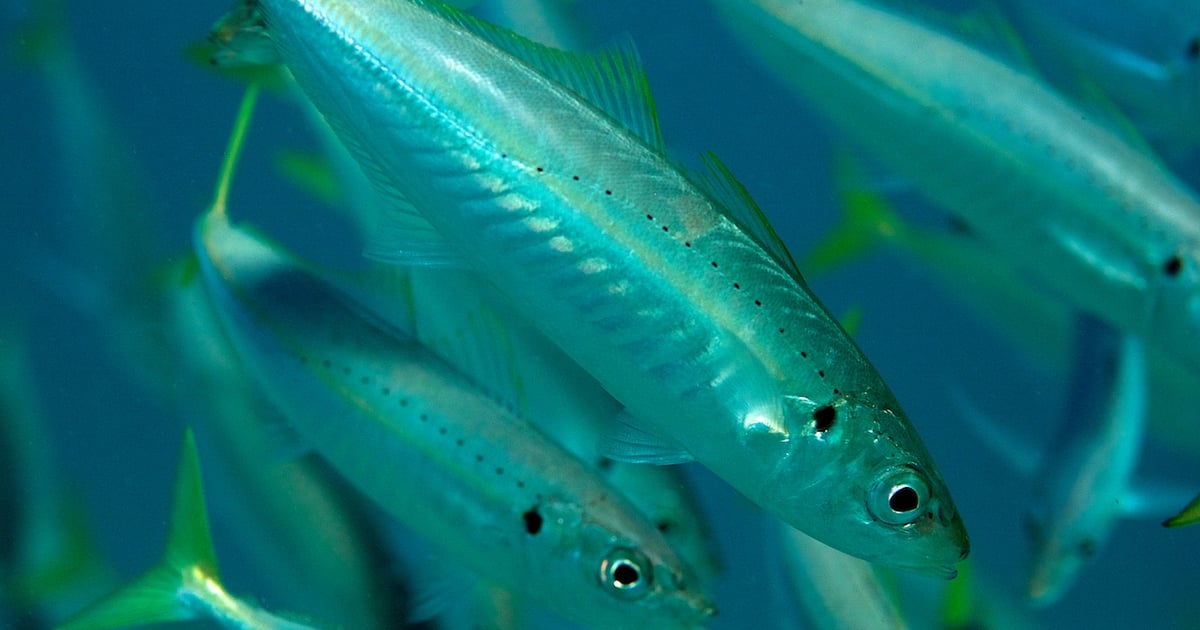
Round scad peptide boosts cognitive function
Thanks to the advent of drugs like Ozempic and Mounjaro, peptides are gaining traction for their beneficial impact on health and wellness. Now, researchers at Wuhan Polytechnic University in China have identified a novel peptide from round scad that has the potential to benefit cognitive function.
Why is this important?
Peptides, or short chains of amino acids, form the basis of many metabolic and hormonal functions within the human body. Many hormones, such as insulin and oxytocin, are peptides.

Perhaps the most popular peptide as of late is glucagon-like peptide-1 (GLP-1), the hormone responsible for feeling satiated after eating. Popular GLP-1 receptor agonist drugs also are peptides – the generic names for Ozempic and Mounjaro are semaglutide and tirzepatide, respectively.
By identifying peptides that impact facets of health, supplement formulators can tap into ingredients with limitless possibilities, from improving muscle strength and recovery to relieving joint pain.
What ingredient was studied?
A tripeptide from round scad (Decapterus maruadsi), comprised of proline-proline-tryptophan (Pro-Pro-Trp or PPW).
What are the key takeaways from this peptide study?
Round scad provides a promising novel peptide ingredient because of its neuroprotective properties. Researchers found PPW survived simulated digestion and could transport across cell barriers.
What were the details of the study?
Several components comprised the preclinical study of PPW:
-
Researchers used cell cultures to investigate cytotoxicity, analyze impact on inflammatory cytokines and antioxidant enzymes and determine transportability of PPW.
-
Mice fed proline-proline-tryptophan or control feed underwent sleep deprivation to assess the effects of PPW on cognitive function as measured by the Morris water maze (MWM).
What were the results?
-
PPW survived simulated gastric digestion (~94%).
-
PPW exhibited no cytotoxic effects on cell cultures.
-
PPW improved oxidative stress by increasing the antioxidant enzyme activity of cell cultures.
-
PPW decreased inflammatory factors in damaged cell models.
-
Cell culture studies revealed PPW migrated across the Caco-2 monolayer.
-
The MWM test with mice revealed the potential of PPW to lessen cognitive decline induced by sleep deprivation. Mice fed PPW experienced improved spatial memory.
How does this build upon prior research?
In a previous study, the researchers identified several bioactive peptides from round scad hydrolysate. The current study used in vitro and in vivo methods to ascertain how PPW exhibits neuroprotective effects.
By simulating digestion of PPW, the researchers proved the stability of the novel peptide, a critical factor for success in supplement applications.
The novel peptide from round scad adds to the growing body of scientific research on novel peptides from a wide variety of foodstuffs and offers a new nonpharmaceutical ingredient to support cognitive health.











Share this article: