The main tag of Forex News Today Articles.
You can use the search box below to find what you need.
[wd_asp id=1]

22 12, 2025

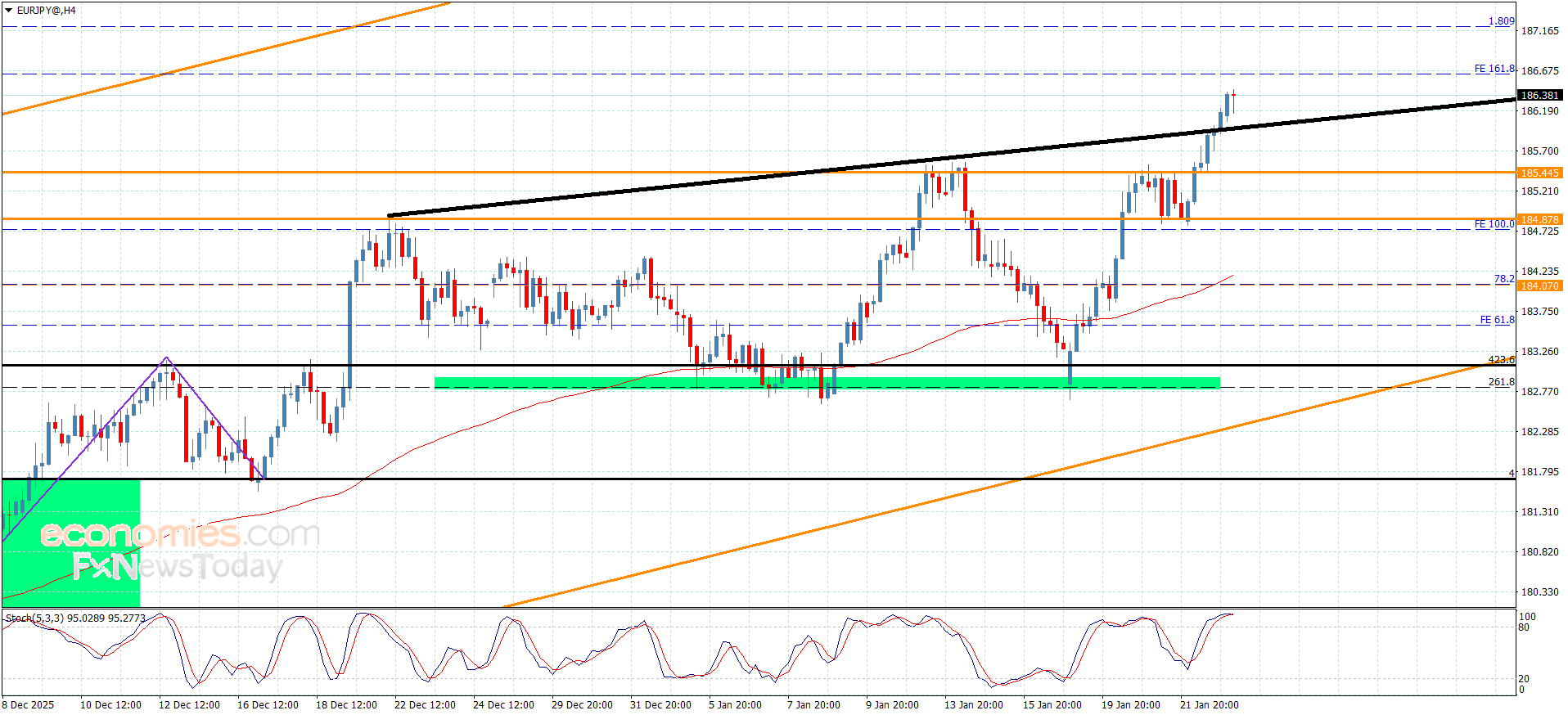
The EURJPY is resuming the rise– Forecast today – 22-12-2025

By |2025-12-22T10:58:47+02:00December 22, 2025|Forex News, News|0 Comments

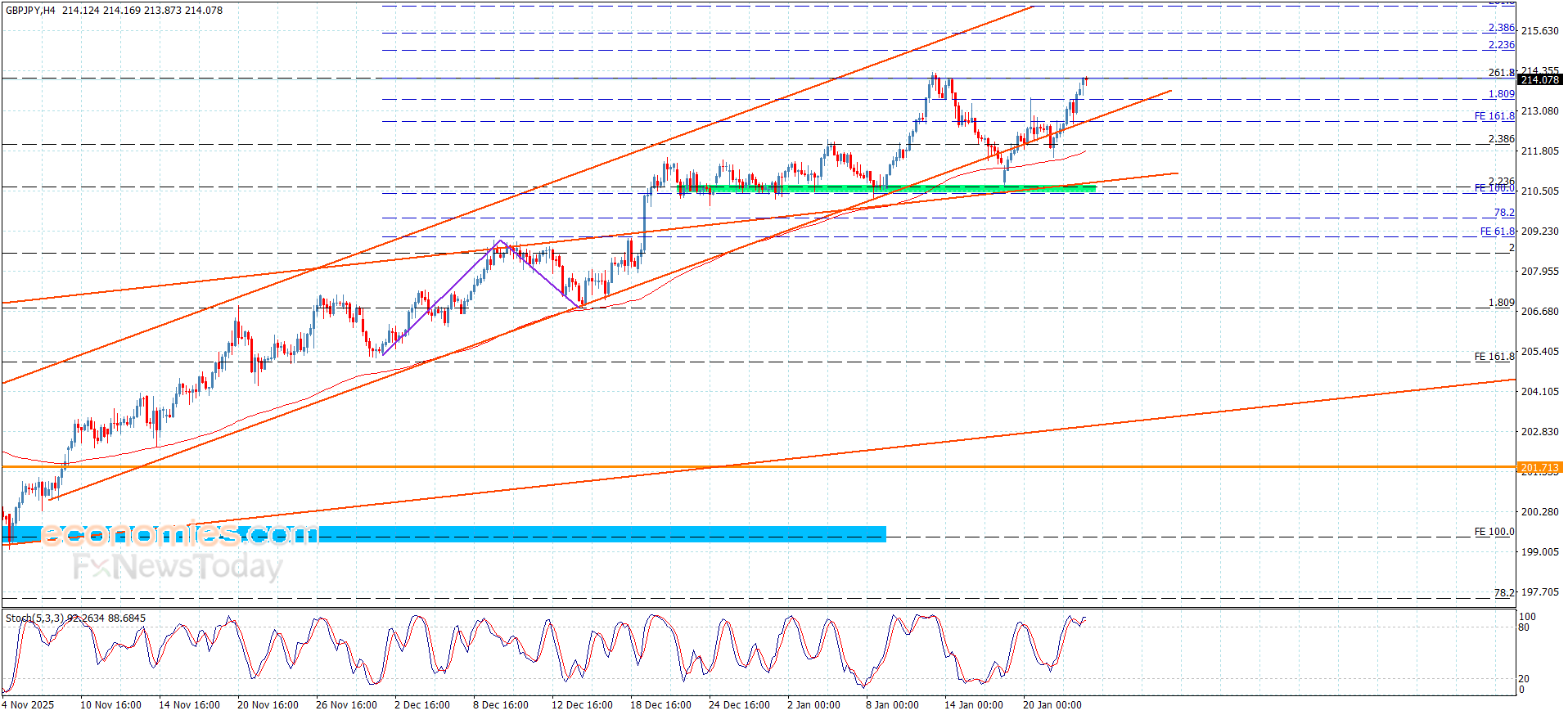
The GBPJPY pair took advantage of the repeated positive pressures to confirm the continuation of the bullish scenario, surpassing the target at 209.85 on Friday forming 261%Fibonacc extension level, to open the way for recording big extra gains by hitting 211.05 level.


Noticing that stochastic reaches the overbought level, which allows it to settle within the minor bullish channel levels, depending on forming extra support at 209.80 level, to expect forming new gains by its rally towards 211.60 reaching the resistance of the bullish channel at 212.25.


The expected trading range for today is between 210.00 and 211.60.


Trend forecast: Bullish


Source link

22 12, 2025

Pound to Dollar Price Forecast: GBP Near 1.34 as Markets Bet on BoE Path

By |2025-12-22T08:57:34+02:00December 22, 2025|Forex News, News|0 Comments


– Written by

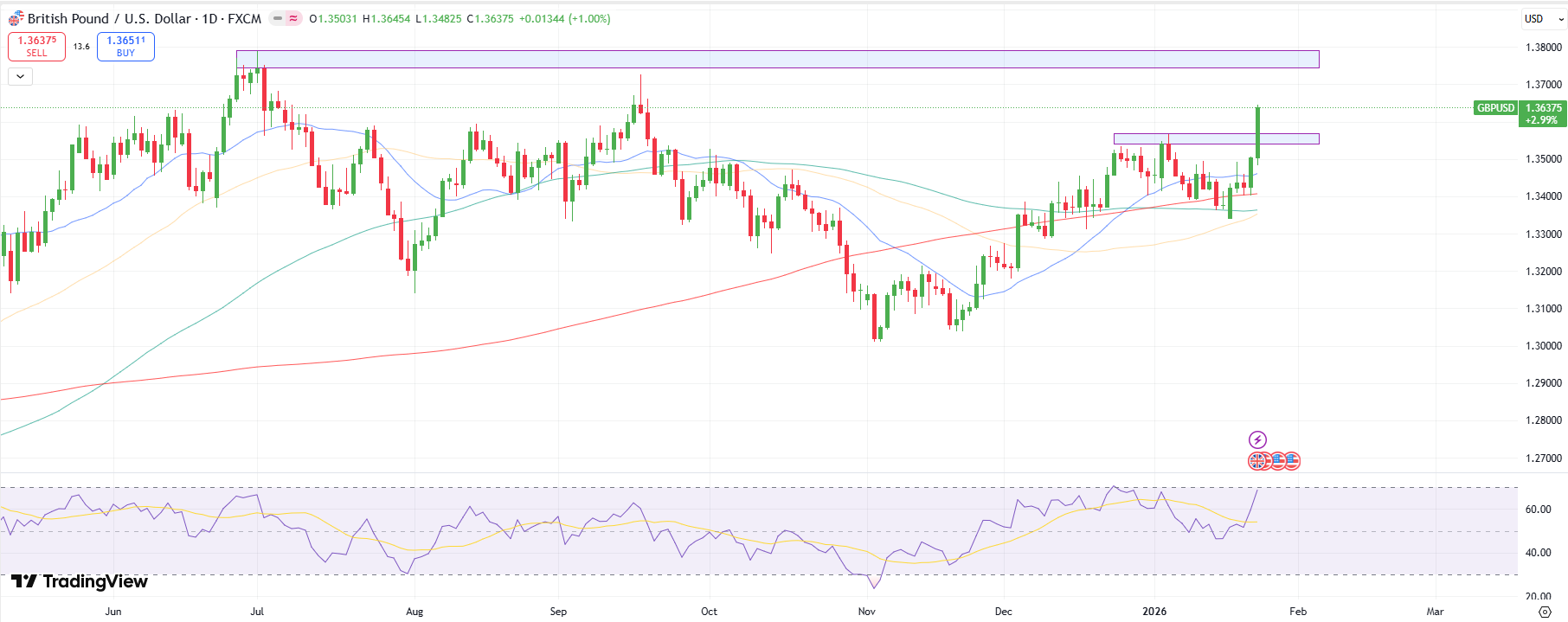
The Pound to Dollar exchange rate (GBP/USD) settled just below 1.34 after failing to hold two-month highs, with markets now focused on how the Bank of England’s easing cycle unfolds.

A narrow 5–4 vote for last week’s rate cut has left uncertainty over the pace of further moves in 2026.

Direction will hinge on whether BoE caution or renewed dollar weakness proves the dominant force.

GBP/USD Forecasts: Betting on the BoE

Nordea forecasts that the Pound to Dollar (GBP/USD) exchange rate will strengthen to 1.41 by the end of 2026 as the dollar loses ground.

CIBC, however, expects GBP/USD will be held to 1.34 in 12 months from a 1.36 peak as the US currency secures a limited second-half recovery.

GBP/USD settled just below 1.34 this week after failing to hold 2-month highs just above 1.3450.

Save on Your GBP/USD Transfer

Get better rates and lower fees on your next international money transfer.
Compare TorFX with top UK banks in seconds and see how much you could save.


Compare the Best GBP/USD Rates »

Monetary policy will be a crucial element throughout the next few months.

The Bank of England (BoE) cut interest rates by 25 basis points to 3.75% at the latest policy meeting, in line with strong consensus forecasts.

There was a 5-4 vote for the move with Governor Bailey switching sides from the November vote and the BoE expects further gradual cuts.

ING commented; “today’s news is helping GBP/USD towards our 2025 year-end target of 1.34, and we are mildly positive here in 2026, looking for 1.36 as the weaker dollar and stronger euro trend start to dominate.”

HSBC expects overall Pound losses with GBP/USD dependent on a US retreat to make gains; “With further rate cuts expected, we think GBP will weaken modestly against G10 currencies in 2026 that have already completed monetary easing cycles or are in the frame to start tightening.”

Yael Selfin, chief economist at KPMG, expects it will be difficult to reach a consensus on rates next year. She expects only two interest rate cuts in 2026, taking rates down to 3.25%.

Federal Reserve policy will also be a key element.

Nordea notes potential threats to US Fed independence; “These institutional risks on the horizon will be key for the dollar’s performance in the coming quarters. Importantly, risks do not need to become a reality to hurt the dollar. The mere prospect of political influence over the Fed can be enough to erode confidence.”

It added; “If markets begin to doubt the Fed’s independence or anticipate more aggressive easing under a reshaped committee, the dollar could face renewed periods of selling as investors demand a higher risk premium to hold the currency.”

CIBC is wary over UK fundamentals; “Uncertainty over the UK budget has also stymied investment in recent quarters with the UK economic surprise Index recently plummeting to levels not seen since the start of 2025. The Misery Index has risen again, exceeding levels seen at the start of 2024.”

The bank does, however, see scope for improvement; “Into the year ahead, we think the big risk is an economy that could see growth outperform a very low base. This could be spurred on by lower interest rates, or a less turbulent political climate relative to this year.

Like this piece? Please share with your friends and colleagues:


International Money Transfer? Ask our resident FX expert a money transfer question or try John’s new, free, no-obligation personal service! ,where he helps every step of the way,
ensuring you get the best exchange rates on your currency requirements.

TAGS: Pound Dollar Forecasts

Source link

22 12, 2025

Japan intervention warning nudges yen stronger, USD/JPY retreats (higher AUD/JPY forecast)

By |2025-12-22T04:54:48+02:00December 22, 2025|Forex News, News|0 Comments

Summary:

  • Japan’s intervention warning gave the yen a modest lift

  • USD/JPY slipped toward 157.25 from highs near 157.75

  • Officials flagged concern over “one-sided and sharp” moves

  • Verbal intervention slowing momentum, not reversing trend

  • AUD/JPY still supported by yield differentials

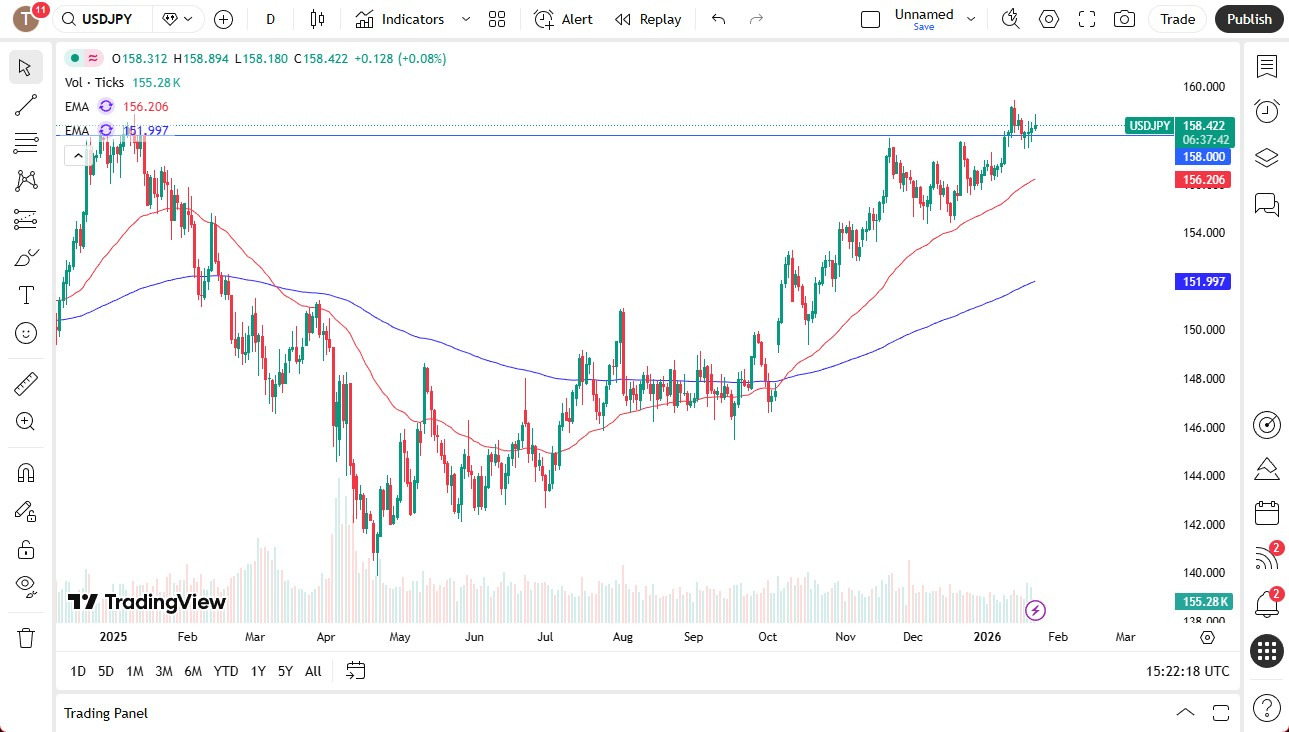
A renewed warning from Japanese officials about the risk of currency intervention has given the yen a modest lift at the start of the week. The move followed comments from Japan’s top currency diplomat, Atsushi Mimura, which pushed USD/JPY about half a big figure lower from earlier highs near 157.75 as I update, to around 157.25.

Mimura said on Monday that authorities are “concerned” about recent foreign-exchange moves, describing them as “one-sided and sharp,” and warned that officials would take “appropriate actions” against excessive volatility. The language was familiar, but the timing — coming so soon after last week’s central bank meeting — has been enough to nudge the market toward trimming short-yen positions.

The remarks followed similar comments late last week from Finance Minister Satsuki Katayama, who also warned that Tokyo would respond appropriately to excessive and speculative yen moves. Together, the statements underline growing discomfort in Tokyo over the pace of yen weakness, particularly given the impact on import prices and household living costs.

While the move in USD/JPY has so far been measured rather than dramatic, it reinforces the sense that official tolerance for renewed yen declines is limited, especially when moves appear disorderly. For now, verbal intervention appears to be doing just enough to slow momentum, even if it has not yet triggered a broader reversal.

Elsewhere in FX, I note earlier commentary from Commonwealth Bank of Australia on AUD/JPY, which continues to find fundamental support from solid risk sentiment and, more importantly, widening interest-rate differentials between Australian and Japanese 10-year government bond yields. That yield gap remains a powerful structural driver for the cross.

CBA’s forecast has AUD/JPY rising to 109 by March 2026, highlighting that while intervention risk may periodically cap yen weakness, broader yield dynamics continue to favour higher AUD/JPY levels over the medium term.

Atsushi Mimura is Japan’s vice finance minister for international affairs — the country’s top currency diplomat — and the official with day-to-day responsibility for overseeing foreign-exchange policy. In practice, Mimura is the key decision-maker on whether Japan intervenes in the FX market, acting under the authority of the finance minister and in coordination with the Bank of Japan, which executes intervention operations on his instruction. He monitors market conditions closely, assesses whether yen moves are excessive, disorderly or driven by speculation, and delivers the government’s verbal warnings that often precede action. When intervention is authorised, Mimura formally directs the BOJ to enter the market, typically through yen-buying operations aimed at stabilising sharp or one-sided moves rather than targeting specific exchange-rate levels.

Atsushi Mimura

Source link

21 12, 2025

Choppy After BoE and CPI (Video)

By |2025-12-21T22:51:38+02:00December 21, 2025|Forex News, News|0 Comments

  • The British pound reacted to central bank decisions and U.S. CPI data with choppy trading, but broader dynamics remain unchanged.
  • Key resistance and support levels continue to define direction, with relative strength versus peers likely to persist.

The British pound has been very noisy during trading on Thursday, which is not a huge surprise considering that we had the Bank of England interest rate decision during the day. On the other side of the Atlantic, we had the CPI numbers come out of the United States. The English cut their rates as anticipated. The CPI numbers in the United States came in much weaker than anticipated. So this has helped lift the British pound just a touch.

That being said, I don’t know that anything has changed. The interest rate differential, which of course changed when the Federal Reserve cut rates last week, is now gone. And now we have a situation where we have to question whether or not the US starts slowing down, because if the US starts slowing down, typically what follows is the rest of the world slowing down. So you see an initial move against America, only to turn around and run back to America via currency markets and more specifically the bond market, which, of course, is a main driver of the currency market.

Key Levels and Relative Strength Outlook

As things stand right now, it looks like the 1.34 level continues to be massive resistance or more or less a magnet for price. And it’s really not until we break above the 1.35 level that I think the British pound has the all clear to go higher. In that environment, we could go looking to the 1.3750 level. Just have to wait and see.

To the downside, if we can break down below the Wednesday candlestick, I think at that point in time, I might start shorting this pair. It could open up a move down to 1.32 and then eventually 1.30 over the longer term. Nonetheless, I would say this about the British pound. It has outperformed most of its contemporaries against the US dollar both up and down over the last couple of years. And I anticipate that to continue being the case here, as the US dollar is the main driver of Forex markets, but it’s a relative game and relatively speaking, the pound is stronger than most other currencies.

Ready to trade our daily GBP/USD Forex forecast? Here’s some of the best forex broker UK reviews to check out.

Christopher Lewis has been trading Forex and has over 20 years experience in financial markets. Chris has been a regular contributor to Daily Forex since the early days of the site. He writes about Forex for several online publications, including FX Empire, Investing.com, and his own site, aptly named The Trader Guy. Chris favours technical analysis methods to identify his trades and likes to trade equity indices and commodities as well as Forex. He favours a longer-term trading style, and his trades often last for days or weeks.

Source link

21 12, 2025

Weekly Forex Forecast – 21th to 26th December 2025 (Charts)

By |2025-12-21T14:47:33+02:00December 21, 2025|Forex News, News|0 Comments

I wrote on the 14th December that the best trades for the week would be:

  1. Long of the S&P 500 Index following a daily close above 6,920. This did not set up.
  2. Long of Silver with half the normal position size following a daily close above $63.57. This set up on Wednesday, and a gave a winning trade worth 1.37%.
  3. Long of Gold with half the normal position size following a daily close above $4,355.80. This did not set up.

Overall, these trades gave a gain of 0.46% per asset.

A summary of last week’s most important data:

  1. US CPI (inflation) – markets were surprised by a notably lower US inflation rate. An annualized rate of 2.7% was recorded while 3.1% was expected. According to the CME FedWatch tool, markets are still only pricing in two Fed rate cuts of 0.25% each for 2026, but expectations have shifted towards cuts. Despite this dovish tilt the US Dollar rose on the news, suggesting markets have become much less concerned with inflation, and are tending towards President Trump’s view that inflation is no longer a major concern.
  2. US Average Hourly Earnings – was expected to show a month-on-month increase of 0.3%, but came in at only 0.1%, suggesting lowering wage inflation pressures. That is another dovish signal for the USA.
  3. US Non-Farm Employment Change – this was approximately as expected.
  4. European Central Bank Policy Meeting – there were no surprises here.
  5. Bank of Japan Policy Meeting – a rate hike of 0.25% was delivered as expected. However, the big news was in the Bank’s statement that its real rate of interest (the interest rate minus the rate of inflation) would remain negative for the foreseeable future. This had a strong dovish effect on the Yen, it was about as dovish a hike as you could possibly imagine.
  6. US Retail Sales – this was flat, one tick lower than expected, suggesting a slowing US economy.
  7. Bank of England Policy Meeting – a rate cut of 0.25% was delivered as expected. There were no surprises.
  8. Canadian CPI (inflation) – as expected, it showed a month-on-month increase of 0.1%.
  9. UK CPI (inflation) – this was expected to show an annualised rate of 3.5%, but it came in surprisingly lower at 3.2%, which is a bit of a dovish tilt for the Pound.
  10. US / UK / Germany PMI Flash Services & Manufacturing – Germany and USA data was a bit worse than expected, but the UK was a little better than expected.
  11. New Zealand GDP – it was expected to show fairly strong quarterly growth of 0.8% but came in even higher at 1.1%.
  12. US Unemployment Rate – one tick higher than expected, at 4.6%, suggesting a slowing US economy.
  13. UK Retail Sales – this was considerably worse than expected, showing a slight contraction, which is a sign of a slowing UK economy.
  14. UK Claimant Count Change – approximately as expected.

Last week’s data had a marginal impact, with one exception: the Bank of Japan. Although this rate hike was expected, the Bank said that it could be expected that real interest rates will remain negative. This was a dovish shock, which sent the Yen tumbling, with every major currency gaining firmly against it. The Yen now looks like a great bet as a short component of any long-term trade, with some analysts now seeing it as the new Turkish Lira, but with a much cheaper spread.

The other thing which really stood out last week was the way market shrugged off a surprising drop in US inflation data. This did give the stock market a bit of a boost, but it was nothing special, and the S&P 500 Index is still off its recent high, even as we head towards the end of the year. This suggests two things might be true:

  1. The US stock market’s bull market is exhausted.
  2. Markets are no longer much concerned about high inflation in the USA, even though the rate is above the Fed’s target of 2%.

It is notable that the lower inflation rate has not shifted rate cut expectations for 2026 in a decisive way.

Finally, precious metals continued to rise strongly over the past week, which along with the Japanese Yen is probably the main thing for traders to be watching now. Arguably, the continuing rate cuts we are seeing by major central banks is giving precious metals a strong tailwind.

The coming week includes the Christmas holiday, which includes public holidays in several major markets on Thursday and Wednesday or Friday in some cases. This will almost definitely mean a much less liquid and active market than usual.

We are likely to see a decrease in volatility this week. There is almost no high-impact data due.

This week’s most important data points, in order of likely importance, are:

  1. US Preliminary GDP
  2. Canadian GDP
  3. US Unemployment Claims

Currency Price Changes and Interest Rates

For the month of December 2025, I made no forecast.

Last week, I made no forecast, as there were no recent excessive moves in currency crosses.

The US Dollar was the strongest major currency last week, while the Japanese Yen was the weakest. Directional volatility fell again last week, with only 11% of all major pairs and crosses changing in value by more than 1%.

Next week’s volatility will almost certainly be even lower.

You can trade these forecasts in a real or demo Forex brokerage account.

Weekly Forex Forecast – 21th to 26th December 2025 (Charts)

Key Support and Resistance Levels

Last week, the US Dollar Index printed a bullish pin bar. The price is now above its levels of 13 weeks ago and of 26 weeks ago, so by my preferred metric, I declare a long-term bullish trend. The problem with that though, is that the price is just consolidating, and there is very low separation within that metric, so I have no faith in it.

US inflation came in unexpectedly low last week, but the Dollar rose. You could say that is a bullish sign for the greenback, with the market ignoring bearish news. However, the inflation print did not significantly shift rate cut expectations, so I don’t see this as a bullish sign.

I take no bias on the US Dollar right now.

Weekly Forex Forecast – 21th to 26th December 2025 (Charts)US Dollar Index Weekly Price Chart

The USD/JPY currency pair weekly chart printed a powerful bullish engulfing (outside) candlestick that is very close to testing the 2025 high. The price closed right on its high. There are lots of bullish signs here.

Drilling down, this is really about the Japanese Yen and not the US Dollar – the greenback, as I have already said, is consolidating, although it may be a bit bullish. The Yen is the big story, and it all happened on Friday when the Bank of Japan made a rate cut but effectively committed to keeping negative real interest rates for the foreseeable future, because it cannot service the huge level of debt in Japan without this. This signifies that the BoJ is happy to let the Yen depreciate, provided the moves are orderly and within an acceptable range of volatility.

It is rare for traders to get a signal from a central bank that is tradable, but we have one now. There may be pullbacks and the moves may be slow, but short Japanese Yen looks like an excellent medium to long-term bet.

I am long this currency pair. Over the short-term bulls might do well to be mindful of the swing high at ¥158.88.

Weekly Forex Forecast – 21th to 26th December 2025 (Charts)

USD/JPY Price Chart

The CHF/JPY currency cross weekly chart printed a powerful bullish candlestick that reached an all-time high price. This alone is a notably bullish sign but just look at the orderly ascending trend we have seen here since March this year, shown by the linear regression price channel study in the price chart below.

I usually ignore trends in currency crosses, but this is a powerful one. There are also good fundamental reasons why the Swiss Franc has been the strongest major currency over the long term, and the Japanese Yen has been the weakest.

The Swiss Franc has a zero interest rate but deflation, so the currency is naturally appreciating, while the Japanese Yen has been declining for a long time due to an ultra-loose monetary policy. The Bank of Japan said on Friday it would maintain negative real interest rates even as it begins to hike, and that has been enough to send the Yen tumbling and giving a very strong signal that the Yen is likely to decline further.

I will not be going long here myself, but it is something other traders might want to investigate and consider. As the USD is not doing very much and the bet here is short Yen, it might make sense to be long of a basket of currencies or assets against the Yen, and the Swiss Franc should probably be included in that.

Weekly Forex Forecast – 21th to 26th December 2025 (Charts)

CHF/JPY Weekly Price Chart

The daily price chart below shows that this major US stock index gained slightly last week, after coming very close to breaking its record high just a few weeks ago. It ended Friday right on its high, which is a bullish sign, and within reach of its record high.

Although the chart looks technically bullish, I think the boost here is all about the lower-than-expected US inflation data which was released on Thursday. The Index had been falling steadily over the past week until that release.

The all-time high here is not far from the big round number at 7,000. As we are about to enter a low-liquidity market period, I think it will be wise to only enter a new long trade here if we get a daily close above that level, without a significant upper wick on the daily candlestick used to trigger the entry.

Weekly Forex Forecast – 21th to 26th December 2025 (Charts)

S&P 500 Index Daily Price Chart

A few weeks / months ago, Silver was in a strong bullish trend which saw the price increase by about 50% in only two months. The rise peaked in October and saw quite a strong retracement, which is usually a sign that the price is not going to make new highs soon. This bearish outlook was reinforced by what seemed to be a bearish double top formed just five weeks ago. However, the price has come up again and then made a very strong bullish breakout with an unusually large move.

We saw a further gain last week as the outsize bullish momentum continued. Volatility is high and the moves can be messy but it’s a bullish breakout that continues to advance.

Another bullish factor is that all the major precious metals rose in value last week, although there is no doubt the Silver is leading the way.

Be mindful of the high volatility, but as last week saw another very bullish move and ended very close to the high, I think being long here is a good idea, but a half normal position size is probably wise.

Weekly Forex Forecast – 21th to 26th December 2025 (Charts)

Silver Weekly Price Chart

Platinum had its best week last week in years. It ended the week right at its high, and above the round number at $2,000. Platinum has not reached these prices since 2008.

With the strong advances we are seeing in several other precious metals, it makes sense to be long here, but of course the high recent volatility makes it very easy for a stop loss to be hit if you are using a long-term ATR to size your stop loss and position size, so be mindful of that.

It might be wise for any new entry to be made with half normal position size.

Weekly Forex Forecast – 21th to 26th December 2025 (Charts)

Platinum Weekly Price Chart

All precious metals have been rising as an asset class, partly fueled by Fed policies and the declining Dollar, partly due to safe haven inflow.

Silver has clearly been leading the way, but these past two weeks have seen the price Gold start to catch up with a minor bullish breakout beyond the $4,270 area. The price got close to the record high last week, but the weekly candlestick was a small doji, which signifies indecision.

I will keep a close eye on Gold and enter a new long trade if we get a daily close above the record high, at or above $4,355.80.

If this long trade sets up, as the progress upwards has been steadier and more orderly than what we have seen in Silver, you might keep a normal position size. I prefer to use half my normal position size.

Weekly Forex Forecast – 21th to 26th December 2025 (Charts)

Gold Weekly Price Chart

I see the best trades this week as:

  1. Long of the USD/JPY currency pair.
  2. Long of the S&P 500 Index following a daily close above 7,000.
  3. Long of Silver with half the normal position size.
  4. Long of Platinum with half the normal position size.
  5. Long of Gold with half the normal position size following a daily close above $4,355.80.

Ready to trade our weekly Forex forecast? Check out our list of the top 100 Forex brokers.

Source link

19 12, 2025

Forecast update for EURUSD -19-12-2025.

By |2025-12-19T20:26:33+02:00December 19, 2025|Forex News, News|0 Comments

The EURNZD attempted to recover more of the losses by its rally towards 2.0395, to face a strong barrier, which forces it to reach 2.0270 to confirm the dominance of the bearish bias in the current trading.


The stability below the previously mentioned barrier and providing negative momentum by stochastic will increase the efficiency of the bearish track, to expect reaching 2.0225 and surpassing it will renew the pressure on the main support at 2.0060.


The expected trading range for today is between 2.0225 and 2.0370


Trend forecast: Bearish


Source link

19 12, 2025

Hits fresh highs above 209.00 due to persistent bullish bias

By |2025-12-19T18:25:36+02:00December 19, 2025|Forex News, News|0 Comments

GBP/JPY reaches fresh record highs after registering little losses in the previous session, trading at 209.18 during the early European hours on Friday. A look at the daily chart shows the currency cross is moving upwards within an ascending channel pattern, indicating a persistent bullish bias.

The nine-day Exponential Moving Average (EMA) rises above the 50-day EMA, reinforcing the upside. The GBP/JPY cross holds above both averages, confirming trend strength. Additionally, the 14-day Relative Strength Index (RSI), a key momentum gauge, at 66.90 remains bullish, shy of overbought. RSI has improved in recent sessions, supporting continuation.

The GBP/JPY cross may further hit fresh highs near 210.00. A break above this psychological level could extend the advance toward the upper boundary of the ascending channel around 213.10. Short-term momentum stays firm as ascending averages help contain pullbacks and preserve the upward bias.

On the downside, the GBP/JPY cross may find its primary support at the nine-day EMA of 208.10, followed by the lower ascending channel boundary around 207.50. Further declines below the channel would weaken the bullish bias and put downward pressure on the currency cross to test the 50-day EMA at 205.10.

GBP/JPY: Daily Chart

Japanese Yen Price Today

The table below shows the percentage change of Japanese Yen (JPY) against listed major currencies today. Japanese Yen was the weakest against the British Pound.

USD EUR GBP JPY CAD AUD NZD CHF
USD 0.07% -0.01% 0.37% 0.06% 0.07% 0.22% 0.15%
EUR -0.07% -0.08% 0.33% -0.00% -0.00% 0.16% 0.08%
GBP 0.01% 0.08% 0.42% 0.08% 0.07% 0.23% 0.16%
JPY -0.37% -0.33% -0.42% -0.32% -0.32% -0.18% -0.24%
CAD -0.06% 0.00% -0.08% 0.32% -0.01% 0.14% 0.08%
AUD -0.07% 0.00% -0.07% 0.32% 0.00% 0.15% 0.08%
NZD -0.22% -0.16% -0.23% 0.18% -0.14% -0.15% -0.07%
CHF -0.15% -0.08% -0.16% 0.24% -0.08% -0.08% 0.07%

The heat map shows percentage changes of major currencies against each other. The base currency is picked from the left column, while the quote currency is picked from the top row. For example, if you pick the Japanese Yen from the left column and move along the horizontal line to the US Dollar, the percentage change displayed in the box will represent JPY (base)/USD (quote).

(The technical analysis of this story was written with the help of an AI tool.)

Source link

19 12, 2025

USDJPY News Today: Yen Weakens as Bank of Japan Hikes Rates, December

By |2025-12-19T16:24:35+02:00December 19, 2025|Forex News, News|0 Comments

The Bank of Japan’s recent decision to hike interest rates to unprecedented levels has sent the Japanese yen weaker against the dollar. This move reflects Japan’s ongoing efforts to normalize its monetary policy, marking the highest rates in 30 years. The implications are significant, not only for the USDJPY currency pair but also for Japanese government bond (JGB) yields, impacting traders and investors globally.

Bank of Japan’s Rate Hike and Its Implications

The Bank of Japan’s decision to increase interest rates is a noteworthy shift from its long-standing low-rate environment. This push is part of a broader strategy to combat inflation while moving towards policy normalization. By raising rates, the central bank aims to stabilize the economy without stifacing growth, a delicate balance following years of economic stagnation.

This decision has led to the depreciation of the Japanese yen, which has softened against the US dollar. The USDJPY fluctuation reflects global investor reactions, with currency traders adjusting positions in anticipation of further policy changes. For Japan, this is a step towards aligning with other major economies that have been gradually hiking rates post-pandemic.

Impact on Japanese Government Bond Yields

As the Bank of Japan hikes rates, Japanese government bond (JGB) yields have naturally risen, attracting attention from both domestic and international investors. Higher yields often mean better returns, driving more investment into these bonds.

However, the rise in yields also points to potential risks. If yields rise too sharply, it could disrupt Japan’s financial markets by increasing government borrowing costs. This can impact fiscal policies and potentially slow down economic recovery efforts. Currently, the JGB market remains under close watch, as increased yields signal shifting investor sentiment and potential adjustments in inflation expectations.

USDJPY Forecast and Market Sentiment

The impact of Japan’s rate hike is visible in the USDJPY trading dynamics, with further volatility expected. Market analysts are now revising their forecasts for USDJPY, considering the dual influence of US monetary policies and Japan’s rate changes.

According to a forecast by Forex.com, we could see the USDJPY move in a tight range until further definitive policy statements are made by the Bank of Japan (source). Meanwhile, the Nikkei 225 (^N225) has experienced minor fluctuations, indicating uncertainty amidst investors processing the rate news and its broader market implications.

Investor Insights from the Meyka Platform

Investors using Meyka, an AI-powered platform, have access to real-time financial insights and predictive analytics. These tools are particularly valuable in volatile periods like these, where data-driven decisions can significantly impact portfolio performance.

By employing Meyka’s analytics, traders can monitor key indicators, such as changes in currency pairs and bond yields. This empowers them to make informed decisions, navigate market volatility, and optimize trading strategies, ensuring they stay ahead in a fast-evolving financial landscape.

Final Thoughts

The Bank of Japan’s rate hike has ripple effects across the financial landscape. As the yen weakens and bond yields rise, investors remain on high alert for further policy shifts. Understanding these developments is crucial for those trading in USDJPY or holding JGBs.

Platforms like Meyka offer invaluable tools for investors to track these changes and predict future trends. Staying informed and adaptable has never been more crucial as global economic policies continue to evolve. By leveraging data and insights, investors can better navigate these uncertain tides and align their strategies with emerging financial realities.

FAQs

How does the Bank of Japan’s rate hike impact the Japanese yen?

The rate hike has led to a weaker Japanese yen against the U.S. dollar as investors adjust to new economic signals and altered yield expectations. This impacts currency traders and cross-border financial dynamics.

What are Japanese government bonds and how do they respond to rate changes?

Japanese government bonds (JGBs) are debt securities issued by Japan. When rates rise, JGB yields typically increase, attracting more investors but also raising borrowing costs, which can influence fiscal policies.

What is the future outlook for the USDJPY currency pair?

The USDJPY is expected to experience continued volatility as both U.S. and Japanese monetary policies evolve. Traders should monitor policy announcements from the Bank of Japan and Federal Reserve for further insight.

Disclaimer:

The content shared by Meyka AI PTY LTD is solely for research and informational purposes. 
Meyka is not a financial advisory service, and the information provided should not be considered investment or trading advice.

Source link

19 12, 2025

Bulls show signs of exhaustion after key events

By |2025-12-19T14:23:35+02:00December 19, 2025|Forex News, News|0 Comments

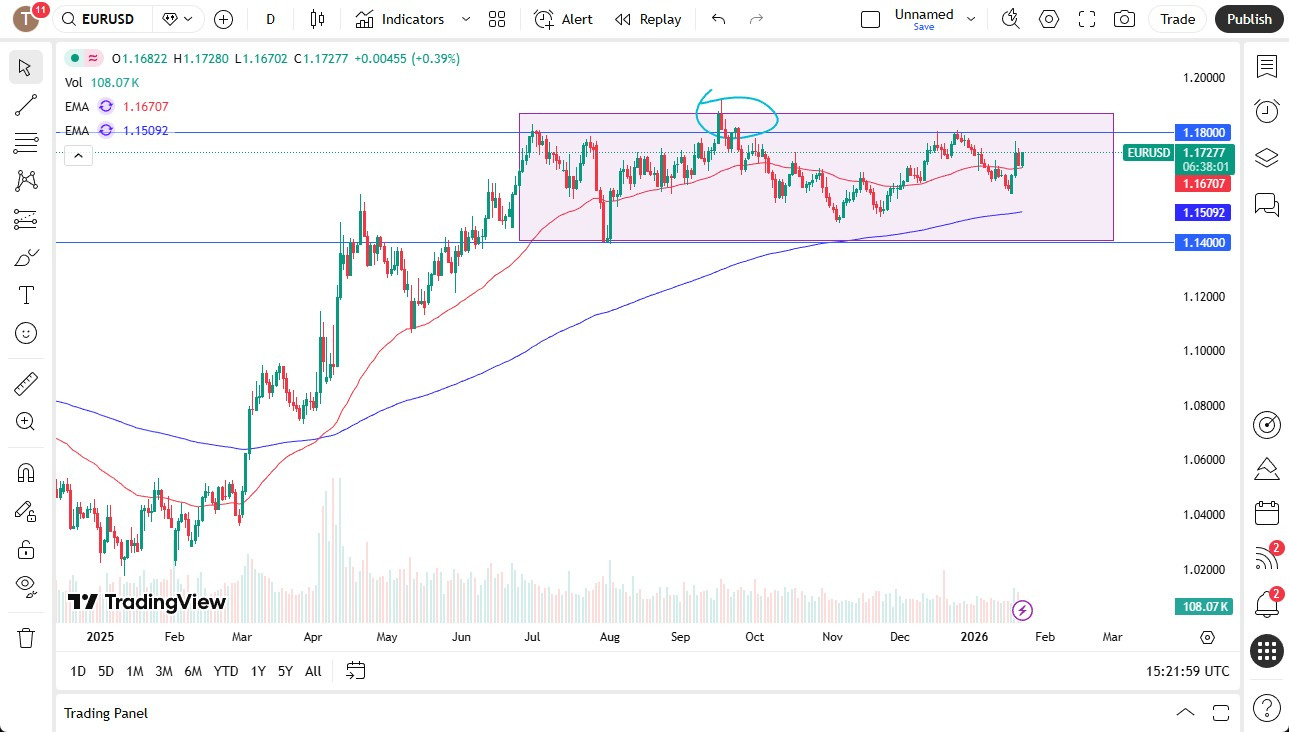
EUR/USD fluctuates in a tight channel above 1.1700 after posting marginal losses on Thursday. The pair’s technical outlook points to a lack of buyer interest in the short term.

Euro Price This week

The table below shows the percentage change of Euro (EUR) against listed major currencies this week. Euro was the strongest against the New Zealand Dollar.

USD EUR GBP JPY CAD AUD NZD CHF
USD 0.22% 0.06% 0.33% 0.17% 0.66% 0.73% -0.11%
EUR -0.22% -0.16% 0.09% -0.05% 0.47% 0.50% -0.32%
GBP -0.06% 0.16% 0.38% 0.12% 0.63% 0.67% -0.17%
JPY -0.33% -0.09% -0.38% -0.15% 0.35% 0.39% -0.22%
CAD -0.17% 0.05% -0.12% 0.15% 0.49% 0.55% -0.13%
AUD -0.66% -0.47% -0.63% -0.35% -0.49% 0.04% -0.79%
NZD -0.73% -0.50% -0.67% -0.39% -0.55% -0.04% -0.83%
CHF 0.11% 0.32% 0.17% 0.22% 0.13% 0.79% 0.83%

The heat map shows percentage changes of major currencies against each other. The base currency is picked from the left column, while the quote currency is picked from the top row. For example, if you pick the Euro from the left column and move along the horizontal line to the US Dollar, the percentage change displayed in the box will represent EUR (base)/USD (quote).

EUR/USD gathered bullish momentum and climbed above 1.1760 in the early American session on Thursday as markets reacted to the European Central Bank’s (ECB) policy announcements and soft inflation data from the US.

The ECB left key rates unchanged as widely expected and the new economic projections showed that the economic growth forecasts has been revised up to 1.4% in 2025, 1.2% in 2026 and 1.4% in 2027. In the post-meeting press conference, ECB President Christine Lagarde explained that they can’t offer forward guidance on policy, given the uncertainty surrounding the outlook. Lagarde also noted that they don’t target exchange rates but added that they pay close attention to the Euro’s appreciation.

The US Bureau of Labor Statistics (BLS) reported on Thursday that annual inflation, as measured by the Consumer Price Index (CPI), softened to 2.7% in November. In this period, the core CPI rose by 2.6%. Both of these readings came in below analysts’ estimate and caused the USD to come under bearish pressure with the immediate reaction.

Later in the American session, the negative shift seen in risk mood supported the USD and forced EUR/USD to reverse its direction. Existing Home Sales data for November and the final revision to the University of Michigan’s Consumer Sentiment Index data for December will be featured in the economic calendar, which are unlikely to trigger a significant market reaction.

In case markets remain risk-averse with a bearish opening in Wall Street, EUR/USD could have a difficult time regaining its traction heading into the weekend. At the time of press, US stock index futures were trading mixed. Additionally, end-of-the-week flows ahead of the Christmas holiday could ramp up the pair’s volatility and cause irregular movements.

Technical Analysis:

The 20-period Simple Moving Average (SMA) has flattened just above price at 1.1738, capping near-term upside. The 50-period SMA rises at 1.1715, while the 100- and 200-period SMAs climb at 1.1670 and 1.1615, keeping the broader tone supported. However, the Relative Strength Index (14) sits at 46, below the midline, pointing to subdued momentum.

The lower limit of the ascending regression channel and the 50-period SMA offer immediate support at 1.1715, just before the rising trend line at 1.1695. Below the latter, 1.1670 (100-period SMA) and 1.1615 (200-period SMA) could be seen as next support levels.

On the upside, immediate resistance aligns at 1.1765 (mid-point of the ascending channel), followed by 1.1820 (upper limit of the ascending channel).

(The technical analysis of this story was written with the help of an AI tool)

Euro FAQs

The Euro is the currency for the 20 European Union countries that belong to the Eurozone. It is the second most heavily traded currency in the world behind the US Dollar. In 2022, it accounted for 31% of all foreign exchange transactions, with an average daily turnover of over $2.2 trillion a day.
EUR/USD is the most heavily traded currency pair in the world, accounting for an estimated 30% off all transactions, followed by EUR/JPY (4%), EUR/GBP (3%) and EUR/AUD (2%).

The European Central Bank (ECB) in Frankfurt, Germany, is the reserve bank for the Eurozone. The ECB sets interest rates and manages monetary policy.
The ECB’s primary mandate is to maintain price stability, which means either controlling inflation or stimulating growth. Its primary tool is the raising or lowering of interest rates. Relatively high interest rates – or the expectation of higher rates – will usually benefit the Euro and vice versa.
The ECB Governing Council makes monetary policy decisions at meetings held eight times a year. Decisions are made by heads of the Eurozone national banks and six permanent members, including the President of the ECB, Christine Lagarde.

Eurozone inflation data, measured by the Harmonized Index of Consumer Prices (HICP), is an important econometric for the Euro. If inflation rises more than expected, especially if above the ECB’s 2% target, it obliges the ECB to raise interest rates to bring it back under control.
Relatively high interest rates compared to its counterparts will usually benefit the Euro, as it makes the region more attractive as a place for global investors to park their money.

Data releases gauge the health of the economy and can impact on the Euro. Indicators such as GDP, Manufacturing and Services PMIs, employment, and consumer sentiment surveys can all influence the direction of the single currency.
A strong economy is good for the Euro. Not only does it attract more foreign investment but it may encourage the ECB to put up interest rates, which will directly strengthen the Euro. Otherwise, if economic data is weak, the Euro is likely to fall.
Economic data for the four largest economies in the euro area (Germany, France, Italy and Spain) are especially significant, as they account for 75% of the Eurozone’s economy.

Another significant data release for the Euro is the Trade Balance. This indicator measures the difference between what a country earns from its exports and what it spends on imports over a given period.
If a country produces highly sought after exports then its currency will gain in value purely from the extra demand created from foreign buyers seeking to purchase these goods. Therefore, a positive net Trade Balance strengthens a currency and vice versa for a negative balance.

Source link

19 12, 2025

The GBPJPY remains bullish– Forecast today – 19-12-2025

By |2025-12-19T12:22:55+02:00December 19, 2025|Forex News, News|0 Comments

Platinum price provided sideways trading due to its stability below the barrier of $1960.00, which forms %161.8 Fibonacci extension level, forcing it to decline temporarily towards $1890.00.


The continuation of providing mixed trading is expected until breaching the barrier, to confirm its readiness to achieve new historical gains that might begin from $2000.00 psychological barrier, while breaking the extra support at $1860.00 level will force it to provide strong corrective trading, to expect reaching $1835.00 and $1790.00.


The expected trading range for today is between $1870.00 and $ 1960.00


Trend forecast: Fluctuated within the bullish track


Source link

Go to Top