The main tag of NFT News Today Articles.
You can use the search box below to find what you need.
[wd_asp id=1]

1 12, 2025
Bitget Wallet Launches Crypto Card with LINE NEXT, Engaging 130M Mini Dapp Users in Stablecoin Payments

By |2025-12-01T15:18:21+02:00December 1, 2025|News, NFT News|0 Comments


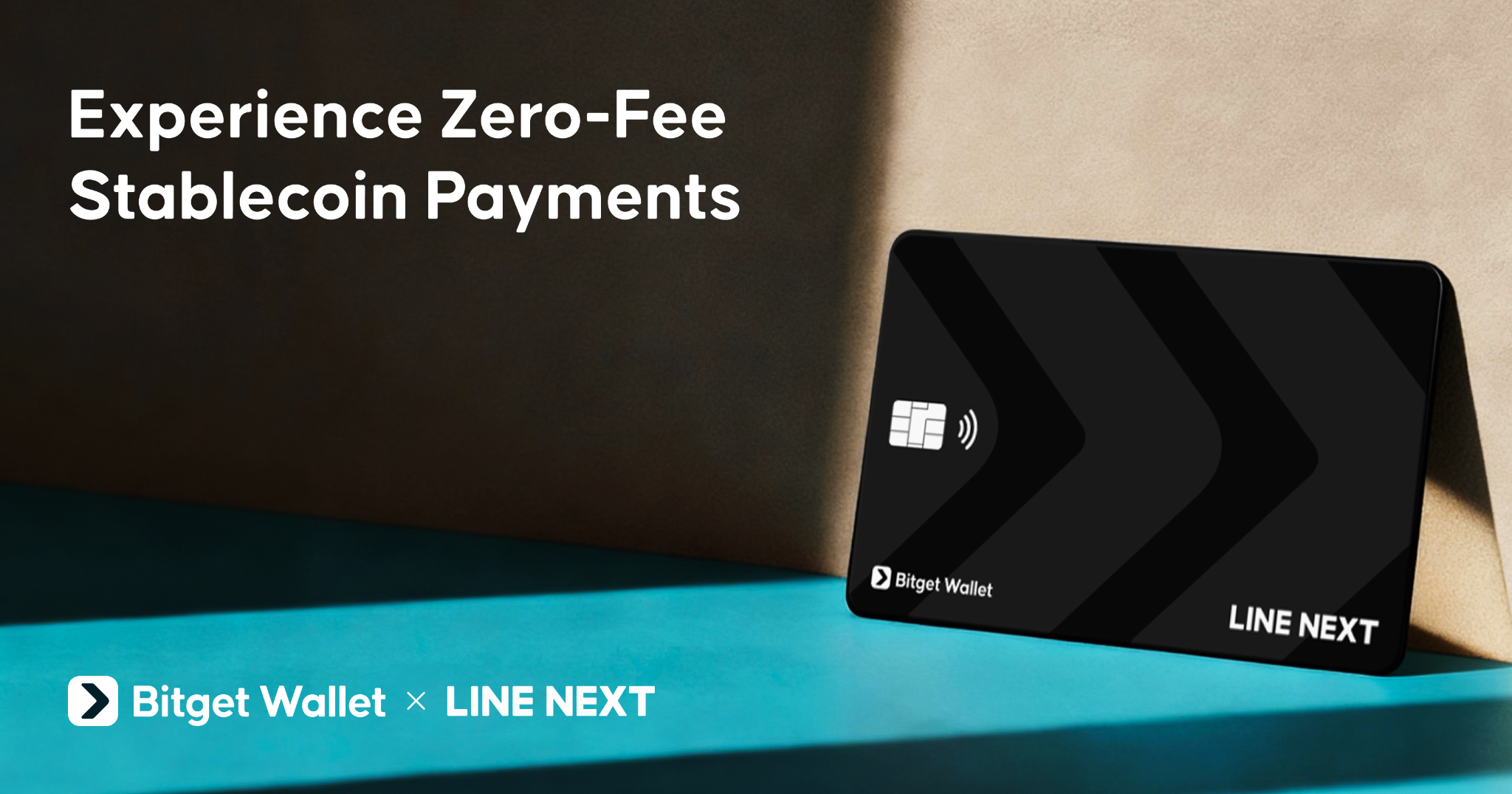
SAN SALVADOR, El Salvador, Dec. 01, 2025 (GLOBE NEWSWIRE) — Bitget Wallet, the everyday finance app, has launched a global co-branded crypto card program, introducing a new partnership with LINE NEXT Inc., LINE’s venture dedicated to developing and expanding the Web3 ecosystem. The collaboration introduces the LINE NEXT × Bitget Wallet Card, which supports zero-fee USDT and USDC spending across Visa and Mastercard networks.

The initiative builds on Bitget Wallet’s zero-fee crypto card already available in over 50 markets across Europe, Latin America and Asia-Pacific. The card offsets FX markups, top-up charges and conversion spreads — fees that can reach up to 7% on traditional or crypto-linked cards — resulting in settlement rates that closely follow Google’s real-time exchange data. Users can link the card to Google Pay, Apple Pay, LINE Pay, Alipay and WeChat Pay for virtual and in-store payments.

Through the co-brand model, partners can launch their own card faces and loyalty features, while users can personalize designs directly in the app. Earlier collaborations with Web3 communities such as Shiba Inu and Taiko indicate rising demand for branded financial tools that support everyday crypto spending.

LINE NEXT’s collaboration on the co-branded card aligns with its broader push into digital asset and stablecoin initiatives, including plans reported earlier to bring stablecoins into its ecosystem for use across LINE NEXT’s Mini Dapp. With nearly 130 million registered users for Mini Dapp, LINE NEXT becomes one of the largest Web3 user ecosystems to integrate a crypto-linked payment card — a category expanding quickly in Asia-Pacific, where mobile commerce and loyalty-driven products continue to grow.

“Co-branded cards allow communities and platforms to link digital ownership with real-world spending,” said Jamie Elkaleh, CMO of Bitget Wallet. “Our goal is to pair a no-fee stablecoin payment experience with branded card designs and benefits that fit the culture of each audience.”

The co-branded card forms part of the Bitget Wallet Pay suite, which spans crypto cards, QR-based payments, bank transfers and an in-app shop for online purchases. The multi-rail system is designed to make stablecoins usable for cross-border and everyday payments while preserving user custody. It continues Bitget Wallet’s mission to expand fair and inclusive access to crypto, bringing simple and transparent financial tools to a wider global audience.

As part of the rollout, LINE NEXT’s Mini Dapp users can access a limited-time campaign offering an exclusive LINE NEXT × Bitget Wallet Card design, free activation and USDC cashback on their first payment. The card will also be used in LINE NEXT’s Mini Dapp ecosystem campaign, where users engaging with titles such as Dapp Portal, Fate War, TOFU Story, Cashpang and Puzzle & Guardians can unlock additional rewards, including entry into a limited-time lucky draw.

For more information, users can visit Bitget Wallet’s blog and the campaign page

About Bitget Wallet
Bitget Wallet is an everyday finance app built to make crypto simple, secure, and part of everyday finance. Serving over 80 million users, it bridges blockchain rails with real-world finance, offering an all-in-one platform to buy/sell, trade, earn, and spend crypto seamlessly. Users can explore millions of assets, grow their wealth, and make everyday payments — all while maintaining full ownership of their funds, safeguarded by advanced security and a $700 million protection fund. Bitget Wallet embodies the vision of Crypto for Everyone — empowering people to access faster, fairer, and borderless financial opportunities.

For more information, visit: X | LinkedIn | Telegram | YouTube | TikTok | Discord | Facebook

For media inquiries, contact media.web3@bitget.com

About LINE NEXT Inc.
LINE NEXT Inc., LINE’s venture dedicated to developing and expanding the Web3 ecosystem, providing new digital experiences, and leading Web3 innovation.

A photo accompanying this announcement is available at https://www.globenewswire.com/NewsRoom/AttachmentNg/d69a2d90-a16e-47ac-85b8-6e1ea23946ef



Source link

1 12, 2025

Bitcoin Drops to $87K Amid Yearn’s yETH Exploit

By |2025-12-01T05:12:05+02:00December 1, 2025|News, NFT News|0 Comments


Bitcoin , ether and other major tokens slipped early Monday, extending a bruising November close amid fresh panic from DeFi platform Yearn Finance.

BTC, the leading cryptocurrency by market value, fell over 3% to nearly $87,000 during the early Asian trading hours. Ethereum’s native token ETH fell 5% while SOL, DOGE, XRP fell over 4%, according to CoinDesk data.

The sell-off accelerated hours after Yearn’s X alert flagged an “incident” in the yETH liquidity pool while mentioning that its V2 and V3 Vaults remain secure and unaffected.

Social media chatter suggested that the attacker exploited a vulnerability to mint vast amounts of yETH in a single transaction, draining the liquidity pool and making off with around 1,000 ETH ($3 million), which was routed through mixers. YETH is a user-governed liquidity pool token consisting of various Ethereum Liquid Staking Derivatives (LSTs).

The protocol lost $9 million in the exploit, with 1,000 ETH transferred to mixer Tornado Cash. The attacker’s address (0xa80d…c822) retained approximately $6 million in tokens, per blockchain security firm PeckShield.

Yearn’s issue comes days after leading Korean exchange Upbit suffered a multi-million dollar hack and underscores how institutional inflows have bloated crypto market valuations without fortifying the security infrastructure.

The early Asian session sell-off triggered liquidations exceeding $400 million in leveraged crypto futures, primarily affecting long positions, according to data source Coinglass. This indicates that many traders were betting on a price rebound and were caught off guard by the sudden downturn.

Bitcoin ended November (UTC) with a 17.5% loss, the biggest since March, even though prices recovered from nearly $80,000 to over $90,000 in the final week of the month. Ether fell 22%, registering its worst performance since February.

The dour performance came as institutional demand weakened significantly. The U.S.-listed spot BTC ETFs bled $3.48 billion in net outflows in November, the second-largest redemption on record, per data source SoSoValue. Ether ETFs lost a record $1.42 billion in outflows.

1:29 UTC: Adds commentary on liquidations, November performance and ETFs.


Source link

29 11, 2025

Cagy Shares Insights of the Future of Web3 Gaming

By |2025-11-29T14:52:03+02:00November 29, 2025|News, NFT News|0 Comments


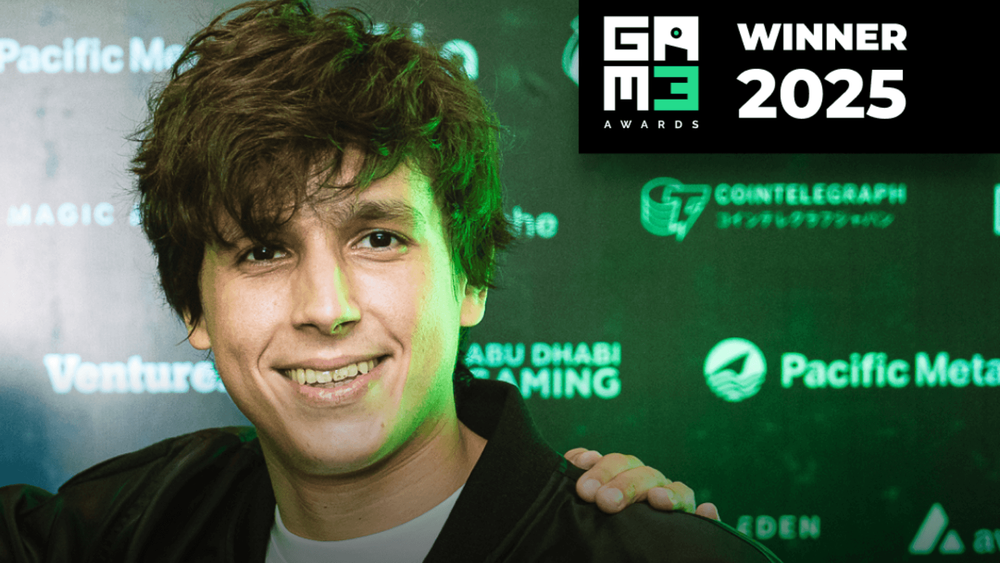
Cagy, named Best Content Creator at our 2025 GAM3 Awards, has been a key voice in the web3 gaming scene. Starting his career during the early days of Axie Infinity, Cagy has witnessed the evolution of play-to-earn (P2E) titles and the growing integration of crypto in gaming. In a recent interview, he shared insights into his journey, his approach to evaluating games, and his perspective on the broader industry.

From Early Crypto to Web3 Gaming

Cagy began creating content in 2017 while also investing in crypto ICOs. He recalls that the potential of web3 gaming became clear around 2020, when he encountered projects like Hash Rush, Lost Relics, and Axie, each of which had only a few hundred active users at the time. Those early experiences demonstrated that the intersection of gaming and blockchain could develop into a sustained niche rather than a passing trend.

Early P2E games shaped Cagy’s understanding of what makes web3 titles succeed. Unlike traditional games, these projects emphasized the real-world value of player-earned assets. This perspective influenced how he evaluates new games today, prioritizing developers who understand both game mechanics and the economic realities of player-driven ecosystems.

“P2E didn’t really become a thing until late 2020 or early 2021. Back then, crypto and gaming simply meant owning the assets you earned in game, and value always came from other players wanting what you worked hard to get. With that in mind, I was looking for founders who understood that concept. Not many did, because most came from the web2 gaming industry where game economies are not designed with real world impact in mind.”

The Rise of Silly Kitties

Silly Kitties, initially pitched as a meme token, caught Cagy’s attention for its potential to become a recognizable global brand. Unlike existing cat-themed projects, he believes the title has long-term growth potential, though success requires a slow, deliberate approach. Cagy describes it as a five- to ten-year journey, emphasizing steady development and consistent community engagement as keys to expanding its reach.

“When KitteyGG first pitched me Silly Kitties, it was originally meant to be a meme token. But I thought to myself, we already have Axie, Moku, Sappy Seals, and Pudgy Penguins, yet there is no cat brand with the potential to go truly global. I believe Silly Kitties can become that global brand, but it will not happen overnight. This is a five to ten year grind to get it to the level we envision. Slow and steady wins the race.”

Assessing Games and Economies

Cagy approaches web3 gaming with a focus on economic fundamentals. He explains that the distribution of tokens, NFTs, and in-game resources must align with demand to maintain stability. Equally important is community quality and developer responsiveness. In his experience, games that openly address speculation, token sales, and volume tend to outperform those that primarily emphasize casual play without considering economic incentives.

Balancing fun with play-to-earn incentives remains a critical factor in web3 gaming. Cagy notes that developers cannot skip traditional game design principles. Finding the right balance between enjoyable gameplay and meaningful in-game rewards requires experimentation and time.

“A big portion of web3 is about making money, and that cannot be denied. At the same time, making a fun game is a formula that has been understood for many years, and developers cannot skip that part of the equation. It is important to find the sweet spot between a fun experience and the incentives within it. That takes time, and a lot of trial and error.”

Community as a Cornerstone

Community engagement has been central to Cagy’s work. He emphasizes that quality of engagement often outweighs quantity. His early experiences with Lost Relics and Axie illustrate the impact of supportive communities. While Lost Relics had a smaller but toxic community, Axie’s founders actively welcomed new players, fostering a positive environment that contributed to its long-term success.

Cagy also highlights the range of crypto integration in web3 games. Some titles focus on cosmetic items on-chain, while others build complete economies with player-owned assets. He believes this diversity allows different players to engage at their comfort level, while also providing opportunities for traditional gamers to transition into web3.

“We can definitely bring traditional gamers into web3, it is just a matter of them discovering what they like. At the very least, I believe that almost all traditional gamers would support owning the skins they purchase or earn in a game.”

Observing Industry Trends

Cagy has closely followed the development of the Ronin Network, noting its focus on gaming and accessibility. Unlike many other blockchain platforms, Ronin prioritized practical applications for players rather than replicating generic solutions. Looking ahead, Cagy sees potential in gradually introducing crypto features in games, including cosmetic NFTs, to help onboard new users without overwhelming them.

He also believes the industry could benefit from more support for indie developers rather than concentrating venture capital on large AAA titles. According to Cagy, targeted funding and a focus on smaller, innovative projects can produce better outcomes for web3 gaming as a whole.

“I would not change anything, but I would encourage creators to expand beyond X and produce content on other platforms. X is not a good place to educate new users, it works best for people who are already in the space. As for venture capital, I would encourage them to direct more funding toward indie games instead of putting large amounts into AAA titles that have the lowest chance of succeeding. We need more shots on target and more accuracy.”

Personal Interests and Advice

Outside of web3, Cagy enjoys first-person shooters, including Call of Duty, Battlefield, Fortnite, and ARC Raiders. When asked about potential collaborations for Silly Kitties, he mentioned Legos, reflecting his personal experiences with building and creativity during his childhood.

For those aspiring to become influential voices in web3 gaming, Cagy advises authenticity and consistency. Expressing genuine opinions about games and projects, even when they differ from mainstream expectations, helps build credibility and trust with audiences.

“I think it is important to stay true to yourself and listen to your gut. More often than not, people want you to be who they think you should be, and that eventually falls apart. It is a house of cards, because at some point you have to stand for something. And when that moment comes, if no one has ever heard your real opinions, you will crumble under pressure. It is better to grow with opinions from the beginning. If you like a game, say it. If you do not, say it.”

Frequently Asked Questions (FAQ)

What is Cagy known for in the web3 gaming community?
Cagy is recognized as a content creator and strategist who evaluates web3 games based on economic fundamentals, community quality, and long-term potential.

What is Silly Kitties and why is it significant?
Silly Kitties is a blockchain-based gaming project initially launched as a meme token. Cagy sees it as a long-term project with potential to become a global brand in web3 gaming.

How does Cagy assess new P2E games?
He evaluates tokenomics, NFT emissions, community engagement, and developer responsiveness, with an emphasis on balancing economic incentives with enjoyable gameplay.

Can traditional gamers adapt to web3 games?
Yes, Cagy believes that traditional gamers can transition into web3, particularly through ownership of in-game items or cosmetic NFTs.

What trends is Cagy following in web3 gaming?
Cagy is interested in less aggressive crypto integration in games, supporting indie developers, and fostering communities that enhance player retention and engagement.

What advice does Cagy give to aspiring web3 content creators?
He recommends staying authentic, expressing genuine opinions about games, and consistently engaging with the community to build credibility over time.


Source link

29 11, 2025

Why “Return on Time” Matters in Web3 Gaming

By |2025-11-29T12:51:12+02:00November 29, 2025|News, NFT News|0 Comments


As reported by WolvesDao, The conversation around web3 gaming often centers on tokens, staking models, and speculative mechanics. Yet the core issue shaping player expectations today is less about economics and more about recognition. “Return on time” has become a defining idea for players who want their in-game effort to hold value beyond the session. In an industry recovering from the Play-to-Earn era and the fatigue left in its wake, this concept is emerging as a more stable and grounded measure of what modern players expect.

A Post-P2E Landscape Still Shaped by Old Habits

While developers and communities have largely moved away from the Play-to-Earn model, its influence still lingers. P2E conditioned many players to weigh gameplay against earning potential, and studios designed around that expectation. The result was a period where game loops felt more like work cycles, and value was judged by hourly rates instead of entertainment.

Even as the ecosystem distances itself from these structures, the mindset continues to affect how new projects are evaluated. Investors monitor transaction counts as proxies for engagement, players remain cautious about grinding without clear rewards, and studios often struggle to satisfy both traditional gamers and web3-native audiences. This environment makes it difficult to establish trust, especially when financial speculation overshadows the core experience.

Why Continuity Matters More Than Compensation

Most players aren’t asking for games to function like part-time jobs. Instead, they want to avoid the feeling that their time disappears the moment they step away. Traditional games operate on closed systems where items, achievements, and cosmetics remain locked when a player quits. web3, at least in principle, offers a chance to break that pattern.

A small liquid exit, even one worth only a few dollars, shifts the emotional impact of leaving a game. It acknowledges the effort put into progression and creates a sense of continuity between time spent and what remains afterward. This isn’t about profit; it’s about recognition. It mirrors early virtual worlds like Neopets, where scarcity and trading gave items meaning without relying on speculative demand.

Dual-Path Development and the Need for Identity

Creating experiences that serve both web2 and web3 audiences is a growing challenge. Some studios attempt to merge both approaches into a single structure, but this can lead to conflicting identities and unclear expectations. The outcome often frustrates players who want clarity about what the game is supposed to be.

Fanoraverse approaches this problem with a clear separation. The Steam version, The Wildlands of Faenora, focuses solely on classic roguelike progression with no blockchain elements. The web3 browser version, To The Grave: The Wildlands of Faenora, mirrors the same mechanics but adds optional value layers such as tradable characters and seasonal rewards. Because both versions share a consistent core identity, they avoid the tension that arises when web2 and web3 expectations collide. This structure demonstrates how dual-path design can work when the gameplay foundation is solid.

The Role of Trust in Player Engagement

Trust is one of the most fragile elements in web3 gaming. Years of early launches, unfulfilled promises, and speculative roadmaps have made players cautious. Announcements that would be routine in conventional gaming can spark concern in web3 communities due to the financial implications attached to assets and progression.

Return on time reduces the amount of trust required from players at the outset. If players know they retain some form of value independent of long-term roadmaps or token cycles, the emotional risk of engaging decreases. However, this only works when the game exists before its economy. Fanoraverse leans into this approach by prioritizing gameplay before introducing tokens or NFTs, allowing audiences to judge the experience on its own merits.

Gigaverse and the Meaning of Small Rewards

Some of the clearest evidence of return on time comes from Gigaverse, where players can accumulate modest amounts of value through regular gameplay. After several months of casual play on a free account, accumulating around $16 worth of materials may seem minor, but the psychological effect is significant. It transforms the exit process from a loss to a transition and helps establish trust between the player and the game world.

Gigaverse offers a grounded example of how small, liquid rewards can reinforce player satisfaction without leaning on aggressive speculation. The system respects time without promising income, which sets it apart from earlier web3 models that relied on unsustainable earning structures.

Aligning Players, Builders, and Investors

Players, developers, and investors often operate with different goals. Players want compelling experiences and fair exits. Builders want stability and creative freedom. Investors tend to focus on market signals and growth potential. These competing priorities make it difficult for studios to maintain direction.

Return on time creates a middle ground. It offers players a reason to stay engaged, provides builders with a sustainable loop to build around, and gives investors steady activity without forcing the game into extractive behaviors. While it does not resolve every friction point, it helps align expectations in a way that supports long-term stability.

Designing Web3 Games That Prioritize Experience

For web3 gaming to grow, the gameplay must carry its own weight. Blockchain features should support that experience rather than define it. When marketplaces and asset ownership function as optional layers rather than required mechanics, players can choose how deeply they want to participate.

Studios gradually adopting this model show that web3 can deliver meaningful continuity without sacrificing entertainment. The path forward appears to favor grounded features, player-first design, and systems that acknowledge time without inflating expectations of profit.

The Future of Value in Web3 Gaming

Return on time is not a dramatic shift in design philosophy. Instead, it’s a simple recognition that time is the most valuable resource players spend. When games acknowledge that through small, meaningful structures, the result is greater trust and more sustainable engagement.

The concept reframes how value should function in web3 games and offers a more balanced direction for the industry. As studios refine this approach, the focus returns to where it should have been from the start: delivering experiences that players want to invest their time in.

Source: WolvesDao

Frequently Asked Questions (FAQs)

What does “return on time” mean in web3 gaming?
It refers to the idea that players should retain some value from their gameplay, even in small amounts, as recognition of the time they put into the experience.

Does return on time mean players get paid to play?
No. It emphasizes continuity and acknowledgment, not income. Players are not expected to earn salaries or significant profits.

How is this different from Play-to-Earn?
P2E focused on speculative earning and high yields. Return on time focuses on modest, player-driven value that reflects effort rather than investment.

Can return on time work without tokens or NFTs?
It relies on transferable or liquid elements, which often involve NFTs or tradable materials, but the core idea is about recognition, not mandatory token use.

Why do players value small exits?
Even minor liquid value helps players feel that their time mattered and did not disappear when they stopped playing.

Which games exemplify this model?
Fanoraverse and Gigaverse are noted examples, each demonstrating different approaches to preserving player value through gameplay.

Do web3 games need dual-path systems?
Not all, but dual-path structures can help studios serve both traditional gamers and web3-native audiences without forcing one group into the other’s expectations.


Source link

28 11, 2025

GameFi News: Web3 Gaming Tokens Rally, Pump Game Inks Partnerships

By |2025-11-28T22:44:11+02:00November 28, 2025|News, NFT News|0 Comments


Altcoins are shaking off the recent bearish phase with modest gains.

  • Pi Network invests in gaming.
  • GameFi rebounds in line with the market.
  • Web3 gaming’s trading volume pumps +100%.
Is the crypto market turning a new leaf after a few weeks of down-only? Bitcoin is holding the $91K level like a champ as it finishes the week with an 11% gain, thanks to improving risk sentiment.

https://twitter.com/CoinMarketCap/status/1994175172807377267

However, analysts are cautiously optimistic as a downtrend still looms, even though JP Morgan filed to offer Bitcoin-backed structured notes.

https://twitter.com/Scaramucci/status/1993690114807955576

Will the Fed deliver a rate cut at its December meeting to give the market the fuel it needs to rally again?

https://twitter.com/wiseadvicesumit/status/1994364747920400752

Altcoins are shaking off the recent bearish phase with modest gains. The leading GameFi tokens are leading the way, with many printing green candles. SLIMEX (SLX) stood out above the top dogs with a 53% uptick.

Let’s unpack what drove the GameFi sector this week.

  • Pi Network has teamed up with CiDi Games to bring Pi-powered gameplay to tens of millions of users and boost real-world utility across its ecosystem. Backed by Pi Network Ventures, the partnership signals a serious commitment to gaming at scale.

https://twitter.com/PiCoreTeam/status/1993755066172362991

  • EdgeAI Labs partnered with Pump Game as the upgraded platform moves to BNB Chain and rolls out AI-powered, NFT-driven, multi-chain gaming tools.

https://twitter.com/pumpdotgame/status/1993939132968820784

Additionally, Pump Game is stepping into AI Ville World, a multi-chain platform that fuses NFTs, gaming, and AI into one powerful service hub. It delivers end-to-end tools for gamers, guilds, and developers building the next wave of Web3 games.

https://twitter.com/aivillebot/status/1994300228716093855

GameFi Sector Review

Degens are back in the game, with GameFi’s market cap rising 7% to close in on $10 billion. Trading volume exploded 103% to $6.1 billion. Is liquidity returning to the sector?

The trenches are coming out of their hibernation as Crypto’s Fear and Greed Index moved from last week’s Extreme Fear (11) to Fear territory (20). We are still not yet out of the woods, though!

https://twitter.com/coinbureau/status/1994290157055569934

Top Gainers

Top Decliners

The week ended with Web3 gaming in 16th position on DeFiLlama’s narrative tracker, but the big win is that all sectors closed the week in the money.

Web3 Gaming News This Week

Animoca’s Next Frontier in Web3

Animoca Brands is gearing up for a wider Web3 push in 2026 as it expands from gaming into AI, DePIN, DeFi, and stablecoin-powered opportunities. With gaming still its strongest pillar, the company is positioning itself to drive new momentum across GameFi.

https://x.com/WuBlockchain/status/1994252588485943362

What You Can Do Now

  • Hold off on scaling positions and wait for the market to settle
  • Monitor key macro signals that can redirect market momentum
  • Check CMC’s Fear and Greed Index to stay aligned with sentiment

This article contains links to third-party websites or other content for information purposes only (“Third-Party Sites”). The Third-Party Sites are not under the control of CoinMarketCap, and CoinMarketCap is not responsible for the content of any Third-Party Site, including without limitation any link contained in a Third-Party Site, or any changes or updates to a Third-Party Site. CoinMarketCap is providing these links to you only as a convenience, and the inclusion of any link does not imply endorsement, approval or recommendation by CoinMarketCap of the site or any association with its operators. This article is intended to be used and must be used for informational purposes only. It is important to do your own research and analysis before making any material decisions related to any of the products or services described. This article is not intended as, and shall not be construed as, financial advice. The views and opinions expressed in this article are the author’s [company’s] own and do not necessarily reflect those of CoinMarketCap.


Source link

28 11, 2025

Web3 Gaming Tokens Rally, Pump Game Inks Partnerships

By |2025-11-28T20:43:07+02:00November 28, 2025|News, NFT News|0 Comments


  • Pi Network invests in gaming.

  • GameFi rebounds in line with the market.

  • Web3 gaming’s trading volume pumps +100%.

Is the crypto market turning a new leaf after a few weeks of down-only? Bitcoin is holding the $91K level like a champ as it finishes the week with an 11% gain, thanks to improving risk sentiment.

https://twitter.com/CoinMarketCap/status/1994175172807377267

However, analysts are cautiously optimistic as a downtrend still looms, even though JP Morgan filed to offer Bitcoin-backed structured notes.

https://twitter.com/Scaramucci/status/1993690114807955576

Will the Fed deliver a rate cut at its December meeting to give the market the fuel it needs to rally again?

https://twitter.com/wiseadvicesumit/status/1994364747920400752

Altcoins are shaking off the recent bearish phase with modest gains. The leading GameFi tokens are leading the way, with many printing green candles. SLIMEX (SLX) stood out above the top dogs with a 53% uptick.

Let’s unpack what drove the GameFi sector this week.

  • Pi Network has teamed up with CiDi Games to bring Pi-powered gameplay to tens of millions of users and boost real-world utility across its ecosystem. Backed by Pi Network Ventures, the partnership signals a serious commitment to gaming at scale.

https://twitter.com/PiCoreTeam/status/1993755066172362991

  • EdgeAI Labs partnered with Pump Game as the upgraded platform moves to BNB Chain and rolls out AI-powered, NFT-driven, multi-chain gaming tools.

https://twitter.com/pumpdotgame/status/1993939132968820784

Additionally, Pump Game is stepping into AI Ville World, a multi-chain platform that fuses NFTs, gaming, and AI into one powerful service hub. It delivers end-to-end tools for gamers, guilds, and developers building the next wave of Web3 games.

https://twitter.com/aivillebot/status/1994300228716093855

Degens are back in the game, with GameFi’s market cap rising 7% to close in on $10 billion. Trading volume exploded 103% to $6.1 billion. Is liquidity returning to the sector?

Source: CoinMarketCap

The trenches are coming out of their hibernation as Crypto’s Fear and Greed Index moved from last week’s Extreme Fear (11) to Fear territory (20). We are still not yet out of the woods, though!

Source: CoinMarketCap

https://twitter.com/coinbureau/status/1994290157055569934

Source: CoinMarketCap

The week ended with Web3 gaming in 16th position on DeFiLlama’s narrative tracker, but the big win is that all sectors closed the week in the money.

Source: DeFiLlama

Animoca Brands is gearing up for a wider Web3 push in 2026 as it expands from gaming into AI, DePIN, DeFi, and stablecoin-powered opportunities. With gaming still its strongest pillar, the company is positioning itself to drive new momentum across GameFi.

https://x.com/WuBlockchain/status/1994252588485943362

  • Hold off on scaling positions and wait for the market to settle

  • Monitor key macro signals that can redirect market momentum

  • Check CMC’s Fear and Greed Index to stay aligned with sentiment


Source link

28 11, 2025

DeFi (DEFT) Soars on Stablecoin Approval

By |2025-11-28T18:42:15+02:00November 28, 2025|News, NFT News|0 Comments


We recently published 10 Small Stocks with Mighty Gains. DeFi Technologies Inc. (NASDAQ:DEFT) is one of the top-performing stocks on Wednesday.

DeFi Technologies rallied for a second day on Wednesday, soaring 20.87 percent as investors cheered the approval of its own stablecoin.

In a statement on the same day, DeFi Technologies Inc. (NASDAQ:DEFT) said that its venture portfolio company, Canada Stablecorp Inc., and the QCAD Digital Trust have secured regulatory approvals for its QCAD stablecoin, making it Canada’s first compliant CAD stablecoin.

DeFi (DEFT) Soars on Stablecoin Approval

Following the approval, DeFi Technologies Inc. (NASDAQ:DEFT) said that it intends to focus on scaling QCAD across three core areas: product development, liquidity and market access, as well as security and future-proofing.

Through Valour Inc., DeFi Technologies Inc. (NASDAQ:DEFT) said that it would develop QCAD-integrated products, including CAD-linked ETPs, yield products, and structured solutions that provide regulated access to the digital asset economy for retail and institutional investors.

It would also partner with BTQ Technologies Corp. to ensure a post-quantum security roadmap for QCAD.

“QCAD’s approval as Canada’s first compliant CAD stablecoin is a pivotal milestone for Stablecorp and for the Canadian digital asset market,” said DeFi Technologies Inc. (NASDAQ:DEFT) Chairman and CEO Johan Wattenstrom.

“Having a fully regulated Canadian-dollar rail fits squarely within our strategy of backing category-defining infrastructure and allows us to support QCAD’s growth across our platform and our broader institutional network.”

While we acknowledge the potential of DEFT as an investment, our conviction lies in the belief that some AI stocks hold greater promise for delivering higher returns and have limited downside risk. If you are looking for an extremely cheap AI stock that is also a major beneficiary of Trump tariffs and onshoring, see our free report on the best short-term AI stock.

READ NEXT: 30 Stocks That Should Double in 3 Years and 11 Hidden AI Stocks to Buy Right Now.

Disclosure: None. This article is originally published at Insider Monkey.


Source link

28 11, 2025

Pudgy Party Wins Best Mobile and Casual Game

By |2025-11-28T12:39:01+02:00November 28, 2025|News, NFT News|0 Comments


Pudgy Party was one of the breakout stars of this year’s GAM3 Awards 2025, earning Best Mobile Game and Best Casual Game, and firmly establishing itself as a leading force in the evolving web3 gaming landscape. Its double victory highlights the game’s broad appeal, strong design identity, and standout execution during a year of unprecedented growth and engagement across the industry.

A Landmark Moment for Pudgy Party

Competing among more than 900 nominated titles and 62 finalists, Pudgy Party distinguished itself with its accessible gameplay, polished mobile experience, and seamless integration of web3 features. Its wins recognized not only its ability to attract and entertain a wide audience but also its success in setting a new standard for casual and mobile-focused blockchain gaming.

The game’s reception reflects a growing shift toward lightweight, highly social experiences in the sector – games designed to be easy to pick up yet deeply engaging for long-term players.

A Milestone Year for Web3 Gaming

The awards were announced on November 21 in Manila during our global GAM3 Awards ceremony, which showcased some of the most influential developments shaping web3 gaming today. This year’s event broke engagement records, including:

  • 900+ nominated games

  • 700+ nominated creators

  • 62 finalists

  • 80+ jurors

  • 376K+ voters casting more than 2 million votes

  • 600K+ total livestream views, peaking at 75K concurrent viewers

  • 80M+ global impressions

These numbers reflect the rising enthusiasm for titles like Pudgy Party, which enjoyed strong visibility and community conversation leading up to the awards.

A Rigorous Selection Process

Pudgy Party’s dual victory came through our GAM3 Awards’ comprehensive judging system. More than 80 jurors – including representatives from Krafton, Konami, Sony, Ubisoft, Google, Amazon, Animoca Brands, Immutable, and Avalanche – contributed 90% of the vote, with the remaining 10% coming from the global community.

This combination of expert insight and community support underscores the game’s wide-reaching impact and credibility across multiple segments of the industry.

Standing Out Among This Year’s Winners

While Off The Grid took home Game of the Year, Pudgy Party solidified its place among the most celebrated titles of the evening. Its success alongside other winners such as Project O, The Bornless, Sunflower Land, and Atia’s Legacy highlights both the diversity of this year’s lineup and the increasing competitiveness of the mobile and casual categories.

Backed by a Growing Industry Ecosystem

Our GAM3 Awards 2025 featured a record-setting prize pool exceeding $7 million, supported by major partners including Forkast, Magic Eden, Hyperplay, Sequence, BGA, Amazon AWS, and AD Gaming. Major backing from platforms like OpenSea, Sui, Arbitrum, and Remix strengthened the industry environment in which games like Pudgy Party continue to thrive.

This momentum signals strong market confidence in developers building scalable, accessible, community-driven web3 experiences.

Looking Ahead: What’s Next for Pudgy Party

Following its dual triumph, Pudgy Party enters its next chapter with heightened visibility, strengthened community support, and expanded industry recognition. Its wins position it as a flagship example of what mobile and casual web3 gaming can achieve on a global stage.

With our next GAM3 Awards scheduled for November 2026, Pudgy Party’s ongoing development and player growth will be closely watched as the web3 gaming sector continues to evolve.

The game’s success marks a broader trend toward fun-first, frictionless, community-powered experiences –  cementing Pudgy Party as one of the defining titles of 2025 and a standard-setter for what comes next.


Source link

28 11, 2025

The UK government proposes a “no gain, no loss” tax for DeFi users

By |2025-11-28T02:33:12+02:00November 28, 2025|News, NFT News|0 Comments


The UK government is moving to ease the tax treatment of decentralized finance (DeFi) transactions, proposing a “no gain, no loss” approach for crypto lending and liquidity pool arrangements.

The proposal, aimed at aligning tax rules with the economic realities of DeFi, could provide significant relief for users who have faced complex reporting requirements and unintended tax liabilities under the current system.

A major shift for DeFi taxation

Under existing rules, depositing crypto into lending protocols or contributing tokens to automated market makers (AMMs) can trigger a capital gains tax event, even if the user has not actually realized any gain.

This has created challenges for DeFi users who frequently move assets, resulting in heavy administrative burdens and tax outcomes that do not match economic reality.

The proposed “no gain, no loss” (NGNL) model would defer capital gains tax until a true economic disposal occurs, meaning that users would only pay tax when they sell or otherwise dispose of assets in a way that generates a real gain or loss.

HM Revenue and Customs (HMRC) has indicated that this approach would apply to a range of DeFi activities, including single-token loans, multi-token AMMs, and crypto borrowing, provided certain conditions are met.

If a user deposits tokens and later receives the same amount back, the interim transactions would not trigger capital gains tax.

Similarly, in multi-token arrangements, tax would only be applied if the number of tokens returned differs from the amount originally contributed, reflecting the actual economic outcome.

Industry response and consultation

The proposal has received broad support from industry stakeholders, including major DeFi platforms such as Aave, Binance, and advisory firms like Deloitte.

Many respondents to HMRC’s 2023 consultation highlighted that the current tax rules impose disproportionate administrative burdens and fail to reflect how DeFi transactions operate in practice.

Supporters argue that the NGNL model is a practical way to reduce complexity while maintaining fairness in the tax system.

Nevertheless, some challenges remain. High volumes of transactions could still create reporting difficulties for individual users, and there is a need for clear guidance and software solutions to manage compliance.

HMRC has acknowledged these concerns and continues to engage with industry participants to refine the rules and ensure that any future legislation is workable.

The government has not yet set a timeline for when the new rules might take effect, and users are advised to continue following the existing tax framework for the time being.

Broader implications for UK crypto users

The proposed NGNL framework is part of a wider effort by the UK government to modernise its approach to cryptoasset taxation.

In addition to DeFi, HMRC plans to implement the Cryptoasset Reporting Framework (CARF) from 1 January 2026, requiring UK-based reporting service providers to collect and report information about resident crypto users.

The new rules aim to provide clarity and consistency while keeping the scope focused on typical DeFi tokens, excluding securities and tokenised real-world assets.

For DeFi users, the shift to a “no gain, no loss” model could be transformative.

By recognising that not all movements of crypto represent economic disposals, the UK is acknowledging the unique nature of decentralised financial markets.

This change may reduce unintended tax liabilities and simplify compliance, allowing users to engage with lending, staking, and AMM platforms with greater confidence.

The post The UK government proposes a “no gain, no loss” tax for DeFi users appeared first on Invezz


Source link

28 11, 2025

Sebastien Borget – The Sandbox – The Smart Economy Podcast: Episode 101

By |2025-11-28T00:32:12+02:00November 28, 2025|News, NFT News|0 Comments


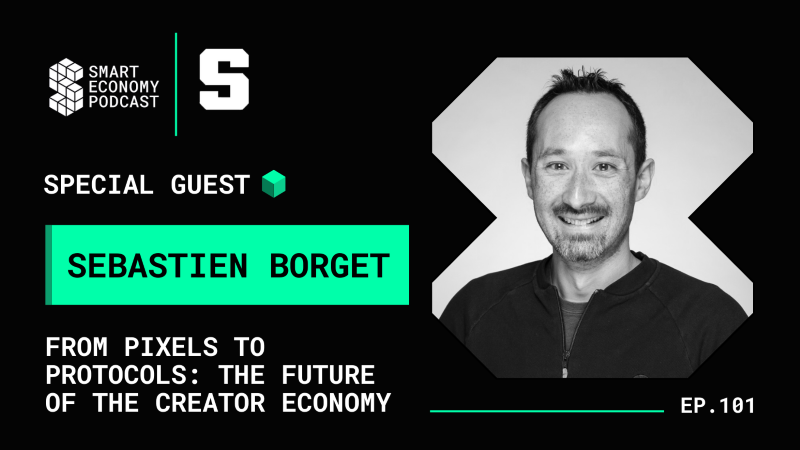
In this episode of The Smart Economy Podcast, Dylan Grabowski talks with Sebastien Borget, co-founder and global ambassador of The Sandbox, the Web3 virtual world where players create, own, and monetize experiences.

Borget shares the Sandbox journey – from a 2D mobile title with 40 million downloads to a 3D blockchain world partnering with more than 400 global brands. He explains how early frustrations with compensating creators led to embracing NFTs, how CryptoKitties and Animoca Brands shaped his path, and what lessons he’s learned after building through multiple bull and bear markets.

The conversation also explores the launch of SANDchain, a ZK-powered L2 designed to help content creators across gaming, art, and social media earn and engage their audiences on-chain. Borget outlines why the future of the metaverse depends on ownership, resilience, and collaboration rather than hype.

What you’ll learn

  • How The Sandbox evolved from a 2D mobile game to a leading decentralized virtual world
  • Why creator monetization drove the adoption of NFTs and tokens
  • How long-term builders endure hype cycles and maintain community trust
  • What SANDchain is and why it focuses on creators, not just gamers
  • Lessons on partnerships, brand collaborations, and sustainable Web3 ecosystems
  • And more!

Sebastien Borget is the co-founder and global ambassador of The Sandbox, a decentralized virtual world empowering users to create, own, and monetize gaming experiences. With more than 15 years in mobile, cloud, and gaming startups, Borget has helped shape Web3’s creator-driven economy and remains one of the sector’s leading advocates.

Sebastien Borget – The Sandbox – The Smart Economy Podcast: Episode 101

Subscribe to the Smart Economy Podcast

Website | YouTube | iTunes | Spotify


Source link

Go to Top