
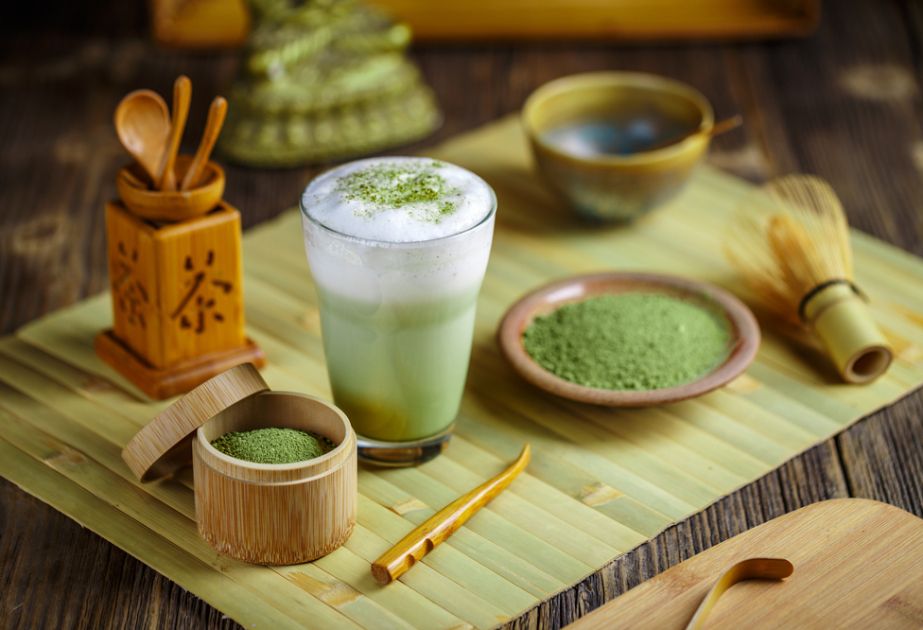
Abnormal Japan heat may cause global matcha shortage
Japan’s ongoing heatwaves have significantly reduced this year’s
production of matcha green tea, leading to supply shortages and
price hikes to historic highs, according to Japanese farmers and
industry officials, Azernews reports.
Kyoto Prefecture, responsible for about a quarter of Japan’s
tencha production—the dried tea leaves that are ground into
matcha—was hit especially hard. The extreme heat during Japan’s
hottest year on record caused significant crop damage, resulting in
poor harvests in April and May.

Farmer Masahiro Yoshida, who typically produces around two tons
of tencha annually, harvested only 1.5 tons this year. “Last summer
was so hot it scorched the bushes. We simply couldn’t collect as
many tea leaves,” he said.
The timing couldn’t be worse. Global demand for matcha has
surged in recent years, driven by Millennials and Gen Z consumers
embracing health-conscious lifestyles. Trendy cafes worldwide now
offer matcha-based lattes, smoothies, and desserts. On social
media, matcha content frequently goes viral—boosting its popularity
as both a superfood and an aesthetic drink.
Finely ground matcha is prized for its high antioxidant content
and higher caffeine levels compared to traditional green tea. But
the recent spike in demand has led some wholesalers to implement
purchase restrictions to manage limited supply.
According to Japan’s Ministry of Agriculture, Forestry and
Fisheries, green tea exports, including matcha, rose by 25% in
value to reach 36.4 billion yen ($252 million) in 2024. Export
volume also grew by 16%, largely due to the popularity of powdered
teas like matcha.
In response, Japanese tea producers are working to expand
production. However, industry experts warn that matcha shortages
are likely to persist, as it takes about five years for newly
planted tea bushes to mature enough for harvesting.
Meanwhile, matcha enthusiasts around the globe may need to brace
for higher prices—or seek out alternative sources, such as Taiwan
or China, where matcha-style green tea is also produced, though
purists argue the flavor and quality are distinctively different
from Japanese matcha.
Source link











Share this article: