About Editorial team of BIPNs

Main team of content of bipns.com. Any type of content should be approved by us.
7 04, 2025

XAU/USD attracts some sellers below $3,000 as Trump’s tariffs hit

By |2025-04-07T04:20:25+02:00April 7, 2025|Forex News, News|0 Comments


  • Gold price slumps to near $2,985 in Monday’s early Asian session.
  • The stock market selloff has prompted investors to cover losses. 
  • Intensifying trade war and geopolitical risks could boost the safe-haven demand, benefiting the Gold price. 

The Gold price (XAU/USD) faces some selling pressure to around $2,985 during the early Asian session on Monday, pressured by some profit-taking. The precious metal extends the decline as a fall in the US stock market has prompted traders to liquidate gold positions to create the necessary liquidity to cover losses in the stock market.

The recent sharp sell-off in the US stock market on Friday was about raising cash to cover margin calls after US President Donald Trump announced new reciprocal tariffs on goods from many countries. However, the downside for the yellow metal might be limited due to the supportive fundamentals. “Bargain hunters will rush in next week to buy cheap gold and silver, helping the precious metals to rally again,” said Rich Checkan, chairman and CEO of Asset Strategies International.

Additionally, the global economic uncertainties and escalating geopolitical tensions could boost the safe-haven flows, supporting the Gold price. Russians shelled more than 30 localities in the Kherson region, including residential areas of Kherson. Seven people were wounded, the Kherson regional military administration’s Oleksandr Prokudin reported. Despite the volatility,” gold is still a safe-haven place for many investors,” said Matt Simpson, a senior analyst at City Index.

Gold FAQs

Gold has played a key role in human’s history as it has been widely used as a store of value and medium of exchange. Currently, apart from its shine and usage for jewelry, the precious metal is widely seen as a safe-haven asset, meaning that it is considered a good investment during turbulent times. Gold is also widely seen as a hedge against inflation and against depreciating currencies as it doesn’t rely on any specific issuer or government.

Central banks are the biggest Gold holders. In their aim to support their currencies in turbulent times, central banks tend to diversify their reserves and buy Gold to improve the perceived strength of the economy and the currency. High Gold reserves can be a source of trust for a country’s solvency. Central banks added 1,136 tonnes of Gold worth around $70 billion to their reserves in 2022, according to data from the World Gold Council. This is the highest yearly purchase since records began. Central banks from emerging economies such as China, India and Turkey are quickly increasing their Gold reserves.

Gold has an inverse correlation with the US Dollar and US Treasuries, which are both major reserve and safe-haven assets. When the Dollar depreciates, Gold tends to rise, enabling investors and central banks to diversify their assets in turbulent times. Gold is also inversely correlated with risk assets. A rally in the stock market tends to weaken Gold price, while sell-offs in riskier markets tend to favor the precious metal.

The price can move due to a wide range of factors. Geopolitical instability or fears of a deep recession can quickly make Gold price escalate due to its safe-haven status. As a yield-less asset, Gold tends to rise with lower interest rates, while higher cost of money usually weighs down on the yellow metal. Still, most moves depend on how the US Dollar (USD) behaves as the asset is priced in dollars (XAU/USD). A strong Dollar tends to keep the price of Gold controlled, whereas a weaker Dollar is likely to push Gold prices up.


Source link

7 04, 2025

From Field To Cup, The Korean Tea

By |2025-04-07T04:11:00+02:00April 7, 2025|Dietary Supplements News, News|0 Comments


For many years, Japanese food and beverage culture has been the flagship of Asian gastronomy in Western countries, particularly in Europe. However, after eight consecutive years of increasing exports, Korea has emerged as a new and formidable player in the international market. From your perspective, how do you envision the future of Korean culinary culture? What do you see as the main drivers for Korean food and beverage culture, including tea, to become the leading Asian presence globally?

That’s an excellent question and a critical direction for the K-food industry to consider. I believe the Korean food industry is still in its early stages, with tremendous growth potential. However, sustaining this growth requires more than simply replicating local dishes and cultural experiences in different regions. The key lies in tailoring and customizing offerings to meet local tastes and preferences.

To maintain this momentum of Korean food gaining popularity, we need to continue innovating and developing products that combine the unique strengths of the Korean food and beverage with adaptations to local markets. This principle also applies to tea. Authentic black or green tea alone might not suffice; we need to synergize our brand identity with local preferences to create a compelling offering.


In 2023, the U.S. imported over $500 million worth of tea. In France, tea consumption has tripled over the past 25 years. You’ve mentioned the importance of tailoring offerings to match consumer habits, cultures, and needs. How do you think Korean tea can adapt to these different drinking cultures?

I believe two factors must work hand in hand: leveraging our strengths and respecting local preferences. Harmony between these elements is essential. For example, Osulloc’s greatest advantage is its tea farms located in the mid-mountain region of Hallasan on Jeju Island. These farms, along with our in-house production capabilities in Jeju, give us a significant competitive edge in going global. Unlike many global tea brands that source ingredients from overseas and create blends, we are genuine tea makers with full control over our supply chain—from cultivation and production to packaging and distribution. This allows us to incorporate customer feedback directly into our products, ensuring responsiveness to market demands.

Furthermore, the growing global interest in Korean culture presents an unprecedented opportunity. As Korean culture gains popularity worldwide, this “K-wave” can translate into increased curiosity about and demand for Korean food and beverages, including tea. This cultural momentum, combined with our fully integrated production capabilities, positions us uniquely on a global scale.

Moreover, wellness is becoming a central theme in consumer preferences. When people think about wellness, they prioritize safe, high-quality food. With our meticulous quality control systems, we are well-positioned to meet this demand. If consumers recognize and appreciate the safety and care behind our products, we’re confident we can promote our global value proposition as a premium brand.


Osulloc’s tea farms in Jeju Island


As Osulloc is mainly considered premium, how do you see opportunities in Western markets, both from younger audiences riding the K-culture wave and from the older generations seeking premium, high-quality, authentic products?

When competing on the global stage, our tea products often fall into the premium category. Fortunately, the current generation’s ability to leverage vast amounts of data quickly and efficiently, gives us confidence that through customer introductions and word of mouth, we can gradually close the perception gap around pricing and build acceptance for our premium offerings.

Customers, whether young or old, are willing to invest when they recognize the expertise, research, and quality ingredients that go into the products. As we strive to continuously communicate our brand’s quality, authenticity, and unique story, we hope to cultivate a loyal customer base willing to pay for premium products. The process maybe a slow one, but it will come from a genuine approval.


Do you believe premium products will dominate the tea industry, given that more people are prioritizing wellness over price?

Many consumers today are guided by their own unique values when making purchasing decisions. They conduct independent research and often take cues from family members, including their children.

Some choices may prioritize cost-competitive options. Others will reflect those who are willing to invest in premium products if they perceive good value for the price. Nonetheless, consumer behavior takes on various aspects and is not uniform; many are now looking beyond price tags to consider factors like quality, sustainability, and wellness benefits. For the tea industry, this presents opportunities to cater to more diverse segments.

Our brand offers various values, from daily tea to high-quality tea, tea for beginners to connoisseurs, sustainability, organic cultivation, and even a unique story of transforming barren land into a lush green tea field. We think it is important to offer a diverse and comprehensive range of products that align with the ever-growing range of customer values.


The tea industry has seen significant growth, but it has also become increasingly competitive. What makes Osulloc unique, and how do you differentiate yourselves from other brands?

Many of the global brands you mentioned source their raw materials from various regions and focus on blending and packaging rather than managing the entire process. This highlights a difference: Osulloc is a genuine tea maker, in control of every step, from cultivation to production, distribution, and packaging.

A second key differentiator is freshness. As a relatively novel brand on the global stage, we bring something new and captivating to international audiences. Jeju Island and its green tea are still unfamiliar to many, but this unfamiliarity lends an air of mystique. Our raw ingredients, such as the green tea leaves, camellia flowers and tangerines grown on Jeju, combined with a brand inspired by the island’s natural beauty, offer a unique narrative that resonates with consumers seeking authenticity and a connection to nature. These qualities set us apart in a crowded marketplace.


As a general tea consumer rather than an expert, when I think of black tea, I associate it with China. When I think of green tea, Japan comes to mind. While Korea might not yet have a strong global reputation in the tea industry, this doesn’t mean that Korean tea lacks quality or flavor. What do you believe to be the key advantages of Korean green tea?

I’d like to broaden the perspective and talk about “Korean tea” rather than just green tea, as much depends on how the tea is processed and prepared. Korean tea has a unique strength in its ability to develop tea products that cater to evolving market trends.

It’s important for a growing business to stay in sync with these changing trends. This requires understanding the preferences and lifestyles of modern consumers, and that’s exactly what we’re focused on. We continuously track market dynamics and use that insight to develop products that meet current demands.

For example, Osulloc has been exporting raw tea ingredients to the U.S. and Europe for over 15 years, but it wasn’t until 2020 that we began offering finished products on platforms like Amazon. Now, we are expanding into offline markets overseas. Within just six months, we developed new products based on customer feedback, demonstrating our agility in responding to evolving consumer preferences.

Our approach—test, learn, and adapt—allows us to stay ahead of the curve. By listening to our customers in the U.S. and Europe and tailoring our offerings accordingly, we’re not just introducing Korean tea to the world; we’re redefining Korean tea culture in a way that resonates with global audiences.


A tea room inside Osulloc’s Bukchon Tea House, Seoul


Born on the basaltic lands of Jeju Island, Osulloc has grown to become one of South Korea’s most renowned premium tea brands, emphasizing organic farming and sustainable cultivation. The company was founded by Mr. Jangwon Suh Sung-Whan 45 years ago. Could you walk us through the history of Osulloc and its evolution from a local tea farm to a global tea brand?

Amorepacific Founder Sungwhan Suh was deeply inspired by the traditional teas he encountered during his overseas business trips. However, he was saddened that Korea’s tea culture had largely faded during the Joseon Dynasty and was, by then, almost forgotten. While already leading a successful cosmetics company, he was driven by a vision to revive and preserve Korea’s tea heritage.

Initially, the idea of entering the tea business faced significant resistance. People around him dismissed it as unprofitable, arguing that it would be easier to buy tea ingredients and blend them with flavors rather than cultivate tea leaves. Despite this, Founder Sungwhan Suh was unwavering in his determination. In 1979, he began searching for the ideal location to grow tea in Korea. After years of searching, he identified the Hallasan region in Jeju as the perfect site and worked tirelessly to establish tea cultivation there.

At the time, tea was unfamiliar to most Koreans. Its bitter taste was off-putting to many—much like the initial reaction to black coffee when instant coffee mixes were more popular. Undeterred by these challenges, Founder Suh initiated an annual tea symposium to educate the public about the merits and benefits of tea. These events garnered media attention and eventually introduced tea’s virtues to a broader audience.

To appeal to local tastes, he modified the way the tea production method to adjust the tea to have a greener color and more of the savory taste that Koreans love. These changes and accumulated expertise in various processing methods have led to the creation of an extensive lineup, from premium master teas to convenient tea bags. These products gained international recognition, winning awards at global tea exhibitions, which further elevated Osulloc’s reputation on the world stage.

A pivotal milestone came in 2001 with the opening of the Jeju Tea Museum, a project that Founder Suh envisioned as his legacy. The museum was developed by his son, current Chairman Kyungbae Suh and symbolized a dream fulfilled. Although it initially struggled to attract visitors, it has since become a major cultural landmark, drawing around 2 million tourists annually.

In the mid-2010s, Chairman Kyungbae Suh made a bold decision to streamline Osulloc’s operations. He believed that the fragmented structure of multiple brands and channels hindered the company’s ability to establish itself as a premium brand. As a result, he unified all sales channels under the Premium Osulloc brand, focusing on exclusive channels such as landmark Tea Houses, high-end department stores, and duty-free shops.

Throughout his life, Founder Suh faced considerable skepticism about the tea business. To critics who questioned its profitability, he often replied, “Even if this business doesn’t yield profits in the short term, it will become a blessing for us in the long run.” Looking back, his vision has been realized in Osulloc’s journey to becoming a globally recognized premium tea brand.


How does Osulloc integration within Jeju’s ecosystem, economy, and lifestyle influence your brand philosophy and tea flavors?

Our Jeju Tea Museum plays a pivotal role in this integration. Historically, Jeju was primarily known as a tourist destination. However, the Tea Museum has transformed the island into a hub for tea culture and leisure.

Visitors can now enjoy activities such as tea classes, tea ceremonies, walking tours through the tea farms, and even sampling freshly brewed teas on-site. While tea cultivation would traditionally fall under the primary industry of agriculture, we handle everything here – from secondary industry packaging to tertiary industry services. We also incorporate scientific technology in our fields, making us a leading representative of this holistic industry model we have created in Jeju.

Moreover, we take pride in employing local talent for both our tea factories and tea houses, which directly supports Jeju’s economy. By hiring Jeju natives and sourcing locally—such as the Jeju-grown Hallabong and local bakery goods—we maintain strong relationships with local farmers, creating a win-win ecosystem.

Our tea farms, spanning 1 million pyeong (approximately 3.3 million square meters), also contribute significantly to environmental sustainability. These carbon sinks remove CO2 emissions by about 110,000 tons annually—equivalent to the carbon footprint of round-trip flights for 100,000 passengers. This effort positions Osulloc as an eco-friendly brand, committed to both local and global environmental stewardship.

Finally, Jeju’s unique volcanic soil and pristine environment lend a distinctive character to our teas, enhancing their flavor profile. When visitors look out over the vast tea fields from the museum, they gain a deeper appreciation for the tea in their cups and find rest within nature, creating an authentic and memorable connection with our brand.


In recent years, Osulloc has ramped up its efforts in the U.S. market. A 2022 seeding campaign distributed your blended teas to influencers and prominent personalities. Additionally, Osulloc sponsored Gabriela Hearst’s Autumn-Winter 2023 fashion show at the Brooklyn Navy Yard. How do you envision the U.S. market contributing to your company’s growth?

Expanding into the U.S. market was a strategic decision for us. For Korean brands to go truly global, the U.S. often serves as a critical gateway, providing access not only to North America but also to Europe and other regions. The U.S. is a melting pot of cultures and tea preferences, making it an ideal testing ground for diverse products.

In the U.S., tea consumption varies widely. Some consumers are drawn to matcha, others to herbal or blended teas, while many prioritize tea for its health benefits. This diversity aligns perfectly with our product range and innovative approach. Additionally, the U.S. tea market is substantial, valued at approximately $12 billion out of the global $56 billion tea market. It is one of the fastest-growing and most dynamic tea markets worldwide.

Our goal is to use the U.S. as a hub for piloting new products and gaining insights from consumer preferences. Through initiatives like our seeding campaign, we are becoming a brand endorsed by global stars such as Jessica Alba and Gwyneth Paltrow, building brand awareness among influential circles. By participating in cultural events like Frieze, we are also expanding our touchpoints and targeting a global audience.

The U.S. also offers a unique opportunity to tap into the wellness trend, which aligns closely with our philosophy of producing premium, eco-friendly teas. By positioning Osulloc as a lifestyle brand that blends wellness, sustainability, and Korean culture, we aim to capture both health-conscious consumers and tea enthusiasts who appreciate high-quality, unique flavors.


Osulloc boasts a rich history of crafting high-quality tea. Among your renowned products, we recognize your Master’s Collection, rolled traditionally by a tea master; Sejak Green Tea, which uniquely blends the bright, vegetal notes of steamed tea with the subtle roasted warmth of pan-fired tea; and Moon Walk Tea, a distinctive Korean pear blend. Which flavors do you believe will resonate most with your U.S. audience?

Interestingly, our Moon Walk Tea, which is a bestseller in Korea, has also performed exceptionally well in the American market. It’s currently our top-selling single product on Amazon in the U.S. This highlights a fascinating aspect of tea preferences—despite cultural and environmental differences, there seems to be a shared essence in what people find enjoyable and therapeutic. As international exchange continues to grow, I believe these shared preferences will only deepen, bridging the gap between global consumers.


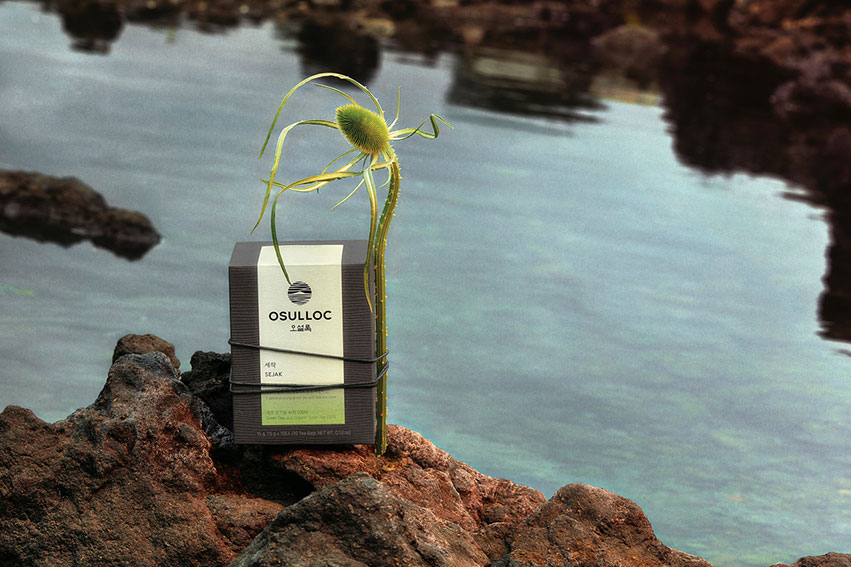
Sejak, Osulloc’s most-loved classic green tea


While Osulloc originally distributed primarily through regional department stores in South Korea, your strategy has shifted significantly toward e-commerce. How are you adapting this approach to the U.S. market? Do you intend to push strongly into e-commerce, or do you see an opportunity to open flagship stores in major cities, as some competitors like Kusmi or TWG have done?

Given Amazon’s influence in the U.S. market, our primary focus is currently on building a robust online presence through this platform. However, tea is a sensory experience, and physical interactions with the product can significantly enhance customer engagement. While opening dedicated tea houses in the U.S. is not yet in our immediate plans, we are exploring ways to expand our offline footprint strategically.

For instance, we’re working with Metropolitan Market in Seattle to enhance our presence in premium organic grocery stores. We have also entered shelves in Erewhon, a high-end organic store based in LA, broadening our reach in curated retail environments. These offline touchpoints allow us to introduce our products directly to consumers while fostering brand recognition. Once we establish a strong foundation in the West, we plan to replicate this model across other regions, including the Midwest and East Coast.

Ultimately, our strategy will balance the convenience of e-commerce with the immersive experience of physical retail, ensuring we connect with customers in a meaningful and multi-dimensional way. Offline pop-up events could also be effective in providing brand experiences, allowing customers to taste and interact with our teas.


For more information please visit: https://us.osulloc.com/


Source link

7 04, 2025

Is Bitcoin (BTC) Headed for $72,000? Dogecoin (DOGE) Price Hit Critical Support, Shiba Inu’s (SHIB) Whales Take Control?

By |2025-04-07T04:09:33+02:00April 7, 2025|Crypto News, News|0 Comments

Though technical and macroeconomic pressures are starting to build, Bitcoin has been maintaining key levels. After several unsuccessful attempts to break above the 200 EMA, which is located around $85,344, Bitcoin is currently exhibiting signs of weakness at $82,870. A flattening RSI and a narrowing range between short-term moving averages are affecting the asset, suggesting that traders are becoming more unsure. The performance over the weekend was comparatively flat, but Monday might see some volatility.

BTC/USDT Chart by TradingView

The market is preparing for the United States to impose new trading tariffs, which are anticipated to put more strain on risk assets and international stocks. As trade tensions rise, investors may seek safer havens, which could result in capital outflows from Bitcoin, which is frequently seen as a speculative vehicle in uncertain times. In the event that selling pressure increases, Bitcoin could lose support at $82,000, opening the way to $78,000.

Bears may target the $72,000 zone, a psychologically significant threshold and previous consolidation area, if that level also breaks. This level of breakdown would represent one of the steepest corrections in Bitcoin’s history, representing a nearly 15% drop from current prices. There are indications of weakness in volume as well.

Doubts have been raised regarding the sustainability of any near-term bounce because recent buying activity has not been accompanied by strong volume support despite prior surges. The RSI is currently at 44, indicating that there may be space for one more decline before oversold conditions are reached.

Dogecoin on way to last support

Dogecoin, which is having difficulty staying above the $0.16 threshold, is exhibiting more and more signs of weakness. Despite a generally stable market, the meme coin has not been able to gain traction, and all indicators now suggest that the $0.14 support level — the last meaningful level of defense for DOGE before more downside could occur — will probably be retested.

At $0.1646, DOGE is currently showing a persistent downward trend since its February peak, having fallen more than 2.5% in the past day. The asset has repeatedly been rejected at the $0.20 resistance level, but it has never been able to break through and maintain a meaningful rally. Momentum is unmistakably in favor of sellers as volume fades and RSI indicators approach oversold territory.

Related

Bitcoin (BTC) Storm Approaching: Volatility Gets Ready

More significantly, Dogecoin is now acting as resistance rather than support after breaking below both its 50-day and 100-day EMAs. The 200 EMA, which is frequently used as a trend confirmation line, is still significantly above the current price at $0.22, which supports the general bearish outlook. The three support levels at $0.20, $0.17 and $0.14 that are indicated on the chart are now crucial. The first two are currently under a lot of pressure or have already been compromised.

As short-term holders’ confidence wanes, the asset may see accelerated selling if the $0.14 level is broken. Over the next few days traders and investors should closely monitor volume trends and the general sentiment surrounding cryptocurrencies. Dogecoin may be entering uncharted bearish territory if it doesn’t see a strong rebound.

Shiba Inu gives up

Shiba Inu’s price is currently trading at about $0.00001210, a 1.94% daily decline, and it is still perilously close to important support levels. The meme-based token is exhibiting signs of weakness, but on-chain data suggests that a small group of powerful holders or whales may hold the key to its future. Technically speaking, SHIB is still in a downward trend and is trading below its heavy resistance 50, 100 and 200 EMA lines.

After several tests since early March, the next obvious support is located at about $0.000011. If this level is broken, there may be a steep decline toward uncharted territory close to $0.000010. The low and primarily red volume indicates a decline in interest and a rise in selling pressure. A relief bounce could be triggered by the Relative Strength Index (RSI) approaching oversold territory once more at about 40.5.

Related

Top Ripple Exec Claims He Sold Stocks to Harvest Losses

That scenario is unlikely to occur though unless there is a surge in purchasing activity. Shiba Inu‘s on-chain activity is where the true power dynamic is found. According to data, a small number of whale addresses hold more than 70% of SHIB‘s entire supply, which poses a serious risk. SHIB may experience a liquidity crisis if these whales start to offload, which would quickly drive the price down.

On the other hand, a sharp decline may be avoided if whales accumulate or stagnate. Particularly in the Shibarium ecosystem, SHIB’s devoted community and utility development are its strongest points. But SHIB will continue to be vulnerable to abrupt volatility until whale dominance subsides and wider adoption broadens the holder base.

Source link

7 04, 2025

PI, OKB, XDC, IP, & DEXE Stand Out

By |2025-04-07T02:30:52+02:00April 7, 2025|News, NFT News|0 Comments


Today, the broader crypto market decreased by 0.93%, placing its total market valuation at $2.65 trillion. As a result, major cryptocurrencies are down today. Bitcoin witnessed a decline of 0.61%, with its value currently standing at $82,994. Ether is down, currently trading at $1,794, after seeing a 1.07% drop.

Other major altcoins, like XRP, BNB, and SOL, are also down 1.63%, 1.16%, and 1.42%, respectively, including others. However, data from CMC highlighted the top gainers in today’s crypto market.

Top 10 crypto performers today   

Pi (PI)

Pi (PI) emerged as the top performer with an impressive price rise of 36.20% over yesterday. Key catalysts that fuelled this surge include an increase in purchaser activity, surging transaction volume, and Pi’s recent listing in Banxa.

Today, CoinGecko metrics show that Pi’s trading volume rose by 80.50% over the previous day, an indication of recent increased market participation from investors and traders. Yesterday, April 5, Pi Network announced a strategic collaboration with Banxa to allow users to buy Pi cryptocurrency directly using fiat money through their Pi wallets.

OKB (OKB)

The second on the list is OKB (OKB), which recorded a price increase of 5.60% over the period, a signal of robust investor interest. Its trading volume surged by 27.80% over yesterday, suggesting a recent increase of buyer activity within the platform.

The altcoin has been in an impressive uptrend momentum, as indicated by its weekly and monthly price charts. Its price has been up 11.0% and 25.2% over the past week and one month ago, respectively.

XDC Network (XDC)

XDC Network (XDC) took the third position with a price surge of 3.68%, making its value currently stand at $0.07018. Despite heightened volatility in the broader crypto market, XDC has been showing strength lately. The token’s value has been up 3.4% over the past seven days, an indicator of resilience and an increase in buying pressure.

Story (IP)

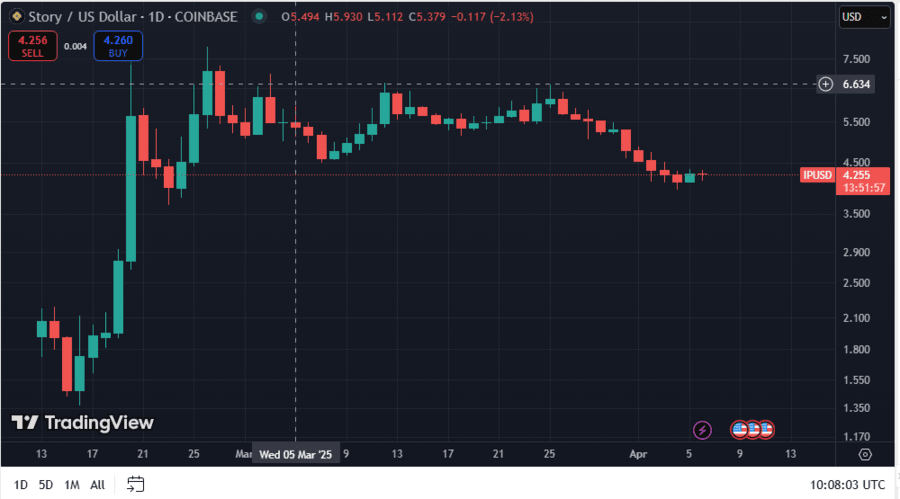
Story (IP) settled on the fourth place with a price hike of 3.41%, placing its value to currently hover at $4.21. This is not a mere single chance but is part of a continued positive trend happening within the network. Technical indicators show that IP appears to have completed a consolidation phase following an extended downward momentum noted over the past month. Story’s price has been down 22.9% and 12.7% over the past week and one month ago, respectively.

However, today’s gain is an indicator of a possible breakout movement. Maintaining the price above the support region of $3.81 could lay the foundation for a surge toward the resistance level of $4.41.

DeXe (DEXE)

Next is DeXe (DEXE), which registered a price jump of 2.88%, a reflection of strong market interest. One of the key factors fuelling this growth is its recent rollout of staking features in the newly revamped DeXe dApp. On March 31, the protocol disclosed that users have already staked more than $300 million in the staking platform that allows customers to earn staking incentives.

Others

Other crypto assets that also gained attention today following their impressive performance include MKR, BERA, KAIA, MNT, and TAO. While Maker (MKR) took the sixth position with a price growth of 2.69%, Berachain (BERA) followed it with a 1.33% price upswing.

Kaia (KAIA) settled on the eighth spot with a 0.65% price rise. Mantle (MNT) and Bittensor (TAO) took positions nine and 10, with price increases of 0.58% and 0.42%, respectively.


Source link

7 04, 2025

9 drinks that can naturally reduce liver fat in just 2 weeks

By |2025-04-07T02:09:45+02:00April 7, 2025|Dietary Supplements News, News|0 Comments


According to The Times of India, fatty liver disease has become a common health concern, often linked to poor diet and lifestyle choices. If left untreated, it can lead to serious health complications.

Incorporating certain drinks into your routine can help promote liver health and reduce fat accumulation. Here are nine drinks that may help reduce liver fat naturally:

1. Green tea

Green tea is rich in antioxidants known as catechins, which are believed to enhance liver function and reduce fat buildup. Drinking two to three cups of green tea daily can help boost metabolism and support overall liver health.

2. Lemonade

Lemons are high in vitamin C, which helps produce glutathione, a powerful antioxidant that detoxifies the liver. Starting your day with a glass of warm lemonade can kickstart the liver’s detoxification process.

A glass of lemonade drink. Illustration photo by Pexels

3. Beetroot juice

Beetroot juice is renowned for its liver-supportive properties, thanks to its betaine content. Betaine stimulates liver function and aids in toxin elimination. Consuming beetroot juice two to three times a week can help reduce liver fat and improve liver health.

4. Black coffee

Studies suggest that moderate coffee consumption may help reduce liver inflammation and fat accumulation, partly due to its high antioxidant content, particularly chlorogenic acid.

A 2016 research review published in the U.S. National Library of Medicine found that black coffee not only helps prevent fat buildup in the liver but also reduces the risk of developing a common type of liver cancer. Additionally, it has positive effects on liver disease and inflammation and is associated with a lower risk of death in individuals with chronic liver disease, according to Healthline.

The greatest benefits are observed in those who drink at least three cups of coffee daily.

5. Apple cider vinegar drink

Mixing a tablespoon of apple cider vinegar with water can enhance liver health. Apple cider vinegar also supports weight loss, regulates blood sugar, and aids digestion. Drinking this mixture daily can promote liver detoxification and fat reduction.

6. Turmeric tea

Turmeric contains curcumin, a compound known for its anti-inflammatory and antioxidant properties. Drinking turmeric tea regularly can help reduce liver fat and improve liver function. It is recommended to combine turmeric with warm water or milk for an added health boost.

7. Carrot juice

Carrots and two glasses of carrot juice. Illustration photo by Pixabay

Carrots and two glasses of carrot juice. Illustration photo by Pixabay

Carrot juice is packed with beta-carotene and antioxidants, both of which help protect the liver and improve its detoxification processes. Drinking a glass of fresh carrot juice a few times a week can support liver health and reduce fat buildup.

8. Cranberry juice

Unsweetened cranberry juice is rich in antioxidants, which can improve liver function and reduce fat accumulation. A glass of unsweetened cranberry juice daily provides protective effects for liver health.

9. Mint tea

Mint tea aids digestion and supports liver function. The antioxidants in mint help detoxify the liver and enhance fat metabolism. Enjoying a cup of mint tea daily can refresh and support your liver.


Source link

7 04, 2025

XRP Price Prediction – Can It Stay Resilient Amid Market Chaos?

By |2025-04-07T02:08:18+02:00April 7, 2025|Crypto News, News|0 Comments

The stock market has been volatile, particularly due to the fallout from recent tariff discussions. However, the cryptocurrency market, including XRP, has demonstrated resilience, holding steady while traditional markets have faced significant losses.

Although XRP saw a modest increase in value, it has mostly remained flat amid the turbulence. This volatility stems from uncertainty about how countries will respond with retaliatory tariffs, especially after China’s announcement of a 34% tariff hike on US goods.

This could further strain the fragile situation, as the US aims to level the playing field with higher tariffs, which may cause short-term pain but could improve market fairness in the long term. While these moves can be debated politically, they emphasize the need for more balanced trade dynamics.

Meanwhile, the crypto market appears stable, and with escalating tariffs on traditional assets like gold, more investors may turn to digital assets like Bitcoin and XRP as a safer haven.

This situation presents an interesting crossroads where traditional markets face extreme volatility, while crypto may continue to stand out as a potentially unaffected investment class.

Source – Austin Hilton on YouTube

XRP Price Prediction

The current market conditions for $XRP are being shaped by a mix of technical and fundamental factors. In the past week, the price of XRP tested key support levels between $1.95 and $2.05, which has been expected.

From here, there’s potential for the price to rally toward $2.30, a zone where multiple strong resistances, including the 30-day VWAP and the 200 EMA, are situated. However, the volatile opening of the equity markets could introduce risk, as uncertainty in broader financial markets persists.

The equities market is currently experiencing high volatility, with the volatility index nearing levels not seen in a year, which could potentially weigh on $XRP’s price. Despite these external pressures, XRP has shown resilience, with its trading volume recently spiking by approximately $100 million.

Technically, it seems likely that the $1.95 support will hold, although a deeper correction to $1.75 or $1.65 is possible if market conditions worsen, particularly in the context of a major escalation in the trade war or a sharp decline in the S&P 500.

Additionally, the recent rise in open interest for XRP-USDC suggests that short positions are being taken, and this could indicate a temporary price dip. Nevertheless, the short-term outlook remains positive, with some signs suggesting a potential push toward $2.25-$2.30.

Conclusion

Looking ahead, the uncertainty of Monday’s stock market performance will undoubtedly affect crypto, but it’s crucial to monitor how the digital asset market reacts.

Despite the broader market conditions, crypto assets, like $XRP, have continued to show resilience, and it remains to be seen whether this trend will hold or if they will also face the pressure of external financial disturbances.

It’s important to stay vigilant and watch how the market evolves in the coming days, especially as we move into another unpredictable week for both the stock market and cryptocurrency.

Source link

7 04, 2025

Natural Gas News: Weather and Inventory Build Set Bearish Tone

By |2025-04-07T00:17:29+02:00April 7, 2025|Forex News, News|0 Comments


Production Holds Steady Despite Falling Rig Counts

Despite a drop in the U.S. natural gas rig count—down seven last week to just 96—output remains strong. Lower-48 dry gas production averaged 106.4 Bcf/d on Friday, up over 4% from a year ago. This persistent output is meeting softening demand head-on. Industrial and residential usage remains subdued, and power burn, while stable, has yet to show the typical seasonal ramp-up. The result is a market with more supply than it currently needs, particularly in the absence of weather-related demand spikes.

Did the Latest Storage Report Shift Market Expectations?

Yes. The EIA reported a 29 Bcf injection into storage for the week ending March 28, well above the five-year average draw for that period. While inventories are still 21.5% lower than last year and 4.3% below the five-year norm, the size of the early injection signaled that mild weather and excess supply are beginning to rebuild stockpiles earlier than expected. This has added to the near-term bearish tone, especially as traders focus on the potential for larger-than-usual builds in the coming weeks.

Can LNG Exports Offset Domestic Weakness?

LNG exports remain a bright spot, with flows to U.S. export terminals holding near 15.5 Bcf/d. While down slightly from the prior week, they continue to support baseline demand. Longer term, President Trump’s move to lift restrictions on LNG export project approvals has reactivated a backlog of infrastructure proposals. If even a portion of these projects moves forward, it would meaningfully increase export capacity and help balance domestic oversupply. For now, however, the export story is more supportive for long-term pricing than for the current supply-demand mismatch.

Market Forecast: Bearish Near Term on Demand and Supply Imbalance

The short-term outlook for natural gas remains bearish. Weaker weather-driven demand, strong production, and early-season storage builds are tilting the market toward oversupply. Unless colder weather unexpectedly returns or LNG demand accelerates, prices may continue to face downward pressure in the week ahead.


Source link

7 04, 2025

How Much Caffeine Is Usually In Matcha?

By |2025-04-07T00:08:42+02:00April 7, 2025|Dietary Supplements News, News|0 Comments


In today’s coffee shops, we have more options for our morning brew than ever before. Espresso drinks are everywhere, coffee’s served hot and cold, and there are many more teas to choose from than just green and black. Coffee shops introduce international favorites to menus regularly, and while the olive oil-based Oleato was a flop for Starbucks, matcha has soared in popularity. Of course, matcha has been a popular drink in Asia for hundreds of years, particularly in Japan, but you may be wondering if it packs the same punch as your regular morning latte. Starbucks says its grande matcha latte has 65 mg of caffeine per 16 ounces. By comparison, the café’s grande espresso latte contains 150 mg. But it’s not so cut and dry.

The caffeine content in an average cup of coffee can vary wildly — the U.S. Food & Drug Administration says a “regular brewed, non-specialty” 12-ounce cup of coffee can have anywhere from 113 to 247 mg of caffeine. That’s a pretty wide range, and the method of preparation and coffee beans you use can complicate that further. Matcha, however, really isn’t much like coffee. It’s technically a kind of green tea, albeit stone-ground and used as a powder. Regular green tea has considerably less caffeine than coffee, at 30 to 50 mg per eight-ounce cup, and that can also be affected by the method of preparation. Brewed matcha delivers around 70 mg of caffeine for a fraction of the ounces, so it’s considerably more potent, but that 16-ounce Starbucks matcha latte isn’t all matcha powder. Like an espresso drink, the amount of ground tea leaves used in a cup of matcha is small, and the rest is water, milk, and sugar.

Why Does Matcha Pack So Much Caffeine in a Little Package?

So, if matcha is just ground-up green tea leaves, how does it have so much more caffeine than a typical cup of brewed green tea? The difference chiefly lies in what part of the tea leaves you’re drinking.

Regular green tea is made by using hot water to soak leaves from the Camellia sinensis plant, usually packaged in a tea bag or sold loose-leaf. When you pour out the steeped tea from a teapot or remove the bag from your cup, the actual leaves are filtered out. Matcha powder, on the other hand, is made of whole leaves. The powder is mixed with hot water until it froths, and the amount of water you use can change the consistency of the drink. From there, you can add milk and sweeteners to make a latte or whatever kind of barista drink you like.

Matcha powder tastes pretty bitter, so a teaspoon or two is typically all you need. As that amount equates to about 70 mg of caffeine, you can do the math to figure out how much actual powder is in a Starbucks grande matcha latte. A little goes a long way.

Order a Dirty Matcha for a Bigger Jolt of Caffeine

With matcha and espresso sitting so close to each other on more and more coffee shop menus, it’s only natural for adventurous coffee and tea lovers to wonder: what happens if you mix them together? Enter the dirty matcha, a somewhat controversial but super popular latte that mixes matcha and espresso.

Like the dirty chai, another blend of tea and coffee, a dirty matcha is made by combining a shot of brewed matcha, a shot of espresso, milk, and your sweetener or syrup of choice. It can also be made iced with a few cubes dropped in. Devotees swear by the drink largely because of the unique interplay between that grassy matcha flavor and the bold acidic taste of espresso.

But with two particularly caffeine-rich beverages meeting in one glass, you might wonder if the jolt of energy a dirty matcha gives you will be considerably more intense than a standard latte. A shot of matcha has about the same amount of caffeine as a shot of espresso, which means that, together, they have about as much caffeine as a standard cup of coffee. The FDA puts the threshold for a healthy amount of caffeine per day at 400 mg, so a dirty matcha isn’t going to give you the jitters any worse than your average latte will.


Source link

7 04, 2025

Bitcoin (BTC) Price Prediction for April 6 — TradingView News

By |2025-04-07T00:07:33+02:00April 7, 2025|Crypto News, News|0 Comments

Bulls could not hold the gained initiative until the end of the week, according to CoinMarketCap.CoinMarketCap”>

BTCUSD

The price of Bitcoin BTCUSD has dropped by 0.45% over the last 24 hours.TradingView”>

On the hourly chart, the rate of BTC is near the formed support of $83,000. As most of the daily ATR has not passed yet, traders may witness a further correction to the $82,500 range by tomorrow.TradingView”>

On the bigger time frame, there are no reversal signals yet. If the bar closes around the current prices or below, there is a chance of a test of the $80,000-$81,000 zone within the next few days.TradingView”>

From the midterm point of view, the weekly candle is about to close with a long wick, which is a bearish signal. As the rate of the main crypto is far from its key level, one should focus on the interim area of $80,000.

If a breakout happens, the accumulated energy might be enough for a move to the $78,000 mark.

Bitcoin is trading at $83,070 at press time.

Source link

6 04, 2025

Chile to cut 2025 copper price forecast, WSJ reports

By |2025-04-06T22:16:38+02:00April 6, 2025|Forex News, News|0 Comments


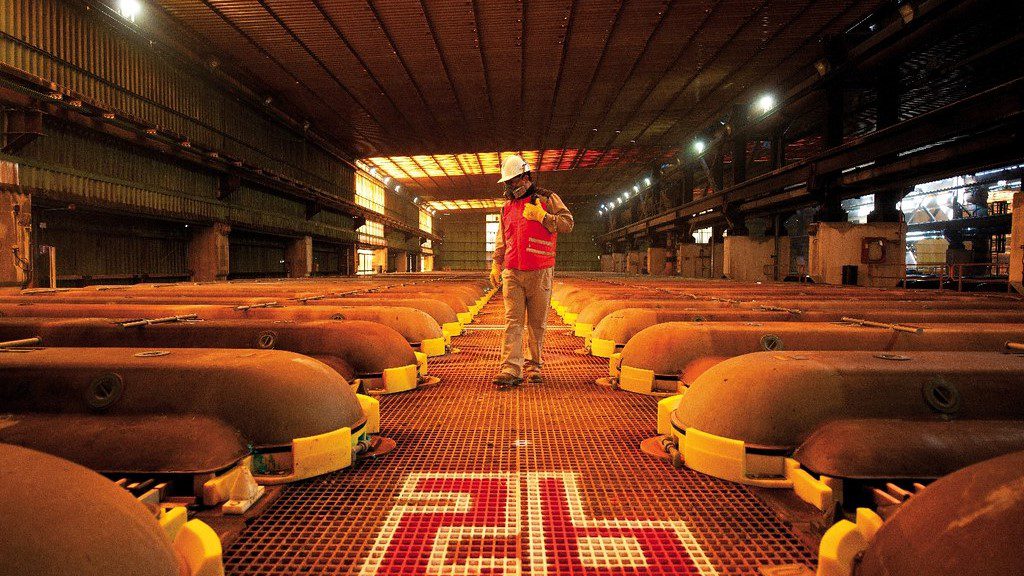
Spence copper mine in the North of Chile. (Credit: Consejo Minero)

Chile, the world’s largest producer of copper, is preparing to slash its official price estimate for 2025, the Wall Street Journal reported on Saturday.

The Chilean government will cut the estimated average price to $3.90 to $4 a pound from a current projection for the year of $4.25 a pound, the WSJ said, citing a person familiar with the preliminary calculations.

Chile will publish the revised price estimate at the end of April, the newspaper said.

In February, Chile’s state copper commission, Cochilco, held its 2025 price forecast steady at $4.25 after raising it from $3.85 in May 2024.

The commission also extended the $4.25 forecast for 2026 and said it expected copper prices to remain over $4.00 a pound for the next decade.

Commodities prices including oil and other goods fell this week after new US tariffs fueled fears of a global recession.

(By Rishabh Jaiswal; Editing by Cynthia Osterman)


CHART: Mining stocks massacre as copper price craters by 9%


Source link

Go to Top