About Editorial team of BIPNs

Main team of content of bipns.com. Any type of content should be approved by us.
22 12, 2025

Bubble Tea Market Overview, Key Growth Factors, and Insights

By |2025-12-22T14:51:36+02:00December 22, 2025|Dietary Supplements News, News|0 Comments


Bubble Tea Market

The bubble tea industry is gaining remarkable traction worldwide, driven by evolving consumer preferences and innovative product offerings. This vibrant market is poised for substantial growth as new trends and strategic moves by key players continue to reshape the landscape. Here’s a detailed look at the market’s projected value, leading companies, prominent trends, and segment breakdowns.

Projected Market Value and Growth Trajectory of the Bubble Tea Market

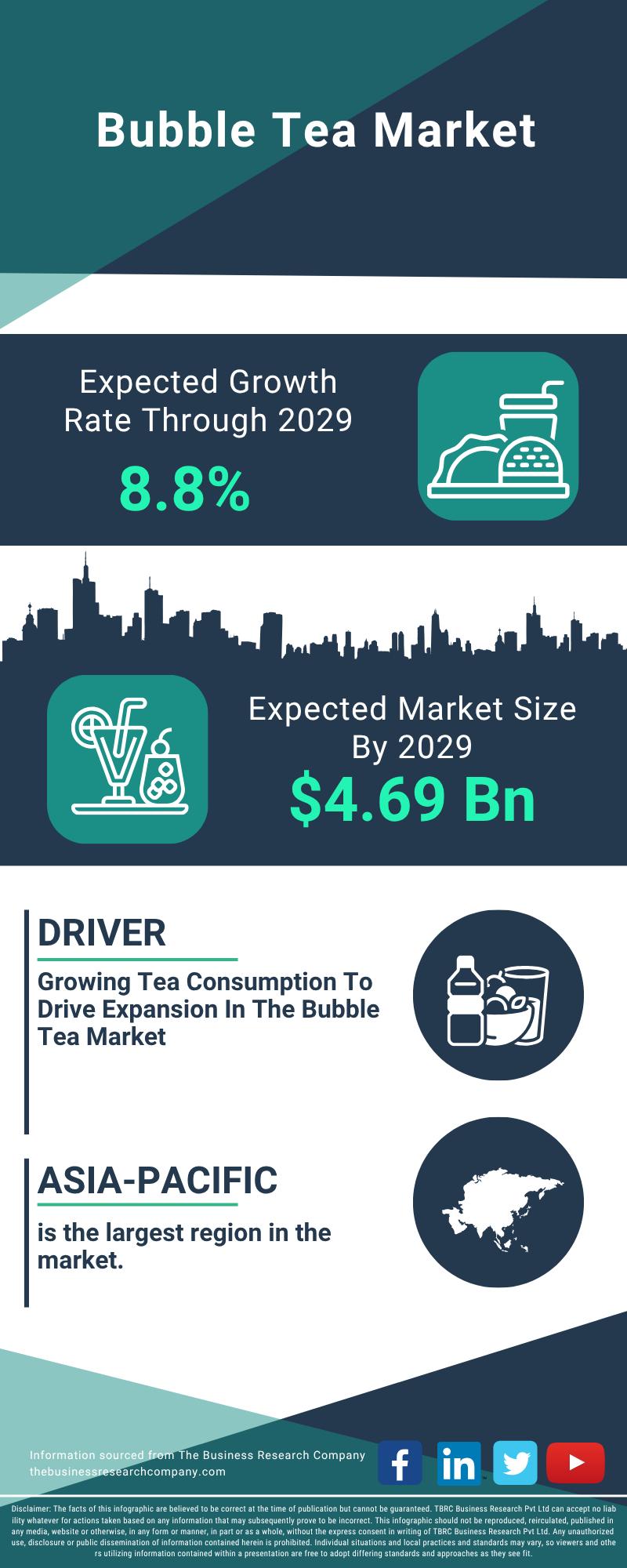
The bubble tea market is forecasted to experience significant expansion in the coming years, projected to reach a value of $4.69 billion by 2029. This growth corresponds to a compound annual growth rate (CAGR) of 8.8%. Several factors are propelling this upward trend, including a broader variety of menu options, endorsements from celebrities and influencers, enhanced mobile ordering and delivery services, sustainability efforts, and the rise of specialty and premium bubble tea products. Key trends shaping the market over the forecast period include limited edition and specialty offerings, a growing focus on health and wellness, customized and personalized drinks, eco-friendly initiatives, and creative fusion beverages.

Download a free sample of the bubble tea market report:

https://www.thebusinessresearchcompany.com/sample.aspx?id=10468&type=smp

Key Players Driving the Bubble Tea Market Forward

The bubble tea sector features numerous prominent companies actively shaping the market, such as Lollicup Inc., CuppoTee Company, Bubble Tea House Company, Ten Ren’s Tea Co. Ltd., Boba Box Limited, Sumos Sdn Bhd, Troika JC., Fokus Inc., Tea Time, Kuaikeli Enterprise Co. Ltd., COCO International Co. Ltd., Kung Fu Tea, Gong Cha, Kevito Ltd., Qbubble Troika J C Inc., Biju Bubble Tea, Bubbleology, Chatime, Comebuy, Ding Tea, Fanale Drinks, Happy Lemon, Heytea, Koi Thé, Nayuki, OneZo, Presotea, Quickly, Royaltea, Sharetea, The Alley, The Tea Terrace, and The Whale Tea.

In a recent development, October 2024 saw Unsworth Family Holdings Inc., a Canadian investment and holding firm, acquire Aimia Foods Inc. Although the financial details were not disclosed, this acquisition expands Unsworth’s portfolio by incorporating Aimia Foods’ extensive product lineup and production capabilities. It also solidifies Unsworth’s foothold in the food and beverage industry by leveraging Aimia’s well-established customer base and distribution channels. Aimia Foods, based in Canada, specializes in supplying essential bubble tea ingredients such as boba (tapioca pearls) and flavored syrups.

Innovative Trends Transforming the Bubble Tea Market

Innovation remains at the forefront of the bubble tea market’s evolution, with companies focusing on unique products that enhance the consumer experience. For example, proprietary Coco jelly boba pearls are gaining attention for their distinctive chewy texture and improved shelf life. Made from fermented coconut water, these pearls offer a lighter and more resilient alternative to traditional boba, catering to health-conscious consumers and differentiating brands in a competitive environment.

A notable example of product innovation occurred in March 2024, when SPI West Port Inc., a US-based beverage company, introduced JENJI, a ready-to-drink (RTD) boba tea line. This new range includes four flavors: Original Milk Tea, Matcha Latte, Strawberry Latte, and Brown Sugar, all packaged in 16.5 oz (490 mL) aluminum cans. These drinks stand out by containing no artificial colors or flavors, appealing to customers seeking natural ingredients and convenience.

View the full bubble tea market report:

https://www.thebusinessresearchcompany.com/report/bubble-tea-global-market-report

Comprehensive Segment Analysis of the Bubble Tea Market

This report breaks down the bubble tea market into key segments for a clearer understanding of its scope:

1) By Type: Black Tea, Green Tea, Oolong Tea, White Tea, Other Types

2) By Flavor: Original, Fruit, Coffee, Chocolate, Other Flavors

3) By Component: Flavor, Creamer, Sweetener, Liquid, Tapioca Pearls, Other Components

Further subcategories include:

– Black Tea: Traditional Black Tea, Milk Black Tea, Fruit Black Tea Variants

– Green Tea: Traditional Green Tea, Milk Green Tea, Fruit Green Tea Variants

– Oolong Tea: Traditional Oolong Tea, Milk Oolong Tea, Flavored Oolong Tea Variants

– White Tea: Traditional White Tea, Flavored White Tea, White Tea With Additives

– Other Types: Herbal Tea, Fruit Tea, Floral Tea, Specialty Blends

This segmentation highlights the diversity within the bubble tea market, showcasing the variety of tea bases, flavors, and ingredient components that appeal to a broad range of consumer tastes and preferences.

Reach out to us:

The Business Research Company: https://www.thebusinessresearchcompany.com/,

Americas +1 310-496-7795,

Europe +44 7882 955267,

Asia & Others +44 7882 955267 & +91 8897263534,

Email us at info@tbrc.info.

Follow Us On:

LinkedIn: https://in.linkedin.com/company/the-business-research-company,

Twitter: https://twitter.com/tbrc_info,

YouTube: https://www.youtube.com/channel/UC24_fI0rV8cR5DxlCpgmyFQ

Learn More About The Business Research Company

With over 17500+ reports from 27 industries covering 60+ geographies, The Business Research Company has built a reputation for offering comprehensive, data-rich research and insights. Armed with 1,500,000 datasets, the optimistic contribution of in-depth secondary research, and unique insights from industry leaders, you can get the information you need to stay ahead.Our flagship product, the Global Market Model (GMM), is a premier market intelligence platform delivering comprehensive and updated forecasts to support informed decision-making.

This release was published on openPR.


Source link

22 12, 2025

Gold Price, Dec 22: XAU/USD Near $4,350 as $5,000 Gold Forecasts for 2026 Emerge

By |2025-12-22T13:35:31+02:00December 22, 2025|Forex News, News|0 Comments


Gold is back in focus as price hold near record territory. On December 22, 2025, XAU/USD was trading close to $4,350, a level that would have sounded unrealistic just a few years ago. Yet today, it feels almost normal. Global investors are no longer asking if gold belongs in portfolios. They are asking how much exposure makes sense.

Several forces are shaping this moment. Interest rate expectations are shifting. Inflation fears have not fully faded. Central banks are still buying gold at a steady pace. At the same time, long-term forecasts are turning bolder. Some analysts now see a path toward $5,000 gold by 2026.

This price action is not driven by panic. It reflects deeper changes in how gold is viewed. Not just as a hedge. But as a strategic asset. The current consolidation near $4,350 shows caution, not weakness. Markets are pausing. Watching data. Waiting for the next trigger. And gold is quietly holding its ground.

Gold Price Today: Why XAU/USD Is Stuck Near $4,350?

As of December 22, 2025, gold hit a record high above $4,383 per ounce, and briefly pushed past $4,400, driven by hopes for more U.S. interest rate cuts and strong demand for safe assets like bullion.

Gold Price Org Source: Gold Price Current Overview, December 22, 2025

Gold has climbed sharply this year. Prices are up about 67% in 2025, making this one of the strongest annual gains in decades.Even at levels near $4,350, buyers remain active. This shows the market is waiting for strong signals before moving higher. A weaker U.S. dollar and expectations that the Federal Reserve will cut rates next year are adding to the pressure.

Gold Price, Dec 22: XAU/USD Near ,350 as ,000 Gold Forecasts for 2026 Emerge
Meyka AI: US Dollar Price Current Overveiw, December 22, 2025

Instead of falling back, gold keeps finding support at these high prices. Traders see this as a sign that demand is real, not just short-term speculation. More data will soon show whether this trend continues into 2026 or cools off after a huge rally.

What Changed in the Gold Narrative in 2025-26?

Gold’s role in markets has changed dramatically over the past year. In early 2025, the rally began on safe-haven flows. Now, broad macro trends are backing price strength. This includes investor demand, central bank buying, and fears linked to global instability.

Unlike past cycles where gold only moved during crises, the current environment shows structural drivers pushing prices higher. Central banks have been big buyers of gold for years, and they continue to add reserves. This demand adds a firm base under prices.

Economic uncertainty, persistent inflation fears, and ongoing geopolitical risks have made gold a core part of many portfolios. This has turned gold from a trading asset into a strategic hedge for 2025 and beyond.

The $5,000 Gold Price Forecast for 2026

Several major financial institutions now see gold rising toward or above $5,000 per ounce by 2026. Reports show that banks like Bank of America and Société Générale have forecasts in this range.

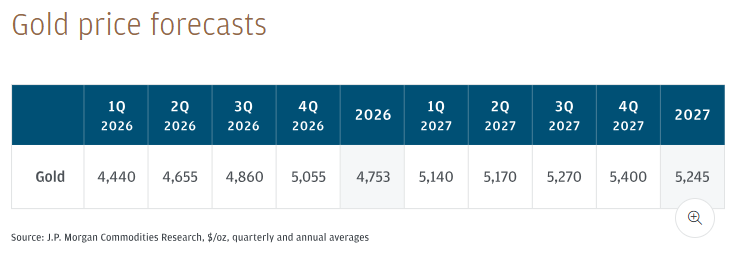
JP Morgan Source: Gold Price Forecast 2026-2027

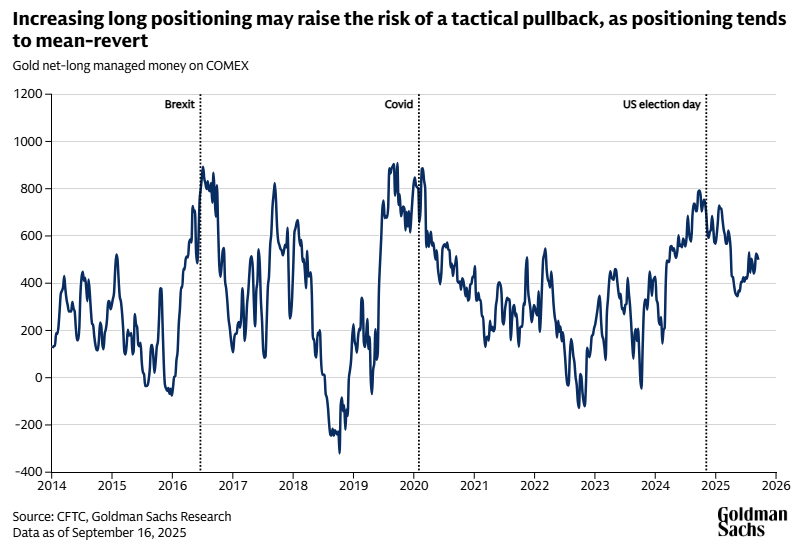
JP Morgan has forecast that gold could average over $5,000 per ounce by the fourth quarter of 2026, citing strong investor interest and central bank buying. Goldman Sachs projects a target near $4,900 by the end of 2026, backed by heavy official gold purchases.

Official Source: Goldman Sachs Gold Price Forecast 2026

These forecasts are not random guesses. They are based on models that assume continued demand, declining real yields, and broader geopolitical and economic risks remaining elevated. A path toward $5,000 is seen by some analysts as the natural next step if current trends persist.

Federal Reserve Policy: The Quiet Driver Behind Gold’s Next Move

Gold prices are highly sensitive to U.S. monetary policy expectations. When traders expect the Federal Reserve to cut interest rates, gold usually rises. This is because lower rates reduce the opportunity cost of holding non-yielding assets like gold.

In late 2025, markets priced in multiple rate-cut expectations for 2026. This has weakened the U.S. dollar and boosted gold. Even if rate cuts are gradual, a shift toward easier policy tends to support gold prices. The market is now watching incoming economic data closely for stronger clues on the Fed’s next moves.

Central Bank Gold Buying: The Underrated Bullish Factor

Central banks around the world have been buying gold at a fast pace in recent years. This steady demand is not driven by short-term traders. It is structural. Countries diversify reserves to reduce reliance on the U.S. dollar, and gold becomes a key part of that strategy.

The pace of official gold purchases has stayed high through 2025, and projections suggest this trend will continue into 2026. Many banks now see this steady demand as a significant factor in pushing gold prices higher.

Inflation, Debt, and Geopolitics: The Triple Threat Supporting Gold

Three broad pressures are reinforcing gold’s appeal. First, inflation remains a concern globally, even as some inflation measures soften. Second, high public debt levels in major economies create uncertainty about future policy responses. Third, geopolitical risks continue to drive safe-haven buying.

When these pressures exist together, investors tend to seek assets that protect purchasing power and offer stability. Gold fits both roles. This mix of forces helps explain why prices are not falling back despite already high levels.

Gold Price Technical Outlook: Watch Key Levels

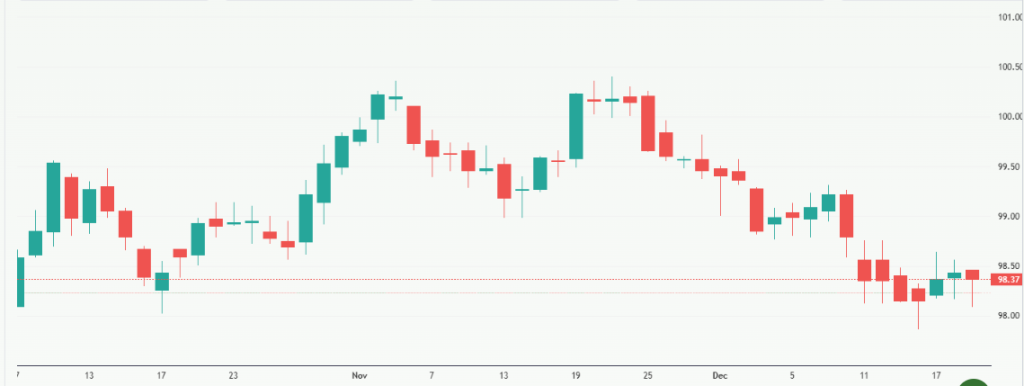
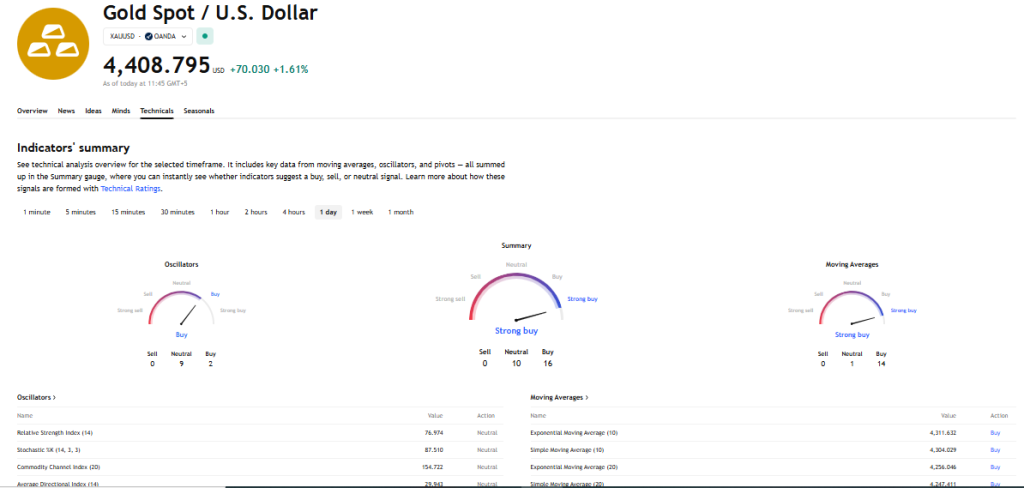
Technically, gold has been trading in a high range near $4,350. Analysts watch key support and resistance levels to judge whether the trend will extend or stall. Recent trading has shown gold holding above major support zones, signaling that buyers are active even after a big rally.

TradingView Source: Gold Price Technical Analysis, December 22, 2025

Short-term indicators show possible minor pullbacks, but the broader trend remains constructive unless critical levels break to the downside. Trading near these high levels is part of a normal consolidation after strong gains.

Is Gold Overvalued at $4,350? What the Data Says

Simply calling gold “overvalued” at these levels misses the bigger picture. When adjusted for inflation and other factors, gold’s purchasing power remains strong. Historic comparisons show that current prices reflect long-term structural shifts rather than just short-term bubbles.

Even if price moves slow for a period, the fundamental drivers suggest that higher levels could still be justified over time.

What Could Break the $5,000 Gold Thesis?

Several risks could slow gold’s rise. A stronger-than-expected U.S. economy might delay rate cuts, boosting the dollar and pressuring gold. Geopolitical risks could ease, reducing safe-haven demand. Or central banks could slow their buying pace if prices rise too fast.

These risks do not make gold bearish. They simply show that the path to potential $5,000 levels is not guaranteed and depends on how key macro factors evolve.

Gold Outlook for Investors Heading Into 2026

Looking ahead, gold remains an important asset for diversification. Short-term moves may be volatile, but the broader trend shows strong support. Expert forecasts vary, but many see room for further gains. Central bank demand, monetary policy shifts, and ongoing uncertainty all feed into this outlook.

Even if gold does not hit exactly $5,000 in 2026, the trend toward higher ranges suggests it will remain a key part of global markets in the near future. 

Frequently Asked Questions (FAQs)

What is the gold price forecast for 2026?

Many analysts see gold staying strong in 2026. Some forecasts put averages near $4,000-$4,900 per ounce by year‑end, backed by demand and macro trends.

Can gold price reach $5,000 per ounce in 2026?

Some major banks like Bank of America and HSBC say gold could hit or approach $5,000 in 2026 if rate cuts and safe‑haven flows persist.

What drives the gold price higher or lower?

Gold moves with factors like interest rates, U.S. dollar strength, central bank buying, and global risks, making it sensitive to macroeconomic shifts. 

Disclaimer

The content shared by Meyka AI PTY LTD is solely for research and informational purposes. Meyka is not a financial advisory service, and the information provided should not be considered investment or trading advice.


Source link

22 12, 2025

The GBPJPY achieves big gains– Forecast today – 22-12-2025

By |2025-12-22T12:59:33+02:00December 22, 2025|Forex News, News|0 Comments

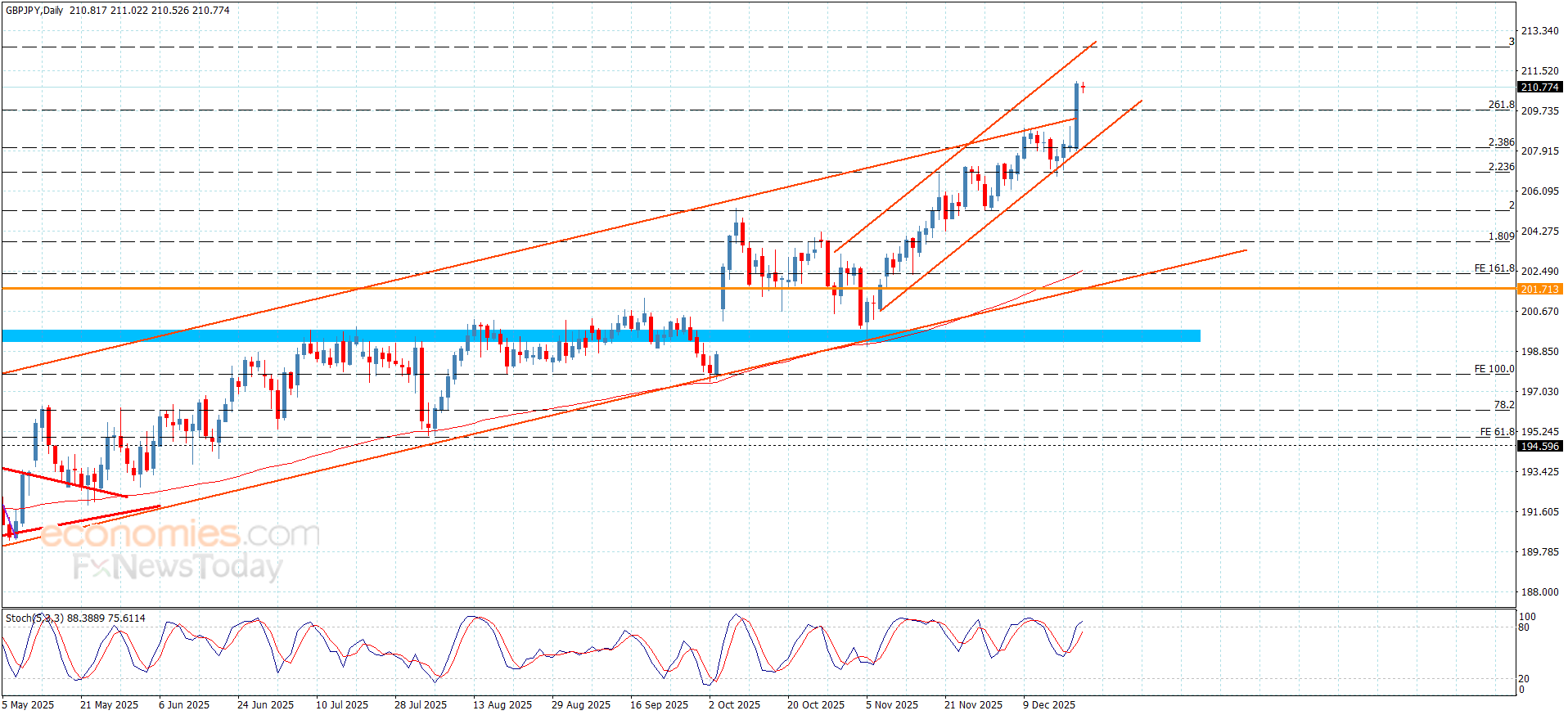
The GBPJPY pair took advantage of the repeated positive pressures to confirm the continuation of the bullish scenario, surpassing the target at 209.85 on Friday forming 261%Fibonacc extension level, to open the way for recording big extra gains by hitting 211.05 level.


Noticing that stochastic reaches the overbought level, which allows it to settle within the minor bullish channel levels, depending on forming extra support at 209.80 level, to expect forming new gains by its rally towards 211.60 reaching the resistance of the bullish channel at 212.25.


The expected trading range for today is between 210.00 and 211.60.


Trend forecast: Bullish


Source link

22 12, 2025

Personalized Nutrition Market Size, Share

By |2025-12-22T12:50:32+02:00December 22, 2025|Dietary Supplements News, News|0 Comments


Report Overview

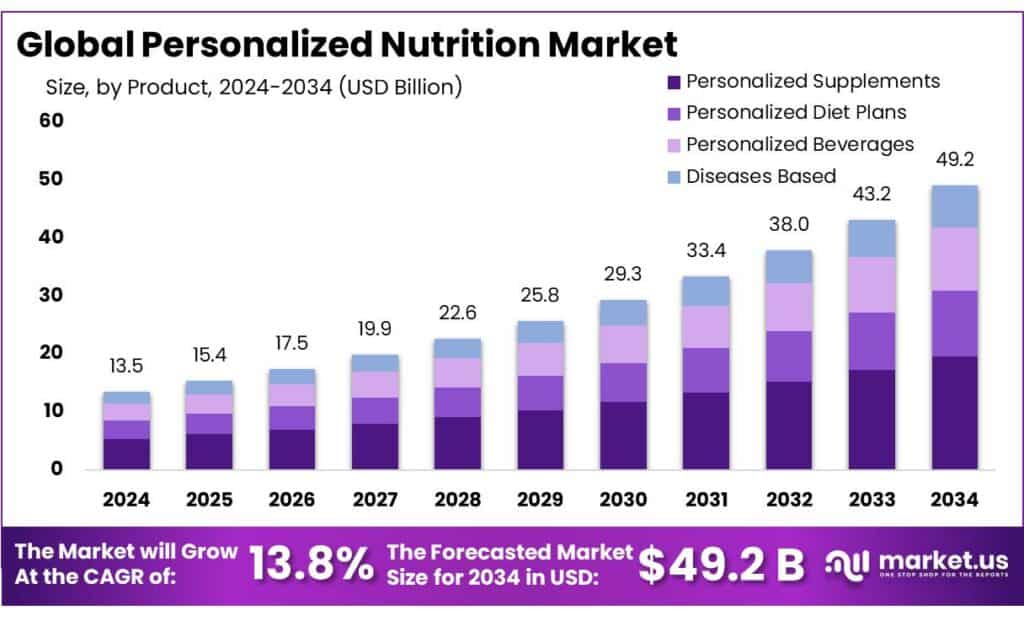
The Global Personalized Nutrition Market size is expected to be worth around USD 49.2 Billion by 2034, from USD 13.5 Billion in 2024, growing at a CAGR of 13.8% during the forecast period from 2025 to 2034. In 2024 North America held a dominant market position, capturing more than a 39.2% share, holding USD 5.2 Billion in revenue.

Personalized nutrition is moving from a niche “DNA test + supplement pack” concept into an industry-wide capability that blends food science, digital health, and preventive care. In practice, it means tailoring dietary advice, functional foods, and supplementation to an individual’s goals and data—such as lifestyle, biomarkers, microbiome signals, or medical history—while still meeting mainstream expectations on taste, convenience, and trust. For example, the IFIC Food & Health Survey reports that nearly 6 in 10 Americans say they followed a specific diet in the past year, and leading diet goals include “Energy/less fatigue” (40%) and “Weight loss/weight maintenance” (40%).
Personalized Nutrition Market Size, Share

A major driver is the expanding availability of large, diverse health datasets that help translate biology into practical recommendations. The U.S. NIH “All of Us” Research Program reports roughly 862,000 enrolled participants by April 2025, and notes that 15,000+ researchers across all 50 states and 1,000+ organizations worldwide are registered to use its research platform—momentum that supports better evidence-building for precision approaches over time. In Europe, the 1+ Million Genomes (1+MG) initiative was signed by 25 EU countries plus the United Kingdom and Norway, building infrastructure to enable secure cross-border access to genomics and related clinical data—an enabling backbone for future “genomics-aware” nutrition pathways.

Industrially, the ecosystem now resembles a multi-layer value chain. Upstream, testing and data capture include blood biomarkers, continuous glucose monitoring, microbiome kits, and increasingly large research cohorts feeding algorithm development. In the U.S., the NIH’s “Nutrition for Precision Health” program is backed by $170 million over 5 years and targets 10,000 participants to build predictive nutrition algorithms. This sits alongside scale-building infrastructure like All of Us, which reports roughly 862,000 enrolled participants.

Several demand-side drivers are converging. First, consumers are already in “active management” mode: in 2025, 57% of Americans said they followed a specific eating pattern or diet in the past year, with “high protein” reported by 23%. Second, supplement behavior supports personalization economics: 75% of Americans take dietary supplements, providing an established channel for tailored packs and condition-focused regimens. Third, the clinical imperative is intensifying—IDF reports 589 million adults living with diabetes worldwide and at least USD 1 trillion in health expenditure tied to diabetes.

Government and trusted institutional initiatives are also accelerating the ecosystem. In the U.S., the NIH “All of Us” Research Program reports more than 849,000–850,000 participants enrolled (public updates), supporting large-scale research that can improve how nutrition advice is tailored to diverse populations. In Europe, the Commission has funded digital-personalisation research directly; for instance, the EU-funded PROTEIN project (CORDIS) listed a total cost of €8,138,951.25 with an EU contribution of €6,999,472.50 to develop ICT-based personalised nutrition systems.

Key Takeaways

  • Personalized Nutrition Market size is expected to be worth around USD 49.2 Billion by 2034, from USD 13.5 Billion in 2024, growing at a CAGR of 13.8%.
  • Personalized Supplements held a dominant market position, capturing more than a 39.6% share.
  • Active Measurement held a dominant market position, capturing more than a 61.2% share.
  • Direct Consumers held a dominant market position, capturing more than a 44.8% share.
  • Online held a dominant market position, capturing more than a 39.7% share.
  • North America emerged as the dominant region in the personalized nutrition market, capturing 39.20% of global share and generating approximately US$5.2 billion.

By Product Type Analysis

Personalized Supplements lead with 39.6% as consumers seek tailored daily nutrition

In 2024, Personalized Supplements held a dominant market position, capturing more than a 39.6% share, driven by rising consumer preference for nutrition products designed around individual health goals, lifestyle, and genetic profiles. This segment benefited from strong demand for customized vitamins, minerals, probiotics, and functional blends that address specific needs such as immunity, gut health, energy, and aging. The growth of digital health tools, including online assessments and at-home testing kits, made personalized supplement plans easier to access and understand, supporting wider adoption.

Moving into 2025, the segment continued to expand as awareness of preventive healthcare increased and consumers shifted away from one-size-fits-all supplements toward more precise nutrition solutions. Improvements in formulation accuracy, ingredient traceability, and data-driven recommendations further strengthened trust in personalized supplements. As a result, this product type remained central to the personalized nutrition market, supported by consistent consumer engagement and long-term wellness-focused buying patterns.

By Measurement Method Analysis

Active Measurement leads with 61.2% as real-time health tracking gains trust

In 2024, Active Measurement held a dominant market position, capturing more than a 61.2% share, supported by strong consumer demand for real-time and data-driven nutrition insights. This method relies on direct inputs such as blood tests, DNA analysis, microbiome assessments, and wearable-based biomarker tracking, which allow nutrition plans to be adjusted based on actual physiological data rather than assumptions. The growing use of at-home testing kits and connected devices made these measurements more accessible and easier to repeat over time.

Moving into 2025, adoption continued to rise as accuracy improved and turnaround times shortened, helping users refine their nutrition programs more frequently. Active measurement also supported subscription-based personalized nutrition models, encouraging long-term engagement rather than one-time purchases. As a result, this measurement method remained the backbone of personalized nutrition services, driven by its ability to offer precise, actionable, and continuously updated dietary recommendations.

By End-use Analysis

Direct Consumers lead with 44.8% as personalized nutrition becomes part of daily wellness

In 2024, Direct Consumers held a dominant market position, capturing more than a 44.8% share, driven by the growing shift toward self-managed health and nutrition solutions. Individuals increasingly preferred direct access to personalized nutrition services through digital platforms, mobile apps, and subscription-based programs without intermediaries.

By 2025, repeat usage increased as consumers became more engaged with data-backed nutrition insights and progress tracking. The direct consumer model also benefited from faster feedback loops, enabling quick adjustments to nutrition plans based on personal results. As awareness of preventive healthcare rose, direct consumer participation remained strong, reinforcing this segment’s leadership through convenience, personalization, and continuous engagement.

Personalized Nutrition Market SharePersonalized Nutrition Market Share

By Sales Channel Analysis

Online sales lead with 39.7% as digital access reshapes nutrition buying habits

In 2024, Online held a dominant market position, capturing more than a 39.7% share, supported by the rapid shift of consumers toward digital health and wellness platforms. Online channels made it easier for users to access personalized nutrition services, complete assessments, and receive tailored recommendations from home. The ability to compare options, review nutrition data, and track progress digitally increased user confidence and repeat purchases.

By 2025, online sales continued to strengthen as brands invested in AI-driven personalization, faster delivery, and improved customer engagement tools. Secure payment systems and flexible pricing plans further encouraged adoption. Overall, the online channel remained a key driver of market growth due to convenience, wider reach, and seamless integration with personalized nutrition technologies.

Key Market Segments

By Product Type

  • Personalized Supplements
  • Personalized Diet Plans
  • Personalized Beverages
  • Diseases Based

By Measurement Method

  • Active Measurement
  • Standard Measurement

By End-use

  • Direct Consumers
  • Patients/Healthcare Users
  • Sports & Fitness Users
  • Corporates & Insurers

By Sales Channel

  • Wellness and fitness Centers
  • Hospitals & Clinics
  • Pharmacies
  • Online
  • Retail Stores

Emerging Trends

Wearables and CGMs Are Powering “Real-Time” Personalized Nutrition

A clear latest trend in personalized nutrition is the move from one-time quizzes to real-time personalization using wearables—especially continuous glucose monitoring (CGM)—so advice can change based on what a person’s body is doing today. The reason this is taking off is practical: people want feedback they can feel and measure, not generic rules. At the same time, chronic metabolic conditions are common enough that many consumers already have a reason to track. In the U.S., 38.4 million people—about 11.6% of the population—had diabetes. When a health issue touches that many households, tools that translate daily data into daily food choices become much easier to sell—and easier for clinicians to recommend.

Consumer behavior is lining up with this “track and adjust” style of eating. IFIC’s food and nutrition findings show that in 2025, 57% of Americans said they followed a specific eating pattern or diet in the past year, up from 36% in 2018. The same IFIC summary notes the top reported diets in 2025 were high protein (23%) and mindful eating (19%)—both patterns that pair naturally with wearable feedback because people want to connect actions (what I ate) with outcomes (how I feel, how I perform, what my readings show).

On the science and credibility side, government-backed research is pushing this trend toward stronger evidence. The NIH announced $170 million over five years for “Nutrition for Precision Health,” powered by the All of Us Research Program. NIH stated the study aims to recruit 10,000 participants to help develop algorithms that predict individual responses to foods and dietary patterns. That kind of national-scale work matters because it helps shift wearable-led nutrition from “interesting insights” to repeatable models that can be validated across diverse groups.

Drivers

Consumers Want Health Solutions That Feel Personal

One major driver behind personalized nutrition is a simple change in buyer behavior: people no longer shop for “healthy” in general—they shop for what feels right for them. When consumers actively follow eating patterns, track goals, and adjust habits, they become far more open to tailored foods, supplements, and services. The International Food Information Council (IFIC) found that 54% of Americans followed a specific eating pattern or diet in 2024.

This is not a short-term fad; it has built over time. IFIC’s 2018 Food and Health Survey showed 36% followed a specific eating pattern in the past year. Moving from 36% (2018) to 54% (2024) indicates a broader cultural shift: more people are experimenting, measuring outcomes, and switching approaches when something doesn’t work. That trial-and-learn mindset is the fuel personalized nutrition companies need, because it reduces the “education burden.” Consumers already accept that two people can eat differently and still be “doing it right.”

Supplements make this driver even stronger because they provide a practical entry point to personalization without forcing a full lifestyle reset. The Council for Responsible Nutrition (CRN) reported that 75% of Americans use dietary supplements. In market terms, this creates a large installed base for personalization: once people are already buying supplements, it’s easier to introduce customized packs, timed routines, or biomarker-linked recommendations. This is why many personalized nutrition models start with “daily packs” and coaching, then expand into functional foods and medical nutrition partnerships.

Government-backed data infrastructure is also reinforcing this demand-led driver by improving credibility and future clinical alignment. The NIH “All of Us” Research Program’s public snapshots show 862,000 participants enrolled by April 2025. While All of Us is not a nutrition program, it strengthens the ecosystem that personalized nutrition relies on: large-scale, diverse health data that can support better evidence on how different people respond to interventions. Over time, that reduces uncertainty for brands and healthcare partners, and it helps move personalization from “wellness advice” toward more medically credible pathways.

Restraints

Data Privacy and Trust Gaps Slow Adoption

A major restraint for personalized nutrition is that it often needs personal data—food habits, health goals, wearable metrics, lab results, even genetics—and many people simply don’t feel comfortable handing that over. When trust is weak, consumers hesitate to share enough information for “personalization” to feel truly personal, and companies are forced to offer lighter, less precise recommendations. A large Pew Research Center survey of 5,101 U.S. adults (May 15–21, 2023) found that 73% of Americans feel they have little to no control over what companies do with data collected about them, and 67% say they understand little to nothing about what companies are doing with their personal data.

This matters because personalized nutrition is not like buying a standard vitamin bottle. People are being asked to connect apps, answer sensitive questionnaires, and sometimes submit samples. Yet the same Pew findings show that 56% of Americans frequently click “agree” on privacy policies without reading them, and 61% think privacy policies are ineffective at explaining how companies use personal data. In plain terms: many consumers feel rushed and confused in digital consent, so they either opt out—or participate with skepticism. That skepticism shows up as lower conversion, shorter subscription duration, and higher churn for personalized programs.

Even trusted public initiatives that could strengthen personalized health solutions depend on confidence and governance. For example, the NIH All of Us Research Program shows 862,000 participants enrolled by April 2025, and notes 100+ funded partner organizations supporting the program. Europe’s “1+ Million Genomes” initiative similarly focuses on building secure, federated access frameworks; it was signed by 25 EU countries plus the UK and Norway. These initiatives underline a key point: personalization can scale responsibly, but only when data handling is transparent, secure, and socially accepted.

Opportunity

Clinical Partnerships Can Turn Personalization into Standard Care

One of the biggest growth opportunities in personalized nutrition is moving from “wellness advice” into healthcare-linked programs that people can trust and stick with. Today, many personalized plans live inside apps or supplement subscriptions, which can feel optional. The opportunity is to anchor personalization in clinics, insurers, employers, and dietitian networks, where health goals are already being tracked and where outcomes matter. This shift is timely because the science infrastructure is getting stronger and more organized, especially through government-backed research.

A clear signal comes from the U.S. National Institutes of Health (NIH). NIH announced it is awarding $170 million over five years to support “Nutrition for Precision Health” (NPH), a national effort designed to develop algorithms that predict how individuals respond to diets. Importantly, NPH is not a small pilot; the All of Us program announcement describes NPH working with 14 sites across the U.S. to engage 10,000 participants from diverse backgrounds. That scale matters because healthcare partners and large food/supplement brands are more likely to adopt models that are built on robust datasets rather than small, single-center studies.

NPH also benefits from the wider All of Us infrastructure, which already has deep participant coverage and research readiness. A public NIH program update reports more than 832,000 All of Us participants as of August 24, 2024, alongside more than 452,000 electronic health records and more than 586,000 biosamples. For personalized nutrition companies, this creates a growth runway: better evidence can translate into more credible product claims, clearer segmentation (who benefits most), and stronger clinician confidence—especially when recommendations can be explained using real-world data rather than generic lifestyle tips.

Finally, Europe is funding the upstream science that can feed future product pipelines. EU CORDIS lists the PROTEIN personalized nutrition project with a total cost of €8,138,951.25, and NUTRISHIELD with a total cost of €8,732,209.59—evidence that public investment is supporting validated personalization approaches, not just marketing-led ideas.

Regional Insights

North America leads with 39.2% share and US$5.2 Bn in 2024, supported by high health awareness and digital adoption

In 2024, North America emerged as the dominant region in the personalized nutrition market, capturing 39.20% of global share and generating approximately US$5.2 billion in market value. This leadership was largely driven by well-established health and wellness trends, widespread consumer awareness of preventive healthcare, and early adoption of digital health technologies. In key markets such as the United States and Canada, high per-capita spending on dietary supplements, tailored health programs, and tech-enabled nutrition services underpinned strong regional demand.

The growth of online health platforms, telehealth consultations, and at-home testing kits further expanded access to personalized nutrition, with many consumers using smartphone apps or web portals to track progress and adjust nutrition plans in real time. In 2024, the integration of AI and data analytics into personalized nutrition solutions enabled more precise formulation of nutrient mixes, enhancing user confidence and driving repeat usage. Retail partnerships and fitness-tech collaborations also helped bridge e-commerce and in-store experiences, broadening product reach.

Personalized Nutrition Market Regional AnalysisPersonalized Nutrition Market Regional Analysis

Key Regions and Countries Insights

  • North America
  • Europe
    • Germany
    • France
    • The UK
    • Spain
    • Italy
    • Rest of Europe
  • Asia Pacific
    • China
    • Japan
    • South Korea
    • India
    • Australia
    • Rest of APAC
  • Latin America
    • Brazil
    • Mexico
    • Rest of Latin America
  • Middle East & Africa
    • GCC
    • South Africa
    • Rest of MEA

Key Players Analysis

In 2024, Telomere Diagnostics, Inc. advanced personalized nutrition through its TeloYears® test, which evaluates biological aging to inform lifestyle and nutrition interventions. The company reported over 100,000 tests administered, helping users tailor nutrition and wellness plans based on cellular health indicators and supporting data-driven health decisions.

In 2024, Nutrigenomix Inc. remained a key provider of genetic testing for personalized nutrition guidance, enabling diet plans tailored to individual genotypes. The company completed over 250,000 genetic tests worldwide, delivering actionable dietary insights to healthcare providers, nutritionists, and consumers seeking precision nutrition recommendations.

In 2024, BASF SE supported personalized nutrition through specialty ingredients and formulation systems that enhance nutrient delivery and product performance. The company posted group revenues of €75.9 billion, with its Nutrition & Care segment delivering around €6.7 billion. BASF’s excipient and bioavailability technologies helped brands create tailored supplements and functional nutrition solutions.

Top Key Players Outlook

  • Nestlé S.A.
  • BASF SE
  • General Mills, Inc.
  • Nutrigenomix Inc.
  • Telomere Diagnostics, Inc.
  • Habit Food Personalized, LLC.

Recent Industry Developments

In 2024, Nestlé S.A. further strengthened its presence in the personalized nutrition sector through the activities of Nestlé Health Science, the company’s science-driven health and wellness division focused on tailored nutritional solutions. Nestlé Health Science delivered total sales of approximately CHF 6.74 billion in 2024, growing organically as supply challenges eased and consumer demand for targeted health products increased.

In 2024, General Mills, Inc. continued to adapt its broad food portfolio toward evolving nutrition preferences, including products that support personalized and health‑forward eating habits. While the company is best known for brands such as Cheerios, Nature Valley and Betty Crocker, it has increasingly responded to consumer interest in tailored nutrition by expanding high‑protein and functional products like Cheerios Protein and Nature Valley Protein Bars, which generated over USD 100 million in retail sales during the year.

Report Scope


Source link

22 12, 2025

Can Ethereum Break Above $3,100 Before Christmas?

By |2025-12-22T12:44:36+02:00December 22, 2025|Crypto News, News|0 Comments

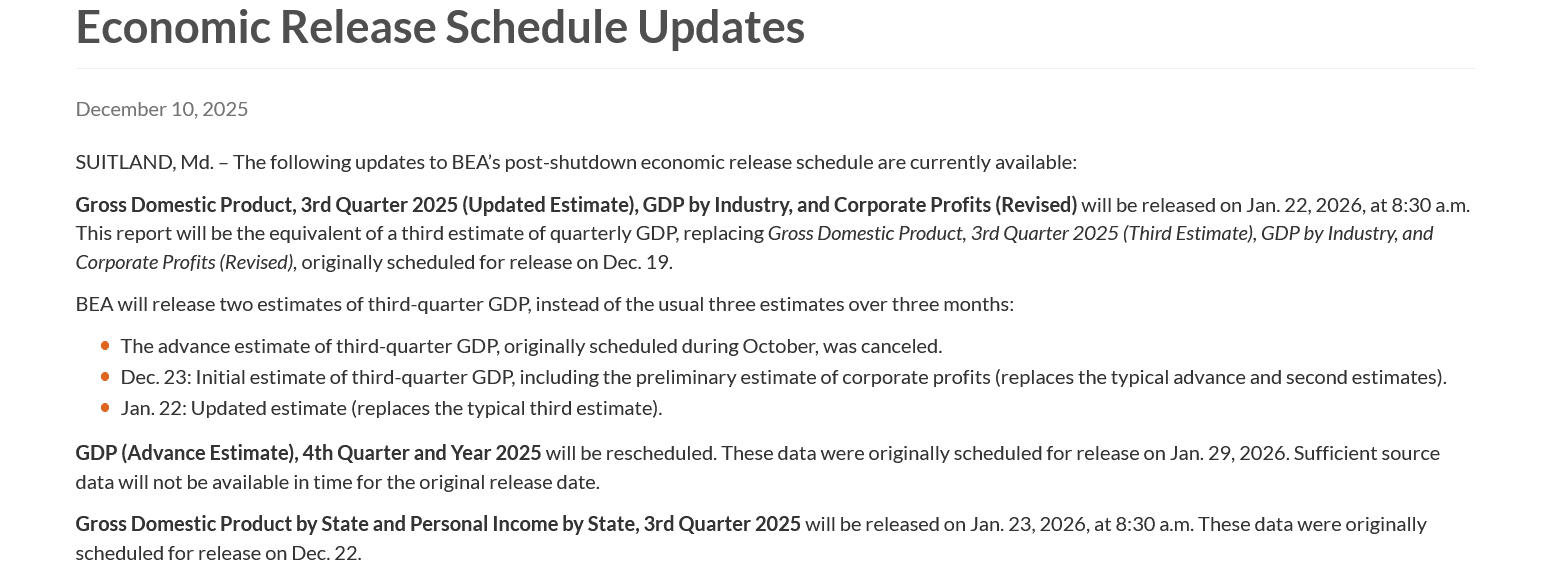
This week, traders enter a holiday-shortened session with fewer catalysts but a handful of meaningful macro data points. The U.S. stock markets will pause early for Christmas, yet the upcoming GDP release, consumer confidence survey, and jobless claims still carry enough weight to influence crypto market. In such low-volume conditions, even small shifts in risk appetite could nudge Ethereum price direction before the year ends.

Ethereum Price Prediction: Current Market Structure

ETH/USD Daily Chart- TradingView

Ethereum price is trading around $3,019, up about 1.3% on the day. The chart shows ETH consolidating near the lower Bollinger Band in early December but now recovering toward the middle band around $3,064. This zone has acted as both a short-term resistance and psychological barrier over the past two weeks. The key takeaway: ETH price is trying to reclaim stability after its recent downtrend, but the upside momentum remains tentative.

The Bollinger Bands are slightly narrowing, hinting that volatility is compressing. Historically, such squeezes often precede larger directional moves. If bulls manage to close daily candles above $3,100, it could trigger short-covering and invite a push toward the upper band near $3,300. However, failure to sustain above $3,000 risks another slide toward $2,850 and potentially $2,700, which align with support zones from early December.

Macro Catalysts: GDP and Sentiment Data

Screenshot 2025-12-22 at 15-39-16 Economic Release Schedule Updates U.S. Bureau of Economic Analysis (BEA).png

The Q3 GDP report and December consumer confidence number will test investor sentiment. Strong GDP growth could reinforce optimism about economic resilience, indirectly supporting risk assets like ETH. But if consumer confidence or jobless claims signal weakness, traders might rotate back into defensive positions.

In a low-liquidity holiday week, macro headlines often cause outsized reactions. A better-than-expected GDP reading might briefly push ETH higher as traders bet on sustained demand for digital assets amid stable growth. Conversely, any sign of economic slowdown could trigger risk-off moves across equities and crypto alike.

Ethereum Price Prediction: Technical Indicators and Next Moves

Ethereum price recent candles show modest buying interest returning, but volume remains thin. The 20-day SMA at $3,064 serves as a pivotal level—closing above it would strengthen the short-term bullish case. The next hurdle lies at $3,304, which coincides with the upper Bollinger Band and late-November resistance.

Below, the $2,820–$2,850 zone marks a strong support cluster. A break below that range would expose ETH price to deeper losses toward $2,600 and even $2,400, as visible from the dotted support levels in the chart.

What to Expect This Week

Given the muted holiday volume, ETH price could continue oscillating between $2,950 and $3,100 until fresh liquidity returns next week. A decisive close above $3,100 would set the stage for a short-term breakout rally into the $3,250–$3,300 range, while rejection at that level might confirm the ongoing sideways structure.

Macro data will likely dictate the tone. If GDP surprises to the upside, ETH price may test the upper Bollinger Band before the year closes. But if sentiment weakens, the coin could revisit the lower end of its range near $2,850.

Ethereum Price Prediction: Consolidation Before the Next Move

Ethereum price looks steadier than it did a few weeks ago, but conviction is still lacking. The chart suggests consolidation rather than a trend reversal. The most probable scenario this week is a contained range, followed by a stronger move post-holiday as traders reposition for January.

If $ETH closes the week above $3,100, momentum could carry it to $3,300–$3,400 in early January. But if it slips back below $2,900, expect another test of the lower support band before a meaningful recovery.

In short, the next few days may feel quiet—but under the surface, Ethereum price is coiling for its next big move.

Source link

22 12, 2025

Latest Updates for Dec. 22, 2025 – Sector Rotation Pushes NFTs Higher; RWA and DeFi Extend Gains

By |2025-12-22T11:36:35+02:00December 22, 2025|News, NFT News|0 Comments


Crypto markets posted broad gains over the past 24 hours, led by a sharp rebound in NFTs and steady upside in major tokens. Sector data from Coingecko shows the NFT category climbing nearly 6 percent, with smaller-cap names such as Audiera jumping more than 60 percent. Bitcoin briefly reclaimed the $89,000 level and Ethereum broke above $3,000, helping lift related sectors including RWA, Layer 1, DeFi and Meme assets. A handful of pockets lagged: AI-linked tokens and Layer 2s edged lower despite isolated winners. Sector index readings signal improving sentiment across real-world asset, Layer 1, and centralized finance baskets.

But what else is happening in crypto news today? Follow our up-to-date live coverage below.

The post [LIVE] Crypto News Today: Latest Updates for Dec. 22, 2025 – Sector Rotation Pushes NFTs Higher; RWA and DeFi Extend Gains appeared first on Cryptonews.


Source link

22 12, 2025

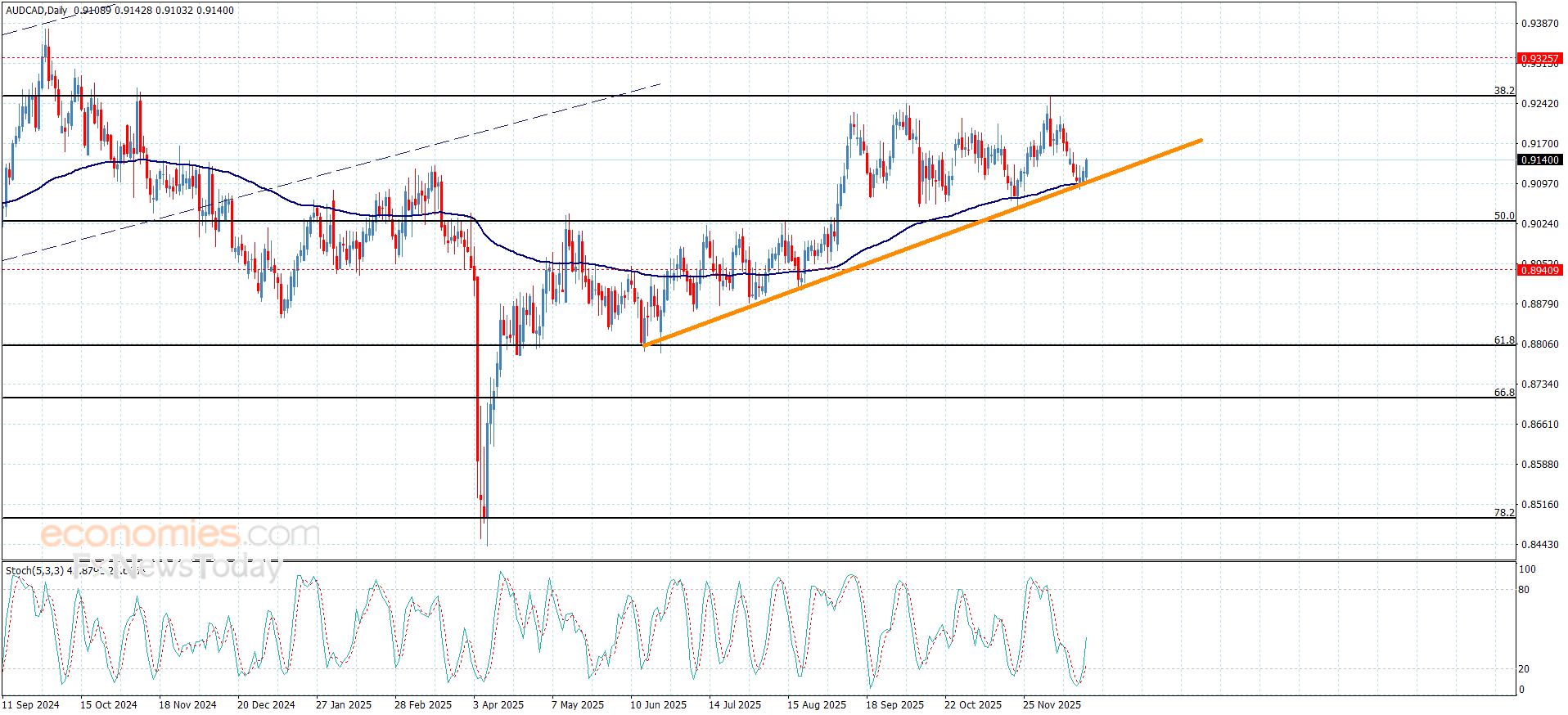
The AUDCAD is leaning above the support– Forecast today – 22-12-2025

By |2025-12-22T11:34:34+02:00December 22, 2025|Forex News, News|0 Comments


Natural gas price failed by breaking the bullish channel’s support, affected by the continuation of the main indicators’ contradiction until this moment, which forces it to provide new sideways trading by its stability near $4.060.


The price confinement between the main support at $3.900 while $4.200 level is expected by forming strong barrier against the current trading, therefore, we recommend the neutrality for today, waiting for surpassing one of the main levels, to detect the expected trend in the near and medium period trading.


The expected trading range for today is between $3.900 and $4.200.


Trend forecast: Neutral


Source link

22 12, 2025

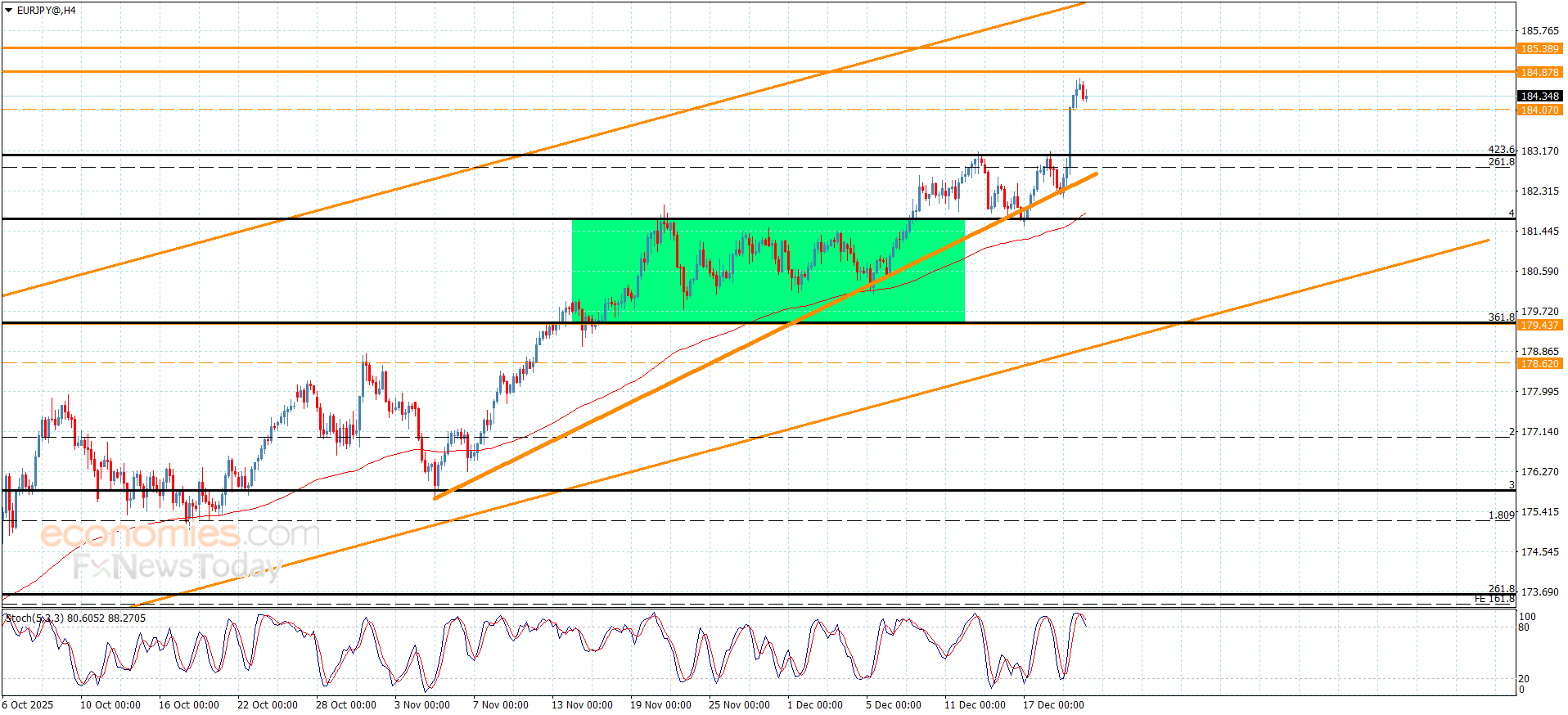
The EURJPY is resuming the rise– Forecast today – 22-12-2025

By |2025-12-22T10:58:47+02:00December 22, 2025|Forex News, News|0 Comments

The GBPJPY pair took advantage of the repeated positive pressures to confirm the continuation of the bullish scenario, surpassing the target at 209.85 on Friday forming 261%Fibonacc extension level, to open the way for recording big extra gains by hitting 211.05 level.


Noticing that stochastic reaches the overbought level, which allows it to settle within the minor bullish channel levels, depending on forming extra support at 209.80 level, to expect forming new gains by its rally towards 211.60 reaching the resistance of the bullish channel at 212.25.


The expected trading range for today is between 210.00 and 211.60.


Trend forecast: Bullish


Source link

22 12, 2025

Pyramid Tea Bags Market Transformation Report 2026: Innovation

By |2025-12-22T10:49:33+02:00December 22, 2025|Dietary Supplements News, News|0 Comments


Pyramid Tea Bags Market

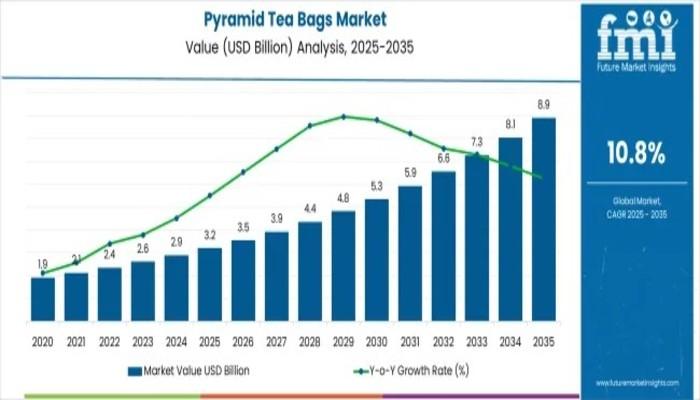
The global pyramid tea bags market is entering a decade of transformative expansion, projected to rise from USD 3.2 billion in 2025 to USD 8.9 billion by 2035. This represents an impressive 178.1% total growth, driven by consumers’ increasing preference for premium tea formats, transparent brewing experiences, and whole-leaf infusion solutions. With a robust CAGR of 10.8%, the industry is gearing up for significant innovation, investment, and technology adoption from both established and emerging tea manufacturers.

Rising Popularity of Premium Tea Bags Fuels Market Expansion

Between 2025 and 2030, the market is set to grow by USD 2.1 billion, accounting for nearly 36.8% of the decade’s total rise. This momentum is strengthened by the growing shift toward visible leaf infusions, specialty tea categories, and the rapid expansion of retail and hospitality offerings. The period from 2030 to 2035 will further accelerate growth, adding USD 3.6 billion as brands increasingly adopt biodegradable mesh materials, introduce innovative flavor blends, and elevate luxury tea experiences.

Subscribe for Year-Round Insights → Stay ahead with quarterly and annual data updates – https://www.futuremarketinsights.com/reports/sample/rep-gb-4814

Quick Market Snapshot

• Market Value 2025: USD 3.2 billion

• Market Forecast 2035: USD 8.9 billion

• CAGR (2025-2035): 10.8%

• Leading Product Category: Premium Pyramid Bags (58%)

• Key Regions: North America, Europe, Asia Pacific

• Top Established Players: Dilmah Tea, Twinings, Harney & Sons, Mighty Leaf Tea, The Republic of Tea

Why the Market Is Growing: Key Drivers

Premiumization remains the most powerful force shaping the industry. Consumers across major global regions now prioritize:

• Superior brewing quality with full leaf visibility

• Lifestyle-driven wellness habits and premium beverage choices

• Convenient brewing formats without compromising taste

• Organic and specialty teas offering authentic flavors

Pyramid tea bags meet all these expectations, making them a preferred option among tea enthusiasts, retailers, luxury hospitality chains, and e-commerce platforms.

Segmental Highlights

By Product Type: Premium Pyramid Bags Lead with 58% Market Share

Premium pyramid bags dominate due to their superior infusion performance, compatibility with diverse tea varieties, and growing use in high-end cafés, hotels, and specialty tea shops.

By Tea Type: Specialty Teas Anchor Future Growth

Specialty teas are projected to account for 44% of total market growth through 2035. Consumers’ growing curiosity about artisan blends, exotic flavors, and authentic sourcing is reshaping brand strategies and accelerating investments in superior ingredients and advanced blending technologies.

Emerging Trends Shaping the Market

• Advancements in biodegradable materials such as PLA and plant-based meshes

• Innovation in flavor technology for artisan and wellness-oriented blends

• Growing e-commerce penetration showcasing luxury tea assortments

• Rise of global tea culture, inspiring consumers to explore new infusion formats

• Hospitality sector upgrades, offering premium tea experiences to match gourmet dining trends

Manufacturers are rapidly integrating mesh engineering, infusion optimization technologies, and improved quality protocols to stay competitive in the evolving landscape.

Global Market Outlook: Country-wise Growth

• UK: 11.3% CAGR – Leading due to robust tea heritage and premium product acceptance

• Japan: 10.9% CAGR – Strong rise in Western tea preferences

• USA: 10.5% CAGR – Premium beverage segment expansion

• Germany: 10.2% CAGR – Strong wellness and quality-driven market

• China: 9.8% CAGR – Blend of traditional tea culture and modern innovations

Europe alone is forecasted to grow from USD 1.1 billion (2025) to USD 2.9 billion (2035), led by the UK and Germany.

Competitive Landscape: Established & Emerging Players Elevate Innovation

Leading companies such as Dilmah Tea, Twinings, Harney & Sons, Mighty Leaf Tea, and The Republic of Tea continue to invest in premium blending technology, sustainable packaging, and high-quality leaf sourcing.

Several new and emerging manufacturers are entering the market with:

• Biodegradable and compostable pyramid bags

• Unique infusion technologies

• Exotic flavor innovations

• Artisanal, small-batch tea production

Brands like Newby Teas, Tea Forté, Kusmi Tea, Numi Organic Tea, and Adagio Teas are gaining traction by offering differentiated premium experiences that resonate with modern consumers.

Get the Complete Story-Read More About Our Latest Report!

https://www.futuremarketinsights.com/reports/pyramid-tea-bags-market

Industry Stakeholders: A Shared Path to Growth

Governments Can Support By:

• Offering manufacturing incentives

• Simplifying export regulations

• Funding R&D in tea processing technologies

Industry Bodies Should Focus On:

• Building global tea innovation networks

• Supporting training in blending and quality control

Suppliers & Retailers Can Strengthen the Ecosystem Through:

• Technology investments for efficient blending

• Premium product positioning

• Collaboration with specialty distributors

Why FMI: https://www.futuremarketinsights.com/why-fmi

Have a Look at Related Research Reports on the Packaging Domain

Demand for Filter Paper in USA https://www.futuremarketinsights.com/reports/united-states-filter-paper-market

Demand for Corrugated Mailers in USA https://www.futuremarketinsights.com/reports/united-states-corrugated-mailers-market

Demand for Child Resistant Bottles in USA https://www.futuremarketinsights.com/reports/united-states-child-resistant-bottles-market

Contact Us:

Future Market Insights Inc.

Christiana Corporate, 200 Continental Drive,

Suite 401, Newark, Delaware – 19713, USA

T: +1-347-918-3531

For Sales Enquiries: sales@futuremarketinsights.com

About Future Market Insights (FMI)

Future Market Insights, Inc. (FMI) is an ESOMAR-certified, ISO 9001:2015 market research and consulting organization, trusted by Fortune 500 clients and global enterprises. With operations in the U.S., UK, India, and Dubai, FMI provides data-backed insights and strategic intelligence across 30+ industries and 1200 markets worldwide.

This release was published on openPR.


Source link

22 12, 2025

Bitcoin, Ethereum, Ripple – BTC, ETH and XRP eye breakout for fresh recovery

By |2025-12-22T10:43:52+02:00December 22, 2025|Crypto News, News|0 Comments

Bitcoin (BTC), Ethereum (ETH), and Ripple (XRP) are approaching key technical levels at the time of writing on Monday as the broader crypto market stabilizes. Market participants are closely watching whether BTC, ETH, and XRP can sustain breakouts and achieve decisive daily closes above nearby resistance levels, which could signal the start of a short-term recovery.

Bitcoin could recover if it closes above key resistance

Bitcoin price was retested and found support at the 78.60% Fibonacci retracement level at $85,869 on Thursday, and it recovered 3.67% over the next three days. As of Monday, BTC is approaching the descending trendline (drawn by connecting multiple highs since October 6).

If BTC breaks above the declining trendline and closes above the $90,000, it could extend the recovery toward the next resistance at $94,253.

The Relative Strength Index (RSI) reads 45, pointing upward toward the neutral level of 50, indicating early signs of fading bearish momentum. For the bullish momentum to be sustained, the RSI must move above the neutral level. Moreover, the Moving Average Convergence Divergence (MACD) indicator showed a bullish crossover on Saturday, further supporting the recovery thesis. 

BTC/USDT daily chart 

On the other hand, if BTC faces a correction, it could extend the decline toward the key support at $85,569.

Ethereum nears key resistance level

Ethereum price was retested on Thursday and found support around the descending trendline, and it recovered nearly 6% over the next three days. As of Monday, ETH is approaching the daily resistance level at $3,017.

If ETH closes above $3,017 on a daily basis, it could extend the recovery toward the December 10 high at $3,447.

The RSI reads 47, pointing upward toward the neutral level of 50, indicating early signs of fading bearish momentum. For the bullish momentum to be sustained, the RSI must move above the neutral level. Moreover, the Moving Average Convergence Divergence (MACD) lines are converging, and a flip to a bullish crossover would further support the bullish outlook.

ETH/USDT daily chart 

On the other hand, if ETH is rejected, it could extend the decline toward the key support at $2,749.

XRP could recover if it closes above $1.96

XRP was retested and found support around the lower trendline boundary of a falling wedge pattern on Friday, and recovered slightly the next day. As of Monday, XRP is approaching the daily resistance at $1.96.

If XRP closes above the daily resistance at $1.96 on a daily basis, it could extend the recovery toward the 50-day EMA at $2.13.

The RSI on the daily chart reads 42 below its neutral level of 50, indicating bearish momentum. The Moving Average Convergence Divergence (MACD) is showing a bullish crossover on Monday, indicating early signs of bullish momentum. 

XRP/USDT daily chart 

However, if XRP faces a correction, it could extend the decline toward Friday’s low of $1.77.

Cryptocurrency metrics FAQs

Source link

Go to Top