Creatine is trending. It’s in the news, all over social media and on the minds of many of my female patients who ask me frequently whether creatine makes sense for them for a variety of health goals. So, what do we know about women and creatine supplementation?
Creatine is a compound derived from the amino acids arginine, methionine and glycine. About 95% of the creatine in your body is found in the muscles, with smaller amounts found in the heart, brain, pancreas and testes. Your body makes about half the creatine it needs, but the other half must be provided through diet or supplements.
The amount of creatine found in foods varies. Herring has the most creatine per gram, with beef, pork, salmon and animal milk as other options. Studies indicate that, despite widely available dietary sources, most individuals lack adequate creatine. Therefore, supplementation is often another popular source of creatine — these come in pills, powders, capsules, energy bars and more.
Creatine is to muscles and organs what fuel is to cars; it provides energy for growth, contraction and recovery and is especially important when exercising. Now, research is finding that creatine benefits may go well beyond skeletal muscle. And while supplementing with creatine is safe for many people, you should always talk to your doctor before adding a new supplement to your routine.
As a registered dietitian and paid consultant for the creatine supplement company Con Cret, I’m breaking down the basics of creatine for women.
What is creatine?
Creatine has a history of being associated with bodybuilding gyms and men with big muscles. A common misconception about creatine is that it acts as a steroid. However, it’s a natural substance found in foods and throughout the body, whereas steroids are a synthetic derivative of testosterone and classified as a drug.
Creatine is derived from the breakdown of three amino acids. It was first discovered in the mid-1800s; however, the first studies on creatine were not conducted until the mid-1900s.
Most of the research on creatine began about 30 years ago and focused mainly on creatine’s impact on skeletal muscle. The body converts and stores creatine as phosphate, which creates ATP — the primary energy source of cells.
Recent studies have also found that creatine may positively affect brain health, mental health and athletic performance. Creatine may further play a role in mitigating the negative impact of sleep deprivation, as well as enhance blood sugar management.
Should women take creatine?
Creatine may benefit women of all ages with varying health goals, from high-level athletes to those who are less active, Yasi Ansari, registered dietitian and spokesperson for the Academy of Nutrition and Dietetics, tells TODAY.com.
“Is creatine supplementation absolutely necessary? No. The body can make creatine on its own and from a diet that contains enough protein and creatine-rich food sources,” she explains. “However, we know our bodies can only do so much, and there are differences between how much males and females can store, therefore, supplementation can be effective in filling the gaps when needed.”
Whether a woman decides to take creatine is often based on her age, personal health and lifestyle choices related to diet and exercise. For example, Ansari recommends creatine supplementation for people 65 and older to prevent muscle loss.
But often she will suggest diet changes before recommending creatine for women. “What if someone isn’t eating enough throughout the day to have energy to build muscle and improve performance in the weight room?” she says. “I won’t be recommending creatine supplements until I address the diet first.”
She also may discourage creatine use or recommend starting at a low dose in women with a history of gastrointestinal issues to ensure they can tolerate it first.
“When I work with clients, I do not immediately turn to or suggest a supplement,” she explains. “If someone comes to me and says I am meeting my energy and protein needs, I am getting enough sleep and hydrating well but am looking for a competitive edge, I may then suggest a supplement after understanding what kind of ‘competitive edge’ they are looking for.”
“It is my responsibility to understand a client’s diet, goals, medical history and lifestyle factors to see if supplementation will be effective and safe for them,” she adds. “Supplements can be risky especially if they’re not third-party tested by a reputable source.”
She asks her female clients several questions before recommending creatine:
- What are your athletic performance and health goals?
- What is your medical history?
- Tell me more about your sleep and mental health challenges.
- Do you eat meat and fish regularly?
Ansari notes that while creatine is one of the most well-studied supplements, she still recommends speaking with a health care provider or dietitian before adding it to your routine.
Benefits of creatine for women
Research has demonstrated numerous mental and physical health benefits of creatine for women, in particular.
Muscle health
Studies show that women store less natural creatine than men due in part to dietary habits, muscle mass and hormones. Women also experience different symptoms of aging from men. Beginning at age 30, women lose on average between 3-8% of their muscle mass every decade, which becomes accelerated after age 50.
Loss of estrogen, which occurs in peri- and post-menopausal women, for example, has been shown to inhibit optimal muscle strength and lead to a decline in muscle mass. As muscle is reduced, it’s often replaced by fat. This change in body composition and increase in fat mass may lead to a greater risk of chronic health conditions, such as Type 2 diabetes and heart disease.
Creatine supplementation may help mitigate this risk by boosting muscle strength, mass, energy and recovery. These findings have been demonstrated in women at all stages of life, particularly when combined with resistance training. Moreover, studies suggest that older individuals could benefit from additional creatine to counteract the risk of loss of muscle mass.
Reproductive health
Creatine stores may impact a woman’s menstrual cycle, as well. A 2024 population-based study found that women with greater creatine stores were more likely to have regular menstrual cycles. The authors noted this finding as having potential benefits to fertility and reproduction. The authors also observed a significantly reduced incidence of reproductive disorders in women consuming 13 milligrams or more of creatine per kilogram of body mass daily.
Mental health
Changes in estrogen may also negatively impact mental health and cognition, including reduced resilience to stress, an increased risk of depression and changes in overall brain health. Studies show that creatine supplementation may play a role in better mental health, with the data indicating an inverse relationship between dietary creatine and depression. Studies also indicate a potential benefit to memory and cognition with greater creatine stores. But more studies are needed to confirm these associations.
Fatigue
Finally, preliminary research suggests that creatine can decrease fatigue due to sleep deprivation, Ansari says.
Risks and side effects of creatine for women
Few risk factors have been associated with creatine supplementation in women, with multiple studies showing a lower risk-to-benefit ratio when creatine is taken in appropriate doses.
Documented side effects include:
- Short-term water retention
- Gastric distress
- Muscle cramping
- Dehydration
Some side effects may be more likely with larger doses and hot environments.
Who should not take creatine?
According to Cleveland Clinic, creatine supplementation is not recommended for:
- People with kidney or liver disease
- People with diabetes
- Anyone pregnant or breastfeeding
- People with bipolar disorder
Regardless of your health history, it’s always best to talk to your health care provider before adding a new supplement to you routine.
What to look for in a creatine supplement
The FDA does not regulate the supplement industry as it does pharmacological drugs, so additional risks associated with supplements are always possible.
Finding options that undergo third-party quality testing is usually the safest way to go. And products made in the U.S. that go through rigorous quality checks throughout manufacturing may result in a higher-quality product.
Refer to outside testing resources such as consumerlab.com and NSF Certified For Sports products listings to find safe products.
How to supplement with creatine
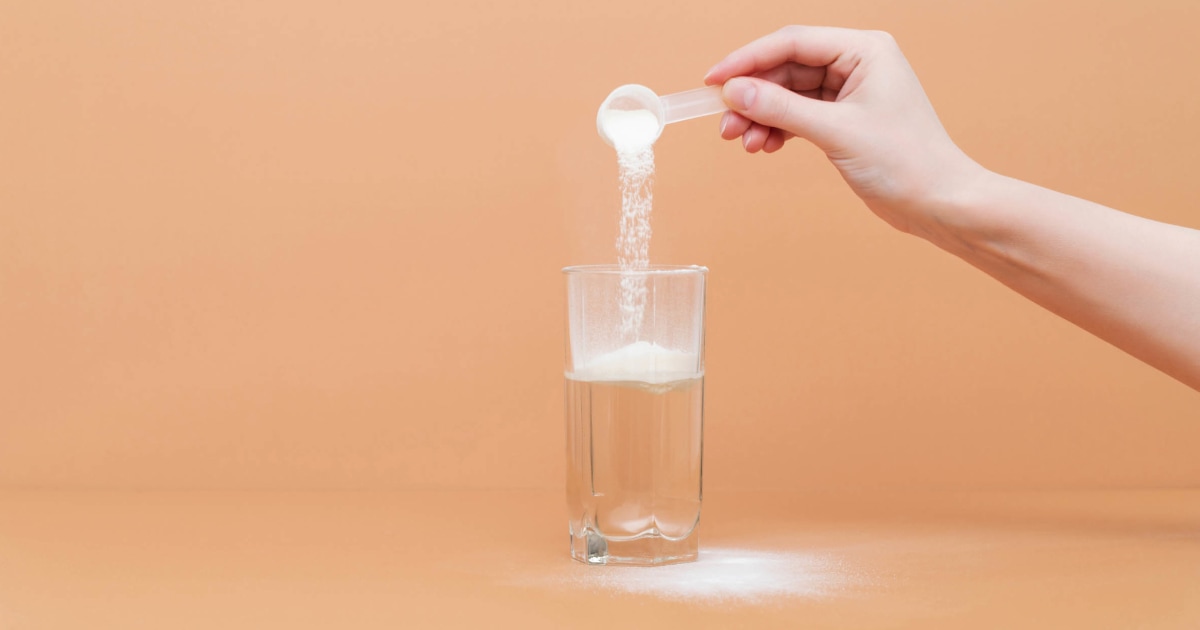
Creatine comes in powder, pill, liquid or gummy form. There are also multiple types of creatine, from creatine monohydrate to creatine hydrochloride to creatine ethyl ester. Talk to your health care provider or a dietitian to determine which product is best for you.
The dosage of creatine you should take will likely depend on why you’re taking it. A recent study suggested that .3 grams a day for five days to a week followed by 5 grams a day for four weeks can be effective for women. But always consult your health care provider about dosage, risks and benefits before starting a new supplement.
Studies currently indicate the best time to take creatine for athletic performance and muscle mass benefits is just before working out; consuming creatine after a workout has been shown to have more mixed results. That said, more research is needed to fully understand the best time to take creatine for athletic reasons.
If you are taking creatine for other health benefits, such as better mental health, you don’t need to time your creatine based on an event. Rather, find a time that you can easily remember and is convenient. If you’re taking a large amount of creatine, doing so with food may help prevent gastric distress.
Ansari recommends creatine in combination with adequate protein and calorie intake, meeting hydration goals and doing at least two or three sessions of strength training throughout the week.
Creatine alone won’t solve all your health goals, but the data is strong that increasing stores through food or supplements can play a significant role in better overall health, especially for women.