About Editorial team of BIPNs

Main team of content of bipns.com. Any type of content should be approved by us.
12 02, 2025

Katelyn Jetelina Talks Viruses, Vaccines and the Bird Flu

By |2025-02-12T22:07:05+02:00February 12, 2025|Fitness News, News|0 Comments

Katelyn Jetelina, PhD, MPH, is our type of public health professional.

As an epidemiologist, she studies patterns and causes of disease in public health (e.g., Covid), and she’s super passionate about sharing evidence-based information with anyone who’s interested.

Her free weekly newsletter, Your Local Epidemiologist, breaks down complicated public health facts in a friendly, easy to understand way. She started the newsletter during Covid, and it quickly became the go-to resource for reliable information during the pandemic. Today, about 230,000 people in 100 countries subscribe to Your Local Epidemiologist, and Time magazine named Jetelina one of the 100 most influential people in health in 2024.

Since Covid, Jetelina’s newsletter has evolved to include different public health topics, including nutrition and new research. Here’s our interview with Jetelina and her thoughts on the bird flu and the new guidelines for what’s considered a “healthy” food.

Our interview follows, edited for clarity and length.

HealthyWomen: Your website says, “During the day, I wear many hats, including scientific consultant to a number of organizations, including the CDC. At night, I write this newsletter.” Why is it important to you to put this newsletter out?

Dr. Jetelina: I stumbled upon doing this newsletter during the pandemic — and I didn’t think it would be needed to be done for very long, but here I am five years into it, and it’s still alive and well — and it’s filling a massive gap.

I mean, there’s not enough people being responsive to concerns on the ground, and there’s a lot of confusion and questions that need to be answered in a timely and understandable manner. And so, I’m exploring that space.

Read: 15 Minutes With: Kizzmekia S Corbett, Ph.D., Talks About Omicron >>

HealthyWomen: We know that you’re working to get the facts out there about why vaccines are so important. What do you want to say to people who still have concerns about the Covid vaccine?

Dr. Jetelina: I think that there’s going to be even more questions about vaccines — even beyond Covid — as we enter this new era in U.S. politics, and I think it’s OK to have questions. I want people to have questions. But what I’m most concerned about is people getting evidence-based information. What we know from the vaccines on the market is that they are far safer than getting the disease themselves — whether it’s Covid or measles or whooping cough — you name it. Vaccines are the best tool we have in our toolkit to live a healthy and prosperous life.

HealthyWomen: We’re in the middle of flu, RSV and Covid season. Is it too late to get vaccinated now (asking for a friend)?

Dr. Jetelina: We are in the height of respiratory season right now, and it’s actually not too late to get vaccinated. If we are peaking now or next week, that still means we have to go down the wave as well, and flu is notorious for being drawn out because different strains become dominant later in spring.

So, no, it’s not too late to get vaccinated — especially for flu and Covid.

Read: Is it Covid, RSV or the Flu? >>

HealthyWomen: Earlier this year, a person in Louisiana died from the H5N1 bird flu. How concerned should we be about the bird flu?

Dr. Jetelina: To the average American, this is something that you should be paying attention to, but it’s not a five-alarm emergency like it was with Covid. And there’s not much people can do, right? Don’t drink unpasteurized milk. Don’t touch wild birds and animals that look sick. Right now, it’s not an emergency and risk is certainly not uniform. [Editor’s Note: People who come in contact with birds, poultry and livestock have the most risk of exposure.]

HealthyWomen: Can you talk a little bit about the role the American diet plays in chronic disease, especially for women?

Dr. Jetelina: Diet is incredibly important to keep us healthy. It’s one of the things that help with our immune systems and having a nutritional, balanced diet is one of the things we can do for our health.

HealthyWomen: In a recent newsletter, you mentioned that starting in February, if a company wants to claim their food product is “healthy,” it must prove two things: The food contains a certain amount of one of the five food groups, and the food can’t exceed added sugar, sodium or saturated fat limits based on the food and its customarily consumed amounts. What are your thoughts on the change, and do you think it will affect what people think is healthy to eat?

Dr. Jetelina: It may. I think that there’s a lot of different levers that can be pulled. For example behavioral levers, like having a warning system on food just like we have for cigarette packs could certainly help with the education around what is nutrient-dense food and what is not.

It’s very confusing for a lot of people out there. I think what I’m most excited about though, is the indirect levers that we’ll have on companies: to do better at developing and distributing healthy food. And so, I think it will be an indirect tool to keep companies and industry accountable.

From Your Site Articles

Related Articles Around the Web


Source link

12 02, 2025

Natural Gas Price Outlook – Natural Gas Continues to Struggle With Same Level

By |2025-02-12T21:14:47+02:00February 12, 2025|Forex News, News|0 Comments


Important DisclaimersThe content provided on the website includes general news and publications, our personal analysis and opinions, and contents provided by third parties, which are intended for educational and research purposes only. It does not constitute, and should not be read as, any recommendation or advice to take any action whatsoever, including to make any investment or buy any product. When making any financial decision, you should perform your own due diligence checks, apply your own discretion and consult your competent advisors. The content of the website is not personally directed to you, and we does not take into account your financial situation or needs.The information contained in this website is not necessarily provided in real-time nor is it necessarily accurate. Prices provided herein may be provided by market makers and not by exchanges.Any trading or other financial decision you make shall be at your full responsibility, and you must not rely on any information provided through the website. FX Empire does not provide any warranty regarding any of the information contained in the website, and shall bear no responsibility for any trading losses you might incur as a result of using any information contained in the website.The website may include advertisements and other promotional contents, and FX Empire may receive compensation from third parties in connection with the content. FX Empire does not endorse any third party or recommends using any third party’s services, and does not assume responsibility for your use of any such third party’s website or services.FX Empire and its employees, officers, subsidiaries and associates, are not liable nor shall they be held liable for any loss or damage resulting from your use of the website or reliance on the information provided on this website.Risk DisclaimersThis website includes information about cryptocurrencies, contracts for difference (CFDs) and other financial instruments, and about brokers, exchanges and other entities trading in such instruments. Both cryptocurrencies and CFDs are complex instruments and come with a high risk of losing money. You should carefully consider whether you understand how these instruments work and whether you can afford to take the high risk of losing your money.FX Empire encourages you to perform your own research before making any investment decision, and to avoid investing in any financial instrument which you do not fully understand how it works and what are the risks involved.


Source link

12 02, 2025

The GBPJPY achieves big gains – Forecast today – 12-2-2025

By |2025-02-12T20:57:07+02:00February 12, 2025|Forex News, News|0 Comments

The GBPJPY pair succeeded to activate the bullish track, taking advantage of the stability of the major support at 187.00 to form many bullish waves by reaching the previously targeted barrier at 189.50.


Also, resuming the bullish attack this morning and recording additional gains by reaching 191.25 confirm its regain to the bullish bias, to expect getting positive momentum by stochastic to reach 192.30 level soon, followed by attempting to test the MA55 at 193.55.


The expected trading range for today is between 189.70 and 192.30


Trend forecast: Bullish


Source link

12 02, 2025

Omega-3 Enteric wraps multiple benefits in optimal absorption technology

By |2025-02-12T20:55:45+02:00February 12, 2025|Dietary Supplements News, News|0 Comments


Omega-3 Enteric wraps multiple benefits in optimal absorption technology

Omega-3, usually referred to as fish oil, is one of the most frequently-used supplements in the US, especially by people over 60.

Almost a quarter of this age group (21%) take omega-3 supplements, according to the US Centers for Disease Control and Prevention.

The body needs these polyunsaturated fats to function at its peak on an everyday basis, but almost 80% of the world’s population has some level of omega-3 deficiency, especially in areas like the US where meat is more of a dietary staple than fish.

The market is flooded with cheap fish oil capsules, so DCs have a responsibility to help their patients choose a top-quality omega-3 supplement, which offers multiple health benefits, including:

Lowered inflammation

Almost 35% of adults have chronic, long-term inflammation going on in their bodies, according to a study in Frontiers in Medicine last year. (Many of the chemicals in our food supply and environment, as well as obesity and high levels of stress, contribute to this problem.) Systemic inflammation substantially increases patients’ risk of many diseases, including cardiovascular disease and several types of cancer.

Omega-3 polyunsaturated fatty acids that include EPA and DHA (eicosapentaenoic acid and docosahexaenoic acid), naturally occurring compounds in oily fish like mackerel and salmon, help quell inflammation throughout the body and assist in rebuilding damaged cells and tissues.

As one example of the growing body of research that supports omega-3’s protective power, a study in December 2023 in the journal Cardiovascular Research showed that in men who had suffered a previous heart attack, switching to a diet rich in omega-3-packed fatty fish reduced their overall risk of death from any cause by 29%. Other studies have showed omega-3 consumption may moderately reduce the risk of stroke, especially the ischemic variety caused by a blood vessel in the brain narrowing or becoming blocked.

A better brain

The brain (and the eyes, too) need extra nourishment with omega-3s to thrive and operate optimally, so a diet rich in fish oil through food and supplementation has been shown to help protect against cognitive function decline as patients get older.

A longitudinal study in 2023 that followed up on subjects who used omega-3s over the long term, six or more years, showed they had a 63% lower risk of Alzheimer’s disease, with the study concluding that overall, omega-3 intake reduced by 20% the chances of developing dementia or cognitive decline due to all causes.

Fish oil supplementation is especially beneficial for those patients who have a genetic predisposition to Alzheimer’s disease, a 2024 study published in JAMA Network Open found.

Decreased cancer risk

While overall evidence regarding cancer and omega-3 intake is still inconclusive as a whole—for example, one study found a link between higher omega-3 levels and prostate cancer—some promising research has emerged.

“Fatty acids modulate the production of inflammatory signaling molecules, called eicosanoids, and regulate the inflammatory reaction along with the effect on cell growth,” noted the authors of a 2020 research review published in the journal Advances in Nutrition.

Specific types of cancer also appear more responsive to omega-3 than others. A study from the University of Georgia linked higher levels of omega-3s in the blood to a reduction in risk of developing cancer, specifically including lung cancer and several types of cancer of the digestive tract. High levels of omega-6, another type of fatty acid, were associated with a reduced risk of 14 more cancer types, researchers found.

Enteric coating helps patients take their omega-3s

Despite the popularity of fish oil supplements, many patients dislike the “fish burps” that can accompany taking fish oil in this format. DCs should recommend investing in a premium-quality supplement that is enteric-coated, such as Dee Cee Laboratories’ Omega-3 Enteric.

Enteric coating keeps supplements from dissolving when they hit the acidic environment of the stomach, so fish oil is not released until reaching the small intestine, reducing any fishy aftertaste.

Flavor aside, the enteric coating on a top-quality fish oil supplement also offers patients a significant advantage over lower-quality brands: better bioavailability and absorption. The small intestine absorbs nutrients much more efficiently than the stomach, so the body gets more benefits from each dose. Enteric coating is especially important if patients are taking an omega-3 supplement for a targeted therapeutic purpose.

Advise patients to check the fine print on the supplement label and make sure the enteric coating is of high quality as well; some coatings are made with synthetic materials or chemicals, while others, like the one used on Omega-3 Enteric softgels, are made from vegetable sources and enhance absorption by three times that of uncoated softgels.

Suggest the best: Dee Cee Laboratories’ Omega-3 Enteric

Omega-3 Enteric is formulated with deep-sea fish oil from Norway, purified by a cold process called molecular distillation, in which the oil is evaporated under high vacuum with the condensate collected on a cooled surface. This process removes impurities without any heat.

In just two softgels, patients can experience the benefits of taking 2,000 mg of pure, contaminant-free, pharmaceutical-grade fish oil featuring 600 mg of omega-3 fatty acids.

Explore Dee Cee Laboratories and learn more about their trusted process, FDA-registered facility and rigid quality control guidelines.


Source link

12 02, 2025

Binance Coin (BNB) Price Prediction for February 12

By |2025-02-12T20:52:47+02:00February 12, 2025|Crypto News, News|0 Comments

Bears are coming back to the game after a few days of growth, according to CoinMarketCap.

Top coins by CoinMarketCap

BNB/USD

The rate of Binance Coin (BNB) has risen by 0.62% over the last 24 hours.

Article image
Image by TradingView

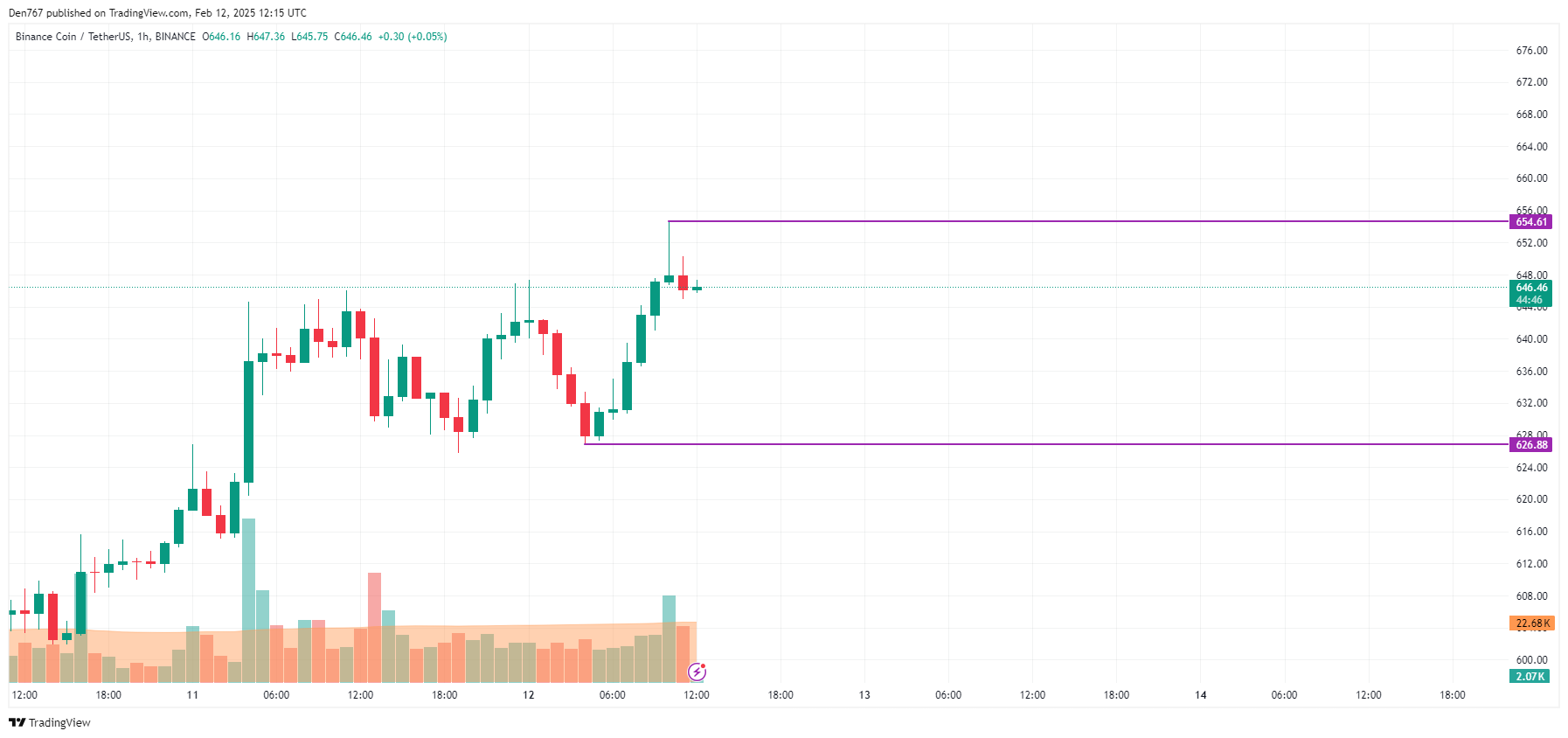
On the hourly chart, the price of BNB is closer to the resistance level, which means bulls are not going to give up. If buyers’ pressure continues, one can expect a test of the $660 mark by tomorrow.

Article image
Image by TradingView

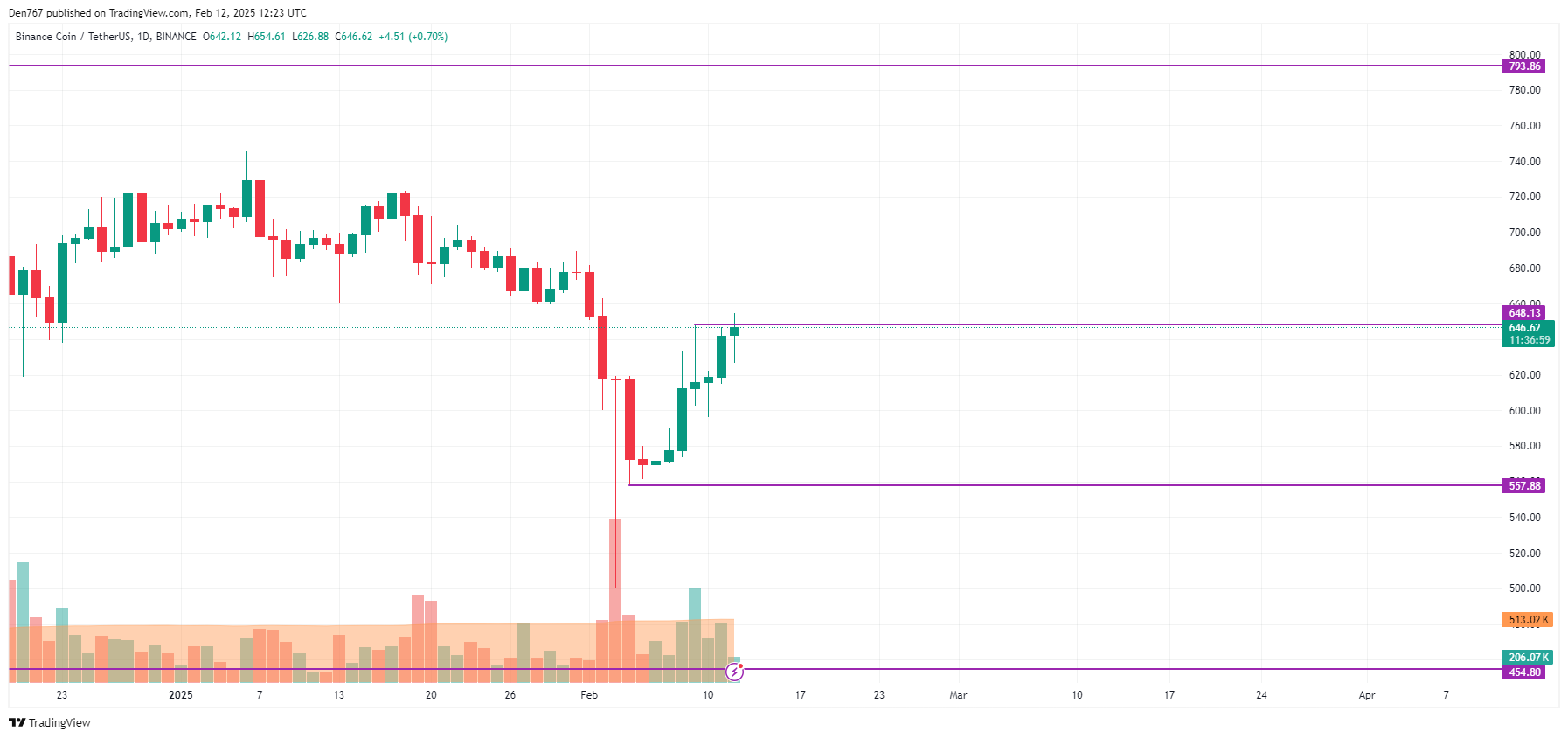
On the bigger time frame, one should focus on the bar’s closure in terms of yesterday’s bar’s peak. If it happens far from it and with a long wick, there is a chance to witness a correction to the $630 zone soon.

Article image
Image by TradingView

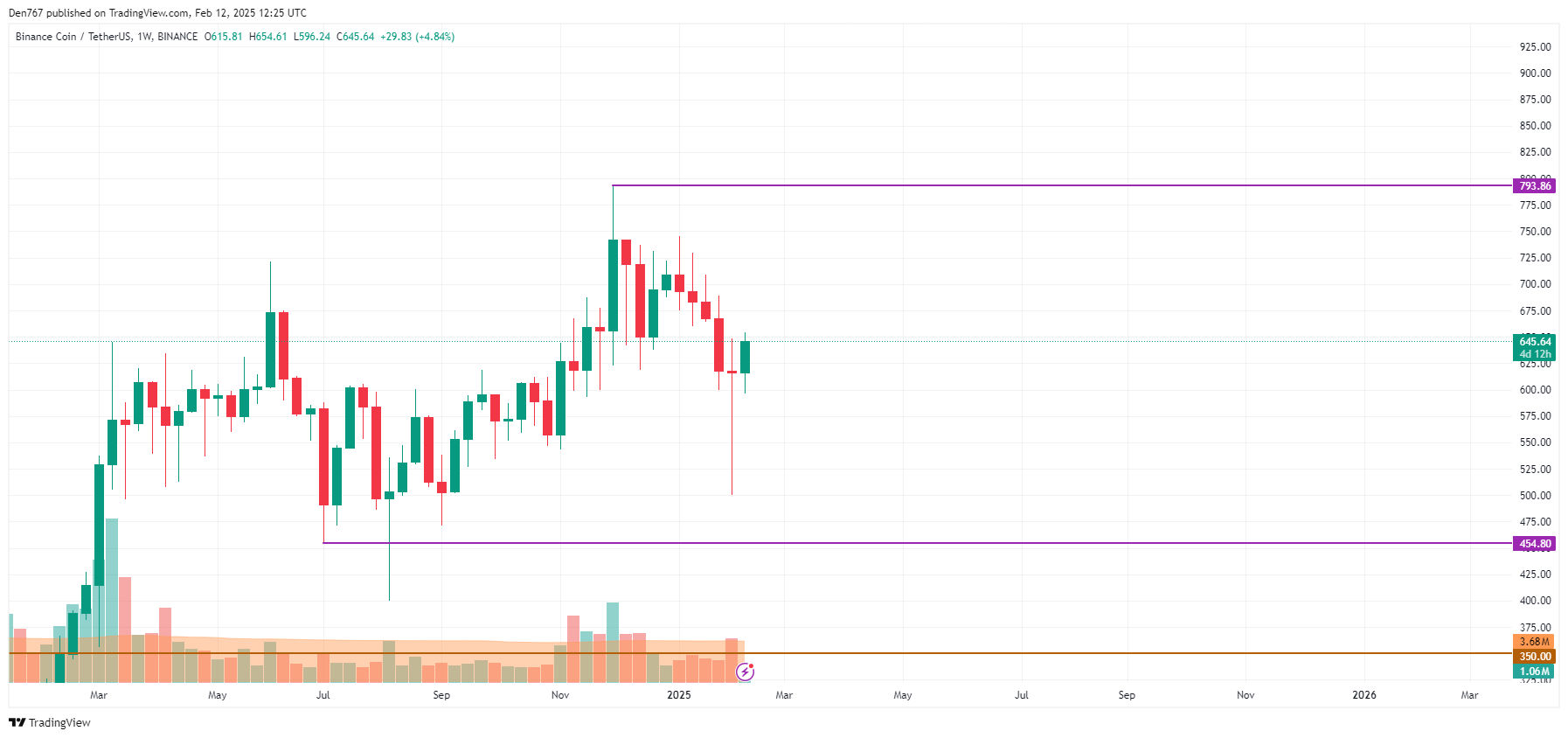
From the midterm point of view, the price of BNB is far from key levels. Thus, the volume is going down, which means neither bulls nor bears have seized the initiative yet. 

Related

SHIB Price Prediction for February 11

In this case, sideways trading in the area of $600-$650 is the most likely scenario.

BNB is trading at $646.34 at press time.

Source link

12 02, 2025

The NZDUSD price surpasses the minor resistance – Forecast today

By |2025-02-12T19:13:42+02:00February 12, 2025|Forex News, News|0 Comments


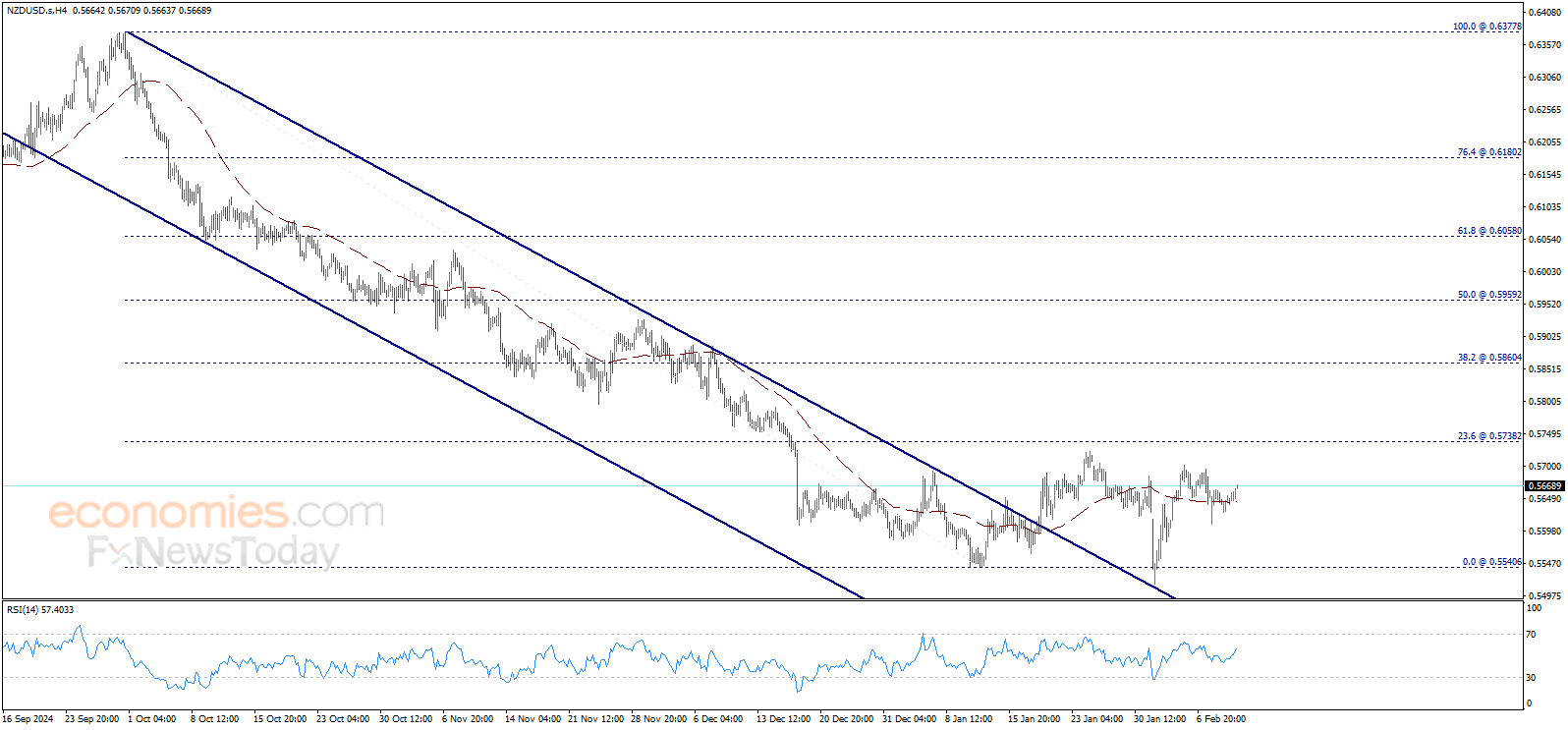
Crude oil price succeeded to achieve our waited target at 73.90$ and found solid resistance there, to show some bearish bias and head towards potential retest to the breached resistance of the bearish channel that appears on the chart, and the EMA50 meets the breached resistance to add more strength to the support line formed there.

Are you looking for more comprehensive and exclusive analysis? Join the FxNewsToday VIP Telegram Channel

Packages for 5 Instruments of Your Choice


Packages with Unlimited Instruments


What You Get When You Subscribe

  • Daily market analysis and detailed explanation of signals
  • Price Bullish/Bearish trends and expected trading range
  • Midday and end-of-day updates
  • Live economic news alerts
  • Exclusive educational content (for beginners and professionals)
  • Exclusive webinars by trading experts
  • Contests and valuable prizes
  • Join an exclusive VIP community

For inquiries, Contact Us.


Source link

12 02, 2025

Surges to near 159.60 as Japanese Yen languishes across the board

By |2025-02-12T18:56:18+02:00February 12, 2025|Forex News, News|0 Comments

  • EUR/JPY soars to near 159.60 amid a notable weakness in the Japanese Yen.
  • BoJ Ueda warned that food prices could rise and impact inflation expectations.
  • ECB Galhau cautioned that Trump’s tariffs would have negative impacts on the Eurozone.

The EUR/JPY pair extends its winning spell for the third trading day on Wednesday. The pair strengthens as the Japanese Yen (JPY) weakens across the board despite firm market speculation that the Bank of Japan (BoJ) will continue raising interest rates.

Japanese Yen PRICE Today

The table below shows the percentage change of Japanese Yen (JPY) against listed major currencies today. Japanese Yen was the strongest against the Australian Dollar.

  USD EUR GBP JPY CAD AUD NZD CHF
USD   0.37% 0.43% 1.16% 0.32% 0.77% 0.73% 0.20%
EUR -0.37%   0.06% 0.78% -0.05% 0.38% 0.34% -0.18%
GBP -0.43% -0.06%   0.71% -0.12% 0.32% 0.29% -0.24%
JPY -1.16% -0.78% -0.71%   -0.80% -0.36% -0.41% -0.93%
CAD -0.32% 0.05% 0.12% 0.80%   0.45% 0.40% -0.12%
AUD -0.77% -0.38% -0.32% 0.36% -0.45%   -0.04% -0.57%
NZD -0.73% -0.34% -0.29% 0.41% -0.40% 0.04%   -0.53%
CHF -0.20% 0.18% 0.24% 0.93% 0.12% 0.57% 0.53%  

The heat map shows percentage changes of major currencies against each other. The base currency is picked from the left column, while the quote currency is picked from the top row. For example, if you pick the Japanese Yen from the left column and move along the horizontal line to the US Dollar, the percentage change displayed in the box will represent JPY (base)/USD (quote).

The BoJ raised its key borrowing rates by 25 basis points (bps) to 0.5% in the January policy meeting as inflationary pressures remain well above the 2% target for longer. BoJ officials have also guided a hawkish monetary policy outlook on the assumption that wages would continue to grow.

Earlier in the day, BoJ Governor Kazuo Ueda warned that “food prices may continue to remain high” and will impact “people’s mindsets and price expectations”, Reuters report.

Meanwhile, the Euro (EUR) outperforms its peers despite deepening fears of potential tariffs by United States (US) President Donald Trump on the Eurozone. Donald Trump is poised to announce reciprocal tariffs sooner and market participants expect that Eurozone will face higher levies on auto. The European Union (EU) charges 10% tariffs on imports of automobiles from the US and pays 2.5% import duty for domestic autos supplied to them.

In European trading hours, European Central Bank (ECB) policymaker and Bank of France head Francois Villeroy de Galhau warned that Trump’s trade policies would most likely have a “negative impact on the economy.” 

EUR/JPY bounces back strongly after revisiting the four-month low around 156.00. The asset retraces to near the 20-day Exponential Moving Average (EMA), which trades around 159.80. The 14-day Relative Strength Index (RSI) returns into the 40.00-60.00 range, which indicates that the bearish momentum has ended for now.

Going forward, a decisive move by the pair above the February 5 high of 160.30 would open doors for the February 3 high of 160.84, followed by the January 30 high of 161.80.

On the flip side, a downside move by the cross below the February 10 low of 155.67 would expose it to the August 5 low of 154.40 and 7 December 2023 low of 153.17.

EUR/JPY daily chart

Euro FAQs

The Euro is the currency for the 19 European Union countries that belong to the Eurozone. It is the second most heavily traded currency in the world behind the US Dollar. In 2022, it accounted for 31% of all foreign exchange transactions, with an average daily turnover of over $2.2 trillion a day. EUR/USD is the most heavily traded currency pair in the world, accounting for an estimated 30% off all transactions, followed by EUR/JPY (4%), EUR/GBP (3%) and EUR/AUD (2%).

The European Central Bank (ECB) in Frankfurt, Germany, is the reserve bank for the Eurozone. The ECB sets interest rates and manages monetary policy. The ECB’s primary mandate is to maintain price stability, which means either controlling inflation or stimulating growth. Its primary tool is the raising or lowering of interest rates. Relatively high interest rates – or the expectation of higher rates – will usually benefit the Euro and vice versa. The ECB Governing Council makes monetary policy decisions at meetings held eight times a year. Decisions are made by heads of the Eurozone national banks and six permanent members, including the President of the ECB, Christine Lagarde.

Eurozone inflation data, measured by the Harmonized Index of Consumer Prices (HICP), is an important econometric for the Euro. If inflation rises more than expected, especially if above the ECB’s 2% target, it obliges the ECB to raise interest rates to bring it back under control. Relatively high interest rates compared to its counterparts will usually benefit the Euro, as it makes the region more attractive as a place for global investors to park their money.

Data releases gauge the health of the economy and can impact on the Euro. Indicators such as GDP, Manufacturing and Services PMIs, employment, and consumer sentiment surveys can all influence the direction of the single currency. A strong economy is good for the Euro. Not only does it attract more foreign investment but it may encourage the ECB to put up interest rates, which will directly strengthen the Euro. Otherwise, if economic data is weak, the Euro is likely to fall. Economic data for the four largest economies in the euro area (Germany, France, Italy and Spain) are especially significant, as they account for 75% of the Eurozone’s economy.

Another significant data release for the Euro is the Trade Balance. This indicator measures the difference between what a country earns from its exports and what it spends on imports over a given period. If a country produces highly sought after exports then its currency will gain in value purely from the extra demand created from foreign buyers seeking to purchase these goods. Therefore, a positive net Trade Balance strengthens a currency and vice versa for a negative balance.


Source link

12 02, 2025

Pharmacists Can Recommend Supplements and Lifestyle Modifications for Patients With Alzheimer Disease

By |2025-02-12T18:54:51+02:00February 12, 2025|Dietary Supplements News, News|0 Comments


Alzheimer disease is a progressive neurodegenerative disease that is characterized by memory loss, cognitive decline, and eventually, functional impairment. The disease’s progression is viewed by experts as a continuum, and defined as mild cognitive impairment in addition to mild, moderate, and severe stages of dementia. The pathological process of the disease—which involves amyloid-beta (amyloid-ß), a protein that accumulates into plaques within the brain, and tau deposition within the brain—can begin about 10 to 20 years prior to observable signs or symptom onset.1

Image credit: Syda Productions | stock.adobe.com

For patients with Alzheimer disease, their health care professionals may prescribe them a treatment to slow the progression of their cognitive decline. These treatments work by undermining the biology of the disease’s process, targeting amyloid-ß at different stages of plaque formation. Other treatments indicated for mild to moderate Alzheimer disease help decrease the breakdown of acetylcholine and support communication between nerve cells. Although these medications have demonstrated efficacy, some patients may need additional support to see improvement in their symptoms or reductions in disease progression.1,2

Certain patients or their caregivers may not observe significant improvement in cognitive impairment symptoms, leading health care providers and pharmacists to make other recommendations for additional support. One option that may benefit patients is brain supplements. Prevagen (Quincy Bioscience)3 is a dietary supplement and the only product formulated with the ingredient apoaequorin. Additionally, it has been tested in clinical trials to be safe for patients and is the top recommended memory supplement by pharmacists, according to a Pharmacy Times survey of Pharmacists’ OTC Recommendations.1-3

Other supplements, in addition to Prevagen, include ginkgo biloba, omega-3 fatty acids, vitamin E, curcumin, B vitamins, and even probiotics.4,5 Although some trials on natural products have shown modest effects on the prevention of cognitive decline or dementia, experts note that further research is needed to confirm these findings and gather additional evidence.4,5

In addition to supplement recommendations, pharmacists may also recommend or assist patients in the following nonpharmacological changes1,2:

  • A brain-healthy lifestyle can help counter Alzheimer symptoms or cognitive decline (e.g. remaining physically and socially active, eating well, managing stress, and challenging the brain)
  • Cognitive behavioral therapy, which may support patients as they adjust to their diagnosis (as well as mental health symptoms that may worsen because of a diagnosis) and future planning
  • Music therapy, which can aid in patients’ abilities in communication, coordination, expression, and socialization
  • Memory- and orientation-based exercises, such as art therapy, aromatherapy, and contact with animals, which may help delay mental ability loss
  • Nutritional interventions, including adjustments in diet (e.g. intermittent fasting6), can help with cognition and function
  • Environmental modifications can encourage creative solutions to dementia and memory loss symptoms
  • Caregiver training for family members, which can help as they adjust to their family member’s diagnosis and learn how to help them

Because pharmacists are health care professionals who frequently interact with patients, they can be key in the detection of Alzheimer-related symptoms, as well as educating and advocating for further interventions. Pharmacists may serve as early screening and identification of mild cognitive impairment or other symptoms (e.g., changes in behavior, memory, or mood) through interactions and can recommend patients seek additional care, whether it is through diagnostic testing or appointments with memory specialists, neurologists, and primary care offices. Additionally, because seeing these specialists may be difficult for patients, a pharmacist’s ability to detect such signs can be crucial to early intervention.1,2

Further, pharmacists can also ensure that patients are receiving correct medications and that there are no potential drug-drug interactions with their treatments and supplements. Additionally, they can provide patients with guidance on their drugs, potential adverse events (as well as how to recognize them), and address concerns as they arise.1,2

Pharmacists can also collaborate with other health care professionals, specialists, and insurers. Additionally, they may help patients interpret biomarker test results and communicate them with patients, making information to patients more accessible. They can provide patients with lifestyle adjustments1,2 and supplements4,5—such as Prevagen3—and provide additional accessible resources to both patients with Alzheimer disease and their caregivers.1,2

REFERENCES
1. McGovern, G. Pharmacists Can Help Patients Navigate Current Treatment Landscape of Alzheimer Disease. Pharmacy Times. January 10, 2025. Accessed February 6, 2025. https://www.pharmacytimes.com/view/pharmacists-can-help-patients-navigate-current-treatment-landscape-of-alzheimer-disease
2. Kenny, K. Treatment Advances for Alzheimer Disease Provide Hope. Pharmacy Times. December 20, 2024. Accessed February 6, 2025. https://www.pharmacytimes.com/view/treatment-advances-for-alzheimer-disease-provide-hope
3. Prevagen For Your Brain. Accessed February 6, 2025. https://prevagen.com/pages/about-prevagen-brain-supplements
4. National Center for Complementary and Integrative Health. Dietary Supplements and Cognitive Function, Dementia, and Alzheimer’s Disease. July 2022. Accessed February 6, 2025. https://www.nccih.nih.gov/health/providers/digest/dietary-supplements-and-cognitive-function-dementia-and-alzheimers-disease
5. UW Health. Supplements to treat Alzheimer’s disease and dementia. Accessed February 6, 2025. https://patient.uwhealth.org/education/supplements-to-treat-alzheimers-disease-dementia
6. McGovern, G. Study Finds Intermittent Fasting May Offset Alzheimer Disease Risk, Support Treatment Goals. Pharmacy Times. August 13, 2024. Accessed February 6, 2025. https://www.pharmacytimes.com/view/study-finds-intermittent-fasting-may-offset-alzheimer-disease-risk-support-treatment-goals


Source link

12 02, 2025

DOGE stabilizes at $0.25 as PEPE, TRUMP near double-digit losses

By |2025-02-12T18:51:48+02:00February 12, 2025|Crypto News, News|0 Comments

  • Dogecoin price holds firmly above the $0.25 level on Wednesday, buoyed by institutional interest and ETF speculations. 
  • Bloomberg analyst hinted Dogecoin ETF is ‘likely’ to be approved and considered a commodity by the US SEC. 
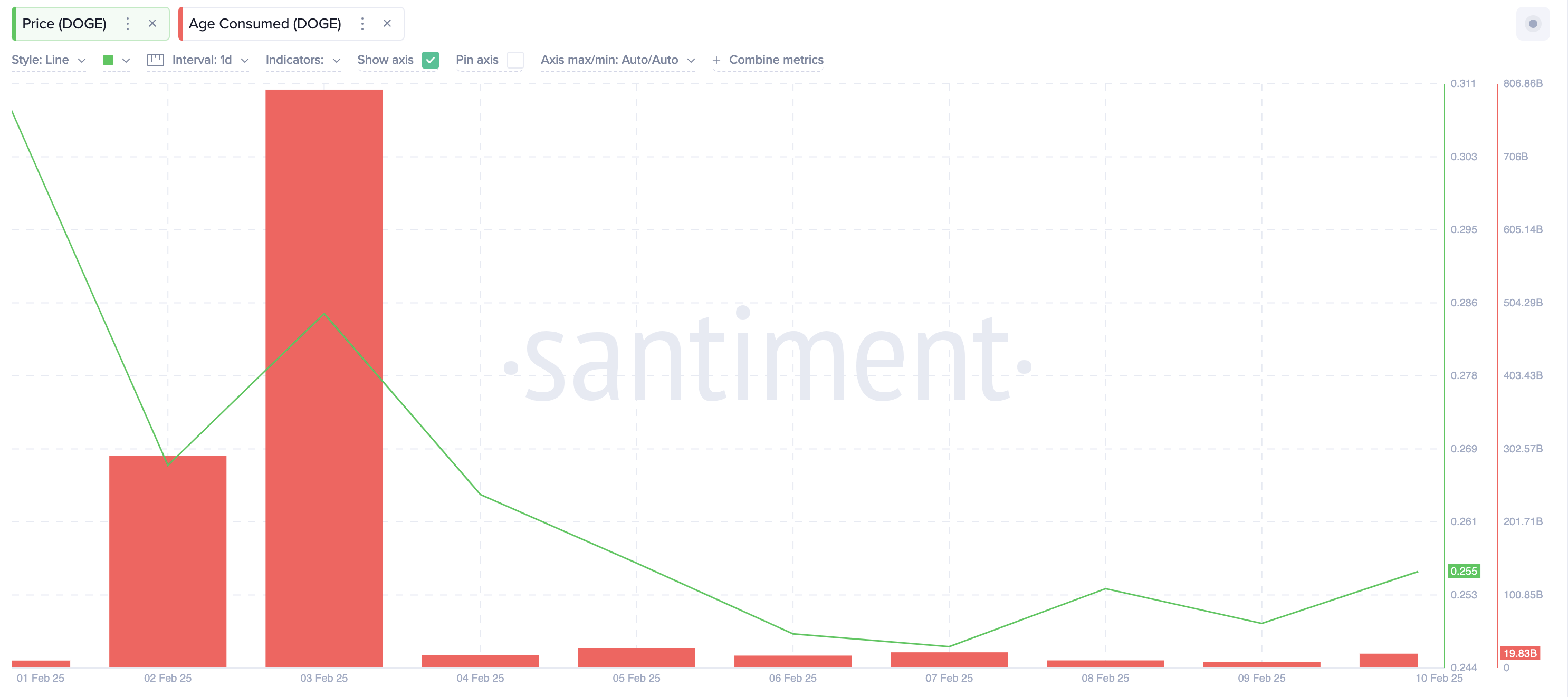
  • Dogecoin Age Consumed remains flatlined at 19 billion, down 90% from February 3 peaks, as long-term holders show reluctance to sell. 

Dogecoin (DOGE) price holds firmly above the $0.25 level on Wednesday, while on-chain data links DOGE’s resilient performance to institutional interest and long-term investors’ reluctance to sell the token amid Exchange Traded Funds (ETFs) speculations.

DOGE shows resilience as crypto market tumble ahead of US CPI data

The global crypto market descended into a sharp correction in the last 24 hours as the United States (US) Bureau of Labor Statistics is set to publish the Consumer Price Index (CPI) inflation data for January.

Annual headline CPI inflation is expected to have remained steady at 2.9%, while core CPI inflation – which excludes volatile food and energy prices – to have grown at a slower pace of 3.1%, compared to a 3.2% increase in December. On a monthly basis, both headline and core CPI are expected to have risen by 0.3%.

Sticky inflation data would suggest that the Fed should keep interest rates higher for longer, thus benefiting the US Dollar (USD) and weighting on risky assets, like cryptocurrencies.

Global memecoin sector performance, February 12 | Coingecko

At press time, just hours before the US CPI data release, memecoin markets are down, but a closer look at market performance trends shows DOGE price exhibiting considerably more resilience than its rivals.

Dogecoin price has declined 4% in the last 24 hours, while PEPE and Official TRUMP tokens are nearing double-digit losses, dropping by 7% and 6%, respectively.

Shiba Inu (SHIB), another major memecoin, has also suffered, declining by 2.7% in the past 24 hours and 3.2% over the past seven days.

Despite the downturn, DOGE continues to trade above $0.25, suggesting significant investor confidence amid the ongoing macroeconomic uncertainty.

Dogecoin long-term investors unwilling to sell amid positive ETF speculations

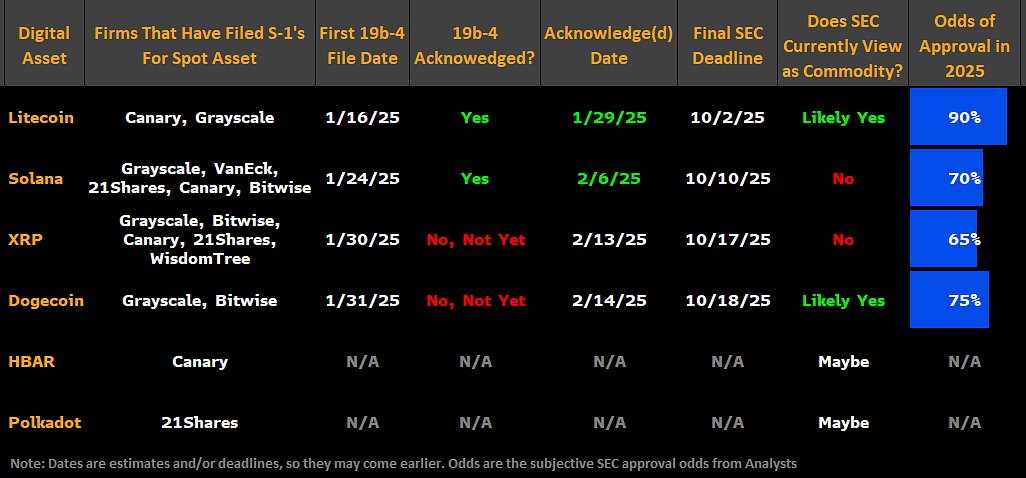
Dogecoin’s relatively resilient performance on Wednesday can be attributed to rising institutional interest after Bloomberg analysts triggered another wave of ETF speculations this week. On Monday, Blockworks’ Founder Jason Yanowitz alerted his 120,000 followers on X to a spreadsheet showing the likelihood of ETF approvals for top altcoins, including Ripple (XRP), Solana (SOL), Dogecoin (DOGE), and Litecoin (LTC).

Crypto ETF Filings

Crypto ETF Filings. 

According to speculation, Dogecoin and Litecoin ETFs are likely to be approved as the US Securities and Exchange Commission (SEC) could classify them as commodities, while other altcoins may face additional regulatory hurdles. This event has provided a major boost for DOGE and LTC over the last 48 hours.

Litecoin price surged to a February high of $130 before retracing toward $110 amid the broader market dip.

Dogecoin traders are also reacting positively, keeping the asset above $0.25 despite the overall bearish sentiment in the crypto market.

DOGE long-term holders reluctant to sell

Supporting this bullish outlook, Santiment’s Age Consumed metric, which tracks the volume of tokens traded on a given day multiplied by the number of days since they were last moved, provides instant insights into the buy-sell activities of long-term investors.

A spike in Age Consumed indicates a selling trend among long-term holders, while a decline suggests investor confidence and retention.

Dogecoin Age Consumed vs. DOGE price | Source: Santiment Dogecoin Age Consumed vs. DOGE price | Source: Santiment 

The data shows that DOGE’s Age Consumed has remained flatlined at 19.8 billion DOGE since February 4, representing a 90% decline from the February 3 peak of 798.9 billion DOGE.

Why this could be bullish for Dogecoin?

A decline in Age Consumed means fewer long-held coins are being traded, with the majority of long-term investors showing reluctance to sell. This suggests that investors may be positioning themselves for potential ETF approval gains, which explains why DOGE price has held above the $0.25 level while rivals PEPE and TRUMP have booked steeper losses.

The combination of institutional accumulation, ETF optimism, and long-term investor retention has helped Dogecoin outperform other memecoins amid macroeconomic uncertainties. If the speculation around ETF approval continues, DOGE could maintain its price stability or even attempt an upward breakout in the near future.

Dogecoin Price Forecast: $0.25 defense set-up could spark early rebound

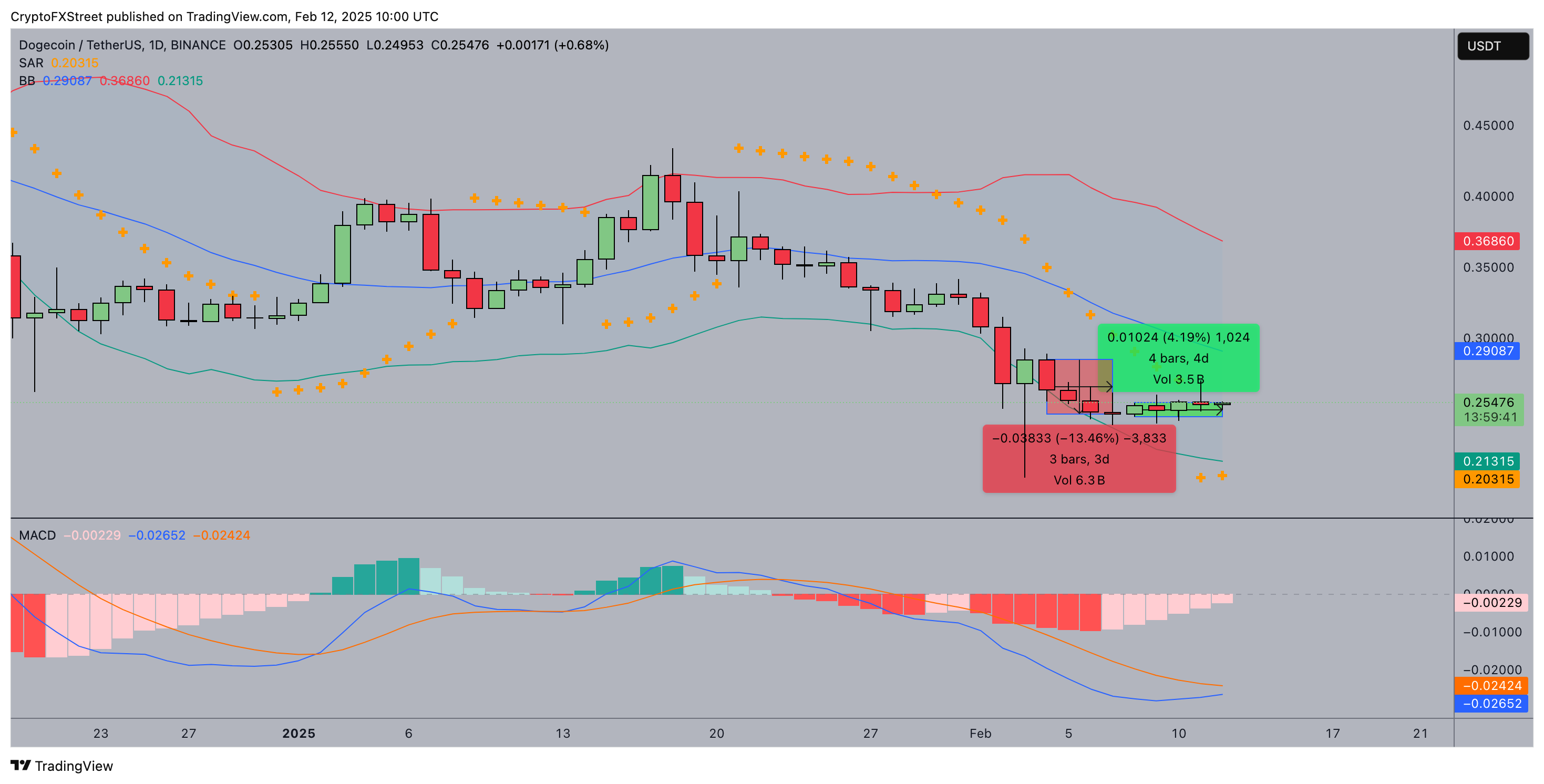
Dogecoin price forecast chart suggests an early recovery attempt if bulls successfully defend the $0.25 psychological support level. The daily DOGE/USDT chart reveals a resilient technical setup, with DOGE consolidating within a tight range following a steep decline of 13.46% in three days. The rebound attempt is supported by a minor 4.19% bounce over the last four days, signaling potential accumulation at the lower Bollinger Band near $0.213.

Dogecoin price forecast | DOGE/USDT (Binance)Dogecoin price forecast | DOGE/USDT (Binance)

The Bollinger Bands show compression after an extended downtrend, hinting at an imminent volatility breakout. The middle band at $0.29 aligns with prior resistance, making this level the next major upside target if buyers gain control. The Parabolic SAR dots above the candles indicate a lingering bearish trend, but a flip beneath price action could reinforce a bullish reversal.

The MACD histogram remains in negative territory but shows contracting bearish momentum as the MACD line attempts a crossover with the signal line. If this bullish cross is confirmed, DOGE could retest $0.30. However, failure to hold $0.25 could invite further selling, exposing $0.203 as the next support.


Source link

Go to Top