Silver price may regain its ground due to market caution ahead of the US presidential election.
Silver prices faced challenges as the Israeli PM Netanyahu may discuss a diplomatic resolution to the war in Lebanon.
The dollar-denominated Silver received support from a lower US dollar and Treasury yields ahead of US data releases this week.
Silver prices (XAG/USD) dips slightly to around $34.30 during the Asian trading hours on Wednesday. However, Silver gained over 2% on Tuesday amid ongoing uncertainty surrounding the US presidential election.
A three-day poll conducted by Reuters/Ipsos, which concluded on Sunday and was released on Tuesday, indicated that the race is essentially tied as the November 5 election approaches. Vice President Kamala Harris, the Democratic candidate, has seen her lead over Republican nominee Donald Trump narrow to just one percentage point, with 44% support compared to Trump’s 43%.
Silver prices might have encountered difficulties due to safe-haven flows, following an Axios reporter post on X that Israeli Prime Minister Benjamin Netanyahu is set to meet with various ministers and military and intelligence leaders to discuss a diplomatic resolution to the war in Lebanon, according to Reuters.
The dollar-denominated commodity, like Silver, typically benefits from a weaker US dollar and lower Treasury yields as traders exercise caution ahead of significant US economic data releases this week. A declining US dollar makes Silver more affordable for foreign buyers, which can boost demand for the precious metal.
The preliminary US Q3 Gross Domestic Product (GDP) figures and October’s ADP Employment Change are set to be released on Wednesday. Additionally, US PCE inflation and Nonfarm Payrolls will be closely monitored on Thursday and Friday, respectively.
Investors are also anticipating the upcoming meeting of China’s parliament, scheduled for November 4-8, as reported by state media on Friday. There is considerable interest in the gathering of the standing committee of the National People’s Congress, which is expected to provide updates on potential fiscal stimulus measures.
Silver FAQs
Silver is a precious metal highly traded among investors. It has been historically used as a store of value and a medium of exchange. Although less popular than Gold, traders may turn to Silver to diversify their investment portfolio, for its intrinsic value or as a potential hedge during high-inflation periods. Investors can buy physical Silver, in coins or in bars, or trade it through vehicles such as Exchange Traded Funds, which track its price on international markets.
Silver prices can move due to a wide range of factors. Geopolitical instability or fears of a deep recession can make Silver price escalate due to its safe-haven status, although to a lesser extent than Gold’s. As a yieldless asset, Silver tends to rise with lower interest rates. Its moves also depend on how the US Dollar (USD) behaves as the asset is priced in dollars (XAG/USD). A strong Dollar tends to keep the price of Silver at bay, whereas a weaker Dollar is likely to propel prices up. Other factors such as investment demand, mining supply – Silver is much more abundant than Gold – and recycling rates can also affect prices.
Silver is widely used in industry, particularly in sectors such as electronics or solar energy, as it has one of the highest electric conductivity of all metals – more than Copper and Gold. A surge in demand can increase prices, while a decline tends to lower them. Dynamics in the US, Chinese and Indian economies can also contribute to price swings: for the US and particularly China, their big industrial sectors use Silver in various processes; in India, consumers’ demand for the precious metal for jewellery also plays a key role in setting prices.
Silver prices tend to follow Gold’s moves. When Gold prices rise, Silver typically follows suit, as their status as safe-haven assets is similar. The Gold/Silver ratio, which shows the number of ounces of Silver needed to equal the value of one ounce of Gold, may help to determine the relative valuation between both metals. Some investors may consider a high ratio as an indicator that Silver is undervalued, or Gold is overvalued. On the contrary, a low ratio might suggest that Gold is undervalued relative to Silver.
The global vitamin supplements market is estimated to be valued at USD 52.59 Bn in 2024 and is expected to reach USD 87.25 Bn by 2031, exhibiting a compound annual growth rate (CAGR) of 7.5% from 2024 to 2031.
The global Vitamin Supplements Market Report offers a comprehensive analysis from 2024 to 2031, encompassing all significant aspects. It assesses both current and future market opportunities within the Vitamin Supplements industry. This market is distinct from product types, manufacturers, applications, and geographical locations. The report evaluates the Vitamin Supplements market based on key manufacturers and regional segments. Additionally, it includes supplier data such as revenue, costs, gross profits, business overviews, distribution channels, and insights from interviews, providing consumers with a deeper understanding of the competitive landscape.
✅ Request Sample Copy of this Report at: https://www.coherentmarketinsights.com/insight/request-sample/7411
The “Vitamin Supplements ” report, featuring a forecast from 2024 to 2031, provides a professional analysis for businesses based on historical data and future market opportunities. This report includes an evaluation of key producers in the enterprise sector, an assessment of marketing traders or distributors, development trends, production analysis, consumption volume and price analysis, as well as sales and market popularity. A concise overview of the Vitamin Supplements industry included in the report covers enterprise data analysis, policy evaluations, definitions, specifications, applications, and classifications.
Future opportunities of Vitamin Supplements Market:
1. Growing Health Consciousness: Increasing awareness of health and wellness among consumers is driving demand for vitamin supplements. As people prioritize preventive healthcare and seek to enhance their overall well-being, there is a rising interest in dietary supplements that support immune function, energy levels, and general health. Companies that offer targeted formulations for specific health concerns will be well-positioned to capture this market.
2. Aging Population: The global population is aging, leading to an increased demand for supplements that address age-related health issues. Vitamins such as D, B12, and calcium are particularly sought after for their roles in bone health, cognitive function, and immune support. Brands that develop formulations catering to the needs of older adults will find significant opportunities in this demographic.
3. Personalization and Customization: The trend toward personalized nutrition is gaining traction, with consumers seeking tailored vitamin solutions that meet their individual health needs. Brands that offer customizable vitamin packs based on personal health goals, lifestyles, or genetic factors can differentiate themselves in the market. Utilizing technology to provide personalized recommendations will enhance customer engagement and loyalty.
4. E-Commerce Growth: The rise of online shopping has transformed the way consumers purchase vitamin supplements. E-commerce platforms allow for greater accessibility and convenience, enabling brands to reach a wider audience. Companies that invest in digital marketing strategies and optimize their online presence will be better positioned to capture this growing segment.
5. Innovative Delivery Formats: There is a growing demand for innovative delivery formats, such as powders, and liquid supplements, which cater to consumer preferences for convenience and palatability. Brands that develop appealing and easy-to-consume products can attract a broader audience, particularly among younger consumers who may prefer alternatives to traditional pills.
✅ Get the Sample Copy of the Report at: https://www.coherentmarketinsights.com/insight/request-sample/7411
Detailed Segmentation and Classification of the report (Market Size and Forecast – 2031, Y-o-Y growth rate, and CAGR):
★ By Type:
• By Product Type: Multivitamins, Vitamin D, Vitamin C, Vitamin B, Vitamin E: 5%, and Others (including A, K, etc.)
• By Formulation: Tablets, Capsules, Powders, Liquids
• By Distribution Channel: Pharmacies/Drugstores, Supermarkets/Hypermarkets, Health and Wellness Stores, Online Retail, and Others (including direct sales, etc.)
★ By Regions and Countries
o North America
o Europe
o Asia-Pacific
o South America
o Middle East & Africa
★ Following are the players analyzed in the report:
• BASF SE
• Royal DSM
• Lonza
• Nature Made
• Pharmavite
• Life Extension
• Garden of Life
• Standard Process
• Klean Athlete
• MegaFood
• Abbott Laboratories
• Herbalife International
• Jarrow Formulas
• Doctor’s Best
• Rainbow Light
• California Gold Nutrition
• 21st Century
• New Chapter
• Nordic Naturals
• Optimum Nutrition
💡 Vitamin Supplements Market Study Objectives Are:
• Investigate and analyze the current status and future projections of the global Vitamin Supplements market, focusing on production, revenue, consumption, and historical data.
• The report details key manufacturers in the Vitamin Supplements sector, including their production, revenue, market share, SWOT analysis, and development strategies for the upcoming years.
• The Vitamin Supplements report categorizes data by regions, product types, manufacturers, and applications.
• Evaluate the market potential and advantages of the global Vitamin Supplements landscape, including opportunities, challenges, constraints, and risks.
• The Vitamin Supplements report highlights significant trends, driving forces, and influencing factors on both global and regional levels.
• Conduct a strategic analysis of each submarket, examining individual growth trends and their contributions to the overall Vitamin Supplements market.
• The report assesses competitive developments such as expansions, partnerships, new product launches, and acquisitions within the Vitamin Supplements market.
✅Unlock Immediate Delivery! Purchase This Premium Research Report and Save 25% : https://www.coherentmarketinsights.com/insight/buy-now/7411
💡 Major Advantages of the Vitamin Supplements market Report:
• This report offers market leaders and newcomers precise revenue estimates for the overall Vitamin Supplements market and its key subsegments, with forecasts extending from 2024 to 2031.
• Stakeholders can utilize this report to enhance their understanding of the competitive landscape, allowing them to strategically position their businesses and formulate effective go-to-market strategies.
• The report equips stakeholders with important insights into Vitamin Supplements market dynamics, delivering a thorough analysis of key drivers, restraints, challenges, and opportunities, along with projections for future market developments.
✅ Request for Customization @ https://www.coherentmarketinsights.com/insight/request-customization/7411
Author of this marketing PR:
Priya Pandey is a dynamic and passionate PR writer with over three years of expertise in content writing and proofreading. Holding a bachelor’s degree in biotechnology, Priya has a knack for making the content engaging. Her diverse portfolio includes writing contents and documents across different industries, including food and beverages, information and technology, healthcare, chemical and materials, etc. Priya’s meticulous attention to detail and commitment to excellence make her an invaluable asset in the world of content creation and refinement.
☎ Contact Us:
Mr. Shah
Senior Client Partner – Business Development
Coherent Market Insights
Phone:
US: +1-206-701-6702
UK: +44-020-8133-4027
Australia: +61-2-4786-0457
India: +91-848-285-0837
Email: sales@coherentmarketinsights.com
Website: https://www.coherentmarketinsights.com
Follow Us: LinkedIn | Twitter
About Us:
Coherent Market Insights is a global market intelligence and consulting organization that provides syndicated research reports, customized research reports, and consulting services. We are known for our actionable insights and authentic reports in various domains including aerospace and defense, agriculture, food and beverages, automotive, chemicals and materials, and virtually all domains and an exhaustive list of sub-domains under the sun. We create value for clients through our highly reliable and accurate reports. We are also committed in playing a leading role in offering insights in various sectors post-COVID-19 and continue to deliver measurable, sustainable results for our clients.
EUR/USD edges higher toward 1.0850 in the European session on Wednesday.
Investors will have many data releases from Germany, the Eurozone and the US to assess.
The technical outlook points to a buildup of bullish momentum.
EUR/USD gains traction and rises toward 1.0850 in the European trading hours on Wednesday. Although the technical outlook highlights a buildup of bullish momentum, the Euro still faces a two-way risk on high-impact macroeconomic data releases.
Euro PRICE Today
The table below shows the percentage change of Euro (EUR) against listed major currencies today. Euro was the strongest against the US Dollar.
USD
EUR
GBP
JPY
CAD
AUD
NZD
CHF
USD
-0.22%
-0.05%
-0.21%
-0.08%
-0.29%
-0.38%
-0.11%
EUR
0.22%
0.17%
0.00%
0.14%
-0.07%
-0.16%
0.11%
GBP
0.05%
-0.17%
-0.18%
-0.03%
-0.24%
-0.33%
-0.04%
JPY
0.21%
0.00%
0.18%
0.15%
-0.06%
-0.17%
0.12%
CAD
0.08%
-0.14%
0.03%
-0.15%
-0.22%
-0.30%
-0.01%
AUD
0.29%
0.07%
0.24%
0.06%
0.22%
-0.10%
0.20%
NZD
0.38%
0.16%
0.33%
0.17%
0.30%
0.10%
0.29%
CHF
0.11%
-0.11%
0.04%
-0.12%
0.01%
-0.20%
-0.29%
The heat map shows percentage changes of major currencies against each other. The base currency is picked from the left column, while the quote currency is picked from the top row. For example, if you pick the Euro from the left column and move along the horizontal line to the US Dollar, the percentage change displayed in the box will represent EUR (base)/USD (quote).
Regional Consumer Price Index (CPI) figures and third-quarter Gross Domestic Product (GDP) data from Germany will be watched closely by market participants. Investors expect Germany’s GDP to contract at an annualized rate of 0.3% in the third quarter. A worse-than-expected GDP print, combined with soft regional inflation figures from Germany, could weigh on the Euro with the immediate reaction.
Later in the day, the ADP Employment Change for October will be featured in the US economic docket. Analysts see the employment in private sector rising by 115,000 following the 143,000 increase recorded in September.
Additionally, the US Bureau of Economic Analysis will publish its first estimate of the third-quarter GDP data, which is forecast to show an expansion at an annual rate of 3%.
In case the ADP and the GDP data both disappoint, the US Dollar (USD) is likely to come under renewed selling pressure and open the door for a leg higher in EUR/USD. On the flip side, the USD could regather its strength if these data arrive near or above market consensus. If the figures come in mixed, investors could refrain from taking large positions. In this scenario, the risk perception following the Wall Street’s opening bell could be the driving factor for the USD’s performance.
EUR/USD Technical Analysis
EUR/USD broke out of the descending regression channel and the Relative Strength Index (RSI) indicator on the 4-hour chart rose to 60, reflecting a bullish shift in the short-term technical bias.
On the upside, the 200-day Simple Moving Average aligns as strong resistance at 1.0870 ahead of 1.0900 (round level) and 1.0940 (100-day SMA). Looking south, first support could be spotted at 1.0810-1.0800 (20-period SMA, 50-period SMA, round level) before 1.0750 (static level) and 1.0700 (round level, static level).
Euro FAQs
The Euro is the currency for the 19 European Union countries that belong to the Eurozone. It is the second most heavily traded currency in the world behind the US Dollar. In 2022, it accounted for 31% of all foreign exchange transactions, with an average daily turnover of over $2.2 trillion a day. EUR/USD is the most heavily traded currency pair in the world, accounting for an estimated 30% off all transactions, followed by EUR/JPY (4%), EUR/GBP (3%) and EUR/AUD (2%).
The European Central Bank (ECB) in Frankfurt, Germany, is the reserve bank for the Eurozone. The ECB sets interest rates and manages monetary policy. The ECB’s primary mandate is to maintain price stability, which means either controlling inflation or stimulating growth. Its primary tool is the raising or lowering of interest rates. Relatively high interest rates – or the expectation of higher rates – will usually benefit the Euro and vice versa. The ECB Governing Council makes monetary policy decisions at meetings held eight times a year. Decisions are made by heads of the Eurozone national banks and six permanent members, including the President of the ECB, Christine Lagarde.
Eurozone inflation data, measured by the Harmonized Index of Consumer Prices (HICP), is an important econometric for the Euro. If inflation rises more than expected, especially if above the ECB’s 2% target, it obliges the ECB to raise interest rates to bring it back under control. Relatively high interest rates compared to its counterparts will usually benefit the Euro, as it makes the region more attractive as a place for global investors to park their money.
Data releases gauge the health of the economy and can impact on the Euro. Indicators such as GDP, Manufacturing and Services PMIs, employment, and consumer sentiment surveys can all influence the direction of the single currency. A strong economy is good for the Euro. Not only does it attract more foreign investment but it may encourage the ECB to put up interest rates, which will directly strengthen the Euro. Otherwise, if economic data is weak, the Euro is likely to fall. Economic data for the four largest economies in the euro area (Germany, France, Italy and Spain) are especially significant, as they account for 75% of the Eurozone’s economy.
Another significant data release for the Euro is the Trade Balance. This indicator measures the difference between what a country earns from its exports and what it spends on imports over a given period. If a country produces highly sought after exports then its currency will gain in value purely from the extra demand created from foreign buyers seeking to purchase these goods. Therefore, a positive net Trade Balance strengthens a currency and vice versa for a negative balance.
Dogecoin price looks incredibly bullish as large investors, known as “whales”, have poured an additional $149 million into the meme coin in the last 24 hours. This massive capital influx signals strong confidence among influential market players, boosting optimism about DOGE price recovery. One analyst has said the price trajectory of Dogecoin remains “super bullish”, forecasting the crypto asset will rise as high as $10 in this bull run.
Why Is Dogecoin Price Today Surging?
DOGE price increased by 6.9% in the last 24 hours to trade at $0.1764 as of 00:48 a.m. EST. This includes an incredulous 27.8% weekly gain and a 50.9% bi-weekly uptick. Although Bitcoin has played a huge part in the current rally, the upcoming U.S. election is also likely a contributor to the rise of Dogecoin.
DOGE/USDT Price Chart
According to Polymarkets, Donald Trump is leading VP Kamala Harris by 66.4% to 33.7%, increasing investors’ hopes of a Trump win, which has come to be perceived as a win for cryptocurrencies.
Currently, Bitcoin has a 0.94 (94%) correlation with DOGE, according to data from IntoTheBlock (ITB), which means every time BTC rises, the Dogecoin price is highly likely to follow suit.
Rally Not Over As Whales Pour $149M Into DOGE
Data from ITB shows that large investors are betting more on Dogecoin, which is surging higher. Over the last 24 hours, large holder inflow has surged to 861 million DOGE from 3.08 million, signaling whales’ increased confidence in the crypto asset.
Dogecoin price forecast shows whale activity ramped up as the large transaction count surged to a 6-month high. Signaling that Dogecoin’s price could soon break down above that $0.22 barrier. Aside from this, Santiment data shows almost all Dogecoin on-chain metrics are soaring through the roof:
Social dominance is at an 8-month high, suggesting that investors are actively talking about Dogecoin.
Active and daily active addresses (DAA) broke a 2-week high, meaning new users are likely joining the DOGE ranks.
The network-to-volume transaction (NVT) ratio is back to a six-month high, meaning investors value DOGE’s price at a premium.
30-day realized cap just surpassed the 365-day realized cap. When this happens, it means new holders are joining Dogecoin, and previous historical data shows it has always been followed by a price increase
These metrics suggest the Dogecoin price rally is not over, and the next leg up could come very soon.
Technical Analysis: DOGE Price Is ‘Super Bullish’
An analyst has called Dogecoin price action “super bullish”, and predicted that the asset is likely to surge to $9-10 by the end of the bull run. He, however, said the immediate targets for the asset are $1-2.70.
DOGE price has surpassed the past resistance (1) well and now faces the second resistance (2). This level has been tested once before but still presents a significant hurdle. If Dogecoin breaks above this resistance, the next major barrier is around $0.22, which coincides with the yearly high and marks a 29% increase from the current price.
Dogecoin Price Analysis Chart
Bears can invalidate the current bullish thesis by pushing the price of DOGE below $0.142 (Resistance 1). This would show market weakness and result in a cascade effect of panic selling, pushing the price further lower to $0.105 support.
The crypto-charged U.S. elections are coming up in five days, and the crypto markets, especially Dogecoin, should expect high volatility.
Frequently Asked Questions (FAQs)
Dogecoin’s price has surged due to a significant $149 million influx from large investors, known as “whales,” over the past 24 hours.
Analysts are optimistic, calling the price action “super bullish” and predicting a potential rise to $9–$10 in this bull run, with immediate targets between $1 and $2.70.
The upcoming U.S. election has added to Dogecoin’s volatility, with some investors anticipating a Trump victory as favorable for cryptocurrency markets.
Related Articles
✓ Share:
Evans Karanja
Evans Karanja is a crypto analyst and journalist with a deep focus on blockchain technology, cryptocurrency, and the video gaming industry. His extensive experience includes collaborating with various startups to deliver insightful and high-quality analyses that resonate with their target audiences. As an avid crypto trader and investor, Evans is passionate about the transformative potential of blockchain across diverse sectors. Outside of his professional pursuits, he enjoys playing video games and exploring scenic waterfalls.
Disclaimer: The presented content may include the personal opinion of the author and is subject to market condition. Do your market research before investing in cryptocurrencies. The author or the publication does not hold any responsibility for your personal financial loss.
Xsolla Will Launch its Own ZK Chain to Form a Network That Serves As The Foundation For Upcoming Game Solutions With Integrated Web3 Capabilities
Los Angeles–(ANTARA/Business Wire)– Xsolla, a global video game commerce company, announces plans to launch Xsolla ZK and introduce a digital backpack of virtual items on the blockchain. Xsolla ZK is powered by ZKsync technology and will drive the continuous growth and expansion of Web3 technologies to further develop solutions on the blockchain for the video game industry.
Xsolla ZK will become part of the Elastic Chain ecosystem- an expanding constellation of interconnected chains powered by ZKsync, an Ethereum Layer 2 zero-knowledge roll-up technology. Xsolla ZK will also introduce its ‘digital backpack’ for game developers, item creators, and gaming infrastructure providers to store and manage in-game items. Xsolla has seen significant success in the gaming industry, with two decades of experience, over 2,500 games monetized with its products, and over 1,000 developers and publishers utilizing its technology for their games.
Lee Jacobson, Senior Vice President of Business Development Web3 at Xsolla, expressed his enthusiasm for the project: “Xsolla ZK leverages Ethereum Layer 2 zk Rollup technology to create a digital backpack for game developers. By deploying our expertise on the ZKsync Elastic Chain, we provide game developers with a scalable and pioneering solution aligning with the economic models with which they are familiar. Xsolla ZK is not just about innovation; it’s about creating real value for the gaming community.”
Xsolla will combine its expertise in in-game commerce with ZKsync’s cutting-edge blockchain technology. Rich Kim, Head of Gaming at Matter Labs, said, “We are thrilled to see companies like Xsolla launch pioneering projects for Web3 gaming. For gaming ecosystems to thrive, it’s critical to close the gap for both users and builders; builders need proven, plug-and-play infrastructure to launch rich features while handling the performance required by mass usage games. Additionally, users need easy-to-use and convenient in-game features and payment options that can be leveraged across a broad ecosystem of games. Xsolla ZK is carving a path for gaming to transition and thrive in Web3.”
For more information about Xsolla ZK and how to get early access, please visit: xsolla.pro/zk
About Xsolla
Xsolla is a global video game commerce company with a robust and powerful set of tools and services designed specifically for the industry. Since its founding in 2005, Xsolla has helped thousands of game developers and publishers of all sizes fund, market, launch, and monetize their games globally and across multiple platforms. As an innovative leader in game commerce, Xsolla’s mission is to solve the inherent complexities of global distribution, marketing, and monetization to help our partners reach more geographies, generate more revenue, and create relationships with gamers worldwide. Headquartered and incorporated in Los Angeles, California, with offices in Montreal, London, Berlin, Beijing, Guangzhou, Seoul, Tokyo, Kuala Lumpur, Raleigh, and other cities around the world, Xsolla supports major gaming titles like Valve, Take-Two, KRAFTON, Nexters, NetEase, Playstudios, Playrix, miHoYo, and more.
For additional information and to learn more, please visit xsolla.com.
About the Elastic Chain
The Elastic Chain is an ever-expanding cluster of ZK rollups, secured by cryptography and designed for native interoperability with a unified, seamless user experience. The Elastic Chain delivers the functionality of a multi-chain ecosystem with the simplicity of a single blockchain, enabling scalable, secure, and efficient transactions. These core components ensure that this cluster of ZK Chains can interact and transact with each other efficiently, inheriting the security of Ethereum and forming a network that can scale horizontally without compromising on the core properties that make blockchains so powerful.
For additional information and to learn more, please visit matter-labs.io.
If you are taking creatine or you’re thinking of starting it and wondering “Does creatine cause hair loss?” The quick answer is ‘no’. But why do some creatine users still claim that they experienced hair loss as a side effect?
To help clarify things and put them into perspective, we went through scientific evidence to investigate the validity of this rumor!
In the latter stages of this article, we’ll also take a look at some of the best creatine supplements on the market, starting with Crazy Nutrition’s Ultimate CR-5 Creatine.
What Is Creatine?
Creatine is a natural substance made in your liver and kidneys from three amino acids: arginine, glycine, and methionine.
Is creatine a steroid? No, it’s not. It may help boost muscle gains like synthetic steroids, but it’s a chemical naturally created by your body. However, creatine can also be found in numerous fitness supplements targeting muscle growth.
Your body produces creatine to support fast cellular energy production in your muscles during intense activity [1]. Although it isn’t an essential nutrient, you may still need to consume more by eating meat or taking supplements in some situations.
Creatine is one of the most popular and well-studied sports supplements. The International Society of Sports Nutrition has published reviews supporting its use; it is not on the list of prohibited performance-enhancing products.
Your typical requirements are around 1-3 grams of creatine daily, as some of it is degraded into creatinine. You usually get half of this from your diet, while the other half comes from your body’s natural creatine production. However, some athletes may need 5-10 grams, and people with certain health conditions could require between 10-30 grams [2].
What Is Creatine Used For?
The ISSN’s official statement on creatine is that it is one of the most effective natural performance boosters for enhancing stamina and increasing muscle mass [2]. As one of the best supplements for muscle growth, creatine is used for building muscle, preventing injury, relieving muscular fatigue, and providing more energy to your muscles for protein synthesis.
Research demonstrates that creatine supplementation can increase muscle mass and strength gains, work capacity during physical activity, speed during sprints, and speed up recovery. There isan average improvement of 10-20% in users’ performance during repetitive and high-intensity exercise [2].
Even better, creatine may reduce your risk of injuries and speed up recovery when injured. For example, one paper showed that creatine lowered the risks of muscle cramps, heat-related illness, muscle strains, muscle tightness, and total soft tissue injuries [2].
What about people who are already injured? A trial involving swimmers with tendon overuse injuries found that the creatine grouponly lost 5.6% of lean mass,compared with 8.9% in the placebo group.
After four weeks of rehab, the lean mass of those who took creatine rose by 5.5%, compared to just 3.8%. They even experienced faster pain relief, with scores dropping to almost 0 out of 10 by the recovery phase. The group who didn’t use creatine still had an average pain level of 2 out of 10 by the same point in time [3].
Additionally, research on women—who have lower creatine stores—demonstrates up to 30% improvement in exercise performance depending on the dose, duration of use, and performance measurement. For instance, one trial showed double the gains in strength among women taking creatine compared to the placebo group [4].
The benefits of creatine may even extend to rare disorders. Let’s take a case study of a woman with Ehlers-Danlos syndrome as an example. While she failed to see benefits from physical therapy alone, creatine monohydrate helped relieve her severe muscular fatigue [5].
After she started taking creatine, she could cook, clean dishes, plus wash and brush her hair without resting in between. Additionally, she doubled the length of time she could walk nonstop: from 10-15 minutes to 20-25 minutes[5].
(credit: FitLiving graphics team)
How Does Creatine Work?
Creatine has several protective and anabolic effects that make it one of the most popular and researched sports supplements.
Perhaps the first benefit you might notice when taking creatine is a boost in energy. This is because creatine helps you produce ATP (the cells’ energy “currency”) and transports it throughout your cells. Better yet, creatine could protect against the oxidative stress naturally caused by energy production [2]. This could lead to less neuromuscular fatigue, too [4].
Another vital way creatine acts is reducing myostatin activity. Myostatin acts as a brake on muscle growth. That’s why genetic researchers are currently studying its opposing substance, follistatin, for anti-aging purposes. However, some trials show that creatine can reduce myostatin by up to 35% [6].
Creatine is also crucial for preventing muscle damage. One trial demonstrated an impressive 84% decrease in creatine kinase, a blood marker for muscle damage. This contributed to a 10-20% increase in strength compared to the placebo group [7].
Creatine may be especially beneficial for women for a few reasons. Women not only have 70-80% lower stores of creatine, but they also consume less creatine on average as a result of eating less meat and protein. A loss of estrogen during perimenopause, menopause, and some phases of the menstrual cyclealso leads to lower creatine production [4].
This may be one reason why women experience a quick loss of physical strength during perimenopause and menopause unless they begin hormone replacement therapy.
One paper on the subject showed no difference in pound-for-pound muscle force between men and women in the adductor pollicis (a powerful muscle on one’s hand) before menopause when the body made sufficient estrogen [8].
Does Creatine Cause Hair Loss? The Origins of the Creatine and Hair Loss Myth
The creatine hair loss myth comes from a small 2009 study. In the study, 20 college-age rugby players had a 56% increase in dihydrotestosterone during the loading phase. This dropped to a 40% increase above their starting levels during the maintenance phase. Their DHT to testosterone ratio rose by 36%, and then it stayed at 22% above baseline [9].
There are a few issues with interpreting this research as proof that creatine causes hair loss. First, there were only 20 participants, and the study lasted just several weeks. They were also all in their late teens or early twenties, so they had higher testosterone levels than older men.
Additionally, there was no indication that their DHT levels would stay high or that they were enough to cause hair loss. As the creatine group’s DHT levels were 23% lower at the beginning of the study, it may have even indicated their DHT normalized [9].
What’s more, these creatine DHT results have not been replicated in recent research papers. Other studies have shown no increase in testosterone or even DHT.Research on creatine’s benefits does not report hair loss as a side effect either [10].
Is There a Link Between HMB and Hair Loss?
Beta-hydroxy-beta-methyl butyrate (HMB) is another popular supplement for muscle growth. A review of studies found that HMB may increase muscle mass and prevent damage from heavy exercise, with minimal to no side effects [11].
The HMB hair loss rumor is also unfounded. HMB does not appear to increase testosterone or DHT, making it safe for hair health.
Instead, it may directly act on the muscle cells to stimulate growth and increase insulin-like growth factor-1. Also called IGF-1, it plays a role in how growth hormone boosts protein production. HMB could also reduce inflammation and muscle damage [11].
Possible Creatine Side Effects
Does creatine have any side effects? Although creatine isn’t proven to cause hair loss, you may still experience some other side effects.
Thankfully, creatine does not cause dehydration, muscle cramps, or kidney damage, which are more serious issues. There is some indication of an increase in liver enzymes. However, it’s not enough to indicate damage at the recommended dose.
A review of studies on creatine supplementation in women found that 10 of 18 papers described no side effects at all. Nevertheless, eight studies did report mild digestive issues. These include nausea, vomiting, constipation, diarrhea, bloating, and reduced appetite. The irritable bowel syndrome symptoms might grow worse, too [12].
However, creatine did not greatly raise the risk of these symptoms when all studies were included. There were also similar rates of these effects in placebo groups. As long as you don’t exceed the recommended dose of creatine, you can expect minimal to no side effects. Research shows that daily use for five years or longer is generally safe for most people of all ages [2].
What Causes Hair Loss Then?
If the answer to “Does creatine cause hair loss?” is “No,” then you might be wondering what triggers this problem. Hair loss may actually be caused by [14]:
Excess testosterone—largely through its conversion to the more potent dihydrotestosterone (DHT)—can cause androgenic alopecia in men and women.
Autoimmune alopecia is a condition where the immune system mistakenly attacks the hair. This has become treatable in recent years, thanks to JAK inhibitor medication.
Protein, iron, and zinc deficiencies may shorten the life of individual hairs, increasing the rate of hair loss.
Chronic, severe stress could result in temporary hair loss, but it takes months to resolve this issue, even after the trigger is removed.
Loss of estrogen after pregnancy or menopause might cause hair fall.
Some medications can lead to loss of hair, such as chemotherapy for cancer and anti-seizure or antidepressant drugs.
Thyroid disorders might affect cellular metabolism and make your hair thinner.
Best Creatine Supplements
The best creatine supplements we found are made by Crazy Nutrition, Kion, and Transparent Labs. All of them contain creatine monohydrate and virtually no unnecessary fillers.
We picked Crazy Nutrition’s Ultimate CRN-5 as the best creatine supplement overall, based on our research. It may feel more like a refreshing sports drink than a heavy, chalky powder, thanks to its flavors and electrolytes.
Ultimate CRN-5 contains five grams of creatine monohydrate per dose, pluscalcium, magnesium, sodium, and potassium.
Electrolytes are essential for fluid balance, nervous system function, muscle contraction, and cellular health. Better yet, these may also enhance creatine absorption. A trial testing creatine and electrolytes combined showed that the supplement increased peak power when cycling by 4% and mean power by 5% [16].
Another advantage that sent Crazy Nutrition’s Ultimate CRN-5 to the top position is that it’s vegan-friendly. As dietary creatine is often found in meat, it can help people on plant-based diets enjoy the benefits without compromising their health or diet choices.
Without supplementation, vegetarians have an average of 90-110 mmol per kilogram of dry muscle, compared to creatine stores of 120 mmol/kg in meat eaters [2]. If you notice a drop in your performance after going vegan or vegetarian, this may be the reason why.
We also like Ultimate CR-5’s creative flavor options: lemon-lime and orange-mango. You can add the powder to water alone or make it part of a juice or smoothie with flavor-compatible ingredients.
Cost
A packet of 30 doses is $44.99 (or $1.49 per dose) as a one-time purchase. If you want to save, the subscription costs just $31.49 or $1.05 per dose every four weeks to six months, depending on how often you work out. You can cancel your subscription at any time, as no commitment is needed.
User Reviews
Many customers appreciate the fitness perks of Ultimate CRN-5 from Crazy Nutrition. For example, a Reddit user commented on r/gainit that he uses this creatine supplement before working out because it’s part of his routine, and it fires him up to exercise more [17].
While other Redditors on the same thread have different views on the ideal time to take such products, they all like using creatine supplements [17].
Kion’s creatine supplement is the most affordable product on our list. With no fillers or other unnecessary ingredients, it’s a simple yet potent supplement. The company also shows the supplement is backed by research by including links to several papers on the product page.
Each one-scoop dose contains nothing but Creapure creatine monohydrate. Creapure is meant to have a 95% absorption rate, giving you more bang for your buck in a smaller dose. One paper describes Creapure as the “gold standard” of creatine supplements, as it has been used in hundreds of scientific studies to test creatine’s benefits [15].
What’s more, Kion’s creatine supplement has no flavor. You can add it to any juice, smoothie, or shake you want without changing the taste.
Cost
A one-off purchase of Kion’s creatine costs $17.99, yet a subscription brings down the price a little to $15.99. These are $0.60 and $0.53 per daily dose, respectively. You can pause or change your subscription at any time and set deliveries to one, two, or three months, depending on how often you take creatine. If it doesn’t work, there is a 60-day money-back guarantee, too.
User Reviews
Many users have a good opinion of this Kion supplement. In r/Biohackers, for instance, one Redditor recommended it as one of the best creatine brands [18].
While other folks also mention other brands in the same thread, that’s understandable since it all boils down to personal preference [18].
Transparent Labs’ Creatine HMB supplement contains exactly what it says on the tin: creatine monohydrate and HMB. Vitamin D3 and BioPerine, a natural absorption booster, are also included in the formula.
HMB is another popular and well-researched ingredient that may improve strength and physical performance. Its main benefits are to enhance the integrity of your muscle cell membranes, prevent protein breakdown inside muscle cells, increase protein production, and boost satellite cell counts.
Clinical studies have found a 13% increase in strength with the same dose of HMB used in Transparent Labs’ product. Additionally, a study on male and female athletes found reducedmarkers of muscle damage even after a 20-kilometer running test [11].
Vitamin D3 may have benefits for muscle strength. Research shows that it can increase strength anywhere from1.37% to 18.75%. It works by turning up cell-signaling pathways that support muscle growth and cell division. Vitamin D2 from plant sources has no effect, making vitamin D3 vital for vegetarians and vegans during winter [19].
Transparent Labs’ Creatine HMB has no gluten, GMOs, artificial colors, or sweeteners. What’s more, you can choose from 12 flavor types: blue raspberry, strawberry lemonade, peach mango, tropical punch, watermelon, fruit punch, Hawaiian splash, orange, sour grape, peach rings, blackberry, and unflavored.
Cost
A single purchase of Transparent Labs’ Creatine HMB costs $49.99, which contains enough for 30 doses at $1.66 per dose. You can save $5 with a subscription while getting free shipping. This lowers the price to $44.99 or $1.50 per dose.
User Reviews
Some customers have great things to say about Creatine HMB from Transparent Labs. To illustrate, a Reddit reviewer wrote on r/suppreview that combining creatine with HMB takes things up a notch. He noticed how it speeds up recovery times while providing a little extra strength [20].
Even if he reminded others that Transparent Labs supplements are not magic pills, he admitted that they do have the potential to be effective when hard work and consistency are included [20].
Creatine Forms and Dosage
There are many supplemental forms of creatine on the market. However, creatine monohydrate is the most well-researched. Creatine magnesium chelate, pyruvate, citrate, and hydrochloride have some studies to back them up [15].
It’s a good idea to choose creatine monohydrate or one of the lesser-researched forms if necessary. An analysis of commercially available products found that only one-third of supplements contained an evidence-backed form of creatine. Just 8% of these were third-party verified for quality, another essential factor [15].
Some researchers suggest taking a loading dose of creatine monohydrate of around 20 grams for one week, followed by three to five grams per day. This allows your muscles time to accumulate it [2].
On the other hand, a review of studies found that a loading dose might be unnecessary. You can take 3-5 grams of creatine from the beginning and still see positive results [10].
It’s important to avoid going too low, however, as one-gram doses are insufficient. We recommend choosing a more affordable yet quality product if you are using tiny doses to stretch your creatine further.
Although it takes several weeks to build up your muscle creatine stores, it takes another several weeks for them to return to pre-supplement levels.This means you can take a vacation without needing to worry about bringing your creatine supplement along [2].
FAQs on Creatine and Hair Loss
Here are some questions people usually ask when wanting to find answers about the rumors surrounding creatine and hair loss.
Do Creatine and Finasteride Interact?
Finasteride is a popular medication for male-pattern hair loss. It works by reducing how much testosterone is converted to DHT. This means that, assuming creatine does not increase DHT in the long-term, finasteride may protect against hair loss [13].
As they work on different pathways, the two substances are not likely to interact. If you’re planning to use both, you can ask your doctor for advice about it.
Does Creatine Cause Weight Gain?
Yes, but the creatine weight gain connection is all about muscle growth. Some of it is caused by increased water retention inside your muscle tissues [1]. This stimulates muscle growth, but you may notice more definition before your strength improves as a result.
On the other hand, other papers demonstrate that creatine does not always cause water retention. It also does not cause fat gain, so it could come in handy during a cutting cycle [10].
Does Creatine Cause Acne?
The theoretical increase in DHT could indicate a creatine acne link, but minimal research points to a rise in DHT levels. It also does not boost total or free testosterone [10]. In general, clinical trials don’t suggest that creatine causes acne as a side effect.
How Fast Does Creatine Cause Hair Loss?
Most research papers suggest that creatine is not likely to cause hair loss, despite one paper suggesting a rise in DHT [9]. That’s why the question “Is creatine hair loss reversible?” is virtually irrelevant in this context.
Does Creatine Monohydrate Cause Hair Loss?
Although creatine monohydrate is a more concentrated source of creatine, it has not been shown to cause either permanent or temporary hair loss across hundreds of studies.
Does Creatine Cause Hair Loss in Females?
Studies on women found a few possible side effects of creatine [12]; creatine baldness was not one of them.
Does Creatine Increase DHT?
One study suggests that creatine can increase DHT, but its effects are smaller on the maintenance dose and may fall over time [9]. The creatine-DHT connection hasn’t been replicated, and creatine does not boost testosterone.
Is Creatine Good or Bad for Your Hair?
Creatine is not likely to have any effect on your hair growth. However, it’s a good idea to only use it in combination with a nutritionally balanced diet to deal with the greater demands for protein and minerals when building muscle.
Does Creatine Cause Hair Loss? Conclusion
While there are a few side effects of creatine, hair loss is not one of them. Although one trial suggested an increase in DHT, it may have been misinterpreted, as these findings have not been seen again in other clinical research. Studies usually show nothing more than mild digestive discomfort, if anything at all.
Instead, creatine can effectively boost muscle growth and workout performance. Clinical trials suggest that it may improve energy and protein production.
Now that you’ve learned that creatine does not cause hair loss, you’re probably ready to find the best creatine supplements for your fitness goals. We recommend choosing one with creatine monohydrate, adhering to an effective dose of 3-5 grams, and choosing a creatine supplement that has gone through third-party testing. Supporting ingredients such as HMB or electrolytes can be helpful, too.
Our favorite creatine supplement overall is Crazy Nutrition’s Ultimate CRN-5 Creatine, thanks to its potent vegan-friendly formulation and electrolytes for cellular function and hydration. But, of course, the final choice is yours!
Wu, Shih-Hao et al. “Creatine Supplementation for Muscle Growth: A Scoping Review of Randomized Clinical Trials from 2012 to 2021.” Nutrients vol. 14,6 1255. 16 Mar. 2022, doi:10.3390/nu14061255
Kreider, Richard B et al. “International Society of Sports Nutrition position stand: safety and efficacy of creatine supplementation in exercise, sport, and medicine.” Journal of the International Society of Sports Nutrition vol. 14 18. 13 Jun. 2017, doi:10.1186/s12970-017-0173-z
Juhasz, Imre et al. “Creatine Supplementation Supports the Rehabilitation of Adolescent Fin Swimmers in Tendon Overuse Injury Cases.” Journal of sports science & medicine vol. 17,2 279-288. 14 May. 2018
Smith-Ryan, Abbie E et al. “Creatine Supplementation in Women’s Health: A Lifespan Perspective.” Nutrients vol. 13,3 877. 8 Mar. 2021, doi:10.3390/nu13030877
Behringer, Christopher R, and Shezda Afrin. “Creatine Monohydrate as an Effective Supplement for Muscular Fatigue in an Ehlers-Danlos Patient.” Cureus vol. 16,6 e61721. 5 Jun. 2024, doi:10.7759/cureus.61721
Santos, Heitor O et al. “The Effects of Dietary Supplements, Nutraceutical Agents, and Physical Exercise on Myostatin Levels: Hope or Hype?.” Metabolites vol. 12,11 1146. 20 Nov. 2022, doi:10.3390/metabo12111146
Cooke, Matthew B et al. “Creatine supplementation enhances muscle force recovery after eccentrically-induced muscle damage in healthy individuals.” Journal of the International Society of Sports Nutrition vol. 6 13. 2 Jun. 2009, doi:10.1186/1550-2783-6-13
Phillips, S K et al. “Muscle weakness in women occurs at an earlier age than in men, but strength is preserved by hormone replacement therapy.” Clinical science (London, England : 1979) vol. 84,1 (1993): 95-8. doi:10.1042/cs0840095
van der Merwe, Johann et al. “Three weeks of creatine monohydrate supplementation affects dihydrotestosterone to testosterone ratio in college-aged rugby players.” Clinical journal of sport medicine : official journal of the Canadian Academy of Sport Medicine vol. 19,5 (2009): 399-404. doi:10.1097/JSM.0b013e3181b8b52f
Antonio, Jose et al. “Common questions and misconceptions about creatine supplementation: what does the scientific evidence really show?.” Journal of the International Society of Sports Nutrition vol. 18,1 13. 8 Feb. 2021, doi:10.1186/s12970-021-00412-w
Kaczka, Piotr et al. “Mechanism of Action and the Effect of Beta-Hydroxy-Beta-Methylbutyrate (HMB) Supplementation on Different Types of Physical Performance – A Systematic Review.” Journal of human kinetics vol. 68 211-222. 21 Aug. 2019, doi:10.2478/hukin-2019-0070
de Guingand, Deborah L et al. “Risk of Adverse Outcomes in Females Taking Oral Creatine Monohydrate: A Systematic Review and Meta-Analysis.” Nutrients vol. 12,6 1780. 15 Jun. 2020, doi:10.3390/nu12061780
Zito, Patrick M., et al. “Finasteride.” PubMed, StatPearls Publishing, 2021, www.ncbi.nlm.nih.gov/books/NBK513329/.
Al Aboud, Ahmad M., and Patrick M. Zito. “Alopecia.” PubMed, StatPearls Publishing, 2020, www.ncbi.nlm.nih.gov/books/NBK538178/.
Escalante, Guillermo et al. “Analysis of the efficacy, safety, and cost of alternative forms of creatine available for purchase on Amazon.com: are label claims supported by science?.” Heliyon vol. 8,12 e12113. 6 Dec. 2022, doi:10.1016/j.heliyon.2022.e12113
Crisafulli, Daniel L et al. “Creatine-electrolyte supplementation improves repeated sprint cycling performance: A double blind randomized control study.” Journal of the International Society of Sports Nutrition vol. 15 21. 2 May. 2018, doi:10.1186/s12970-018-0226-y
Reddit – Dive into anything. (2014). Reddit.com. https://www.reddit.com/r/gainit/comments/2itz1s/creatine_before_or_after_workout/
Reddit – Dive into anything. (2023). Reddit.com. https://www.reddit.com/r/Biohackers/comments/13arbxp/best_brand_of_creatine/
Chiang, Chien-Ming et al. “Effects of Vitamin D Supplementation on Muscle Strength in Athletes: A Systematic Review.” Journal of strength and conditioning research vol. 31,2 (2017): 566-574. doi:10.1519/JSC.0000000000001518
Reddit – Dive into anything. (2024). Reddit.com. https://www.reddit.com/r/suppreview/comments/1fo4z1g/transparent_labs_stacks_results_after_6_months/
Content quality approved by JPost. JPost oversees the native, paid, and sponsored content on this website and guarantees quality, relevance, and value for the audience. However, articles attributed to this byline are provided by paying advertisers and the opinions expressed in the content do not necessarily express the opinions of JPost.The sponsor retains the responsibility of this content and has the copyright of the material. For all health concerns, it is best to seek the advice of your doctor or a legal practitioner.
Cardano price could hit $8 by 2025 as a recent shift in market outlook has caught the attention of ADA investors, according to one analyst. The bold forecast marks a significant change in ADA price prediction, sparking renewed interest among the crypto community. It also comes at a time when the overall market is overly bullish, and Cardano is on the verge of a breakout. Can ADA price surge to $8 by 2025?
ADA price increased by 2.9% in the last 24 hours to trade at $0.3591 during London pre-market hours. The increase likely comes from Bitcoin surging past $73,000 on late October 29, pushing the entire crypto market cap to $2.541 trillion. Bitcoin price is currently trading at $72,210.
ADA/USDT 4-Hour Price Chart
Cardano Price Forecast Just Changed
On his YouTube channel, Crypto analyst Jason Appleton has predicted that Cardano price will reach $8 by 2025 (that’s about two months from now). According to Appleton, who is also a Cardano DRep, historical trends show that when Bitcoin dominance peaked, altcoins experienced significant growth. For instance, from Dec. 2020 to Jan. 2022, BTC dominance fell by 44%, during which ADA’s price soared by nearly 2,000%.
This information is crucial because Bitcoin dominance just hit 60%, an almost 4-year high. Another 10% and BTC dominance will be back to 2021 highs.
The flow of liquidity in the crypto market is such that it enters Bitcoin first, then flows to large caps, then to low caps, and finally to micro-caps. During this flow, Bitcoin dominance drops after peaking at new highs. This data shows the market is inching dangerously close to the alt season.
Appleton also pointed out that enhancing interoperability will make Cardano a layer 2 (L2) solution for Bitcoin, creating a $1.4 trillion liquidity pool. This could boost Cardano price prediction significantly, with estimates reaching as high as $8 by 2025.
Can ADA Price Reach $8 By 2025?
Cardano price shows an interesting historical pattern that seems to be repeating. In the 2018—2021 bear-to-bull market, ADA price crashed from just above $1, bottoming at $0.026. However, just before it began its 2021 bull run, Cardano experienced a nasty 41% crash that lasted for about 3 weeks before the rally. This crash was the signal.
The current Cardano chart shows a high chance of this scenario repeating itself. The historical pattern has repeated itself so far, and only two phases remain—the crash and the rally. If we witness the crash within November, the ADA price could surge to $8 in 2025 and as high as $20 by the end of 2025.
Cardano Price Analysis Chart
Cardano is focused on building a secure and decentralized blockchain, emphasizing quality over speed in development. This approach is expected to yield long-term benefits as the network grows and adapts. In addition, monitoring Bitcoin market dominance as an indicator of altcoin movement could result in the best entry positions.
Frequently Asked Questions (FAQs)
Crypto analyst Jason Appleton predicts that Cardano could reach $8 by 2025, driven by favorable market conditions and an anticipated altseason.
When Bitcoin dominance peaks, it often signals an “altseason,” where capital flows from Bitcoin to altcoins like Cardano. Historically, this shift has led to substantial gains for altcoins.
Key factors include Bitcoin dominance nearing peak levels, historical price patterns, and growing interest in ADA due to its potential role as a Layer 2 (L2) solution for Bitcoin.
Related Articles
✓ Share:
Evans Karanja
Evans Karanja is a crypto analyst and journalist with a deep focus on blockchain technology, cryptocurrency, and the video gaming industry. His extensive experience includes collaborating with various startups to deliver insightful and high-quality analyses that resonate with their target audiences. As an avid crypto trader and investor, Evans is passionate about the transformative potential of blockchain across diverse sectors. Outside of his professional pursuits, he enjoys playing video games and exploring scenic waterfalls.
Disclaimer: The presented content may include the personal opinion of the author and is subject to market condition. Do your market research before investing in cryptocurrencies. The author or the publication does not hold any responsibility for your personal financial loss.
Just weeks before its token launch and airdrop, the developers of popular Telegram tap-to-earn combat game MemeFi have announced a shift to the Sui network, along with other details around the upcoming token launch.
MemeFi was previously being built on Ethereum layer-2 scaling network Linea, but the team said Friday that the game’s token will launch on layer-1 network Sui instead. The developers said they’ve teamed up with Sui network creator Mysten Labs on strategic initiatives around the launch, including marketing efforts and plans to showcase the broader Sui ecosystem.
“MemeFi will help Sui integrate into Telegram (and the plans are huge!),” the Telegram post reads. “The in-app features and airdrop campaign will help you get comfortable with Sui—you’ll see firsthand how fast, cheap, and smooth it really is.”
Most major Telegram crypto games—like Notcoin, Hamster Kombat, and Catizen—have launched their tokens on The Open Network (TON), a network that the messaging app’s team originally created in-house before community developers took over. But MemeFi has charted a different path, and will continue to do so even with this transition.
Following the network shift, the MEMEFI token launch has now been finalized for November 12, with an on-chain claim planned. MemeFi previously planned to debut the token on October 9, but that announced date came and went amid apparent behind-the-scenes moves.
MemeFi will take a final snapshot of player activity on November 6 to determine how tokens will be distributed in the airdrop. The developers will share final allocations on November 8, but are letting players “pre-check” their allocation now based on partial data via OKX Wallet.
Alongside the migration announcement and airdrop details, OKX also announced that it has begun pre-market trading for the MEMEFI token on its futures platform, letting traders bet on the eventual price of the Sui token.
GG Newsletter
Get the latest web3 gaming news, hear directly from gaming studios and influencers covering the space, and receive power-ups from our partners.
NEWARK, Del, Oct. 29, 2024 (GLOBE NEWSWIRE) — The global feed supplements market is projected to expand significantly, growing from USD 3,100 million in 2023 to USD 5,295 million by 2033 with a CAGR of 5.5%. This growth is fueled by increasing awareness about animal health and the need for high-quality animal-based food products. As consumers demand transparency in livestock nutrition, farmers are increasingly incorporating supplements to enhance animal health, longevity, and productivity.
Rising livestock numbers to meet global food demand, especially in regions with high meat consumption, is also boosting market growth. Additionally, the trend of pet ownership is contributing to feed supplements demand, as pet owners invest in optimal nutrition for their animals. Innovations in feed supplements, especially bio-based and eco-friendly options, are driving market expansion as environmental concerns grow.
Government policies promoting sustainable agricultural practices further influence the adoption of feed supplements, particularly in developed regions. Companies are introducing supplements to align with eco-friendly and health-conscious consumer trends, creating a fertile ground for market growth.
Growth Drivers and Opportunities
The primary drivers of the feed supplements market include increasing livestock production, heightened focus on animal health, and regulatory measures favoring sustainable livestock farming. Opportunities also arise from innovations in supplement formulations that enhance nutrient absorption and gut health.
Key Takeaways from Market Study
Market Value: Projected growth from USD 3,100 million in 2023 to USD 5,295 million by 2033.
CAGR: Forecasted growth rate of 5.5%.
Demand Drivers: Increased focus on animal health and sustainable farming practices.
Regional Growth: North America and Europe lead due to strict regulations and high demand for quality animal products.
“The feed supplements market is witnessing steady growth as farmers and pet owners prioritize animal health and sustainable nutrition. The increasing awareness of health implications tied to animal feed is paving the way for innovative, eco-friendly supplements,” says Nandini Roy Choudhury, Client Partner at Future Market Insights
Component Insights
Key components of feed supplements include vitamins, proteins, minerals, and amino acids. Vitamins and proteins are in high demand for enhancing animal growth and immune health, while mineral-based supplements support bone health and productivity.
Feed Supplements Market Prime Determinants of Growth
A. Rising Demand for Animal-Based Products
As populations grow, particularly in developing regions, so does the demand for animal-based products such as meat, dairy, and eggs. This heightened demand drives livestock producers to prioritize animal health and productivity, leading to a greater need for quality feed supplements.
B. Intensification of Animal Farming Practices
The shift toward intensive farming to meet rising demand has increased the need for nutrient-dense feeds to support animal growth, health, and productivity. In confined environments, animals have less opportunity to forage for natural nutrients, which necessitates the inclusion of supplements in their feed.
C. Increased Awareness of Animal Nutrition
Both producers and consumers are increasingly aware of the importance of balanced diets for animals. Nutrition-enriched diets improve the quality of animal-derived products and address animal welfare concerns, pushing feed manufacturers to incorporate essential vitamins, minerals, amino acids, and enzymes.
D. Disease Prevention and Animal Health
The focus on preventing diseases like avian flu, African swine fever, and other livestock diseases drives demand for immune-boosting feed supplements. Probiotics, prebiotics, and minerals are used to enhance immunity, reducing the dependency on antibiotics and appealing to health-conscious markets.
E. Regulatory Environment Favoring Feed Supplements
Many regulatory bodies are restricting the use of antibiotics and hormones in animal feeds. This encourages the industry to adopt alternative supplements to maintain health standards. Nutritional feed supplements are an approved alternative, aiding growth while adhering to global safety regulations.
Some of the key players operating their business in the global Feed Supplements market are
Archer Daniels Midland Company
Cargill Incorporated, BASF SE (Germany)
Land O’Lakes Inc.
GrainCorp Ltd. (Australia)
Global Feed Supplements: Market Segmentation
Basis of Product Type:
Vitamins
Protein
Minerals
Others
Basis of Source:
Basis of Livestock:
Ruminants
Poultry
Swine
Aquaculture
Others
Spanish Translation
Se prevé que el mercado mundial de suplementos alimenticios se expanda significativamente, pasando de USD 3,100 millones en 2023 a USD 5,295 millones para 2033 con una CAGR del 5.5%. Este crecimiento está impulsado por una mayor concienciación sobre la salud animal y la necesidad de productos alimenticios de origen animal de alta calidad. A medida que los consumidores exigen transparencia en la nutrición del ganado, los agricultores están incorporando cada vez más suplementos para mejorar la salud, la longevidad y la productividad de los animales.
El aumento del número de cabezas de ganado para satisfacer la demanda mundial de alimentos, especialmente en las regiones con un alto consumo de carne, también está impulsando el crecimiento del mercado. Además, la tendencia de tener mascotas está contribuyendo a la demanda de suplementos alimenticios, ya que los dueños de mascotas invierten en una nutrición óptima para sus animales. Las innovaciones en los suplementos alimenticios, especialmente las opciones de base biológica y ecológicas, están impulsando la expansión del mercado a medida que aumentan las preocupaciones ambientales.
Las políticas gubernamentales que promueven prácticas agrícolas sostenibles influyen aún más en la adopción de suplementos alimenticios, particularmente en las regiones desarrolladas. Las empresas están introduciendo suplementos para alinearse con las tendencias de los consumidores ecológicos y conscientes de la salud, creando un terreno fértil para el crecimiento del mercado.
Impulsores de crecimiento y oportunidades
Los principales impulsores del mercado de suplementos alimenticios incluyen el aumento de la producción ganadera, un mayor enfoque en la salud animal y medidas regulatorias que favorecen la ganadería sostenible. Las oportunidades también surgen de las innovaciones en las formulaciones de suplementos que mejoran la absorción de nutrientes y la salud intestinal.
Conclusiones clave del estudio de mercado
Valor de mercado: Crecimiento proyectado de USD 3.1 mil millones en 2023 a USD 5.3 mil millones para 2033.
CAGR: Tasa de crecimiento prevista del 5,5%.
Impulsores de la demanda: Mayor atención a la salud animal y a las prácticas agrícolas sostenibles.
Crecimiento regional: América del Norte y Europa lideran debido a las estrictas regulaciones y la alta demanda de productos animales de calidad.
“El mercado de suplementos alimenticios está experimentando un crecimiento constante a medida que los agricultores y propietarios de mascotas priorizan la salud animal y la nutrición sostenible. La creciente concienciación sobre las implicaciones para la salud relacionadas con la alimentación animal está allanando el camino para suplementos innovadores y respetuosos con el medio ambiente”, afirma Nandini Roy Choudhury, socio cliente de Future Market Insights
Información de los componentes
Los componentes clave de los suplementos alimenticios incluyen vitaminas, proteínas, minerales y aminoácidos. Las vitaminas y las proteínas tienen una gran demanda para mejorar el crecimiento de los animales y la salud inmunitaria, mientras que los suplementos a base de minerales favorecen la salud y la productividad óseas.
El mercado de suplementos alimenticios es los principales determinantes del crecimiento
A. Aumento de la demanda de productos de origen animal
A medida que las poblaciones crecen, especialmente en las regiones en desarrollo, también lo hace la demanda de productos de origen animal como la carne, los lácteos y los huevos. Esta mayor demanda impulsa a los productores ganaderos a priorizar la salud y la productividad de los animales, lo que lleva a una mayor necesidad de suplementos alimenticios de calidad.
B. Intensificación de las prácticas ganaderas
El cambio hacia la agricultura intensiva para satisfacer la creciente demanda ha aumentado la necesidad de alimentos ricos en nutrientes para apoyar el crecimiento, la salud y la productividad de los animales. En ambientes confinados, los animales tienen menos oportunidades de buscar nutrientes naturales, lo que requiere la inclusión de suplementos en su alimentación.
Mayor concienciación sobre la nutrición animal
Tanto los productores como los consumidores son cada vez más conscientes de la importancia de las dietas equilibradas para los animales. Las dietas enriquecidas con nutrición mejoran la calidad de los productos de origen animal y abordan las preocupaciones sobre el bienestar animal, lo que empuja a los fabricantes de piensos a incorporar vitaminas, minerales, aminoácidos y enzimas esenciales.
D. Prevención de enfermedades y sanidad animal
El enfoque en la prevención de enfermedades como la gripe aviar, la peste porcina africana y otras enfermedades del ganado impulsa la demanda de suplementos alimenticios que estimulan el sistema inmunológico. Los probióticos, prebióticos y minerales se utilizan para mejorar la inmunidad, reducir la dependencia de los antibióticos y atraer a los mercados preocupados por la salud.
E. Entorno reglamentario que favorece a los suplementos alimenticios
Muchos organismos reguladores están restringiendo el uso de antibióticos y hormonas en los alimentos para animales. Esto anima a la industria a adoptar suplementos alternativos para mantener los estándares de salud. Los suplementos alimenticios nutricionales son una alternativa aprobada, que ayuda al crecimiento al tiempo que se adhiere a las regulaciones de seguridad globales.
Suplementos alimenticios globales: actores clave
Algunos de los actores clave que operan su negocio en el mercado global de suplementos alimenticios son
Archer Daniels Compañía Midland
Cargill Incorporated, BASF SE (Alemania)
Tierras O’Lakes Inc.
GrainCorp Ltd. (Australia)
Suplementos alimenticios globales: segmentación del mercado
Base del tipo de producto:
Vitaminas
Proteína
Minerales
Otros
Base de la fuente:
Bases de la ganadería:
Rumiantes
Ave de corral
Cerdo
Acuicultura
Otros
Authored by:
Nandini Roy Choudhury (Client Partner for Food & Beverages at Future Market Insights, Inc.) has 7+ years of management consulting experience. She advises industry leaders and explores off-the-eye opportunities and challenges. She puts processes and operating models in place to support their business objectives.
She has exceptional analytical skills and often brings thought leadership to the table.
Nandini has vast functional expertise in key niches, including but not limited to food ingredients, nutrition & health solutions, animal nutrition, and marine nutrients. She is also well-versed in the pharmaceuticals, biotechnology, retail, and chemical sectors, where she advises market participants to develop methodologies and strategies that deliver results.
Her core expertise lies in corporate growth strategy, sales and marketing effectiveness, acquisitions and post-merger integration and cost reduction. Nandini has an MBA in Finance from MIT School of Business. She also holds a Bachelor’s Degree in Electrical Engineering from Nagpur University, India.
Nandini has authored several publications, and quoted in journals including Beverage Industry, Bloomberg, and Wine Industry Advisor.
Explore FMI’s related ongoing Coverage in the Food and Beverage Domain:
The liquid feed supplements market size is projected to be valued at USD 6,155 million in 2023 and is expected to rise to USD 10,072.6 million by 2033.
The Global Anti-Stress Feed Supplements market reached USD 475.0 million in 2019. Demand for Anti-Stress Feed Supplements registered a 6.2% Compound Annual Growth Rate from 2019 to 2023.
The global fish feed market Size is expected to accumulate a valuation of USD 116,480 million in 2023 and is projected to expand at a CAGR of 3.5% from 2023 to 2033.
The poultry feed market Outlook is expected to increase at a 5.4% CAGR from 2023 to 2033, from USD 216.5 billion in 2023 to USD 365.6 billion by 2033.
The Mineral Feed market is valued at USD 4.1 Billion in 2022 and is projected to grow at a CAGR of 3.9% during the forecast period, to reach a value of USD 6.2 Billion by 2032.
The global animal feed market size is anticipated to cross a valuation of USD 530.0 billion in 2023. It is estimated to reach a valuation of USD 929.0 billion by 2033.
According to Future Market Insights, the global aquafeed market is expected to increase at a CAGR of 6.8% through 2033. The market value is projected to expand from USD 46.8 billion in 2023 to USD 90.9 billion by 2033.
According to Future Market Insights research, during the projected forecast period, the Sales of Feed Flavor is expected to grow at a CAGR of 5.1%.
The global digestive health supplements market size is estimated to reach USD 17,160 million in 2023. With demand expanding at a 6% CAGR, the market size is projected to reach USD 29,648.6 million over the forecast period.
Future Market Insights, Inc. (ESOMAR certified, recipient of the Stevie Award, and a member of the Greater New York Chamber of Commerce) offers profound insights into the driving factors that are boosting demand in the market. FMI stands as the leading global provider of market intelligence, advisory services, consulting, and events for the Packaging, Food and Beverage, Consumer Technology, Healthcare, Industrial, and Chemicals markets. With a vast team of over 400 analysts worldwide, FMI provides global, regional, and local expertise on diverse domains and industry trends across more than 110 countries.
Join us as we commemorate 10 years of delivering trusted market insights. Reflecting on a decade of achievements, we continue to lead with integrity, innovation, and expertise.
Key players in the supplement market are developing specialized products tailored to meet the unique dietary needs of different animals, such as cattle, canines, and equines. By targeting specific species with customized bacterial formulations, companies are increasing consumer interest and driving Feed Supplements market growth.
NEWARK, Del, Oct. 29, 2024 (GLOBE NEWSWIRE) — The global feed supplements market is projected to expand significantly, growing from USD 3,100 million in 2023 to USD 5,295 million by 2033 with a CAGR of 5.5%. This growth is fueled by increasing awareness about animal health and the need for high-quality animal-based food products. As consumers demand transparency in livestock nutrition, farmers are increasingly incorporating supplements to enhance animal health, longevity, and productivity.
Rising livestock numbers to meet global food demand, especially in regions with high meat consumption, is also boosting market growth. Additionally, the trend of pet ownership is contributing to feed supplements demand, as pet owners invest in optimal nutrition for their animals. Innovations in feed supplements, especially bio-based and eco-friendly options, are driving market expansion as environmental concerns grow.
Government policies promoting sustainable agricultural practices further influence the adoption of feed supplements, particularly in developed regions. Companies are introducing supplements to align with eco-friendly and health-conscious consumer trends, creating a fertile ground for market growth.
The primary drivers of the feed supplements market include increasing livestock production, heightened focus on animal health, and regulatory measures favoring sustainable livestock farming. Opportunities also arise from innovations in supplement formulations that enhance nutrient absorption and gut health.
“The feed supplements market is witnessing steady growth as farmers and pet owners prioritize animal health and sustainable nutrition. The increasing awareness of health implications tied to animal feed is paving the way for innovative, eco-friendly supplements,” says Nandini Roy Choudhury, Client Partner at Future Market Insights
Component Insights
Key components of feed supplements include vitamins, proteins, minerals, and amino acids. Vitamins and proteins are in high demand for enhancing animal growth and immune health, while mineral-based supplements support bone health and productivity.
Feed Supplements Market Prime Determinants of Growth
A. Rising Demand for Animal-Based Products
As populations grow, particularly in developing regions, so does the demand for animal-based products such as meat, dairy, and eggs. This heightened demand drives livestock producers to prioritize animal health and productivity, leading to a greater need for quality feed supplements.
B. Intensification of Animal Farming Practices
The shift toward intensive farming to meet rising demand has increased the need for nutrient-dense feeds to support animal growth, health, and productivity. In confined environments, animals have less opportunity to forage for natural nutrients, which necessitates the inclusion of supplements in their feed.
C. Increased Awareness of Animal Nutrition
Both producers and consumers are increasingly aware of the importance of balanced diets for animals. Nutrition-enriched diets improve the quality of animal-derived products and address animal welfare concerns, pushing feed manufacturers to incorporate essential vitamins, minerals, amino acids, and enzymes.
D. Disease Prevention and Animal Health
The focus on preventing diseases like avian flu, African swine fever, and other livestock diseases drives demand for immune-boosting feed supplements. Probiotics, prebiotics, and minerals are used to enhance immunity, reducing the dependency on antibiotics and appealing to health-conscious markets.
E. Regulatory Environment Favoring Feed Supplements
Many regulatory bodies are restricting the use of antibiotics and hormones in animal feeds. This encourages the industry to adopt alternative supplements to maintain health standards. Nutritional feed supplements are an approved alternative, aiding growth while adhering to global safety regulations.
Some of the key players operating their business in the global Feed Supplements market are
Archer Daniels Midland Company
Cargill Incorporated, BASF SE (Germany)
Land O’Lakes Inc.
GrainCorp Ltd. (Australia)
Global Feed Supplements: Market Segmentation
Basis of Product Type:
Vitamins
Protein
Minerals
Others
Basis of Source:
Urea
Molasses
Corn
Others
Basis of Livestock:
Ruminants
Poultry
Swine
Aquaculture
Others
Spanish Translation
Se prevé que el mercado mundial de suplementos alimenticios se expanda significativamente, pasando de USD 3,100 millones en 2023 a USD 5,295 millones para 2033 con una CAGR del 5.5%. Este crecimiento está impulsado por una mayor concienciación sobre la salud animal y la necesidad de productos alimenticios de origen animal de alta calidad. A medida que los consumidores exigen transparencia en la nutrición del ganado, los agricultores están incorporando cada vez más suplementos para mejorar la salud, la longevidad y la productividad de los animales.
El aumento del número de cabezas de ganado para satisfacer la demanda mundial de alimentos, especialmente en las regiones con un alto consumo de carne, también está impulsando el crecimiento del mercado. Además, la tendencia de tener mascotas está contribuyendo a la demanda de suplementos alimenticios, ya que los dueños de mascotas invierten en una nutrición óptima para sus animales. Las innovaciones en los suplementos alimenticios, especialmente las opciones de base biológica y ecológicas, están impulsando la expansión del mercado a medida que aumentan las preocupaciones ambientales.
Las políticas gubernamentales que promueven prácticas agrícolas sostenibles influyen aún más en la adopción de suplementos alimenticios, particularmente en las regiones desarrolladas. Las empresas están introduciendo suplementos para alinearse con las tendencias de los consumidores ecológicos y conscientes de la salud, creando un terreno fértil para el crecimiento del mercado.
Impulsores de crecimiento y oportunidades
Los principales impulsores del mercado de suplementos alimenticios incluyen el aumento de la producción ganadera, un mayor enfoque en la salud animal y medidas regulatorias que favorecen la ganadería sostenible. Las oportunidades también surgen de las innovaciones en las formulaciones de suplementos que mejoran la absorción de nutrientes y la salud intestinal.
Conclusiones clave del estudio de mercado
Valor de mercado: Crecimiento proyectado de USD 3.1 mil millones en 2023 a USD 5.3 mil millones para 2033.
CAGR: Tasa de crecimiento prevista del 5,5%.
Impulsores de la demanda: Mayor atención a la salud animal y a las prácticas agrícolas sostenibles.
Crecimiento regional: América del Norte y Europa lideran debido a las estrictas regulaciones y la alta demanda de productos animales de calidad.
“El mercado de suplementos alimenticios está experimentando un crecimiento constante a medida que los agricultores y propietarios de mascotas priorizan la salud animal y la nutrición sostenible. La creciente concienciación sobre las implicaciones para la salud relacionadas con la alimentación animal está allanando el camino para suplementos innovadores y respetuosos con el medio ambiente”, afirma Nandini Roy Choudhury, socio cliente de Future Market Insights
Información de los componentes
Los componentes clave de los suplementos alimenticios incluyen vitaminas, proteínas, minerales y aminoácidos. Las vitaminas y las proteínas tienen una gran demanda para mejorar el crecimiento de los animales y la salud inmunitaria, mientras que los suplementos a base de minerales favorecen la salud y la productividad óseas.
El mercado de suplementos alimenticios es los principales determinantes del crecimiento
A. Aumento de la demanda de productos de origen animal
A medida que las poblaciones crecen, especialmente en las regiones en desarrollo, también lo hace la demanda de productos de origen animal como la carne, los lácteos y los huevos. Esta mayor demanda impulsa a los productores ganaderos a priorizar la salud y la productividad de los animales, lo que lleva a una mayor necesidad de suplementos alimenticios de calidad.
B. Intensificación de las prácticas ganaderas
El cambio hacia la agricultura intensiva para satisfacer la creciente demanda ha aumentado la necesidad de alimentos ricos en nutrientes para apoyar el crecimiento, la salud y la productividad de los animales. En ambientes confinados, los animales tienen menos oportunidades de buscar nutrientes naturales, lo que requiere la inclusión de suplementos en su alimentación.
Mayor concienciación sobre la nutrición animal
Tanto los productores como los consumidores son cada vez más conscientes de la importancia de las dietas equilibradas para los animales. Las dietas enriquecidas con nutrición mejoran la calidad de los productos de origen animal y abordan las preocupaciones sobre el bienestar animal, lo que empuja a los fabricantes de piensos a incorporar vitaminas, minerales, aminoácidos y enzimas esenciales.
D. Prevención de enfermedades y sanidad animal
El enfoque en la prevención de enfermedades como la gripe aviar, la peste porcina africana y otras enfermedades del ganado impulsa la demanda de suplementos alimenticios que estimulan el sistema inmunológico. Los probióticos, prebióticos y minerales se utilizan para mejorar la inmunidad, reducir la dependencia de los antibióticos y atraer a los mercados preocupados por la salud.
E. Entorno reglamentario que favorece a los suplementos alimenticios
Muchos organismos reguladores están restringiendo el uso de antibióticos y hormonas en los alimentos para animales. Esto anima a la industria a adoptar suplementos alternativos para mantener los estándares de salud. Los suplementos alimenticios nutricionales son una alternativa aprobada, que ayuda al crecimiento al tiempo que se adhiere a las regulaciones de seguridad globales.
Suplementos alimenticios globales: actores clave
Algunos de los actores clave que operan su negocio en el mercado global de suplementos alimenticios son
Archer Daniels Compañía Midland
Cargill Incorporated, BASF SE (Alemania)
Tierras O’Lakes Inc.
GrainCorp Ltd. (Australia)
Suplementos alimenticios globales: segmentación del mercado
Base del tipo de producto:
Vitaminas
Proteína
Minerales
Otros
Base de la fuente:
Bases de la ganadería:
Rumiantes
Ave de corral
Cerdo
Acuicultura
Otros
Authored by:
Nandini Roy Choudhury (Client Partner for Food & Beverages at Future Market Insights, Inc.) has 7+ years of management consulting experience. She advises industry leaders and explores off-the-eye opportunities and challenges. She puts processes and operating models in place to support their business objectives.
She has exceptional analytical skills and often brings thought leadership to the table.
Nandini has vast functional expertise in key niches, including but not limited to food ingredients, nutrition & health solutions, animal nutrition, and marine nutrients. She is also well-versed in the pharmaceuticals, biotechnology, retail, and chemical sectors, where she advises market participants to develop methodologies and strategies that deliver results.
Her core expertise lies in corporate growth strategy, sales and marketing effectiveness, acquisitions and post-merger integration and cost reduction. Nandini has an MBA in Finance from MIT School of Business. She also holds a Bachelor’s Degree in Electrical Engineering from Nagpur University, India.
Nandini has authored several publications, and quoted in journals including Beverage Industry, Bloomberg, and Wine Industry Advisor.
Explore FMI’s related ongoing Coverage in the Food and Beverage Domain:
The liquid feed supplements market size is projected to be valued at USD 6,155 million in 2023 and is expected to rise to USD 10,072.6 million by 2033.
The Global Anti-Stress Feed Supplements market reached USD 475.0 million in 2019. Demand for Anti-Stress Feed Supplements registered a 6.2% Compound Annual Growth Rate from 2019 to 2023.
The global fish feed market Size is expected to accumulate a valuation of USD 116,480 million in 2023 and is projected to expand at a CAGR of 3.5% from 2023 to 2033.
The poultry feed market Outlook is expected to increase at a 5.4% CAGR from 2023 to 2033, from USD 216.5 billion in 2023 to USD 365.6 billion by 2033.
The Mineral Feed market is valued at USD 4.1 Billion in 2022 and is projected to grow at a CAGR of 3.9% during the forecast period, to reach a value of USD 6.2 Billion by 2032.
The global animal feed market size is anticipated to cross a valuation of USD 530.0 billion in 2023. It is estimated to reach a valuation of USD 929.0 billion by 2033.
According to Future Market Insights, the global aquafeed market is expected to increase at a CAGR of 6.8% through 2033. The market value is projected to expand from USD 46.8 billion in 2023 to USD 90.9 billion by 2033.
According to Future Market Insights research, during the projected forecast period, the Sales of Feed Flavor is expected to grow at a CAGR of 5.1%.
The global digestive health supplements market size is estimated to reach USD 17,160 million in 2023. With demand expanding at a 6% CAGR, the market size is projected to reach USD 29,648.6 million over the forecast period.
Future Market Insights, Inc. (ESOMAR certified, recipient of the Stevie Award, and a member of the Greater New York Chamber of Commerce) offers profound insights into the driving factors that are boosting demand in the market. FMI stands as the leading global provider of market intelligence, advisory services, consulting, and events for the Packaging, Food and Beverage, Consumer Technology, Healthcare, Industrial, and Chemicals markets. With a vast team of over 400 analysts worldwide, FMI provides global, regional, and local expertise on diverse domains and industry trends across more than 110 countries.
Join us as we commemorate 10 years of delivering trusted market insights. Reflecting on a decade of achievements, we continue to lead with integrity, innovation, and expertise.


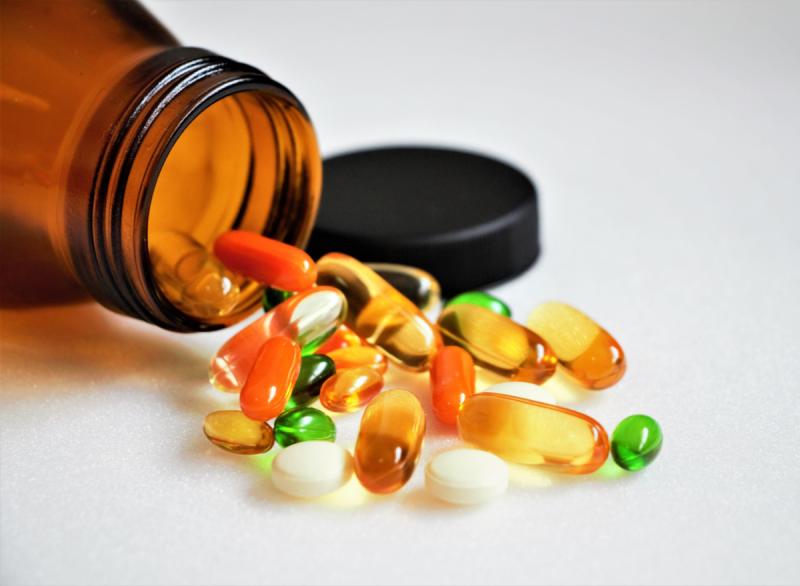






✓ Share: