About Editorial team of BIPNs

Main team of content of bipns.com. Any type of content should be approved by us.
27 11, 2025

Digestion Resistant Maltodextrin Market Growing at a CAGR

By |2025-11-27T11:48:24+02:00November 27, 2025|Dietary Supplements News, News|0 Comments


Leander, Texas and TOKYO, Japan – Nov. 27. 2025 “The Digestion Resistant Maltodextrin Market reached US$ 556.81 million in 2024 and is expected to reach US$ 820.79 million by 2032, growing at a CAGR of 4.97% during the forecast period 2025-2032.”

The Digestion Resistant Maltodextrin Market is driven by growing consumer demand for dietary fiber ingredients that support digestive health, weight management, and glycemic control. Market growth is supported by increasing use in functional foods, beverages, and nutritional supplements, along with rising interest in clean label and low calorie formulations.

➠ Download Your Sample Report Instantly – Corporate Email ID Required for Priority Access: https://www.datamintelligence.com/download-sample/digestion-resistant-maltodextrin-market?praneetha

☛ Recent Industry Developments :

United States :

✅ November 2025: Cargill, Inc. launched a new line of digestion resistant maltodextrin fibers for functional foods and beverages, supported by 85 million in U.S. production and R&D investments. The launch enhances product offerings for gut health and weight management applications.

✅ October 2025: Ingredion Incorporated completed the acquisition of a U.S. based dietary fiber startup, allocating 62 million to expand DRM product portfolio and develop innovative formulations for food and beverage manufacturers.

✅ September 2025: Tate & Lyle partnered with a U.S. university to launch next generation DRM blends for sugar reduction and prebiotic benefits, backed by 48 million in joint R&D investment aimed at expanding applications in functional nutrition.

Japan :

✅ November 2025: Mitsui Sugar Co., Ltd. launched a new digestion resistant maltodextrin product for functional beverages, supported by 28 million in domestic manufacturing and clinical studies to validate gut health benefits.

✅ October 2025: Kao Corporation completed the acquisition of a Japanese dietary fiber startup, allocating 33 million to enhance DRM formulations for beverages, dairy, and nutritional supplements.

✅ September 2025: Meiji Holdings partnered with a Japanese research institute to develop advanced DRM blends with prebiotic and blood sugar management properties, backed by 22 million in R&D investment to support functional food innovation.

☛ Core Catalysts Behind Market Growth:

Rising consumer awareness about gut health, digestive wellness, and dietary fiber intake is driving demand for digestion resistant maltodextrin (DRM) in functional foods and beverages.

Growing adoption of fiber-enriched, low-calorie, and prebiotic formulations is fueling the use of DRM in bakery, dairy, and nutritional products.

Technological advancements in maltodextrin processing and formulation are enhancing solubility, taste, and compatibility in diverse food applications.

Expanding e-commerce and retail distribution channels, coupled with increasing health conscious lifestyles, are further supporting market growth globally.

➠ Get Customization in the Report as per Your Requirements:

https://www.datamintelligence.com/customize/digestion-resistant-maltodextrin-market?praneetha

☛ Market Segmentation:

By Source :

Corn based dominates with 48% share, driven by large scale global corn production, cost efficiency, and wide use in functional foods and beverages.

Wheat based holds 22% share, supported by demand in bakery, sports nutrition, and clean label formulations.

Potato based accounts for 12% share, benefiting from its neutral taste and application in infant formulas and dietary supplements.

Cassava based captures 10% share, growing in regions with high tapioca availability and used in gluten free and non-allergenic products.

Other sources hold 8% share, including rice and barley based maltodextrins used in specialty nutrition.

By Form :

Spray-dried Powder leads with 67% share, widely adopted due to excellent stability, easy blending, and suitability for packaged foods, beverages, and nutraceuticals.

Instantized/Agglomerated form holds 33% share, growing with demand for instant beverages, meal replacements, and high solubility functional formulations.

By End-User :

Foods dominate with 45% share, driven by usage in bakery, confectionery, dairy, cereals, and low calorie food products.

Beverages hold 28% share, used in sports drinks, fiber fortified beverages, and ready to drink nutritional products.

Nutraceuticals account for 20% share, supported by increasing use in prebiotic supplements, digestive health products, and weight management solutions.

Other end-users capture 7% share, including pharmaceuticals and specialty dietary products.

☛ Competitive Landscape :

The market is characterized by strong competition among global food ingredient manufacturers, specialty starch producers, and functional fiber solution providers.

Roquette Frères S.A. – Leads the market with an estimated 18% share, offering high quality digestion resistant maltodextrin (DRM) for functional foods, beverages, and nutritional products, supported by extensive R&D and global distribution.

Ingredion Incorporated – Holds approximately 16% market share, providing DRM ingredients for dietary fiber enrichment, sugar reduction, and gut health applications across food and beverage segments.

Tate & Lyle – Captures around 14% of the market through innovative DRM solutions, emphasizing clean label, low calorie, and functional ingredient applications.

Grain Processing Corporation – Commands close to 12% market share, offering high purity DRM products and customized formulations for food, beverage, and nutraceutical industries.

Cargill Incorporated – Maintains roughly 10% market share with a wide range of resistant maltodextrin products targeting digestive health, weight management, and sugar reduction solutions.

Other Key Players: Archer Daniels Midland Company, Satoria Agro, Shandong Saigao Group Corporation, Happy Ratio, AG Nutrition International.

➠ Purchase this report before year-end and unlock an exclusive 30% discount:

Buy Now & Unlock 360° Market Intelligence:

https://www.datamintelligence.com/buy-now-page?report=digestion-resistant-maltodextrin-market?praneetha

(Purchase 2 or more Reports and get 50% Discount)

☛ Regional Analysis:

North America :

North America accounts for 34%, driven by rising consumer preference for low calorie and fiber rich functional foods, expanding usage in dietary supplements, and strong demand across the U.S. and Canada. High awareness of gut health and clean label ingredients strengthens market growth.

Europe :

Europe holds 27%, supported by widespread consumption of functional foods, strict nutritional regulations, and increasing adoption of digestion resistant maltodextrin in bakery, beverages, and nutraceutical formulations. Germany, France, the U.K., and Italy lead regional demand.

Asia-Pacific :

Asia-Pacific leads with 30%, fueled by large scale food & beverage production in China, Japan, India, and South Korea. Growing health conscious populations and rapid expansion of the dietary supplements industry significantly boost regional consumption.

South America :

South America holds 5%, with growing applications in sports nutrition, dietary supplements, and processed foods in Brazil, Argentina, and Chile. Market growth is moderate due to limited large scale manufacturing.

Middle East & Africa :

Middle East & Africa account for 4%, driven by rising demand for functional ingredients in packaged foods, beverages, and nutritional supplements. GCC countries show higher adoption compared to the rest of the region.

➠ Request for 2 Days FREE Trial Access:

https://www.datamintelligence.com/reports-subscription

Power your decisions with real-time competitor tracking, strategic forecasts, and global investment insights all in one place.

✅ Competitive Landscape

✅ Sustainability Impact Analysis

✅ KOL / Stakeholder Insights

✅ Unmet Needs & Market Access Snapshots

✅ Emerging Risks & Market Volatility Analysis

✅ Quarterly Updated Reports

✅ Live Market & Pricing Trends

✅ Import-Export Data Monitoring

Company Name: DataM Intelligence 4Market Research LLP

Contact Person: Sai Kiran

Email: Sai.k@datamintelligence.com

Phone: +1 877 441 4866

Website: https://www.datamintelligence.com/

DataM Intelligence is a global Market Research and Consulting firm providing comprehensive business insights and end-to-end solutions from research to consulting. We deliver actionable intelligence across 6,300+ reports spanning 40+ domains, empowering over 200 companies in 50+ countries. Our focus is on enabling clients to make data-driven decisions through robust methodologies, strategic foresight, and real-time market intelligence.

This release was published on openPR.


Source link

27 11, 2025

Dogecoin Surges to $0.15 — Could DOGE Double from Here?

By |2025-11-27T11:41:06+02:00November 27, 2025|Crypto News, News|0 Comments

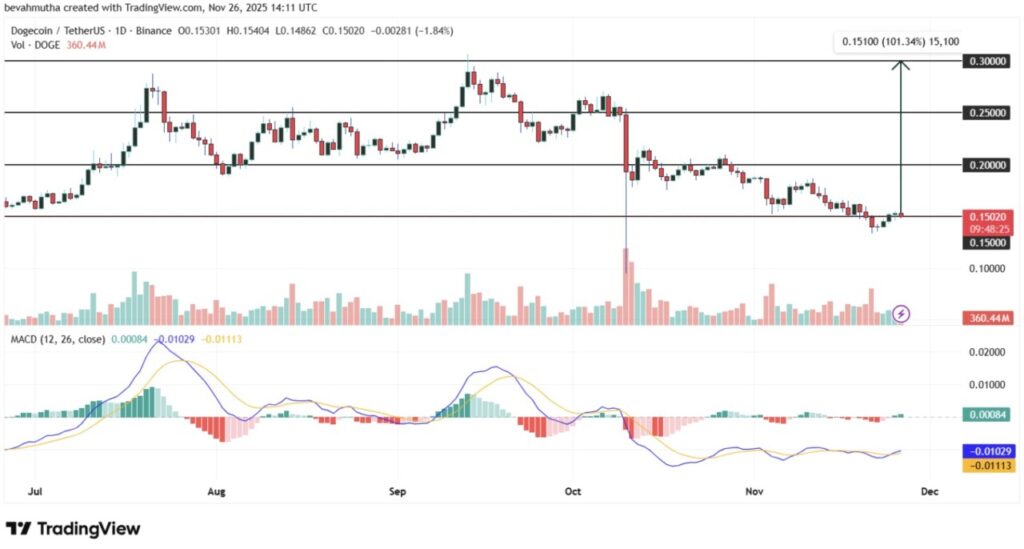
Jakarta, Pintu News – The Dogecoin price experienced a slight increase on November 26, signaling a potential recovery. The meme coin briefly traded above the $0.1490 level.

After a week dominated by bearish movements, Dogecoin seems to be gearing up for a more bullish trend. Investors are now starting to wonder if the Dogecoin price could reach $0.3 by December 2025, as optimism grows for a potential price surge.

So, how is the Dogecoin price moving today?

Dogecoin Price Rises 1.82% in 24 Hours

Source: Pintu Market

On November 27, 2025, Dogecoin saw a 1.82% price increase over the past 24 hours, trading at $0.1547, or approximately IDR 2,570. During this period, DOGE fluctuated between IDR 2,474 and IDR 2,604.

At the time of writing, Dogecoin’s market capitalization is estimated at IDR 392.24 trillion, with a 24-hour trading volume of around IDR 24.95 trillion.

Read also: Dogecoin Price Prediction: Will DOGE Rise from the Selling Pressure?

Why did the Dogecoin price soar to $0.3?

The crypto market is currently entering a challenging recovery phase. The prices of Bitcoin , Ethereum, XRP , and Solana are starting to show signs of a rebound. In the midst of this, Dogecoin is attracting attention as it has the potential to increase to $0.30.

Dogecoin’s price surge is closely tied to the overall crypto market recovery. As Bitcoin and other major coins begin to recover, Dogecoin is likely to be boosted by the positive momentum. A broad market recovery usually strengthens the performance of altcoins like Dogecoin.

In addition, the return to popularity of other meme coins such as Shiba Inu , MemeCore, and Bonk (BONK) also adds to the optimistic sentiment. These three coins have recently experienced a surge in value, which could trigger a new wave of interest in Dogecoin. This trend could potentially push DOGE in a bullish direction.

The Ongoing Dogecoin ETF Hype

Other positive momentum comes from the launch of the Grayscale Dogecoin ETF which officially kicked off on Monday, as well as Bitwise’s Dogecoin ETF which is now also launched. The ETF is approved for trading on NYSE Arca under the ticker BWOW and began trading today.

Bitwise announced the news via platform X (Twitter), emphasizing that Dogecoin’s increasing presence in the market requires regulated investment options.

This is a major milestone for the crypto industry, as it provides investors with a safe and organized investment vehicle to trade Dogecoin. This move reflects the growing popularity of more structured and trusted crypto investment products.

Read also: Ethereum Price Rebounded to $3,000 Today: Tom Lee Predicts ETH Could Explode to $9K!

Can the price of DOGE skyrocket 100%?

Dogecoin (DOGE) price recently rose to $0.15 after registering a mild gain of 1% in the last 24 hours. If this bullish momentum continues, DOGE could potentially rise to $0.17 and even touch $0.20 in the near future.

Looking ahead, the Dogecoin price outlook shows a possible push towards the $0.25 level. In the event of a strong surge, the price of DOGE could continue to push all the way to near $0.30 – which would mean a roughly 100% increase from current levels.

Dogecoin Surges to alt=

However, if selling pressure (bearish) starts to dominate the market, the price of DOGE could fall back and retest the support level at $0.15.

Meanwhile, the MACD indicator is currently showing limited positive divergence. Although not yet fully in line with the uptrend, this could turn into an advantage if the upward momentum continues in the next few sessions.

FAQ

What is Dogecoin (DOGE)?

Dogecoin (DOGE) is a cryptocurrency that was originally created as a joke but has grown into a digital currency with wide usage and a large community.

What are ETFs and how do they affect the Dogecoin price?

An ETF, or Exchange-Traded Fund, is a type of investment fund that is traded on a stock exchange like a stock. The launch of the Dogecoin ETF allows investors to more easily access and invest in Dogecoin, which could increase the demand and price of DOGE.

When will the Dogecoin ETF by Bitwise start trading?

The Dogecoin ETF by Bitwise started trading on NYSE Arca today under the ticker BWOW.

That’s the latest information about crypto. Follow us on Google News to get the latest crypto news about crypto projects and blockchain technology. Also, learn crypto from scratch with complete discussion through Pintu Academy and stay up-to-date with the latest crypto market such as bitcoin price today, xrp coin price today, dogecoin and other crypto asset prices through Pintu Market.

Enjoy an easy and secure crypto trading experience by downloading Pintu crypto app via Google Play Store or App Store now. Also, get a web trading experience with various advanced trading tools such as pro charting, various types of order types, and portfolio tracker only at Pintu Pro.


*Disclaimer

This content aims to enrich readers’ information. Pintu collects this information from various relevant sources and is not influenced by outside parties. Note that an asset’s past performance does not determine its projected future performance. Crypto trading activities have high risk and volatility, always do your own research and use cold cash before investing. All activities of buying and selling bitcoin and other crypto asset investments are the responsibility of the reader.

Reference:


Source link

27 11, 2025

Master Your Holiday Hustle: Celebrate Without Sabotaging Your Fitness Goals

By |2025-11-27T11:21:04+02:00November 27, 2025|Fitness News, News|0 Comments


Surviving the holiday season while keeping your fitness goals in check can feel like running a marathon on a treadmill that keeps speeding up. Between the invitations, indulgent feasts, and the whirlwind of year-end to-dos, it’s easy to let your healthy habits slip. But here’s the truth: you don’t have to choose between enjoying the holidays and staying on track with your fitness. With the right mindset and smart strategies, you can have both without the guilt or burnout.

First, let’s talk about mindset. The holidays come with so much pressure to be perfect, to indulge fully, or to say yes to every invitation. Instead of trying to be perfect, aim for progress. It’s okay to miss a workout or have an extra cookie. What matters is how you bounce back and keep your focus on overall wellness. Empower yourself with the belief that every choice counts, and some days will be better than others. Give yourself permission to enjoy, and when you slip, don’t see it as failure, see it as part of the process.

Planning is going to be your secret weapon this season. Just as you schedule meetings, family gatherings, or holiday shopping, block out time in your day for movement. It doesn’t have to be an hour-long gym session; even a focused 20–30-minute workout can work wonders. For busy moms, this might mean early morning workouts before the household wakes up or squeezing in a quick circuit while the kids nap. Fitness enthusiasts can break up their routines into shorter, more intense sessions when time is tight. Remember, movement is movement, even if it’s just a brisk walk while you chat with family or doing some creative stretching during commercial breaks.

Food is another big holiday hurdle. Instead of labeling foods as “good” or “bad,” focus on balance. Think of your plate as a canvas, fill half with colorful veggies, a quarter with protein, and a quarter with your favourite whole carbohydrates. Starting your day with a protein-rich breakfast can help stabilize blood sugar and reduce cravings later. When you’re at a party or family dinner, begin with a salad or healthy appetizer to avoid heading straight to desserts or heavy carbs on an empty stomach. Hydration is often overlooked, keep a water bottle handy or sip herbal teas to help manage hunger and stay energized.

Social support makes a huge difference, especially when schedules get hectic and motivation dips. Find an accountability buddy, someone who shares your goals or understands your challenges. It could be a friend, family member, or even a coach online. Challenge each other to daily or weekly movement, share healthy recipes, or check in to celebrate wins. Finding moments to be active with loved ones also helps. Take a walk after meals with your family or turn holiday events into playful games that get everyone moving. Community keeps you motivated and reminds you that you’re not in this alone.

Time management during the holiday crush is crucial. Look for micro-opportunities, five to ten minutes with your favourite moves like squats, lunges, or jumping jacks. These bite-sized sessions add up and can reignite your fitness mojo on busy days. Prioritize exercises that target multiple muscle groups for maximum impact if you’re short on time. Early morning workouts may feel tough but often lead to better consistency before distractions take over.

Once the holiday rush ends, it’s important to reset without punishing yourself. Avoid crash diets or extreme detox routines. Instead, refocus on nourishing foods and regular movement that make you feel good. Reflect on what worked and what didn’t during the season. Use journaling or simple notes to track progress in ways beyond the scale, energy levels, sleep quality, and mood all matter. This approach builds a sustainable fitness lifestyle that supports you through every season.

Try This:

  • If you’re a busy mom, carve out 15 minutes in the morning for a quick HIIT workout you can do at home, try intervals of jumping jacks, bodyweight squats, and planks. Use the timer on your phone to keep it simple and efficient.
  • Fitness enthusiasts can maintain momentum by splitting workouts into two shorter sessions, strength training in the morning and a brisk walk or yoga in the evening to manage stress and aid recovery.
  • Beginners, start with a daily 10-minute walk after meals. It’s an easy way to boost metabolism and clear your mind without overwhelming your schedule.

No matter where you’re starting from, the key this holiday season is empowerment, the power to make choices that honour your goals while embracing the joy and connection that make this time special.

Healthy Holiday Recipes

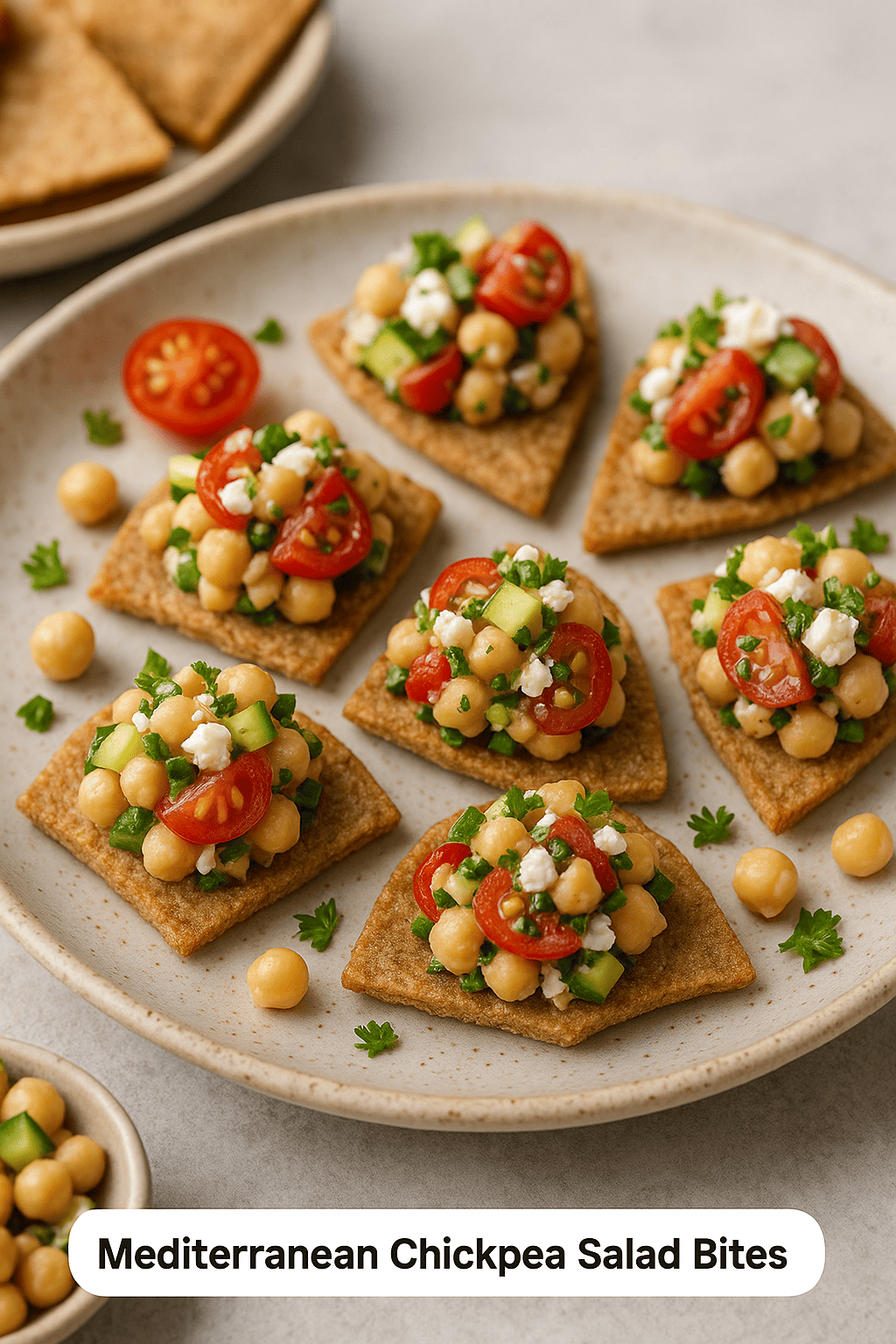
1- Mediterranean Chickpea Salad Bites

Master Your Holiday Hustle: Celebrate Without Sabotaging Your Fitness Goals

Ingredients:

  • 1 can (15 oz) chickpeas, rinsed and drained
  • 1/2 cup diced cucumber
  • 1/2 cup diced cherry tomatoes
  • 1/4 cup finely chopped red onion
  • 1/4 cup crumbled feta cheese
  • 2 tbsp chopped fresh parsley
  • 1 tbsp extra virgin olive oil
  • 1 tbsp lemon juice
  • Salt and pepper to taste
  • Whole grain pita chips or cucumber slices for serving

Preparation:

  • In a bowl, mash chickpeas slightly with a fork, leaving some texture.
  • Stir in cucumber, tomatoes, onion, feta, and parsley.
  • Drizzle olive oil and lemon juice, toss gently.
  • Season with salt and pepper.
  • Serve scoops on pita chips or cucumber slices.

Macros (per serving, serves 6):

  • Calories: 150
  • Protein: 6 g
  • Carbohydrates: 15 g (fiber 4 g)
  • Fat: 7 g (mostly healthy unsaturated fat)

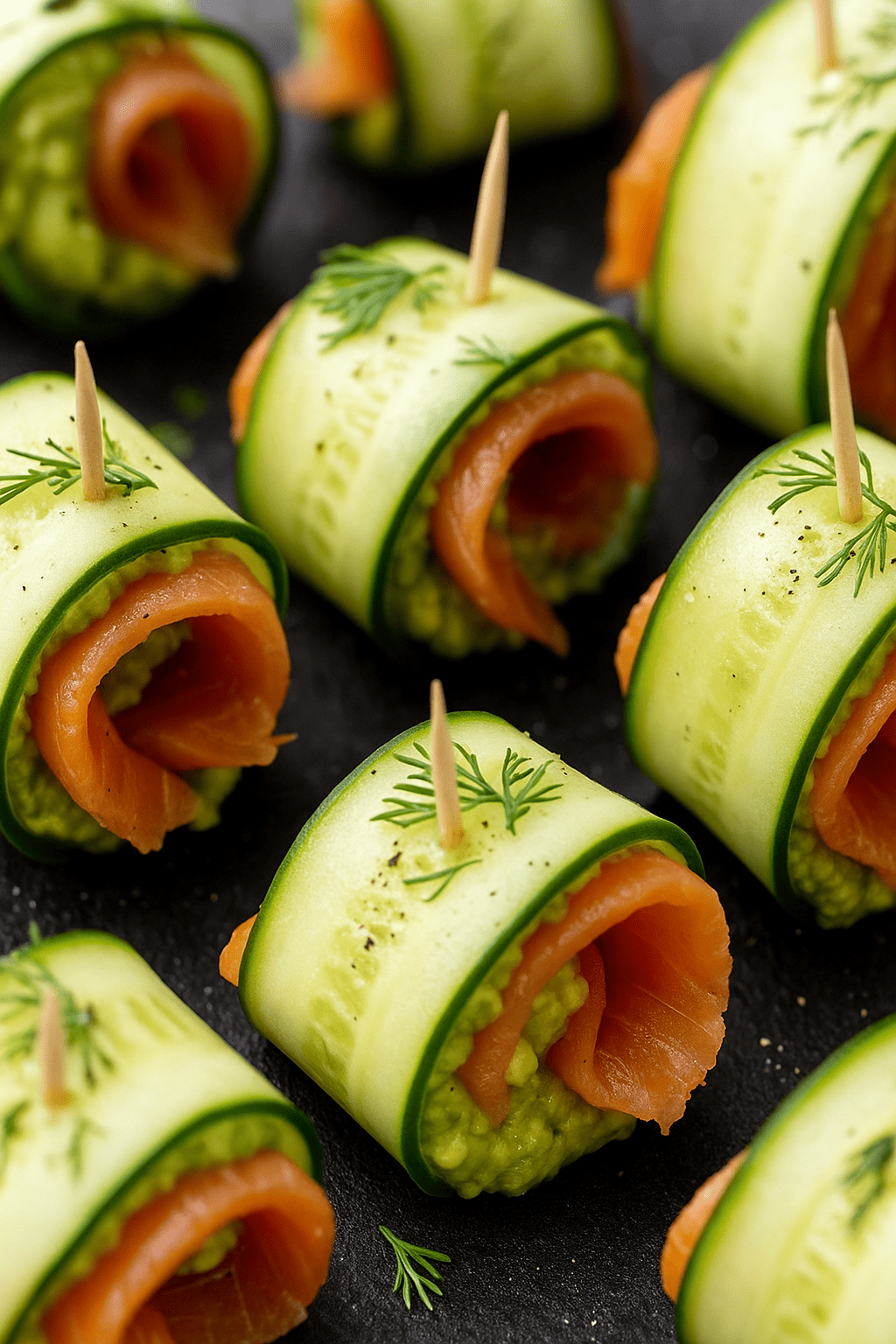
2- Smoked Salmon & Avocado Cucumber Rolls

Ingredients:

  • 1 large cucumber, thinly sliced lengthwise (use a peeler or mandoline)
  • 4 oz smoked salmon, sliced into strips
  • 1 ripe avocado, mashed
  • 1 tbsp lemon juice
  • 1 tsp fresh dill, chopped
  • Black pepper to taste

Preparation:

  • Mix mashed avocado with lemon juice and dill, season with pepper.
  • Spread a thin layer of avocado mixture onto each cucumber slice.
  • Place a strip of smoked salmon at the end and roll up gently.
  • Secure with a toothpick if needed. Chill before serving.

Macros (per 4 rolls):

  • Calories: 180
  • Protein: 10 g
  • Carbohydrates: 7 g (fiber 3 g)
  • Fat: 12 g (rich in heart-healthy fats from avocado and salmon)

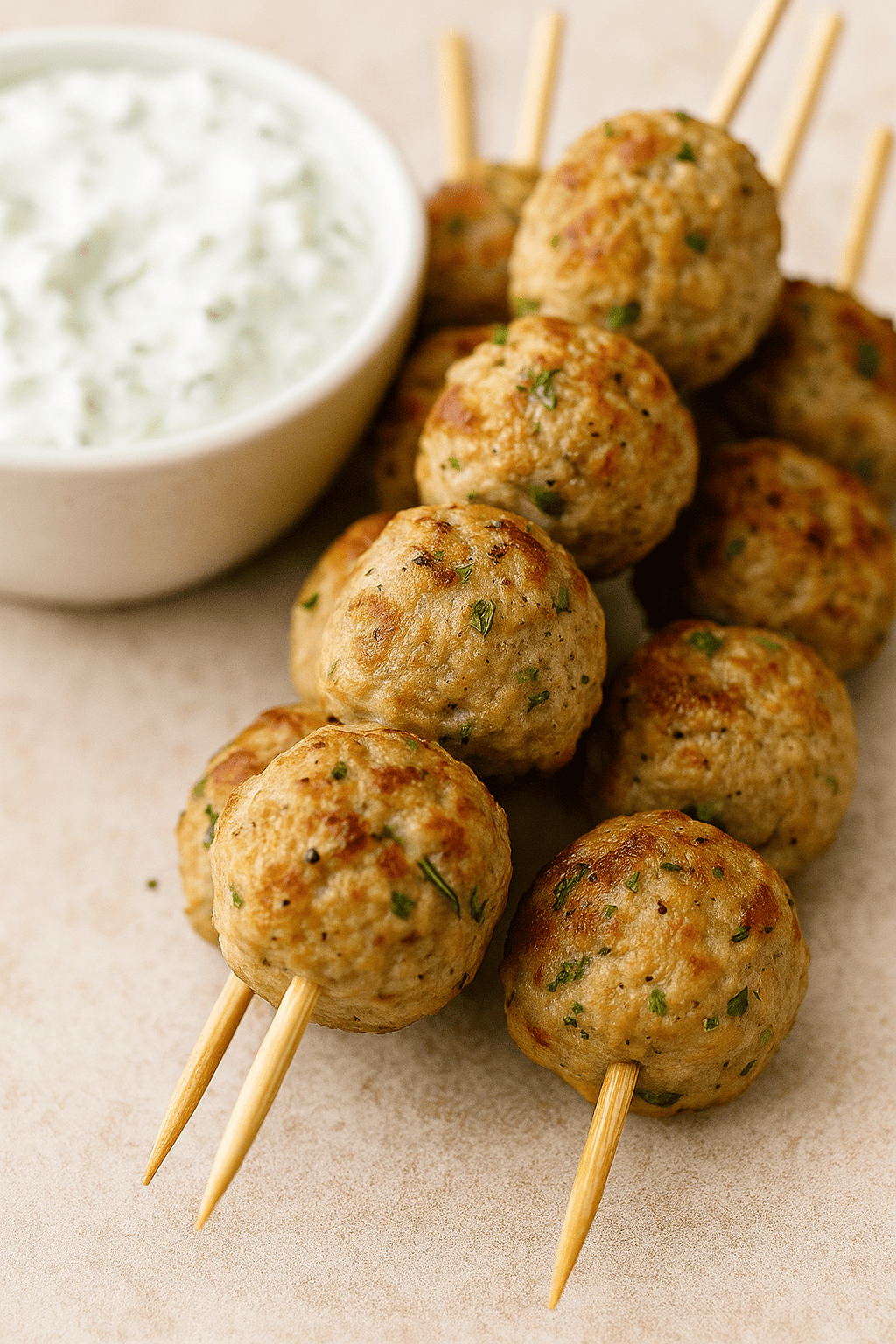
3- Turkey Meatball Skewers with Tzatziki Sauce

Ingredients:

  • 1 lb lean ground turkey
  • 2 cloves garlic, minced
  • 1/4 cup finely chopped onion
  • 2 tbsp fresh parsley, chopped
  • 1 tsp dried oregano
  • Salt and pepper to taste
  • Wooden skewers
  • Tzatziki sauce (Greek yogurt-based cucumber sauce), about 1/2 cup for dipping

Preparation:

  • Preheat oven to 375°F (190°C).
  • In a bowl, combine turkey, garlic, onion, parsley, oregano, salt, and pepper; mix well.
  • Form small meatballs (~1 inch diameter).
  • Place on a baking sheet and bake for 15-20 minutes until

Cooked through.

  • Thread 2-3 meatballs per skewer.
  • Serve with tzatziki sauce on the side.
  • Macros (per 3 meatball skewers with 2 tbsp tzatziki):
  • Calories: 190
  • Protein: 22 g
  • Carbohydrates: 3 g
  • Fat: 8 g (mostly from lean turkey and yogurt)

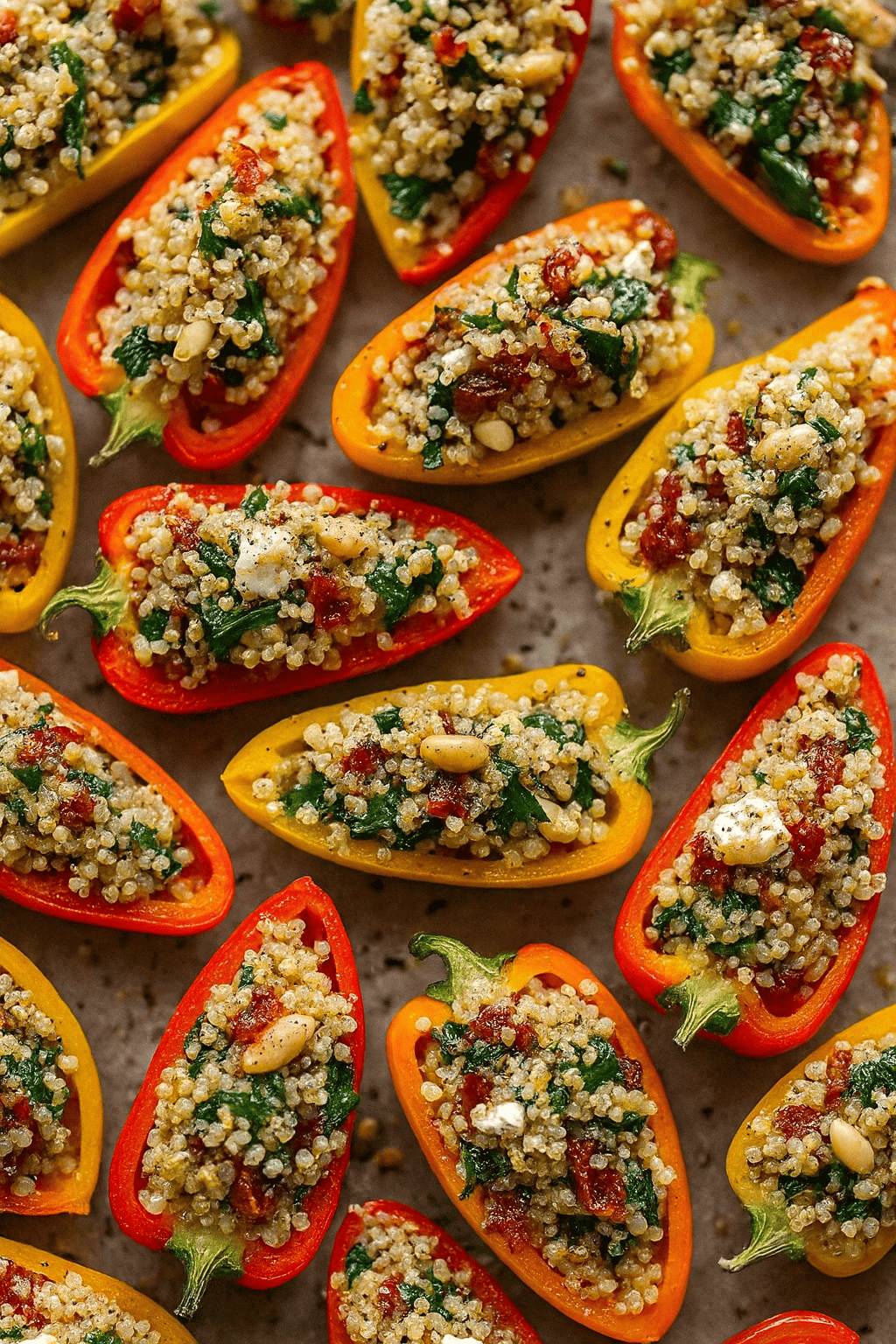
4- Quinoa-Stuffed Mini Bell Peppers

Ingredients:

  • 12 mini sweet bell peppers, halved and seeded
  • 1 cup cooked quinoa
  • 1/4 cup sun-dried tomatoes, chopped
  • 1/4 cup chopped spinach
  • 2 tbsp pine nuts, toasted
  • 2 tbsp crumbled goat cheese or feta
  • 1 tbsp extra virgin olive oil
  • Salt and pepper to taste

Preparation:

  • Preheat oven to 350°F (175°C).
  • In a bowl, combine quinoa, sun-dried tomatoes, spinach, pine nuts, and cheese.
  • Drizzle olive oil over mixture and season with salt and pepper; mix well.
  • Fill each pepper half with the quinoa mixture.
  • Arrange stuffed peppers on a baking sheet and bake for 12-15 minutes until warmed through.

Macros (per 3 stuffed pepper halves):

  • Calories: 160
  • Protein: 6 g
  • Carbohydrates: 14 g (fiber 3 g)
  • Fat: 8 g (healthy fats from olive oil and pine nuts)

Stay flexible, be kind to yourself, and remember consistency beats perfection every time.
Happy Holiday!

Author: Nicole Arseneau, a passionate wellness advocate with over two decades of experience. She co-owns three integrative health clinics and is the founder of Innerstrong Fitness, creating a comprehensive ecosystem of wellness services.

Disclaimer
The Content is not intended to be a substitute for professional medical advice, diagnosis, or treatment. Always seek the advice of your physician or other qualified health provider with any questions you may have regarding a medical condition.


Source link

27 11, 2025

XAG/USD moves below $53.00 despite Fed rate cut bets

By |2025-11-27T10:19:08+02:00November 27, 2025|Forex News, News|0 Comments


Silver price (XAG/USD) declines after three days of gains, trading around $52.80 during the Asian hours on Thursday. However, the non-interest-bearing Silver may regain its ground amid rising odds of Federal Reserve (Fed) rate cut bets in December, given that lower interest rates reduce the opportunity cost of holding non-yielding assets.

US data showed unexpectedly low Initial Jobless Claims and stronger-than-expected Durable Goods Orders, yet rate-cut expectations remained intact. The CME FedWatch Tool suggests that markets are now pricing in a more than 84% chance that the Fed will cut its benchmark overnight borrowing rate by 25 basis points (bps) at its December meeting, up from the 30% probability that markets priced a week ago.

The US Department of Labor (DOL) reported on Wednesday that Initial Jobless Claims fell to 216,000 for the week ending November 22, down 6,000 from the previous week’s revised figure. The result was stronger than the market expectation of 225,000. Meanwhile, the 4-week moving average eased by 1,000 to 223,750.

Fed rate expectations increased by reports that the White House has narrowed its search for the next Fed chair to National Economic Council Director Kevin Hassett. Investors see Hassett as supportive of US President Donald Trump’s preference for lower interest rates.

The dollar-denominated Silver attracts buyers with foreign currencies amid a weakening Greenback. The US Dollar Index (DXY), which measures the value of the US Dollar (USD) against six major currencies, is losing ground for the third successive session and trading around 99.50 at the time of writing.

Silver FAQs

Silver is a precious metal highly traded among investors. It has been historically used as a store of value and a medium of exchange. Although less popular than Gold, traders may turn to Silver to diversify their investment portfolio, for its intrinsic value or as a potential hedge during high-inflation periods. Investors can buy physical Silver, in coins or in bars, or trade it through vehicles such as Exchange Traded Funds, which track its price on international markets.

Silver prices can move due to a wide range of factors. Geopolitical instability or fears of a deep recession can make Silver price escalate due to its safe-haven status, although to a lesser extent than Gold’s. As a yieldless asset, Silver tends to rise with lower interest rates. Its moves also depend on how the US Dollar (USD) behaves as the asset is priced in dollars (XAG/USD). A strong Dollar tends to keep the price of Silver at bay, whereas a weaker Dollar is likely to propel prices up. Other factors such as investment demand, mining supply – Silver is much more abundant than Gold – and recycling rates can also affect prices.

Silver is widely used in industry, particularly in sectors such as electronics or solar energy, as it has one of the highest electric conductivity of all metals – more than Copper and Gold. A surge in demand can increase prices, while a decline tends to lower them. Dynamics in the US, Chinese and Indian economies can also contribute to price swings: for the US and particularly China, their big industrial sectors use Silver in various processes; in India, consumers’ demand for the precious metal for jewellery also plays a key role in setting prices.

Silver prices tend to follow Gold’s moves. When Gold prices rise, Silver typically follows suit, as their status as safe-haven assets is similar. The Gold/Silver ratio, which shows the number of ounces of Silver needed to equal the value of one ounce of Gold, may help to determine the relative valuation between both metals. Some investors may consider a high ratio as an indicator that Silver is undervalued, or Gold is overvalued. On the contrary, a low ratio might suggest that Gold is undervalued relative to Silver.


Source link

27 11, 2025

The EURJPY prefers the positivity– Forecast today – 27-11-2025

By |2025-11-27T09:55:04+02:00November 27, 2025|Forex News, News|0 Comments

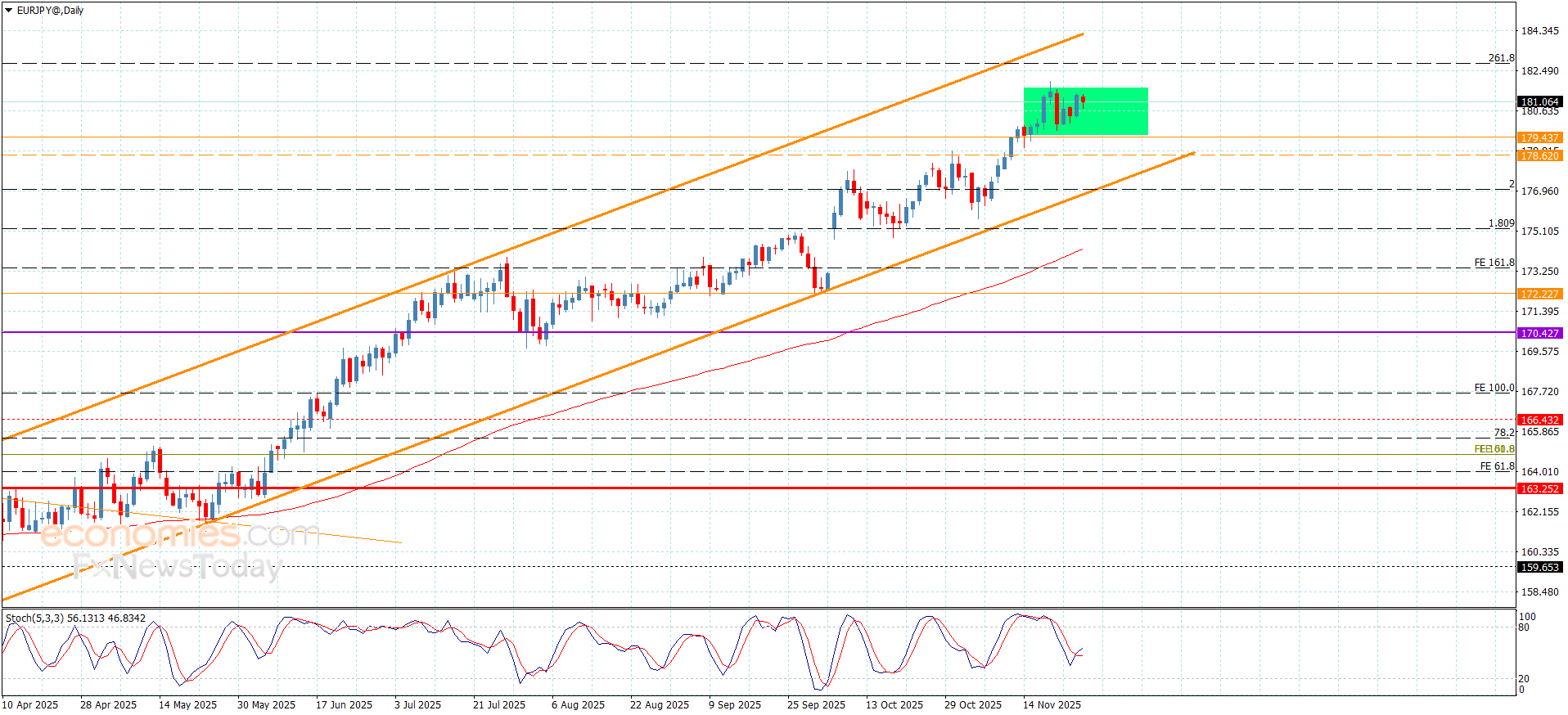
The GBPJPY pair suffered strong bullish pressures, pushing it to settle above 206.00 level, forming new bullish rally to press on the barrier at 206.90, attempting to record extra gains by hitting 207.20 level.


Note that stochastic attempt to reach the overbought level, which might provide a new bullish momentum to push it to provide more of the bullish waves by targeting the bullish channel’s resistance towards 207.65, while activating the bearish corrective scenario requires forming a sharp decline, which allows it to break the extra support at 205.20.


The expected trading range for today is between 206.25 and 207.65


Trend forecast: Bullish


Source link

27 11, 2025

Application of green tea to enhance the antioxidant properties of fermented cauliflower

By |2025-11-27T09:47:10+02:00November 27, 2025|Dietary Supplements News, News|0 Comments


  • Jarmoluk, A. Food technology. T.1. Raw materials, products, functional food (in Polish) (Educational Publishing House WSiP, 2016).

  • Engel, E., Baty, C., Le Corre, D., Souchon, I. & Martin, N. Flavor-active compounds potentially implicated in cooked cauliflower acceptance. J. Agric. Food Chem. 50, 6459–6467. https://doi.org/10.1021/jf025579u (2002).

    Article 
    CAS 
    PubMed 

    Google Scholar
     

  • Bell, L., Oloyede, O. O., Lignou, S., Wagstaff, C. & Methven, L. Taste and flavor perceptions of glucosinolates, isothiocyanates, and related compounds. Mol. Nutr. Food Res. 62, 1700990. https://doi.org/10.1002/mnfr.201700990 (2018).

    Article 
    CAS 

    Google Scholar
     

  • Wieczorek, M. N. et al. The relation between phytochemical composition and sensory traits of selected Brassica vegetables. LWT 156, 113028. https://doi.org/10.1016/j.lwt.2021.113028 (2022).

    Article 
    CAS 

    Google Scholar
     

  • Thompson, H. O., Önning, G., Holmgren, K., Strandler, H. S. & Hultberg, M. Fermentation of cauliflower and white beans with Lactobacillus plantarum—Impact on levels of riboflavin, folate, vitamin B12, and amino acid composition. Plant Foods Hum. Nutr. 75, 236–242. https://doi.org/10.1007/s11130-020-00806-2 (2020).

    Article 
    CAS 
    PubMed 
    PubMed Central 

    Google Scholar
     

  • Jastrzębska, A. et al. Determination of selected biogenic amines in fermented vegetables juices. Food Control 154, 109980. https://doi.org/10.1016/j.foodcont.2023.109980 (2023).

    Article 
    CAS 

    Google Scholar
     

  • Paramithiotis, S., Hondrodimou, O. L. & Drosinos, E. H. Development of the microbial community during spontaneous cauliflower fermentation. Food Res. Int. 43, 1098–1103. https://doi.org/10.1016/j.foodres.2010.01.023 (2010).

    Article 
    CAS 

    Google Scholar
     

  • Rachwał, K., Gustaw, K. & Sadok, I. Enhancing food sustainability through probiotics isolated from fermented cauliflower. Sustainability 16, 8340. https://doi.org/10.3390/su16198340 (2024).

    Article 
    ADS 
    CAS 

    Google Scholar
     

  • Herman, A., Matulewicz, O., Korzeniowska, E. & Herman, A. P. Determination of post-fermentation waste from fermented vegetables as potential substitutes for preservatives in o/w emulsion. Int. J. Mol. Sci. 25, 5510. https://doi.org/10.3390/ijms25105510 (2024).

    Article 
    CAS 
    PubMed 
    PubMed Central 

    Google Scholar
     

  • Xu, H., Wu, H., Zhou, R., Yu, F. & Zang, R. The effects of fermented cauliflower residue feed on the diarrhea rate, intestinal morphology, immune indicators, and intestinal flora of weaned piglets. Fermentation 10, 465. https://doi.org/10.3390/fermentation10090465 (2024).

    Article 
    CAS 

    Google Scholar
     

  • Wojdyła, T. & Wichrowska, D. The influence of additives used and storage methods on the quality of sauerkraut. Inż. Ap. Chem. 53, 424–426 (2014).


    Google Scholar
     

  • Choi, W.-Y. & Park, K.-Y. Increased preservative and antimutagenic activities of kimchi with addition of green tea leaves. J. Food Sci. Nat. 5, 189–193 (2000).


    Google Scholar
     

  • Patent KR100384309B1. Functional Kimchi added green tea and process for preparation thereof (Korea, 2003).

  • Patent KR20170025806A. Kimchi Composition Comprising Vitamin C and Its Antioxidative Activity and Whitening Effect (Korea, 2017).

  • Musial, C., Kuban-Jankowska, A. & Gorska-Ponikowska, M. Beneficial properties of green tea catechins. Int. J. Mol. Sci. 21, 1744. https://doi.org/10.3390/ijms21051744 (2020).

    Article 
    CAS 
    PubMed 
    PubMed Central 

    Google Scholar
     

  • Cichoń, Z., Miśniakiewicz, M. & Szkudlarek, E. Properties of green tea (in Polish). Zesz. Nauk. 73, 59–90 (2007).


    Google Scholar
     

  • Kodama, D. H., Goncalves, A. E. S. S., Lajolo, F. M. & Genovese, M. I. Flavonoids, total phenolics and antioxidant capacity: Comparison between commercial green tea preparations. Ciênc. Tecnol. Aliment. Camp. 30, 1077–1082. https://doi.org/10.1590/S0101-20612010000400037 (2010).

    Article 

    Google Scholar
     

  • Luo, Q. et al. Green extraction of antioxidant polyphenols from green tea (Camellia sinensis). Antioxidants 9, 785. https://doi.org/10.3390/antiox9090785 (2020).

    Article 
    CAS 
    PubMed 
    PubMed Central 

    Google Scholar
     

  • Narukawa, M. et al. Evaluation of the bitterness of green tea catechins by a cell-based assay with the human bitter taste receptor hTAS2R39. Biochem. Biophys. Res. Commun. 405, 620–625. https://doi.org/10.1016/j.bbrc.2011.01.079 (2011).

    Article 
    ADS 
    CAS 
    PubMed 

    Google Scholar
     

  • Han, T. & Aye, K. N. The legend of laphet: A Myanmar fermented tea leaf. J. Ethn. Foods 2, 173–178. https://doi.org/10.1016/j.jef.2015.11.003 (2015).

    Article 

    Google Scholar
     

  • Cao, L. T. et al. A comparative analysis for the volatile compounds of various Chinese dark teas using combinatory metabolomics and fungal solid-state fermentation. J. Food Drug Anal. 26, 112–123. https://doi.org/10.1016/j.jfda.2016.11.020 (2018).

    Article 
    CAS 
    PubMed 

    Google Scholar
     

  • Zhao, Z.-J. et al. Flavour chemical dynamics during fermentation of kombucha tea. EJFA 30, 732–741. https://doi.org/10.9755/ejfa.2018.v30.i9.1794 (2018).

    Article 

    Google Scholar
     

  • Cheng, L. et al. Distinct changes of metabolic profile and sensory quality during Qingzhuan tea processing revealed by LC-MS-Based metabolomics. J. Agri. Food Chem. 68, 4955–4965. https://doi.org/10.1021/acs.jafc.0c00581 (2020).

    Article 
    ADS 
    CAS 

    Google Scholar
     

  • Wang, R., Sun, J. C., Lassabliere, B., Yu, B. & Liu, S. Q. UPLC-Q-TOF-MS based metabolomics and chemometric analyses for green tea fermented with Saccharomyces boulardii CNCM I-745 and Lactiplantibacillus plantarum 299V. Curr. Res. Food Sci. 5, 471–478. https://doi.org/10.1016/j.crfs.2022.02.012 (2022).

    Article 
    CAS 
    PubMed 
    PubMed Central 

    Google Scholar
     

  • Bogdański, P. et al. Green tea extract reduces blood pressure, inflammatory biomarkers, and oxidative stress and improves parameters associated with insulin resistance in obese, hypertensive patients. Nutr. Res. 32, 421–427. https://doi.org/10.1016/j.nutres.2012.05.007 (2012).

    Article 
    CAS 
    PubMed 

    Google Scholar
     

  • Indarti, K., Apriani, E. F., Wibowo, A. E. & Simanjuntak, P. Antioxidant activity of ethanolic extract and various fractions from green tea (Camellia sinensis L.) leaves. Pharmacog. J. 11, 771–776. https://doi.org/10.5530/pj.2019.11.122 (2019).

    Article 
    CAS 

    Google Scholar
     

  • Xu, X. Y. et al. Effects and mechanisms of tea for the prevention and management of cancers: An updated review. Crit. Rev. Food Sci. Nutr. 60, 1693–1705. https://doi.org/10.1080/10408398.2019.1588223 (2020).

    Article 
    CAS 
    PubMed 

    Google Scholar
     

  • Hirose, K. et al. Preparing and characterizing of xyloglucan films containing tea extract for oral mucositis. ACS Omega 10, 390–399. https://doi.org/10.1021/acsomega.4c06410 (2025).

    Article 
    CAS 
    PubMed 

    Google Scholar
     

  • Liu, S., Zhang, Q., Li, H., Qiu, Z. & Yu, Y. Comparative assessment of the antibacterial efficacies and mechanisms of different tea extracts. Foods 11, 620. https://doi.org/10.3390/foods11040620 (2022).

    Article 
    CAS 
    PubMed 
    PubMed Central 

    Google Scholar
     

  • Alkufeidy, R. M., Altuwijri, L. A., Aldosari, N. S., Alsakabi, N. & Dawoud, T. M. Antimicrobial and synergistic properties of green tea catechins against microbial pathogens. J. King Saud Univ. Sci. 36, 103277. https://doi.org/10.1016/j.jksus.2024.103277 (2024).

    Article 

    Google Scholar
     

  • Parvez, Md. A. K. et al. Antibacterial activities of green tea crude extracts and synergistic effects of epigallocatechingallate (EGCG) with gentamicin against MDR pathogens. Heliyon 5, e02126. https://doi.org/10.1016/j.heliyon.2019.e02126 (2019).

    Article 
    PubMed 
    PubMed Central 

    Google Scholar
     

  • Kováć, J., Slobodníková, L., Nebus, B. & Kurin, E. Antibacterial activity of green tea and peppermint extracts against Enterococcus faecalis and the potential of EGCG in oral health. Eur. Pharm. J. 2025, 1–7. https://doi.org/10.2478/afpuc-2025-0002 (2025).

    Article 
    CAS 

    Google Scholar
     

  • McCue, P. P. & Shetty, K. Phenolic antioxidant mobilization during yogurt production from soymilk using Kefir cultures. Process Biochem. 40, 1791–1797 (2005).

    Article 
    CAS 

    Google Scholar
     

  • Lee, H. C., Jenner, A. M., Low, C. S. & Lee, Y. K. Effect of tea phenolics and their aromatic fecal bacterial metabolites on intestinal microbiota. Res. Microbiol. 157, 876–884 (2006).

    Article 
    CAS 
    PubMed 

    Google Scholar
     

  • Jaziri, I., Ben Slama, M., Mhadhbi, H., Urdaci, M. C. & Hamdi, M. Effect of green and black teas (Camellia sinensis L.) on the characteristic microflora of yogurt during fermentation and refrigerated storage. Food Chem. 112, 614–620 (2009).

    Article 
    CAS 

    Google Scholar
     

  • Neffe-Skocińska, K., Jaworska, D., Kołożyn-Krajewska, D., Dolatowski, Z. & Jachacz-Jówko, L. The effect of LAB as probiotic starter culture and green tea extract addition on dry fermented pork loins quality. Biomed. Res. Int. 19, 452757. https://doi.org/10.1155/2015/452757 (2015).

    Article 
    CAS 

    Google Scholar
     

  • Jin, Y. H. et al. Lactic acid fermented green tea with Levilactobacillus brevis capable of producing γ-aminobutyric acid. Fermentation 7, 110. https://doi.org/10.3390/fermentation7030110 (2021).

    Article 
    CAS 

    Google Scholar
     

  • Wang, R., Sun, J., Lassabliere, B., Yu, B. & Liu, S. Green tea fermentation with Saccharomyces boulardii CNCM I-745 and Lactiplantibacillus plantarum 299V. LWT 157, 113081. https://doi.org/10.1016/j.lwt.2022.113081 (2024).

    Article 
    CAS 

    Google Scholar
     

  • Nguyen, N. K., Dong, N. T., Nguyen, H. & Le, P. H. Lactic acid bacteria: Promising supplements for enhancing the biological activities of Kombucha. Springer Plus 4, 91. https://doi.org/10.1186/s40064-015-0872-3 (2015).

    Article 
    CAS 
    PubMed 
    PubMed Central 

    Google Scholar
     

  • Xia, X.-X., Wang, B. & Fang, F. Enhancement of Kombucha fermentation by adding lactic acid bacteria. Food Ferment. Ind. 44, 185–192. https://doi.org/10.13995/j.cnki.11-1802/ts.017688 (2018).

    Article 

    Google Scholar
     

  • Zhuang, X. et al. Fermentation quality of herbal tea residue and its application in fattening cattle under heat stress. BMC Vet. Res. 17, 348. https://doi.org/10.1186/s12917-021-03061-y (2021).

    Article 
    CAS 
    PubMed 
    PubMed Central 

    Google Scholar
     

  • Chen, X., Zhou, X., Li, S., Zhang, H. & Liu., Z.,. Effects of tea residues-fermented feed on production performance, egg quality, antioxidant capacity, caecal microbiota, and ammonia emissions of laying hens. Front. Vet. Sci. 10, 1195074. https://doi.org/10.3389/fvets.2023.1195074 (2023).

    Article 
    PubMed 
    PubMed Central 

    Google Scholar
     

  • Hong, G.-H., Lee, S.-Y., Yoo, J.-I., Chung, J. H. & Park, K.-Y. Catechin with lactic acid bacteria starters enhances the antiobesity effect of kimchi. J. Med. Food 26, 560–569. https://doi.org/10.1089/jmf.2023.K.0067 (2023).

    Article 
    CAS 
    PubMed 

    Google Scholar
     

  • Hong, G.-H., Lee, S.-Y. & Park, K.-Y. Antiobesity effect and metabolite analysis of catechin functional kimchi. J. Ethn. Foods 11, 32. https://doi.org/10.1186/s42779-024-00248-0 (2024).

    Article 

    Google Scholar
     

  • Hayashi, T., Ueda, S., Suruta, H. T., Kuwahara, H. & Osawa, R. Complexing of green tea Catechins with food constituents and degradation of the complexes by Lactobacillus plantarum. BMFH 31, 27–36. https://doi.org/10.12938/bmfh.31.27 (2012).

    Article 
    PubMed 
    PubMed Central 

    Google Scholar
     

  • Tarrah, A. et al. Probiotic potential and biofilm inhibitory activity of Lactobacillus casei group strains isolated from infant feces. J. Funct. Foods 54, 489–497. https://doi.org/10.1016/j.jff.2019.02.004 (2019).

    Article 
    CAS 

    Google Scholar
     

  • Tumbarski, Y. et al. Characterization and selection of Lactobacillus strains with potential probiotic applications. Appl. Sci. 15, 2902. https://doi.org/10.3390/app15062902 (2025).

    Article 
    CAS 

    Google Scholar
     

  • Anumudu, C. K., Miri, T. & Onyeaka, H. Multifunctional applications of lactic acid bacteria: Enhancing safety, quality, and nutritional value in foods and fermented beverages. Foods 13, 3714. https://doi.org/10.3390/foods13233714 (2024).

    Article 
    CAS 
    PubMed 
    PubMed Central 

    Google Scholar
     

  • Bangar, S. P., Suri, S., Trif, M. & Ozogul, F. Organic acids production from lactic acid bacteria: A preservation approach. Food Biosci. 46, 101615. https://doi.org/10.1016/j.fbio.2022.101615 (2022).

    Article 
    CAS 

    Google Scholar
     

  • Ravyts, F., Vuyst, L. D. & Leroy, F. Bacterial diversity and functionalities in food fermentations. Eng. Life Sci. 12, 356–367. https://doi.org/10.1002/elsc.201100119 (2012).

    Article 
    CAS 

    Google Scholar
     

  • Zielinski, H., Surma, M. & Zielinska, D. The naturally fermented sour pickled cucumbers. In Fermented Foods in Health and Disease Prevention (eds Frias, J. et al.) 503–516 (Academic Press, Cambridge, 2017).

    Chapter 

    Google Scholar
     

  • Daba, G. M., Elnahas, M. O. & Elkhateeb, W. A. Contributions of exopolysaccharides from lactic acid bacteria as biotechnological tools in food, pharmaceutical, and medical applications. Int. J. Biol. Macromol. 173, 79–89. https://doi.org/10.1016/j.ijbiomac.2021.01.110 (2021).

    Article 
    CAS 
    PubMed 

    Google Scholar
     

  • Korcz, E. & Varga, L. Exopolysaccharides from lactic acid bacteria: Techno-functional application in the food industry. Trends Food Sci. Technol. 110, 375–384. https://doi.org/10.1016/j.tifs.2021.02.014 (2021).

    Article 
    CAS 

    Google Scholar
     

  • Kuria, M. W., Matofari, J. W. & Nduko, J. M. Physicochemical, antioxidant, and sensory properties of functional mango (Mangifera indica L.) leather fermented by lactic acid bacteria. J. Agric. Food Res. 6, 100206. https://doi.org/10.1016/j.jafr.2021.100206 (2021).

    Article 
    CAS 

    Google Scholar
     

  • Quan, Q., Liu, W., Guo, J., Ye, M. & Zhang, J. Effect of six lactic acid bacteria strains on physicochemical characteristics, antioxidant activities and sensory properties of fermented orange juices. Foods 11, 1920. https://doi.org/10.3390/foods11131920 (2022).

    Article 
    CAS 
    PubMed 
    PubMed Central 

    Google Scholar
     

  • Xu, H. et al. Change of phytochemicals and bioactive substances in Lactobacillus fermented Citrus juice during the fermentation process. LWT 180, 114715. https://doi.org/10.1016/j.lwt.2023.114715 (2023).

    Article 
    CAS 

    Google Scholar
     

  • Jayashree, S., Jayaraman, K. & Kalaichelvan, G. Isolation, screening and characterization of riboflavin producting lactic acid bacteria from Katpadi Vellore district. Recent Res. Sci. Technol. 2, 83–88 (2010).


    Google Scholar
     

  • Capozzi, V. et al. Biotechnological production of vitamin B2-enriched bread and pasta. J. Agric. Food Chem. 59, 8013–8020. https://doi.org/10.1021/jf201519h (2011).

    Article 
    CAS 
    PubMed 

    Google Scholar
     

  • Santos, F., Wegkamp, A., de Vos, W. M., Smid, E. J. & Hugenholtz, J. High-level folate production in fermented foods by the B12 producer Lactobacillus reuteri JCM1112. Appl. Environ. Microbiol. 74, 3291–3294. https://doi.org/10.1128/AEM.02719-07 (2008).

    Article 
    ADS 
    CAS 
    PubMed 
    PubMed Central 

    Google Scholar
     

  • LeBlanc, J. G., Taranto, M. P., Molina, V. & Sesma, F. B-group vitamins production by probiotic lactic acid bacteria in Biotechnology of Lactic Acid Bacteria: Novel Applications (eds. Mozzi, F., Raya, R., Vignolo G.) 211–232 (Wiley-Blackwell 2010).

  • Torres, A. C. et al. Cobalamin production by Lactobacillus coryniformis: Biochemical identification of the synthetized corrinoid and genomic analysis of the biosynthetic cluster. BMC Microbiol. 16, 240. https://doi.org/10.1186/s12866-016-0854-9 (2016).

    Article 
    CAS 
    PubMed 
    PubMed Central 

    Google Scholar
     

  • Li, P., Gu, Q., Yang, L., Yu, Y. & Wang, Y. Characterization of extracellular vitamin B12 producing Lactobacillus plantarum strains and assessment of the probiotic potentials. Food Chem. 234, 494–501. https://doi.org/10.1016/j.foodchem.2017.05.037 (2017).

    Article 
    CAS 
    PubMed 

    Google Scholar
     

  • Singh, B. & Sharma, S. Vitamin B12 production by Lactobacillus species isolated from milk products. J. Res. Appl. Sci. Biotechnol. 1, 48–59. https://doi.org/10.55544/jrasb.1.2.6 (2022).

    Article 

    Google Scholar
     

  • Morishita, T., Tamura, N., Makino, T. & Kudo, S. Production of menaquinones by lactic acid bacteria. J. Dairy Sci. 82, 1897–1903 (1999).

    Article 
    CAS 
    PubMed 

    Google Scholar
     

  • Boe, C. A. & Holo, H. Engineering Lactococcus lactis for Increased Vitamin K2 Production. Front Bioeng. Biotechnol. 8, 191. https://doi.org/10.3389/fbioe.2020.00191 (2020).

    Article 
    PubMed 
    PubMed Central 

    Google Scholar
     

  • Behera, S. S., Ray, R. C. & Zdolec, N. Lactobacillus plantarum with functional properties: an approach to increase safety and shelf-life of fermented foods. BioMed. Res. Int. 2018, 9361614. https://doi.org/10.1155/2018/9361614 (2018).

    Article 
    CAS 
    PubMed 
    PubMed Central 

    Google Scholar
     

  • Tang, H., Huang, W. & Yao, Y.-F. The metabolites of lactic acid bacteria: classification, biosynthesis and modulation of gut microbiota. Microbial Cell 10, 49–62. https://doi.org/10.15698/mic2023.03.792 (2023).

    Article 
    CAS 
    PubMed 
    PubMed Central 

    Google Scholar
     

  • Knez, E., Kadac-Czapska, K. & Grembecka, M. Fermented vegetables and legumes vs lifestyle diseases: microbiota and more. Life 13, 1044. https://doi.org/10.3390/life13041044 (2023).

    Article 
    ADS 
    CAS 
    PubMed 
    PubMed Central 

    Google Scholar
     

  • Shah, A. M., Tarfeen, N., Mohamed, H. & Song, Y. Fermented foods: Their health-promoting components and potential effects on gut microbiota. Fermentation 9, 118. https://doi.org/10.3390/fermentation9020118 (2023).

    Article 
    CAS 

    Google Scholar
     

  • Todorovic, S. et al. Health benefits and risks of fermented foods—the PIMENTO initiative. Front. Nutr. 11, 1458536. https://doi.org/10.3389/fnut.2024.1458536 (2024).

    Article 
    CAS 
    PubMed 
    PubMed Central 

    Google Scholar
     

  • AOAC. Official Method of Analysis, 18th ed. (Association of Officiating Analytical Chemists, 2015).

  • Krełowska-Kułas, M. Analyses of Food Products Quality (in polish) (PWE, 1993).

  • Turkmen, N., Sari, F. & Velioglu, Y. S. The effect of cooking methods on total phenolics and antioxidant activity of selected green vegetables. Food Chem. 93, 713–718. https://doi.org/10.1016/j.foodchem.2004.12.038 (2005).

    Article 
    CAS 

    Google Scholar
     

  • Shraim, A. M., Ahmed, T. A., Rahman, M. M. & Hijji, Y. M. Determination of total flavonoid content by aluminum chloride assay: A critical evaluation. LWT 150, 111932. https://doi.org/10.1016/j.lwt.2021.111932 (2021).

    Article 
    CAS 

    Google Scholar
     

  • Brand-Williams, W., Cuvelier, M. E. & Berset, C. Use of a free radical method to evaluate antioxidant activity. LWT 28, 25–30. https://doi.org/10.1016/S0023-6438(95)80008-5 (1995).

    Article 
    CAS 

    Google Scholar
     

  • Re, R. et al. Antioxidant activity applying an improved ABTS radical cation decolorization assay. Free Radic. Biol. Med. 26, 1231–1237. https://doi.org/10.1016/S0891-5849(98)00315-3 (1999).

    Article 
    CAS 
    PubMed 

    Google Scholar
     

  • Benzie, I. F. F. & Strain, J. J. The ferric reducing ability of plasma (FRAP) as a measure of ‘Antioxidant Power’: The FRAP Assay. Anal. Biochem. 239, 70–76. https://doi.org/10.1006/abio.1996.0292 (1996).

    Article 
    CAS 
    PubMed 

    Google Scholar
     

  • PN-EN ISO 8586:2014-03 Sensory analysis. General guidelines for the selection, training, and monitoring of selected assessors and sensory evaluation experts. Polish Committee for Standardization.

  • PN-ISO 5496:1997 Sensory analysis. Methodology. Introduction and training of assessors in the detection and recognition of odors. Polish Committee for Standardization.

  • PN-ISO 3972:2016-07 Sensory analysis. Methodology. Methods for testing taste sensitivity. Polish Committee for Standardization

  • PN-EN ISO 11132:2017-08 Sensory analysis. Methodology. Guidelines for monitoring the performance of a quantitative sensory system. Polish Committee for Standardization.

  • PN-EN ISO 8589:2010 Sensory analysis. General guidelines for the design of sensory analysis laboratories. Polish Committee for Standardization.

  • PN-ISO 5497:1998 Sensory analysis. Methodology. Guidelines for the preparation of samples for which direct sensory analysis is not possible. Polish Committee for Standardization.

  • PN-ISO 11035:1999 Sensory analysis. Identification and selection of descriptors for determining the sensory profile using multivariate methods. Polish Committee for Standardization.

  • PN-EN ISO 13299:2010 Sensory analysis—Methodology—General guidelines for determining sensory profiles. Polish Committee for Standardization.

  • PN-ISO 4121:1998 Sensory analysis—Methodology—Evaluation of food products using scaling methods. Polish Committee for Standardization.

  • PN-EN ISO 11036:1999 Sensory analysis. Methodology. Texture profiling. Polish Committee for Standardization

  • Migut, D., Gorzelany, J. & Wołowiec, A. Evaluation of selected chemical properties of fresh and pickled field cucumbers. Inż. Przetw. Spoż. Pol. J. Food Eng. 3, 33–39 (2018).


    Google Scholar
     

  • Kao, C.-C. & Lin, J.-Y. Culture condition optimization of naturally lacto-fermented cucumbers based on changes in detrimental and functional ingredients. Food Chem. X 19, 100839. https://doi.org/10.1016/j.fochx.2023.100839 (2023).

    Article 
    CAS 
    PubMed 
    PubMed Central 

    Google Scholar
     

  • Kiczorowski, P., Kiczorowska, B., Samolińska, W., Szmigielski, M. & Winiarska-Mieczan, A. Effect of fermentation of chosen vegetables on the nutrient, mineral, and biocomponent profile in human and animal nutrition. Sci. Rep. 12, 13422. https://doi.org/10.1038/s41598-022-17782-z (2022).

    Article 
    ADS 
    CAS 
    PubMed 
    PubMed Central 

    Google Scholar
     

  • Zhou, X. et al. Dynamic changes in physic-chemical properties and bacterial community during natural fermentation of tomatoes. Food Sci. Technol. Caminas 42, e63520. https://doi.org/10.1590/fst.63520 (2022).

    Article 

    Google Scholar
     

  • Ghosh, D. Studies on the changes of biochemical, microbiological and sensory parameters of sauerkraut and fermented mix vegetables. Food Res. 5, 78–83. https://doi.org/10.26656/fr.2017.5(1).193 (2021).

    Article 

    Google Scholar
     

  • Singhal, P., Satya, S. & Naik, S. N. Fermented bamboo shoots: a complete nutritional, anti-nutritional and antioxidant profile of the sustainable and functional food to food security. Food Chem. 3, 100041. https://doi.org/10.1016/j.fochms.2021.100041 (2021).

    Article 
    CAS 

    Google Scholar
     

  • Ye, J.-H., Huang, L.-Y., Terefe, N. S. & Augustin, M. A. Fermentation-based biotransformation of glucosinolates, phenolics and sugars in retorted broccoli puree by lactic acid bacteria. Food Chem. 286, 616–623. https://doi.org/10.1016/j.foodchem.2019.02.030 (2019).

    Article 
    CAS 
    PubMed 

    Google Scholar
     

  • Dissanayake, I. H. et al. Lactic acid bacterial fermentation as a biotransformation strategy to enhance the bioavailability of phenolic antioxidants in fruits and vegetables: A comprehensive review. Food Res. Int. 209, 116283. https://doi.org/10.1016/j.foodres.2025.116283 (2025).

    Article 
    CAS 
    PubMed 

    Google Scholar
     

  • Yang, F. et al. Effects of fermentation on bioactivity and the composition of polyphenols contained in polyphenol-rich foods: A review. Foods 12(17), 3315 (2023).

    Article 
    CAS 
    PubMed 
    PubMed Central 

    Google Scholar
     

  • Kim, G. Y. et al. Synergistic antioxidant and anti-inflammatory activities of kale juice fermented with Limosilactobacills reuteri EFEL6901 or Limosilactobacills fermentum EFEL6800. Antioxidants 12(10), 1850 (2023).

    Article 
    CAS 
    PubMed 
    PubMed Central 

    Google Scholar
     

  • Yang, X. et al. Antioxidant properties of a vegetable–fruit beverage fermented with two Lactobacillus plantarum strains. Food Sci. Biotech. 27, 1719–1726. https://doi.org/10.1007/s10068-018-0411-4 (2018).

    Article 
    CAS 

    Google Scholar
     

  • Park, S.B., Han, B.K., Oh, H.J., Lee, SJ, Cha, S.K., Park, Y.S., & Choi, H.J. Bioconversion of green tea extract using lactic acid bacteria. Food Eng. Prog. 16, 26–32 (2012).

  • Hu, T., Shi, S. & Ma, Q. Modulation effects of microorganisms on tea in fermentation. Front. Nutr. 9, 931790. https://doi.org/10.3389/fnut.2022.931790 (2022).

    Article 
    CAS 
    PubMed 
    PubMed Central 

    Google Scholar
     

  • Lee, N.-K. & Paik, H.-D. Bioconversion using lactic acid bacteria: ginsenosides, GABA, and phenolic compounds. J. Microbiol. Biotechnol. 27, 869–877. https://doi.org/10.4014/jmb.1612.12005 (2017).

    Article 
    CAS 
    PubMed 

    Google Scholar
     

  • RuizRodríguez, L. G. et al. Fruits and fruit by-products as sources of bioactive compounds. Benefits and trends of lactic acid fermentation in the development of novel fruit-based functional beverages. Food Res. Int. 140, 109854. https://doi.org/10.1016/j.foodres.2020.109854 (2021).

    Article 
    CAS 

    Google Scholar
     

  • Cvetković, D. et al. Survival of wild strains of Lactobacilli during Kombucha fermentation and their contribution to functional characteristics of beverage. Pol. J. Food Nutr. Sci. 69, 407–415. https://doi.org/10.31883/pjfns/112276 (2019).

    Article 
    CAS 

    Google Scholar
     

  • Nishioka, H., Ohno, T., Iwahashi, H. & Horie, M. Diversity of Lactic acid bacteria involved in the fermentation of Awa-bancha. Microbes Environ. 36, ME21029. https://doi.org/10.1264/jsme2.ME21029 (2021).

    Article 
    PubMed 
    PubMed Central 

    Google Scholar
     

  • Nout, M. J. R. & Ngoddy, P. O. Technological aspects of preparing affordable fermented complementary foods. Food Control 8, 279–287 (1997).

    Article 

    Google Scholar
     

  • Wang, R., Sun, J. C., Lassabliere, B., Yu, B. & Liu, S. Q. Fermentation characteristics of four non-Saccharomyces yeasts in green tea slurry. Food Microbiol. 92, 03609. https://doi.org/10.1016/j.fm.2020.103609 (2020).

    Article 
    CAS 

    Google Scholar
     

  • Wang, R., Sun, J. C., Lassabliere, B., Yu, B. & Liu, S. Q. 13-Glucosidase activity of Cyberlindnera (Williopsis) saturnus var. mrakii NCYC 2251 and its fermentation effect on green tea aroma compounds. LWT 151, 112184. https://doi.org/10.1016/j.lwt.2021.112184 (2021).

    Article 
    CAS 

    Google Scholar
     

  • Martinez-Villaluenga, C. et al. Influence of fermentation conditions on glucosinolates, ascorbigen, and ascorbic acid content in white cabbage (Brassica oleracea var. capitata cv. taler) cultivated in different seasons. J. Food Sci. 74, C62–C67. https://doi.org/10.1111/j.1750-3841.2008.01017.x (2009).

    Article 
    CAS 
    PubMed 

    Google Scholar
     

  • Ciska, E., Honke, J. & Drabińska, N. Changes in glucosinolates and their breakdown products during the fermentation of cabbage and prolonged storage of sauerkraut: focus on sauerkraut juice. Food Chem. 365, 130498. https://doi.org/10.1016/j.foodchem.2021.130498 (2021).

    Article 
    CAS 
    PubMed 

    Google Scholar
     

  • Yang, X. et al. Microbial community dynamics and metabolome changes during spontaneous fermentation of northeast sauerkraut from different households. Front. Microbiol. 11, 1878. https://doi.org/10.3389/fmicb.2020.01878 (2020).

    Article 
    PubMed 
    PubMed Central 

    Google Scholar
     

  • Yang, X. et al. Comparison of northeast sauerkraut fermentation between single lactic acid bacteria strains and traditional fermentation. Food Res. Int. 137, 109553. https://doi.org/10.1016/j.foodres.2020.109553 (2020).

    Article 
    CAS 
    PubMed 

    Google Scholar
     

  • Satora, P., Skotniczny, M., Strnad, S. & Piechowicz, W. Chemical composition and sensory quality of sauerkraut produced from different cabbage varieties. LWT 136, 110325. https://doi.org/10.1016/j.lwt.2020.110325 (2021).

    Article 
    CAS 

    Google Scholar
     

  • Major, N. et al. Bioactive properties, volatile compounds, and sensory profile of sauerkraut are dependent on cultivar choice and storage conditions. Foods 11, 1218. https://doi.org/10.3390/foods11091218 (2022).

    Article 
    CAS 
    PubMed 
    PubMed Central 

    Google Scholar
     

  • Janiszewska-Turak, E., Kołakowska, W., Pobiega, K. & Gramza-Michałowska, A. Influence of drying type of selected fermented vegetables pomace on the natural colorants and concentration of lactic acid bacteria. Appl. Sci. 11, 7864. https://doi.org/10.3390/app11177864 (2021).

    Article 
    CAS 

    Google Scholar
     

  • Yang, H. I. et al. Influence of salt concentration on Kimchi cabbage (Brassica rapa L. ssp. pekinensis) mass transfer kinetics and textural and microstructural properties during osmotic dehydration. J. Food Sci. 88, 1610–1622. https://doi.org/10.1111/1750-3841.16514 (2023).

    Article 
    CAS 
    PubMed 

    Google Scholar


  • Source link

    27 11, 2025

    The Natural View SupplySide Global Edition: Problem Solving in the Nutritional Supplement Space

    By |2025-11-27T07:46:06+02:00November 27, 2025|Dietary Supplements News, News|0 Comments


    At SupplySide Global, Philip Bromley, co-founder and CEO of Virun, and Sara Fenn, CEO at O3Omega Smoothies and Virun Marketing Director, talk with Maggie Jaqua of WholeFoods Magazine and Todd Pauli of 24 Stories Marketing about Virun’s mission to bridge the gap between food and supplements, because health shouldn’t taste like punishment.

    Tune in to explore solutions for supplements that taste amazing and work effectively, without toxic additives. Plus, find out what’s on the horizon for 2026

    Bromley and Fenn discuss:

    • The problem of the oxidation of oils, with a look at what happens in that process, and in the case of supplements, how quickly it starts after encapsulation.
    • How oxidation impacts product quality and the consumer experience.
    • How brands can ensure transparency and maintain “clean label” integrity without sacrificing taste.
    • How Virun’s technologies protect omega-3s from oxidation.
    • …and more!

    Content sponsored by Virun.


    Source link

    27 11, 2025

    Analysts See $300 Coming As Remittix Expands Infrastructure With AppStore Release

    By |2025-11-27T07:39:05+02:00November 27, 2025|Crypto News, News|0 Comments

    The Solana price prediction story is heating up again as SOL trades around $135 and begins a fresh recovery wave above the $125 zone. Analysts now say Solana could reach $300 in the next major rally if buyers keep control. At the same time, the Remittix ecosystem has just delivered one of its biggest updates yet. The Remittix Wallet is now live on the Apple App Store, giving early holders real utility while the team prepares a major December upgrade.

    Solana Price Prediction: SOL Tries To Break Key Levels

    Analysts See 0 Coming As Remittix Expands Infrastructure With AppStore Release

    Source: Tradingview

    Solana started a solid recovery above $125 and has reached $128 and then $130. SOL is currently trading above the 100-hour simple moving average, which tends to indicate strength. There is also a bullish trend line that is taking shape around $130. This will provide a price with additional strength in the event the market withdraws.

    The initial significant resistance is at $135, where buyers have been having difficulties. A break of above $145 on clean will open the path to a break of above $155 and perhaps $162. It is the opinion of many analysts that once Solana retains above 130 and breaches the 145 point, a significantly bigger move can come after that.

    Other leading analysts have even moved their long-term price prediction target of Solana to $300, which is backed by a high rate of network activity and a rising market sentiment. SOL may experience some weaknesses despite the bullish set-up in case it fails to breach the limit of $135 in the near future.


    The initial support is at approximately $130, and the price may start to fall to $127 in case of breaking. When SOL falls below $124 by sellers, then further correction to 120 is probable.

    Remittix Expands With App Store Release

    While Solana lines up for a possible run to $300, Remittix (RTX) is gaining attention for a different reason: the team is shipping real products that users can download and use today. The Remittix Wallet is now officially live on the Apple App Store. Remittix has raised more than $28.2 million, and over 686 million RTX tokens have been sold. The current price is $0.1166.

    This is Phase 1, giving users a fast and secure crypto wallet. The next upgrade will bring crypto-to-fiat transfers, letting people send crypto and have the money arrive in bank accounts across 30+ countries. This is the feature many traders believe could turn Remittix into a global PayFi leader.

    Below are reasons why Remittix is getting strong interest:

    • The wallet is live on the Apple App Store, giving the project real-world use right now.
    • Crypto-to-fiat features are coming next, turning the app into a real payments tool.
    • The Remittix Team has passed CertiK Team KYC, adding strong trust and transparency.
    • CEX listings confirmed with BitMart and LBank, and a third exchange already being prepared.
    • A major December announcement is on the way, which could reveal the next stage of the Remittix ecosystem.

    Solana or Remittix: Which One Has More Upside?

    Both assets are gaining attention, but for different reasons. Solana has the momentum of a large network with strong fundamentals, and some analysts believe the long-term Solana price prediction of $300 is realistic if market conditions stay positive.

    Remittix, on the other hand, is focused on real-world payments, expanding infrastructure, and delivering live products during its early growth phase. With the App Store wallet launch and December upgrade coming, many see RTX as a high-upside growth play for 2025.

    FAQs

    1. What is the current Solana price forecast?

    Analysts foresee Solana going to $135, $140, and $145. In case of a break, there are long-term forecasts to indicate $300.

    2. What made analysts believe that Solana would be able to hit 300?

    Good network demand, increased activity, technical recovery, and long-term chart patterns are all signs that there is more room to have a larger rally.

    3. What makes the Remittix App Store launch important?

    It gives Remittix a working product that users can download now, proving the team is delivering real utility early.

    4. When will Remittix add crypto-to-fiat features?

    The team confirmed the upgrade will be added to the same wallet, with a major announcement coming in December.

    5. Is Solana or Remittix better for long-term growth?

    Solana offers strength as a top-10 coin, while Remittix offers early-stage growth potential with real-world payments use cases.

    Discover the future of PayFi with Remittix by checking out their project here:

    Website: https://remittix.io/

    Socials: https://linktr.ee/remittix

    $250K Giveaway: https://gleam.io/competitions/nz84L-250000-remittix-giveaway

    Source link

    27 11, 2025

    Best NMN Supplement Standards: GenuinePurity Establishes Certificate of Authenticity and 96% Purity Verification After FDA Confirms Lawful Status

    By |2025-11-27T05:45:02+02:00November 27, 2025|Dietary Supplements News, News|0 Comments


    Leading Edge Health’s GenuinePurity brand addresses authentication challenges and bioavailability concerns with certificate of authenticity protocols, third-party laboratory verification, and liposomal encapsulation technology following FDA decision confirming NMN lawful status

    LAS VEGAS, Nov. 26, 2025 (GLOBE NEWSWIRE) — FOR IMMEDIATE RELEASE

    Following the FDA’s September 2025 decision confirming that nicotinamide mononucleotide (NMN) is lawful for use in dietary supplements, GenuinePurity announces comprehensive quality verification protocols designed to address persistent consumer confusion in NMN supplement selection. The company’s GenuinePurity Liposomal NMN incorporates certificate of authenticity documentation, third-party laboratory testing showing 96% β-Nicotinamide Mononucleotide purity, and liposomal delivery technology in response to industry-wide challenges including product authentication concerns, absorption barriers, and dosing inconsistencies that affect NAD+ supplement effectiveness.

    Leading Edge Health emphasizes that the FDA decision provides important regulatory clarity that NMN is lawful for use in dietary supplements, confirming legal status for the ingredient-not approval of individual products or specific health claims. The company developed its certificate of authenticity program and third-party purity testing to address authentication concerns affecting consumers seeking reliable NMN supplement options for cellular health support.

    Get the latest news


    delivered to your inbox

    Sign up for The Manila Times newsletters

    By signing up with an email address, I acknowledge that I have read and agree to the Terms of Service and Privacy Policy.

    The FDA’s decision addresses NMN’s classification under dietary supplement regulations but does not constitute endorsement of specific manufacturers, formulations, or marketing claims. Individual product quality depends on manufacturer standards and independent verification.

    Official Website:www.genuinepurity.com

    Important Disclosure: These statements about NMN supplement benefits have not been evaluated by the Food and Drug Administration. GenuinePurity Liposomal NMN is a dietary supplement designed to support healthy NAD+ levels-it is not intended to diagnose, treat, cure, or prevent any disease. Consult your healthcare provider before beginning any supplement regimen, especially if you have existing medical conditions or take medications. This article contains affiliate links. If you purchase through these links, a commission may be earned at no additional cost to you.

    TLDR: What You Need to Know About NMN Supplement Quality Standards and FDA Clarification

    The FDA’s September 2025 decision confirming NMN is lawful for use in dietary supplements resolves an important regulatory question while highlighting the need for quality verification standards in a market affected by authentication challenges and bioavailability concerns. If you’re seeking NMN supplements for NAD+ support, consider prioritizing certificate of authenticity documentation, third-party purity testing showing 96% minimum nicotinamide mononucleotide content (the standard GenuinePurity uses), and liposomal encapsulation technology for absorption enhancement. Other NMN supplements may use different purity levels or dosing approaches. GenuinePurity Liposomal NMN by Leading Edge Health combines these quality markers with clinical dose formulation (250mg per serving) and cGMP manufacturing standards developed over 20 years in the natural anti-aging supplement sector. This isn’t about us claiming we’re the best-it’s about giving you the information to make that decision for yourself.

    In This Release, You’ll Discover:

    • How the FDA’s September 2025 decision confirming NMN is lawful for use in dietary supplements affects consumer confidence and quality verification needs in the NMN supplement market
    • Why certificate of authenticity and third-party laboratory testing matter for identifying authentic NMN supplement products when counterfeits exist
    • The three persistent quality challenges you face when selecting NMN supplements: authentication concerns, absorption barriers, and dosing confusion
    • What 96% purity verification means for nicotinamide mononucleotide effectiveness and why GenuinePurity uses this as their quality standard
    • How liposomal encapsulation technology addresses stomach acid degradation that limits regular NMN supplement absorption in your digestive system
    • Why 250mg NMN formulations align with clinical research protocols and provide a research-informed starting point for supplementation
    • What distinguishes liposomal NMN supplement protocols from conventional powder or capsule formats for getting nicotinamide mononucleotide to your cells
    • How you can verify authentic NMN supplement products yourself using certificate of authenticity requests and third-party lab result documentation

    The FDA Decision That Brings New Focus to NMN Supplement Quality Standards

    In September 2025, the FDA issued a decision confirming that NMN is lawful for use in dietary supplements, resolving a regulatory question that had created uncertainty in the NAD+ precursor market. This decision addresses NMN’s legal classification under dietary supplement regulations-it does not constitute approval of individual products, specific formulations, or health claims associated with nicotinamide mononucleotide supplementation.

    The clarification comes as the longevity supplement market experiences significant growth, with consumers increasingly seeking NMN supplement options for cellular health support and NAD+ optimization.

    Here’s what this means for you: regulatory clarity doesn’t automatically resolve the quality verification challenges affecting your supplement selection. Authentication concerns, purity discrepancies, and bioavailability barriers continue to create confusion when you’re trying to identify authentic nicotinamide mononucleotide supplements you can trust.

    Leading Edge Health, a natural anti-aging supplement company with over 20 years of formulation expertise, developed GenuinePurity Liposomal NMN specifically to address these quality gaps through certificate of authenticity protocols, third-party laboratory verification, and liposomal delivery technology.

    The company observes that while the FDA’s decision provides regulatory certainty for NMN’s category status, consumers still face significant challenges identifying authentic products with verified purity and effective delivery systems. Quality standards matter more than ever as market growth attracts both legitimate manufacturers committed to excellence and opportunistic sellers offering substandard formulations.

    The distinction between high-quality NMN supplement options and lower-quality alternatives increasingly depends on verification systems you can independently confirm before making your purchase decision.

    Three Persistent Quality Challenges Affecting Your NMN Supplement Selection

    Consumer reports and industry analysis identify three ongoing problems affecting NMN supplement quality and effectiveness. Let’s break down each challenge and what you can do about it:

    Quality Challenge #1: Product Authentication and Mislabeling Concerns

    The rapid growth of the NAD+ supplement market has created space for sellers offering products with unverified nicotinamide mononucleotide content. Some formulations contain little to no actual NMN despite label claims. Others use lower-purity compounds that don’t meet the 96% nicotinamide mononucleotide standards that research protocols typically specify.

    Industry observers note that authentication concerns in NMN supplement products represent an ongoing issue in the longevity supplement category, with consumers often unable to distinguish authentic formulations from questionable alternatives without independent testing. Previous coverage examining NMN brand quality emphasized the importance of third-party verification in addressing these authentication challenges.

    Your Solution: Certificate of Authenticity Documentation

    Before purchasing any NMN supplement, you should request certificate of authenticity verification. This documentation confirms actual nicotinamide mononucleotide content through independent laboratory analysis-giving you objective proof of what’s actually in the bottle.

    GenuinePurity Liposomal NMN provides certificate of authenticity access to verify 96% β-Nicotinamide Mononucleotide purity through third-party laboratory testing. This isn’t just our claim-it’s independently verified data you can review yourself.

    Quality Challenge #2: Absorption Barriers and Bioavailability Issues

    Research indicates that conventional NMN supplement formulations face degradation from stomach acid exposure, limiting how much actually reaches your cells. Many people report minimal effects from standard powder or capsule formats due to bioavailability challenges that reduce the amount of intact nicotinamide mononucleotide reaching systemic circulation.

    Studies on oral supplement absorption demonstrate that gastric acid pH levels can degrade certain compounds before they reach intestinal absorption sites where your body can use them. This bioavailability barrier affects multiple supplement categories, including NMN products that lack protective delivery systems. Analysis of NMN delivery methods has highlighted how advanced encapsulation technology addresses these absorption limitations.

    Your Solution: Liposomal Encapsulation Technology

    Liposomal delivery systems use phospholipid barriers to protect nicotinamide mononucleotide from gastric acid degradation in your stomach. This technology aims to enhance bioavailability by facilitating direct cellular uptake. Studies on liposomal nutrient delivery show significantly improved absorption compared to non-encapsulated formats.

    Quality liposomal NMN supplements incorporate this technology to help maximize nicotinamide mononucleotide delivery to your cells where NAD+ synthesis actually occurs. GenuinePurity Liposomal NMN uses pharmaceutical-grade phospholipids to encapsulate 96% pure β-Nicotinamide Mononucleotide for enhanced bioavailability-designed to help more of what you take actually reach your cells.

    Quality Challenge #3: Dosing Confusion and Inconsistent Formulations

    The market offers NMN supplement products ranging from 50mg to 1000mg per serving with inconsistent guidance on optimal dosing for you. Many formulations lack connection to clinical research protocols, leaving you uncertain about appropriate nicotinamide mononucleotide intake for NAD+ support.

    Published human studies have examined various NMN dosing protocols, though optimal amounts for different individuals continue to be researched. The inconsistency in marketplace formulations makes it difficult for you to compare products or align your supplementation with emerging research findings.

    Your Solution: Research-Informed Dose Formulation

    Research on human NMN supplementation has examined doses including 250mg daily protocols. GenuinePurity Liposomal NMN incorporates this clinically studied dose combined with liposomal enhancement for improved bioavailability, providing you a research-informed starting point for NMN supplement use.

    Important note about individual NMN supplement needs: Your optimal dose may vary based on age, health status, baseline NAD+ levels, and other factors. These statements have not been evaluated by the Food and Drug Administration. This product is not intended to diagnose, treat, cure, or prevent any disease. Consult your healthcare provider before beginning any NMN supplementation regimen to determine what’s appropriate for your individual situation.

    Why Certificate of Authenticity and Third-Party Testing Define Quality NMN Supplement Standards

    The FDA decision confirming NMN is lawful for use in dietary supplements creates opportunity for quality standardization in the NAD+ supplement market. However, regulatory approval for the ingredient category doesn’t guarantee individual product quality or purity verification for what you’re actually buying.

    If you’re seeking high-quality NMN supplements, here are the quality indicators many practitioners and informed consumers prioritize. Independent reviews examining clean-label formulations have emphasized these same verification standards as critical consumer protection measures.

    Certificate of Authenticity Verification

    This documentation confirms actual nicotinamide mononucleotide content through independent laboratory analysis. Authentic certificates you should look for include:

    • Specific batch testing results showing NMN supplement purity percentage
    • Independent laboratory identification and accreditation details
    • Testing methodology specifics (HPLC or equivalent analytical methods)
    • Date of analysis and batch correlation numbers for traceability
    • Verification that results match label claims for NMN supplement content

    Certificate of authenticity documentation allows you to verify that your NMN supplement choice contains actual nicotinamide mononucleotide at stated purity levels rather than relying solely on manufacturer claims you can’t independently confirm.

    Third-Party Laboratory Testing

    Independent testing removes potential bias from manufacturer self-reporting. Third-party analysis verifies:

    • Actual nicotinamide mononucleotide content versus what the label claims
    • Purity levels (96% β-Nicotinamide Mononucleotide is GenuinePurity’s standard, informed by research protocols)
    • Absence of contaminants or adulterants that could compromise your safety
    • Stability and potency throughout shelf life so you know it works when you use it
    • Verification of other ingredients and delivery system components

    Third-party testing provides objective data you can review when evaluating NMN supplement options, removing your dependence on manufacturer representations alone.

    cGMP Manufacturing Certification

    Current Good Manufacturing Practice (cGMP) standards ensure consistent production quality through:

    • FDA-registered facility operations with regular inspections for your safety
    • Quality control protocols at every production stage
    • Batch testing and documentation for complete traceability
    • Contamination prevention systems and sanitation protocols
    • Raw material verification before manufacturing begins

    GenuinePurity Liposomal NMN incorporates all three quality verification systems to address your concerns about authentic nicotinamide mononucleotide products. The formulation includes 250mg of 96% pure β-Nicotinamide Mononucleotide per serving-this 96% purity standard represents GenuinePurity’s internal quality commitment informed by research protocols, not a regulatory minimum for NMN supplements. You can access certificate of authenticity documentation and third-party laboratory verification conducted by independent testing facilities.

    Understanding Liposomal Delivery: Why Technology Matters for NMN Absorption

    The delivery system significantly affects how much nicotinamide mononucleotide actually reaches your cells. Research on nutrient absorption demonstrates that stomach acid exposure degrades many compounds before they reach intestinal absorption sites where your body can use them.

    The Absorption Challenge with Conventional NMN Supplements

    Standard NMN supplement powder or capsule formats face several bioavailability barriers in your digestive system:

    • Gastric acid degradation reducing intact NMN reaching your small intestine
    • First-pass metabolism limiting systemic circulation after absorption
    • Rapid excretion reducing cellular uptake timeframes
    • Competition with other nutrients for absorption transporters
    • Variable absorption based on your stomach contents and digestive timing

    These factors explain why some people report minimal effects from conventional NMN supplement products despite using verified pure nicotinamide mononucleotide. If the compound degrades before reaching your cells, even high-purity formulations may provide limited NAD+ support for you.

    How Liposomal Encapsulation Aims to Enhance Bioavailability in Your System

    Liposomal technology uses phospholipid spheres (liposomes) to encapsulate nicotinamide mononucleotide molecules. These lipid barriers are designed to provide several absorption advantages for you:

    • Protection from gastric acid degradation to help preserve NMN supplement integrity through your stomach
    • Facilitated cellular uptake through membrane fusion mechanisms
    • Extended circulation time allowing prolonged cellular exposure to nicotinamide mononucleotide
    • Direct intracellular delivery designed to bypass some conventional absorption barriers
    • Reduced degradation from digestive enzymes that affect non-encapsulated formats

    Research on liposomal nutrient delivery, including published studies on vitamin C and glutathione liposomal formulations, demonstrates significantly improved absorption compared to non-encapsulated formats. A recent four-week human trial in healthy adults comparing 350mg liposomal NMN to standard NMN and placebo showed higher NAD+ responses in participants receiving the liposomal format, supporting the general concept of improved delivery, though this represents early-stage evidence from a small study requiring additional confirmation in larger populations.

    Quality liposomal NMN supplements combine this delivery technology with verified purity and clinical dosing for comprehensive quality that addresses both authentication and absorption concerns you face. Detailed analysis of clinically-dosed liposomal encapsulation examines how this technology differentiates premium formulations from standard alternatives.

    Important note about NMN supplement absorption: Individual absorption may vary based on your digestive health, concurrent food intake, medication use, and other personal factors. Bioavailability enhancement technology aims to improve delivery but doesn’t guarantee specific health outcomes for you. Liposomal technology represents an advanced delivery method, not a medical treatment.

    NAD+ Decline and Cellular Health: What Research Shows About Aging and Nicotinamide Mononucleotide

    Understanding why people seek NMN supplements requires context on nicotinamide adenine dinucleotide (NAD+) and its role in your cellular function.

    NAD+ and Your Cellular Energy Production

    NAD+ functions as a coenzyme in hundreds of metabolic reactions in your body, particularly those involving mitochondrial energy production and cellular maintenance processes. Research published in peer-reviewed journals, including studies in Cell Metabolism, Nature Reviews Molecular Cell Biology, and the Journal of Advanced Research, indicates that NAD+ levels decline with age-decreasing approximately 50% between youth and middle age according to some measurements.

    This decline correlates with various age-related changes in cellular function, though establishing direct causation between NAD+ reduction and specific aging processes remains an active area of research with ongoing studies examining the relationship.

    NMN as an NAD+ Precursor in Your Body

    Nicotinamide mononucleotide serves as a direct precursor in the NAD+ biosynthesis pathway in your cells. When your cells absorb NMN supplement compounds, enzymatic processes convert the molecule to NAD+ through established biochemical pathways involving the enzyme NMNAT (nicotinamide mononucleotide adenylyltransferase).

    Research in model organisms, including studies published in Cell, Science, and Nature Communications, demonstrates that NMN supplementation can increase NAD+ levels in various tissues. Human clinical trials examining NMN supplement use have shown measurable increases in blood NAD+ concentrations following oral administration at various doses, though optimal dosing protocols for different individuals and long-term effects continue to be studied in ongoing research.

    Current Research Landscape on NMN Supplementation

    Published studies examining NMN supplement use have explored various potential applications, though most research remains preliminary with important limitations you should understand:

    • Metabolic function and insulin sensitivity (human trials ongoing with limited sample sizes)
    • Cardiovascular health markers (early-stage research primarily in animal models)
    • Cognitive function and neuroprotection (primarily animal studies with human data emerging)
    • Physical performance and muscle function (limited human data from small trials)
    • Cellular aging markers (theoretical mechanisms with ongoing validation)
    • Sleep quality and energy levels (anecdotal reports with minimal controlled research)

    Critical information about NMN supplement research you need to know: Most NMN supplement research uses animal models or small human trials with short duration. Long-term safety and efficacy in diverse human populations like yours requires additional study. Individual responses vary significantly based on your unique biology. NAD+ optimization represents an emerging field with significant unknowns. These statements about NMN supplement benefits and NAD+ support have not been evaluated by the Food and Drug Administration. NMN supplements are dietary supplements designed to support healthy NAD+ levels-they’re not intended to diagnose, treat, cure, or prevent any disease.

    If you’re interested in NAD+ support through NMN supplementation, review current research critically, maintain realistic expectations about what NMN supplementation can and cannot do for you, and consult your healthcare provider regarding whether it’s appropriate for your individual health status and goals.

    How to Identify Authentic NMN Supplement Products: Your Verification Checklist

    The FDA decision confirming NMN is lawful for use in dietary supplements doesn’t automatically ensure product quality across all manufacturers. You can use this verification checklist when evaluating NMN supplement options for yourself. Industry rankings examining NMN brand quality standards have identified these same factors as critical differentiation points among premium and standard formulations.

    Factors Many Informed Consumers Consider Before Purchase:

    • Request certificate of authenticity showing 96% minimum β-Nicotinamide Mononucleotide purity from independent testing
    • Verify third-party laboratory testing from independent accredited facilities (not just manufacturer testing you can’t independently confirm)
    • Confirm cGMP certification for manufacturing facilities (FDA-registered preferred for quality assurance)
    • Review company history and longevity in supplement manufacturing (established companies often have better quality systems in place)
    • Examine delivery system technology (liposomal encapsulation aims to enhance bioavailability versus standard formats for getting NMN to your cells)
    • Compare dosing to clinical research protocols (250mg represents a studied dose in human trials you can reference)
    • Verify country of manufacture and regulatory compliance standards
    • Check for transparency in ingredient sourcing and testing methodologies
    • Confirm availability of customer service for quality verification questions you may have
    • Review return policies and satisfaction guarantees (quality companies stand behind their products)

    Red Flags You Should Avoid:

    • Inability or unwillingness to provide certificate of authenticity upon your request
    • Absence of third-party laboratory verification or only manufacturer self-testing
    • Vague or incomplete ingredient disclosure on labels
    • Unrealistic health claims or cure promises for diseases
    • Significantly below-market pricing suggesting quality compromises or counterfeit risk
    • New companies without manufacturing history or quality track records
    • Lack of professional customer service or educational resources to answer your questions
    • No clear information on purity percentages or testing methods
    • Unclear dosing instructions or formulation details

    GenuinePurity Liposomal NMN by Leading Edge Health addresses these evaluation factors through certificate of authenticity provision you can access, third-party laboratory testing you can review, cGMP manufacturing certification, and 20+ years of company history in natural anti-aging formulations with established quality systems. These represent GenuinePurity’s quality standards informed by research and industry best practices, not regulatory minimums that all NMN supplements must meet.

    Current NAD+ Supplement Market: Growth, Challenges, and Quality Evolution

    The longevity supplement market has experienced significant expansion as consumer interest in healthy aging accelerates. Market analysis indicates substantial growth in NAD+ precursor products, including NMN supplement and nicotinamide riboside (NR) formulations, with projections suggesting continued expansion through 2026 and beyond as people like you seek cellular health support options.

    Market Growth Factors Affecting Your Options:

    • Increased public awareness of NAD+ research findings from major universities
    • Aging population demographics seeking preventive health strategies
    • Interest in cellular health optimization and longevity science
    • Accessibility of direct-to-consumer supplement purchasing online
    • Media coverage of aging research and NAD+ studies
    • Growing wellness industry emphasis on cellular health approaches

    Persistent Market Challenges You Face:

    • Quality inconsistency across manufacturers in the NMN supplement category
    • Ongoing reports of mislabeling and unverified NMN supplement content in the marketplace
    • Consumer confusion about effective dosing and delivery methods for your needs
    • Variable pricing with unclear value differentiation between products
    • Incomplete consumer education on quality verification methods you can use
    • Mixing of legitimate research with exaggerated marketing claims
    • Lack of standardized industry testing protocols you can rely on

    The recent FDA decision provides regulatory foundation for market maturation, but quality standardization requires manufacturer commitment and consumer education on verification methods you can employ to protect yourself.

    Industry observers note that companies with established quality systems, like Leading Edge Health’s 20+ year track record in natural anti-aging supplements, may be better positioned to meet emerging quality standards as the NMN supplement market evolves toward greater consumer protection and authentication requirements that benefit you.

    GenuinePurity Liposomal NMN: Quality Response to Market Verification Needs

    Leading Edge Health developed GenuinePurity Liposomal NMN specifically to address the quality gaps affecting NMN supplement selection in response to persistent consumer confusion and authentication concerns reported in the marketplace.

    Quality Verification Systems You Can Access:

    • Certificate of Authenticity: Available for your verification of 96% β-Nicotinamide Mononucleotide purity through third-party laboratory analysis of each production batch
    • Third-Party Testing: Independent laboratory verification confirms NMN supplement content and purity specifications using HPLC methodology you can review
    • Liposomal Technology: Pharmaceutical-grade phospholipid encapsulation designed to enhance bioavailability by protecting NMN from gastric acid degradation in your digestive system
    • Clinical Dose: 250mg nicotinamide mononucleotide per serving aligns with human research protocols examined in published studies
    • cGMP Manufacturing: FDA-registered facilities with current Good Manufacturing Practice certification
    • Quality Assurance: Batch testing and stability verification throughout shelf life to help maintain potency when you use it

    Manufacturing Standards for Your Safety:

    The formulation is produced in the United States using cGMP-certified facilities with FDA registration. Manufacturing protocols include:

    • Raw material verification before production begins to confirm ingredient identity and purity
    • In-process quality controls during manufacturing to ensure consistency
    • Final product testing for potency and purity before release to you
    • Stability testing to ensure shelf-life integrity under various conditions
    • Contamination prevention systems and sanitation protocols
    • Batch documentation and traceability systems

    Formulation Specifications:

    Each serving of GenuinePurity Liposomal NMN contains:

    • 250mg β-Nicotinamide Mononucleotide (96% purity minimum verified by third-party testing-this represents GenuinePurity’s quality standard)
    • Liposomal encapsulation using pharmaceutical-grade phospholipids designed to enhance absorption in your system
    • No genetically modified organisms (Non-GMO verified)
    • Free from gluten, soy, dairy, eggs, and common allergens that might affect you
    • No artificial preservatives or synthetic fillers
    • Organic ingredients where applicable in formulation
    • No sugar, wheat grain, or unnecessary additives

    Important note about NMN supplement results: Individual results may vary significantly based on your age, health status, baseline NAD+ levels, lifestyle factors, and other personal variables. Product specifications current as of January 2026 and subject to formulation updates. These statements about NMN supplement benefits and NAD+ support have not been evaluated by the Food and Drug Administration. This product is not intended to diagnose, treat, cure, or prevent any disease. GenuinePurity Liposomal NMN is a dietary supplement designed to support healthy NAD+ levels in your body.

    Company Background: Leading Edge Health’s 20+ Years in Natural Anti-Aging Formulations

    Leading Edge Health has specialized in natural anti-aging supplement development for over two decades, establishing quality protocols that inform current GenuinePurity product lines including NMN supplement offerings available to consumers seeking verified quality.

    Company History: Founded in the early 2000s, Leading Edge Health focused on science-based formulations addressing age-related health concerns through natural compounds and advanced delivery technologies.

    The company pioneered several approaches now common in the longevity supplement industry, including:

    • Third-party laboratory testing protocols before widespread industry adoption
    • Certificate of authenticity systems for ingredient verification you can access
    • Advanced delivery technologies including liposomal encapsulation for enhanced bioavailability
    • Clinical dose formulations based on published research rather than arbitrary amounts
    • Comprehensive quality control throughout manufacturing processes
    • Consumer education resources alongside product availability to help you make informed decisions

    Manufacturing Philosophy:

    The company’s approach emphasizes:

    • Quality verification over cost reduction in sourcing and production
    • Transparency in ingredient sourcing and testing methodologies you can review
    • Science-informed formulation development based on peer-reviewed research
    • Consumer education alongside product availability to support your informed decisions
    • Long-term safety considerations in all formulations rather than short-term trends
    • Partnership with FDA-registered, cGMP-certified manufacturing facilities

    Current Product Lines: The GenuinePurity brand represents Leading Edge Health’s premium quality tier, incorporating the highest manufacturing and verification standards developed over the company’s operational history. GenuinePurity Liposomal NMN extends these quality commitments to the NAD+ precursor category in response to market needs for authenticated NMN supplement options you can trust.

    Accessing Verified NMN Supplement Products: Your Consumer Resources and Information

    If you’re seeking authentic GenuinePurity Liposomal NMN with certificate of authenticity and third-party testing verification you can review, you’ll find product information through the official GenuinePurity website, which provides educational resources on NAD+ optimization, quality verification systems, and current product specifications.

    The website includes resources for you:

    • Detailed formulation information and complete ingredient disclosure
    • Certificate of authenticity request procedures for batch verification
    • Third-party laboratory testing result access for your transparency
    • Educational content on NMN supplement quality standards and selection criteria
    • Customer service contact for product verification questions and technical information you may need
    • Current shipping and handling information for domestic and international orders
    • Research references and published studies on NAD+ and NMN you can review

    Leading Edge Health maintains customer service operations to address your product questions, quality verification requests, and supplement education needs. Representatives are available through contact information provided on the official website during business hours to answer your questions.

    Important note about NMN supplement product information: Product availability, specifications, and pricing are subject to change without notice. You should verify current information through official sources before purchase. International customers should check local regulations regarding NMN supplement legality and import requirements before ordering. Always confirm current pricing on the official website as pricing is subject to change at any time.

    Important Information You Should Know: Consumer Guidance and Professional Consultation

    What You Need to Know About FDA Evaluation of NMN Supplement Claims:

    These statements about NMN supplement benefits and NAD+ support have not been evaluated by the Food and Drug Administration. GenuinePurity Liposomal NMN is a dietary supplement designed to support healthy NAD+ levels in your body-it’s not intended to diagnose, treat, cure, or prevent any disease. The FDA’s September 2025 decision confirms NMN’s lawful status in the dietary supplement category, which addresses an important legal classification question. However, this decision does not constitute FDA approval of individual NMN supplement products, specific manufacturers, or health claims associated with nicotinamide mononucleotide supplementation. Your product quality depends on manufacturer standards and independent verification, not FDA endorsement.

    When You Should Consult Your Healthcare Provider About NMN Supplementation:

    You should consult qualified healthcare providers before beginning any new supplement regimen, especially if you:

    • Have existing medical conditions or chronic health concerns requiring ongoing treatment
    • Take prescription medications that may interact with supplements (particularly those affecting NAD+ metabolism or methylation pathways)
    • Are pregnant, nursing, or planning pregnancy (safety data limited in these populations)
    • Have known allergies or sensitivities to supplement ingredients or phospholipids
    • Are under 18 years of age (research primarily conducted in adult populations)
    • Are scheduled for medical procedures or surgeries (discuss supplement timing with your providers)
    • Have autoimmune conditions or compromised immune function
    • Are taking medications for diabetes, blood pressure, or other metabolic conditions

    Your healthcare provider can help you determine if NMN supplementation is appropriate for your individual situation and can monitor your response to supplementation over time.

    Understanding Current Research Limitations on NMN Supplements:

    While emerging research on NMN supplement use shows promise for supporting healthy NAD+ levels, you should understand that long-term safety and efficacy data in diverse human populations remains limited. Most published studies use animal models or small-scale human trials with short duration. You should maintain realistic expectations and view NAD+ support as one component of comprehensive health strategies that include quality nutrition, regular exercise, stress management, adequate sleep, and regular medical care tailored to your needs.

    NMN supplements often produce different results in different individuals based on your unique biology, lifestyle, and health status. Research continues to explore optimal dosing, timing, and individual factors that may influence NMN supplementation outcomes for people like you.

    Information About NMN Supplement Pricing and Availability:

    Product pricing, package options, and availability are subject to change without notice based on manufacturing costs, ingredient availability, and market conditions. You should verify current pricing, shipping costs, promotional offers, and product specifications through official sources before making your purchase decision. Information in this release reflects conditions as of January 2026. Prices mentioned in any context should always be confirmed on the official website as pricing is subject to change at any time based on factors outside manufacturer control.

    What to Expect: Individual Results Variation with NMN Supplementation:

    Supplement effects vary significantly based on your individual factors including age, baseline NAD+ levels, health status, genetics, diet quality, lifestyle factors, concurrent medications, stress levels, sleep quality, and numerous other variables unique to you. No supplement-including high-quality NMN products-guarantees specific outcomes for all users. Your experience with NMN supplementation may differ from others based on your unique biochemistry and circumstances.

    Some people report noticing effects within weeks of starting NMN supplementation, while others may require longer periods or may not experience subjectively noticeable changes despite measurable increases in NAD+ levels. Your response is individual to you.

    About Leading Edge Health

    Leading Edge Health is a natural anti-aging supplement company with over 20 years of formulation expertise in science-based longevity products. The company operates through Canadian and international offices, maintaining cGMP-certified manufacturing partnerships in FDA-registered facilities located in the United States. The GenuinePurity product line represents the company’s premium quality tier, incorporating certificate of authenticity protocols, third-party laboratory testing, and advanced delivery technologies including liposomal encapsulation systems. GenuinePurity Liposomal NMN addresses quality verification needs in the NMN supplement market through 96% purity verification (the company’s internal quality standard), clinical dose formulation, and enhanced bioavailability technology designed to support your NAD+ optimization goals.

    Contact Information: Leading Edge Health Inc. 300-1095 McKenzie Avenue Victoria, BC V8P 2L5 Canada

    Customer Service: 1-866-968-6643 (North America, toll-free) International: +1-778-770-2961 Email: [email protected]

    Website:www.genuinepurity.com

    For media inquiries, product information, certificate of authenticity verification requests, or third-party testing documentation, contact the customer service team during business hours (6am-6pm Pacific Time, Monday-Friday, excluding holidays).

    This article contains affiliate links. If you purchase through these links, a commission may be earned at no additional cost to you.

    END OF RELEASE

    CONTACT: Customer Service: 1-866-968-6643 (North America, toll-free) International: +1-778-770-2961 Email: [email protected]


    Source link

    27 11, 2025

    Bitcoin BTC USD price prediction latest news: Bitcoin price target: JPMorgan predicts BTC USD could hit $240,000 and reveals why crypto is acting like a macro asset

    By |2025-11-27T05:38:14+02:00November 27, 2025|Crypto News, News|0 Comments

    Bitcoin price prediction: Bitcoin could rise to $240,000 over the long term, according to a recent JPMorgan note that examines how the asset’s market structure is changing. The projection arrives during a weak stretch for the crypto market, with BTC USD having fallen sharply from its early October peak of $126,000 to around $82,000 in November.

    JPMorgan: Crypto Markets Now Driven by Macro Trends, Not the Halving Cycle

    In its latest note, JPMorgan said crypto markets are increasingly driven by macroeconomic trends rather than Bitcoin’s familiar halving cycle, which historically preceded major bull runs, as per a report.

    The bank said that, “Crypto is moving away from resembling a venture capital style ecosystem to a typical tradable macro asset class supported by institutional liquidity rather than retail speculation,” as quoted by The Street.

    Institutional Investors Replace Retail Traders in Crypto Markets

    The analysts wrote that, “Cryptocurrency prices are now more influenced by broader economic trends rather than crypto’s predictable four-year halving cycle, the process where the rate of new supply of Bitcoin is cut in half and followed by a bull market rally,” as quoted in the report.

    The bank explained that retail participation has dropped and institutional investors now provide market depth, which stabilises flows and potentially anchoring long-term prices.


    ALSO READ: AI is taking over Thanksgiving & Black Friday shopping: How to get tech deals even as tariffs drive prices up

    BTC USD Target: Bitcoin Price Could Reach $240,000

    At a JPMorgan event, one speaker suggested that Bitcoin could potentially reach $240,000 over the long term, describing BTC not as a cyclical asset but as a multi-year growth opportunity, as per The Street report.Despite the structural shift, JPMorgan cautioned that crypto remains a “liquid yet structurally inefficient” market. Because liquidity is uneven, the asset class can still experience sudden and severe price swings.

    JPMorgan Introduces New Structured Note Linked to BlackRock’s IBIT

    The bank also filed a new structured product tied to BlackRock’s iShares Bitcoin Trust ETF (IBIT). The note offers the possibility of uncapped upside through 2028 if Bitcoin rallies, but with several conditions, as per The Street.

    ALSO READ: Thanksgiving 2025: Full list of fast food & restaurants open and closed – McDonald’s, Starbucks, Cracker Barrel, Subway, Krispy Kreme and more

    How JPMorgan’s Bitcoin-Linked IBIT Note Works for Investors

    If IBIT reaches or exceeds JPMorgan’s preset price by the end of 2026, the bank redeems the note early and pays investors a minimum return of 16 percent.

    If IBIT stays below that level, the note continues through 2028 with leveraged exposure. Investors may earn 1.5 times their principal with no upper limit if IBIT surpasses the bank’s 2028 target.

    The structure includes downside protection, allowing investors to recover principal in 2028 unless IBIT drops more than 30 percent that year.

    However, the bank’s risk disclosure warns that the product does not guarantee the return of principal. If the note is not called early and IBIT’s final value ends below the barrier, investors will lose 1 percent of their principal for every 1 percent decline in the ETF. Under some outcomes, investors could lose their entire principal.

    FAQs

    What price does JPMorgan think Bitcoin price BTC USD could reach long term?

    JPMorgan says Bitcoin could potentially climb to $240,000 over the long term.

    Is the halving cycle still influencing Bitcoin?

    JPMorgan says broader economic trends now play a bigger role than the halving cycle.

    Source link

    Go to Top