About Editorial team of BIPNs

Main team of content of bipns.com. Any type of content should be approved by us.
5 11, 2025

Ex-TRON Lead Hunter Rogers Joins TeraHash as Co-Founder to Drive Bitcoin-Native Yield to DeFi | Currency News | Financial and Business News

By |2025-11-05T19:51:15+02:00November 5, 2025|News, NFT News|0 Comments


Newark, Delaware, USA, November 5th, 2025, FinanceWire

Rogers brings institutional partnerships and strategic capital expertise to accelerate the adoption of the hashrate-backed Bitcoin yield protocol.

TeraHash, the Bitcoin-native yield layer unlocking $20B+ in annual mining revenue for DeFi, today named Hunter Rogers as Co-Founder. Rogers joins from TRON DAO, where he led ecosystem development and investment strategy for one of the world’s largest blockchain networks. At TRON he closed multimillion-dollar partnerships and helped scale institutional adoption.

The appointment strengthens TeraHash’s leadership as the protocol prepares for mainnet. The project has already attracted more than 8 million users during its pre-launch phase.

Strategic Leadership for Bitcoin’s Yield Infrastructure

At TeraHash, Rogers will lead ecosystem partnerships, institutional outreach, and community growth initiatives. His brief is to position TeraHash as the institutional standard for Bitcoin mining yield, which delivers staking rewards in crypto (up to 50% APY) through liquid and composable DeFi infrastructure.

“Bitcoin’s next evolution lies in making its $20 billion annual mining yield accessible through transparent, on-chain infrastructure,” said Hunter Rogers, Co-Founder of TeraHash. “TeraHash is building that bridge, as it transforms physical hashrate into liquid, composable, and accessible yield primitives for institutions and individuals alike. I’m excited to help scale this ecosystem globally, as well as establish TeraHash as the definitive Bitcoin yield layer for DeFi.”

Proven Track Record in Blockchain Infrastructure

Before joining TeraHash, Rogers was Senior Ecosystem Development and Investment Lead at TRON DAO, where he:

  • Built global partnerships across institutions, protocols, and enterprises;
  • Closed multimillion-dollar deals to expand TRON’s footprint;
  • Directed capital strategy while scaling community growth to millions;
  • Scaled community growth to millions of users worldwide.

Rogers brings deep expertise in blockchain infrastructure, capital strategy, and ecosystem development. He completed Executive Education at The Wharton School, specializing in Mergers & Acquisitions, Corporate Development Strategies, and Artificial Intelligence for Business. His experience covers DePIN infrastructure, institutional tokenization, and AI integration. These are competencies directly relevant to TeraHash’s mission of building scalable, institutional-grade Bitcoin yield infrastructure.

Timing Bitcoin DeFi’s Inflection Point

Rogers joins as Bitcoin DeFi gains momentum. The rise of Ordinals, BRC-20s, and growing institutional interest have accelerated activity in BTCFi. Still, a native, composable yield product for Bitcoin mining has been missing.

TeraHash addresses that gap by issuing $THS tokens that represent real mining power. Users stake $THS (each token = 1 TH/s) and receive daily Bitcoin rewards without the need to run miners or handle operations. The protocol is composable with DeFi, and it enables integrations with lending platforms, yield aggregators, and trading venues.

Market-Leading Traction and Infrastructure

TeraHash has shown early traction:

 • Has secured $300M+ in equipment contracts to lock supply;

Attracted 8M+ users during pre-launch;

Recorded ~50% historical APY (7x higher than Ethereum staking).

The protocol is completing a Strategic Round for institutional participants and is on track for mainnet launch.

About TeraHash

TeraHash is the Bitcoin-native yield layer bringing institutional-grade mining yields to DeFi. By tokenizing real mining hashrate into liquid staking positions, TeraHash enables users to earn up to 50% yearly Bitcoin yields in rewards without operational complexity. The protocol features a dual-token model: $THS (yield token representing hashrate) and $HASH (governance and yield amplification token with 21M fixed supply). TeraHash is backed by strategic partners & advisors, and leading protocols & blockchain infrastructure providers.

For more information, users can visit TeraHash.xyz

Contact

TeraHash
pr@terahash.xyz


Source link

5 11, 2025

XAU/USD extends its consolidative phase below $4,000

By |2025-11-05T19:46:21+02:00November 5, 2025|Forex News, News|0 Comments


XAU/USD Current price: $3,98

  • Encouraging United States private sector data underpinned the US Dollar.
  • US Democrats notched victories in multiple states as the shutdown continues.
  • XAU/USD consolidates within familiar levels with the risk skew to the downside.

Gold traded within a well-defined range throughout the first half of Wednesday, now hovering around $3,980 per troy ounce in the American session. The lack of a clear catalyst kept investors in cautious mode, although the US Dollar (USD) retained its positive tone across the FX board.

Finally, the United States (US) released the ADP Employment Change survey, which showed that the private sector added 42,000 new job positions in October, better than the upwardly revised -29,000 posted in September.

Additionally, the ISM Services Purchasing Managers’ Index (PMI) improved to 52.4 in October, much better than the previous 50 or the expected 50.8. Upon closer examination, the Prices Paid Index, which tracks inflation, increased to 70.0 from 69.4, while the Employment Index rose to 48.2 from 47.2. Finally, the New Orders Index rose to 56.2, from 50.4.

Aside from that, speculative interest kept a close eye on the US elections. Democrats notched victories in multiple states, not good news for President Donald Trump, who blamed GOP losses on the ongoing shutdown. Indeed, California, Virginia, and most likely New Jersey have new Democratic governors, while New York City voted for progressive Zohran Mamdani and his affordability platform.

Meanwhile, Wall Street reversed Tuesday’s losses, and the three major indexes trade in the green after the positive surprise provided by data, although gains are modest. Overall, market players seem cautiously optimistic and willing to continue betting on the Greenback.

XAU/USD short-term technical outlook

In the 4-hour chart, the XAU/USD pair is currently trading at around $3,980, up $19 for the day. From a technical point of view, a bearish 20 Simple Moving Average (SMA) at $3,986 contained advances, while converging with a marginally bullish 200 SMA, the latter at $3,996. Further up, the 100 SMA acts as resistance at $4,095.Technical indicators, in the meantime, reflect the lack of directional strength. The Momentum indicator recovered but remains below its midline, while the Relative Strength Index (RSI) indicator holds flat at 48.

In the daily chart, the XAU/USD is developing below the 20-day Simple Moving Average, which currently stands at $4,084. However, the pair is above the longer ones with the 100-day SMA at $3,602 and the 200-day SMA at $3,365 acting as mid-term dynamic supports. At the same time, the Momentum indicator plunged below its midline, and maintaining its downward strength, while the RSI indicator remains directionless at around its 50 level, skewing the risk to the downside without confirming an imminent slide.

(This content was partially created with the help of an AI tool)


Source link

5 11, 2025

Drops to Find Support (Video)

By |2025-11-05T19:33:24+02:00November 5, 2025|Forex News, News|0 Comments

  • The U.S. dollar slipped against the yen on Tuesday, testing support near ¥153 after an early rally faded.
  • Despite short-term softness, the broader uptrend remains intact as rate differentials continue to favor the dollar.

You can see that the U.S. dollar initially tried to rally against the Japanese yen during trading on Tuesday, but it is struggling. We did fall enough to go looking to the ¥153 level. The ¥153 level is an area that had been a significant resistance barrier and now could end up being a significant support level based on market memory.

If we do in fact see a little bit of a bounce, then it’s likely that the overall uptrend continues, and that does make a certain amount of sense considering that the interest rate differential continues to favor the greenback. The Bank of Japan will more likely than not have to stay somewhat loose with monetary policy, and the Federal Reserve has recently stated at the FOMC press conference that they are not ready to cut rates automatically, at least in December. So, we’ll just have to wait and see how this plays out.

This is a market that won’t go straight up in the air forever, but I do think it goes higher over the longer term. A little bit of a drop and then a bounce opens up the possibility of value hunters coming in and picking up the U.S. dollar, jumping into this overall trend. If we break down below the ¥153 level, then the ¥152 level becomes support as well.

I Won’t Short Here

I have no interest in shorting this pair. The Japanese yen itself is weak against most currencies, and I think the U.S. dollar won’t be any different. All things being equal, I do think that we are going higher. We will probably go looking to the ¥155 level next, but it is going to be choppy and positive overall as the market has been more or less a grind to the upside. Ultimately, this is a market that I think is going to continue to look for value on dips and take advantage of them.

Want to trade our USD/JPY forex analysis and predictions? Here’s a list of forex brokers in Japan to check out.

Christopher Lewis has been trading Forex and has over 20 years experience in financial markets. Chris has been a regular contributor to Daily Forex since the early days of the site. He writes about Forex for several online publications, including FX Empire, Investing.com, and his own site, aptly named The Trader Guy. Chris favours technical analysis methods to identify his trades and likes to trade equity indices and commodities as well as Forex. He favours a longer-term trading style, and his trades often last for days or weeks.

Source link

5 11, 2025

8 Ways Berberine Can Support Weight Loss and Metabolic Health Naturally

By |2025-11-05T19:18:18+02:00November 5, 2025|Dietary Supplements News, News|0 Comments


Key Takeaways

  • Berberine is a versatile supplement with benefits for blood sugar regulation, heart health, liver function, and weight management.
  • Some studies suggest that doses of around 500 mg, administered two to three times daily, were effective for specific conditions.
  • Always consult your healthcare provider before using supplements, especially if you’re taking prescription medications.

Berberine, a compound found in herbs like barberry and goldenseal, has gained popularity for its potential to support weight, blood sugar, and heart health naturally. Initial research appears promising, but additional studies are needed to confirm the benefits.

1. May Support Weight Loss

  • A 2020 review found that berberine supplements may moderately decrease weight, body mass index (BMI), waist size, and inflammation markers.
  • Some call it “nature’s Ozempic,” though it works differently from prescription medications.
  • The NCCIH notes that while berberine may offer small weight loss benefits, current studies are limited and more high-quality research is needed.
  • Lifestyle changes, including diet and exercise, are essential for achieving real results.

2. Can Help Control Blood Sugar

  • Research involving over 3,000 people shows that berberine lowered fasting blood sugar and hemoglobin A1c without causing low blood sugar (hypoglycemia).
  • It may improve insulin sensitivity, but absorption can vary, and some forms of berberine may actually have higher toxicity.

3. Has Cholesterol-Lowering Effects

  • Studies show berberine reduced low-density lipoprotein (LDL, or “bad”) cholesterol by 25%, triglycerides by 35%, and total cholesterol by 29%.
  • It may be a valuable add-on for those who cannot tolerate statins, though not a replacement.

4. May Help Improve Polycystic Ovary Syndrome (PCOS)

  • Berberine may help manage insulin resistance associated with PCOS, thereby improving blood sugar control and ovulation rates.
  • Early studies are promising, but further research is needed to provide conclusive evidence of its effectiveness.

5. Helps Lower Blood Pressure

  • Berberine helped reduce systolic blood pressure (the top number).
  • It was somewhat more effective when combined with lifestyle changes or blood pressure medications.
  • Conversely, some studies suggest limited evidence to support the use of berberine in controlling blood pressure.
  • Effective doses in studies ranged from 0.9 to 1.2 grams per day.

6. May Improve Gut Health

  • Berberine may positively influence your gut microbiota, supporting immune function and metabolism.
  • Effects vary by dose, and research continues on how it interacts with gut bacteria.

7. Can Support Liver Health

  • Berberine may protect the liver and support metabolic function, as well as cholesterol and insulin sensitivity.
  • Shows promise as an add-on therapy for fatty liver disease (MASLD/NAFLD).

8. May Have Anticancer Effects

  • Lab studies suggest berberine may inhibit cancer cell growth, reduce inflammation, and support conventional cancer treatments.
  • Research is ongoing, particularly in the areas of improving absorption and combining it with other therapies.

How to Take Berberine Safely

  • Typical dose: 500 mg, 2–3 times per day.
  • Take before meals for blood sugar support.
  • Avoid combining with specific medications—consult a healthcare professional.
  • Do not take more than directed.

Is Berberine Safe for Me?

  • Mild digestive issues: bloating, constipation, or diarrhea.
  • Potential interactions: diabetes or blood pressure medications, cyclosporine (an immunosuppressant).
  • Pregnant or breastfeeding: avoid berberine unless approved by a healthcare provider.
  • Berberine is not a substitute for the treatment prescribed by your healthcare provider.
  • In some cases, if your healthcare provider approves, berberine may be used in conjunction with other treatments and lifestyle changes.
  • However, it should never replace your recommended treatment plan.
Verywell Health uses only high-quality sources, including peer-reviewed studies, to support the facts within our articles. Read our editorial process to learn more about how we fact-check and keep our content accurate, reliable, and trustworthy.
  1. Asbaghi O, Ghanbari N, Shekari M, et al. The effect of berberine supplementation on obesity parameters, inflammation and liver function enzymes: a systematic review and meta-analysis of randomized controlled trialsClin Nutr ESPEN. 2020;38:43-49. doi:10.1016/j.clnesp.2020.04.010

  2. National Center for Complementary and Integrative Health. Berberine and weight loss: what you need to know.

  3. Ohio State University. Does berberine really help with weight loss?

  4. Xie W, Su F, Wang G, et al. Glucose-lowering effect of berberine on type 2 diabetes: a systematic review and meta-analysis. Front Pharmacol. 2022;13:1015045. doi:10.3389/fphar.2022.1015045

  5. Utami AR, Maksum IP, Deawati Y. Berberine and its study as an antidiabetic compoundBiology (Basel). 2023;12(7):973. doi:10.3390/biology12070973

  6. Kong W, Wei J, Abidi P, et al. Berberine is a novel cholesterol-lowering drug working through a unique mechanism distinct from statinsNat Med. 2004;10(12):1344-1351. doi:10.1038/nm1135

  7. Koppen LM, Whitaker A, Rosene A, et al. Efficacy of berberine alone and in combination for the treatment of hyperlipidemia: a systematic reviewJ Evid Based Complementary Altern Med. 2017;22(4):956-968. doi:10.1177/2156587216687695

  8. Yang L, Zhu W, Zhang X, et al. Efficacy and safety of berberine for several cardiovascular diseases: a systematic review and meta-analysis of randomized controlled trials. Phytomedicine. 2023;112:154716. doi:10.1016/j.phymed.2023.154716

  9. Ionescu OM, Frincu F, Mehedintu A, et al. Berberine—a promising therapeutic approach to polycystic ovary syndrome in infertile/pregnant womenLife (Basel). 2023;13(1):125. doi:10.3390/life13010125

  10. Li MF, Zhou XM, Li XL. The effect of berberine on polycystic ovary syndrome patients with insulin resistance (PCOS-IR): a meta-analysis and systematic review. Evid Based Complement Alternat Med. 2018;2018:2532935. doi:10.1155/2018/2532935

  11. Zamani M, Zarei M, Nikbaf-Shandiz M, et al. The effects of berberine supplementation on cardiovascular risk factors in adults: a systematic review and dose-response meta-analysis. Front Nutr. 2022;9:1013055. doi:10.3389/fnut.2022.1013055

  12. MedlinePlus. Berberine.

  13. Suadoni MT, Atherton I. Berberine for the treatment of hypertension: a systematic review. Complement Ther Clin Pract. 2021;42:101287. doi:10.1016/j.ctcp.2020.101287.

  14. Zhang M, Feng L, Li J, et al. Therapeutic potential and mechanisms of berberine in cardiovascular disease. Curr Pharmacol Rep. 2016;2(6):281–292. doi:10.1007/s40495-016-0070-1.

  15. Thursby E, Juge N. Introduction to the human gut microbiotaBiochem J. 2017;474(11):1823-1836. doi:10.1042/BCJ20160510

  16. Yang F, Gao R, Luo X, et al. Berberine influences multiple diseases by modifying gut microbiotaFront Nutr. 2023;10:1187718. doi:10.3389/fnut.2023.1187718

  17. Koperska A, Wesołek A, Moszak M, Szulińska M. Berberine in non-alcoholic fatty liver disease—a review. Nutrients. 2022;14(17):3459. doi:10.3390/nu14173459

  18. Nie Q, Li M, Huang C, et al. The clinical efficacy and safety of berberine in the treatment of non-alcoholic fatty liver disease: a meta-analysis and systematic review. J Transl Med. 2024;22:225. doi:10.1186/s12967-024-05011-2

  19. Almatroodi SA, Alsahli MA, Rahmani AH. Berberine: an important emphasis on its anticancer effects through modulation of various cell signaling pathwaysMolecules. 2022;27(18):5889. doi:10.3390/molecules27185889

  20. Memorial Sloan Kettering Cancer Center. Berberine.

By Karen Berger, PharmD

Karen Berger, PharmD, is a community pharmacist and medical writer/reviewer.


Source link

5 11, 2025

ADA Price Faces Extended Weakness as Sellers Retain Control

By |2025-11-05T19:12:18+02:00November 5, 2025|Crypto News, News|0 Comments

  • ADA struggles below key EMAs, signaling sustained bearish market control.
  • Futures open interest drop shows fading trader confidence and reduced leverage.
  • Continuous exchange outflows highlight weak accumulation and liquidity decline.

Cardano (ADA) continues to face bearish pressure as the cryptocurrency struggles to hold above the $0.49 support zone. The asset has maintained a downward trajectory for several weeks, with sellers dominating short-term momentum. 

ADA currently trades around $0.534, remaining well below key moving averages. The persistent weakness reflects a broader market slowdown, as traders exit leveraged positions and sentiment cools across altcoins.

Sustained Downtrend and Resistance Clusters

ADA has been trading below its 20, 50, 100, and 200-EMA levels, underscoring sustained bearish momentum. Each rebound attempt toward the $0.60–$0.65 …

Read The Full Article Cardano Price Prediction: ADA Price Faces Extended Weakness as Sellers Retain Control On Coin Edition.

Source link

5 11, 2025

Facts About Lung Cancer Screening

By |2025-11-05T18:49:18+02:00November 5, 2025|Fitness News, News|0 Comments

November is Lung Cancer Awareness Month.

Lung cancer has been the leading cause of cancer death in the United States for many years. And it accounts for about 1 in 5 of all cancer deaths throughout the country. In fact, more Americans die from lung cancer than from breast, prostate and colon cancer combined.

The American Cancer Society (ACS) estimates that about 125,000 Americans will die from lung cancer this year — and about 60,000 of those will be women.

Smoking is still the leading cause of lung cancer, with the ACS estimating that tobacco use causes about 8 out of 10 lung cancer cases.

But there’s some good news, too. New cases of lung cancer have decreased by an average of 2.4% each year according to the latest statistics. And death rates have fallen an average of 4.2% per year over the last decade.

Anti-smoking efforts have helped many Americans quit smoking or, better yet, never start. And lung cancer treatments have become much more effective over time.

One more factor helps account for these improvements: lung cancer screening for people at high risk. Researchers estimate that lung cancer screening could reduce the lung cancer death rate by up to 20%.

Here are some answers to frequently asked questions about lung cancer screening.

What is lung cancer screening?

In general, healthcare providers (HCPs) use screening tests to check for disease in healthy people who don’t have symptoms. The goal of screening is to find disease in its early stages, when treatment is most likely to be effective.

Lung cancer screening consists of a low-dose computed tomography (LDCT) scan of the lungs to look for lung cancer. This screening is currently recommended only for people at high risk for developing lung cancer.

To do this fast and painless test, you lie on a table that moves through a CT scanner to create clear images of your lungs.

Read: Lung Cancer Symptoms >>

Who should get screened?

The U.S. Preventive Services Task Force (USPSTF), a group that reviews scientific evidence to make patient-care recommendations, issued their most current recommendations in 2021. They recommend annual lung cancer screening for people who meet all of these requirements:

  • Are between the ages of 50 and 80
  • Have a smoking history of at least 20 pack years (the number of cigarette packs smoked per day multiplied by the number of years you’ve smoked)
  • Still smoke or have quit smoking within the past 15 years

Compared to previous versions, the USPSTF’s current guidelines lowered the age to start screening from 55 to 50 and dropped the minimum number of pack years from 30 to 20.

These changes significantly increased the number of women — especially Black women — who are considered high risk for lung cancer.

The ACS also has a lung cancer screening guideline. It has one important difference from the USPSTF guideline: The ACS recommends yearly scans regardless of how long ago you stopped smoking.

What is a “pack year”?

Scientists who study tobacco use the term “pack year” to measure how much people have smoked over time. Multiply the number of cigarette packs you’ve smoked per day by the number of years you’ve smoked. That’s your pack year.

If you smoked two packs a day for 10 years, that’s 20 pack years, which means you’re eligible for lung cancer screening. If you smoked one pack a day for 15 years, that’s 15 pack years and below the 20 pack-year threshold for screening.

Why can’t we screen everyone for lung cancer, even people who are not at high risk?

All screening tests carry the potential for both benefits and risks. That’s why you and your HCP should discuss your personal history and whether you should be screened for lung cancer. Shared decision-making means reviewing this information and creating a plan for your care together.

It’s important to note that smoking is currently the only risk factor for lung cancer that current screening guidelines consider.

Other potential causes of lung cancer like air pollution, radon exposure, secondhand smoke and genetic mutations are not included in today’s guidelines. Scientists are studying whether personalized screening approaches would identify more cases of lung cancer and potentially save more lives.

Read: How Shared Decision-Making Can Lead to Better Healthcare >>

What are the benefits of lung cancer screening?

The main benefit of lung cancer screening is the possibility of preventing death from lung cancer by catching it as soon as possible.

The American Lung Association (ALA) reports that lung cancer screening finds over half of lung cancer cases at an early stage when it’s more treatable.

One study found that only about 1 in 4 cases of lung cancers were found at an early stage without screening.

What are the risks of lung cancer screening?

Lung cancer screening is unlikely to miss cancer, but it can happen. This is known as a false negative result.

Test results that suggest a person has cancer when they don’t are called false positives. The ALA estimates that about 12-14% of a person’s first lung cancer screenings will have a false positive. But only about 6% of repeat scans show false positives because HCPscompare scans over time to look for changes.

One potential con to lung cancer screening is that it may also identify cancers that may never have caused harm if left alone. Rarely, lung cancers grow slowly and without causing symptoms. But any kind of lung cancer diagnosis means your HCP will likely recommend treatment. And treating cancer that is unlikely to harm you is called overtreatment.

Screening with LDCT also involves the use of low-dose radiation to capture images of your body. Over time, this radiation can cause health problems. But it’s important to know that LDCTs use much less radiation than standard CT scans.

What are some barriers to getting lung cancer screening?

According to the ALA’s State of Lung Cancer Report, only 16% of eligible people received lung cancer screening in 2022.

Various real-world barriers may discourage some eligible people from getting lung cancer screening. For example, some high-risk people may not know that they are eligible for lung cancer screening.

Some longtime or former smokers may also hold back from screening because of anxiety that they might have lung cancer or worries about the stigma facing people with lung cancer, that they somehow deserve to be sick.

Transportation issues and physical access to LDCT screening centers can also keep people from getting screened. This is especially true for people who live in rural communities.

If you’re eligible for lung cancer screening, cost is unlikely to be a barrier. Medicare and most private insurance plans cover lung cancer screening for eligible people at 100%. That means you likely won’t have any out-of-pocket cost — just like mammograms and other screening tests. However, any additional testing and follow-up scans between screenings may have a cost, such as a co-pay or deductible.

This educational resource was created with support from Merck.

From Your Site Articles

Related Articles Around the Web


Source link

5 11, 2025

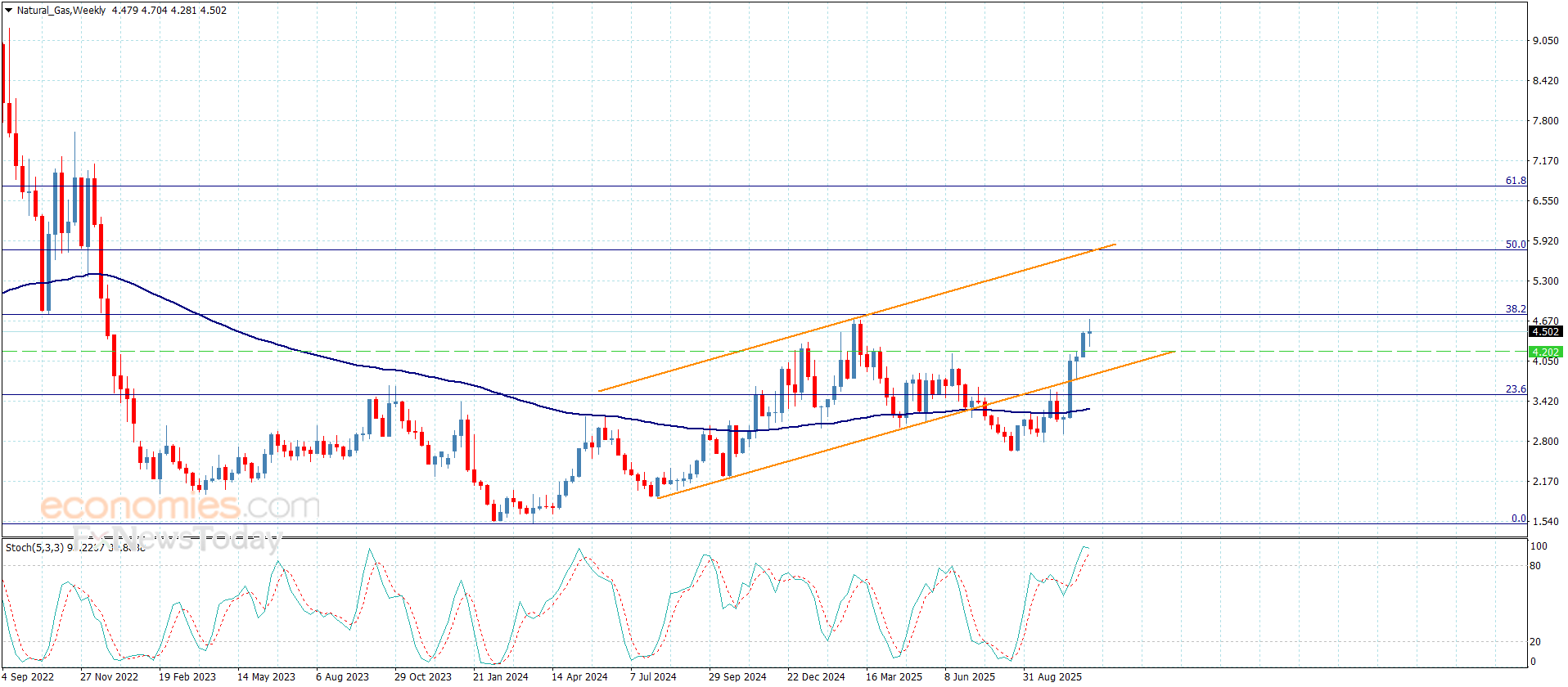
Natural Gas Prices Q3 2025

By |2025-11-05T17:45:27+02:00November 5, 2025|Forex News, News|0 Comments


Natural Gas Prices

Natural Gas Price Trends Analysis in North America: Q3 2025 Break Down

Natural Gas Prices in United States:

As of Q3 2025, the average Natural Gas price in the USA is USD 3.81/MMBtu. Natural Gas prices are generally stable because of the seasonal fluctuations in demand described in the Natural Gas Price Index Report. Supply and demand are stable. Production has not been subject to major fluctuations, and U.S. prices are mostly stable according to Natural Gas Price Historical Data. Regional price variations are caused by differences in storage and heating demand.

Get the Real-Time Prices Analysis: https://www.imarcgroup.com/natural-gas-pricing-report/requestsample

Note: The analysis can be tailored to align with the customer’s specific needs.

Natural Gas Price Trends Analysis in APAC: Q3 2025 Overview

Natural Gas Prices in China:

During the third quarter of 2025, Natural Gas prices in China stayed at USD 2.72/MMBtu following the Natural Gas Price Index Report because the government supports renewable energy investments and imports LNG. Natural Gas prices stabilized according to historical data since earlier fluctuations occurred because industrial demand increased, and supply chains adjusted.

Regional Analysis: The price analysis can be extended to provide detailed natural gas price information for the following list of countries.

China, India, Indonesia, Pakistan, Bangladesh, Japan, Philippines, Vietnam, Thailand, South Korea, Malaysia, Nepal, Taiwan, Sri Lanka, Hongkong, Singapore, Australia, and New Zealand, among other Asian countries.

Natural Gas Price Trends Analysis in MEA: Q3 2025 Overview

Natural Gas Prices in Saudi Arabia:

Saudi Arabia’s Natural Gas prices reflect stable domestic conditions and policies toward diversification of energy sources, maintaining its price of USD 2.75/MMBtu in Q3 2025. Production trends, particularly in the petrochemical sector which sustained consumption levels, also contributed to this price stability. Compared with Natural Gas Price Historical Data, the country has cheap extraction and investments in infrastructure that provide long-term stability.

Regional Analysis: The price analysis can be extended to provide detailed natural gas price information for the following list of countries.

Saudi Arabia, UAE, Israel, Iran, South Africa, Nigeria, Oman, Kuwait, Qatar, Iraq, Egypt, Algeria, and Morocco, among other Middle Eastern and African countries.

Natural Gas Price Trends in Europe: Q3 2025 Overview

Caustic Soda Prices in Germany:

In Germany, Natural Gas spot prices reached USD 11.6/MMBtu in Q3 2025, mainly due to a further decrease in imports, and increasing geopolitical pressure. The Natural Gas Price Index Report shows the continued dependence on foreign suppliers in the European markets. Natural Gas Price Historical Data shows gas prices in Germany during the last two years were more volatile than usual due to shortages on the global natural gas market.

Regional Analysis: The price analysis can be expanded to include detailed natural gas price data for a wide range of European countries:

such as Germany, France, the United Kingdom, Italy, Spain, Russia, Turkey, the Netherlands, Poland, Sweden, Belgium, Austria, Ireland, Switzerland, Norway, Denmark, Romania, Finland, the Czech Republic, Portugal, and Greece, along with other European nations.

Natural Gas Price Trends Analysis in APAC: Q3 2025 Overview

Natural Gas Prices in India:

The average price for Natural Gas in India during Q3 2025 was USD 4.70/MMBtu. Market prices were stable because of Industrial and power sector demand. Import and domestic production balance were some of the factors mentioned in Natural Gas Price Index Report. Natural Gas Price Historical Data has seen its prices slowly increasing and this can be traced to India’s push towards cleaner energy and infrastructure development in the nation.

Regional Analysis: The price analysis can be extended to provide detailed natural gas price information for the following list of countries.

China, India, Indonesia, Pakistan, Bangladesh, Japan, Philippines, Vietnam, Thailand, South Korea, Malaysia, Nepal, Taiwan, Sri Lanka, Hongkong, Singapore, Australia, and New Zealand, among other Asian countries.

Latest News & Recent Developments: Natural Gas Prices Trend, Index, History & Forecast

The global natural gas market in 2025 has experienced notable price adjustments across regions, influenced by seasonal patterns, production trends, and LNG trade dynamics. After an initial softening in mid-2025, the market faces renewed volatility as demand and supply fundamentals evolve.

Regional Price Insights

• United States: Natural gas prices averaged USD 3.81/MMBtu in September 2025, easing due to mild weather, strong shale output, and high storage levels. The U.S. Energy Information Administration (EIA) anticipates prices stabilizing around USD 3.42/MMBtu in 2025 and rising to USD 3.94/MMBtu in 2026 as winter demand recovers.

• Europe: Prices fell to around USD 11.6/MMBtu in Germany, supported by high storage levels and improved LNG supply chains. Robust imports and reduced industrial demand kept prices subdued.

• Asia-Pacific: In China and India, moderate consumption growth and steady LNG inflows stabilized prices near USD 2.72-4.70/MMBtu in Q3 2025. Mild seasonal conditions and strategic storage releases curtailed volatility.

• Middle East & Africa: Government-controlled pricing mechanisms in Saudi Arabia (~USD 2.75/MMBtu) ensured price stability, supported by strong domestic production and policy-driven resource allocation.

• Latin America: Prices remained steady as domestic production expanded in Brazil and Argentina, while LNG imports in Chile and Mexico balanced consumption fluctuations.

Key Market Drivers

• Ample Storage & Production: Elevated storage levels in the U.S. and Europe, alongside higher LNG terminal capacity, have eased supply concerns.

• Seasonal Moderation: Mild temperatures and stable industrial consumption slowed demand rebound.

• LNG Expansion: New LNG projects, coupled with improved trade efficiency, are gradually tightening the market.

• Regulatory Support: Policies promoting energy transition and industrial decarbonization continue to shape regional pricing.

Future Outlook (2025-2026)

• The EIA forecasts Henry Hub prices to range between USD 3.4-4.0/MMBtu, rising to USD 4.1-4.3/MMBtu by 2026 as global LNG exports and demand strengthen.

• European natural gas prices (TTF) are expected to average around USD 13-14/MMBtu in 2025, influenced by import competition and renewable energy integration.

• Asian markets remain steady through 2026, with consumption recovery in power generation and industrial sectors supporting moderate increases.

The market outlook suggests a balanced but sensitive pricing environment, where weather variability, LNG trade patterns, and policy-driven transitions will determine future price direction.

Speak to An Analyst: https://www.imarcgroup.com/request?type=report&id=22409&flag=C

Key Coverage:

• Market Analysis

• Market Breakup by Region

• Demand Supply Analysis by Type

• Demand Supply Analysis by Application

• Demand Supply Analysis of Raw Materials

• Price Analysis

o Spot Prices by Major Ports

o Price Breakup

o Price Trends by Region

o Factors influencing the Price Trends

• Market Drivers, Restraints, and Opportunities

• Competitive Landscape

• Recent Developments

• Global Event Analysis

How IMARC Pricing Database Can Help

The latest IMARC Group study, Natural Gas Prices, Trend, Chart, Demand, Market Analysis, News, Historical and Forecast Data 2025 Edition, presents a detailed analysis of Natural Gas price trend, offering key insights into global Natural Gas market dynamics. This report includes comprehensive price charts, which trace historical data and highlights major shifts in the market.

The analysis delves into the factors driving these trends, including raw material costs, production fluctuations, and geopolitical influences. Moreover, the report examines Natural Gas demand, illustrating how consumer behaviour and industrial needs affect overall market dynamics. By exploring the intricate relationship between supply and demand, the prices report uncovers critical factors influencing current and future prices.

About Us:

IMARC Group is a global management consulting firm that provides a comprehensive suite of services to support market entry and expansion efforts. The company offers detailed market assessments, feasibility studies, regulatory approvals and licensing support, and pricing analysis, including spot pricing and regional price trends. Its expertise spans demand-supply analysis alongside regional insights covering Asia-Pacific, Europe, North America, Latin America, and the Middle East and Africa. IMARC also specializes in competitive landscape evaluations, profiling key market players, and conducting research into market drivers, restraints, and opportunities. IMARC’s data-driven approach helps businesses navigate complex markets with precision and confidence.

Contact Us:

IMARC Group

134 N 4th St. Brooklyn, NY 11249, USA

Email: sales[@]imarcgroup.com

Tel No:(D) +91 120 433 0800

United States: +1-201971-6302

This release was published on openPR.


Source link

5 11, 2025

Bearish Target at 1.2750 (Chart)

By |2025-11-05T17:32:15+02:00November 5, 2025|Forex News, News|0 Comments

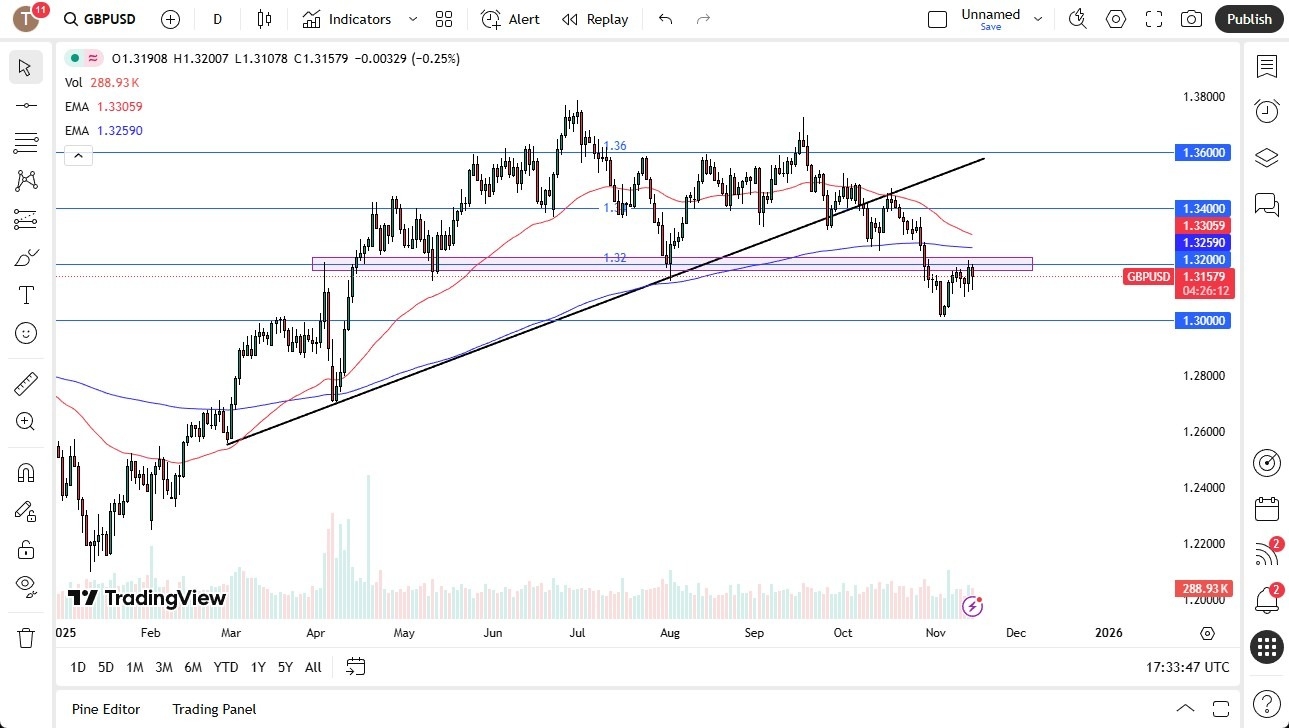
  • The British pound has broken below key support levels, signaling continued weakness toward 1.30 and potentially 1.2750.
  • Despite occasional rallies, resistance near 1.32 and broader rate-cut expectations keep the currency under heavy selling pressure.

The British pound has spent the entire session on Tuesday falling apart as we are now well below the 1.31 level. The 1.31 level is an area that I had mentioned over the last couple of days to show signs of support, but it didn’t. So here we find ourselves going much lower. At this point, the 1.30 level seems to be almost assured.

Going Lower

I believe at this juncture we’re probably even looking at the 1.2750 level before it’s all said and done. That doesn’t mean that it’s going to be easy to get there, and it doesn’t necessarily mean that we are going to get there rapidly. But I would assume that we are in a situation where traders are going to continue to look at this as a market that, anytime you see any rally showing a bit of strength or even stability, you have to look at it through the prism of a market that, at the first signs of trouble, you have to be a seller of.

With that being said, I think you have a scenario where sooner or later we do see a big flush lower, but the candlestick on Tuesday may have been something that needs to be pushed back against at least in the short term. I look at the 1.32 level as a significant resistance barrier and most certainly the 1.3268 level, where the 200-day EMA currently sits, as a major resistance barrier. For what it’s worth, we’ve done nothing but fall for the most part since the September FOMC interest rate decision.

As a result, even though people are counting on the Federal Reserve to cut rates, it looks like there’s some serious fear out there, and we just collapsed through a major support level. If you are a little bit aggressive, you could look for a move down to 1.2750, maybe 1.28, based on the measured move of the consolidation that we just absolutely fell through. I’ve got no interest in buying the British pound. It looks like traders are betting on the Bank of England cutting rates soon, and therefore, I think the pound remains under pressure.

Ready to trade the Forex GBP/USD analysis and predictions? Here are the best forex trading platforms UK to choose from.

Christopher Lewis has been trading Forex and has over 20 years experience in financial markets. Chris has been a regular contributor to Daily Forex since the early days of the site. He writes about Forex for several online publications, including FX Empire, Investing.com, and his own site, aptly named The Trader Guy. Chris favours technical analysis methods to identify his trades and likes to trade equity indices and commodities as well as Forex. He favours a longer-term trading style, and his trades often last for days or weeks.

Source link

5 11, 2025

Herbal Teas to Avoid Before and After Surgery

By |2025-11-05T17:17:15+02:00November 5, 2025|Dietary Supplements News, News|0 Comments


  • Drinking certain herbal teas before or after surgery may cause dangerous complications.
  • Some herbal teas may increase bleeding risk, interact with medications or delay healing.
  • If you’re having surgery, speak with your health care provider about any herbal teas you drink.

You may not be thinking about your cup of tea as you go over your pre-op plan with your health care provider. While herbal teas are natural, some can interact with medications and affect blood clotting, blood pressure and post-op healing. Jimmy Sung, M.D., shares, “The main reason we ask patients to stop all herbal supplements, including herbal tea, prior to surgery is to decrease the risk of bleeding and bruising. This is because many herbs have anticoagulant properties.”

That doesn’t mean you have to avoid all herbal teas. But, if you’re having surgery, there are some that should definitely be on your radar. “Most of the time, eating the real food or occasionally drinking a tea made with an herb would not result in a high-enough dose to affect a surgery,” says May Tom, RD. “It’s always better safe than sorry.” 

So, which herbal teas might you want to avoid before and after surgery? To find out, we talked to doctors and dietitians. Here’s what they told us.

Ginger Tea

Ginger is known for helping with nausea and immunity.  Tom notes, “It is popular during cold and flu season because it boosts the immune system, but it also can increase clotting time, so [it’s] best to avoid [it] for at least a week before surgery.” To date, few studies have actually shown that high doses of ginger slow blood clotting. So, more research is needed to confirm the extent of its effects. In the meantime, be sure to let your health care provider know if you are drinking ginger tea or taking a supplement containing ginger.

Ginkgo Biloba Tea

Ginkgo is a very popular supplement and is also available as a tea. “It can support brain health but should be avoided before and after surgery because of increased risk of bleeding,” says Tom. There are quite a few bioactive compounds in ginkgo, including kaempferol, quercetin, glycosides and ginkgolides. Its ginkgolides have been shown to adversely impact blood clotting and may promote bleeding. 

Licorice Tea 

Licorice root contains a compound called glycyrrhizin, which can cause irregular heartbeat and cardiac arrest if taken in large amounts. “In theory, licorice tea could raise blood pressure and cause surgery complications,” notes Tom.

Green Tea 

Green tea is technically not an herbal tea, but it is a very popular tea and supplement. Reuben Chen, M.D., a physician and herbalist, notes that green tea’s catechins can increase the risk of bleeding. Green tea also interacts with some medications, including osteoporosis and cholesterol-lowering drugs.

Valerian Root Tea 

Valerian root tea is commonly taken for sleep, although research on its effectiveness for promoting sleep or treating insomnia is inconclusive. Two of its constituents, valerinic acid and gamma-aminobutyric acid (GABA), may contribute to the sedative effects of the herb. Chen adds to avoid valerian after surgery, as its sedative effects can interact with narcotics. This may lead to excessive drowsiness and respiratory depression. 

Chamomile Tea

Chamomile tea is known for having an anticoagulant effect, notes Sung. It contains several bioactive compounds, especially coumarins, which may thin the blood. Right now, it’s unclear how much, if any, is safe. One recent small study found that drinking three cups of strong chamomile tea per day did not impact the time it took blood to clot. But it still makes sense to exercise caution. If you usually drink chamomile tea, check in with your health care professional to see if you should limit it around the time of your surgery.

Turmeric Tea

Turmeric has been used for inflammation, pain and indigestion. Curcumin, perhaps the best-known active compound in turmeric, has anti-inflammatory properties. But it may also have antiplatelet effects. While research is still needed to determine if turmeric can cause post-operative bleeding, it couldn’t hurt to avoid it before and after surgery.

Our Expert Take 

Before and after surgery, it’s natural to have a lot on your mind. But don’t forget to tell your health care provider about any herbal teas you usually drink. As innocent as herbal tea may seem, some herbal teas can cause dangerous complications if you drink them before or after surgery. “This revelation frequently arises during preoperative consultations, highlighting a common misconception that natural equates to safe,” says Chen. Herbal teas, like ginger, ginkgo biloba, licorice, valerian root, chamomile and turmeric tea, may lead to complications by interacting with medications or increasing bleeding risk or blood pressure. While it’s technically not an herbal tea, green tea may also act as a blood thinner. 

Discussing your herbal intake with your health care team is important, as they can provide specific recommendations based on your health history and current supplement and medication routine. “The key is good communication with your surgeon and following their advice and instructions,” says Sung. Of course, not every surgery is planned in advance. Sung adds, “Herbal tea is not an absolute contraindication. If the surgery is urgent and necessary, it should proceed as long as the benefits outweigh the risks.”


Source link

5 11, 2025

XRP Price Prediction: XRP Holds Firm Above $2 as Ripple Prime Launch Fuels Recovery Hopes

By |2025-11-05T17:11:36+02:00November 5, 2025|Crypto News, News|0 Comments

XRP is showing signs of resilience as it holds $2 key support, sparking optimism among traders amid a volatile crypto market. Analysts are watching closely for potential rebounds.

The cryptocurrency has experienced notable swings in recent weeks, influenced by both market trends and regulatory developments. With Ripple’s recent initiatives and growing institutional interest, XRP may be positioned for a strong recovery toward the $5 mark.

XRP Maintains Critical Support Amid Market Fluctuations

XRP has recently stabilized near the $2 mark after a period of heightened volatility in the cryptocurrency market. Analysts and traders have noted that this level has acted as a strong horizontal support, preventing further declines and positioning the digital asset for a potential recovery. As of November 5, 2025, the XRP price today hovers around $2.22, following a rebound from its recent dip.

$XRP is expected to hold strong support around the $2 level. Source: Ali Martinez via X

Crypto analyst @ali_charts confirmed their October 31 prediction that XRP would find support at $2, a forecast that has now materialized. The chart from TradingView shows XRP’s daily price action on Binance, highlighting the $2 support level amid a broader downtrend from summer highs near $3.

“This support line has historically held during 20-30% corrections,” the analyst noted. “The current dip provides more clarity and may pave the way for a significant upside.”

Ripple Prime Launch Sparks Institutional Interest

In addition to technical support, Ripple XRP news highlights the launch of Ripple Prime, a new U.S.-focused crypto exchange that facilitates spot trading for institutional clients. The platform resulted from Ripple’s acquisition of Hidden Road and now enables over-the-counter (OTC) trading for large-scale investors.

XRP Price Prediction: XRP Holds Firm Above  as Ripple Prime Launch Fuels Recovery Hopes

Ripple Prime officially launches in the U.S., offering clients OTC spot trading for major digital assets and stablecoins, including $XRP and $RLUSD. Source: Ripple via X

Trading volumes on XRP have leaped, almost doubling to $8 billion—or about 6% of XRP’s circulating supply. Such liquidity may solidify xrp price prediction for 2025 by giving the token a basis to recover toward $5, some analysts say.

Technical Analysis: Harmonic Patterns Signal Upside Potential

Although it has recently declined, technical indicators are showing a bullish scenario. XRP seems to form a bearish Bat harmonic pattern on the daily chart, hence a structure that normally forms in front of a potential reversal. The point C of this pattern, around $2.2285, has acted as a support, while the 200-day moving average, near $2.6235, is a key resistance.

Technical Analysis: Harmonic Patterns Signal Upside Potential

The recent dip clarifies XRP’s weekly Elliott Wave pattern: Wave II is ending, and while a Wave 5 downside may form, it’s likely truncated and won’t break Wave 3’s low. Source: abdulahalkasid on TradingView

If XRP maintains its position above Point C and continues to gain momentum, it may move toward the potential reversal zone between $2.99 and $3.10. This setup indicates a near-term upside potential of approximately 34% from current levels, reinforcing the optimistic outlook for XRP price forecasts.

Market Scenarios

Analysts believe the price action of XRP will be determined by how the cryptocurrency behaves at its present support levels. If the token holds its current position above $2 and consolidates for a strong upward move, technical forecasts place the price closer to $5 in the next few months, backed by Elliott Wave patterns pointing toward the upside.

Market Scenarios

XRP was trading at around 2.25, down 1.13% in the last 24 hours at press time. Source: Brave New Coin

Failure to do so could mean a deeper pullback toward $1.60, though analysts consider this less probable given the prevailing market conditions. The neutral scenario is that XRP might consolidate between $2 and $2.50 before breaking out, establishing a very solid foundation for future gains. Analysts emphasize the importance of keeping a close eye on both technical indicators and macro market developments in light of ongoing regulatory updates that shape investor sentiment.

Regulatory Developments and Market Sentiment

Other influences on XRP’s recent volatility have included regulatory updates, such as developments regarding the XRP SEC lawsuit. The resolution of some of these regulatory uncertainties has increased investor confidence and helped stabilize XRP.

This, combined with the possible approval of ETFs and continued institutional adoption, paints a bright outlook for XRP.

Final Thoughts

With XRP changing hands above the key support of $2 and growing institutional interest in the digital asset, the token seems well-positioned for a rally toward $5.

Market participants should continue to keep a close eye on the ongoing behavior of technical indicators, market sentiment, and regulatory developments that will materialize the price predictions of XRP for 2025.

Source link

Go to Top