Ripple (XRP) edges lower, trading above $2.25 at the time of writing on Friday. The token’s short-term outlook reflects a sticky risk-off sentiment in the broader cryptocurrency market.
VeChain (VET) is trading at $0.0156 at the time of writing on Friday amid high volatility across the cryptocurrency market. Risk-off sentiment has pushed investors to the sidelines over the last few weeks, citing macroeconomic uncertainty and a lack of strong price catalysts.
Bitcoin (BTC) is trading above $97,000 at the time of writing on Friday amid a sticky bearish wave in the broader cryptocurrency market. Both institutional and retail demand remain muted, making it difficult for BTC to sustain recovery.
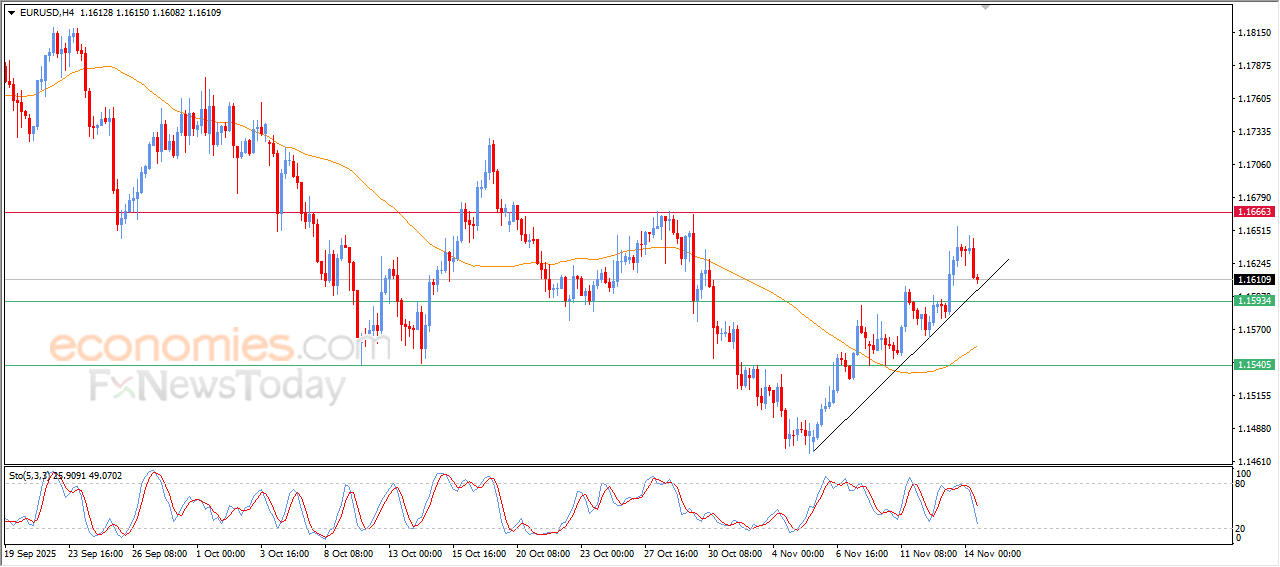
The GBPJPY pair rose in its last intraday trading, to recover some previous losses, attempting to offload some of its clear oversold conditions on the relative strength indicators, especially with the emergence of positive overlapping signals.
Affected by breaking main bullish trend line on the short-term basis, there is negative pressure due to its trading below EMA50, forming an obstacle against the attempts of the price recovery on a near-term basis.
Therefore, our expectations suggest a decline in its upcoming intraday trading, if the resistance settles at 203.40, to target the initial support levels at 202.60.
The expected trading range for today is between 202.60 and 203.40
HONEY PACKS ARE going viral on TikTok. But not the kind you use in your tea.
Instead, they’re the latest trendy supplement that claims to help men get stronger, longer-lasting erections—even faster than with a “little blue pill.” Social media is full of testimonials and suggestive posts from guys suddenly being ready to go after taking one (or more) of these packets.
So what exactly is a honey packet, and is it safe to take? Here’s what doctors know about this alleged erection enhancer.
What are honey packs?
HONEY PACKS HAVE no set formula, but are typically small quantities of honey mixed with ingredients that allegedly enhance your erection and sexual performance. Each brand offers a slightly different combination of additives, which can include ginseng, maca root, and black ginger root.
And they’re not hard to find. Amazon is filled with of packs with names like Royal Whole Night Honey, King, and Honey Bae. Some come with directions for use. Others don’t. Royal Whole Night Honey, for example, recommends tossing back a packet on its own or with lukewarm water two to three hours “before bed.” For best results, the brand suggests that you do this “regularly” for four months.
Though the ingredients and instructions vary across brands, the same legal disclaimer appears on their respective Amazon pages: “Statements regarding dietary supplements have not been evaluated by the FDA and are not intended to diagnose, treat, cure, or prevent any disease or health condition.”
Do Honey Packs Actually Work?
IF YOU ASK the companies that make and sell them—hell yes. However, there’s dubious scientific evidence supporting the claim that the advertised ingredients actually enhance sex drive, erections, or endurance.
For example, a 2022 study review on ginseng’s use for erectile dysfunction found the ingredient had a “trivial” effect compared to the placebo group. (Taking ginseng did, however, make more men believe they were doing great at sex.)
None of the components in honey packs have gone through randomized controlled trials that specifically looked at whether they improve penis health, says David Kaufman, MD, director of urology at Maiden Lane Medical in New York City. He calls honey packs “worthless.”
Another reason to be cautious: In 2022, the US Food and Drug Administration (FDA) warned that X Rated Honey For Men contained a hidden drug ingredient, tadalafil, the active ingredient in the prescription drug Cialis. More recently, the FDA warned that Secret Miracle Honey Extra Strength contained sildenafil (the active ingredient in Viagra), tadalafil, and acetaminophen (Tylenol), which were not listed on the product’s label.
“There is no evidence that these work [to treat erectile dysfunction],” says Jay Amin, MD, a urologist at Orlando Health Medical Group Urology. What might work to improve sexual function, he notes, are the hidden ingredients not included in the labels AKA tadalafil or sildenafil (active ingredient in Viagra). However, unlike prescription drugs that are tightly regulated, honey packs are not guaranteed to have these ingredients or at an appropriate dosage.
Generally, the FDA warns that the ingredients in honey packs may interact with nitrates found in some prescription drugs. They also note that honey packs may also lower blood pressure to dangerous levels.
“It could pose serious health effects for men who take multiple packets, thinking that they are natural herbal supplements,” Amin says. “Especially if they have underlying cardiac conditions or take other medications that these packages could interact with.”
What About Honey by Itself?
ONE OF THE main arguments for the supplements is that the main ingredient, honey, enhances sexual behavior on its own. It’s been a traditional remedy used in many cultures to help men and women with infertility. For example, pairing honey with milk is a traditional approach to increasing sperm count and boosting testosterone levels in Malaysia.
Honey does seem to work as a vasodilator—widening blood vessels to support good blood flow. Because erections require increased blood flow to your junk, this is good, right?
In theory, yes. A few animal studies have showed a possible link between honey and better penile health. For example, rats that were given Malaysian honey showed improved sperm counts and the ability to attain and maintain an erection, according to research from more than a decade ago. Another study from 2021 showed a boost in the testosterone levels of rats with damaged testes from malnutrition when they took daily doses of honey.
But just because a rat gets a boner in a study doesn’t mean you will in real life.
One issue is dosage. The rat erection study gave honey at 1.2 g/kg per body weight for rats, which is literally nothing for humans. How this dosage would translate for humans is currently unknown. The second is that the theory hasn’t technically been proven in humans. To date, there are no credible human studies that have tested or shown that honey will make you last longer in bed.
What to Do if You’re Having Erection Issues
IF YOU HAVEdifficulty getting or maintaining an erection, urologists recommend coming in for an appointment. They can give you a thorough evaluation, come up with a treatment plan, and prescribe you medication (that’s actually proven to work) if necessary.
“PDE5 inhibitors—Viagra, Cialis—are really the best solution for erectile dysfunction,” Kaufman says. (But you want to get these from a doctor, not an online supplement retailer, to make sure you’re getting the appropriate medication and dosing for your needs.)
If you’re struggling with performance anxiety, these prescription medications can be a “temporary crutch” to help get you over the hump, Kaufman says. But if your erectile dysfunction is vascular or linked to a nervous system issue, the meds can work reliably and over the long-term, he adds.
But there’s no telling what you’ll get with a honey pack.
Korin Miller is a freelance writer specializing in general wellness, sexual health and relationships, and lifestyle trends, with work appearing in Men’s Health, Women’s Health, Self, Glamour, and more. She has a master’s degree from American University, lives by the beach, and hopes to own a teacup pig and taco truck one day.
Jocelyn Solis-Moreira, MS is the associate health & fitness for Men’s Health and has previously written for CNN, Scientific American, Popular Science, and National Geographic before joining the brand. When she’s not working, she’s doing circus arts or working towards the perfect pull-up.
Solana price prediction remains in the spotlight as SOL moves back toward the key $145–$150 support zone. The token weakened on Thursday as momentum cooled across the crypto market. Traders are watching to see whether this support can hold or whether a deeper slide may unfold.
The decline adds pressure at a critical moment. Analysts say the recent pattern of lower highs, light volume, and fading bounce strength shows lack of buyer conviction. This makes the $150 zone more important than ever.
Solana Price Prediction as SOL Approaches a Crucial Support Zone
Solana is trading just above the $145–$150 demand region, an area that has produced multiple rebounds over recent months. But this time, the structure looks weaker. Candles show compression. Volume is thinning. The reaction strength is soft. These factors suggest buyer fatigue rather than accumulation.
Market analysts earlier mapped out $118–$125 as the next valid support range if the current level breaks down. The wide gap between both zones highlights the rising downside risk. Beneath current prices, the volume profile is thin, meaning any breakdown could accelerate quickly.
On higher timeframes, some traders also pointed to a developing head-and-shoulders formation. The neckline sits around $120–$125. While patterns like these often produce false signals in crypto, they still serve as caution indicators. They help explain why sellers continue defending lower highs and why upside attempts have stalled below $170.
The $170–$177 resistance band remains the key line for a confirmed trend reversal. Analysts expect any relief bounce toward $162–$168 to be limited unless SOL reclaims $177 with clean volume. The Elliott Wave structure also reflects overlapping lower waves, signaling no established reversal yet.
Another bearish factor is the loss of a major multi-month trendline. Since breaking this structure, Solana’s upside attempts have been shallow. Fibonacci projections now outline awareness levels at $125, $81, and even $40–$50 under extreme conditions. These are not predictions but scenario-based markers to show how wide the downside can stretch in a weakening market.
Institutional Interest Remains Stable but Technical Momentum Leads the Market
Despite short-term technical weakness, institutional demand remains firm. Solana-focused ETFs such as BSOL and GSOL continue receiving net inflows, showing long-term appetite is stable. Historically, consistent ETF inflows help strengthen macro recovery phases.
Even so, near-term movement is still directed by technical factors. The divergence between ETF demand and actual price action reflects this. Until Solana breaks back above the $170–$177 resistance, bullish sentiment cannot take control. For now, traders remain cautious and focused on structural confirmation.
In conclusion, Solana price prediction depends heavily on the $145–$150 support level. A strong defense could set the stage for recovery, while a breakdown may trigger a deeper extension toward $125 or lower. Traders await clearer structure before trusting any bullish momentum.
FYI (keeping you in the loop)-
Q1: What support zone is most important for Solana right now?
The $145–$150 range is the critical support area. A break below it could expose $118–$125.
Q2: What signals a bullish reversal for Solana?
A clear reclaim of $170–$177 with strong volume is needed for a confirmed trend reversal.
Q3: Is the head-and-shoulders pattern confirmed?
No. It only confirms if Solana breaks below the $120–$125 neckline.
Q4: Are ETF inflows helping Solana?
Yes. Persistent BSOL and GSOL inflows support long-term sentiment even when short-term charts weaken.
Q5: Can Solana avoid a deeper breakdown?
It depends on buyers defending $145–$150. A bounce may follow, but confirmation comes only above $177.
Strict Financial Disclaimer
This article is for informational and educational purposes only. It is not financial advice, investment advice, trading advice, or any form of recommendation. Cryptocurrency markets are highly volatile and carry significant risk. Always conduct your own research and consult a licensed financial professional before making investment decisions. The author and publisher are not responsible for any financial losses.
References
Reuters. (2025). Crypto markets soften as traders monitor support zones. Published Nov. 12, 2025.
Associated Press. (2025). Digital asset volatility continues amid shifting market sentiment. Published Nov. 10, 2025.
CNN Business. (2025). Crypto technical trends show mixed signals for major tokens. Published Nov. 11, 2025.
iNews covers the latest and most impactful stories across entertainment, business, sports, politics, and technology,
from AI breakthroughs to major global developments. Stay updated with the trends shaping our world. For news tips, editorial feedback, or professional inquiries, please email us at [email protected].
The cryptocurrency market is abuzz with the transformative potential of Web3 gaming tokens, hailed as the “next frontier” in digital entertainment and blockchain innovation. As of November 2025, these tokens are driving a paradigm shift, moving beyond traditional centralized gaming models to empower players with true ownership of digital assets, economic participation through play-to-earn (P2E) models, and decentralized governance. This evolution signifies a critical juncture for the crypto ecosystem, promising to onboard millions of new users and forge novel financial ecosystems within immersive virtual worlds.
The emergence of Web3 gaming tokens, rooted in the advancements of Non-Fungible Tokens (NFTs) and blockchain marketplaces, is fundamentally reshaping how value is created and distributed in gaming. Unlike traditional games where assets are merely licensed, Web3 allows players to verifiably own, trade, and even utilize their in-game items across different platforms. This shift is not just about digital collectibles; it’s about establishing transparent, fair, and community-driven gaming economies, making it a pivotal development for the broader adoption and utility of blockchain technology.
Market Impact and Price Action
The market for Web3 gaming tokens in 2025 presents a complex picture of evolving investment strategies and fluctuating, yet resilient, user engagement. While the overall capital inflow into Web3 gaming projects experienced a significant dip in Q1 and Q2 2025—raising $91 million in Q1 (a 71% decrease from Q4 2024) and $73 million in Q2 (a 20% drop from Q1)—Q3 2025 saw a notable recovery with $129 million raised, making it the most successful quarter for funding this year. Despite this, the total funding for 2025 ($293 million so far) remains significantly lower than 2024 levels, indicating a more cautious, yet strategic, investment landscape.
This shift in investment focus highlights a maturing market. Investors are now prioritizing scalable gaming infrastructure, including Layer-2 solutions, cloud-based node services, and platforms designed for high user volumes and enhanced performance, over purely speculative ventures. The increased number of closed deals (up 35% quarter-over-quarter in early 2025) suggests a broader interest in early-stage projects, albeit with smaller individual investments. This strategic pivot reflects a market moving from hype-driven speculation towards projects with robust use cases and sustainable economic models.
Specific tokens like Axie Infinity (AXS), ApeCoin (APE), and Illuvium (ILV) have demonstrated resilience and even seen token value increases, often spurred by ecosystem developments, new game launches, or significant exchange listings. Networks such as Ronin, Polygon (MATIC), Solana (SOL), Binance Smart Chain (BSC), Aptos (APT), and SKALE (SKL) continue to be crucial for hosting Web3 gaming ecosystems, providing the necessary infrastructure for scalability and lower transaction costs. New projects like Earth Version 2 ($EV2) and Tapzi ($TAPZI) are actively conducting presales in November 2025, signaling ongoing innovation and investor appetite for emerging titles.
Technical analysis reveals that many established Web3 gaming tokens have navigated challenging market conditions, finding support levels often linked to significant project milestones or broader market recoveries. Resistance levels are frequently tested during periods of increased community engagement or major news announcements. Compared to past crypto market cycles, the current environment shows a greater emphasis on fundamental value and technological advancement rather than pure speculative fervor, suggesting a healthier, albeit slower, growth trajectory for the sector.
Community and Ecosystem Response
The Web3 gaming community, as of November 2025, exhibits a blend of cautious optimism and a strong drive towards refining the player experience. Social media platforms like X (formerly Twitter) and Reddit are vibrant hubs for discussions, with sentiment often reflecting the latest game updates, token performance, and broader industry news. While the initial “play-to-earn” (P2E) hype has matured, there’s a discernible shift in community focus towards sustainable earning models and, crucially, engaging gameplay.
Crypto influencers and thought leaders are increasingly emphasizing the need for Web3 games to prioritize fun and immersive experiences over purely financial incentives. This sentiment is a direct response to early criticisms that some P2E games lacked compelling gameplay, alienating traditional (Web2) gamers. Influencers are actively promoting projects that demonstrate high production quality, innovative mechanics, and a clear path to long-term sustainability, advocating for a “play-and-earn” rather than solely “play-to-earn” philosophy.
The impact on related DeFi protocols, NFT projects, and Web3 applications is profound. Gaming tokens are often integrated into DeFi ecosystems, allowing for staking, lending, and liquidity provision, thereby enhancing their utility and creating deeper economic ties within the broader Web3 space. NFT projects, particularly those related to in-game assets, continue to thrive, with rare and valuable items commanding significant prices in secondary markets. This cross-pollination strengthens the overall Web3 ecosystem, creating a more interconnected and robust digital economy.
Broader crypto Twitter and Reddit sentiment, while acknowledging the challenges of user experience friction and complex onboarding, remains largely positive regarding the long-term potential of Web3 gaming. Discussions frequently revolve around the latest technological advancements, such as the adoption of Layer-2 solutions for scalability, and the emergence of new “X-to-Earn” paradigms like Learn-to-Earn (L2E), Move-to-Earn (M2E), Watch-to-Earn (W2E), and Tap-to-Earn (T2E) games, particularly on platforms like TON blockchain. This indicates a community actively exploring diverse models for player engagement and value creation.
What’s Next for Crypto
The short-term implications for the crypto market suggest a continued strategic investment in Web3 gaming infrastructure and projects that demonstrate strong fundamentals and a focus on user experience. While overall funding might remain below peak levels, the increasing deal activity and targeted investments indicate a more discerning market. Long-term, Web3 gaming is poised to be a significant driver of mass adoption for blockchain and cryptocurrency, acting as an accessible entry point for a global audience to interact with digital assets and decentralized technologies.
Potential catalysts and developments to watch include the launch of highly anticipated AAA-quality Web3 games that successfully blend compelling gameplay with robust tokenomics. Further advancements in Layer-2 scaling solutions and cross-chain interoperability will also be crucial for enhancing user experience and expanding the utility of in-game assets. The integration of advanced technologies like Artificial Intelligence (AI) and Augmented Reality (AR) within Web3 gaming environments could unlock unprecedented levels of immersion and interactivity.
Strategic considerations for projects involve prioritizing engaging gameplay, simplifying user onboarding, and developing sustainable economic models that reward players without relying on hyperinflationary token emissions. Investors should look for projects with experienced development teams, clear roadmaps, strong community support, and a commitment to continuous innovation. The market is increasingly favoring projects that can demonstrate real utility and value beyond speculative trading.
Possible scenarios include a continued, steady growth trajectory driven by technological improvements and increasing user adoption, especially as Web3 gaming overcomes current user experience hurdles. Another scenario could see a significant surge in interest if a breakout Web3 game achieves mainstream success comparable to traditional gaming blockbusters, attracting a wave of new users and capital. However, regulatory uncertainty remains a potential obstacle, and clearer frameworks will be essential for the sector’s full realization.
Bottom Line
For crypto investors and enthusiasts, the key takeaway is that Web3 gaming tokens represent a maturing sector with immense long-term potential, driven by fundamental shifts in digital ownership and economic empowerment. While the speculative frenzy of earlier years has subsided, the underlying technology and the promise of a player-centric gaming future continue to attract significant innovation and investment. This sector is not merely a niche; it is a critical frontier for blockchain adoption, poised to introduce millions to the benefits of decentralization.
The long-term significance of Web3 gaming lies in its ability to democratize gaming economies, foster true digital ownership, and create new avenues for value creation for players worldwide. It is a powerful testament to the real-world applications of blockchain technology, extending beyond finance into mainstream entertainment. The ongoing efforts to enhance gameplay quality, simplify user experience, and develop sustainable economic models will be crucial for its sustained growth.
Ultimately, Web3 gaming is a cornerstone for broader crypto adoption. By embedding blockchain within engaging and familiar experiences, it provides an intuitive entry point for users who may not otherwise interact with cryptocurrencies. Important metrics to monitor include daily active wallets, funding trends for infrastructure projects, the launch and success of major Web3 game titles, and the evolution of regulatory clarity in key jurisdictions. The industry’s ability to overcome current challenges and deliver truly compelling experiences will dictate its trajectory towards mainstream success.
This article is for informational purposes only and does not constitute financial or investment advice. Cryptocurrency investments carry significant risk.
Silver price (XAG/USD) retraces its recent losses from the previous session, trading around $52.70 per troy ounce during the Asian hours on Friday. The attracts buyers
Safe-haven demand for precious metals, including Silver, is rising amid uncertainty over the US economic outlook, fueled by a backlog of official data after the government’s reopening. Early private-sector readings for October point to a cooling labor market, softer consumer confidence, and lingering inflation concerns.
National Economic Council Director Kevin Hassett cautioned that some October data may “never materialize,” as several agencies were unable to gather information during the shutdown. US President Donald Trump signed the government funding bill on Thursday to end the record 43-day government shutdown in US history.
The upside of the non-interest-bearing Silver could be limited as cautious remarks from Federal Reserve (Fed) officials decreased the odds of a Federal Reserve (Fed) rate cut in December. The higher interest rates push the yields higher on newly issued bonds to attract investors who are looking to earn better returns. The CME FedWatch Tool shows markets pricing in nearly a 50% chance of a 25-basis-point Fed rate cut in December, down from 69% a week ago.
Federal Reserve Bank of St. Louis President Alberto Musalem highlighted the need for caution on Thursday, noting there is limited room to ease without risking overly accommodative policy. Meanwhile, Minneapolis Fed President Neel Kashkari added that inflation remains too high at 3%.
Supply risks also supported Silver’s gains, amid concerns over possible US tariffs on the metal. Last week, the US Department of the Interior added Silver, Copper, and metallurgical Coal to its “critical minerals” list, underscoring their economic and national security importance. This classification opens the door for potential Section 232 investigations and trade measures, similar to those previously imposed on Copper.
Silver FAQs
Silver is a precious metal highly traded among investors. It has been historically used as a store of value and a medium of exchange. Although less popular than Gold, traders may turn to Silver to diversify their investment portfolio, for its intrinsic value or as a potential hedge during high-inflation periods. Investors can buy physical Silver, in coins or in bars, or trade it through vehicles such as Exchange Traded Funds, which track its price on international markets.
Silver prices can move due to a wide range of factors. Geopolitical instability or fears of a deep recession can make Silver price escalate due to its safe-haven status, although to a lesser extent than Gold’s. As a yieldless asset, Silver tends to rise with lower interest rates. Its moves also depend on how the US Dollar (USD) behaves as the asset is priced in dollars (XAG/USD). A strong Dollar tends to keep the price of Silver at bay, whereas a weaker Dollar is likely to propel prices up. Other factors such as investment demand, mining supply – Silver is much more abundant than Gold – and recycling rates can also affect prices.
Silver is widely used in industry, particularly in sectors such as electronics or solar energy, as it has one of the highest electric conductivity of all metals – more than Copper and Gold. A surge in demand can increase prices, while a decline tends to lower them. Dynamics in the US, Chinese and Indian economies can also contribute to price swings: for the US and particularly China, their big industrial sectors use Silver in various processes; in India, consumers’ demand for the precious metal for jewellery also plays a key role in setting prices.
Silver prices tend to follow Gold’s moves. When Gold prices rise, Silver typically follows suit, as their status as safe-haven assets is similar. The Gold/Silver ratio, which shows the number of ounces of Silver needed to equal the value of one ounce of Gold, may help to determine the relative valuation between both metals. Some investors may consider a high ratio as an indicator that Silver is undervalued, or Gold is overvalued. On the contrary, a low ratio might suggest that Gold is undervalued relative to Silver.
The Pound to Dollar exchange rate (GBP/USD) slipped below 1.3100 on Wednesday following a weak UK GDP print and persistent political uncertainty, but Sterling later recovered as the dollar softened.
By Thursday afternoon, GBP/USD was trading around 1.3145 (-0.06%), supported by a US dollar pullback despite sustained bearish pressure on the Pound.
GBP/USD Forecasts: Dollar Softens, But UK Fundamentals Still a Drag
Analysts at UoB noted that a break above 1.3165 would signal that “the current mild downward pressure has eased,” while ING maintains a year-end GBP/USD target of 1.34 as dollar momentum fades into December.
The latest GDP figures painted a bleak picture. UK output contracted 0.1% in September versus expectations of flat growth. The third quarter posted only 0.1% growth against the 0.2% consensus, with manufacturing hit hard by the JLR cyberattack and only marginal gains in construction and services.
Quilter’s Lindsay James said; “This paints a picture of an economy that started 2025 strongly but is now badly losing steam just as the Chancellor prepares for a pivotal Autumn Budget.”
ING added; “This complicates the job of Chancellor Rachel Reeves ahead of the Budget, where she’ll try to reassure markets with fiscally prudent measures, whilst trying not to dampen growth excessively or stoke up inflation.”
Save on Your GBP/USD Transfer
Get better rates and lower fees on your next international money transfer.
Compare TorFX with top UK banks in seconds and see how much you could save.
Fresh reports that Chancellor Rachel Reeves has dropped plans for income tax hikes added further uncertainty. According to ING, Sterling came under renewed pressure because earlier gains in gilts had been based on expectations that income tax rises would deliver the necessary fiscal tightening without stoking inflation, creating room for the BoE to cut rates in December.
ING warned: “It’s unclear how Reeves will fill the £30bn fiscal hole without touching income tax. VAT hikes would be inflationary, risking hawkish BoE repricing. Freezing tax thresholds is one alternative but markets will scrutinise the details.”
BoE December Cut Bets Strengthen
Signs of slowing growth and deteriorating labour-market conditions have strengthened expectations of a December BoE rate cut.
MUFG said; “Slowing growth momentum and weakness in the labour market are encouraging market expectations for active BoE easing.”
RSM UK’s Thomas Pugh added; “If we didn’t think a December rate cut was nailed on already, this morning’s data almost certainly makes it so.”
Political risk adds another layer. Prime Minister Starmer’s approval ratings remain poor, and MUFG warned that the May 2025 local elections could be a decisive test, with further Pound weakness likely if markets begin to price in a meaningful political risk premium.
Dollar Weakens as US Shutdown Ends, But Fed Uncertainty Persists
With the US government now reopened, markets will refocus on delayed economic data, particularly jobs reports.
Market pricing for a December Fed cut has cooled to around 55%, with Fed officials increasingly divided.
Scotiabank noted: “WSJ Fed-watcher Timiraos reports Fed officials are fracturing over a December cut after hawks pushed for a pause after last month’s decision.”
Upcoming labour data will be crucial in determining whether December easing remains viable.
As ING put it; “We think markets are underestimating the downside risks for the labour market, US front-end rates and – by extension – the dollar into year-end.”
Like this piece? Please share with your friends and colleagues:
International Money Transfer? Ask our resident FX expert a money transfer question or try John’s new, free, no-obligation personal service! ,where he helps every step of the way,
ensuring you get the best exchange rates on your currency requirements.
The Zinus Green Tea Memory Foam Mattress is a low-cost bed that often tops the Amazon bestseller list, but can it compare to this year’s best mattresses?
We put it to the test, spending three weeks sleeping on a full-size Zinus 10-inch Mattress, with feedback from a wider review panel and support from objective testing per our mattress methodology. (Spoiler: It’s a hit among side sleepers.)
Our full review is below, but if you only have a moment to skim, here’s our Zinus Green Tea Memory Foam Mattress review in brief…
Zinus Green Tea Memory Foam Mattress: review in brief
Zinus Green Tea Mattress specs
(Image credit: Zinus)
Type: All-foam Materials: Memory foam, other foam Firmness: 5.5 out of 10 Height: 10 inches (8, 10, and 12 inches also available) Trial period: 100 nights Warranty: 10 years Price: from $399 at Zinus
The Zinus mattress excels in pressure relief. The very best memory foam mattresses are known for their contouring comfort, adapting to the touch points to evenly distribute body weight and decrease pressure buildup. The Zinus, with its slow-moving cushioned foams, eases around the body to bring relief to the shoulders, hips, and knees.
It’s like a big hug from a marshmallow, with the dense base foams providing just enough support to keep the body lifted. All our side sleeping testers enjoyed resting on the Zinus.
It also delivers when it comes to motion isolation. Our testers agree that even a fidgety bed partner shouldn’t bother you when sharing the Zinus. Its performance in this aspect ranks alongside some of our favorite all-foam beds, including the more expensive Nectar Premier Memory Foam Mattress.
Image 1 of 2
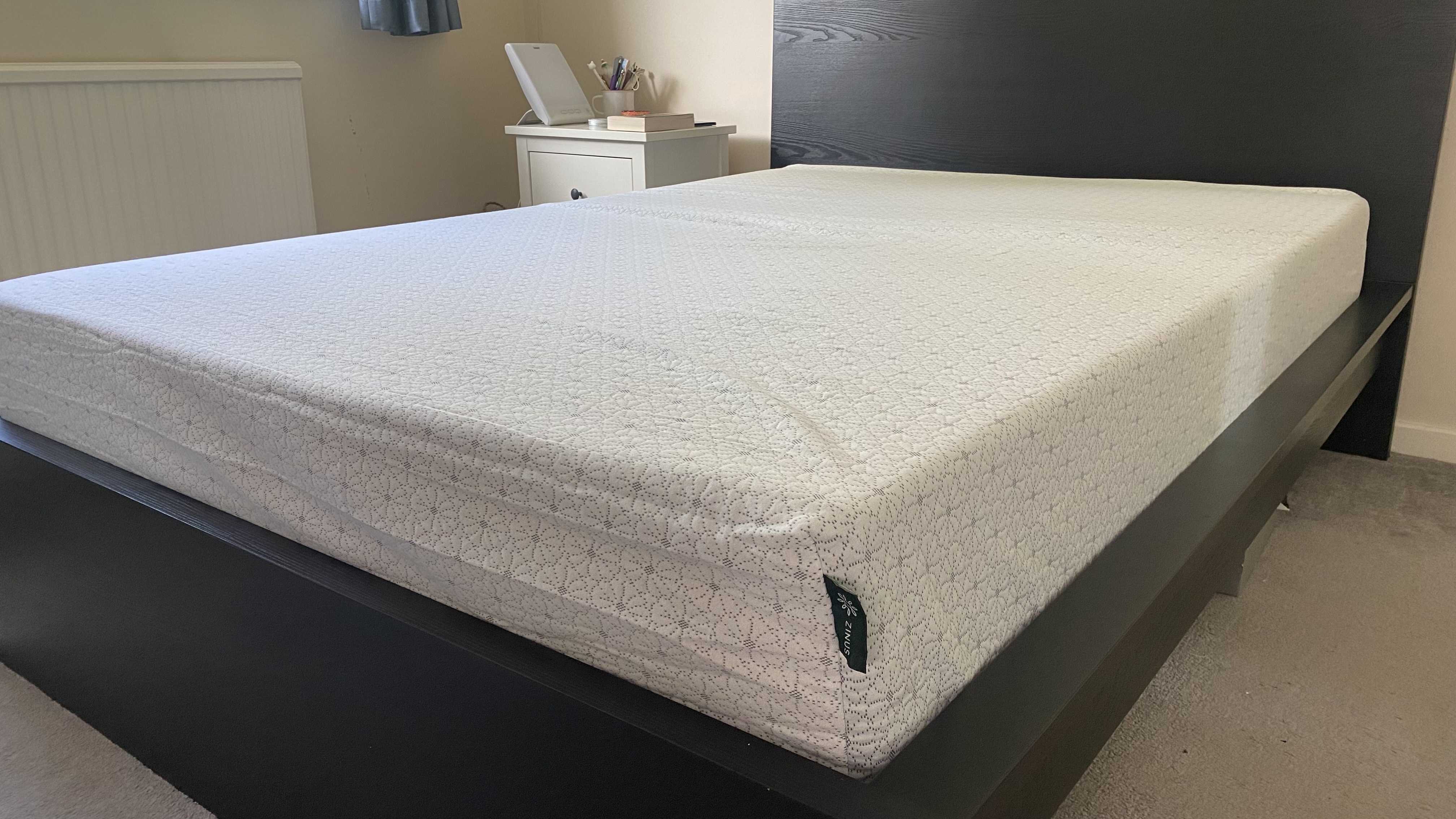
The Zinus Green Tea Memory Foam Mattress in our reviewers bedroom(Image credit: Future)
A close up of the ZInus Mattress(Image credit: Future)
Although primarily a side sleepers’ mattress, some back sleepers will also get on with the Zinus, particularly those who prefer a soft bed or have a light build. However, the ‘sink-in’ feeling can cause some tension in the lower back. For this reason, we don’t recommend the Zinus to stomach sleepers. If you lie on your front, a firmer all-foam bed like the Siena mattress is a better choice.
Get instant access to breaking news, the hottest reviews, great deals and helpful tips.
Where the Zinus mattress excels is, undoubtedly, pressure relief
The Zinus does fall into some of the common traps of a cheaper all-foam mattress. It struggles with temperature regulation (which can lead to some sweaty mornings), and the edge support is subpar. If you need a push off the sides of the bed to get up in the morning, consider the superior support of the EGOHOME Memory Foam Mattress because you’ll slide straight off the Zinus.
But while these are noteworthy issues, we still think the Zinus delivers excellent value for money. A queen is often $499 direct from Zinus, but if you head to Amazon, you can pick up an older model for under $250. If you need a crowd-pleasing bed for a well-used guest room, we think this is among this year’s best cheap mattresses.
For everyday use, we think the Zinus Green Tea Memory Foam Mattress will best suit side sleepers who are tired of waking up with aching arms and want a new bed on a tight budget. You could do a lot worse in this price bracket.
Zinus Green Tea Memory Foam Mattress review: Price & trial
A budget-friendly introduction to a memory foam mattress
Direct from Zinus, a queen now costs $449.10 with a 100-night trial
Cheaper on third-party sites, but you sacrifice the sleep trial
Regular mattress sales make Zinus a budget-friendly sleep brand. Its flagship Green Tea Memory Foam mattress can typically be picked up for less than $500 for a queen-size.
Thanks to these frequent Zinus mattress sales, you can pretty much go ahead and ignore the MSRP. Below is the current pricing for the Zinus Green Tea Memory Foam mattress, including the full cost and what you’ll normally pay in the sale:
Twin MSRP: $399 (normally sold at $199)
Full MSRP: $499 (normally sold at $399)
Queen MSRP: $599 (normally sold at $499)
King MSRP: $699 (normally sold at $699)
These sale prices stay fairly consistent year-round, but major sales events are sometimes accompanied by an added discount. We’ve seen an extra 10% off appear several times this year.
But when it comes to the Zinus Green Tea mattress, this is only part of the pricing story. For the lowest cost, you often need to go third-party.
There are a few disadvantages, however, to shopping with third parties. First, Amazon typically sells older versions of this mattress. We predict this design has a similar feel to the current build, but the newer model might have better performance aspects (such as cooling).
Second, shopping third party does mean missing out on benefits. You’ll get a 10-year mattress warranty both at Zinus and Amazon, but buying from Zinus comes with the bonus of a 100-night sleep trial. This allows you to try the mattress in your home and return it if it isn’t right for you. At Amazon, once the bed is out of its packaging, it can only be returned if there’s a fault.
You might also have noticed that the Zinus mattress comes in only a handful of sizes. For a cheaper all-foam bed with a vast sizing line-up, try the Brooklyn Bedding Dreamfoam Essential mattress.
Value for money score: 3.5 out of 5
Zinus Green Tea Memory Foam Mattress review: Design
10 inches tall (6-, 8-, and 12-inch available on Amazon)
Three layers of foam, including memory foam comfort layers
Features green tea foam infusion for freshness
The Zinus Green Tea Memory Foam mattress has a three-layer, all-foam build. That’s a fairly standard design for an all-foam mattress, particularly in this price bracket. We tested the 10-inch model but there are different heights available via Amazon. Only the 10-inch model is available direct from Zinus.
The top layer is a comfort layer consisting of memory foam enhanced with a green tea infusion for added “freshness” (although we have some doubts on its effectiveness). Beneath this is a layer of transition foam, offering responsive support. Finally, a base of durable foam brings stability and support to the overall mattress.
The interior layers of the Zinus Memory Foam Mattress (Image credit: Zinus)
This is all wrapped in a soft to the touch cover with a breathable design. The cover on our model appears cosmetically different to the cover on the Zinus website, but we expect any changes in feel to be minimal. The cover can’t be removed and is spot clean only.
There are no handles, which can make the Zinus Mattress difficult to move around. Our test model also had a surprisingly loose cover. This was rarely noticeable, but after a particularly restless night there was some bunching.
Zinus Green Tea Memory Foam Mattress review: Comfort & support
We rate this mattress 5.5 out of 10 for firmness
Softer foams are best for side sleepers
Supportive enough for some back sleepers
The Zinus Green Tea Memory Foam Mattress delivers the kind of adaptive comfort we expect from a memory foam bed. It ‘hugs’ the body, molding itself to your form to relieve pressure at the touch points and cushion the joints. This is a mattress you sink into, rather than lie on top of.
The memory foam ‘hug’, similar to the cushioned feel of a Tempur-Pedic mattress, makes the Zinus Mattress most comfortable for side sleepers, especially those with a lighter build. At the shoulders and hips the Zinus feels dreamy, with a pillow-y softness that ensures none of the ‘numb’ shoulders and hips that can accompany side sleeping on a firmer mattress. We think it’s one of the best mattresses for side sleepers on a budget.
The dense foam at the base enhances the support of the Zinus Mattress, and our lightweight back sleeping tester was comfortable lying in this position. However, our primary tester would have appreciated firmer support at the hips, to prevent the lumbar region from sinking.
(Image credit: Zinus)
Our lead tester is a stomach sleeper and found the Zinus Memory Foam Mattress too soft to consistently sleep comfortably in this position — most mornings she woke up with a slight ache in her lower back. The best mattresses for stomach sleepers have a firmer feel to prevent the spine from twisting as you sleep. The Siena Mattress is a better alternative if you like to sleep on your front.
The soft foams do make it hard to move about on the Zinus; it’s a bit like having a fight with a marshmallow. For some, this cradling effect is cushioning and cozy. For others, it can be stifling.
Zinus rates the Memory Foam Mattress as having a medium feel, and our testing panel agrees. We rate it as 5.5 out of 10 on the mattress firmness scale, with one being hugely soft and 10 being rock hard. This was backed by our objective testing. When we placed a 50lb kettlebell on the bed it immediately sank at least five inches into the foam, indicating a medium firmness.
We did notice the firmness varied with the weather (which isn’t unusual for a memory foam mattress). On hot days, the Zinus felt a few degrees softer.
Pressure relief score: 4 out of 5
Zinus Green Tea Memory Foam Mattress review: Setup
Arrives in a box and recommends 72 hours to expand fully
Appeared fully inflated after 24 hours
Off-gassing smell disappeared quickly
Delivery of the Zinus Memory Foam Mattress was fast and easy, with our tester model purchased from the Zinus store on Amazon. A boxed bed, it arrived vacuum sealed, compressed in plastic, and rolled to fit in a cardboard box.
The package was slightly unwieldy – some mattresses are folded lengthwise then rolled, but as the Zinus was just rolled, it was still pretty tall. However, this is potentially only an issue for some sizes (larger options might be folded) and was only a minor inconvenience. Out of the box, the Zinus Mattress was quick and easy to unroll.
With the mattress on the bed frame, Zinus recommends waiting 72 hours for it to expand before use. This is a long waiting period, but our model looked fully inflated after roughly 24 hours. Although if you can, try waiting the full 72 hours.
The Zinus Mattress was easy to set up (Image credit: Future)
Once unboxed, a mattress off-gassing smell lingered for a while. Mattress off-gassing is caused by Volatile Organic Compounds (VOCs) being released into the air, and it’s a common issue with even some of the best mattresses in a box. Our testing panel noted a strong paint-like smell at first, but it did fade quickly with the window open.
Zinus doesn’t offer white glove delivery, and while the bed isn’t particularly heavy for a mattress, it’s bulky and hard to move. Two people or more are needed to unbox safely and efficiently.
Delivery and setup score: 4 out of 5
Zinus Green Tea Memory Foam Mattress review: Performance
Excellent motion isolation
Average temperature regulation but can sleep hot
Edge support is poor, with sinkage at the sides
As part of our mattress testing methodology, we conduct a series of performance tests for three key performance areas: motion isolation (how much movement disrupts the sleep surface), edge support (how strong the mattress is at the perimeter), and temperature regulation (how well the mattress maintains a neutral temperature overnight).
These are the results of our testing:
Motion isolation
The Zinus excelled at motion isolation during our testing period. This refers to how well a bed can absorb movement and the slow-moving foams of the Zinus simply eat up motion. If your partner tosses and turns, we don’t think you’ll feel it on the Zinus Green Tea Memory Foam Mattress.
As well as hands-on testing, we used a series of drop tests to get an objective measurement of motion isolation. We placed a wine glass on the mattress and measured 25, 10 and four inches away. We then dropped a 10lb weight from six inches high onto the mattress from these set distances.
The wine glass didn’t fall over in any of our tests (Image credit: Future)
The Zinus performed superbly. From 25 inches, the glass didn’t budge and at 10 inches we observed only the slightest movement. From four inches, there was a more pronounced wobble but the glass remained upright.
This places the Zinus among some of the best mattresses we’ve tested in terms of motion isolation. It’s on par with the Nectar Premier and Tempur-Pedic Tempur-Cloud mattress, which are both significantly pricier.
Thanks to this superior motion isolation, we expect the Zinus to be a good mattress for couples. Even the most restless bed partner shouldn’t disrupt your sleep.
Motion isolation score: 4.5 out of 5
Temperature control
Our lead tester isn’t a particularly hot sleeper but she did find herself waking up warm most mornings on the Zinus Green Tea mattress. This isn’t unusual for an all-foam bed: we found the EGOHOME Memory Foam Mattress, from a similar price bracket to the Zinus, delivered a similar performance in terms of temperature control.
However, the soft, dense foams of the Zinus have a tendency to absorb heat and as you sink into the mattress, that heat can’t escape. Zinus uses a green tea infusion for “freshness” but beyond that, there’s little in the way of cooling tech. And to be honest, we’re skeptical the green tea made any difference.
The Zinus Mattress could get warm on hot nights (Image credit: Future)
But there’s a caveat: our testing period coincided with some of the hottest nights of year so we predict a cooler feel over winter. And despite the warmth our tester didn’t wake up in the night. That means for most people, the Zinus should retain a comfortable feel, particularly if you opt for breathable bedding.
Hot sleepers, however, should consider one of the best cooling mattresses. The Cocoon by Sealy Chill Mattress is more expensive but it has better heat dissipation (and it’s on the cheap side for a dedicated cooling bed.)
Temperature regulation score: 3 out of 5
Edge support
Edge support describes the sturdiness of the mattress perimeter and our testers agree this is one area where the Zinus falls short. The sides are medium-soft, meaning when you sit on the edge, it sinks beneath you.
Our testing panel found it difficult to sit or lie close to the side of the Zinus mattress, which minimizes the usable surface area. One night our lead tester knocked a cushion to the floor and when she leaned over the side to pick it up, nearly slid right off.
Sitting on the edge of the mattress was better but still slightly precarious. This could be an issue for those with mobility issues: a member of our testing panel has weak knees and struggled to push off the Zinus from a sitting position.
(Image credit: Future)
Admittedly, this is an area where the best hybrid mattresses perform best — the addition of springs add a supportive boost to the sides. But some cheaper all-foam beds can offer good motion isolation but this does tend to be a feature of firmer beds. The EGOHOME and Siena are good examples.
In addition to our subjective testing, we completed an objective support test by balancing a 50lb kettlebell on the edge of the mattress. Or, at least, we attempted to. It was impossible to get the weight to balance close to the sides. In the end, we had to place it roughly eight inches from the edge before it balanced for any extended period.
Edge support score: 2.5 out of 5
Zinus Green Tea Memory Foam Mattress review: Customer reviews
4.1 stars from over 163,000 reviews on Amazon
Customers like the pressure relief but find edge support lacking
Critics are impressed with the budget price
The Zinus Memory Foam Mattress is one of the most popularmattresses on Amazonand a fixture of the best-sellers list. So there are a lot of reviews to comb through.
As of October 2025, the Zinus 10” Green Tea Memory Foam Mattress has a rating of 4.1 out of 5 from over 163,000 reviews. However, many of these reviews are for different heights. There are also more than 1,800 reviews on the Zinus website, but again, many of these are for a different model.
Customers have praised the pressure relief and plush feel of the mattress, with many commenting on how the Zinus helped soothe hip and back pain. Reviewers have also been impressed with the balance of support and cushioning, particularly for the price. The inexpensive price was a major selling point among top reviews, with many pleasantly surprised at the quality of the Zinus in comparison to other cheap beds.
The main criticisms are towards the edge support, with some customers finding it difficult to sleep near the side of the bed. Other customers have questioned the durability, with some noticing sagging after only limited use. This isn’t an issue we’ve spotted with our model, but we expect decreased longevity from a budget mattress.
Should you buy the Zinus Green Tea Memory Foam Mattress?
The Zinus Green Tea Memory Foam Mattress is a sink-in memory foam bed with exceptional pressure relief and an attractively low price. With a queen typically setting you back under $500 (cheaper, if you shop third-party), this budget-friendly mattress is an excellent choice for side sleepers and guest rooms.
The dense all-foam build offers body-hugging comfort while also absorbing motion to keep bed sharers snoozing happily. However, a lack of cooling features means those foams also hold onto heat, making for some potentially sweaty nights. Edge support is also a problem, as the sagging sides can lead to an awkward sinking feel if you lie or sit on the edge.
Overall, the Zinus Memory Foam Mattress is best for side sleepers on a tight budget, although it’s comfortable enough in the short term to make a good guest bed choice. But a lack of cooling features and poor edge support means if you can afford a mid-range bed, it’s worth upgrading.
Zinus Green Tea Memory Foam Mattress review: Alternatives to consider
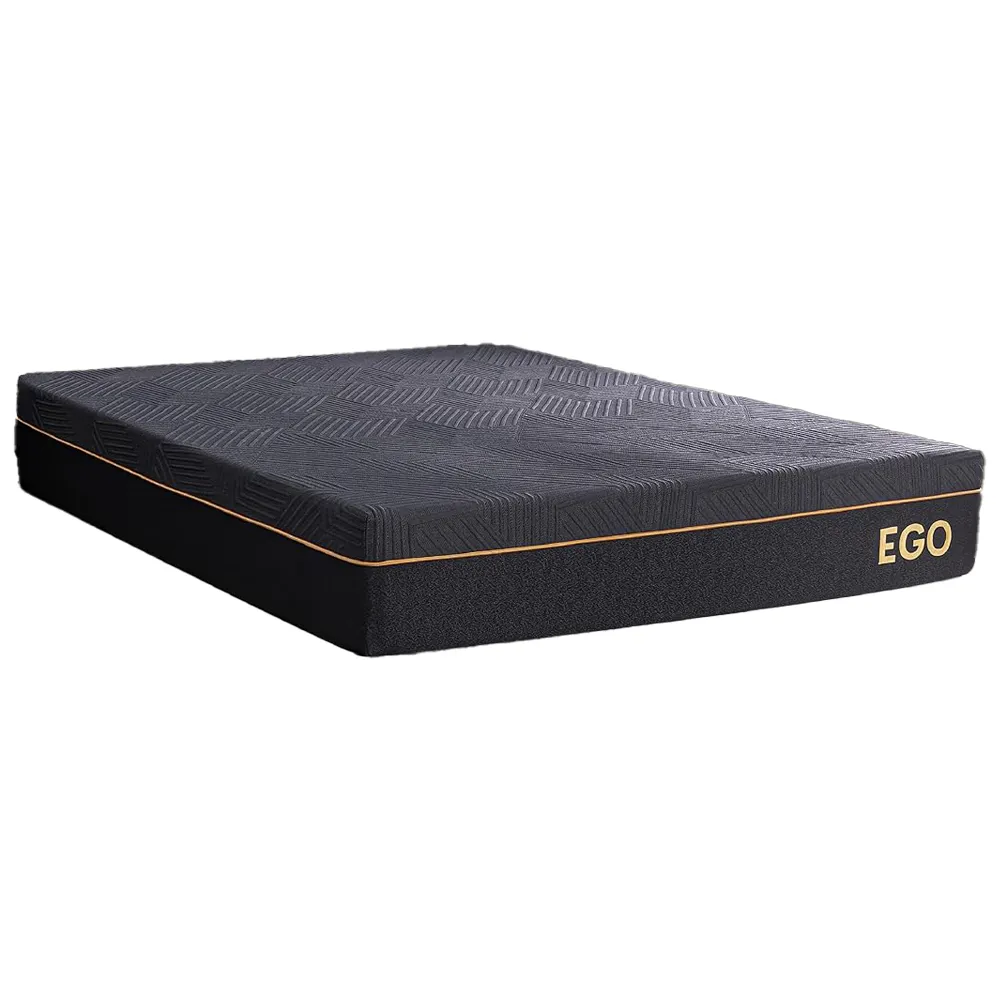
EGOHOME Black Memory Foam
The lead tester in our EGOHOME 12″ Black Memory Foam mattress review is notoriously fussy and even she was impressed with the pressure relief of this all-foam bed. It’s great for side sleepers. Like the Zinus, it does struggle with temperature regulation, so consider the EGOHOME 12″ Hybrid mattress as a breathable alternative. A queen will typically set you back around $369.99 at EGOHOME, but you can sometimes find a better price on Amazon.
In our Siena Memory Foam Mattress review, this all-foam bed bested the Zinus on several fronts — it sleeps cooler and has stronger edges, for instance — but the firm build means it better suits back and stomach sleepers. Side sleepers should stick with the Zinus. Otherwise, the Siena is fantastic quality for a cheap mattress, and it delivers exceptional support. In the year-round Siena mattress sale, a queen is $359, but also look for deals at the Siena Amazon store.
Nectar Premier Memory Foam
The Nectar Premier Memory Foam mattress is a significant step-up in price from the Zinus but if you’re looking for a durable all-foam bed with ample pressure relief, we think it’s worth the investment. It impressed the back and stomach sleepers in our Nectar Premier Memory Foam mattress review team and at $949 for a queen in the Nectar mattress sale, we think it’s a good value for the quality, even if it’s not as budget-friendly as the Zinus.
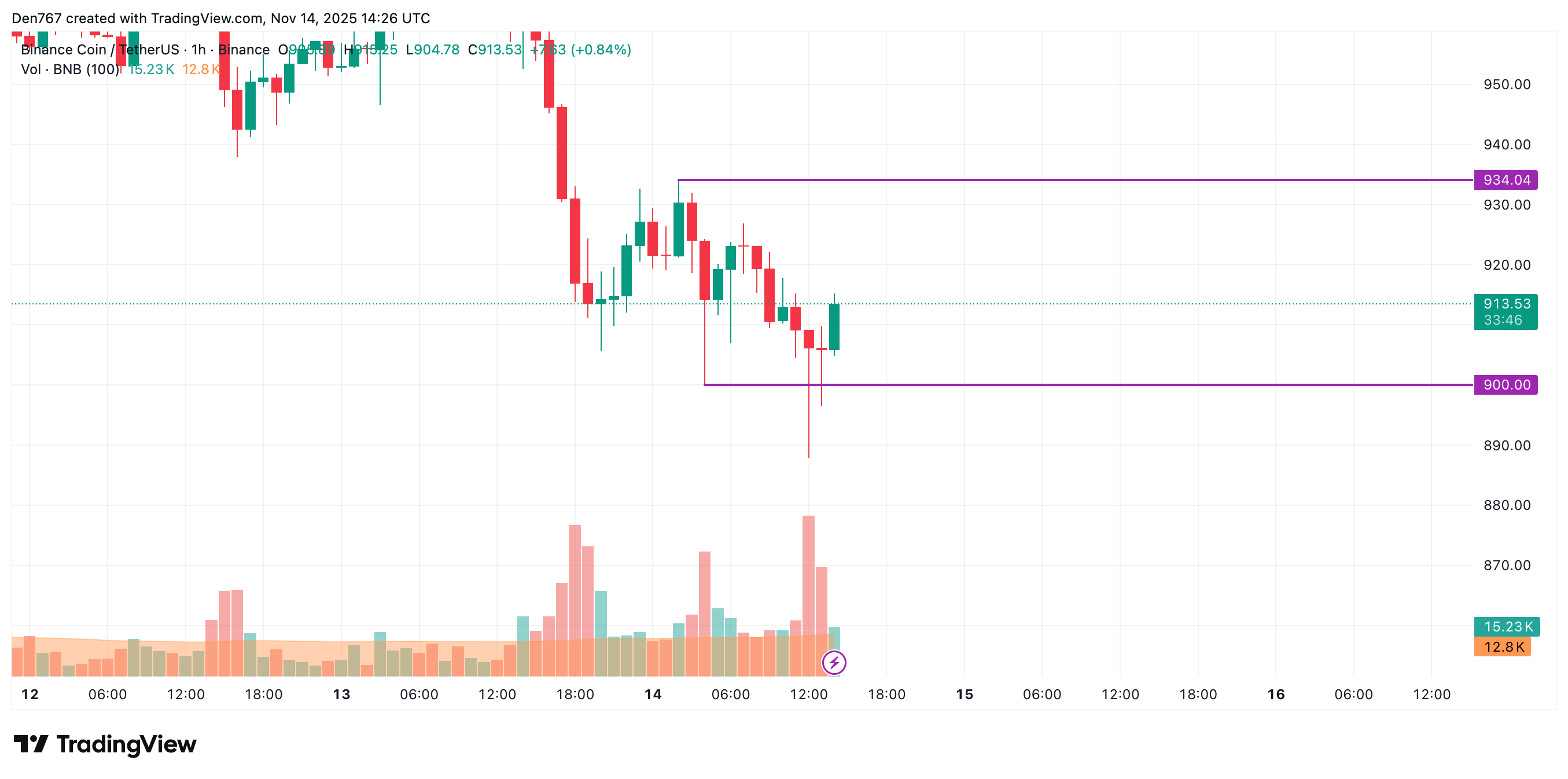
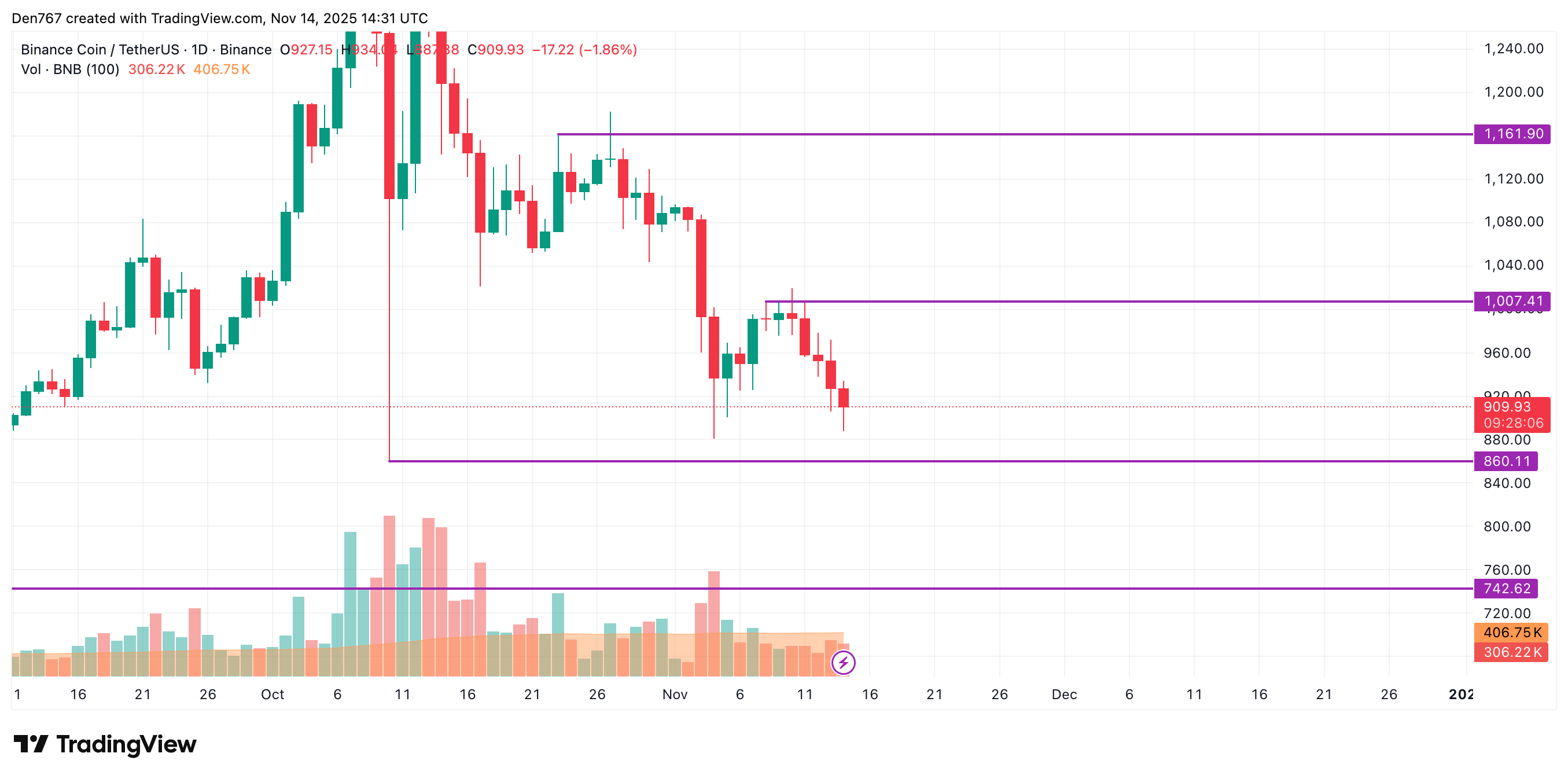
On the hourly chart, the price of BNB has made a false breakout of the local support of $900. However, one should focus on the daily bar’s closure in terms of that mark. If it happens far from that, traders may expect a bounce off to the resistance.
On the longer time frame, there are no reversal signals yet. The rate of the native exchange coin keeps going down after a false breakout of the $1,007 resistance.
You Might Also Like
However, if the daily candle closes far from its low, there is a chance to see local growth to the $950 range.
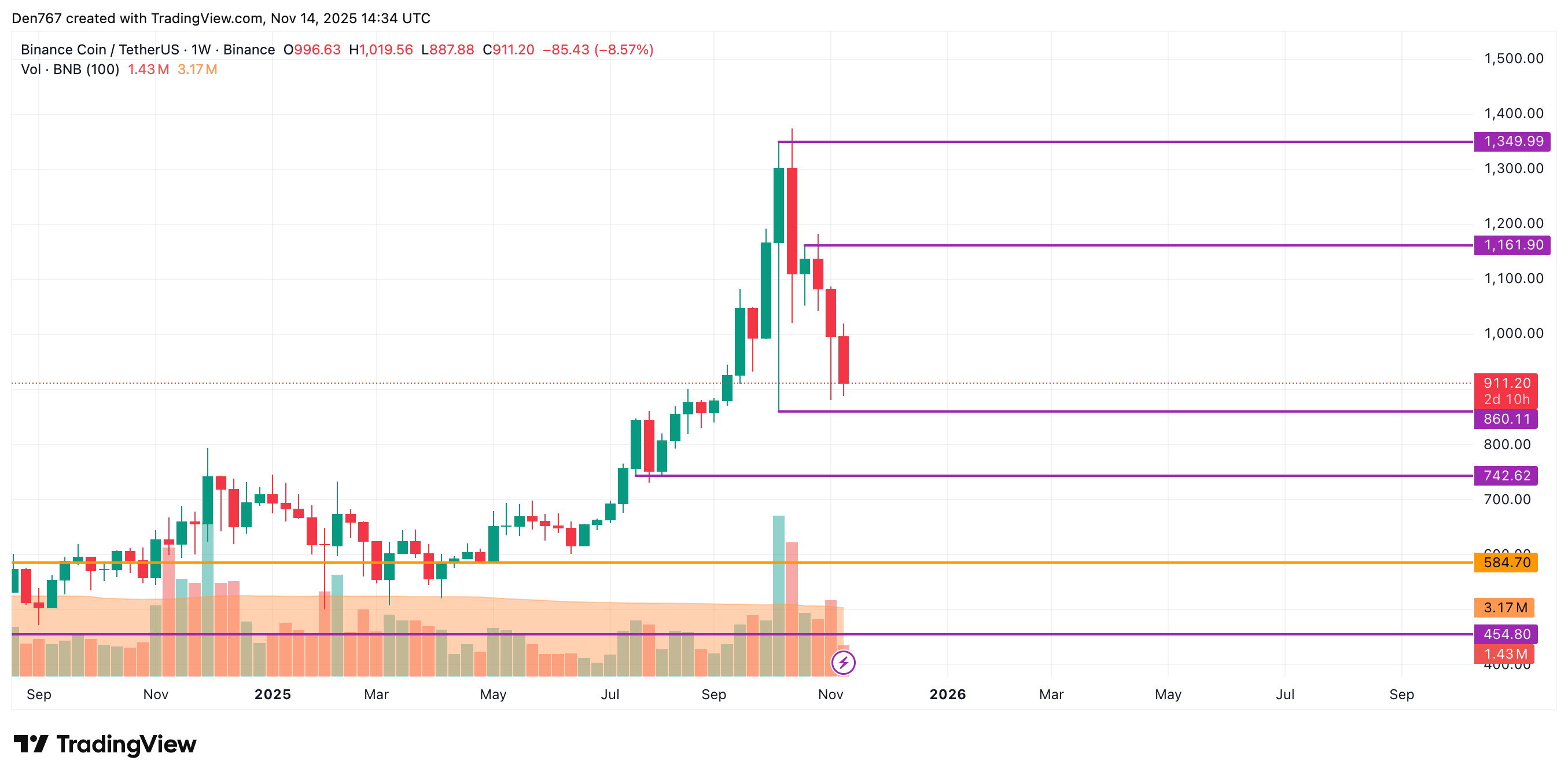
From the midterm point of view, the situation is similar. One should pay attention to the closest level of $860. If the bar closes below it, the decline is likely to continue to the $750-$800 range.
Pi Network has announced a bold new vision that could redefine its role in the cryptocurrency and Web3 landscape. What began as a mobile-first mining project is now evolving into a global gaming hub. With ambitions to become the “Steam of Web3,” Pi Network aims to create a decentralized ecosystem for gamers and developers. Backed by a community of over 70 million pioneers, the foundation for the future of Web3 gaming is already in place. This strategic shift highlights Pi’s commitment to building real utility and expanding beyond its origins as a digital currency.
Background on Pi Network
Founded with the mission of democratizing cryptocurrency, Pi Network allows users to mine coins directly from their mobile devices. This mobile-first approach lowered barriers to entry, enabling millions of people worldwide to participate in the digital economy. Over the years, Pi Network has grown into one of the largest grassroots crypto communities, with pioneers actively mining, building, and contributing to the ecosystem.
While Pi Network initially focused on mining and community building, its vision has expanded to include decentralized applications, governance mechanisms, and financial services. The latest announcement—transforming Pi into a Web3 gaming hub—marks a significant milestone in its evolution.
From Currency to Gaming Hub
Pi Network’s new vision positions it as more than just a cryptocurrency. By aspiring to become the “Steam of Web3,” Pi Network aims to create a platform where gamers and developers can interact, innovate, and thrive. Steam, the world’s largest digital distribution platform for PC gaming, serves as a model for Pi’s ambitions. However, Pi’s approach is rooted in decentralization, ensuring that control and value are distributed across the community.
This transformation expands Pi’s utility beyond financial transactions, integrating entertainment, creativity, and innovation into its ecosystem. By combining currency with gaming, Pi Network creates a unique value proposition that appeals to both crypto enthusiasts and gamers.
The Role of Developers
Developers are central to Pi Network’s vision of becoming a Web3 gaming hub. The platform empowers developers to create decentralized applications, launch tokens, and build games that leverage Pi Coin as a native asset. By providing tools and resources, Pi Network lowers barriers for developers, encouraging innovation and collaboration.
This developer-centric approach ensures that Pi’s ecosystem evolves organically, driven by creativity and community contributions. It also positions Pi Network as a platform capable of supporting diverse applications, from casual games to complex decentralized gaming economies.
The Power of Community
With over 70 million pioneers worldwide, Pi Network’s community provides a strong foundation for its gaming ambitions. Community engagement has always been central to Pi’s success, with pioneers mining Pi daily, inviting friends, and contributing to the ecosystem’s growth. The transition to a gaming hub adds a new dimension to community participation, enabling users to engage with games, support developers, and shape the future of the ecosystem.
The size and enthusiasm of Pi’s community give it a competitive advantage. Few projects in the crypto industry can match Pi’s grassroots support, making it uniquely positioned to succeed in the Web3 gaming space.
Decentralization and Gaming
Decentralization is a core principle of Pi Network’s vision. By building a decentralized gaming ecosystem, Pi ensures that control and value are distributed across the community rather than concentrated in centralized institutions. This approach empowers gamers and developers, giving them ownership of their assets and participation in governance.
Decentralization also enhances resilience. By distributing control across millions of users, Pi Network minimizes the risks associated with centralized failures or manipulation. This makes the gaming ecosystem more robust and adaptable to changing circumstances.
Professional Analysis
From a professional perspective, Pi Network’s vision of becoming the “Steam of Web3” is ambitious and transformative. By integrating gaming into its ecosystem, Pi expands its utility and appeal, attracting new users and developers. The combination of currency and gaming creates a unique value proposition that differentiates Pi from other crypto projects.
However, challenges remain. Pi Network must demonstrate real-world utility, establish liquidity, and secure partnerships with developers and gaming studios. The success of the project will depend on its ability to deliver tangible results and maintain transparency. The enthusiasm of the community is a powerful asset, but long-term success will require continued innovation and collaboration.
Implications for Web3 and DeFi
Pi Network’s gaming vision has significant implications for Web3 and decentralized finance. By integrating gaming with currency, Pi creates opportunities for DeFi applications such as in-game trading, lending, and staking. Gamers can use Pi Coin to purchase assets, participate in decentralized marketplaces, and engage in financial activities within the gaming ecosystem.
This integration enhances Pi’s credibility and positions it as a serious contender in the crypto industry. As developers and pioneers continue to build applications, Pi Network’s ecosystem will gain new functionalities that drive adoption and utility.
Building Real Utility
Beyond speculation, Pi Network is committed to building real utility. The gaming hub vision provides tangible use cases for Pi Coin, ensuring that its growth is driven by meaningful contributions rather than short-term speculation. By focusing on practical applications, Pi Network positions itself as a project capable of delivering lasting value to its community.
Real utility is essential for long-term sustainability. By integrating gaming into its ecosystem, Pi Network ensures that its growth is both inclusive and transformative, creating opportunities for users and developers worldwide.
📢From currency to a global gaming hub. Pi’s new vision is to become the “Steam of Web3,” creating a decentralized ecosystem for gamers & developers. With over 70 million Pioneers, the foundation for the future of Web3 gaming is already here🚀#PiNetwork#Web3pic.twitter.com/CgyEfos54I
As Pi Network continues to evolve, its vision of becoming the “Steam of Web3” becomes increasingly clear. By empowering developers, building real utility, and leveraging its massive community, Pi Network positions itself as a project capable of redefining the role of cryptocurrency in the digital economy.
The journey is far from over. Pi Network must continue to overcome challenges, deliver on its promises, and expand its ecosystem. However, the enthusiasm of its community and the strength of its vision provide a solid foundation for future success.
Conclusion
Pi Network’s new vision marks a monumental moment in its journey. By transforming from a currency into a global gaming hub, Pi Network positions itself as the “Steam of Web3.” With over 70 million pioneers worldwide, the foundation for the future of Web3 gaming is already in place. This vision underscores Pi’s commitment to inclusivity, innovation, and decentralization, ensuring that its growth is meaningful and sustainable.
As Pi Network prepares for its next milestones, the message is clear: Pi is real, its vision is intentional, and its future is now. With a massive community and a commitment to building real utility, Pi Network is poised to redefine the future of cryptocurrency and empower users to explore their freedom on a true decentralized platform.
hokanews.com – Not Just Crypto News. It’s Crypto Culture.
Writer
@Erlin Erlin is an experienced crypto writer who loves to explore the intersection of blockchain technology and financial markets. She regularly provides insights into the latest trends and innovations in the digital currency space.
The articles published on hokanews are intended to provide up-to-date information on various topics, including cryptocurrency and technology news. The content on our site is not intended as an invitation to buy, sell, or invest in any assets. We encourage readers to conduct their own research and evaluation before making any investment or financial decisions. hokanews is not responsible for any losses or damages that may arise from the use of information provided on this site. Investment decisions should be based on thorough research and advice from qualified financial advisors. Information on HokaNews may change without notice, and we do not guarantee the accuracy or completeness of the content published.