Green tea has been a wellness craze for quite some time now and with good reason. Waking up and having a cup of green tea to start your day can have several health benefits. It contains a high amount of antioxidants, which can help reduce inflammation throughout your body. Plus, green tea can help boost your metabolism and increase fat loss. In addition, it can help improve brain function, reduce heart disease and certain cancers and manage blood sugar levels. To get a better idea of green tea’s impact on people, Eat This, Not That spoke with people who drank the beverage twice a day for a week and noticed major changes. Here’s the surprising things people experienced.
Mental Clarity
Shutterstock
Dr. Lee S. Marcus, Board-Certified Cardiologist & Founder of Impact Health is used to long days and procedures, but suffered from energy crashes in the afternoon that affected patient consultations. To help regain focus, Dr. Marcus incorporated green tea into his diet and noticed several surprising changes. “Within three days, I noticed significantly sharper concentration during complex cardiac catheterizations,” he says. “The sustained mental energy lasted four to six hours without the typical mid-afternoon fog that used to hit around 2 PM..” Erinn Everhart, Licensed Marriage Family Therapist and owner of Every Heart Dreams Counseling in El Dorado Hills, CA also experienced a shift with her focus after drinking green tea. “I noticed sharper focus during EMDR therapy sessions with trauma clients,” she says. “My ability to track multiple emotional states and guide complex therapeutic processes felt more effortless.” Everhart adds, “This was surprising since I typically rely on coffee, but green tea provided sustained mental energy without the afternoon crash.”
Improved Sleep Quality
Shutterstock
Dr. Marcus was also able to sleep better at night thanks to his green tea routine. “Surprisingly, switching from coffee to green tea actually improved my sleep despite containing caffeine,” he says. “I was falling asleep faster and waking up more refreshed, which was crucial during those brutal call schedules.”
Green tea can work as a remedy for a plethora of health issues, including improved gut-brain connection, according to Everhart. “As someone who teaches clients about the mind-gut connection (I often recommend probiotics and dietary changes), I experienced how green tea’s antioxidants improved my digestive comfort,” she says. “My morning smoothie routine paired perfectly with green tea, and I felt more balanced throughout intense therapy days. The difference was noticeable enough that I started recommending it to clients struggling with anxiety.”
Reduced Inflammation Markers
Shutterstock
Green tea is known to reduce inflammation because its rich in antioxidants and Dr. Marcus saw an improvement with his markers in a short amount of time. “After six months of consistent green tea consumption, my own lab work showed a 15% drop in C-reactive protein levels,” he says. “As someone who screens patients for cardiovascular inflammation daily, seeing this biomarker improvement in myself was fascinating from both personal and professional perspectives.”
Improved Emotional Regulation
Shutterstock
Green tea can have a calming effect, which both Dr. Marcus and Everhart experienced. “The most unexpected change was feeling more emotionally centered when handling difficult cases involving family trauma,” Everhart explains. “Green tea seemed to provide a calming baseline that helped me maintain therapeutic presence during challenging DBT sessions with teens.” She adds, “I was less reactive to the emotional intensity that comes with integrated trauma work.” And for Dr. Marcus, green tea helped manage his stress. “The L-theanine seemed to blunt my stress response during emergency procedures,” he explains. “I felt more composed during high-pressure situations like treating acute heart attacks, where clear thinking literally saves lives.”6254a4d1642c605c54bf1cab17d50f1e
Heather Newgen
Heather Newgen has two decades of experience reporting and writing about health, fitness, entertainment and travel. Heather currently freelances for several publications. Read more about Heather
Cryptocurrencies are considered a high-risk asset class. Investing in them may result in the loss of part or all of your capital. The content on this website is intended solely for informational and educational use and should not be interpreted as financial or investment advice.
Solana has been on an upward trend since March 2025, and the 200-day moving average suggests a strong trend as well. And it looks close to breaking through and moving past its impressive performance earlier in the year. That leaves us leaning towards the upward trend in our Solana price prediction.
While Solana shows the potential of sustaining its trend, we do recommend diversifying your portfolio with new token releases. You can consider Bitcoin Hyper, Wall Street Pepe (SOL), and Maxi Doge, all of which have performed impressively in their early sales.
In this Solana price prediction guide, we will take you through our thoughts on Solana’s price performance. We will also cover the tokens we consider suitable alternatives if you want something newer and with short-term growth potential.
Scalability and low transaction fees are the major highlights of the Solana blockchain. And these have contributed significantly to the crypto’s growth and appeal among dApp developers. Even meme coin developers have found Solana more suitable for new token releases.
Solana had its first major bull run in 2021 when the token went from $26.89 in July 2021 to $249.06 on November 5, 2021. It was a period when the impressive transaction speeds and extremely low fees attracted a wave of new developers and projects. To many, the new blockchain was the ideal Ethereum killer. And with that, we got projects in decentralized finance (DeFi) and non-fungible tokens (NFTs). This wave also brought the launch of notable projects like Magic Eden and Raydium, both of which fueled on-chain activity for the blockchain and user adoption for the SOL token.
However, the blockchain didn’t have it easy in the following years. It dipped significantly between November 2021 and February 2022, losing over 60% of its November 2021 high. FTX’s subsequent collapse further added to the blockchain’s woes, as Sam Bankman-Fried, FTX’s founder, was a notable investor in the blockchain.
After struggling with a sideways market for much of 2022 and 2023, the SOL token became bullish again in 2024. It climbed back to $185 by April 4, 2024, but fell again into significant price swings and high volatility later on in the year.
Today, technical indicators show that Solana might be locked in for a strong long-term bullish trend. While not as striking as XRP, Solana remains one of the top long-term cryptos for 2025.
We also have the forecasted altcoin season, which will give even more prominence to cryptos like Solana. And with such attention, the crypto will likely maintain its bullish trend into next year.
Solana Price Prediction – 2025
Solana started 2025 on a strong note, reaching an all-time high of $262.56 on January 19, 2025. The price surge followed a strong market interest that began in December 2024. On-chain activity and Solana projects also exploded, especially in the real-world assets sector (RWA).
The cryptocurrency didn’t stay up for long, even as it reached a trading volume of over $25.5 billion. It lost over 50% of its value by February, with trading volume falling to a little above $3 billion. The fall continued to March, but the token looks to be on the attack again, as it has regained more than 50% of what it lost.
Recent news and social media discussions indicate that the current sentiment on the SOL coin is bullish. And the fear and greed index for the coin was neutral on the last day of August 2025.
Our Solana price prediction for 2025 places the crypto at a peak price of $224 by November. We expect the crypto to remain bullish, even with Bitcoin maintaining market dominance.
We might get slight market shocks within this period. But those will likely not be enough to cause any major Solana price swings.
Solana Price Prediction – 2026
Many investors have been impressed with the new Solana roadmap for 2027. The launch of the Solana REX-Osprey SOL + Staking ETF (SSK) was also successful, triggering rapid accumulation. These have been instrumental in Solana’s 2025 bullish trend and will continue to be even in 2026.
We expect the price to peak at $284 in 2026, but there might be slight dips early in the year. The altcoin season, when it happens, will also push Solana’s price and help the crypto recover from its initial dips. And we also expect the ETF boom to be instrumental in sustaining the demand for Solana.
Solana Price Prediction – 2030
Solana’s innovative edge will keep the crypto in the market. And by this time, we expect it to reach $400. However, the trend might be sideways, beginning in 2029.
Solana Price Prediction Table – 2025 to 2030
Year
High ($)
Low ($)
Average ($)
Percentage Increase (Maximum)
Percentage Increase (Minimum)
2025
225
122.48
173.74
83.70346179
0
2026
284
196.4
240.2
131.8745918
60.35271065
2027
302
223.4
262.7
146.5708687
82.39712606
2028
328
238.5
283.25
167.7988243
94.7256695
2029
360
254.7
307.35
193.9255389
107.9523187
2030
400
296.8
348.4
226.5839321
142.3252776
Top Alternatives to Solana
If you want to diversify from Solana, then the best tokens to consider are those in their presale stages. These tokens are generally more affordable and have potential for significant returns when they list on crypto exchanges.
Our top recommendations are as follows:
Bitcoin Hyper
Bitcoin Hyper is an innovative solution designed to address slow and costly transactions on the Bitcoin blockchain. It is a Layer 2 network that provides speedy and scalable transactions with BTC. And it does that using the Solana virtual machine for high throughput and scalability.
When sending BTC with the Bitcoin Hyper Layer 2 network, the platform will mint an equivalent amount of BTC on the Layer 2 network after verification. Then, when you withdraw, it will release the BTC back to the Bitcoin address.
You can buy Bitcoin Hyper today by participating in its presale. This way, you’ll get the $HYPER token for a lower price and also have the opportunity to stake the token for extra rewards.
Token Symbol
HYPER
Total Supply
21,000,000,000.
Network
ERC-20
Payment Methods
ETH, USDT, BNB
Wall Street Pepe (SOL)
The Wall Street Pepe (SOL) not only offers value via the token’s price movement but also offers trading benefits to the holders. If you buy it today, you’ll access the degen trading community, where you can get insights from other traders.
Note that the $WEPE token (SOL) differs from the Ethereum version. While the Ethereum version is live and trading on several exchanges, the SOL version is still in its presale. But if you want, you can swap the Ethereum version with the Solana version at a 1:1 price ratio.
Token Symbol
WEPE
Total Supply
200 billion
Network
Solana
Payment Methods
ETH, USDT, SOL
Maxi Doge
Maxi Doge offers a similar trading community to Wall Street Pepe. However, the token’s philosophy is more inclined towards high-leverage trading.
The Maxi Doge token features the famed Doge meme as its primary character. You can buy the Maxi Doge today from its official website using ETH, BNB, USDT, or USDC.
If you buy early, then you can stake your $MAXI tokens for extra rewards. Even better, you can stake the tokens after the presale as well.
Token Symbol
MAXI
Total Supply
150,240,000,000
Network
ERC-20
Payment Method
ETH, BNB, USDT, or USDC
What is Solana?
The Solana blockchain was designed to compete with Ethereum. And its scalability and speed turned out to be what developers needed for their dApps, DeFi, NFTs, and Web3 gaming.
With SOL as its native cryptocurrency, Solana has grown its architecture to address key problems other blockchains still face. These challenges include speed, scalability, security, and decentralization.
Solana’s proof of history approach remains revolutionary in the industry and is one of the many reasons the blockchain has achieved speedy transactions compared to others. Then, you also have the high throughput and low transaction fees, which are integral to its appeal.
When it comes to use cases, Solana’s reach is widespread. Its use cases include the following:
➡️ Decentralized finance: The Solana blockchain is a major platform for DeFi development. It hosts decentralized exchanges, lending platforms, and even yield farming. All these have contributed significantly to Solana’s on-chain activity, hence driving up the coin’s appeal.
➡️ Gaming and metaverse: Star Atlas and Aurory are among the notable games on the Solana blockchain. These games leverage the blockchain’s efficiency for in-game transactions and asset ownership. The blockchain also supports the development of dynamic NFTs that evolve with players.
➡️ Non-fungible tokens: When it comes to NFTs, Magic Eden and Tensor are some of the notable names you’ll hear in the space. And guess what these platforms are based on? The Solana blockchain. With the low cost of minting on the blockchain, we expect more NFT projects on Solana soon.
Is Solana a Good Investment?
One highlight of the Solana ecosystem is the efficient and low-cost architecture. These have made the platform one of the leading blockchains for projects that tokenize real-world assets. The RWA market represents over $230 billion of the general crypto market, making it one of the major growing sectors to invest in.
Besides its efficient and low-cost architecture, here are other reasons why Solana is a good investment:
➡️ Growing Institutional Interest
Solana has been at the center of institutional acquisitions in the past and in 2025. One of the most recent announcements came from Pantera, when the company announced plans to raise over $1.25 billion to acquire a Nasdaq-listed company and transform it into a Solana treasury. The company has also previously purchased Solana tokens in 2024, after raising significant capital to purchase the tokens from the FTX bankrupt estate.
You also have Franklin Templeton, a global investment firm that has been vocal about Solana. The company has also pushed for a spot Solana ETF. And yes, Solana is on its way to get approval from the SEC for a spot Solana ETF. Early reports suggest this approval will likely come in October. And when it does, you can expect Solana’s price to surge significantly.
➡️ Network Upgrades and Reliability
Past network outages have resulted in sharp drops in SOL’s price. One of the notable outages occurred in September 2021 when the network stalled under heavy loads.
The Solana team has taken proactive steps to ensure network reliability. One of these steps is the proposed “Alpenglow” consensus upgrade, which received a 99.6% approval rating on September 1, 2025. The solution, which was announced in May 2025, will increase Solana’s network resilience. It will also expand Solana’s use case to include Web2 technologies, as the new speed competes favorably with Web2.
Where to Buy SOL Tokens
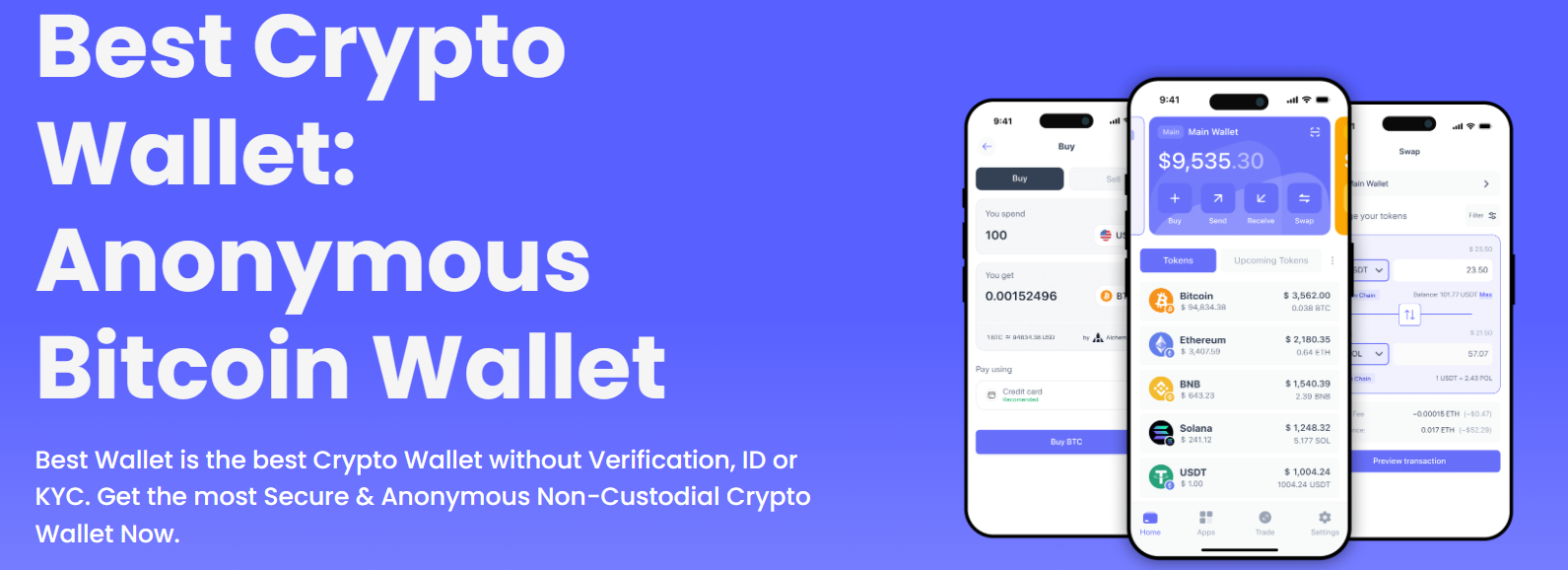
Solana debuted on major exchanges in 2020. Today, you can buy it via exchanges or wallets. You won’t go wrong with either approach. But if you want a solution where you can buy, store, and keep your private keys, then Best Wallet is worth checking out.
The Best Wallet app provides you with self-custody. It also gets you going without any KYC verifications, offering an anonymous experience if you need it. And did we forget to mention how effortless it is to set up your wallet?
How to Buy Solana on Best Wallet
Follow the steps below to buy Solana via Best Wallet:
➡️ Step 1: Download and set up your Best Wallet app. You simply need an active email and backup storage for your passphrase. With those, you can add 2FA and a biometric lock for extra security.
➡️ Step 2: Use the existing wallet, create a new multi-chain wallet, or import another one to your Best Wallet app.
➡️ Step 3: Buy Solana by going to the “Trade” section. Best Wallet will look for the best rates when you purchase the crypto.
➡️ Step 4: Select your preferred payment option. Best Wallet supports both crypto and fiat payment options.
Solana Price Prediction – Conclusion
Solana has the potential to reach $400 or even higher by 2030. It is one of the top blockchains for dApp, DeFi, NFT, and Web3 gaming developers. Hence, we forecast a bullish trend for the token throughout 2025 and even into 2026.
As for the top alternatives to buy, you can check out Bitcoin Hyper, Wall Street Pepe (SOL), and Maxi Doge. These tokens are still on their presales, as of this writing, and offer high short-term growth potential. But invest prudently, as the crypto market remains volatile.
FAQs
Can Solana reach $1000?
Yes, the token has the long-term potential to reach $1,000. We don’t see the token reaching that value any time soon with the current market trend.
Should I invest in Solana?
Yes, you can invest in Solana, as it is a grounded blockchain with long-term potential. But if you want short-term prospects, you can consider Bitcoin Hyper, Wall Street Pepe (SOL), and Maxi Doge.
NFT sales volume fell 8.53% to $129.6 million, driven by the broader crypto market weakness. Pudgy Penguins was the week’s top performer with a 63% growth, while CryptoPunks maintained its premium status with all top five individual sales. Ethereum led in sales volume with $54.5 million, a 8.24% drop from the previous week. Market participation surged with NFT buyers increasing by 18.06% and sellers by 17.05%.
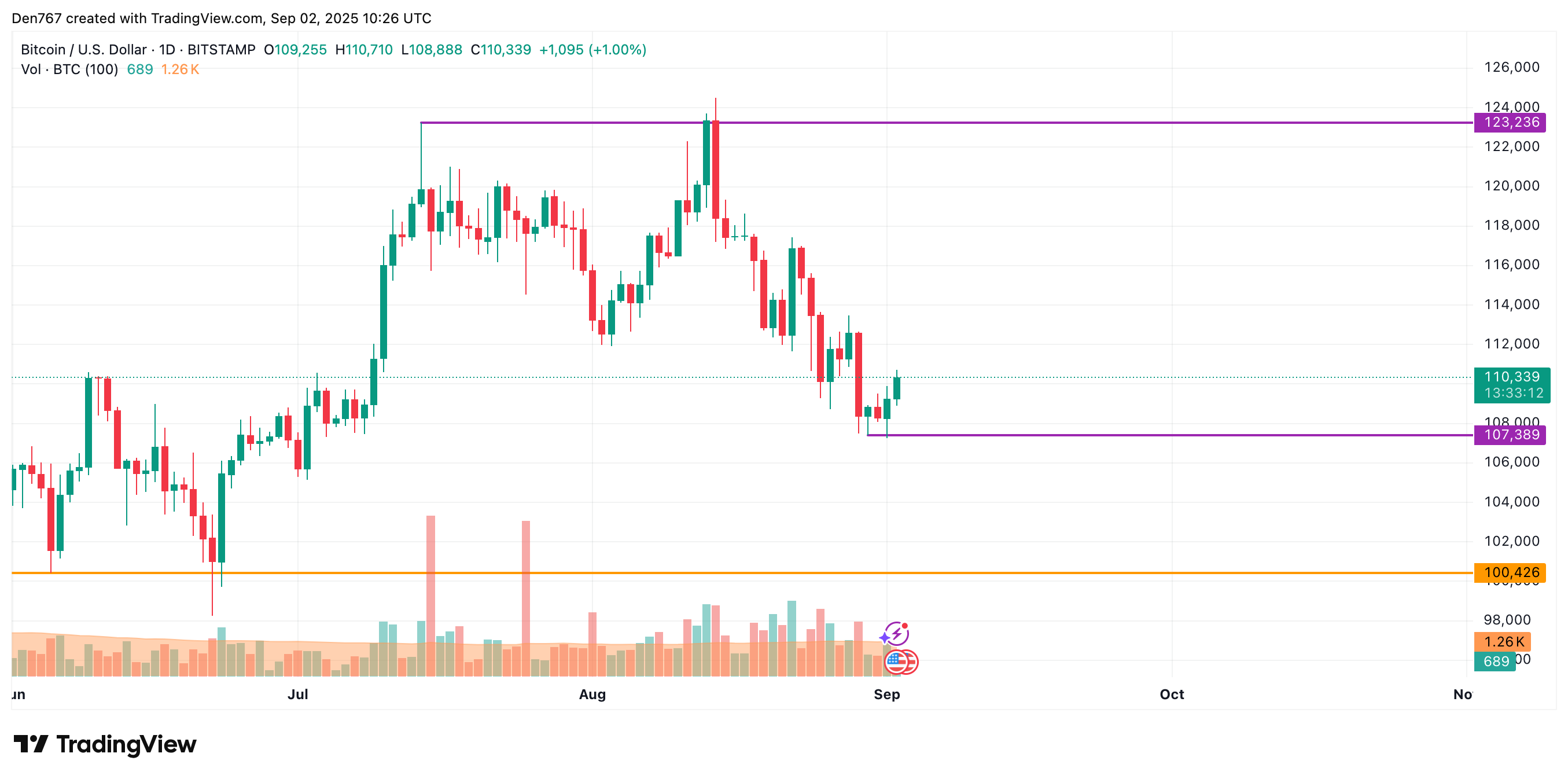
The non-fungible token (NFT) market has experienced a notable decline in sales volume, falling by 8.53% to $129.6 million, according to the latest data from CryptoSlam [1]. This downturn can be attributed to the broader weakness in the crypto market, with Bitcoin (BTC) and Ethereum (ETH) prices dropping to $108,000 and $4,300, respectively [1].
Despite the overall slump, Pudgy Penguins emerged as the top performer with a 63% growth in sales, reaching $5.2 million [1]. CryptoPunks, on the other hand, maintained its premium status, with all top five individual sales, including CryptoPunks #4619 sold for 96 ETH ($446,764) [1]. Ethereum remained the dominant force in the NFT market, recording $54.5 million in sales, a decrease of 8.24% from the previous week [1].
Market participation surged significantly, with NFT buyers increasing by 18.06% to 541,831 and sellers rising by 17.05% to 385,179 [1]. This indicates a growing interest in the NFT ecosystem, despite the overall market conditions.
Polygon (POL) saw a notable surge in sales, with a 16.12% increase to $18.9 million, while BNB Chain (BNB) dropped to third place with $13.4 million, a 34.77% decline [1]. Other notable performers include Mythos Chain, which saw a 4.71% increase to $10.2 million, and Bitcoin, which declined by 30.28% to $7.7 million [1].
The competitive NFT landscape highlights blockchain specialization, with emerging chains like BNB Chain and Mythos gaining momentum [2]. Ethereum’s continued dominance underscores its role as the primary hub for high-value NFTs, while other chains are carving out niche markets in gaming, sports, and collectibles [2].
The growth of NFT sales across multiple platforms signals a maturing market, with each blockchain vying for a share of liquidity, user engagement, and specialized applications [2]. Despite the current market conditions, the NFT market shows resilience and potential for growth in the long term.
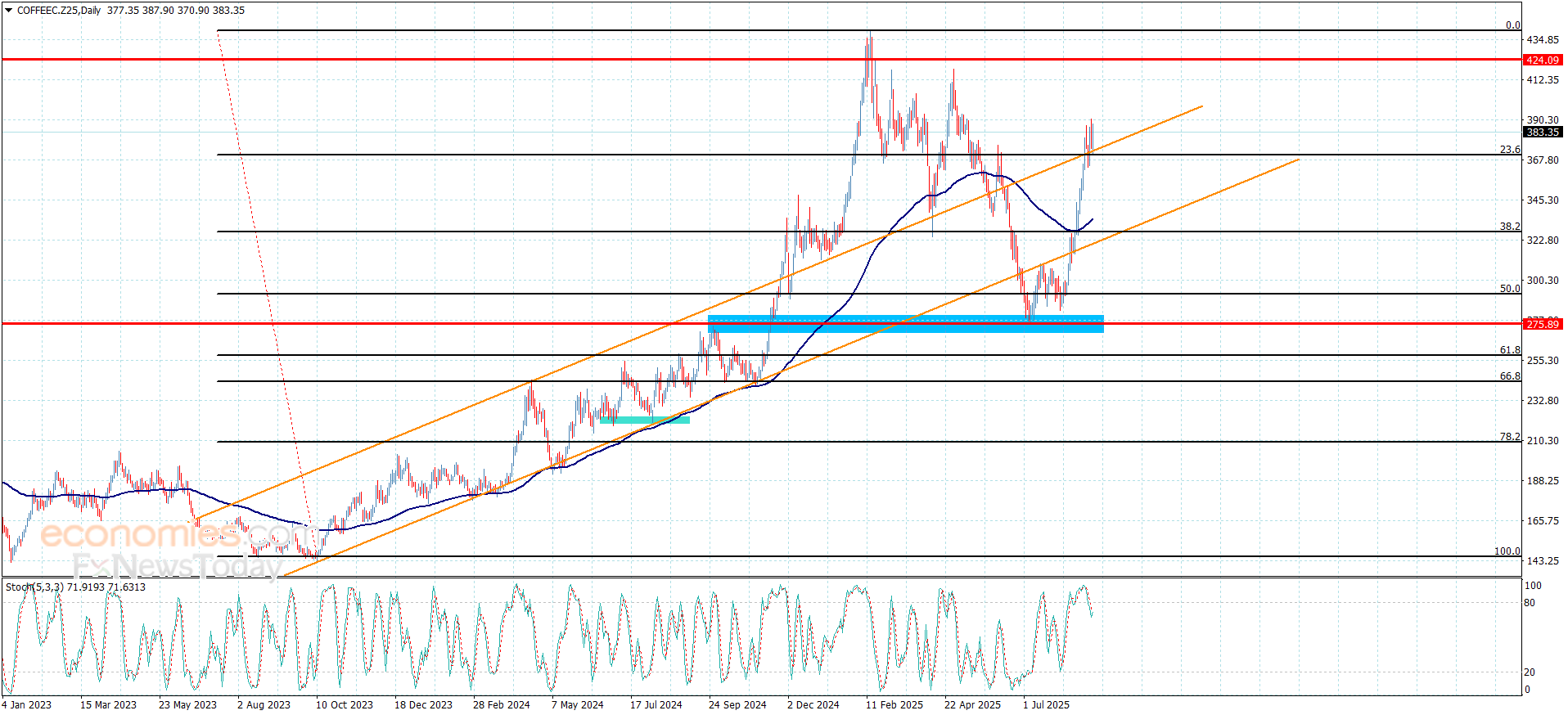
The coffee price ended its last bullish rally by surpassing the barrier at 370.60, confirming its move to a new positive station by recording 390.30 level, which forces it to form some sideways trading due to stochastic exit from the overbought level as appears in the above image.
Therefore, we will keep waiting for the positive momentum, which allows it to settle above 370.00 level, then begin targeting extra positive stations by reaching 400.55 and 411.20.
The expected trading range for today is between 375.00 and 400.00
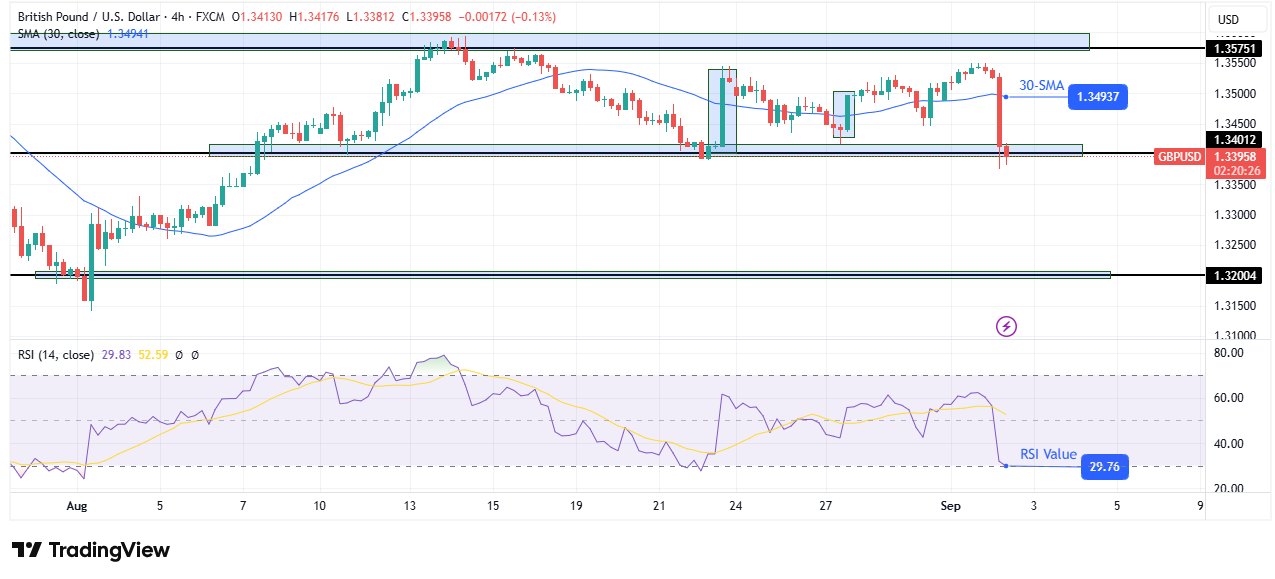
The GBP/USD price analysis indicates escalating concerns about the UK’s fiscal health.
The UK 30-year yield rose to its highest point since May 1998.
The US will release its non-farm payrolls report on Friday, providing an update on the state of the labor market.
The GBP/USD price analysis indicates escalating concerns about the UK’s fiscal health, which is weighing on bonds and the pound. Meanwhile, traders are gearing up for the crucial US monthly employment report, which will shape the outlook for Fed rate cuts.
–Are you interested in learning more about forex indicators? Check our detailed guide-
The UK 30-year yield rose to its highest point since May 1998 amid worries about UK finances. As a result, the pound collapsed. The government has to balance heavy borrowing, a weak economy, and high inflation. However, investors have lost some confidence. Therefore, sterling could face a lot of downward pressure ahead of the next budget reading.
“While a repricing of Bank of England expectations had helped sterling last month, the UK is going to be vulnerable to fiscal risks as the autumn budget approaches, which is likely to remain a headwind for sterling,” said Rabobank’s head of FX strategy, Jane Foley.
Elsewhere, the US will release its nonfarm payrolls report on Friday, showing the state of the labor market. Further weakness could revive bets for a 50-bps cut. On the other hand, if the sector is resilient, rate cut expectations will ease.
GBP/USD key events today
GBP/USD technical price analysis: Bears challenge the 1.3401 support
GBP/USD 4-hour chart
On the technical side, the GBP/USD price has collapsed and is on the verge of breaking below the 1.3401 key support level. It trades well below the 30-SMA, showing bears are in the lead. At the same time, the RSI has dipped into the oversold region, indicating solid bearish momentum. Bears took over after bulls failed to continue the previous rally.
Although price action showed solid bullish momentum, the price remained in a corrective move, chopping through the 30-SMA. Bulls struggled to detach from the SMA and retest the 1.3575 key resistance level. As a result, bears returned and made an impulsive move below the SMA.
A break below the 1.3401 support would solidify the bearish bias. Moreover, it would allow GBP/USD to retest the 1.3200 support level. On the other hand, if the support holds firm, bulls will return to target the 1.3575 resistance level.
Looking to trade forex now? Invest at eToro!
68% of retail investor accounts lose money when trading CFDs with this provider. You should consider whether you can afford to take the high risk of losing your money.
All those hours in the gym aren’t going to help you reach full potential if you’re not fueling your body correctly in the kitchen. Some athletes even turn to supplements, such as CLA or carnitine, to give their bodies an extra boost toward increasing strength while decreasing body fat.
Despite some of the marketing claims, performance-boosting supplements aren’t always what they’re hailed to be. Before you go recovering from your latest workout with powder from a giant tub, consider whether that supplement is really beneficial or even necessary, and what the experts would advise you to do instead.
What Is Carnitine?
An amino acid that plays a critical role in energy production, carnitine carries long-chain fatty acids to the mitochondria, so they can produce energy, and it carries away toxic compounds to stop them from accumulating.
Your body produces carnitine naturally. The kidney and liver make it from two amino acids, lysine and methionine, so most people do not need to consume carnitine from food sources or supplements; however, those with genetic or medical conditions that cannot make enough will need to consume carnitine as an essential nutrient.
Because of its role in increasing fatty acid oxidation, carnitine has been marketed as a supplement, but the National Institutes of Health Office of Dietary Supplements notes that research has found only “possible modest reduction in body weight” from taking carnitine.
There are no safety concerns reported for up to 2 grams a day for one year or 4 grams a day for 56 days, but reported adverse effects include nausea, vomiting, diarrhea, abdominal cramps and a “fishy” body odor.
Carnitine is found mostly in animal products: meat, fish, poultry and milk. Red meat is the best source, as a 4-ounce serving of beef contains 56 to 62 milligrams of carnitine, and 4 ounces of ground beef has 87 to 99 milligrams. The same weight of codfish has 4 to 7 milligrams, and chicken breast has 3 to 5 milligrams.
By contrast, plant-based sources have very little carnitine. Two slices of whole-wheat bread have only 0.2 milligrams and a half-cup of asparagus has 0.1 milligrams.
Carnitine is also available as an over-the-counter dietary supplement that may be effective for athletes. In a December 2018 study published in the Journal of Exercise Nutrition & Biochemistry, a group of 25 male subjects took either carnitine or a placebo for nine weeks in combination with strength training. After nine weeks, the men who took carnitine had increased strength and antioxidant capacity, and the study concluded that carnitine may enhance athletic performance.
What Is CLA?
Like carnitine, CLA (conjugated linoleic acids) can be consumed as a supplement to aid weight loss and muscle gain, but studies on its effectiveness are mixed. CLA is a chain of fatty acids found in the digestive systems of cows, goats, sheep and buffalo.
In the human diet, these fatty acids are often consumed via beef or dairy products. According to the National Institutes of Health Office of Dietary Supplements, CLA plays an important role in promoting lipolysis, reducing lipogenesis and promoting apoptosis in fat tissue. In other words, CLA helps break down body fat, stops energy from being converted to body fat, and kills cells in fat tissue.
CLA is sold over the counter in the United States under the trade names CLA-80 and Tonalin, and although these are marketed as weight-loss products, the Memorial Sloan Kettering Cancer Center emphasizes that clinical trials examining these claims show mixed results.
A review published in the Journal of the International Society of Sports Nutrition in September 2015 looked at 16 studies between the years 2010 and 2015 and found that nine of the studies showed no benefits to CLA. In the instances where CLA was seen to have positive association with improved body composition, it was taken in conjunction with physical activity.
However, CLA isn’t considered unsafe, according to the National Institutes of Health Office of Dietary Supplements, which reports few safety concerns with a dose of 2.4 to 6 grams a day for 12 months. Like carnitine, the side effects of CLA include abdominal pain and diarrhea. Other reported side effects are constipation, loose stools, dyspepsia and possible adverse effects on blood lipids and glucose homeostasis.
Read more: The Best Pre-Workout Foods and the Science of Why They Work
Best Supplements for Cutting
After a period of gaining weight by strength training, many athletes attempt to get lean through a period of cutting. In the case of bodybuilders, such as those examined in a May 2014 study published in the Journal of the International Society of Sports Nutrition, they will use evidence-based nutrition and supplementation to drop fat and water weight in preparation for looking their best at competitions.
CLA and carnitine were not included among the list of evidence-based best supplements for cutting. Instead, the study looked at diet manipulation along with supplementation of creatine, beta-alanine, branched chain amino acids, arginine, citrulline malate, glutamine and caffeine.
These were all examined for effectiveness as part of a cutting supplement stack, a term used by bodybuilders and strength trainers to describe supplements for muscle growth and fat loss. Results on their effectiveness, per the journal’s review, are all mixed.
Instead of using supplements, athletes should turn to good nutrition through a well-rounded diet to enhance athletic performance for optimum health. Contrary to popular belief, an athlete’s ideal diet should not be extremely different from that of another healthy person.
Special considerations are the type of sport, the amount of training and the amount of time spent training. A high-protein diet is not one that will necessarily promote muscle growth, and athletes — even bodybuilders — don’t need excess protein for muscle growth.
A healthy diet is one that has carbohydrates, fluids, protein, iron, vitamins and other minerals, and one that doesn’t promote losing weight too quickly or preventing weight gain in an unnatural way.
Read more: 7-Day Restart Guide: How to Get Your Diet Back on Track in One Week
Instead of consuming excess amounts of certain amino acids or fatty acids, focus on getting plenty of nutrients from whole food sources. The Dietary Guidelines for Americans, 2015-2020, published by the U.S. Department of Health and Human Services and the U.S. Department of Agriculture, emphasizes that nutritional needs should be met primarily from food sources.
In some cases, however, dietary supplements may be useful in providing nutrients that are consumed in lower amounts than those that are recommended.
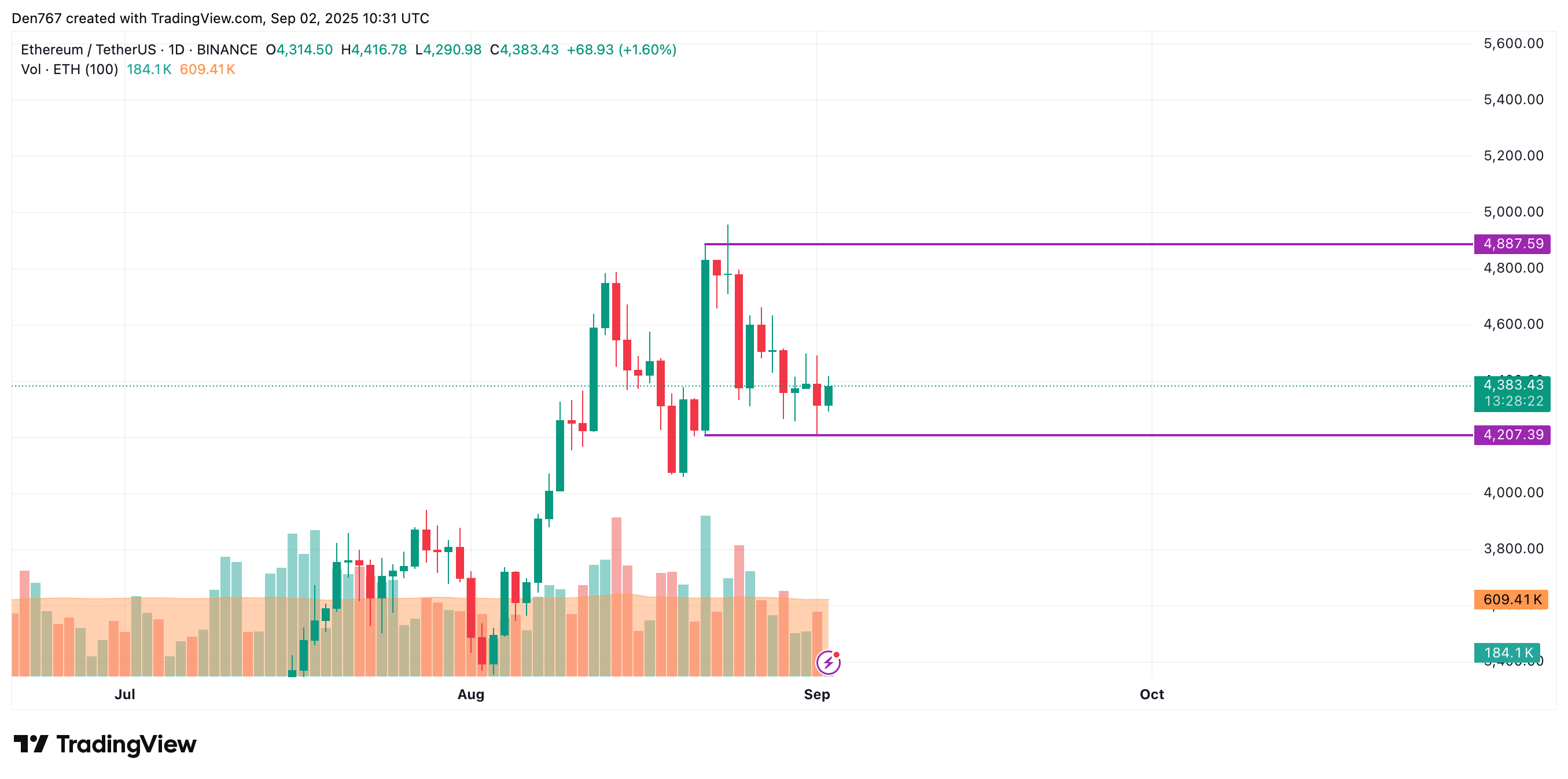
The price of ETH is within yesterday’s bar, which means neither side is dominating. The volume is low, confirming the absence of buyers’ and sellers’ energy. In this case, sideways trading around the current prices is the more likely scenario.
Ethereum is trading at $4,383 at press time.
XRP/USD
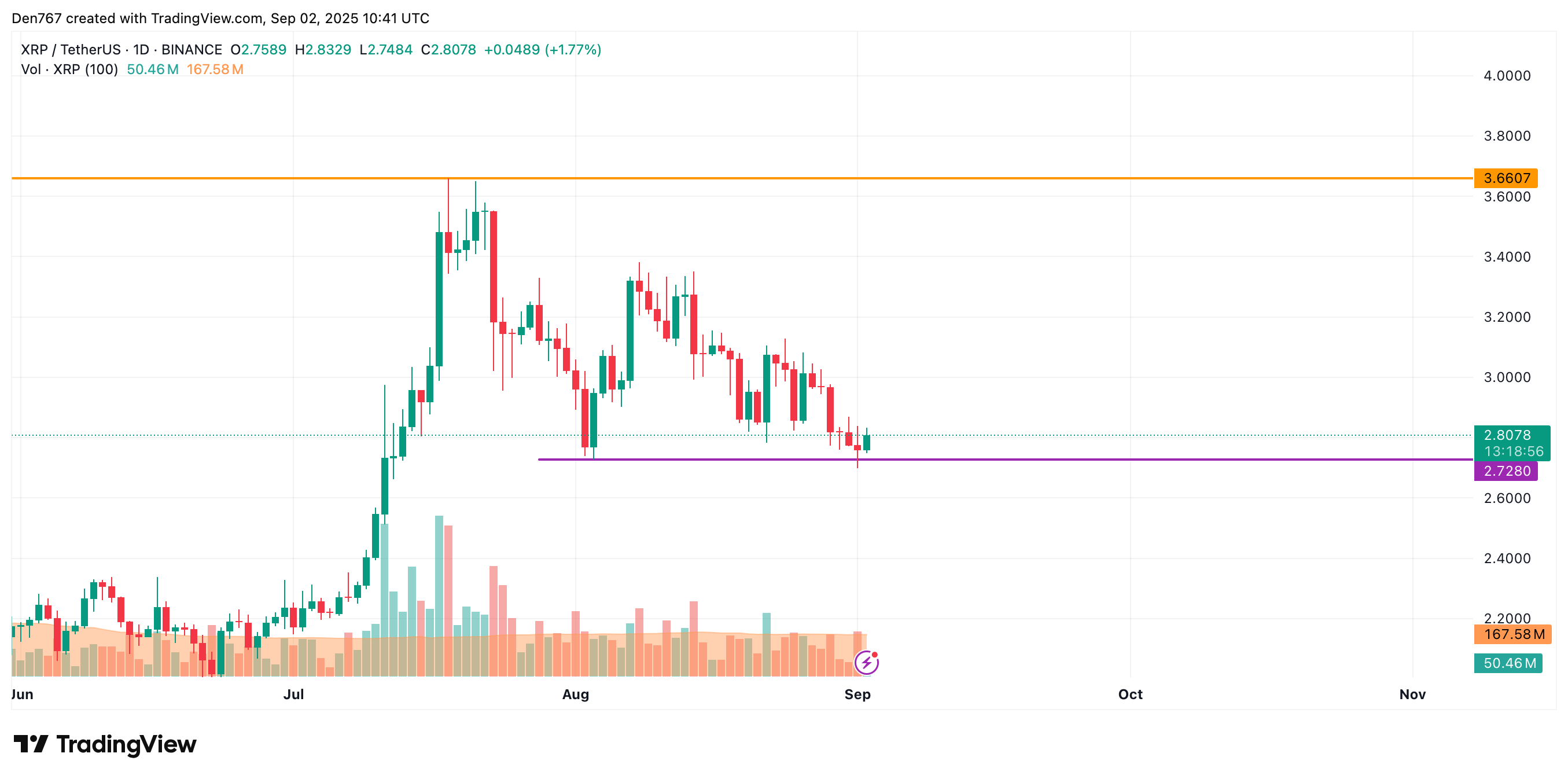
The rate of XRP has almost not changed over the last 24 hours.
On the daily time frame, the price of XRP is going up after a bounce back from the support of $2.7280. However, buyers might need more time to accumulate energy for a further move. In this regard, consolidation in the range of $2.80-$2.90 is the more likely scenario until the end of the week.
XRP is trading at $2.8078 at press time.
ADA/USD
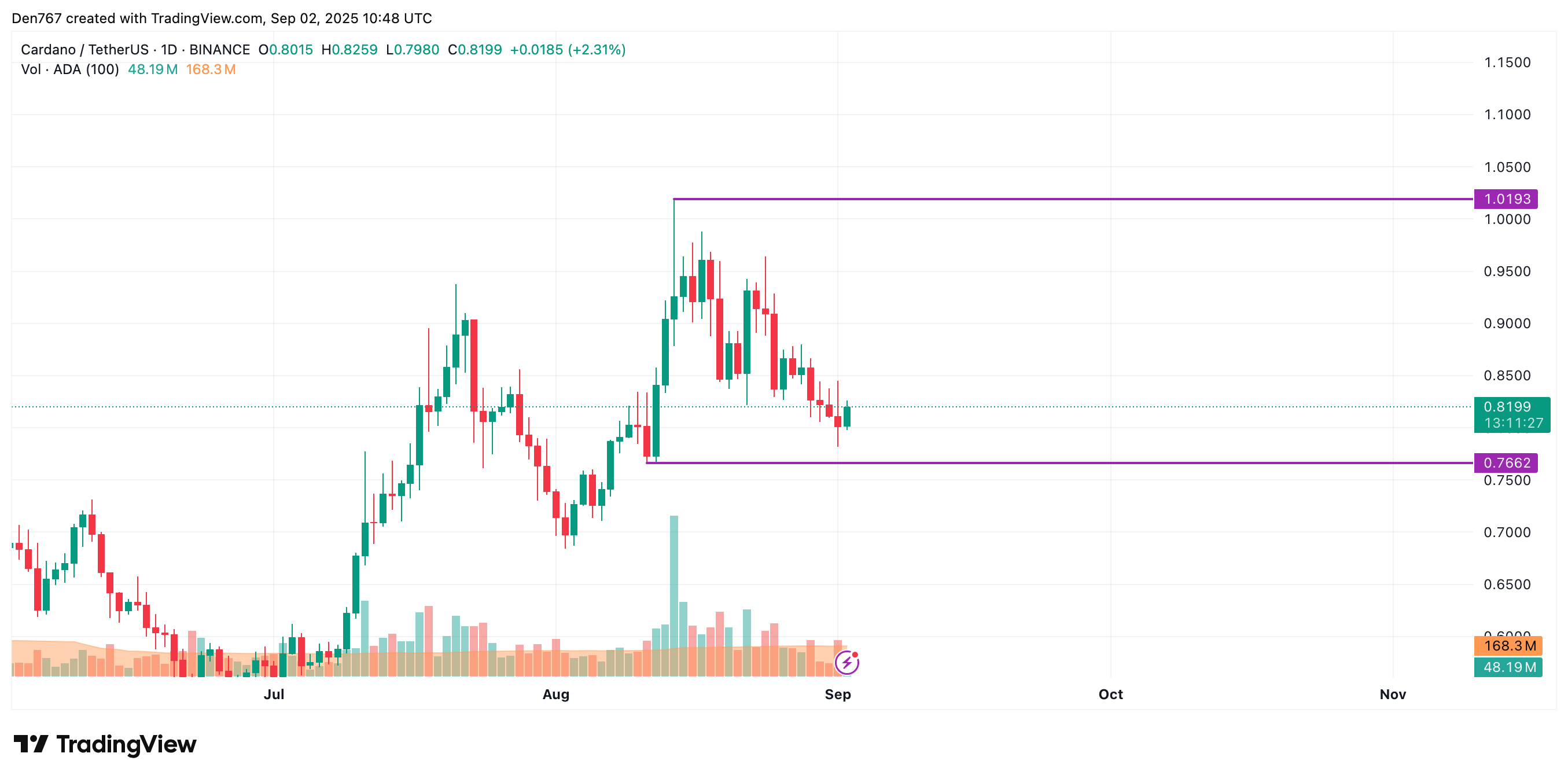
The price of Cardano (ADA) has declined by 1.66% over the past day.
The situation is neither bullish nor bearish on the daily chart. The rate of ADA is within yesterday’s candle, which means neither buyers nor sellers are controlling the situation on the market. Such a statement is also confirmed by the falling volume. All in all, traders are unlikely to witness sharp moves over the next few days.
ADA is trading at $0.8199 at press time.
BNB/USD
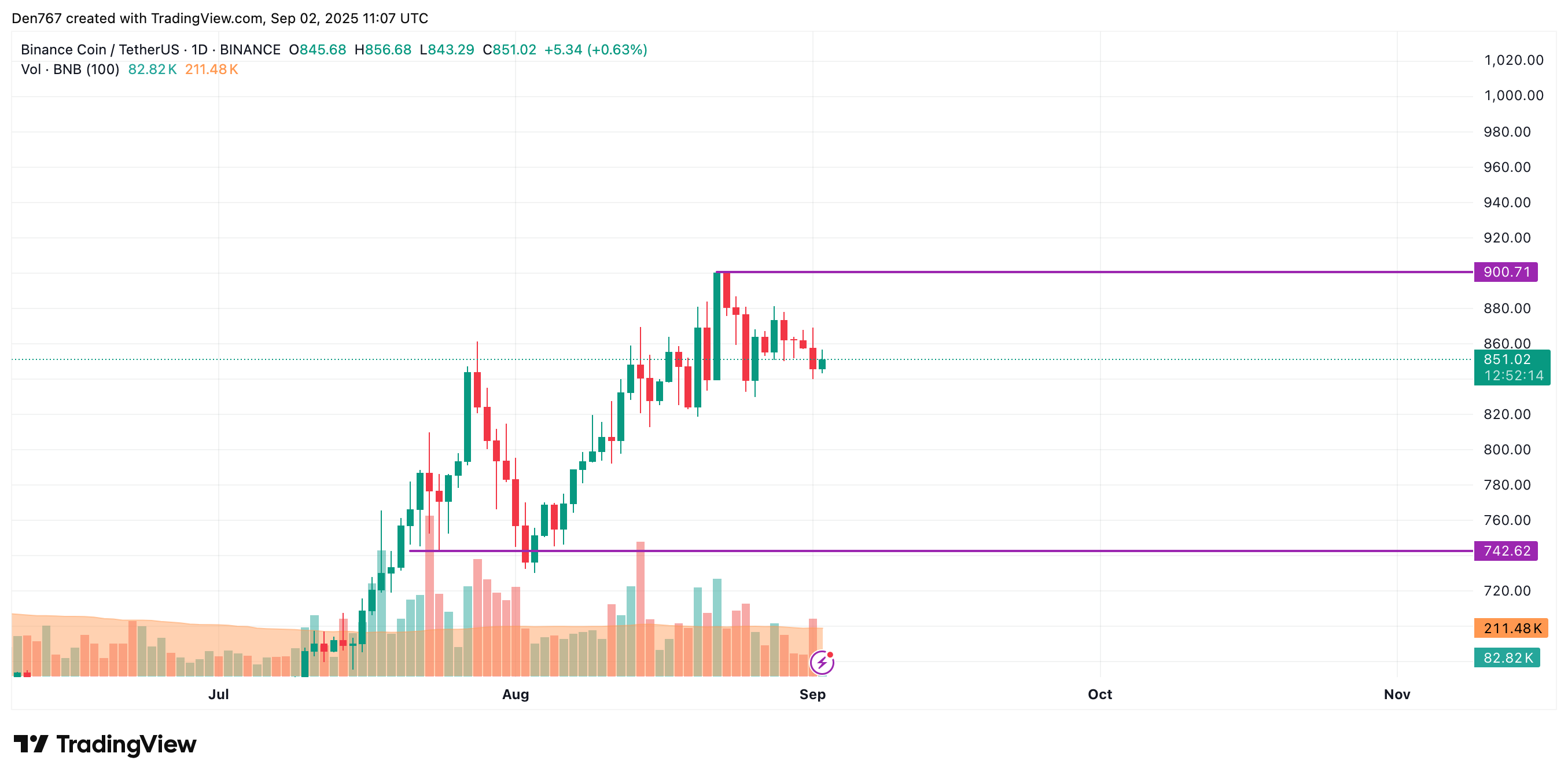
The rate of Binance Coin (BNB) has dropped by 0.84% since yesterday.
On the daily time frame, the price of the native exchange coin is far from the main levels. The volume is low, which means neither side has enough strength for a sharp move. In this case, sideways trading in the narrow range of $840-$860 is the more likely scenario.
BNB is trading at $851 at press time.
SOL/USD
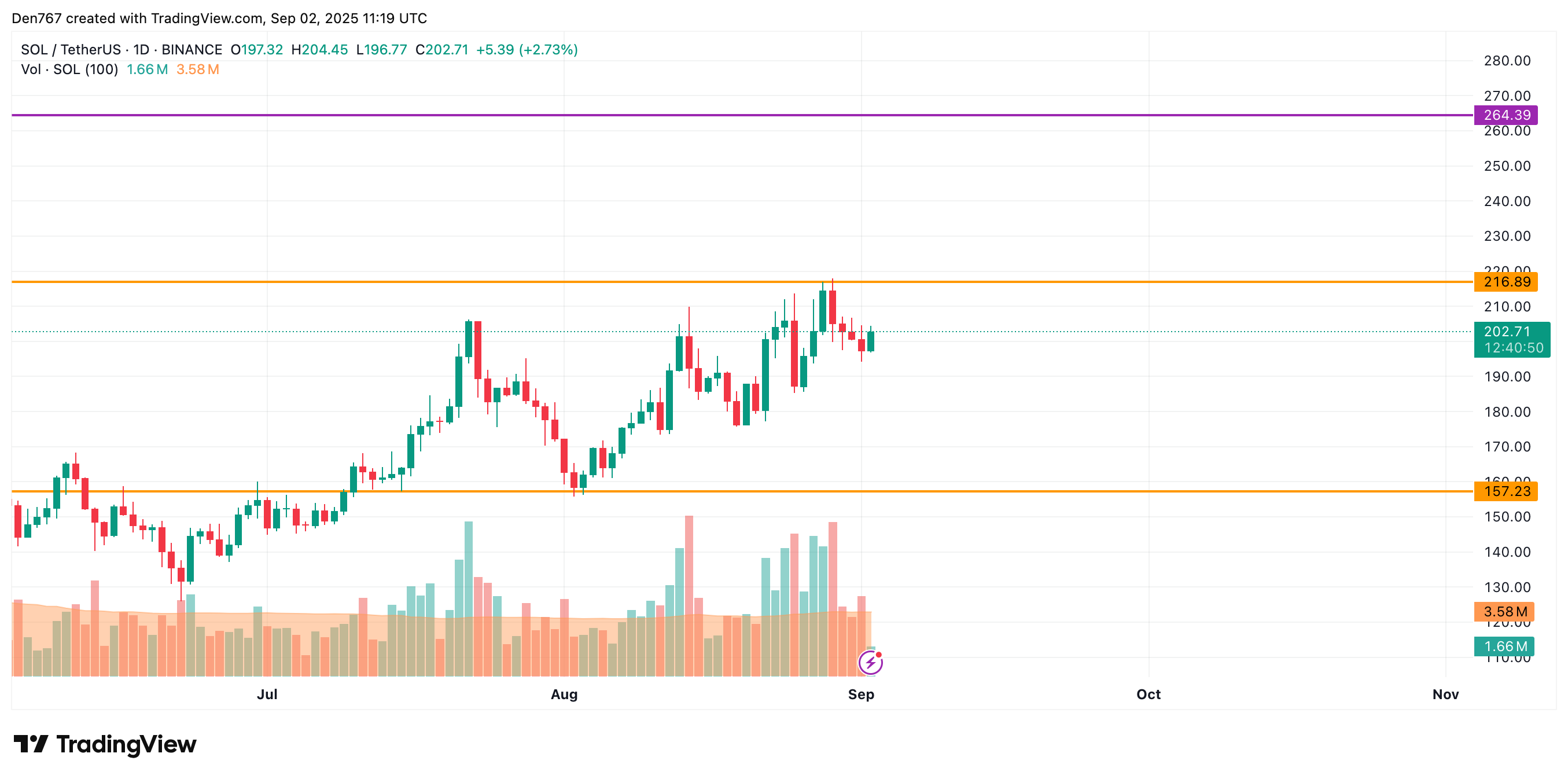
Solana (SOL) has gained the most value today, rising by 1.37%.
From the technical point of view, neither side is dominating. In this case, traders should focus on the nearest zone of $200. While the rate is above that mark, there is a chance to see an upward move. However, if buyers lose it, the correction may continue to the $190 mark.
Andrea Gilats was completely devastated when she lost Tom, her husband of 20 years, to cancer. For two years she wrote him daily letters. But as months turned to years, her overwhelming sorrow didn’t fade as expected. Instead, it consumed her life for nearly a decade.
“I felt that my world had broken apart. I couldn’t imagine a future without him, and simply getting through each day felt like climbing Mount Everest,” said Gilats, author of After Effects, a memoir about her grief experience. “I felt like a robot as I lived day after day with no relief from this intense emotional pain.” Gilats lost a third of her body weight because she couldn’t stomach eating.
What she didn’t know then was that she was experiencing complicated grief, or what experts now call prolonged grief disorder (PGD), a recently recognized mental health condition that affects up to 7 out of 10 bereaved people.
What is prolonged grief?
We all grieve when we lose someone we love. It’s one of the most universal human experiences, and for most people, grief gradually softens over time. But for some, like Gilats, the pain persists and becomes debilitating.
Prolonged grief disorder, or complicated grief disorder, is characterized by intense yearning for the deceased person, preoccupation with thoughts of them and significant functional impairment. People with prolonged grief may experience identity disruption, feeling as though part of themselves has died. They often feel stuck, unable to imagine how to live their life without their loved one.
“If you met someone with prolonged grief three, four or five years after a loved one had died and you met someone three months after a loved one died, it’s very possible that you wouldn’t be able to tell the difference,” explained Katherine Shear, Ph.D., professor of psychiatry and founding director of Columbia University’s Center for Prolonged Grief.
Unlike typical grief, which naturally evolves over time, prolonged grief keeps people stuck, preventing them from adapting to their loss. “It’s persistence of grief, intense, preoccupying, impairing, grief,” Shear said.
PGD wasofficially added to the Diagnostic and Statistical Manual of Mental Disorders in March 2022, giving validation to millions who suffer from this condition. For adults, the diagnosis requires that at least a year has passed since the death, while for children and adolescents, it’s six months.
It’s important to understand that prolonged grief is not the same as depression, though they can occur together. Depression involves losing the ability to experience any positive emotions. In contrast, people with prolonged grief can still feel joy when talking about their deceased loved one or recalling positive memories — the problem is that everything centers on the absence of that person.
“There is sadness, but it’s mostly the yearning and longing and preoccupying thoughts and memories of the person who died,” Shear said. This distinction is crucial because it affects treatment approaches.
Who’s most at risk for complicated grief?
Shear’s research identified several risk factors that can make someone more vulnerable to prolonged grief. Factors include a history of mental health disorders, particularly mood and anxiety disorders, she said.
Additionally, your relationship with the loved one who died may also play a role in whether you experience prolonged grief. “When you’ve had a really positive relationship with the person who died, and especially if it’s very unique, if it’s the one person in the world that you were really truly close to, that makes it really harder,” Shear said. Parents who lose children and spouses who lose partners are among the most vulnerable.
Circumstances of the death also matter. Sudden, unexpected deaths, particularly those involving violence, trauma or young people, are more likely to lead to prolonged grief. Research indicates that nearly half of those bereaved by unnatural deaths, including accidents, suicides, homicides and disasters, may develop PGD.
Shear also identifies previous trauma as an additional risk factor for developing prolonged grief, noting that people who have had a prior trauma or childhood trauma face elevated risk. This connection becomes particularly concerning when examining trauma exposure disparities.
Research consistently shows that Black youth and adults experience higher rates of trauma exposure and PTSD than their white counterparts. And studies reveal that more Hispanic and non-Hispanic Black adolescents experience mood disorders and exposure to multiple types of violence over their lifetimes compared to non-Hispanic whites.
These disparities stem from systemic factors, including structural racism, inequitable housing policies and what researchers term“racial trauma,” the mental and emotional injury caused by encounters with racial bias, discrimination and hate crimes. The Covid pandemic further exacerbated these vulnerabilities, withcommunities of color experiencing disproportionate death rates, which may increase the risk for prolonged grief.
The good news is that prolonged grief disorder can be treated. Shear developed Prolonged Grief Treatment, an approach to helping people adapt to their loss while maintaining a connection to their deceased loved one.
The treatment works on two tracks, Shear explains: helping people accept the reality of the loss, while recognizing that their relationship with the deceased continues in a different form, and helping them reconnect with their own values and interests to rebuild a meaningful life.
That might involve practical steps like pursuing long-held dreams (one of Shear’s patients opened the antique store she’d always wanted, while another learned how to make chocolate sculptures), creating daily rituals of self-care, and strengthening relationships with living family and friends. The therapy also addresses avoidance behaviors and thought patterns that keep people stuck in their grief.
Three studies funded by the National Institute of Mental Health found promising outcomes: 7 out of 10 participants who received the specialized grief intervention experienced meaningful improvement in their symptoms, compared to Interpersonal Psychotherapy (IPT) for Depression, a proven form of talk therapy treatment for depression, which showed progress in fewer than 1 out 3 participants.
One study Shear conducted found that antidepressants alone don’t help prolonged grief symptoms significantly, and they are much less effective for grief than for depression. While Shear stresses that more research is needed for conclusive results, these findings suggest that prolonged grief requires its own distinct therapeutic approach rather than borrowing treatments designed for other conditions.
“Grief is actually a form of love,” Shear noted, referencing author C.S. Lewis’ insight that grief represents the continuing bond we have with those we’ve lost. The goal of Prolonged Grief Treatment isn’t to “get over” the loss, but to learn to carry it while still living fully.
When to get help
For those wondering if they need help, Shear suggested looking for these signs:
Feeling unable to envision life without the deceased person months or years after the loss
Feeling like the death happened yesterday, even when significant time has passed
Losing social support because others are telling you to “move on” or even starting to avoid you
“In my case, I had a work colleague whose husband died three months before mine, so we were grieving at the same time,” Gilats recalled. “But after about two years, I noticed that she was much better. She seemed to have adjusted well. She seemed to be making the best of her situation, and she was happy. That was when I realized that something wasn’t right. I was stuck in my grief, and she was moving on.”
Nine years after her husband died, Gilats decided to intentionally focus on activities to distract herself from the pain. Eventually, she found solace in yoga and a new purpose as a yoga instructor. She then went on to become an author and write three books.
If you’re struggling with persistent, overwhelming grief that’s interfering with your daily life, know that you’re not alone, and that help is available. Shear suggests scheduling a consultation with a therapist who can help you identify whether you’re experiencing prolonged grief as a great first step.
Additionally, Gilats said, “Try doing some of the things you’ve always enjoyed. Those hobbies and activities will be good friends to you now. I remember that one day, to my surprise, I realized that I was laughing more, and soon after that, I realized that I could actually feel happy again.”
Now, Gilats says she’s no longer stuck in her grief. Her experience offers hope to those who are in the thick of it.
“I still think of my husband every day and I still miss him, but now I’m able to enjoy my memories of him and our marriage,” she explained. “Today, I feel a deep gratitude for having spent 20 wonderful years with the man I will always love.”
Venus Protocol paused its platform on September 3, 2024, after a user reported a $27 million loss due to a phishing attack, according to PeckShield, a blockchain security firm. The incident occurred when the user mistakenly approved a malicious transaction, allowing attackers to drain stablecoins and wrapped assets from their wallet. On-chain data indicates that the compromised wallet contained $19.8 million in Venus USDT (vUSDT) and $7.15 million in Venus USDC (vUSDC), which were siphoned away after the unauthorized approval [1].
Venus Protocol’s official response on X clarified that the incident was not linked to a vulnerability in its smart contracts. The team stated that the loss appeared to stem from a user error and announced a temporary pause of the protocol to conduct further security reviews. “Right now, yes, that appears to be the case,” the team said in a post. “We will keep everyone updated as we investigate.” The response underscored the growing challenges DeFi users face from social engineering and phishing scams, which continue to evolve in sophistication [1].
The Venus Protocol incident is part of a broader surge in crypto-related phishing attacks and exploits at the beginning of September. On the same day, World Liberty Financial (WLFI), a governance token project associated with Donald Trump, suffered a phishing attack where malicious actors exploited a known vulnerability in Ethereum’s EIP-7702 upgrade. According to security firm SlowMist, attackers used the upgrade’s delegation feature to deploy malicious contracts that automatically redirected funds from compromised wallets [2].
The Ethereum upgrade, which was intended to enhance user experience and reduce gas costs, introduced a vulnerability that attackers quickly weaponized. EIP-7702 allows externally owned accounts to temporarily use the execution logic of smart contracts, a feature that hackers are now using to plant malicious delegates. These delegates execute code in the context of the victim’s wallet, giving attackers full control over its assets and balances. The method has been linked to multiple incidents, including a $1.54 million phishing attack in August and a $146,000 MetaMask wallet drain [2].
According to industry reports, September has already seen a sharp rise in cyberattacks targeting crypto platforms and users. In August, over $163 million was lost across 16 separate attacks, and experts have noted a correlation between rising crypto prices and increased exploit activity. Hank Huang, CEO of research firm Kronos Research, previously explained that higher asset values incentivize hackers to explore new attack vectors, particularly in the fast-moving DeFi space [1]. The recent wave of incidents suggests that while platform-level vulnerabilities are being addressed, user-side risks—particularly from social engineering—remain a major concern.
The phishing attack on Venus Protocol and similar incidents highlight the urgent need for better user education and more robust wallet security mechanisms. PeckShield and SlowMist both emphasize the importance of caution when approving smart contract transactions and the necessity of multi-layered security practices such as hardware wallets and multi-signature setups. As phishing tactics become more sophisticated, including the use of AI-generated content to deceive users, platforms and users alike must remain vigilant.
Source: [1] Venus Protocol user suffers $27M loss from phishing attack (https://cointelegraph.com/news/defi-trader-loses-27m-phishing-scam-venus-protocol-pauses?utm_campaign=rss_partner_inbound&utm_medium=rss&utm_source=rss_feed) [2] Trump’s Crypto Project WLFI Under Attack as Ethereum upgrade backfires with hackers exploiting EIP-7702 vulnerability to steal World Liberty Financial tokens. (https://finance.yahoo.com/news/trump-crypto-project-wlfi-under-081337737.html)
Gold eyes more gains even as the RSI enters the overbought region on the daily sticks.
Gold has quickly reversed an uptick to fresh all-time-highs above $3,500, gathering pace for a sustained move again above that level. All eyes now turn to the US ISM Manufacturing PMI due later in the day for further trading directives.
Gold capitalizes on Fed rate outlook, geopolitics
Gold extends its bullish momentum into a sixth straight day, but the further upside appears capped (for now), in the face of a resurgent buying interest in the US Dollar (USD).
The USD sees a short-covering bounce from over one-month troughs across the board, driven by profit taking, as traders cash in before the releases of crucial US business surveys and employment data due this week.
The US ISM Manufacturing PMI is on the radar next as speculations over a jumbo interest rate cut by the US Federal Reserve (Fed) this month grow. A 25 basis points (bps) September rate cut is fully baked in, with the CME Group’s Fed Watch Tool showing a 90% chance.
The headline ISM Manufacturing PMI is expected to advance to 49 in August from 48 in July, remaining in contraction.
On the data disappointment, the Greenback could come under renewed selling pressure, keeping the record rally in Gold alive.
Additionally, concerns over the Fed’s autonomy amidst US President Donald Trump’s continued efforts to rope in more dovish appointments to the US central bank remain a drag on the USD, while supporting the bright metal.
The geopolitical developments between Russia and Ukraine also remain in focus, underpinning the traditional safe-haven Gold. On Sunday, Ukraine’s President Volodymyr Zelenskiy said Ukraine plans new strikes deep into Russia after weeks of intensified attacks on Russian energy assets, per Reuters.
Trump noted last week that he was deeply disappointed, particularly in light of his recent attempts to mediate between Russia and Ukraine to bring an end to the war.
Gold price technical analysis: Daily chart
The daily chart shows that Gold eyes more upside as the 14-day Relative Strength Index (RSI) is still not heavily overbought. The leading indicator is currently near 71.
The Bull Cross of the 21-day Simple Moving Average (SMA) and the 50-day SMA also keeps the buoyant tone intact around the bullion.
The immediate topside hurdle is seen at the new record high of $,3509, above which the $3,550 psychological level will be challenged.
Conversely, any pullback will challenge the intraday of $3,475 initially, followed by this week’s low of $3,437.
The $3,400 round level will be attacked on a sustained break below the latter.
Economic Indicator
ISM Manufacturing PMI
The Institute for Supply Management (ISM) Manufacturing Purchasing Managers Index (PMI), released on a monthly basis, is a leading indicator gauging business activity in the US manufacturing sector. The indicator is obtained from a survey of manufacturing supply executives based on information they have collected within their respective organizations. Survey responses reflect the change, if any, in the current month compared to the previous month. A reading above 50 indicates that the manufacturing economy is generally expanding, a bullish sign for the US Dollar (USD). A reading below 50 signals that factory activity is generally declining, which is seen as bearish for USD.