The main category of Dietary Supplements News Articles.
You can use the search box below to find what you need.
[wd_asp id=1]
The main category of Dietary Supplements News Articles.
You can use the search box below to find what you need.
[wd_asp id=1]
FDA approves drug for women’s sexual health concerns, a new study examines nail fungus impact on athletic performance while supplement labeling rules reviewed.
CLEVELAND — The Food and Drug Administration has approved expanded use of Addyi, a medication designed to address low sexual desire in women, now including post-menopausal women under age 65.
Sprout Pharmaceuticals, the drug’s manufacturer, said the approval represents a significant development in understanding women’s sexual health. Addyi treats hypoactive sexual desire disorder, a condition characterized by persistently low sexual desire. The FDA initially approved the medication in 2015 for premenopausal women. Six years later, Health Canada approved its expanded use for post-menopausal women, paving the way for this U.S. approval.
In separate FDA news, the agency is considering changes to dietary supplement labeling requirements that could affect how consumers see safety warnings. Currently, supplement packages must display a disclaimer next to every health claim stating the FDA has not evaluated the statement and the product is not intended to diagnose, treat, cure or prevent disease. The proposed change would require this warning only once per package rather than repeating it with each claim.
The FDA says the modification would reduce label clutter and costs for manufacturers. However, some medical experts express concern that consolidated warnings could be easier for consumers to overlook. The change carries particular significance given that more than three-quarters of Americans take dietary supplements, and unlike prescription drugs, these products are not reviewed for safety and effectiveness before reaching store shelves. Approximately 100,000 supplement products are currently available nationwide.
Meanwhile, researchers at Case Western Reserve University and University Hospitals have launched the first comprehensive study examining nail fungus in athletes. The condition affects athletes at rates 2.5 times higher than the general population, according to research published in the Journal of the American Academy of Dermatology.
Dr. James Voos, chairman of Orthopedic Surgery at University Hospitals, explained that nail fungus can alter athletic performance by affecting gait, reducing training consistency and impacting competitive outcomes. The six-month study will survey 100 to 200 collegiate and professional athletes across multiple sports, gathering data on how the fungal infections affect daily activities, confidence and athletic function.
Dr. Mahmoud Ghannoum, director of the Center for Medical Mycology at Case Western Reserve and the study’s lead researcher, noted there is limited data showing prevalence rates across different sports despite high-risk factors. Athletes face increased exposure due to warm, moist environments created by intense training, restrictive footwear and shared facilities. Initial results are expected by June, with findings potentially benefiting military personnel and other groups facing similar risk factors.
Las Vegas, Nevada–(Newsfile Corp. – December 16, 2025) – PureWell Sciences announced the launch of its Psychobiotics supplement recently. This new formula combines prebiotics, probiotics, postbiotics and L-Glutamine in one capsule. It targets the gut-brain axis to support mental wellness.
PureWell Sciences Psychobiotic
To view an enhanced version of this graphic, please visit:
https://images.newsfilecorp.com/files/8871/277580_69fd66fad441cabc_001full.jpg
Gut health leads the wellness trends for 2026. The global market for these supplements has grown to over $150 million. Recent data shows that 92% of consumers prioritize mental health and they want natural solutions. PureWell Sciences answers this call.
Standard probiotics focus only on digestion. But PureWell Sciences Psychobiotics reach the vagus nerve. This major nerve links your gut directly to your brain. The formula works in three ways:
“Every formula we make is shaped by real research and real experience – including mine. PureWell Sciences isn’t just a supplement brand. It’s proof that you don’t have to live in survival mode,” says Serhii Bohoslovskyi, Partner at PureWell Sciences. “At PureWell Sciences, science is the foundation of everything we do. Our formulas are guided by the latest research in nutrition, gut-brain health, and cellular support. We combine rigorous clinical studies with carefully selected ingredients to create effective, safe, and synergistic products that truly make a difference.”
You can buy PureWell Psychobiotics online from purewellsciences.com or on Amazon.
About PureWell Sciences
PureWell Sciences is a health and wellness company focused on creating science-backed, natural supplements that support mind, body, and long-term vitality.
To view the source version of this press release, please visit https://www.newsfilecorp.com/release/277580

Source: PRNews OU
The global tea market was valued at USD 59.59 billion in 2025 and is projected to grow at a CAGR of 6.20% during the forecast period of 2026-2035, reaching USD 108.75 billion by 2035. This growth is driven by factors such as increasing consumer awareness about health benefits, growing tea consumption in emerging markets, and product innovations. However, the market faces challenges related to climate change, competition from other beverages, and price volatility of raw materials.
Get a Free Sample Report with Table of Contents: https://bit.ly/4rVsZ9z
Key Growth Drivers in the Tea Market
1. Rising Health Consciousness
The increasing awareness of health and wellness is one of the key factors propelling the growth of the tea market. Tea, particularly varieties like green tea, herbal tea, and black tea, is recognized for its health benefits, including antioxidants, anti-inflammatory properties, and its role in improving heart health and digestion. As consumers become more health-conscious, tea is increasingly replacing sugary soft drinks, making it a popular alternative for those seeking to improve their overall health.
The demand for functional teas, which offer specific health benefits, such as detoxification, immunity boosting, and weight management, is also increasing, particularly among the younger demographic. This trend is significantly contributing to market growth.
2. Growing Tea Consumption in Emerging Markets
The demand for tea is rising significantly in emerging markets, particularly in Asia-Pacific, Africa, and parts of Latin America. In countries like India, China, and Brazil, tea is deeply ingrained in daily culture, and the growing urban population and increasing disposable incomes are leading to a surge in consumption. As these regions become more urbanized, there is a greater demand for both traditional and premium tea products.
In India, the world’s largest producer and consumer of tea, the market is expanding due to an increase in domestic consumption, while China continues to dominate global tea production and export. These markets are expected to contribute significantly to the overall growth of the global tea industry.
3. Product Innovation and Diversification
Innovations in tea flavors and blends are driving the demand for specialty teas. Companies are introducing new flavors, such as chai, iced tea, and flavored green teas, to cater to the evolving preferences of consumers. Additionally, ready-to-drink (RTD) tea has gained immense popularity, particularly among millennials and health-conscious consumers, providing convenience without sacrificing taste and quality.
The rise of organic tea and sustainably sourced tea is also reshaping the market as consumers become more concerned about ethical sourcing and environmental impact. Brands offering these products are meeting the growing demand for premium and eco-conscious tea options.
Read Full Report with Table of Contents: https://bit.ly/4kM6AGT
4. Growth of Tea Cafés and Specialty Tea Retailers
The expansion of tea cafés and specialty tea retailers has significantly impacted the global tea market, particularly in Western countries. These establishments are introducing consumers to a wide variety of high-quality teas, leading to a shift away from traditional coffeehouse culture. Popular chains and independent tea houses are boosting the global appeal of premium teas, further fueling market growth.
Challenges in the Tea Market
1. Climate Change and Its Impact on Tea Production
Tea production is highly susceptible to climate change. Variations in temperature, rainfall patterns, and extreme weather events can significantly affect the yield and quality of tea leaves. Flooding, droughts, and changing growing seasons are increasing challenges for tea growers worldwide, especially in traditional growing regions such as India, Sri Lanka, and China.
Climate-related disruptions can result in fluctuating prices and supply shortages, impacting the stability of the global tea market and leading to unpredictable market dynamics.
2. Intense Competition from Other Beverages
While tea is a popular beverage worldwide, it faces intense competition from a variety of other drinks, including coffee, soft drinks, and energy drinks. In particular, the increasing popularity of coffee culture in many regions poses a challenge for tea, especially in markets where coffee has historically dominated the beverage landscape.
Moreover, with the rise of ready-to-drink beverages across the beverage industry, tea must compete not only with coffee and soft drinks but also with other ready-to-consume drinks, such as plant-based beverages and fruit juices, which appeal to health-conscious consumers.
3. Price Volatility of Raw Materials
Tea prices can be volatile due to fluctuations in the price of raw materials, such as tea leaves and packaging materials. Factors like crop yields, labor shortages, and economic conditions in tea-growing countries can affect the supply and cost of tea. As a result, manufacturers may face challenges in maintaining consistent pricing, which could affect consumer purchasing behavior and profitability for producers.
Read More Reports:
India Plant‐Based Nutraceuticals Market- https://bit.ly/3X4Gq8U
Digital Content Creation Market- https://bit.ly/46t7cxA
Media Contact:
Company Name: Claight Corporation
Contact Person: Sophia Grace, Business Consultant
Email: sales@expertmarketresearch.com
Toll Free Number: US +1-415-325-5166 | UK +44-702-402-5790
Address: 30 North Gould Street, Sheridan, WY 82801, USA
Website: https://www.expertmarketresearch.com
About Us
Acquire unparalleled access to critical industry insights with our comprehensive market research reports, meticulously prepared by a team of seasoned experts. These reports are designed to equip decision-makers with an in-depth understanding of prevailing market trends, competitive landscapes, and growth opportunities.
Our high-quality, data-driven analysis provides the essential framework for organisations seeking to make informed and strategic decisions in an increasingly complex and rapidly evolving business environment. By investing in our market research reports, you can ensure your organisation remains agile, proactive, and poised for success in today’s competitive market.
Don’t miss the opportunity to elevate your business intelligence and strengthen your strategic planning. Secure your organisation’s future success by acquiring one of our Expert Market Research reports today.
This release was published on openPR.
CitrusBurn combines zesty citrus flavor with ingredients formulated to support metabolism and energy.
Citrus Burn – Scientific Introduction
Citrus Burn – Burn Fat the Natural Way!
St. Petersburg, Fl, Dec. 15, 2025 (GLOBE NEWSWIRE) — Citrus Burn is a nutraceutical formulation developed to support lipid metabolism, thermogenesis, and energy production. The formulation utilizes bioactive citrus-derived compounds in combination with metabolic cofactors that contribute to increased fatty acid oxidation and enhanced metabolic efficiency. Through the stimulation of thermogenic pathways and support of mitochondrial energy processes, Citrus Burn assists the body in mobilizing stored adipose tissue for energy utilization. Additionally, the formulation includes components that may aid in appetite regulation and glycemic balance, supporting overall metabolic health when used alongside a balanced diet and physical activity.

INTRODUCING CITRUS BURN
Kick-start your metabolism with the power of citrus!
Citrus Burn is specially formulated to help support fat burning, energy, and appetite control using carefully selected citrus extracts and natural ingredients.
✅ Boosts metabolism
✅ Supports fat breakdown
✅ Enhances energy & focus
✅ Helps control cravings
Perfect for anyone looking to support their fitness and weight-management goals.
Citrus Burn Explore It To Know More
Common Citrus Burn Ingredients (Typical)
⚠️ Ingredients may differ by brand
How Citrus Burn Works (General Explanation)
Citrus Burn supplements are typically designed to support fat metabolism, energy, and appetite control. They usually work by:
Natural citrus extracts and stimulants help increase calorie burning.
Ingredients help the body use stored fat as energy.
Mild stimulants reduce fatigue and support workouts.
Some ingredients help control appetite and sugar cravings.
Results are best when combined with exercise and a healthy diet.
Here’s a clear breakdown of the benefits commonly claimed for CitrusBurn (a weight-management supplement) – and how these relate to general citrus-derived health effects. Much of the information about CitrusBurn specifically comes from product marketing rather than independent clinical research, so it should be interpreted cautiously.
CitrusBurn Supplement – Claimed Benefits
1. Boosts Natural Fat-Burning & Metabolism
CitrusBurn’s formula is marketed to stimulate thermogenesis (heat production) and metabolism to help your body burn calories more efficiently.
2. Appetite & Craving Control
The supplement claims to help reduce appetite and cravings, which can support maintaining a calorie deficit for weight loss.
3. Sustained, Clean Energy
Unlike some high-stimulant products, CitrusBurn suggests it provides energy without jitters or crashes.
4. Digestive Support & Blood Sugar Balance
Boosting digestion and supporting stable blood sugar are tied to better overall metabolic function.
5. Hormonal Balance
Balanced hormones can influence appetite, fat storage, and energy – though evidence for this in supplements is limited.
6. Improved Detoxification & Reduced Oxidative Stress
Some CitrusBurn marketing highlights liver support and antioxidant effects, which can help reduce free-radical damage.
7. Reduced Cravings & Better Digestive Health
Stable blood sugar and gut support may help reduce cravings and promote nutrient absorption.
Important: Most of these benefits are based on manufacturer claims. There’s limited independent clinical evidence confirming them, and individual results vary.
General Benefits of Citrus-Derived Nutrients
Even outside the supplement, natural citrus fruits and some compounds found in them have well-documented health effects:
✔️ Rich in Vitamin C & Antioxidants
Citrus fruits provide high vitamin C and flavonoids – powerful antioxidants that support immune health and protect cells from damage.
✔️ Heart & Metabolic Health
Potassium, fiber, and citrus flavonoids can help support heart function, lower cholesterol, and aid digestion.
✔️ Aids Digestion & Hydration
The fiber and water content in whole fruits promote digestive health and hydration.
✔️ Hesperidin & Other Flavonoids
Compounds like hesperidin (in citrus peels) have anti-inflammatory and antioxidant actions, and may help with blood pressure and cholesterol.
Things to Keep in Mind
Citrus Burn (as a fat-burner supplement) was created primarily to meet demand for a stimulant-based weight-loss aid that feels cleaner, more energetic, and better tasting than traditional fat burners.
Here’s the breakdown of why it was created:
1. To Support Fat Loss & Metabolism
Manufacturers design Citrus Burn to:
This is usually done through ingredients like:
⚡ 2. To Improve Energy & Focus
Many people struggle with low energy while dieting. Citrus Burn products aim to:
The citrus flavor profile also psychologically reinforces a “clean energy” feeling compared to harsh chemical-tasting burners.
3. To Be a “Milder” Alternative to Hardcore Fat Burners
Traditional fat burners can cause:
Citrus Burn-style supplements are often marketed as:
4. Market & Branding Reasons
From a business standpoint:
How people usually take it
Since CitrusBurn operates in the dietary supplements / weight-management & metabolism support segment, it’s useful to look at broader markets that relate closely:
Citrus Aurantium (Bitter Orange) Extract Market
This botanical extract-often a key ingredient in thermogenic & fat-burning products-is a sizeable sub-sector of the citrus extract category.
Takeaway: Citrus‐based botanical extracts have broad applications beyond supplements, which strengthens demand fundamentals for ingredient suppliers and formulators.
Citrus Extract Market (Broad)
The broader citrus extract market includes oils, peels, and solvent extracts used across food, personal care, pharmaceuticals, and nutraceuticals.
Related Segments
Other citrus ingredient markets relevant for competitive benchmarking or adjacencies include:
3. Competitive Landscape & Positioning Considerations
Competitive Themes
In the metabolic supplement category where CitrusBurn sits:
Market Dynamics
4. Consumer & Trend Drivers
Health & Wellness Demand
Functional Ingredients Growth
Demographic Segments
5. Risks & Caveats (for Research Reports)
Conclusion: Citrus Burn
CitrusBurn operates within the fast-growing natural weight-management and metabolism support supplement market, leveraging consumer demand for plant-based, clean-label, and stimulant-free solutions. Its positioning around citrus-derived ingredients aligns well with broader industry trends favoring botanical extracts and functional nutrition.
From a market perspective, the outlook is favorable. Growth in citrus extract markets-particularly bitter orange (Citrus aurantium) and peel-based ingredients-provides a strong ingredient-supply foundation and validates sustained consumer interest. The rise of direct-to-consumer e-commerce, aging demographics concerned about metabolic health, and increasing preference for “natural” alternatives further support category expansion.
However, key limitations remain. CitrusBurn’s competitive strength relies more on marketing, formulation synergy, and brand trust than on proprietary clinical validation. Like many supplements in this category, scientific evidence primarily supports individual ingredients rather than the finished product, and regulatory scrutiny-especially around thermogenic compounds-poses an ongoing risk.
Overall, CitrusBurn is well-positioned to benefit from macro health and wellness trends, but its long-term success will depend on:
From an investment, competitive, or strategic standpoint, CitrusBurn represents a moderate-risk, trend-aligned product within a growing but crowded supplement market.
Contact US For Advertising At Low Price
Attachment
CONTACT: Media Contact
Citrus Burn
19655 E 35th Dr #100, Aurora, CO 80011, USA
Phone + 1 (800) 985-7325 (24/7)
Email [email protected].

The Global Veterinary Dietary Supplements Market size is expected to be worth around USD 7.1 billion by 2034, from USD 3.4 billion in 2024, growing at a CAGR of 7.6% during the forecast period from 2025 to 2034.
The Veterinary Dietary Supplements Market refers to nutritional products formulated to support animal health beyond regular feed intake. These supplements address immunity, digestion, joint mobility, skin health, and stress management. They are commonly used across companion animals and livestock, aligning preventive care with everyday veterinary nutrition practices.
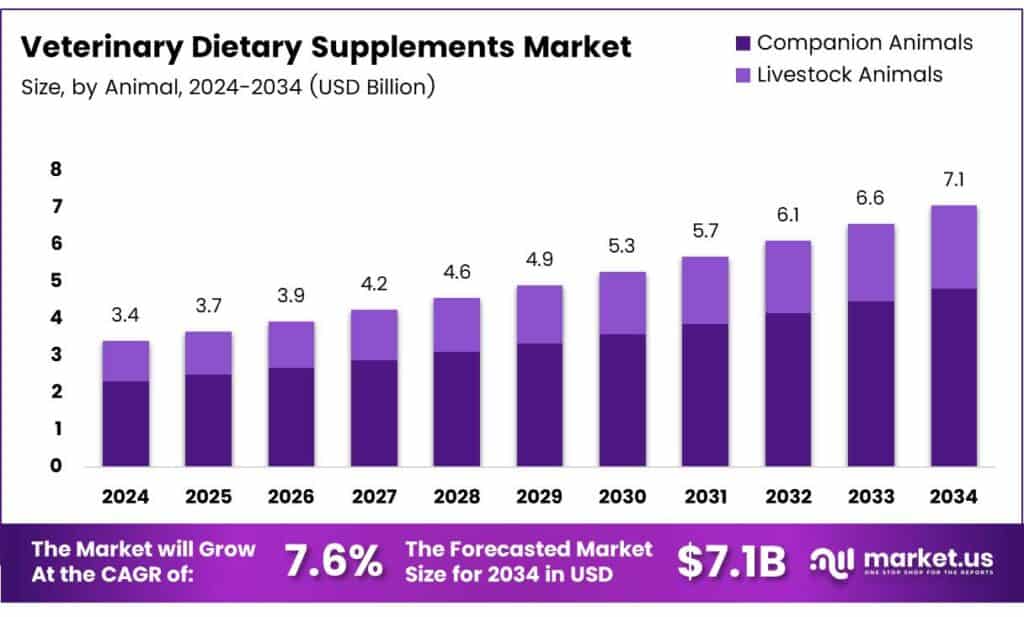
Veterinary dietary supplements are transitioning from optional add-ons to routine wellness solutions. Pet humanization, rising veterinary awareness, and preventive healthcare thinking continue driving demand. As a result, supplements are increasingly positioned as long-term health investments rather than short-term therapeutic products within veterinary nutrition systems.
The market is regulated through animal health regulations, feed additive approvals, and labeling compliance. Regulatory agencies emphasize safety, dosage transparency, and ingredient traceability. These frameworks encourage standardized manufacturing and create entry barriers that favor quality-driven suppliers, reinforcing credibility and long-term market stability in veterinary supplements.
Companion Animals dominate with 67.3% due to rising pet humanization and preventive care.
Companion Animals held a dominant market position in the By Animal Analysis segment of the Veterinary Dietary Supplements Market, with a 67.3% share. Growth is supported by higher spending on pet wellness, routine supplementation, and increasing awareness of long-term health management among urban pet owners.
Livestock Animals represent a steady demand base, driven by productivity improvement, herd health management, and nutritional balance. Supplements in this segment are commonly linked to immunity, digestion, and stress resistance, supporting consistent usage across dairy, poultry, and meat-producing animals.
Multivitamins and Minerals dominate with 29.7% due to broad nutritional coverage.
Multivitamins and Minerals held a dominant market position in the By Type Analysis segment of the Veterinary Dietary Supplements Market, with a 29.7% share. These products address common nutrient gaps and are widely recommended for daily wellness across animal categories.
Probiotic and Prebiotic supplements support gut balance and digestion. Their adoption is increasing as digestive health gains importance, especially for animals exposed to diet changes, antibiotics, or environmental stress. Protein and Peptides focus on muscle maintenance, recovery, and growth.
Omega-3 Fatty Acids are valued for joint, skin, and cardiovascular support. Usage continues to expand alongside awareness of inflammation management and coat health benefits. CBD supplements remain niche but visible, mainly for calming and discomfort support. Adoption is cautious due to regulatory clarity and veterinarian guidance requirements.
Gummies and Chewables dominate with 34.9% due to ease of administration.
Gummies and Chewables held a dominant market position in the By Form Analysis segment of the Veterinary Dietary Supplements Market, with a 34.9% share. Palatability and convenience strongly influence repeat purchases and compliance.
Tablets and Capsules remain widely used, especially for precise dosing. They are commonly preferred in veterinary-prescribed regimens and multi-nutrient formulations. Powders offer flexible mixing with food and water. This form is popular for digestive and protein supplements used in both pets and livestock.
Liquids support faster absorption and ease for young or aging animals. They are often selected for immunity and metabolic support applications. Others include pastes and gels, addressing specific administration needs and niche therapeutic use cases.
Nutritional Support dominates with 26.6% due to daily wellness usage.
Nutritional Support held a dominant market position in the By Application Analysis segment of the Veterinary Dietary Supplements Market, with a 26.6% share. Daily supplementation drives consistent demand across age groups and animal types.
Joint Health Support addresses mobility concerns and aging-related stiffness. Usage is rising as pet lifespans increase and owners prioritize active living. Calming Stress Anxiety supplements support behavioral balance. Demand is linked to lifestyle changes, travel stress, and noise sensitivity.
Digestive Health applications focus on gut stability and nutrient absorption, especially during dietary transitions or medication use. Immunity Support targets seasonal risks and recovery phases, reinforcing resistance against common infections. Skin and Coat Health supplements enhance appearance and comfort, supporting shedding control and dermatological wellness.
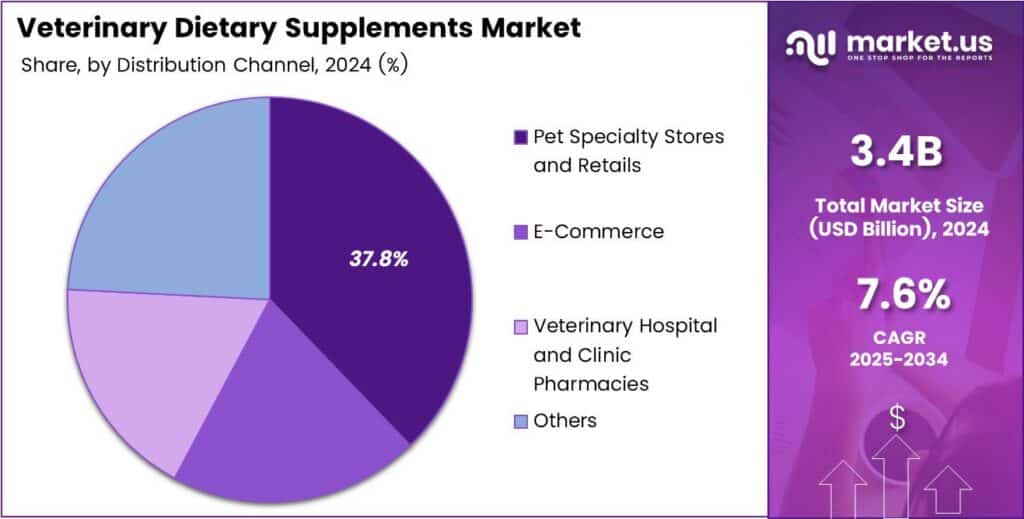
Pet Specialty Stores and Retail dominate with 37.8% due to trust-based purchasing.
Pet Specialty Stores and Retailers held a dominant market position in the By Distribution Channel Analysis segment of the Veterinary Dietary Supplements Market, with a 37.8% share. Personalized guidance and product variety strengthen buyer confidence.
E-Commerce is expanding rapidly, supported by convenience, subscription models, and wider brand access for repeat supplement purchases. Veterinary Hospital and Clinic Pharmacies remain influential for condition-specific recommendations. Professional advice supports credibility and targeted usage.
A key trend in the veterinary dietary supplements market is the shift toward natural and clean-label products. Pet owners increasingly prefer supplements made with herbal extracts, probiotics, and omega-based ingredients. Customization is another growing trend.
Personalized nutrition plans are gaining popularity through veterinary clinics. Innovative product formats such as soft chews, flavored liquids, and gummies are also trending. These improve compliance and ease of feeding, making supplements a regular part of animal care routines.
The veterinary dietary supplements market is strongly driven by the growing humanization of pets. Pet owners increasingly treat dogs and cats as family members and focus on long-term health rather than only treatment. This mindset boosts demand for daily vitamins, joint care, digestive aids, and immunity supplements.
Rising awareness about preventive animal healthcare also supports market growth. Veterinarians now recommend supplements to manage early-stage issues such as arthritis, skin problems, and gut imbalance. This reduces future medical costs and improves animal well-being.
Urban lifestyles and nuclear families further increase supplement usage. Busy owners prefer easy-to-administer chewables and liquids that support overall nutrition. Growth in pet adoption, especially among millennials, continues to expand the consumer base for veterinary dietary supplements.
One major restraint in the veterinary dietary supplements market is the lack of uniform regulations. In many regions, supplements are not regulated as strictly as veterinary medicines. This creates confusion about product quality, safety, and effectiveness.
Price sensitivity is another challenge. Premium supplements can be costly, which restricts use among livestock owners and budget-conscious pet owners. In developing markets, limited awareness and lower spending power further reduce market penetration.
The growing presence of e-commerce platforms presents a major growth opportunity for veterinary dietary supplements. Online channels make products easily accessible and offer a wide variety of choices. Convenience, discounts, and subscription models encourage regular purchases.
Rising investments in veterinary clinics and pet care centers also support market expansion. Modern clinics increasingly offer supplements alongside treatments, creating bundled care solutions. This improves product visibility and trust among consumers.
Product innovation offers another strong opportunity. Companies are developing breed-specific, age-specific, and condition-focused supplements. These targeted solutions address precise health needs, increasing customer satisfaction and market value.
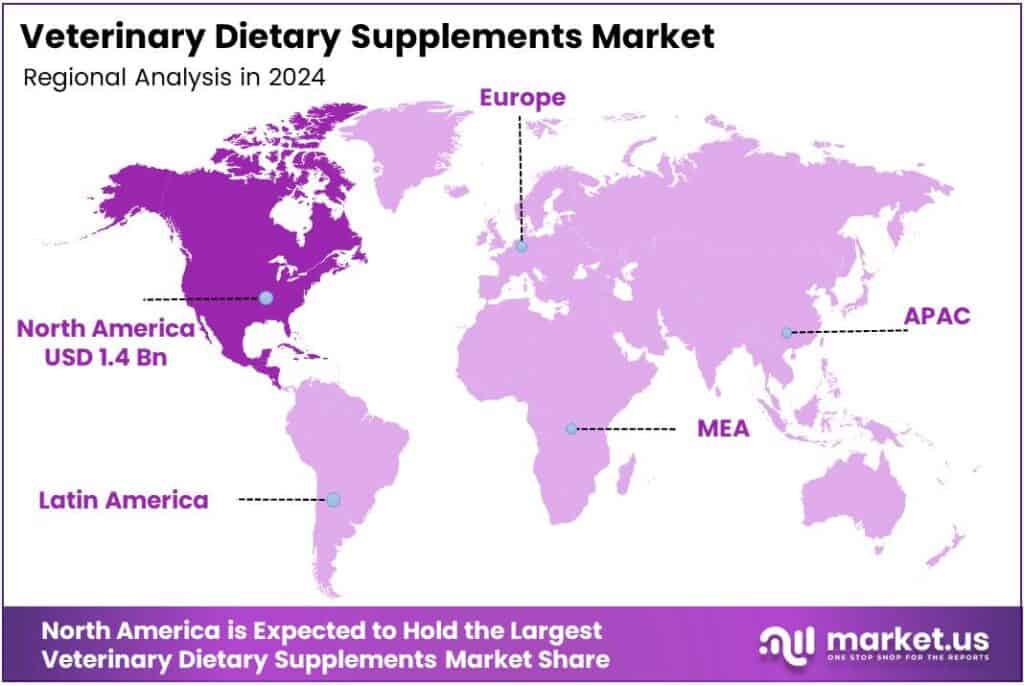
North America leads the veterinary dietary supplements market, supported by strong pet humanization trends and high preventive healthcare spending. In this region, the market held a dominant share of 43.9%, reaching a value of USD 1.4 billion, reflecting mature adoption across companion animals. High awareness among pet owners, regular veterinary consultations, and premium nutrition preferences continue to drive steady demand growth.
Europe represents a well-established market driven by strict animal welfare standards and an increasing focus on preventive pet healthcare. Growing demand for natural, functional, and condition-specific supplements supports consistent market expansion. The region also benefits from strong regulatory frameworks that improve product quality and consumer trust.
Asia Pacific is emerging as a high-growth region due to rising pet ownership, urbanization, and increasing disposable incomes. Awareness of animal nutrition is improving rapidly, especially in developing economies. Expanding veterinary infrastructure and digital pet-care platforms are further accelerating market penetration across the region.
The U.S. plays a critical role within the global market due to advanced pet healthcare practices and strong consumer spending on animal wellness. High acceptance of daily nutritional supplements and preventive care routines supports consistent demand. Innovation in formulations and targeted health solutions continues to shape market evolution.
North America
Europe
Asia Pacific
Latin America
Middle East & Africa
Boehringer Ingelheim continues to shape the 2024 veterinary dietary supplements space by linking supplements with everyday preventive care in companion animals. Its scale in animal health helps it support consistent quality, science-led claims, and wider veterinary acceptance across markets. This positions the company well as pet parents increasingly look for “clinic-trusted” supplement options.
Virbac benefits from a strong veterinary-channel focus, which supports credibility in supplements that target skin, digestion, and general wellness needs. Its brand strength in pet care helps it compete on trust and formulation expertise rather than price alone. This strategy can improve repeat purchase rates where vets influence buying decisions.
AMORVET stands out as a fast-moving player that can adapt product formats and claims to local demand patterns, especially in value-driven markets. It gains traction by offering accessible supplement choices while still emphasizing everyday pet wellness. Its growth outlook is tied to expanding distribution and strengthening practitioner confidence.
Elanco leverages its established animal health footprint to support supplement portfolios that align with long-term pet health and compliance-friendly positioning. In 2024, its advantage comes from broad market reach and the ability to integrate supplements into wider health management conversations. This makes Elanco well placed to capture premium segments where owners prioritize preventive outcomes.
Matcha has been a breakout star in 2025, with the vibrant green tea being found in a wide variety of both beverages and foods.
However, with this rise in popularity has come an increase in counterfeit products.
According to abc.net.au matcha labelling is almost totally unregulated and, as a result, some Japanese producers are worried Chinese producers are exploiting the growing demand by mislabelling inferior tea products as Japanese matcha. Although anyone can make matcha, these producers are claiming some of the labelling or packaging they are seeing overseas copy famous Japanese brand names, or falsely claim to be from Japanese tea-growing regions.
Matcha farmer Jintaro Yamamoto told abc.net.au that it was incredibly gratifying to see Japanese culture, or these enduring historical traditions, are being recognised by people around the world.
“It’s deeply regrettable that we cannot meet the demands of people around the world,” he said.
Quickly increasing matcha supplies is also not an option, as the green tea plants take about five years to grow. Then there’s the process to make the powder, which is painstaking and requires the farmers to shade the plants about three weeks before harvest. This increases chlorophyll and amino acids. Then, after harvest, the leaves are steamed for 10 seconds before being air-dried and ground using traditional stone mills. All up this produces about 40g an hour.
However, this is not the first time there has been a matcha shortage.
The first was in the 1990s when ice cream brand Haagen-Dazs launched its green flavour in Japan, while there was another in the early 2000s when Starbucks first began to serve matcha lattes. Between 2010 and 2023 matcha production has increased almost three-fold, while in 2024 Japanese tea exports broke records when it rose by 25 per cent in one single year.
One major issue in this is that the word “matcha” can’t be trademarked, however phrases like “Uji matcha” can be. Uji is one of Japan’s major tea-growing regions.
Japan’s Ministry of Agriculture have pushed to have trademarks like this registered overseas, and believed there had been some success in lobbying China to crack down on misleading products.
“We understand there have been instances, for example, where a Chinese company unrelated to Uji applied to register the trademark ‘Uji Matcha’ in China,” Tomoyuki Kawai from the ministry’s tea division told abc.net.au.
“But the Chinese authorities rejected it.”
The ingredient, often associated with anti-aging and longevity, was added to the TGA’s Therapeutic Goods (Permissible Ingredients) Determination (No. 4) 2025 on Dec. 10.
With this approval, dietary supplement manufacturers in Australia can now formulate NMN into their products for sale within Australia.
Prior to this, NMN dietary supplements could be made in Australia, but only for exports.
Australia is one of the few countries to approve NMN’s use as an ingredient in oral supplements.
In Japan, NMN use is already approved by the Consumer Affairs Agency (CAA) for use in Foods with Function Claims (FFC).
In Canada, NMN is also listed in the Natural Health Products Ingredients Database and can be made into supplements for adults.
The U.S. Food and Drug Administration (FDA) also declared NMN as lawful for use in dietary supplements in late September and recently sent letters to specific NMN ingredient suppliers to confirm that NMN is no longer excluded from the dietary supplement definition.
The NMN ingredient approved by the TGA was sourced from Australian biotechnology company Longevity Life Sciences Pty Ltd and manufactured by Shanghai-based SyncoZymes.
Commercially available as CellVive NMN, the ingredient will initially be sold in Australia.
Longevity Life Sciences has also developed a finished product containing the ingredient, which is slated for launch in Australia, Singapore, and Hong Kong via e-commerce next March, CEO Sally Panton told NutraIngredients.
The product, named Elevate Cellvive NMN Advance, is also listed on the Australian Register of Therapeutic Goods (ARTG) database as of Dec. 11.
This is a single-ingredient product, with each capsule containing 250 mg of NMN. Based on information listed on the ARTG, the product is permitted to make indications such as “reduce free radicals formed in the body”, “maintain/support energy production”, and “maintain/support general health and well-being.”
Panton explained that the dual ingredient and product strategy demonstrates the end-to-end regulatory capability of the company’s NMN from ingredient approval through to finished product compliance.
“It also allows the company to set a benchmark for quality, formulation, and responsible claims in the emerging NMN category,” she said.
SyncoZymes was one of the NMN ingredient manufacturers that received the U.S. FDA’s letter confirming that NMN is no longer excluded from the dietary supplement definition.
Panton told NI that her company, founded about three years ago, had undergone a multi-year regulatory process to secure the permissible ingredient status from the TGA.
The process required a comprehensive safety dossier, including toxicology, human clinical data, and historical exposure evidence, as well as full chemical characterization and manufacturing controls, demonstrating pharmaceutical-grade quality, consistency, and stability.
Another aspect is ensuring a clear differentiation from food and dietary supplement pathways used in other jurisdictions, positioning NMN appropriately within Australia’s therapeutic framework.
“One of the key challenges was navigating NMN’s global regulatory ambiguity—where it has been treated differently across food, supplement, and investigational drug frameworks internationally,” Panton said.
“Australia’s process demanded a higher evidentiary and quality threshold, consistent with medicines regulation rather than food law.
“Ultimately, the TGA’s decision reflects confidence in both the safety profile of NMN and the robustness of the supporting scientific and manufacturing data. Australia has now become the first country globally to formally permit NMN for use in listed therapeutic medicines, establishing a clear regulatory benchmark.”
Lucy Canny, co-founder and chief operating officer at Longevity Life Sciences, added that the regulatory approval would pave the way for NMN market transparency.
Before the approval, Australian consumers who wanted NMN supplements were getting them from overseas or from domestic suppliers who were breaching local regulations.
“This decision paves the way for NMN to enter the market transparently and with greater safety mechanisms, giving consumers and our industry partners confidence in the ingredient’s quality and evidence base,” said Canny.
The company is partnering with the University of Sydney to conduct a human clinical study using its NMN ingredient next year.
It is also working with Australian research institutions in formulation-specific and indication-focused research designed for clinically meaningful applications of NMN across metabolic, cognitive, and inflammatory health domains.
At the same time, the company is seeking regulatory approvals for NMN in Europe through the novel foods pathway.
Before diving into the longevity health space, Panton and Canny co-founded the rapid diagnostic products and testing solutions company Pantonic Health.
“Longevity Life Sciences was born out of a great passion for prevention over treatment, and my background at Pantonic Health has pioneered a lot of that preventative testing in Australia,” she said.
“We had great experiences working with the TGA in bringing preventative health diagnostics through their strict regulatory framework, and when we saw the potential of NMN as an ingredient, we decided to form an entity that would allow us to bring longevity-related compounds through the ARTG,” she said.
Aside from NMN, the company is also working on other ingredients in the preventative health space that show promise in supporting healthy aging and longevity.
On the occasion of World Tea Day, celebrated on December 15, experts from Perm Technical University in Russia provided practical guidance on selecting different types of tea according to individual health conditions.
Green Tea
Green tea is the richest in antioxidants because it is not fermented; its leaves are briefly heated, rolled, and dried, preserving catechins and flavonoids. These compounds fight free radicals, support vascular health, and improve blood lipid levels. However, they may increase stomach acidity, so it is recommended not to drink green tea on an empty stomach and to limit intake to a maximum of four cups per day to avoid straining the liver and kidneys.
White Tea
White tea is described as “the gentlest and most beneficial,” made from young buds and leaves with minimal heat processing. It contains less caffeine and more antioxidants, making it ideal for pregnant women. However, it may slightly lower blood pressure, so it is not recommended for those with hypotension, and it should not be given to children under six due to its high concentration of active plant compounds.
Black Tea
Black tea is a strong stimulant due to deep fermentation, producing theaflavins and thearubigins, which support blood vessel walls and lipid metabolism. However, it is high in tannins, which may cause heartburn and hinder iron absorption, so it is best consumed after meals. People with anemia, anxiety, or insomnia should limit their intake. Adding milk can reduce some negative effects, though it partially diminishes its antioxidant benefits.
Pu-erh Tea (Types “Shou” and “Sheng”)
Pu-erh tea is highly beneficial for the digestive system and provides a deep warming sensation. However, its high caffeine and purine content make it unsuitable for pregnant women, gout patients, those with kidney stones, high blood pressure, or stomach disorders. It is also completely prohibited for children under ten.
Final Recommendations
Experts emphasize that tea selection should consider individual health conditions. When chosen correctly, tea can gently and effectively support heart health, immunity, and digestion. However, it may pose risks for individuals with certain health issues, such as high blood pressure, gastritis, or during pregnancy.
Source: gazeta.ru
Turmeric and ginger are popular herbs with antioxidant and anti-inflammatory properties that may help with pain and digestion. While similar, turmeric and ginger work differently to offer distinct benefits and risks that may affect your health.
For immediate digestive relief, ginger is the better option. Ginger contains compounds called shogaol and gingerols that can relax the digestive tract and help the stomach empty faster, helping relieve digestive discomfort. They can also help reduce nausea.
However, turmeric has been shown to help relieve chronic inflammation. Over time, this may help ease symptoms of digestive conditions like inflammatory bowel disease (IBD).
Both turmeric and ginger have antioxidant and anti-inflammatory properties that can help support immunity. They have also both been shown to have an antimicrobial effect that can help prevent illness-causing bacteria and viruses.
Some research shows the compound curcumin in turmeric can have a direct effect on the immune response, helping it fight off active infections.
Ginger may be helpful with cold and flu symptoms, as it has been shown to ease nausea and sore throat.
Turmeric and ginger are both plants in the ginger family (Zingiberaceae). The edible underground stem or root (known as the rhizome) of turmeric and ginger is used in food, supplements, and herbal medicines.
Both herbs are known for their warm, spicy flavor. You can consume turmeric or ginger whole, dried, or ground. Turmeric and ginger are also available as dietary supplements.
Other key differences between ginger and turmeric include:
Curcumin is the compound responsible for most of turmeric’s health benefits. Curcumin is a polyphenol, a type of antioxidant, with anti-inflammatory effects. Potential benefits of turmeric include:
Antioxidants called gingerols and shogaols are responsible for ginger’s antioxidant and anti-inflammatory benefits. Potential benefits of ginger include:
You can consume turmeric and ginger separately or together in food, drinks, or as supplements. Studies show that it’s best to take turmeric and ginger supplements with food. Consider dividing your dosage into smaller doses throughout the day to avoid digestive upset.
Take turmeric with black pepper and a source of fat to help your body absorb the curcumin. When looking for a turmeric supplement, always make sure it contains black pepper.
Some popular ways to consume turmeric and ginger include:
There is no combined recommended dosage for turmeric and ginger. However, it is generally safe to consume the herbs together or separately, as long as you don’t take excessive amounts.
Studies show you may benefit from taking 500-8,000 milligrams of turmeric per day. This is about 1 teaspoon of ground turmeric, or a 1-inch piece of fresh turmeric.
A serving of ground ginger is typically about 1 tablespoon, while a serving of freshly ground ginger is about 2/3 cup. Ginger extract powder supplements are generally safe in doses up to 1,000 milligrams per day.
Turmeric can increase your risk of side effects when combined with antidepressants, allergy medications, and antibiotics. Large amounts of ginger or turmeric can interact with medications like:
When taken in high doses, turmeric and ginger may cause digestive side effects like diarrhea, heartburn, and nausea. Ginger may also increase your risk of gallstones if you’re already prone to them.
Excessive amounts of turmeric can eventually lead to liver damage.
CitrusBurn combines zesty citrus flavor with ingredients formulated to support metabolism and energy.
Citrus Burn
Citrus Burn – Scientific Introduction
Citrus Burn – Burn Fat the Natural Way!
St. Petersburg, Fl, Dec. 15, 2025 (GLOBE NEWSWIRE) — Citrus Burn is a nutraceutical formulation developed to support lipid metabolism, thermogenesis, and energy production. The formulation utilizes bioactive citrus-derived compounds in combination with metabolic cofactors that contribute to increased fatty acid oxidation and enhanced metabolic efficiency. Through the stimulation of thermogenic pathways and support of mitochondrial energy processes, Citrus Burn assists the body in mobilizing stored adipose tissue for energy utilization. Additionally, the formulation includes components that may aid in appetite regulation and glycemic balance, supporting overall metabolic health when used alongside a balanced diet and physical activity.

INTRODUCING CITRUS BURN
Kick-start your metabolism with the power of citrus!
Citrus Burn is specially formulated to help support fat burning, energy, and appetite control using carefully selected citrus extracts and natural ingredients.
✅ Boosts metabolism
✅ Supports fat breakdown
✅ Enhances energy & focus
✅ Helps control cravings
Perfect for anyone looking to support their fitness and weight-management goals.
Citrus Burn Explore It To Know More
Common Citrus Burn Ingredients (Typical)
⚠️ Ingredients may differ by brand
Citrus Aurantium (Bitter Orange) – Supports metabolism and fat burning
Green Tea Extract – Antioxidant, boosts thermogenesis
Caffeine (natural or anhydrous) – Increases energy and alertness
Garcinia Cambogia – May help appetite control
L-Carnitine – Helps transport fat for energy use
Chromium – Supports blood sugar balance
Vitamin B Complex – Helps energy metabolism
How Citrus Burn Works (General Explanation)
Citrus Burn supplements are typically designed to support fat metabolism, energy, and appetite control. They usually work by:
Boosting metabolism
Natural citrus extracts and stimulants help increase calorie burning.
Supporting fat breakdown (thermogenesis)
Ingredients help the body use stored fat as energy.
Improving energy & focus
Mild stimulants reduce fatigue and support workouts.
Reducing cravings
Some ingredients help control appetite and sugar cravings.
Results are best when combined with exercise and a healthy diet.
Here’s a clear breakdown of the benefits commonly claimed for CitrusBurn (a weight-management supplement) — and how these relate to general citrus-derived health effects. Much of the information about CitrusBurn specifically comes from product marketing rather than independent clinical research, so it should be interpreted cautiously.
CitrusBurn Supplement — Claimed Benefits





:max_bytes(150000):strip_icc()/TurmericvsGingerHDCVSTemplate-d7ec78887dc94692b94fa1033deaaea5.jpg "Which Is Better for Digestion and Immunity?")
