The main category of Dietary Supplements News Articles.
You can use the search box below to find what you need.
[wd_asp id=1]
The main category of Dietary Supplements News Articles.
You can use the search box below to find what you need.
[wd_asp id=1]
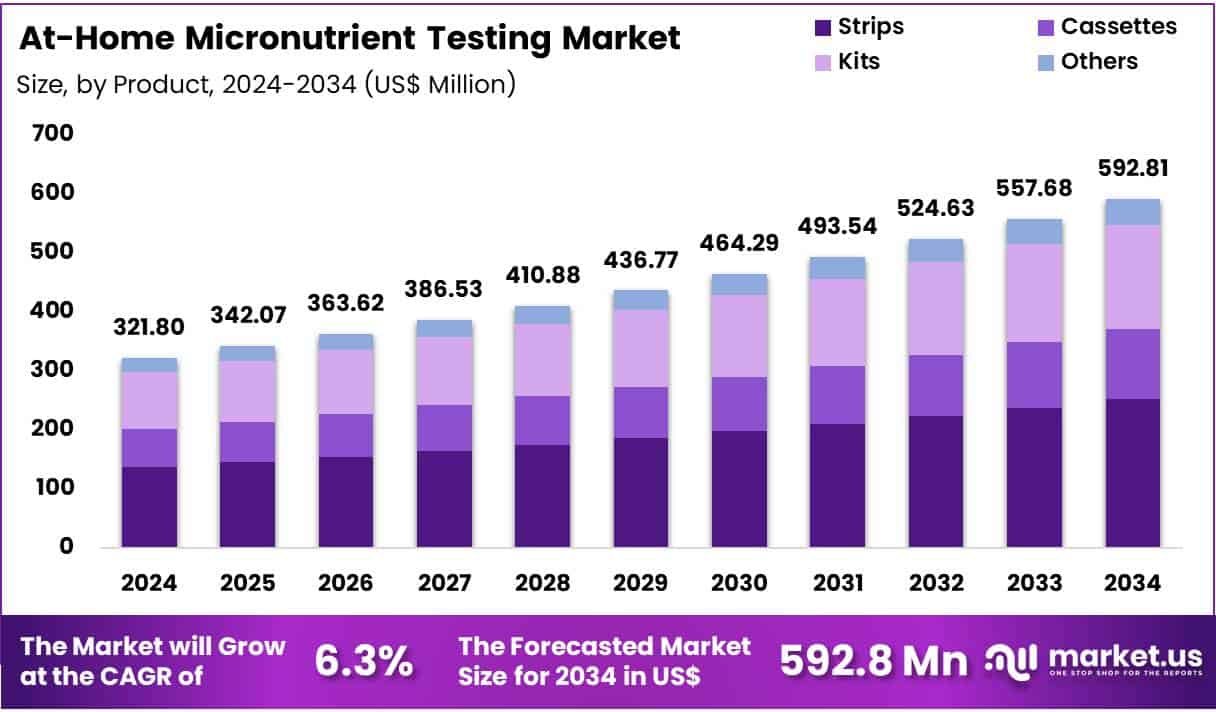
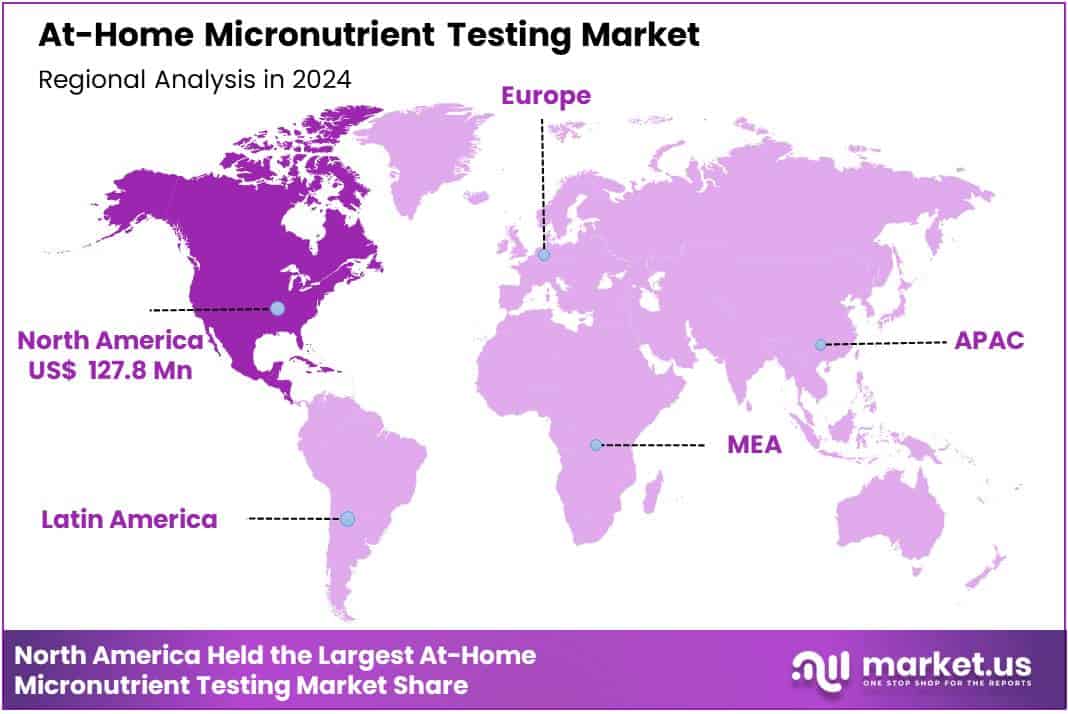
Global At-Home Micronutrient Testing Market size is expected to be worth around US$ 592.8 Million by 2034 from US$ 321.8 Million in 2024, growing at a CAGR of 6.3% during the forecast period 2025 to 2034. In 2024, North America led the market, achieving over 39.7% share with a revenue of US$ 127.8 Million.
The at-home micronutrient testing market has grown into a transformative segment of modern healthcare, reshaping how individuals track and manage their nutritional well-being. By offering convenient tools for evaluating micronutrient levels without requiring a clinic or laboratory visit, the market enables consumers to oversee their health directly from home.
These solutions allow users to understand their vitamin, mineral, and antioxidant status through technologically advanced testing methods, helping them make informed choices about diet, supplementation, and lifestyle improvements. Most kits rely on simple collection techniques such as finger-prick blood spots or saliva samples which are processed in certified laboratories to generate detailed reports. Many platforms now complement results with personalized nutritional insights, dietary guidance, and supplement suggestions tailored to each individual’s needs.
By focusing on ease of use, affordability, and wide availability, the market has expanded access to micronutrient assessments across diverse age groups and health profiles. Its value lies in strengthening preventive healthcare by enabling early recognition of nutrient deficiencies and metabolic imbalances before they progress into more serious health issues. As consumer awareness increases, at-home micronutrient testing continues to support proactive, data-driven approaches to everyday wellness.
At-home kits enable users to collect finger-prick blood, saliva, or urine samples and receive digital reports that explain deficiencies in vitamins, minerals, and essential biomarkers linked to immunity, metabolism, and energy levels. For instance, platforms offering vitamin D and B12 testing have seen rising adoption among people experiencing fatigue or low immunity, especially after lifestyle disruptions during the pandemic.
Companies increasingly integrate these tests with telehealth consultations, supplement recommendations, and fitness tracking apps to provide a complete wellness ecosystem. Examples include home kits paired with mobile dashboards that compare past and present nutrient levels, helping users understand dietary gaps.
The convenience of doorstep delivery and lab-verified results strengthens consumer trust, while expanding e-commerce channels improves accessibility. Growing interest from athletes, individuals following vegan diets, and people managing chronic conditions also contributes to market traction. As personalized nutrition advances, at-home micronutrient testing becomes a key entry point for continuous health monitoring.
Strips account for the largest share of the at-home micronutrient testing market with 42.5% because they offer quick, low-cost, and user-friendly testing for common nutrients such as vitamin D, iron, and B-vitamins. Consumers prefer strips due to their simplicity—most require only a drop of blood or urine and provide results within minutes without the need for specialized equipment.
This convenience aligns well with the growing trend of routine self-monitoring, especially among individuals managing fatigue, immunity concerns, or dietary restrictions. Fitness-focused users and people following vegan or low-nutrient diets frequently adopt strip-based tests to track essential biomarkers associated with energy metabolism.
For example, vitamin D and iron deficiency strips are widely used in regions with limited sunlight exposure or among menstruating women, where deficiency risks are higher. The affordability of strips also expands adoption among younger users and first-time testers. Manufacturers continue to enhance strip sensitivity and colorimetric accuracy, making them more reliable for home use. As preventive healthcare awareness increases, strips remain the entry-level product preferred by a broad demographic, sustaining their dominant market position.
In August 2024, Quest Diagnostics, a major provider of diagnostic information services, introduced 13 new blood tests aimed at assessing micronutrient deficiencies. These tests help individuals determine whether they lack essential vitamins and minerals required for maintaining overall health. The panels are offered directly to consumers and can be purchased exclusively through questhealth.com.
Vitamins form the leading micronutrient testing segment with 51.7% market share because deficiencies in vitamin D, B12, and folate are widely recognized and frequently screened by both consumers and healthcare providers. These nutrients directly influence immunity, bone strength, mood regulation, neurological function, and overall metabolic performance, making them central to preventive health routines. For example, vitamin D insufficiency is prevalent among indoor workers and older adults, driving high demand for simple at-home vitamin D tests.
Vitamin B12 testing is also growing among individuals following plant-based diets, where deficiency risk is higher due to limited dietary sources. Home-based vitamin tests are often bundled in easy-to-use kits that allow users to collect finger-prick samples and access digital reports with actionable insights.
The widespread availability of vitamin-specific panels through online pharmacies and consumer wellness platforms reinforces their dominance. As wellness programs and tele-nutrition services increasingly emphasize personalized vitamin optimization, this category continues to attract both routine and first-time users, solidifying its position as the most sought-after micronutrient testing type.
Online pharmacies dominated the distribution channel landscape with 43.5% market share as consumers increasingly prefer digital platforms for purchasing home diagnostic kits due to convenience, privacy, and wider product availability. The ability to compare brands, read reviews, and order tests without visiting physical stores drives strong adoption, especially among tech-savvy urban populations.
Many leading online health platforms also integrate value-added services such as subscription testing plans, sample-collection guides, teleconsultations, and personalized supplement recommendations. For example, companies offering vitamin D, B12, or multinutrient panels often provide mobile dashboards that track historical test trends, enhancing engagement and repeat usage.
Online channels are particularly effective for reaching individuals with busy schedules or limited access to diagnostic labs. They also support direct-to-consumer marketing, enabling emerging brands to scale rapidly without relying on retail presence. Seasonal promotions and automated re-ordering features further stimulate consistent demand.

Growing consumer shift toward preventive and personalized nutrition
The rise of preventive healthcare and personalized nutrition is expected to strengthen demand for at-home micronutrient testing as consumers increasingly monitor deficiencies that influence energy, immunity, cognitive performance, and metabolic health. A growing volume of clinical literature highlights the widespread prevalence of micronutrient gaps, such as vitamin D insufficiency affecting more than one-third of adults in several countries, which encourages individuals to seek convenient and affordable testing options without visiting a clinic.
The shift toward virtual care ecosystems further accelerate home-based testing adoption, as digital platforms integrate micronutrient reports with supplement recommendations, teleconsultations, and lifestyle guidance. Companies offering finger-prick vitamin D, B12, iron, or magnesium tests have expanded online distribution, enabling rapid purchase, doorstep delivery, and seamless digital result interpretation.
Examples include platforms providing personalized dashboards that show trends over time, correlating diet patterns with test outcomes. Consumers engaged in fitness programs, weight-loss regimens, or immunity-focused lifestyles increasingly prefer home tests to understand nutrient gaps that influence performance or fatigue levels.
With rising awareness through health campaigns and educational content from healthcare providers, the driver gains momentum as more individuals adopt proactive monitoring rather than waiting for clinical symptoms to emerge. This structural consumer behavior shift continues to anchor growth.
Limited accuracy compared to laboratory-based diagnostics
Despite rising demand, accuracy challenges associated with home-based micronutrient tests act as a restraint, as results may vary due to collection inconsistencies, environmental exposure, or limitations of finger-prick sampling for certain analytes.
For example, blood spot tests may not perfectly reflect serum concentrations for markers such as zinc or magnesium because micronutrient distribution differs between plasma and whole-blood compartments. This discrepancy leads some clinicians to caution against using home kits for complex deficiency assessment, especially for patients with underlying conditions or those requiring high-precision monitoring.
Additionally, improper collection techniques, such as insufficient blood volume or contamination during sample drying, can lead to errors or invalid results. Users without medical training may find it difficult to follow exact procedural steps, increasing the probability of variability compared to standardized phlebotomy in diagnostic labs. Regulatory considerations also restrict certain biomarkers from being offered outside professional settings, limiting the scope of nutrients measurable at home.
For example, some markets allow only specific vitamin assays through direct-to-consumer channels, while others require physician involvement. These combined concerns reduce confidence among healthcare professionals, potentially slowing adoption among populations that rely on clinically validated results. The restraint persists as long as testing accuracy remains uneven across nutrient categories.
Integration of AI-enabled personalized nutrition ecosystems
A major opportunity emerges from integrating at-home micronutrient testing into AI-driven personalized nutrition platforms that combine biomarker data, dietary habits, genomic markers, and lifestyle inputs into tailored recommendations. As consumers increasingly adopt digital health tools, companies are developing algorithms that correlate micronutrient levels with sleep quality, activity performance, stress responses, and dietary intake patterns.
For example, vitamin D trends can be linked with sunlight exposure data from wearable devices, while iron or B12 levels may be analyzed alongside menstrual cycle tracking or diet logs to predict depletion risks. This integrated ecosystem creates recurring revenue models through subscription-based testing, supplement delivery programs, and personalized meal planning applications.
Startups are exploring AI-generated supplement formulation systems that adjust dosage recommendations based on follow-up test results, enabling dynamic correction of deficiencies. Partnerships between diagnostics firms, nutrition technology companies, and wellness platforms present opportunities to expand market reach across fitness, corporate wellness, and preventive health services.
As governments and health organizations emphasize chronic disease prevention through nutrition, digital micronutrient monitoring platforms align with population-level health goals. The rise of remote care and tele-nutrition services strengthens this opportunity, allowing micronutrient testing to function as a foundational component of long-term health optimization.
Macroeconomic and geopolitical factors influence the At-Home Micronutrient Testing Market by shaping consumer spending, supply chain stability, and access to diagnostic materials. Periods of economic slowdown typically shift household spending toward essential healthcare, which benefits at-home testing because it offers a lower-cost alternative to clinical diagnostics.
However, inflation-driven increases in raw material and logistics costs can raise kit prices, affecting affordability in price-sensitive markets. Geopolitical tensions also impact the sourcing of assay components, microfluidic cartridges, reagents, and lateral-flow materials, which are often manufactured across multiple countries. Disruptions in global trade routes or restrictions on chemical exports may slow production timelines and limit inventory availability for online and retail channels.
Public health policy changes in response to geopolitical events further influence demand. For example, global energy and food supply uncertainties increase consumer awareness of immunity, fatigue, and nutritional well-being, contributing to higher self-monitoring behavior.
Shifts in labor markets, such as the rise of remote work, encourage more people to adopt home diagnostics rather than visiting clinics. At the same time, increased government scrutiny over cross-border data transfers and digital health privacy may affect how testing companies store and process user data.
Rapid adoption of home-based finger-prick vitamin and mineral panels
A prominent trend in the market is the rapid adoption of home-based finger-prick testing panels that allow individuals to measure multiple vitamins and minerals in a single kit with minimal effort. These panels often include vitamin D, B12, folate, ferritin, magnesium, zinc, and other commonly deficient nutrients, offering a broader view of nutritional status than single-analyte tests.
Consumers increasingly prefer bundled panels because they provide deeper insight into health drivers such as fatigue, hair thinning, muscle performance, and immune resilience. The convenience of collecting a small blood sample at home and shipping it to certified laboratories aligns well with work-from-home lifestyles and the broader acceptance of telehealth services.
Companies expanding test portfolios frequently promote user-friendly sampling devices designed to reduce discomfort and improve sample accuracy, which enhances trust and repeat usage. In addition, the trend is reinforced by growing online health communities where individuals share experiences, compare deficiency patterns, and seek advice on restoring optimal nutrient levels.
North America is leading the At-Home Micronutrient Testing Market
North America represents the largest regional share in the At-Home Micronutrient Testing Market due to its strong digital health adoption, high prevalence of vitamin and mineral deficiencies, and widespread integration of home-based diagnostics into consumer wellness routines. The region benefits from advanced telehealth frameworks, making it easier for users to combine at-home testing with remote consultations and personalized supplement plans.
For example, at-home vitamin D and B12 testing is commonly used in the US among individuals with limited sun exposure or plant-based diets, two groups where deficiency risks are significantly higher. The presence of major consumer-focused diagnostic brands with nationwide distribution further supports market concentration.
Online pharmacies and direct-to-consumer wellness platforms also have strong penetration, enabling rapid purchasing and access to multi-panel micronutrient kits. High disposable income and growing interest in preventive health contribute to continued regional dominance.
The Asia Pacific region is expected to experience the highest CAGR during the forecast period
Asia Pacific is the fastest-growing region due to rising health awareness, expanding middle-class populations, and rapid adoption of digital wellness services. Increasing urbanization and lifestyle changes in countries such as China, Japan, and South Korea contribute to higher rates of nutrient deficiencies, prompting more individuals to use home-based vitamin and mineral testing kits.
At-home diagnostics are also gaining traction due to crowded healthcare systems, where consumers prefer convenient self-testing to avoid long clinic wait times. For example, vitamin D deficiency screening demand has surged in urban centers with indoor-dominant lifestyles.
The region’s strong e-commerce infrastructure accelerates accessibility, with online pharmacies offering bundled micronutrient panels at competitive prices. Local wellness brands are increasingly partnering with diagnostic labs to launch culturally tailored tests such as iron panels for women or B-vitamin screenings for vegetarian populations further boosting growth.
North America
Europe
Asia Pacific
Latin America
Middle East & Africa
Key players in the market include Everlywell, LetsGetChecked, Thorne, Labcorp, Quest Diagnostics, ZRT Laboratory, MyLabBox, Genova Diagnostics, Nutritional Testing Services, Vitagene, GenePlanet, imaware, and Other key Players.
Everlywell is a US-based at-home testing company offering micronutrient panels (e.g., vitamin D, B12) that use CLIA-certified labs, mail-in self-collection kits and digital results within days. LetsGetChecked is a direct-to-consumer provider whose micronutrient test covers vitamins D, B12, E and minerals like copper and selenium, with home blood-sample kits and results in 2-5 days plus board-certified clinical support.
Thorne is a wellness brand offering at-home biomarker and micronutrient tests tied to its nutrition/supplement ecosystem, including home sample collection and personalized follow-up via its health intelligence platform.
A common hot beverage costing a mere 4p could “mimic” the effects of weight loss medication, suggests recent findings. Researchers have identified certain natural compounds present in our diets that could potentially mirror the effects of GLP-1 injections.
GLP-1 (glucagon-like peptide-1) is a hormone generated in the gut that aids in regulating blood sugar and appetite. Treatments known as GLP-1 inhibitors have seen increased usage in recent years due to their effectiveness in managing blood sugar levels among diabetic patients and aiding weight loss.
These medications are available as injections and can be obtained through the NHS for eligible patients. However, the new findings suggest that specific foods and drinks could produce similar effects to GLP-1 inhibitors.
Researchers from Heliopolis University in Cairo recently published a review of the existing evidence in the journal Toxicology Reports, suggesting that GLP-1 might be influenced by natural compounds from diet.
The team highlighted that one of the reasons they are exploring natural alternatives to the GLP-1 injections is due to the cost and accessibility of the medications. This could also help avoid any potential side effects of the jabs, which can include vomiting, diarrhoea, and cramps.
In the study, researchers stated: “It’s about increasing treatment options and personalising it to each patient’s preferences and needs.”
As reported by Medical News Today, green tea was found to be among the foods and drinks that could affect GLP-1.
Others included:
However, bariatric surgeon and medical director of MemorialCare Surgical Weight Loss Centre, Mir Ali, who wasn’t part of the research, emphasised that these ingredients shouldn’t be viewed as “alternatives” to weight loss injections. He told Medical News Today: “Natural ingredients may help boost metabolism.
“However, it is a mild effect. These [compounds] should not be considered an alternative to the GLP-1 medications.”
He clarified that these natural ingredients function through various mechanisms, “either by stimulating the central nervous system to boost metabolism (caffeine), promote fat burning (green tea extract, capsaicin), or activating other enzymes (berberine)”.
Earlier studies have connected green tea consumption with shedding pounds. One study, featured in the Journal of Functional Foods, recommended drinking catechin-enriched green tea for precisely this purpose.
The research team stated: “Average visceral fat area, body weight, and body fat were reduced significantly by catechin-enriched green tea treatment but these effects were not seen in the control group with per-protocol sets analysis.
“The decrease at week 12 in the visceral fat area in the catechin group was greater than that in the control group. Thus, consumption of the catechin-enriched green tea beverage for 12 weeks induced visceral fat loss in Chinese adults with a high proportion of abdominal visceral fat.”
The study built upon previous research that suggested the weight loss benefits of green tea. “In recent years, there have been many studies on the beneficial effects of green tea in treating obesity and improving glucose and lipid metabolism,” the authors stated.
At the time of writing, a pack of 20 green tea bags could be purchased from Tesco for 80p, which works out at 4p per cup.
If you’ve been waiting for Black Friday sales to upgrade your mattress, now is the time. We’ve dug out three queen mattress deals that are all under $300, like this 8″ hybrid mattress for just $193.79 at Linenspa.
Some of the best mattresses can cost upwards of $1,000. But you don’t have to spend so much to get a quality bed — in fact, we’ve tested all three mattresses in this roundup and stand behind them all.
Of all the tea varieties out there (and there are a lot), black tea is among the most popular. If not enjoyed as-is, this tea is often the base for popular blends like chai, Earl Grey, English breakfast, and more.
“Black tea is a type of tea that originated in China and is made from the Camellia sinensis plant—the same plant from which white, green, and oolong tea are made,” says Jamie Adams, MS, RDN, RPYT, women’s health dietitian and founder of Mamaste Nutrition. What sets black tea apart from these other Camellia varieties is the way it’s made—through a process called oxidation.
“The oxidation process involves exposing the tea leaves to air, allowing enzymes to transform their natural compounds, which deepens its flavor and color,” shares Samina Kalloo, RDN, CDN, registered dietitian, nutrition counselor and founder of Samina Kalloo Nutrition.
But aside from black tea’s flavor and versatility, this popular caffeinated beverage actually boasts quite a few health benefits. Read on to discover six of the most impressive ways black tea boosts overall health.
The plant compounds found in black tea exhibit antioxidant properties, which can boost immune health. “Antioxidants work by removing free radicals in the body and combating cell damage, both of which may help reduce inflammation and risk of chronic disease,” says Adams. “These powerful antioxidants are formed during the oxidation process,” adds Kalloo. In fact, a 2025 study found that consuming a greater variety of flavonoid rich foods, including black tea, may reduce all-cause mortality and the risk of cancer and other chronic diseases by anywhere from 6% to 20%.
Black tea is often turned to first thing in the morning for a caffeine boost to start the day. And while many people are aware of black tea’s caffeine content, they may not know that it also contains an amino acid called L-theanine. “Both caffeine and L-theanine may improve alertness and cognitive performance,” explains Adams. Recent research echoes this sentiment, highlighting how this specific nutrient combination aids in mental clarity.
The polyphenols in black tea are even beneficial for those with heart health concerns—or looking to steer clear of them. “Just two cups a day can provide 400 to 600 milligrams of flavan-3-ols, the recommended daily intake to support heart health,” says Kalloo. These plant compounds support heart health through encouraging both healthy cholesterol levels and blood pressure regulation. “A meta-analysis of randomized controlled trials found that black tea supplementation significantly reduced both systolic and diastolic blood pressure compared to control treatments,” explains Adams.
If blood sugar regulation or type 2 diabetes prevention are a top priority for you, black tea can also play a supporting role. “Some research suggests that black tea may offer several benefits for blood sugar regulation,” offers Adams, including this randomized control trial. “Regular black tea consumption has also been linked to a lower risk for type 2 diabetes,” adds Kalloo.
Drinking black tea may encourage a healthier gut, too! For example, a 2023 study found that black tea consumption is tied to improved gut microbiome flora, supporting digestive health, as well as all the other benefits associated with a thriving microbiome, including immune and brain health.
Surprisingly, black tea can actually contribute to your daily hydration needs. “Both caffeinated and decaffeinated black tea can absolutely count toward your daily fluid intake. When consumed in moderate amounts, caffeinated beverages like tea are as hydrating as water. The fluid you get from tea typically outweighs any mild diuretic effect from the caffeine,” explains Kalloo.
That said, it’s crucial to not go overboard with black tea in pursuit of hitting your fluid goals. “It’s important to consume it in moderation, as excessive intake of caffeine can lead to side effects such as insomnia or increased heart rate,” says Adams—though these effects only occur with excessive black tea consumption. “Caffeinated tea contains approximately 50 milligrams of caffeine per cup, and evidence shows no effect on hydration with intakes of up to 400 milligrams of caffeine per day or the equivalent of eight cups of tea,” explains Kalloo.
Use left and right arrow keys to navigate between menu items.
Use escape to exit the menu.
Sign Up
Create a free account to access exclusive content, play games, solve puzzles, test your pop-culture knowledge and receive special offers.
Already have an account? Login
Hyderabad: How dangerous are protein shakes and creatine, really, in a country where most people still struggle to eat enough protein in the first place? Current research and doctors’ accounts point to a different problem about the bigger health risk for most Indians is low protein, weak muscles and early disability, not a scoop of whey or five grams of creatine for a healthy adult.
“Whole food should be the primary source for protein and it should be 1 gm per kg of your body weight. With supplements, you rarely know exactly what goes into them,” said Dr Kiran Medala, co-convenor of the media committee of the Indian Medical Association, Telangana. However, he added, “Protein shakes are not always validated as health products. FSSAI approves them as food, not as clinically tested nutrition.”
Surveys show Indians get only about 9-11 per cent of their calories from protein, roughly 50-60 grams a day for many adults, which just about scrapes past the ICMR minimum of 0.83 g per kilo of body weight. Rural households that rely on rice or wheat for 60-75 per cent of calories often fall below even that.
Nutrition scientists in the 2020 ICMR guidelines noted that cereal-heavy diets may need closer to 1 gm per kilo to compensate for poorer protein quality. Traditional sources like dal, curd, eggs, fish and meat can cover that target, but availability, cost and food habits keep a large share of the population underserved.
Yoga trainer Arpan Kushwaha, who has an MSc in Yoga Therapy and teaches in Hyderabad, sees the gap daily among his students. “To maintain our daily needs we should consume at least 1-2 grams of protein per kilo,” he said. “People who are regularly into fitness need 1.5-2.5 grams at least to maintain existing muscle mass and for repair and growth.”
He calls protein “not only for muscles” but also for “nails, hair and overall major tissues” that rely on amino acids to recover and regenerate.
Creatine, which has become the villain of many gym rumours, is a molecule the body already makes from amino acids. It is found in meat and fish and sits inside muscle cells, where it helps recycle ATP, the chemical fuel for short, intense efforts like sprints or heavy lifts.
Decades of trials have tested creatine monohydrate at doses of about 3-5 grams a day in healthy adults. Those studies show better strength gains, extra repetitions in the gym and modest increases in lean mass when people train, without evidence of kidney or liver damage in healthy users.
Several high-authority studies have also shown that creatine benefits the brain, not just muscles. A major review in Experimental Gerontology (2018) pulled findings together and noted consistent gains in short-term memory and reasoning.
People who are new to fitness often arrive scared, Arpan said. “People who are new to health usually get afraid of consuming dietary supplements like protein and creatine,” he said. “It is completely safe for everyone to consume 3-5 grams of creatine. It helps to improve brain and cognitive functions.”
He points his students to the subtle changes like slightly better energy, more stable mood, the ability to push through one more round of sun salutations or squats. Often creatine and protein shakes are also confused with steroids, which have been proven to reduce lifespan, cause heart issues and other major problems. Steroids are lab-made hormones designed to act like testosterone and are often used for faster muscle growth.
UK-based surgeon and educator Dr Karan Rajan has repeatedly told his followers that healthy kidneys are not harmed by creatine. Anybody with underlying diseases should exercise caution.
However, the focus should be on proper protein intake along with exercise, since muscles are important. Researchers plot muscle strength against age, and the curve rises through youth, stays steady for a while, then dips as people grow older.
A dotted horizontal line on that chart marks the “disability threshold”, the point below which simple tasks like standing up, walking a short distance or climbing stairs become difficult. People who build stronger muscles in their 20s to 40s start from a higher point on the curve, and resistance training slows the decline later in life. The idea is to stay above that threshold for as long as possible, so ageing does not turn into early dependency.
usatoday.com wants to ensure the best experience for all of our readers, so we built our site to take advantage of the latest technology, making it faster and easier to use.
Unfortunately, your browser is not supported. Please download one of these browsers for the best experience on usatoday.com
Matcha is set to be the beverage of 2025, with its unique Japanese green tea flavour winning over Brits. However, its distinct taste might take some getting used to, which is why adding a syrup can make it even more scrumptious.
Just because we’re on the brink of autumn doesn’t mean you have to bid farewell to your favourite iced drinks. Autumnal flavours like carrot cake and apple butter are causing a buzz among matcha enthusiasts, with Blank Street launching these tasty matcha drinks just this week.
They’ve also reintroduced the viral banana bread matcha, but if you don’t fancy splashing out on one of these daily, it’s so easy to whip up your own at home.
READ MORE: I add one weird ingredient to my hot chocolate – it makes it taste heavenlyREAD MORE: NHS GP says when drinking too much tea and coffee can become ‘toxic’
TikTok user Olivia Adriance shared her banana bread matcha recipe last autumn, but now that it’s trending again, it’s the best time to try making it.
Thanks to the easy homemade banana syrup, it’s sweet and spiced, mixed perfectly with the fresh matcha flavour. It also works out to be cheaper than buying a matcha, which can sometimes set you back nearly £5, reports the Express.
Taking a sip, Olivia shared that it tasted ‘so good’, with the subtle hint of banana bread working ‘really well’ in the drink. Here’s how you can make it at home.
For more stories like this subscribe to our weekly newsletter, The Weekly Gulp, for a curated roundup of trending stories, poignant interviews, and viral lifestyle picks from The Mirror’s Audience U35 team delivered straight to your inbox.
Ingredients
Method
Help us improve our content by completing the survey below. We’d love to hear from you!
Last Updated:
Matcha is a powdered form of Japanese green tea that has been gaining global
Whether it is K-pop singer BTS’ Kim Taehyung, aka V, going viral for drinking a strawberry matcha latte or Bollywood actor Sanya Malhotra launching her own brand, Bree, matcha has people in a chokehold. In fact, this has even caused a global shortage as the demand for this green tea soars. In 2024, the matcha market was valued at USD 3.66 billion, and it is expected to more than double.
Matcha, a powdered form of Japanese green tea, which has to be carefully grown in special weather conditions, also has various health benefits. It has an enhancing effect on cognitive function, cardiometabolic health, and anti-tumorogenesis. Some studies show that it may help protect the liver, and it is rich in catechins, a type of natural antioxidant. This can help stabilise harmful free radicals, compounds that can damage cells and cause chronic disease.
While everyone seems to be sipping on matcha lattes, Chef Tejasvi Chandela, founder and chef, Dzurt Jaipur, believes in going a step further. She has worked on a dessert menu that includes this tea. “Matcha is one of those ingredients that invites both respect and creativity. I’ve loved using it in ways that challenge the idea of matcha being limited to lattes and beverages. Its earthy profile pairs beautifully with citrus, berries, and even white chocolate, so we explore those combinations in tarts, cookies, lamingtons, and more. Our goal is always to introduce matcha in a way that feels exciting, modern, and accessible for the Indian palate,” she says.
Here are 3 different ways to try matcha, which is a step ahead of the typical beverages:
Matcha Strawberry Tart

A modern interpretation of a classic tart, this dessert pairs a silky ceremonial-grade matcha cream with fresh seasonal strawberries. The tartness of the berries lifts the earthy umami notes of matcha, creating a balanced, clean flavour profile. The idea was to bring a refreshing, bright contrast to matcha, a flavour often seen in warm beverages but rarely showcased in cold-set patisserie.
Matcha Lemon Macaron

The macaron takes the familiarity of matcha and pairs it with a bold citrus edge. The shells are infused with fine Japanese matcha, while the filling is a tart lemon curd cream cheese that cuts beautifully through the richness. This combination was created to highlight how matcha can work in sharper, more playful formats, far beyond the typical creamy pairings.
Matcha Strawberry Lamington

A nostalgic lamington reimagined with a green-tea twist. Soft vanilla sponge is dipped in a matcha glaze, rolled in coconut, and layered with a homemade strawberry compote. It celebrates the meeting of Australian café culture and Asian tea traditions – something you rarely see in Indian patisserie.
November 23, 2025, 11:15 IST
It’s no secret that protein is big business right now. Browse the shelves of your local supermarket and you’ll see just how many products tout their protein content, whether it’s from natural sources, such as meat and milk, or in more processed items, like breakfast cereals and pasta.
And for anyone looking to supplement their protein intake or get it from non-animal sources – gym users or vegans, for example – there are protein powders.
But a worrying new report has identified another substance, besides protein, hiding in some of these powders: lead. Given this news, just how worried should you be about your protein powder?
Consumer Reports, an independent nonprofit organisation based in the US that assesses the quality of consumer products, tested the makeup of 23 protein powders and shakes.
Their results, published in October, were shocking – over two-thirds of the products contained more lead in a single serving than Consumer Reports’ food safety experts consider safe to consume in a day.
More worrying still, a single serving of some of the products contained as much as ten times Consumer Reports’ dietary consumption limit.
On the face of it, these sound like extremely unsafe amounts of lead to find in a product intended for human consumption. It’s worth noting, however, that Consumer Reports sets its daily dietary consumption limit relatively low: 0.5 micrograms (μg) per day. In contrast, the US Food and Drug Administration’s (FDA) daily dietary consumption limit is 12.5μg per day.
Why such a huge disparity between these recommendations? “My guess is that Consumer Reports uses much lower benchmark levels than the FDA because they’re filling a regulatory gap,” says Dr Kathrin Schilling, assistant professor of environmental health sciences at Columbia University, in the US.
That regulatory gap exists in the US because supplements like protein powders aren’t classed as food or drugs. They’re classed as dietary supplements and governed by a different set of FDA regulations, the Dietary Supplement Health and Education Act of 1994 (DSHEA).
“Supplements in the US don’t have federal limits for heavy metals, and manufacturers aren’t required to prove their products are safe before they reach the market,” says Schilling. “Given that science shows there’s no safe level of lead [consumption], Consumer Reports may have set its own targets based solely on health protection.”
In the UK and Europe, however, protein powders are classed as food products, not dietary supplements as they are in the US. That means companies must follow standard food-safety laws, including routine testing for contaminants. But does this guarantee that UK protein powders contain no lead?
“No,” says Schilling. “Even with stricter oversight, trace levels can still appear.”
As Schilling states, there’s no safe level of lead. This is according to both the World Health Organization (WHO) and the environmental-health research that Schilling has been a part of.
Exposure to the toxic heavy metal can severely impact the brain, heart, liver and kidneys, and the harm it can cause has been extremely well documented.
For example, a major US study published in The Lancet Public Health journal measured the blood lead levels of 14,000 adults over the course of 20 years. Researchers found that people with the highest blood lead levels were 37 per cent more likely to die from any cause than people with the lowest lead levels, and 70 per cent more likely to die from heart disease.

Similarly, the WHO estimated that in 2019, overexposure to, or overconsumption of, lead contributed to more than 300,000 stroke deaths worldwide.
This is because lead damages the inner lining of blood vessels, which can cause inflammation, plaque buildup and high blood pressure. It’s for this reason that the American Heart Association lists lead as a risk factor for cardiovascular disease.
Other than the damage it can cause, one of the reasons why lead is so deadly is it can stay in the body for a long time.
“Once lead enters the body, it accumulates in bones, teeth and other tissues,” says Schilling. “It can then remain locked in the skeleton for 10–30 years, steadily leaking back into the bloodstream over time.”
This, unfortunately, compounds with the fact that it doesn’t take a lot of lead to damage the body. Even when people are only consuming microgram amounts of lead each day, studies have linked this to a higher risk of developing heart disease, kidney problems and high blood pressure.
And, as previously mentioned, the body removes lead extremely slowly. So, even tiny, daily amounts of it accrue faster than they diminish.
Consumer Reports’ testing also found that the two protein powders with the highest lead content (up to 6.3μg and 7.7μg per serving) were plant-based products.
“There’s a good scientific reason why some plant-based protein powders showed higher metal levels,” says Schilling.
“Crops like peas, soy and hemp naturally take up metals from the soil. If the soil or irrigation water contains even small amounts of lead, the plants absorb it as they grow.
“When those plants are processed, the metals that were in the original plant become concentrated in the final protein powder. So, the pattern Consumer Reports found is plausible. Their investigation only looked at 23 products, however. We don’t know where the crops were grown or how the powders were manufactured.”

We absorb lead from our environment in a similar way to plants and, unfortunately, decades of industrial lead use in paint, fuel, pipes and other materials have left residues that still enter our food, water and air today.
“Lead remains in soil, dust and old infrastructure,” Schilling says. “It can still find its way into our homes, water and food. And because it’s so widespread in the environment, achieving absolute zero exposure is nearly impossible.”
In fact, a 2019 study by the FDA estimated that the average American adult is exposed to up to 5.3μg of lead each day through their diet alone. If you unknowingly added a scoop of high-lead protein powder to this amount, you could easily be exceeding the FDA’s limits without realising it.
Worse news still, according to Schilling, protein powders in the US have been known to have high lead levels for years. “Reports like this have come out before, but little has changed,” she says. “So, this isn’t just about one brand or one batch. It’s a systemic problem of contamination and oversight.”
So, given all of the above, just how worried should we be about lead in protein shakes and powders?
“Protein powder is just one piece of the puzzle,” says Schilling. “The key message isn’t to panic over a single shake, but to recognise that small amounts of lead from multiple sources add up and that we need stronger oversight to keep lead out of the products people use every day.”
Read more:


:max_bytes(150000):strip_icc()/health-benefits-of-black-tea-GettyImages-2192369627-77209e2db96345b9b9fa46f011d88418.jpg "6 Surprising Health Benefits of Black Tea, According to Experts")