The main category of Dietary Supplements News Articles.
You can use the search box below to find what you need.
[wd_asp id=1]
The main category of Dietary Supplements News Articles.
You can use the search box below to find what you need.
[wd_asp id=1]
Warm overhead lights and soft jazz music transform the Michael Kingsmill Forum into a site of anticipation. The table at the centre of the room is set with every possible tool needed to brew the three teas on the tasting menu for the night. A monitor in the back of the room shows the glassware, kettles, strainers and measuring tools up close for those sitting to the sides of the demonstration area. Around 30 participants introduce themselves to their neighbours and examine the delicate teacups at their places. They eagerly await the start of A Sip of Autumn, the UBC Tea Club’s first public-facing event since their reconstitution two months ago. The reborn club began holding events in the summer, and is in the process of becoming officially AMS-affiliated.
When developing the new club this past January, Tea Club President Cathy Wang met with the old Tea Club’s founder, who started his version of the group around 2014. That club garnered some attention on campus during its run, but had petered out by 2017.
“It was likely just that they didn’t work on how they wanted to pass over the Tea Club once the president was gone, and that’s probably how it didn’t work out in the end,” Wang said.
Not wanting to repeat history, the current Tea Club’s executive team is looking to welcome new members by planning events that will attract both tea enthusiasts and newcomers. “A Sip of Autumn” is a clear example of an event that captures that first target audience. O5 Rare Tea Bar is a tea bar and store beloved in its Kitsilano neighbourhood, and an essential spot for “tea nerds” in Vancouver.
When Wang and her team of five executives reached out to O5, hoping to collaborate with staff who could bring their expertise to a tea-tasting event on campus, workshop hosts and O5 employees Geoff Sugiyama and Raphael Pirenne were filled with excitement. They were happy to meet university-aged people who shared their passion for tea, and couldn’t believe that UBC had a tea club again after seven years.
The autumn workshop took place on a rainy afternoon — the weather contributed to the cosy atmosphere. Tea Club executives introduced themselves, alongside Sugiyama and Pirenne. They explained that attendees should put their tea cups up on the ledge of their seating areas for each round of tasting they wanted to partake in. A journal was also passed around the room throughout the tasting so that participants could comment on the three tea selections the club executives had chosen from O5’s extensive collection.
The first round of tea was a 2025 chiran shincha tea from Kagoshima, Japan. A variety of green tea with earthy richness, senchas — a different transliteration of what O5 calls shincha — are made by steaming tea leaves shortly after harvest to prevent oxidation. They are then dried, never undergoing a roasting process.
The room tried this sencha twice, with each “extraction” — brewing of the same leaves — changing its texture and exposing different tasting notes. The vibrantly green colour of the tea might make those familiar with matcha anticipate its grassy and vegetal flavour. The tea journalers called it “astringent,” “like newly-mowed lawn,” and said they could feel the tiny green particles swirling through the liquid, creating a mouth-feel of something thicker than water.
The sencha’s texture was definitely notable. On the first infusion, it was extremely rich and starchy. Someone else in the room commented that it reminded them of a Chinese soup made from mung beans. There was a sure heartiness to the tea, as well as a bitter aftertaste. Each of these was slightly reduced on the second extraction, allowing for a balance between the vegetal notes and the bitterness.
After the first tasting round, participants received a quick tea lesson on Darjeeling teas in preparation for the next cup: a first flush variety from Mirik Valley, West Bengal. Darjeeling teas are brewed in the Himalayan Mountains. They were historically grown by the British East India Company, which took tea leaves from China and processed them.
Black teas grown and made in the northernmost region of West Bengal today are still referred to as Darjeelings, named after the Indian state’s northernmost city. The first flush designation given to the Sourenee Classic 2025 tea served at the event means that its leaves were allowed less oxidation before roasting, resulting in a Darjeeling that is somewhere between a white tea and a black tea.
The first flush Darjeeling was honey-coloured in appearance, with light fruity and floral notes. The tea relied heavily on aromatics; brewed tea leaves were passed around the room for everyone to smell before sipping — or preferably slurping — the Darjeeling. Its delicate flavour relies on letting it cover the back of the palate. A poetic journal comment left by an attendee read: “O tea, O life. Bearing the bitterness of past, that leads to floral future.”
The Kingsmill Forum got chattier as the caffeine began to stimulate attendees. Not only does talking about tea and its relationship with history, anthropology and globalization help people connect over shared interests and experiences, but the chemical effects of drinking tea can liven up a group of strangers and help break the ice.
“The most beautiful thing that I’ve watched blossom [with the Tea Club] is many friendships and many new connections that may not have happened beforehand,” said Wang, reflecting on the Tea Club’s affect the social and cultural scene at UBC.
The club aims to provide an open space for people to relax, hang out, learn and be involved in something on campus where the level of commitment is left completely up to each individual.
For the third round of tea, Sugiyama and Pirenne brewed misty mountain black tea, grown and prepared in the highly elevated Changxing mountains in China’s Zhejiang province. This modern Chinese tea was fully oxidized before roasting, making it a “real” black tea in Western terms — black, here, describes the colour of the processed leaves.
This misty mountain tea was full of sweetness and tannins — a real flavourful brew reminiscent of eating high-cacao dark chocolate. The notes in its aftertaste were described by O5 staff as similar to a cinnamon bun, though participants in the room argued it was closer to a warm cookie, or “a chocolate chip and banana muffin.”
With extra time remaining before the end of the event, the O5 instructors revealed that they had an extra tea to brew for the group. Clearing space on the table for a large woven basket, they introduced O5’s horseback tea: a compressed black tea made by a Chinese company that emulates traditional techniques used for the storage and transportation of tea on the ancient Silk Road.
For this surprise experience, everyone was encouraged to get up from their seats to look, feel, smell and interact with the compressed brick of tea in its basket container. The horseback tea’s characteristics were directly impacted by its storage; instead of an opaque paper bag, the leaves were preserved in dried bamboo that smelt vaguely salty — perhaps like the roads of ancient trade routes would have smelled. Minerality from the soil a tea is grown in, plus particles introduced in processing or from transportation, contribute to its “terroir” — a term describing flavour resulting from the environments in which food is grown or stored. When brewed, this tea was dark and slightly savoury, full-bodied and smoky.
After a period of free-mingling among the crowd and personal questions for the hosts, the Tea Club’s executives thanked everyone for attending and previewed an upcoming event in January: a tasting and craft night with UBC Knit and Sew.
In addition to larger collaborative events, the Tea Club also hosts biweekly tastings for members. Sometimes there are fun crafts or activities, such as the paper lantern-making at their Halloween tasting. After paying the membership fee, these club tasting events become free to attend.
Tickets for “A Sip of Autumn” were priced at $15 for members, and $22 for non-members. While this price point may have potentially turned some students away, it is considerably cheaper than other tea-tasting rates in Vancouver. For example, an hour-long tasting of three teas at another rare tea supplier and bar, Cultivate, is priced at $60 per person. UBC Tea Club members now also receive the benefit of 15% off their purchases at O5 Rare Tea Bar.
With rooms booked for future low-key events and gatherings, the Tea Club also has ideas for further collaborations in the broader Vancouver community. They are already in conversation with the Nikkei Cultural Centre, the Japanese community centre based in Burnaby, which has its own tea programs. Wang and the executive team hope to establish stronger relationships so that Tea Club’s future leaders are set up for success.
So what is the ultimate goal for the club, beyond being a social space to drink and appreciate tea? Wang said it best: “We want it to be a bridge to that next level of, ‘Not only am I drinking this tea, but I’m also understanding where it comes from, why it tastes the way it does, and what’s the background of it.’
“People who casually enjoy tea can cross that bridge through these events. Maybe this can spark their interest a little, and if they’re still not super interested in the history, good tea is still good tea.”
First online
Share this article
Biotin, also known as vitamin B7, has become a popular supplement for those looking to improve hair, skin, and nail health. Many people take it daily, hoping for stronger nails, shinier hair, or clearer skin. While biotin is generally considered safe, most individuals get enough of this vitamin through a balanced diet, including eggs, nuts, seeds, fish, and certain vegetables. Despite its popularity, daily supplementation is not always necessary and can sometimes lead to unexpected risks. High doses of biotin may interfere with important laboratory tests, interact with certain medications, or cause mild digestive issues in some individuals. Understanding these potential side effects and precautions is essential for anyone considering regular biotin use, ensuring safety while maximising its intended benefits.
Biotin is a water-soluble B vitamin essential for metabolism and overall growth. It plays a key role in breaking down carbohydrates, proteins, and fats to provide energy. Biotin also contributes to hair, skin, and nail health, which explains its popularity as a supplement.
One of the most significant concerns with daily biotin supplementation is its potential to interfere with laboratory tests. High levels of biotin in the blood can lead to inaccurate test results, which may cause misdiagnosis or inappropriate treatment. The U.S. Food and Drug Administration (FDA) has issued warnings that biotin can affect a wide range of tests, including those for troponin (used to diagnose heart attacks), thyroid and parathyroid hormones, electrolytes, and many other critical measurements.Even small doses taken daily may cause problems if blood tests are performed while biotin is present at high levels. To prevent inaccuracies, it is crucial to inform your healthcare provider if you are taking biotin. In some cases, your provider may recommend temporarily stopping supplementation before undergoing testing to ensure reliable results.
Biotin may interact with certain medications, which could alter its effectiveness or the effectiveness of the medication. Some drugs, particularly those used to treat epilepsy, can reduce biotin levels in the body. Examples include carbamazepine (Tegretol), primidone (Mysoline), phenytoin (Dilantin), and phenobarbital (Luminal).If you are taking any of these medications, it is important to discuss biotin use with your healthcare provider. Adjustments to dosage or additional monitoring may be necessary to avoid potential complications. While these interactions are not common for most people, they highlight the importance of considering your overall medication regimen before starting biotin supplements.
For most people, biotin is well tolerated, and severe side effects are rare. However, some individuals may experience mild gastrointestinal discomfort, particularly when taking high doses. Symptoms may include nausea, stomach cramps, or diarrhea. These issues are usually temporary and resolve when the dose is reduced or supplementation is stopped.In rare cases, biotin can trigger allergic reactions. Signs may include hives, swelling of the lips, face, or throat, and difficulty breathing. These reactions are uncommon but serious and require immediate medical attention. Anyone experiencing these symptoms should seek emergency care.
Most people obtain sufficient biotin from a balanced diet, which includes foods such as organ meats, eggs, fish, seeds, nuts, and certain vegetables. There is no established Recommended Dietary Allowance (RDA) for biotin due to limited evidence, but according to National Institutes of Health, adequate intake (AI) recommendations range from 5 micrograms (mcg) to 35 mcg per day depending on age, sex, and pregnancy status. For most healthy adults, the AI is 30 mcg per day.Supplements are typically unnecessary unless a healthcare provider recommends them for a specific condition. Biotin is available as a standalone supplement or as part of multivitamins. Because dietary supplements are not strictly regulated by the FDA for purity or safety, it is important to purchase them from reputable manufacturers.Biotin is water-soluble, which means excess amounts are usually excreted in the urine, making toxicity extremely rare. However, consuming high doses can still cause problems, mainly by interfering with laboratory tests. High intakes may also increase the likelihood of mild digestive side effects. For most individuals, moderate dietary intake of biotin is sufficient, and supplementation offers little additional benefit unless prescribed for specific health conditions. Before starting a daily biotin routine, consider discussing your needs with a healthcare professional, especially if you are taking medications or expect to undergo laboratory testing.Disclaimer: This article is for general informational purposes only and is not a substitute for professional medical advice, diagnosis, or treatment. Always seek the guidance of a qualified healthcare provider regarding any medical condition or lifestyle change.Also Read: Foods to avoid with bronchitis: Reduce inflammation, protect lungs, and support recovery
Use left and right arrow keys to navigate between menu items.
Use escape to exit the menu.
Sign Up
Create a free account to access exclusive content, play games, solve puzzles, test your pop-culture knowledge and receive special offers.
Already have an account? Login
Feeling down is trending up.
The days are getting colder and shorter, and instances of seasonal depression are on the rise.
Starting as early as November, those who struggle with seasonal depression have little sunlight to brighten their spirits on dark days.
Formally known as seasonal affective disorder (or, appropriately, SAD), seasonal depression is spurred by the change of the season, most commonly during the fall and winter months, when daylight wanes, sleep is disrupted and isolation increases.
“Seasonal depression is thought to be caused by changes in your body’s internal clock or circadian rhythm,” Dr. Judith Joseph, a board-certified psychiatrist, researcher and bestselling author of “High Functioning,” told The Post.
Sunlight passing through the retina helps regulate bodily functions like mood and sleep.
Joseph explained that diminishing sunlight in the fall and winter disrupts those processes, alters melatonin production and can induce feelings of sluggishness.
“This may lead to changes in mood and anxiety,” she said.
Seasonal depression is believed to affect about 5% of Americans each year. Symptoms include increased appetite, social isolation and cravings for junk food.
Joseph notes that symptoms of seasonal depression can be amplified by vitamin D deficiency.
Vitamin D, also known as the “sunshine vitamin,” is responsible for helping the body maintain its immune system, absorb calcium and fortify muscles and nerves.
Yet research shows that 35% of Americans aren’t getting enough, especially in the winter months.
The body naturally converts sunlight to vitamin D, so during seasons of limited sunlight, the D takes a dip.
“Vitamin D tends to be impacted by lower sunlight exposure,” Joseph said. “Sometimes I treat my patients with a combination of a vitamin D supplement, light therapy and behavioral therapy.”
A 2020 study in the journal Depression and Anxiety found that supplementation with vitamin D reduced negative emotions in those with low vitamin D levels or major depressive disorder.
Joseph recommends pairing the sunshine vitamin with actual sunlight.
“In my clients with vitamin D deficiency, I recommend vitamin D supplements and encourage them to try to get fresh sunlight in the morning to reset their biological clocks,” she said.
She also advises a diet rich in vitamins and minerals.
“Foods like fatty fish, leafy greens and eggs are rich in both vitamin D and magnesium,” she added.
Joseph typically prescribes vitamin D in tandem with magnesium “because the body needs magnesium to activate and regulate vitamin D, so that it can be used by the body appropriately.”
When it comes to supplements, it’s essential to discuss them with a healthcare professional to avoid taking too many.
“I have heard of people taking too many vitamins without a physician monitoring them and then developing toxicity,” Joseph said. “This can be true with excessive vitamin D ingestion.”
Indeed, too much vitamin D can cause hypercalcemia — an overabundance of calcium in the bloodstream — which can weaken bones, cause kidney stones and hinder heart and brain function.
The National Institutes of Health recommends 600 international units of vitamin D a day for adults up to 69 years old and 800 IU for older adults.
For its part, the Centers for Disease Control and Prevention notes there are “disagreements” about dosage but recommends 200 IU up to age 50, 400 IU for people 51 to 70 and 600 IU for adults even older.
In addition to moderate vitamin D supplementation, experts recommend that patients prone to seasonal depression engage in daily aerobic exercise to help offset their mood, maintain a structured schedule and invest in lamps that mimic natural sunlight.
It’s also been suggested that having plants in your space can uplift moods.
Thus, if you’re staring into the dark abyss, it might be time to get yourself a succulent.
1
/
5
The very first brand of tea I ever remember having was Celestial Seasonings. The Sleepytime Bear may have recently become an internet obsession for being a cozy king, but this tea has been around forever. And now the Sleepytime Bear is in his wellness era, because Celestial Seasonings just released four new herbal teas: Detox Blend dandelion, SheWell raspberry leaf, Sleepytime Biotin Beauty Rest and an Everyday Wellness variety pack. One of the teas in the variety pack is an extra-strength Sleepytime, which has never failed to absolutely knock me out at bedtime. Peacefully, of course.
On the other side of the pond, English tea brand Twinings is shaking things up. This year, the brand released its first instant iced tea product, which it calls Refreshers. You can enjoy an iced tea without having to brew hot tea first, which is truly mind-blowing to me. I’ve tried both flavors, strawberry raspberry and peach mango, and all I’ll say is that Starbucks officially has some competition in the Refresher category. These are that good.
2
/
5

Canned cocktails have seen a huge spike (pun intended) in popularity over the last few years. While a lot of them are seltzer-based, there are an increasing number of tea-based options available. Of course, Twisted Tea is one of the giants in that category. But as the category grows more popular, there are a lot of different craft options popping up. It’s becoming so popular that even Pro Football Hall of Famer Rondé Barber became part owner of the organic hard tea brand Crooked Tea.
One of the products I’ve been impressed with is the Owl’s Brew line of Sun Tea & Vodka. It currently has three flavors: strawberry basil, blueberry lemonade and half tea half lemonade (aka an Arnold Palmer). I’m a little biased because there’s nothing more refreshing than an Arnold Palmer, and these are excellent canned cocktails. Plus, I love being able to sip on something premixed that isn’t carbonated.
3
/
5

Matcha has been skyrocketing in popularity over the past couple of years. Humble brag, but in 2016 I actually had the pleasure of attending a matcha ceremony at Ippodo Tea Room in Kyoto, Japan. Our guide used a bamboo whisk to mix the matcha powder with hot water to create a smooth, rich, glossy green tea that we drank from small bowls. It was absolutely mesmerizing, and it made my love of matcha grow even stronger.
But you don’t have to fly to Japan to enjoy a matcha latte. In fact, there has been a veritable boom in high-quality matcha latte mixes. Golde has a really nice variety of latte mixes, and its rechargeable whisk has been a staple in my kitchen since 2020. And the Duchess of Sussex herself is an investor in female-owned, California-based Clevr Blends, which has great options as well. My personal fave is the Beauty Matcha Latte blend from Kroma, which I’ve been enjoying every morning for the past three months.
4
/
5

No one can deny that there’s a huge surge in high-protein food options at the moment. I think the beverage equivalent to this phenomenon is the increase in availability of pre- and probiotic drinks. Poppi and Olipop were some of the first prebiotic sodas to go viral on social media, and now even major firms like PepsiCo are gearing up to drop new offerings in early 2026.
If you like the concept of a prebiotic soda but don’t love carbonation, then Half Day is probably going to become your fridge’s best friend. Half Day is a prebiotic tea brand with a ton of different flavor options. In the summer, I love its tropical tea, but I’m a sucker for an Arnold Palmer any time of year, so the classic half-and-half is probably my favorite. I keep some Half Day in my fridge as an in-between option for when I want something with more oomph than a sparkling water, but less fizz than a soda.
5
/
5

I always have one eye toward the future, which is the nature of writing about food and beverage trends. And there is one thing that the Taste of Home team agrees will be undeniably huge soon: hojicha.
Hojicha has been around for over 100 years, and true tea nerds have probably already had it and loved it. But it’s quietly starting to pop up in more cafes, which is great news because it’s delicious. Hojicha is made from roasted green tea leaves, so it has a toastier, nuttier flavor than traditional green tea. It’s also not quite as bright and grassy as matcha. And the roasting process removes a considerable amount of caffeine from the tea. That makes hojicha a much milder tea that can be enjoyed any time of day.
The next time you’re out at a cafe or tea room, take a look and see if hojicha is on the menu. And if you’re itching to get ahead of the trend, you can order hojicha online and customize it to your liking. I guarantee that by this time next year, you’ll be seeing a ton of viral hojicha recipes on social media.


Cold Thermogenesis Combined With Multi-Ingredient Supplementation Creates New Category as Industry Addresses Widespread Consumer Confusion About FDA Regulation, Third-Party Testing Standards, and Ingredient Transparency in Ice Water Weight Loss Market
LOS ANGELES, Nov. 21, 2025 (GLOBE NEWSWIRE) —
Industry Analysis: The AquaSculpt ice hack methodcombining cold water thermogenesis with plant-based metabolic support supplementation has emerged as a defining trend driving substantial growth in the non-stimulant weight management category. This consumer preference shift reflects broader market movements away from traditional high-caffeine stimulant products toward sustainable multi-pathway approaches addressing mitochondrial function, glucose metabolism, and thermogenic support.
Market observers note widespread consumer confusion about dietary supplement regulation, quality verification standards, and safety evaluation protocols. Consumers frequently misunderstand the distinction between FDA facility registration and FDA product approval, struggle to identify third-party testing verification, and cannot differentiate proprietary blend formulations from transparent ingredient labeling. These knowledge gaps create vulnerability to misleading marketing claims and counterfeit products in the multi-billion-dollar metabolic support supplement market.
Consumers exploring the AquaSculpt ice hack approach can access comprehensive educational resources, quality verification documentation, and ingredient research through official manufacturer channels where detailed information supports informed decision-making about ice water weight loss methods and plant-based metabolic support alternatives.
This investigation examines the ice hack weight loss phenomenon, regulatory framework misconceptions, ingredient science underlying multi-pathway formulas, quality standards including cGMP certification and third-party testing, and critical safety information particularly regarding berberine-diabetes medication interactions.
Regulatory Context: The FDA doesn’t evaluate supplement claims before products reach consumers, so metabolic support and weight loss information about ice hack supplements comes from ingredient research, not FDA approval. Individuals dealing with diabetes, insulin resistance, or metabolic conditions should consult healthcare providers before using berberine supplements or chromium formulas-these plant-based ingredients can affect blood sugar metabolism, potentially requiring medication adjustments. Individual responses to L-Carnitine, EGCG, and thermogenic compounds vary significantly, making results unpredictable across different users of non-stimulant fat burners and ice water hack protocols. This article contains affiliate links. If you purchase through these links, a commission may be earned at no additional cost to you.
This Analysis Examines:
The AquaSculpt Ice Hack Phenomenon: How Cold Thermogenesis Plus Multi-Pathway Supplements Reflects Category Transformation
Social media platforms show extensive discussion of the ice hack method, with videos demonstrating people drinking ice-cold water first thing in the morning while claiming it “activates metabolism” and “burns fat automatically.” Industry observers note that beyond viral social media content, legitimate scientific mechanisms underlie cold-activated thermogenesis, and pairing this with comprehensive metabolic support supplementation creates potential synergistic effects that neither approach delivers independently.
What Differentiates the AquaSculpt Ice Hack From Social Media Trends
The AquaSculpt ice hack approach integrates strategic protocols where many consumers pair cold stimulus brown adipose tissue activation with multi-ingredient plant-based supplements providing nutritional substrates potentially supporting sustained fat-burning responses. Consumer patterns typically show morning consumption of ice-cold water providing cold stimulus potentially activating brown adipose tissue thermogenesis, followed by comprehensive metabolic support supplementation combining L-Carnitine for mitochondrial fat transport, berberine for AMPK cellular energy signaling, chromium for insulin sensitivity optimization, green tea EGCG for extending thermogenic signaling duration, cayenne capsaicin for peripheral thermogenesis activation, and milk thistle for hepatic function support.
Cold exposure initiates brown adipose tissue activation and sympathetic nervous system signaling. Green tea EGCG may extend norepinephrine activity duration initiated by cold stimulus through catechol-O-methyltransferase inhibition. Cayenne capsaicin maintains thermogenic receptor activation through TRPV1 channels. L-Carnitine facilitates mobilized fatty acid transport into mitochondria for oxidation rather than re-esterification. Berberine and chromium support healthy insulin sensitivity influencing whether mobilized energy undergoes oxidation or re-storage.
This multi-pathway ice hack strategy addresses both thermogenic activation signals and metabolic capacity to maintain enhanced fat oxidation. The approach creates potential amplification effects rather than relying exclusively on cold water temperature equilibration that produces minimal caloric expenditure.
Products specifically formulated for ice hack protocols-including formulas like AquaSculpt and other multi-ingredient metabolic support supplements manufactured in FDA-registered facilities with transparent ingredient labeling-exemplify this integrated approach reflecting substantial category growth. Consumers seeking detailed formulation information, quality verification, and ingredient research can access comprehensive educational resources through official manufacturer channels.
Market Dynamics Driving Category Expansion
Market analysis reveals plant-based non-stimulant metabolic support supplements-the category the AquaSculpt ice hack method exemplifies-experiencing substantial compound annual growth rates, significantly outpacing overall supplement market expansion. This dramatic growth reflects fundamental consumer preference shifts away from traditional high-caffeine stimulant products toward sustainable multi-pathway approaches.
Consumer research indicates strong preference trends for plant-based supplements over synthetic formulations among health-conscious demographics. Women aged 35-54 represent the majority of non-stimulant metabolic support purchases, reflecting concerns about hormonal balance, sleep quality, cardiovascular health and long-term sustainability. Male consumers over 40 show increasing interest driven by cardiovascular concerns and age-related caffeine sensitivity increases.
The ice hack method’s viral social media presence combined with growing consumer sophistication about metabolic health, AMPK activation, insulin sensitivity, mitochondrial function and thermogenesis creates favorable conditions for category expansion. Consumers increasingly understand that metabolic optimization benefits from comprehensive approaches addressing multiple pathways simultaneously rather than single-mechanism stimulant-induced metabolic rate increases.
Consumer Confusion About Dietary Supplement Regulation: Understanding What FDA Registration Actually Means
Widespread consumer confusion exists regarding dietary supplement regulation, particularly concerning what “FDA-registered facility” means on supplement labels. Market research reveals most consumers fundamentally misunderstand how dietary supplements are regulated-confusion that affects safety when purchasing ice hack supplements or any metabolic support products.
The FDA Registration Distinction Consumers Frequently Misunderstand
When consumers see “manufactured in an FDA-registered facility” on supplement bottles, many incorrectly believe this indicates government review, testing, or approval of that specific product. This represents fundamental misunderstanding of regulatory frameworks. Under federal law, supplement manufacturers must register their facilities with the Food and Drug Administration. That registration provides FDA authority to inspect factories and enforce regulations-it concerns regulatory oversight, not product approval.
FDA facility registration does NOT mean the FDA reviewed the ice hack supplement formula, tested the product for safety or effectiveness, evaluated health claims about weight loss, metabolism, or thermogenesis, or approved the product before marketing. Only pharmaceutical drugs require FDA pre-market approval through clinical trials and regulatory review before reaching consumers.
Metabolic support supplements, ice hack weight loss formulas, non-stimulant fat burners, L-Carnitine products, berberine supplements, chromium formulas, EGCG capsules-none require FDA approval before distribution. The Dietary Supplement Health and Education Act regulates supplements differently than prescription medications. Understanding these distinctions matters when consumers evaluate AquaSculpt ice hack protocols, plant-based metabolic support formulas, or multi-ingredient thermogenic supplements for weight management.
Previous investigative analysis examining consumer complaints and supplement quality concernsdocumented how regulatory confusion creates opportunities for misleading marketing and counterfeit products to proliferate in the ice hack supplement category.
Third-Party Testing and Independent Quality Verification
Substantial portions of supplement purchasers cannot explain what third-party testing means or why it matters for protecting against contaminated or counterfeit ice hack products. Third-party testing involves independent laboratories unaffiliated with manufacturers analyzing supplements to verify label accuracy and ingredient purity.
These laboratories check ingredient identity confirmation, measure potency to verify stated amounts of L-Carnitine, berberine, or EGCG, and screen for contaminants including heavy metals like lead and arsenic, pesticide residues, microbiological contamination from bacteria and mold, and undisclosed pharmaceutical drugs that some manufacturers add to weight loss products.
Manufacturers providing certificates of analysis from independent labs demonstrate quality verification beyond self-certification. Products combining plant-based ingredients for ice hack protocols-formulas manufactured in FDA-registered facilities with third-party testing including multi-ingredient supplements addressing L-Carnitine, berberine, chromium, green tea EGCG, cayenne capsaicin and milk thistle-demonstrate this transparency standard.
Consumers can verify this documentation before purchasing. Manufacturers making third-party testing certificates available through educational resources allow consumers to review independent laboratory results confirming ingredient identity and purity for ice water weight loss formulas.
The Proprietary Blend Labeling Practice Consumers Should Understand
Proprietary blends represent a labeling practice many consumers cannot identify. When this appears on ice hack supplement labels, manufacturers are obscuring individual ingredient quantities. A proprietary blend label might state “Ice Hack Metabolic Complex 1,500mg” and list L-Carnitine, berberine, chromium, green tea extract, cayenne, and milk thistle underneath without individual amounts.
This creates information asymmetry. Consumers cannot determine whether formulas contain predominantly inexpensive filler ingredients with minimal amounts of expensive active compounds, or balanced formulations with meaningful doses of all components.
This matters for evaluating ice hack products against research. Studies on berberine for glucose metabolism used specific dosages. Research on L-Carnitine for mitochondrial fat transport tested particular amounts. Supplements containing trace quantities appearing legitimate on labels but delivering minimal active ingredients produce no meaningful metabolic support effects.
Transparent labeling discloses exact quantities per ingredient:
This enables product comparison, dosage evaluation against research literature, and informed decision-making. Healthcare providers can assess whether specific amounts make sense for individual health situations when consumers share complete ingredient disclosure.
Industry observers emphasize transparent labeling as a quality standard consumers should demand. When evaluating ice water weight loss supplements, non-stimulant metabolic support options, or plant-based weight management formulas, individual ingredient quantities clearly disclosed represent important quality indicators.
The Ice Water Hack Explained: What Actually Happens With Cold-Activated Thermogenesis
Social media discussion of the ice water hack for weight loss-the AquaSculpt ice hack method being among frequently discussed approaches-centers on claims that drinking ice-cold water first thing in the morning “activates metabolism” and “burns fat automatically.” As with most viral health trends, legitimate scientific mechanisms exist underneath popular exaggeration, but significant misconceptions require clarification.
Brown Adipose Tissue Activation: The Legitimate Mechanism
The actual science behind the ice hack weight loss method involves two distinct fat tissue types. White adipose tissue stores energy as triglycerides-the fat consumers seek to lose. Brown adipose tissue generates metabolic heat through thermogenesis-the metabolically active tissue consumers seek to activate.
Brown fat contains high concentrations of mitochondria and uncoupling protein 1 producing heat through uncoupled respiration rather than ATP energy production. When exposed to cold, the sympathetic nervous system activates brown adipose tissue, stimulating thermogenesis requiring caloric expenditure through fatty acid oxidation.
The ice water hack provides cold stimulus potentially triggering brown fat activation. Cold exposure initiates neurohormonal signaling cascades capable of activating brown adipose tissue metabolism for sustained periods following stimulus-this represents the legitimate mechanism underlying ice hack protocols.
Previous comprehensive analysis examining the ice water hack trending method and why it pairs naturally with multi-pathway supplementationinvestigated how cold-activated pathways might synergize with metabolic support formulas.
Social Media Exaggeration: Calorie Burning From Water Temperature
Social media claims frequently suggest drinking ice water forces substantial caloric expenditure heating water to body temperature, creating meaningful caloric deficits through hydration alone. Thermodynamic calculations don’t support these ice water weight loss claims. Heating one liter of ice water from 0°C to body temperature at 37°C requires approximately 37 kilocalories of energy expenditure. Eight glasses (approximately 2 liters) of ice water daily for ice hack protocols produces roughly 74 calories burned through temperature equilibration-equivalent to 15 minutes of walking.
This represents real thermogenesis from the ice water hack, but metabolically negligible magnitude. Consumers cannot achieve meaningful weight loss through water temperature effects alone without addressing actual metabolic function, caloric intake, and physical activity. Ice hack weight loss results promoted on social media require more comprehensive approaches than cold water consumption.
Comprehensive Ice Hack Strategies Integrating Multiple Mechanisms
More sophisticated ice hack approaches show consumers pairing ice water ritual cold stimulus with metabolic support supplementation providing nutritional substrates potentially supporting sustained fat-burning responses. Cold exposure activates brown adipose tissue and triggers sympathetic nervous system signaling through ice hack morning protocols. Green tea EGCG may extend norepinephrine activity duration initiated by cold stimulus. Cayenne capsaicin may maintain thermogenic receptor activation through TRPV1 channels. L-Carnitine facilitates mobilized fatty acid entry into mitochondria for oxidation rather than re-esterification back into storage. Berberine and chromium support healthy insulin sensitivity influencing whether mobilized energy undergoes oxidation or re-storage.
This multi-pathway ice hack strategy addresses both thermogenic activation signals and metabolic capacity to maintain enhanced fat oxidation. The approach creates synergistic effects rather than relying exclusively on cold water temperature equilibration.
Multi-ingredient ice water weight loss formulas addressing these pathways-products manufactured in FDA-registered facilities with transparent labeling and third-party testing-exemplify integrated ice hack approaches gaining consumer interest and contributing to category growth.
Ice hack methods work optimally when combined with caloric deficit through nutrient-dense nutrition, regular physical activity including resistance training and cardiovascular exercise, adequate sleep supporting hormonal balance and metabolic function, and stress management preventing cortisol-driven fat storage patterns. Ice water hack supplements support but don’t replace these fundamental requirements.
Consumer Migration From High-Caffeine Fat Burners to Plant-Based Ice Hack Alternatives
Market data reveals fundamental changes in how consumers approach metabolic support and weight management supplements. Plant-based non-stimulant formulas compatible with ice hack protocols show substantial annual growth while traditional high-caffeine fat burners experience steady market share decline. Understanding this shift clarifies the ice hack approach and its positioning within the metabolic support category.
Stimulant Tolerance and Withdrawal Patterns Driving Category Shift
Consumers who previously used traditional thermogenic fat burners before discovering ice hack weight loss methods frequently report similar patterns. Initial weeks produce significant energy increases and appetite suppression. Then tolerance develops. Previously effective caffeine doses become progressively less impactful. Consumers increase dosages attempting to maintain initial effects.
Eventually daily caffeine consumption reaches very high levels-equivalent to six or more cups of strong coffee-producing adverse effects including jitters and anxiety, sleep disruption even when consumption stops by early afternoon, uncomfortable heart rate increases, and diminishing scale movement despite continued supplementation. When consumers discontinue use due to intolerable side effects, metabolism frequently crashes below baseline for extended periods. Weight regain including additional gain beyond original weight commonly occurs.
This tolerance-withdrawal cycle explains why substantial consumer populations seek ice hack alternatives and non-stimulant approaches supporting metabolism through nutritional pathways rather than pharmacological overstimulation.
Metabolic Support Mechanisms Consumers Seek Through Ice Hack Protocols
Rather than repeatedly activating sympathetic nervous systems with stimulants producing eventual adrenal exhaustion, plant-based non-stimulant formulas support underlying metabolic functions consumers need for sustainable weight management.
Mitochondria-cellular powerhouses generating ATP energy-require L-Carnitine to shuttle long-chain fatty acids across membranes where beta-oxidation occurs. Without adequate L-Carnitine, mobilized fat from ice hack protocols cannot enter mitochondria for burning, creating transport bottlenecks. Mobilized fat technically becomes available but functionally remains unusable.
Cells require proper insulin sensitivity and GLUT-4 glucose transporter function to handle dietary carbohydrates efficiently without excessive fat storage. Berberine AMPK activation and chromium insulin receptor support optimize how bodies process glucose and respond to insulin signals during ice water weight loss efforts.
Metabolism benefits from thermogenic support without requiring extreme caffeine doses. Ice hack cold stimulus activates brown adipose tissue naturally. Green tea EGCG extends norepinephrine activity duration by inhibiting degrading enzymes, maintaining thermogenic signaling without forcing catecholamine production. Cayenne capsaicin activates TRPV1 receptors producing peripheral thermogenesis without systemic stimulation.
Livers require support processing increased fatty acid loads when consumers actively lose weight through ice hack protocols and mobilize stored fat. Milk thistle silymarin compounds have been traditionally used for hepatic function support during metabolic stress periods.
Demographic Segments Driving Ice Hack Category Adoption
Market segmentation reveals specific demographics driving ice hack category growth. Women aged 35-54 concerned about hormonal balance, sleep quality, and cardiovascular health while managing weight represent the majority of non-stimulant metabolic support purchases compatible with ice water weight loss protocols. This demographic prioritizes long-term metabolic wellness over short-term stimulant-induced results.
Men over 40 dealing with increased caffeine sensitivity, cardiovascular concerns, or seeking sustainable approaches avoiding adrenal system compromise represent substantial male demographic interest in plant-based alternatives including ice hack methods.
Additional consumer segments exploring ice hack protocols include individuals taking medications interacting with stimulants, those struggling with anxiety or sleep issues caffeine exacerbates, consumers with caffeine sensitivity causing adverse effects including jitters and heart palpitations, and those recognizing repeated sympathetic nervous system stimulation isn’t sustainable long-term metabolic health strategy.
Multi-pathway formulas addressing these consumer needs-products manufactured in FDA-registered cGMP facilities with transparent ingredient labeling and third-party testing-serve growing preferences for ice water weight loss approaches without harsh stimulants.
L-Carnitine for Ice Hack Fat Transport: Understanding Mitochondrial Requirements
Fat burning during ice hack protocols requires understanding cellular mechanisms that supplement marketing frequently overlooks. Consumers can achieve perfect cold thermogenesis activation from ice water rituals, maintain consistent caloric deficits, exercise regularly-and still struggle with fat loss if mitochondria cannot efficiently process mobilized fatty acids. L-Carnitine addresses this cellular transport requirement for ice hack metabolic support.
The Cellular Transport Limitation Affecting Fat Oxidation
Fat oxidation during ice hack weight loss efforts operates through specific cellular mechanisms. When bodies break down stored triglycerides from adipose tissue (fat consumers seek to lose), fatty acids enter bloodstreams. However, fatty acids must subsequently enter mitochondria-cellular compartments where beta-oxidation converts fat into usable ATP energy.
Long-chain fatty acids with 14 or more carbon atoms cannot freely cross mitochondrial membranes due to size and electrical charge. These fatty acids require transport molecules shuttling them across membranes-and that molecule is L-Carnitine.
Without sufficient L-Carnitine during ice hack protocols, metabolic bottlenecks occur. Bodies successfully mobilize fat from storage through cold-activated brown adipose tissue thermogenesis, but that fat cannot enter cellular machinery where oxidation occurs. The situation resembles having fuel for vehicles sitting in containers outside gas tanks-technically available but functionally useless for ice water weight loss goals.
When L-Carnitine Supplementation May Address Dietary Insufficiency
Bodies synthesize some L-Carnitine from amino acids lysine and methionine, primarily in liver and kidneys. Consumers also obtain L-Carnitine from dietary sources-but almost exclusively from animal products, particularly red meat. Plant foods contain negligible L-Carnitine amounts.
Consumers following plant-based eating patterns including vegetarian or vegan diets while exploring ice hack methods consume minimal dietary L-Carnitine. This creates potential insufficiency affecting mitochondrial fat transport capacity during ice water weight loss efforts.
Consumers over 40 using ice hack protocols experience natural endogenous L-Carnitine synthesis decline with age. Research suggests this contributes to metabolic changes occurring with aging, including reduced fat oxidation capacity potentially limiting results.
Consumers with kidney or liver conditions affecting L-Carnitine metabolism, or taking certain medications depleting L-Carnitine stores, may experience functional deficiency affecting cellular energy metabolism.
Systematic reviews and meta-analyses published in peer-reviewed literature analyzed randomized controlled trials examining L-Carnitine supplementation effects on body weight and composition. Research investigated L-Carnitine’s role in fatty acid metabolism through enhanced mitochondrial transport in study participants.
Research Context: Studies examined isolated L-Carnitine supplementation under specific clinical trial conditions. Individual ice hack results with L-Carnitine supplements won’t necessarily match study outcomes-baseline L-Carnitine status, dietary patterns, exercise habits, genetics and metabolism differ across individuals. Understanding biochemical rationale helps consumers make informed decisions about whether L-Carnitine supplementation might support ice water weight loss goals.
Multi-pathway formulas combining L-Carnitine with complementary ingredients address transport function alongside other metabolic factors. Products with transparent labeling disclose exact L-Carnitine quantities-typical dosages range from 500mg to 2,000mg daily in metabolic support supplements compatible with ice hack protocols.
Berberine and Blood Sugar: Critical Safety Information Regarding Diabetes Medications
Before discussing what berberine does for glucose metabolism and AMPK activation in ice hack protocols, critical safety information requires emphasis. Consumers taking ANY diabetes medications-including any blood sugar-lowering drugs-must consult prescribing physicians before using berberine-containing ice hack supplements. This represents mandatory safety information potentially preventing life-threatening hypoglycemic events, not optional medical advice.
Why This Safety Warning Represents Non-Negotiable Requirement
Berberine affects glucose handling and insulin response. While potentially beneficial for metabolic health and ice water weight loss support, this creates serious danger when combined with diabetes medications if dosages aren’t appropriately adjusted.
The dangerous scenario: Consumers take metformin, insulin, sulfonylureas, GLP-1 agonists like semaglutide, SGLT2 inhibitors, or other blood sugar medications. Dosages are calibrated for current metabolism. Adding ice hack supplements or other berberine-containing formulas that improve insulin sensitivity and glucose metabolism causes medications to become excessively effective. Blood sugar drops dangerously low.
Severe hypoglycemia causes confusion, shakiness, rapid heartbeat, sweating, dizziness, loss of consciousness, seizures-and in extreme cases, death. This represents documented risk requiring medical supervision before starting any ice hack supplement containing berberine, not theoretical concern.
Healthcare Provider Consultation Requirements
Consumers taking diabetes medications who want to explore ice water weight loss protocols with metabolic support supplements containing berberine should schedule appointments with prescribing physicians first.
Healthcare providers need to know about berberine supplementation consideration in ice hack protocols to increase blood glucose monitoring frequency significantly during initial weeks, potentially adjust diabetes medication dosages downward preventing dangerous lows, and monitor hemoglobin A1C tracking longer-term glucose metabolism changes.
Consumers should never discontinue or adjust prescription diabetes medications independently. This creates opposite-direction dangers. Healthcare providers must navigate berberine-containing supplementation safely if appropriate for individual situations.
Berberine Mechanisms for Ice Hack Metabolic Support
For consumers maintaining healthy blood glucose already within normal range who aren’t taking diabetes medications, understanding berberine mechanisms helps evaluate whether supplements containing this plant-based alkaloid make sense for ice water weight loss goals.
Berberine activates AMP-activated protein kinase-cells’ master energy sensor. When AMPK becomes activated during ice hack protocols, cellular metabolism shifts from energy storage mode to energy production mode. Research suggests AMPK activation stimulates glucose uptake independent of insulin signaling, increases fatty acid oxidation through metabolic enzyme effects, inhibits fatty acid and cholesterol synthesis pathways, promotes mitochondrial biogenesis creating more cellular powerhouses, and improves insulin receptor signaling enhancing insulin sensitivity.
Berberine also affects GLUT-4 glucose transporter trafficking to cell membranes, helping glucose enter cells more efficiently during ice water weight loss efforts. Research has investigated effects on gut microbiome composition, potentially supporting metabolic health through bacterial population shifts.
This multi-mechanism profile explains research interest in berberine for glucose metabolism, insulin sensitivity, and weight management support in healthy adults using ice hack protocols. Previous detailed analysis examining AquaSculpt ingredients and what the science says about customer benefits investigated these mechanisms comprehensively.
Multi-ingredient formulas combine berberine with chromium for synergistic glucose metabolism support-berberine activating upstream AMPK signaling while chromium functions as cofactor for insulin receptor activity and GLUT-4 function. This complementary approach addresses glucose handling from multiple angles simultaneously in ice water weight loss protocols.
Typical berberine dosages in metabolic support supplements compatible with ice hack methods range from 300mg to 1,500mg daily. Transparent labeling shows exact amounts enabling consumers and healthcare providers to evaluate appropriateness for individual circumstances.
Chromium and Insulin Sensitivity: Essential Mineral Supporting Ice Hack Glucose Metabolism
Chromium receives minimal attention from consumers starting ice hack protocols-most haven’t considered whether they obtain sufficient amounts of this essential trace mineral. However, consumers interested in ice water weight loss, metabolic support, insulin sensitivity, and glucose handling optimization should understand chromium’s role.
Chromium’s Function in Ice Hack Metabolism
Chromium functions as cofactor-essentially helper molecule-for normal insulin receptor function and glucose transporter activity in healthy metabolism. Research suggests chromium enhances insulin binding effectiveness to cell receptor sites, improves insulin signal transduction (the cascade of events following insulin binding), and supports GLUT-4 glucose transporter trafficking to cell membranes where these proteins shuttle glucose from bloodstream into cells.
When cells respond properly to insulin and efficiently uptake glucose during ice hack protocols, several metabolic health and body composition benefits may occur. Blood sugar remains stable throughout the day rather than spiking and crashing, bodies don’t need to secrete excessive insulin achieving glucose disposal, and metabolic signals favoring fat storage over fat mobilization decrease.
Chromium Insufficiency Affecting Ice Hack Metabolic Function
Dietary chromium intake varies widely depending on food choices and agricultural source conditions. Chromium-rich foods include broccoli, grape juice, whole grain products, beef, turkey and certain seafoods-but modern agricultural practices and food processing can significantly reduce chromium content.
Consumers following highly processed diets low in whole foods while pursuing ice hack weight loss might not obtain optimal chromium intake. Consumers eating predominantly refined carbohydrates and sugars that actually increase chromium excretion could create deficits. Consumers under chronic stress affecting chromium metabolism, or aging consumers (chromium absorption declines with age), face increased insufficiency likelihood.
Research on chromium supplementation investigated whether addressing suboptimal chromium status supports healthy glucose metabolism in people with chromium insufficiency. Studies examined various chromium forms including chromium picolinate-demonstrating better absorption than basic chromium salts-for effects on insulin sensitivity and glucose handling.
Research Context: Studies examined chromium supplementation under controlled conditions in specific populations. Individual ice hack responses depend entirely on baseline chromium status, current diet, insulin sensitivity, genetics, and numerous other factors. Chromium supplementation supports healthy glucose metabolism in healthy adults maintaining normal blood sugar already within normal range-not as diabetes or metabolic disease treatment.
Chromium-Berberine Combination: Ice Hack Synergy Approach
Multi-pathway formulas combine chromium with berberine for complementary glucose metabolism support. While berberine activates AMPK cellular energy signaling and affects multiple upstream pathways during ice water weight loss, chromium functions specifically as cofactor for downstream insulin receptor activity and glucose transporter function.
This combination strategy recognizes that glucose metabolism optimization benefits from addressing multiple regulatory points simultaneously. Supporting both upstream signaling (berberine) and downstream receptor function (chromium) addresses glucose handling comprehensively rather than targeting single isolated mechanisms.
Industry observers emphasize multi-ingredient approaches over single-nutrient mega-dosing for ice water weight loss. Products combining chromium with berberine, L-Carnitine, green tea EGCG and complementary ingredients exemplify this comprehensive metabolic support strategy.
Typical chromium dosages in metabolic support supplements compatible with ice hack protocols range from 200mcg to 1,000mcg daily, well below the upper tolerable intake level of 2,000mcg daily for adults. Transparent labeling showing exact chromium quantities enables dosage evaluation against individual needs.
Safety Warning Application to Ice Hack Supplement Users
Like berberine, consumers taking diabetes medications considering ice water weight loss protocols must consult prescribing physicians before using chromium supplements. The combination of glucose metabolism support ingredients-berberine and chromium together-in multi-pathway formulas makes medical consultation even more critical. Medications might require dosage adjustments preventing dangerous blood sugar drops.
For healthy individuals not taking diabetes medications, chromium supplementation in ice hack protocols supports healthy insulin sensitivity and glucose metabolism as part of comprehensive weight management approaches combining proper nutrition, regular exercise, adequate sleep and stress management.
Green Tea EGCG: Thermogenic Support Without High-Caffeine Adverse Effects
Consumers who tried high-caffeine thermogenic supplements before discovering ice hack methods frequently report adverse effects-heart racing, hand tremors, anxiety, inability to remain still. That jittery overstimulation reflects sympathetic nervous system overdrive. Green tea EGCG provides thermogenic support for ice water weight loss through entirely different mechanisms avoiding these uncomfortable side effects.
EGCG’s Mechanism for Extending Ice Hack Fat-Burning Signals
Green tea EGCG demonstrates unique characteristics in metabolic support formulas: It doesn’t directly stimulate nervous systems or force catecholamine release. Instead, it inhibits enzymes degrading catecholamines bodies already produce naturally from cold thermogenesis.
The enzyme catechol-O-methyltransferase (COMT) degrades norepinephrine and other catecholamines in systems. When EGCG inhibits COMT activity during ice hack protocols, norepinephrine persists longer, extending thermogenic signaling duration bodies naturally initiated through cold exposure.
This creates thermogenic effects for ice water weight loss-increased energy expenditure, enhanced fat oxidation-without stimulant overload from massive caffeine doses forcing norepinephrine production. The approach works with bodies’ natural rhythms from ice hack rather than overpowering them.
Research published in the American Journal of Clinical Nutrition investigated whether green tea extract rich in catechin polyphenols could increase 24-hour energy expenditure and enhance fat oxidation rates in human subjects under controlled metabolic chamber conditions. Studies measured both resting metabolic rate and substrate oxidation patterns following green tea extract consumption.
Research Context: Studies examined green tea extract under controlled laboratory conditions with metabolic chambers measuring precise energy expenditure. Real-world consumer experiences with green tea EGCG in metabolic support supplements won’t replicate laboratory conditions-consumers live normal lives, not in metabolic chambers. Individual responses vary based on genetics (specifically COMT enzyme activity genetics), baseline metabolism, diet composition, exercise patterns, and numerous other factors affecting thermogenesis.
Caffeine Content in Green Tea for Multi-Pathway Formulas
Metabolic support supplements must address an important consideration: Green tea naturally contains caffeine. Green tea extracts vary in caffeine content depending on processing methods-some retain 25-50mg caffeine per serving, while others undergo decaffeination reducing caffeine to minimal trace amounts.
Consumers seeking truly non-stimulant ice hack metabolic support or experiencing caffeine sensitivity need to verify caffeine content of green tea extract supplements in ice water weight loss protocols. Some products marketed as “non-stimulant” use decaffeinated green tea extract providing EGCG catechin benefits while minimizing caffeine. Others retain natural caffeine content.
Complete decaffeination presents technical challenges, so even “decaffeinated” supplements might contain small caffeine amounts. Consumers extremely caffeine-sensitive or having medical conditions where even trace caffeine is problematic should verify specific caffeine content in manufacturers’ green tea extract formulations.
EGCG Quality: Standardization Percentages in Metabolic Support Supplements
Green tea extracts vary dramatically in quality based on EGCG standardization levels. Low-quality extracts might contain minimal EGCG despite “green tea extract” labeling. High-quality extracts standardize EGCG content to 50% or higher, ensuring meaningful catechin quantities.
Labels stating “Green Tea Extract (50% EGCG) 500mg” deliver minimum 250mg EGCG per serving. Standardization ensures consistent potency across production batches and enables meaningful product comparison.
Transparent labeling disclosing both total green tea extract quantity and EGCG standardization percentage helps consumers calculate actual EGCG content per serving. This transparency standard-emphasized in industry education discussions-enables informed comparisons and dosage evaluation against research literature.
Multi-pathway formulas combining green tea EGCG with L-Carnitine, berberine, chromium, cayenne and milk thistle create multiple complementary thermogenic and metabolic pathways. Products manufactured in FDA-registered facilities with third-party testing verification demonstrate quality commitment beyond minimum standards.
Cayenne Capsaicin TRPV1 Activation: Peripheral Thermogenesis Supporting Ice Hack Protocols
Cayenne pepper fruit contains capsaicin and related capsaicinoid compounds activating transient receptor potential vanilloid 1 receptors, producing thermogenic effects through mechanisms distinct from central nervous system stimulation. This makes cayenne complementary to cold thermogenesis approaches.
TRPV1 Receptor Activation and Thermogenic Response Mechanisms
TRPV1 receptors function as ion channels responding to heat, certain chemical compounds including capsaicin, and temperature stimuli in normal physiology. These receptors are expressed in sensory neurons and various peripheral tissues including adipose tissue. When capsaicin binds to TRPV1 receptors, receptor activation produces heat sensations along with potential thermogenic responses requiring caloric expenditure.
Research examining capsaicin effects on metabolism investigates whether TRPV1 activation increases diet-induced thermogenesis-temporary metabolic rate elevation following meals. Studies measure whether regular capsaicin consumption affects total daily energy expenditure through accumulated thermogenic activation across multiple eating occasions.
Capsaicin’s thermogenic mechanism differs fundamentally from caffeine and other stimulant-induced thermogenesis. Caffeine primarily stimulates metabolic rate through central nervous system effects and beta-adrenergic receptor activation, creating potential for tolerance development and receptor downregulation with chronic high-dose use. Capsaicin activates peripheral TRPV1 receptors producing localized thermogenic effects without systemic adrenergic stimulation, potentially avoiding tolerance issues associated with stimulant-based thermogenic approaches-making it suitable for ice hack protocols.
Capsaicin Dosage and Consumer Tolerability Considerations
Capsaicin supplementation creates taste and gastrointestinal tolerability considerations affecting consumer acceptance and adherence. Raw cayenne pepper consumption at thermogenic dosages produces intense burning sensations in mouth and throat many individuals find intolerable.
Encapsulated cayenne extract in metabolic support formulas or specialized capsaicin preparations reduce oral burning by delaying capsaicin release until reaching stomach or intestines. However, some individuals still experience gastrointestinal warmth, mild nausea or digestive sensitivity when beginning capsaicin supplementation.
Gradual capsaicin tolerance typically develops with continued use, reducing burning sensation intensity and digestive effects within one to two weeks as adaptation occurs. Starting with lower dosages and increasing gradually allows tolerance development while minimizing discomfort during initial adaptation.
Multi-pathway formulas utilizing capsaicin provide dosages balancing thermogenic potential with reasonable tolerability for broad consumer use. Products combining capsaicin with other thermogenic and metabolic support ingredients create multiple complementary mechanisms without requiring extremely high capsaicin dosages.
Combining Cayenne, EGCG and Cold Exposure: Complete Thermogenic Strategy
Comprehensive strategies where consumers combine cayenne capsaicin TRPV1 activation, green tea EGCG catecholamine signaling extension, and cold exposure brown adipose tissue activation create multiple complementary thermogenic pathways operating through distinct mechanisms.
This multi-pathway thermogenesis approach recognizes that relying exclusively on single thermogenic mechanisms creates limitations including tolerance development, maximum capacity constraints, and individual response variations. By combining peripheral TRPV1 activation, endogenous catecholamine activity extension, and cold-stimulus brown fat activation, strategies address thermogenesis through multiple independent mechanisms potentially producing cumulative effects.
Ice water hack cold exposure methods provide cold stimulus potentially activating brown adipose tissue thermogenesis, while supplementation with EGCG and capsaicin may extend and enhance fat-burning responses through complementary pathways. This combined approach exemplifies multi-mechanism strategy for supporting increased energy expenditure in healthy adults.
Milk Thistle Hepatic Support: Liver Function Considerations During Active Weight Loss
Milk thistle containing silymarin flavonolignans including silybin, silydianin and silychristin has been traditionally used for liver health support and studied for potential hepatoprotective effects. Understanding hepatic function demands during active weight loss clarifies milk thistle inclusion in multi-pathway metabolic support formulas.
Liver Processing Demands During Lipolysis and Fat Mobilization
During active weight loss with caloric restriction and enhanced lipolysis in healthy adults, livers face substantially increased metabolic processing demands affecting multiple hepatic functions. When fat mobilization increases from caloric deficits, cold thermogenesis, or exercise, livers must process higher volumes of mobilized fatty acids arriving through portal and systemic circulation.
These mobilized fatty acids undergo hepatic processing through multiple pathways: beta-oxidation for energy production, ketone body synthesis during prolonged fasting or very low carbohydrate intake, re-esterification into triglycerides for VLDL particle export, or potential accumulation affecting hepatic function if processing capacity becomes overwhelmed.
Additionally, lipophilic environmental compounds, toxins and xenobiotics stored in adipose tissue may release into systemic circulation during substantial fat mobilization. These compounds require hepatic Phase I and Phase II detoxification processing for metabolism and elimination, creating additional demands on liver function during active weight loss periods.
Silymarin Mechanisms: Potential Hepatoprotective Effects
Research on milk thistle silymarin components investigates multiple potential mechanisms supporting liver function. Studies examine silymarin effects on hepatocyte membrane stabilization potentially protecting against toxic insults, antioxidant activity neutralizing free radicals affecting hepatic tissues, anti-inflammatory effects modulating cytokine signaling in liver, potential effects on hepatic stellate cell activation affecting fibrosis processes, and enhancement of hepatic glutathione levels supporting detoxification capacity.
Research Citation Disclaimer: Studies on milk thistle silymarin examined various liver health outcomes under specific research conditions and do not constitute evidence that products containing milk thistle will produce specific hepatic effects or prevent liver disease. This ingredient supports healthy liver function in healthy adults and is not intended to treat liver disease.
The rationale for including milk thistle in metabolic support formulas reflects potential benefits of supporting hepatic function capacity during periods of increased metabolic processing demands from enhanced fat mobilization. By potentially supporting liver health during active weight loss, milk thistle may help ensure comfortable sustainable fat loss experiences in healthy individuals.
Critical Medical Clarification: Liver Disease and Supplement Use
Individuals with diagnosed liver conditions including cirrhosis, hepatitis, fatty liver disease, liver failure, or elevated liver enzymes must NOT use metabolic support supplements without explicit medical supervision. These products support normal healthy liver function in healthy adults and are not intended for individuals with liver disease requiring professional medical management.
Liver disease represents serious medical condition requiring appropriate medical care. Dietary supplements are not treatment for liver disease and should not substitute for medical care in individuals with hepatic conditions.
Healthy individuals using metabolic support supplements containing milk thistle should discontinue use and seek medical evaluation if developing signs of liver problems including yellowing of skin or eyes, dark urine, pale stools, persistent abdominal pain, unexplained fatigue, or nausea. These symptoms may indicate serious conditions requiring immediate medical attention.
Current Good Manufacturing Practice: Quality Standards for Supplement Safety
“cGMP-certified” appears on supplement labels frequently, but many consumers don’t understand what Current Good Manufacturing Practice standards actually mean. Understanding cGMP clarifies what these quality standards mean for protecting consumers from contaminated, mislabeled, or inconsistent products.
Federal Quality Standards Every Supplement Manufacturer Must Meet
Under federal regulations (21 CFR Part 111), dietary supplement manufacturers must implement Current Good Manufacturing Practice systems covering every production stage. These aren’t optional quality suggestions-they’re mandatory minimum standards required by law.
cGMP requires manufacturers to test raw materials verifying ingredient identity and purity before production use, maintain environmental controls keeping appropriate temperature, humidity and cleanliness preventing contamination, calibrate and clean equipment regularly ensuring consistent performance and preventing cross-contamination between batches, document every production step creating complete traceability for every bottle produced, test finished products confirming label accuracy including ingredient quantities stated, and maintain complaint and adverse event reporting procedures tracking consumer safety concerns.
These standards help ensure consumers receive what labels promise-correct ingredients at stated quantities, manufactured under sanitary conditions, without contamination from bacteria, mold, heavy metals, or other unwanted substances.
cGMP Represents Baseline, Not Excellence
Understanding this distinction matters: cGMP certification represents minimum federal requirements for legal supplement manufacturing in the United States. Every legitimate manufacturer must meet these standards. When labels show “cGMP-certified,” that’s not exceptional quality-that’s baseline regulatory compliance.
Consumers shouldn’t be particularly impressed by cGMP certification alone. Concerns should arise if manufacturers lack it, because that indicates operations outside legal requirements with zero quality control assurance.
Leading manufacturers implement quality systems beyond minimum cGMP requirements including multiple quality control checkpoints throughout production rather than only final testing, stability testing ensuring ingredient potency throughout shelf life under various storage conditions, heavy metal testing beyond regulatory minimums screening for contaminants, enhanced microbiological testing exceeding minimum standards, allergen control systems preventing cross-contamination, and tamper-evident packaging protecting product integrity from manufacturing through consumer use.
When evaluating metabolic support supplements combining multiple ingredients like L-Carnitine, berberine, chromium, green tea EGCG, cayenne and milk thistle, consumers should ask manufacturers about quality systems beyond basic cGMP compliance. Third-party testing certificates, ISO certification, or published quality assurance protocols demonstrate commitment exceeding minimum standards.
Counterfeit Supplement Problems: Protecting Against Dangerous Fake Products
Consumers may not realize the supplement purchased through unauthorized channels might not be legitimate. Counterfeit dietary supplements represent substantial fraudulent sales through unauthorized channels-and those fake products pose serious safety risks consumers need to understand.
Dangers in Counterfeit Supplements
Counterfeit manufacturers don’t follow any quality standards. They’re not registered with the FDA. They don’t test for contaminants. They don’t verify ingredient identity. They’re criminals producing fake products appearing legitimate.
Counterfeit supplements might contain completely different ingredients than label listings, potentially including dangerous compounds. Undisclosed pharmaceutical drugs that some counterfeiters add making products “work” through actual medication effects. Heavy metal contamination including lead, arsenic, cadmium-toxins accumulating in bodies. Bacteria, mold, or other microbiological contamination from unsanitary manufacturing. Ineffective filler compounds with zero therapeutic value, making consumers waste money while receiving no actual metabolic support.
Additionally, counterfeit products might be expired inventory that lost ingredient potency, making them completely ineffective even if not dangerous. They might be tampered bottles where contents were substituted before resealing. They might be complete financial fraud where consumers pay but receive nothing or receive fake products.
Previous investigative analysis examining AquaSculpt consumer reviews, complaints and product authenticity concernsdocumented widespread counterfeit supplement problems in unauthorized marketplace channels.
Warning Signs Indicating Counterfeit Products
Consumers should recognize warning signs suggesting counterfeit or unauthorized products. Prices significantly lower than typical pricing should raise suspicion-counterfeiters offer steep discounts moving fake products quickly before getting caught.
Availability through Amazon Prime or rapid shipping for products utilizing direct-to-consumer distribution indicates unauthorized sellers. Third-party marketplace seller listings rather than verified manufacturer accounts signal problems. Customer reviews mentioning different packaging, colors, textures, tastes, or effects than official product descriptions indicate batch inconsistencies or counterfeits.
Products showing different ingredient lists or formulations than documented specifications are definitely fake. Offers through social media advertisements from unknown sellers, spam emails, or unsolicited messages are almost always scams. Payment requests through non-secure methods like wire transfers, cryptocurrency, or gift cards are guaranteed fraud.
Purchasing Authentic Products Safely
Consumers protect themselves by purchasing exclusively through verified official manufacturer channels. Direct-to-consumer distribution eliminates opportunities for counterfeit infiltration, product tampering, improper storage, or expired inventory circulation.
Official manufacturer channels provide valid satisfaction guarantees with simple refund procedures, quality assurance verification before shipment, direct customer service access without intermediary barriers, secure payment processing through established platforms, and regulatory compliance verification confirming FDA facility registration and cGMP certification.
Unauthorized retailers-Amazon, eBay, Walmart marketplace, unauthorized websites, social media marketplaces-cannot provide authentic guaranteed products regardless of how legitimate they appear. Consumers protect themselves by purchasing only through verified official channels where manufacturers maintain direct quality control.
Evaluating Whether Multi-Pathway Metabolic Support Aligns With Individual Circumstances
Understanding which metabolic support approaches align with individual circumstances requires evaluating several personal factors against formulation strategies and ingredient profiles. Consumers can consider whether multi-pathway plant-based non-stimulant approaches might fit their situations.
When Multi-Pathway Metabolic Support May Align With Consumer Circumstances
Individuals following plant-based eating patterns including vegetarian or vegan diets typically consume minimal dietary L-Carnitine since this compound primarily comes from animal products like red meat. Consumers in this dietary category concerned about mitochondrial fat transport capacity may find L-Carnitine supplementation addresses this specific nutritional gap plant foods don’t fill.
Adults over 40 experiencing age-related metabolic changes including natural declines in endogenous L-Carnitine synthesis might consider whether supplementation supports cellular energy metabolism and fat oxidation capacity. Research suggests L-Carnitine production decreases with age, potentially affecting how efficiently mitochondria process mobilized fatty acids.
Consumers sensitive to caffeine or intolerant to high-stimulant fat burners causing jitters, anxiety, heart palpitations, or sleep disruption probably seek alternatives providing metabolic support without sympathetic nervous system overstimulation. The plant-based non-stimulant category-combining L-Carnitine, berberine, chromium, green tea EGCG, cayenne and milk thistle-addresses this specific need without stimulant side effects consumers wish to avoid.
Individuals dealing with mild insulin sensitivity concerns in the context of healthy adults maintaining normal glucose levels already within normal range (not diagnosed diabetes or pre-diabetes) might evaluate whether berberine AMPK activation and chromium GLUT-4 receptor support align with their metabolic optimization goals. This assessment requires healthcare provider consultation ensuring appropriateness for individual circumstances.
Consumers experiencing metabolic adaptation or weight loss plateaus despite consistent diet and exercise adherence might investigate whether multi-pathway supplements addressing six metabolic functions simultaneously-mitochondrial transport, AMPK signaling, insulin sensitivity, thermogenesis, peripheral thermogenesis, hepatic support-provide comprehensive approaches single-mechanism formulas lack.
Nanri, H. et al. Association between green tea and coffee consumption and body iron storage in Japanese men and women: A cross-sectional study from the J-MICC Study Saga. Front. Nutr. 10, 1249702. https://doi.org/10.3389/fnut.2023.1249702 (2023).
Yaegashi, A., Kimura, T., Hirata, T. & Tamakoshi, A. Green tea consumption and risk of depression symptoms: A systematic review and meta-analysis of observational studies. J. Nutr. Sci. Vitaminol. (Tokyo) 68, 155–161. https://doi.org/10.3177/jnsv.68.155 (2022).
Chen, Y., Abe, S. K., Inoue, M., Yamaji, T., Iwasaki, M., Nomura, S., Hashizume, M., Tsugane, S., Sawada, N., JPHC Study Group. Green tea and coffee consumption and risk of kidney cancer in Japanese adults. Sci. Rep. 12, 20274 https://doi.org/10.1038/s41598-022-24090-z. (2022).
Diener, E. Subjective well-being. The science of happiness and a proposal for a national index. Am. Psychol. 55(1), 34–43. https://doi.org/10.1037/0003-066X.55.1.34 (2000).
Zager Kocjan, G., Jose, P. E., Sočan, G. & Avsec, A. Measurement invariance of the subjective happiness scale across countries, gender, age, and time. Assessment 29(4), 826–841. https://doi.org/10.1177/107319112199355 (2022).
Mousavi, A., Sharafi, Z., Mahmoudi, A. & Shahraki, H. R. Measurement invariance and psychometric analysis of ox ford happiness inventory scale across gender and marital status. Biomed. Res. Int. 21(2020), 8906209. https://doi.org/10.1155/2020/8906209 (2020).
Li, C., Ning, G. & Xia, Y. Does exercise participation promote happiness?: Mediations and heterogeneities. Front. Public Health. 10(11), 1033157. https://doi.org/10.3389/fpubh.2023.1033157 (2023).
Hill, P. L., Burrow, A. L. & Allemand, M. Moving beyond promoting ‘Happiness’ in gerontology interventions. Age Ageing. 50(1), 62–64. https://doi.org/10.1093/ageing/afaa226 (2021).
Gardiner, G., Lee, D., Baranski, E., Funder, D., Members of the International Situations Project. Happiness around the world: A combined eticemic approach across 63 countries. PLoS One 15(12), e0242718. https://doi.org/10.1371/journal.pone.0242718. (2020).
Song, I., Kwon, J. W. & Jeon, S. M. The relative importance of friendship to happiness increases with age. PLoS ONE 18(7), e0288095. https://doi.org/10.1371/journal.pone.0288095 (2023).
Milovanska-Farrington, S. & Farrington, S. Happiness, domains of life satisfaction, perceptions, and valuation differences across genders. Acta Psychol. (Amst). 230, 103720. https://doi.org/10.1016/j.actpsy.2022.103720 (2022).
Rudaz, M., Ledermann, T. & Fincham, F. D. Initial development and validation of a brief scale to measure genuine happiness in the USA. J. Relig. Health. 62(3), 2163–2180. https://doi.org/10.1007/s10943-022-01659-6 (2023).
Liu, B., Floud, S., Pirie, K., Green, J., Peto, R., Beral, V., Million Women Study Collaborators. Does happiness itself directly affect mortality? The prospective UK Million Women Study. Lancet 387(10021), 874–81 https://doi.org/10.1016/S0140-6736(15)01087-9. (2016).
Yonekura, Y. et al. Daily coffee and green tea consumption is inversely associated with body mass index, body fat percentage, and cardio-ankle vascular index in middle-aged Japanese women: A cross-sectional study. Nutrients 12, 1370. https://doi.org/10.3390/nu12051370 (2020).
Wee, J. H. et al. Analysis of the relationship between asthma and coffee/green tea/soda intake. Int. J. Environ. Res. Public Health 17, 7471. https://doi.org/10.3390/ijerph17207471 (2020).
Nakagomi, A., Tsuji, T., Saito, M., Ide, K., Kondo, K., Shiba, K. Social isolation and subsequent health and well-being in older adults: A longitudinal outcome-wide analysis. Soc. Sci. Med. 327, 115937 https://doi.org/10.1016/j.socscimed.2023. (2023).
Tomida, K., Shimoda, T., Nakajima, C., Kawakami, A. & Shimada, H. Classification of social isolation and factors related to loneliness and life satisfaction among socially isolated individuals. Geriatr. Nurs. 54, 163–170. https://doi.org/10.1016/j.gerinurse.2023.09.011 (2023).
Hong, J. H. et al. Are loneliness and social isolation equal threats to health and well-being? An outcome-wide longitudinal approach. SSM-Popul. Health. 23, 101459. https://doi.org/10.1016/j.ssmph.2023.101459 (2023).
Tsuji, T. et al. Change in the prevalence of social isolation among the older population from 2010 to 2016: A repeated cross-sectional comparative study of Japan and England. Arch. Gerontol. Geriatr. 91, 104237. https://doi.org/10.1016/j.archger.2020.104237.10.1136/bmj.a2338 (2020).
Fowler, J. H. & Christakis, N. A. Dynamic spread of happiness in a large social network: longitudinal analysis over 20 years in the Framingham Heart Study. BMJ 337, a2338. https://doi.org/10.1136/bmj.a2338 (2008).
Kishimoto, Y. et al. Associations between green tea consumption and coffee consumption and the prevalence of coronary artery disease. J. Nutr. Sci. Vitaminol. (Tokyo) 66, 237–245. https://doi.org/10.3177/jnsv.66.237 (2020).
Kimura, Y., Suga, H., Kobayashi, S., Sasaki, S., Three-Generation Study of Women on Diets and Health Study Group. Intake of coffee associated with decreased depressive symptoms among elderly Japanese women: a multi-center cross-sectional study. J Epidemiol 30, 338–344 https://doi.org/10.2188/jea.JE20190010. (2020).
Zhang, S. et al. Green tea consumption is associated with annual changes in hippocampal volumes: A longitudinal study in community-dwelling middle-aged and older Japanese individuals. Arch. Gerontol. Geriatr. 96, 104454. https://doi.org/10.1016/j.archger.2021.104454.10.1016/j.archger.2021.104454 (2021).
Kesse-Guyot, E. et al. Total and specific polyphenol intakes in midlife are associated with cognitive function measured 13 years later1–23. J. Nutr. 142(1), 76–83. https://doi.org/10.3945/jn.111.144428 (2012).
Fu, S. R., Lee, M. F. & Ou, S. J. Effects of reminiscing about nostalgic smells on the physiological and psychological responses of older people in long-term care facilities. Ageing Soc. 40(3), 501–511. https://doi.org/10.1017/S0144686X18001058 (2020).
Herz, R. S. & Cupchik, G. C. An experimental characterization of odor-evoked memories in humans. Chem. Senses 17(5), 519–528. https://doi.org/10.1093/chemse/17.5.519 (1992).
Yamamoto, K. & Sugiyama, H. Influences of age-related positivity effect on characteristics of odor-evoked autobiographical memories in older Japanese adults. Front. Psychol. https://doi.org/10.3389/fpsyg.2022.1027519 (2023).
Hozawa, A. et al. Green tea consumption is associated with lower psychological distress in a general population: the Ohsaki Cohort 2006 Study. Am. J. Clin. Nutr. 90(5), 1390–1396. https://doi.org/10.3945/ajcn.2009.28214 (2009).
Uchida, Y., Kanamori, M., Fukushima, S. & Takemura, K. Interdependent culture and older adults’ well-being: Health and psychological happiness in Japanese communities. Curr. Opin. Psychol. 55, 101729. https://doi.org/10.1016/j.copsyc.2023.101729 (2024).
Markus, H. R. & Kitayama, S. Culture and the self: Implications for cognition, emotion, and motivation. Psychol. Rev. 98(2), 224–253. https://doi.org/10.1037/0033-295X.98.2.224 (1991).
Yamagishi, T., Jin, N. & Miller, A. S. In-group bias and culture of collectivism, Asian. J. Soc. Psychol. 1, 315–328. https://doi.org/10.1111/1467-839X.00020 (1998).
Hitokoto, H. & Uchida, Y. Interdependent happiness: Theoretical importance and measurement validity. J. Happiness Stud. 16, 211–239. https://doi.org/10.1007/s10902-014-9505-8 (2015).
Hommerich, C., Ohnuma, S., Sato, K. & Mizutori, S. Determinants of interdependent happiness focusing on the role of social capital: Empirical insight from Japan. Jpn. Psychol. Res. 64, 205–221. https://doi.org/10.1111/jpr.12415 (2022).
Cabinet Office, Government of Japan. The 2010 National Survey on Lifestyle Preferences. Available from: http://warp.da.ndl.go.jp/info:ndljp/pid/10361265/www5.cao.go.jp/seikatsu/senkoudo/h22/22senkou_02.pdf, accessed 10 October 2017. (In Japanese).
Sasaki, I. et al. Are pension types associated with happiness in Japanese older people?: JAGES cross-sectional study. PLoS ONE 13(5), e0197423. https://doi.org/10.1371/journal.pone.0197423 (2018).
Tsuboi, H., Takahashi, M., Minamida, Y. & Yoshida, N. Psychological well-being and green tea consumption are associ ated with lower pentosidine serum levels among elderly female residents in Japan. J. Psychosom. Res. 126, 109825. https://doi.org/10.1016/j.jpsychores.2019.109825 (2019).
Kim, J. & Kim, J. Green tea, coffee, and caffeine consumption are inversely associated with self-report lifetime depression in the Korean population. Nutrients 10, 1201. https://doi.org/10.3390/nu10091201 (2018).
Pham, N. M. et al. Green tea and coffee consumption is inversely associated with depressive symptoms in a Japanese working population. Public Health Nutr. 17, 625–633. https://doi.org/10.1017/S1368980013000360 (2014).
Higdon, J. V. & Frei, B. Tea catechins and polyphenols: Health effects, metabolism, and antioxidant functions. Crit. Rev. Food Sci. Nutr. 43, 89–143. https://doi.org/10.1080/10408690390826464 (2003).
McKay, D. L. & Blumberg, J. B. The role of tea in human health: An update. J. Am. Coll. Nutr. 21, 1–13. https://doi.org/10.1080/07315724.2002.10719187 (2002).
Rice-Evans, C. Implications of the mechanisms of action of tea polyphenols as antioxidants in vitro for chemoprevention in humans. Proc. Soc. Exp. Biol. Med. 220, 262–266. https://doi.org/10.1046/j.1525-1373.1999.d01-45.x (1999).
Hollman, P. C., Feskens, E. J. & Katan, M. B. Tea flavonols in cardiovascular disease and cancer epidemiology. Proc. Soc. Exp- Biol. Med. 220, 198–202. https://doi.org/10.1046/j.1525-1373.1999.d01-33.x (1999).
Ahmad, N. & Mukhtar, H. Green tea polyphenols and cancer: Biologic mechanisms and practical implications. Nutr. Rev. 57, 78–83. https://doi.org/10.1111/j.1753-4887.1999.tb06927.x (1999).
Dreosti, I. E. Bioactive ingredients: Antioxidants and polyphenols in tea. Nutr. Rev. 54, S51–S58. https://doi.org/10.1111/j.1753-4887.1996.tb03819.x (1996).
Alway, S. E. et al. Green tea extract attenuates muscle loss and improves muscle function during disuse but fails to improve muscle recovery following unloading in aged rats. J. Appl. Physiol. 118, 319–330. https://doi.org/10.1152/japplphysiol.00674.2014 (2015).
Crespy, V. & Williamson, G. A review of the health effects of green tea catechins in in vivo animal models. J. Nutr. 134(Suppl. 12), 3431S-3440S. https://doi.org/10.1093/jn/134.12.3431S (2004).
Nanri, H., The Kameoka Study Group, Yamada, Y., Itoi, A., Yamagata, E., Watanabe, Y., Yoshida, T., Miyake, M., Date, H., Ishikawa-Takata, K. et al. Consumption of green tea but not coffee is associated with the oral health-related quality of life among an older Japanese population: Kyoto-Kameoka cross-sectional study. Eur. J. Clin. Nutr. 73, 577–584 https://doi.org/10.1038/s41430-018-0186-y. (2019).
Tomata, Y. et al. Green tea consumption and the risk of incident functional disability in elderly Japanese: The Ohsaki Cohort 2006 Study. Am. J. Clin. Nutr. 95, 732–739. https://doi.org/10.3945/ajcn.111.023200 (2012).
Noguchi, T. et al. Association between social isolation and depression onset among older adults: a cross-national longitudinal study in England and Japan. BMJ Open 11, e045834. https://doi.org/10.1136/bmjopen-2020-045834 (2021).
Abe, S. K. & Inoue, M. Green tea and cancer and cardiometabolic diseases: A review of the current epidemiological evidence. Eur. J. Clin. Nutr. 75, 865–876. https://doi.org/10.1038/s41430-020-00710-7 (2020).
Mahdavi-Roshan, M., Salari, A., Ghorbani, Z. & Ashouri, A. The effects of regular consumption of green or black tea beverage on blood pressure in those with elevated blood pressure or hypertension: A systematic review and meta-analysis. Complement Ther. Med. https://doi.org/10.1016/j.ctim.2020.102430 (2020).
Aida, J. et al. Social and behavioural determinants of the difference in survival among older adults in Japan and England. Gerontology 64(3), 266–277. https://doi.org/10.1159/000485797 (2018).
ONTARIO, CA, Nov. 21, 2025 (GLOBE NEWSWIRE) — ONTARIO, CA – October 20, 2025 – –
Grisso, a microbial science company, today announced the launch of its clinically-validated, precision probiotic product line, entering a market increasingly defined by consumer skepticism and demand for clinical validation. The launch comes as the global probiotic supplement market faces mounting criticism over efficacy claims, with consumers expressing frustration over generic formulations that fail to deliver measurable results.
Recent industry research indicates that consumer trust in the supplement industry has reached a critical juncture. A growing segment of health-conscious consumers is actively seeking products backed by rigorous clinical evidence rather than marketing claims. This shift in consumer behavior has created an opening for brands that can demonstrate both scientific rigor and manufacturing transparency. Grisso’s entry into this landscape represents a response to what founder Pamela Garcia describes as “the probiotic industry’s trust problem.”
“Consumers are overwhelmed by vague claims and products that don’t deliver,” Garcia said. “We’re focused on transparency—showing the research, controlling the manufacturing process, and targeting specific health outcomes rather than making broad wellness promises.” This philosophy underpins the company’s product development strategy, which centers on addressing specific health concerns rather than offering general wellness support.
The company’s initial product portfolio includes G-Serein, formulated to support sleep quality and stress management, G-Sylph, designed specifically for women’s gut health, and G-Serene 4-In-1 Women’s Health Prebiotic + Probiotic, a clinically studied formulation for vaginal health, urinary tract wellness, and yeast balance. Each formulation delivers 100 billion CFU per serving and is built around Weizmannia coagulans BC99, a patented probiotic strain and an international award winner at the 2025 NutraIngredients Awards. The strain has been the subject of multiple clinical studies examining its effects on digestive health, metabolic function, and athletic performance. By centering its product line around a single, extensively researched core ingredient rather than combining multiple strains with limited individual evidence, Grisso aims to offer what it terms “precision probiotic solutions” with clear, targeted biological objectives.
What distinguishes Grisso’s approach from many competitors is its operational structure. Unlike most supplement brands that rely on contract manufacturers and third-party suppliers, Grisso operates its own integrated research and manufacturing facility. This vertical integration model, more commonly associated with pharmaceutical production than dietary supplements, allows the company to maintain direct oversight of every stage of development and production. From initial strain cultivation through final product testing and packaging, all processes occur under the company’s direct supervision. This end-to-end control structure addresses one of the most significant pain points in consumer trust: the lack of transparency in supplement supply chains.
Industry observers note that this manufacturing approach, while capital-intensive, may resonate with an increasingly sophisticated consumer base. As wellness consumers become more educated about supplement quality issues, including strain viability, contamination risks, and accurate CFU counts at expiration, brands that can demonstrate comprehensive quality control have a distinct advantage. The facility-ownership model also enables Grisso to conduct proprietary strain research and iterate on formulations based on emerging clinical data, potentially accelerating product development cycles compared to brands dependent on external partners.
Grisso’s market entry occurs within a competitive landscape that includes established premium probiotic brands such as Seed, Pendulum, and Ritual, all of which have similarly emphasized scientific validation and moved away from generic multi-strain formulations. These brands have collectively helped shift consumer expectations in the category, creating a market segment that prioritizes clinical evidence, strain-specific research, and targeted health outcomes over broad “gut health” claims. Grisso positions itself within this premium tier while differentiating through its manufacturing model and focus on specific condition-based formulations.
The company is launching with a direct-to-consumer e-commerce model, with its website designed to serve dual functions: product sales and consumer education. Recognizing that its target audience seeks to understand the science behind their wellness choices, Grisso has invested in educational content explaining microbiome science, probiotic mechanisms of action, and the clinical research supporting its formulations. This approach reflects a broader industry trend toward transparency and education as trust-building mechanisms in a category long criticized for opaque marketing practices.
As the probiotic market continues to mature and regulatory scrutiny of supplement claims intensifies, Grisso’s science-first positioning and vertical integration model represent a bet that the future of the category belongs to brands that can substantiate their claims with both clinical evidence and manufacturing credibility.
About Grisso: Grisso is a microbial science company specializing in clinically-validated probiotic supplements. The company operates an integrated R&D and manufacturing facility in Ontario, California, and offers targeted formulations for sleep, stress, and women’s health. For more information, visit www.grissolife.com.
###
For more information about Grisso, contact the company here:
Grisso
Pamela Garcia
service@grissolife.com
DFX MANUFACTORY INC. 1521 S Vineyard Avenue, Ontario, CA 91761, USA

Vitamin D is critical for immune defense, osteoporosis prevention, heart health, and more. While foods such as salmon and trout contain it, some beverages do, too. Here are four of them.
Since the 1930s, vitamin D has been added to cow’s milk. “Although it is voluntary in the U.S., most cow’s milk is fortified with vitamin D to help Americans get enough,” Julie Stefanski, MEd, RDN, spokesperson for the Academy of Nutrition and Dietetics, told Health.
According to the U.S. Dairy Council, vitamin D-fortified milk must contain at least 100 International Units (IU) and up to 150 IU of vitamin D per 8-ounce serving. One cup of 1% fortified milk, for example, provides 104 IU (17% of the Daily Value).
Of course, vitamin D isn’t the only important nutrient you’ll get from fortified milk—each glass also contains calcium, phosphorus, potassium, and protein.
If you’re not a big milk drinker, Stefanski recommends adding some to other beverages, such as coffee. “Rather than adding a creamer that’s made from corn syrup, vegetable oil, or coconut oil, opt for a serving of cow’s milk,” she said. “The classic recipe for certain coffee beverages, such as a latte or cappuccino, includes a good portion of milk to create the drink.”
Dairy doesn’t own the market on vitamin D fortification. Many plant-based milks, such as soy, almond, cashew, rice, and pea, have added vitamin D. However, as with dairy milk, fortification isn’t required, so be sure to check labels to see how much you’re getting. “Plant-based milks often mimic the vitamin D content of fortified cow’s milk, but not all products are the same,” said Stefanski.
Almond Breeze Unsweetened Original Almondmilk, for example, contains 25% of the Daily Value of vitamin D per 8-ounce serving. Elmhurst’s Unsweetened Almond Milk, on the other hand, doesn’t contain any.
Orange juice began being fortified with vitamin D in the 1990s. Today, fortified OJ can provide around 100 IU of vitamin D (17% DV) per cup.
“[It] typically also supplies calcium, which is likewise beneficial for bone health,” Emma Laing, PhD, RDN, FAND, a clinical professor of nutritional sciences at the University of Georgia, told Health. Depending on the juice you choose, you could get over 60% of the Daily Value of calcium, plus other beneficial nutrients like vitamins A and E.
Mushrooms are the only plant-based food that naturally supplies vitamin D. When simmered into a drinkable broth, they can offer a surprising dose of the vitamin. But like other fortified drinks, not every mushroom broth contains vitamin D.
Whether it does or not depends on if the mushrooms were treated with UV light to increase vitamin D and how they were processed into broth, according to Stefanski. A 2025 study found that longer boiling times may reduce the availability of vitamin D.
If you’re making mushroom broth yourself, check the label to see whether your mushrooms have been treated with UV light. And keep simmering time to a minimum to retain as much vitamin D as possible.
The Recommended Daily Allowance (RDA) of vitamin D for adults is 600 IU per day, with a safe upper limit of 4,000 IU for most adults. Fortunately, there’s little danger of overdoing it on vitamin D from food alone.
“It is very difficult to get too much vitamin D from food,” Jim Painter, PhD, RDN, nutrition program director at John Patrick University, told Health. He pointed out that low vitamin D levels, rather than excessively high levels, are far more common worldwide. (With supplements, however, it is possible to consume harmful amounts.)
Drinks are an excellent place to start boosting your intake, but foods are key as well. To reach daily targets, Painter recommends including plenty of fatty fish, “the highest source by far” of vitamin D in your diet. Rainbow trout, salmon, tuna, and sardines are all rich sources. Egg yolks and certain varieties of mushrooms also contain vitamin D, and many foods—such as yogurt, cheese, and cereals—are fortified with it.
Finally, wherever you get your vitamin D, don’t forget one important tip: “Because vitamin D is a fat-soluble vitamin, consuming vitamin D-rich foods along with healthy fats, such as olive oil, avocado, nuts, or seeds, can help enhance its absorption,” said Laing.

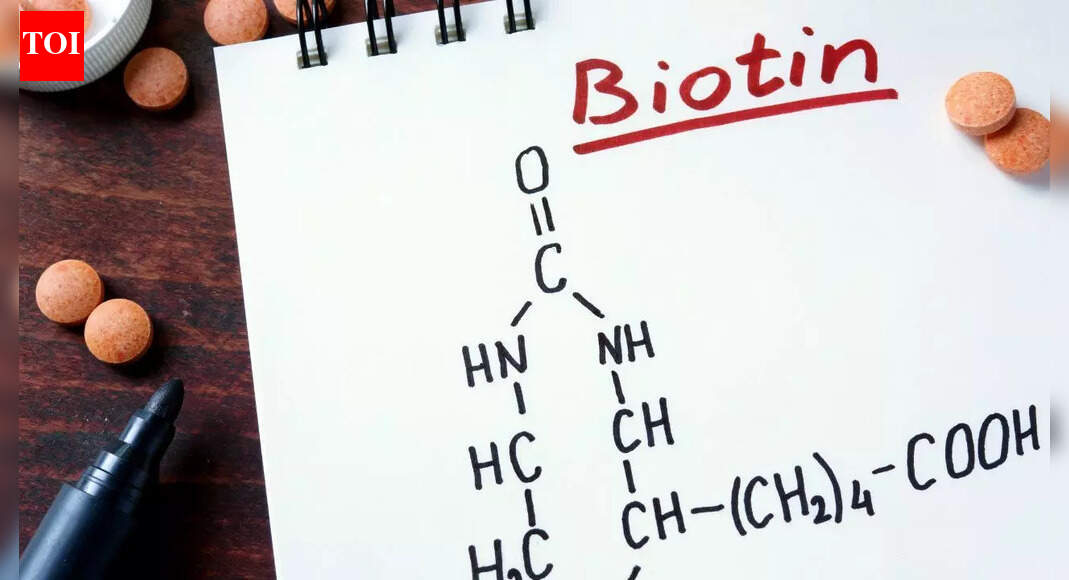


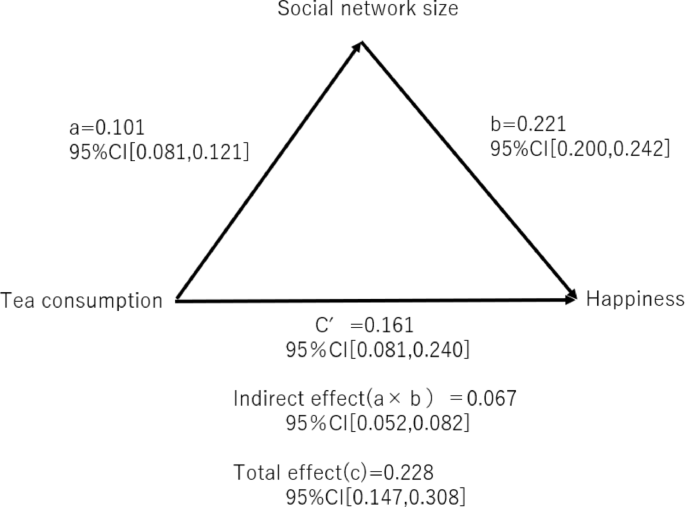
:max_bytes(150000):strip_icc()/Health-GettyImages-2198105325-fb0cae1d506d4be2ac681006c21180d7.jpg "4 Drinks That Can Help You Get More Vitamin D Every Day")