The main category of Dietary Supplements News Articles.
You can use the search box below to find what you need.
[wd_asp id=1]
The main category of Dietary Supplements News Articles.
You can use the search box below to find what you need.
[wd_asp id=1]
Vitamins and dietary supplements are often viewed as harmless additions to daily health routines, but recent scientific evidence shows that certain high-dose supplements may cause more harm than good. While vitamins are essential for normal body function, excessive or unnecessary supplementation can place significant stress on the heart, liver and metabolic system. Fat-soluble vitamins, in particular, tend to accumulate in the body, increasing the risk of toxicity when taken in large amounts.
1. Vitamin AVitamin A is essential for vision, immunity and skin health. However, because it is fat-soluble, the body stores excess amounts in the liver rather than excreting them. High-dose supplementation can therefore lead to accumulation and toxicity, causing liver inflammation, fibrosis and, in severe cases, liver failure. Excessive Vitamin A intake has also been associated with increased pressure inside the skull, bone fragility and potential disturbances in cholesterol metabolism, indirectly affecting cardiovascular health when consumed at unsafe levels.
A study published in the Journal of Hepatology reported that chronic high intake of Vitamin A significantly increased the risk of liver toxicity, with biopsy samples showing liver cell injury, fibrosis and early signs of cirrhosis among long-term high-dose users.2. Vitamin DVitamin D supports bone strength, immune function and hormone regulation. However, excessive supplementation can lead to Vitamin D toxicity, a condition that causes dangerously high calcium levels in the blood (hypercalcaemia). This can harden and calcify blood vessels, damage heart valves, and strain the kidneys and liver. High-dose Vitamin D is often taken without testing levels first, which increases the risk of accidental overdose and long-term cardiovascular complications.A study in the American Journal of Medicine found that individuals taking high-dose Vitamin D supplements had an increased risk of hypercalcaemia, which was associated with vascular calcification and reduced cardiovascular function.3. Vitamin EVitamin E is a powerful antioxidant, but when taken in large supplemental doses, it can thin the blood excessively and interfere with normal clotting. This may raise the risk of haemorrhagic stroke and increase bleeding tendencies. Some research also suggests that high doses may contribute to oxidative stress in the liver and disrupt lipid metabolism, creating additional cardiovascular strain.A study published in the Journal of the American Medical Association (JAMA) concluded that high-dose Vitamin E supplementation was linked to an increased risk of haemorrhagic stroke. The findings indicated that doses above 400 IU daily may raise the likelihood of uncontrolled bleeding.4. Niacin (Vitamin B3)Niacin is used to support cholesterol management and energy production. However, supplement forms often contain doses far exceeding dietary needs. High-dose niacin can overload the liver, causing enzyme elevation, hepatitis or liver failure. It also increases inflammation in blood vessels and may promote arterial plaque buildup, reversing the very heart-protective effects it is often taken for.A study in Nature Medicine found that elevated niacin metabolites were strongly associated with arterial inflammation and a higher risk of cardiovascular events. The study suggested that excessive niacin intake may contribute to plaque formation and worsen heart disease risk.5. Green tea extractGreen tea extract contains concentrated levels of catechins, especially EGCG. While drinking green tea is safe, the supplement form delivers much higher doses, which can overwhelm the liver’s detoxification pathways. Liver injury caused by high-dose green tea extract has been reported worldwide, especially in weight-loss supplements. Excess catechins may also raise oxidative stress and strain cardiovascular function.A study published in the European Food Safety Authority (EFSA) Journal concluded that catechin intake above 800 mg per day could cause liver enzyme elevation and increase the risk of liver injury. The review highlighted high-dose green tea extract as a major contributor to supplement-induced liver toxicity.Disclaimer: This article is for informational purposes only and should not be considered medical advice. Please consult a healthcare professional before making any changes to your diet, medication, or lifestyle.
Oatbedient has released two flavours under its oat milk cafe range in Malaysia that expands on the popularity of Japanese matcha – Matcha Espresso and Hojicha.
Matcha espresso is a fusion drink that combines the earthy, slightly sweet flavour of matcha green tea with the bold, bitter notes of espresso.
Hojicha and matcha are both Japanese green teas, but they differ in processing, flavour and caffeine content. Hojicha is a Japanese green tea that is roasted, giving it a warm, nutty and slightly smoky flavour.
Oat Milk Hojicha: Oat Milk Powder, Roasted Green Tea Powder, and Sugar.
Oat Milk Matcha Espresso: Oat Milk Powder, Coffee Powder, Matcha Powder, and Sugar.
H.L, a businesswoman in HCMC in her early 40s, regularly had health checkups and was generally healthy. However, occasional colds and headaches made her uneasy.
In 2020, she underwent a full medical checkup, including a brain MRI, which showed no abnormalities. Her neurologic exam was normal, and no doctor prescribed or recommended supplements.
By 2022, she had neck pain, headaches, and dizziness, so she went for another health check. The second MRI results, compared to the previous images, revealed an abnormality: a cerebral blood vessel had suddenly become narrowed.
The doctor who examined L was Tran Chi Cuong, Chair of the HCMC Neurointervention Association. He said that the team searched for traditional risk factors but found none. This patient had a standard BMI, no high blood lipids, no diabetes, no hypertension, and no smoking or alcohol consumption.
After persistent questioning, L finally admitted that for several years she had been using many types of functional foods advertised to help maintain youth, lose weight, and enhance health.
When the doctor asked about the products, the female patient took out her phone and showed images of various bottles. The list was long: from multivitamins and collagen to imported herbal extracts.
The doctor believed that L was facing a serious problem by self-administering functional foods of unclear origin. It is impossible to confirm whether the ingredients had undergone full clinical research or guaranteed purity.
The patient’s symptoms appeared after prolonged use of the supplement products. The doctors were concerned that drug interactions or accumulated impurities could cause vasculitis, spasms, or blockages, potentially worsening the condition.
Another case involved N.T.L, 70, who came for an examination carrying a bag of “medicine” she was using. The doctors said that most of it was functional foods. Every day she took more than 10 pills, ranging from brain, kidney, and liver supplements to stroke prevention products.
Recently, a check-up showed signs of declining kidney function. Her son, who is also a medical expert, sent her to be examined at Tran Chi Cuong’s workplace.
The doctor spent more than one hour consulting the patient to help her understand and eliminate unnecessary functional foods. A few months later, the patient’s health improved. She asked her son to send thanks to the doctor for advising her to abandon the unnecessary bottles.
Doctor Cuong said that all patients using many supplements and functional foods are checked and advised to stop using the products. This is truly a simple, economical, and highly effective therapy. In some cases, the glomerular filtration rate was only 31 upon initial examination, but after reducing supplements, kidney function improved after just 1 month, rising to 39. This function in normal people is over 60.
According to many physicians, people should take functional foods only when they have clear evidence that they lack certain elements and need supplements. But most people just follow the descriptions on the box (enhance vitality, prenatal vitamins, menopausal women, etc) or, more simply, word of mouth recommendations
Dr Cuong believes that doctors should limit prescribing multiple drugs or functional foods to avoid interactions, side effects (liver-kidney), and increased costs.
The public should avoid believing advertisements on social media or word-of-mouth recommendations about health products, especially carry-on goods of unclear origin.
“One product may suit one person but may not suit another. Don’t ‘borrow’ someone else’s prescription and take supplements long-term without medical supervision,” he cautioned.
Instead of relying on pills, people should focus on lifestyle changes and a balanced diet, getting vitamins and fiber naturally from fruits and vegetables, exercising regularly, and having periodic medical checkups, as recommended by doctors.
Associate Professor Nguyen Lan Hieu, Director of Hanoi Medical University Hospital, said he is often asked about supplements. “I don’t prescribe them to my patients, and I don’t take them myself,” he added.
His recommendations are: First, research the origin and effects yourself before deciding to use. If still hesitant, it is best not to use. It is very dangerous to choose the wrong fake functional food or one with ingredients harmful to the pathology the user already has.
Second, if buying, choose types already recognized by developed countries and sold openly in supermarkets. Third, when using, really listen to your body; if you feel anything unusual, stop immediately.
In addition, he advises against using functional foods for long periods. The simple principle is: once your body has enough, there is no need to supplement.
Vo Thu
In Japan, the powdered green tea known globally as matcha is now at the intersection of tradition, global demand, and legal identity. With exports surging and a key growth market emerging overseas, producers and regional associations are moving to secure formal origin protection. In July, the Kyoto Prefectural Tea Chamber applied to register tencha — the shaded tea leaves ground into matcha—under Japan’s Geographical Indication (GI) system. The proposed designation would ensure that only tea produced in Kyoto Prefecture from hand-picked first-flush leaves could carry the certification mark.
The push comes amid mounting pressure on supply. Severe heatwaves in Japan’s tea-growing regions have slashed yields and driven up prices. Kyoto’s farmers reported a 25 percent drop in tencha harvests as of July, while consumer demand has surged globally. The matcha market is projected to reach about $5 billion by 2028. For producers, a legal designation represents more than prestige. It is a strategic tool to protect authenticity and value in a market increasingly crowded with imitations.
Unlike Champagne or Roquefort, which are tied to specific locations and centuries of regulation, the word matcha means “ground tea.” The term just describes a routine processing method, “like the ‘cheddaring’ of dairy curds which gives cheddar cheese its un-trademark-able name,” one report notes. Securing a GI for matcha means building a legal and cultural narrative around place, process, and tradition, particularly in Kyoto, Uji, and Nishio, which have produced shaded green teas for more than eight centuries.
The move follows a broader global shift. Traditional origin protections once reserved for wine, cheese, and spirits are expanding to encompass foods, crafts, and agricultural products vulnerable to imitation. Japan’s Ministry of Agriculture, Forestry and Fisheries (MAFF) currently maintains about 130 registered geographical indications, including Kobe Beef and Yubari Melon, and has encouraged regional industries to pursue more. As matcha’s reputation becomes both cultural export and commodity, its producers are betting that legal origin protection will become essential to sustain credibility in the next phase of its global boom.
A geographical indication (GI) is a legally protected name that identifies a product as originating in a specific location where a particular quality, reputation, or characteristic is essentially attributable to that origin. The European Commission defines it as “a name which identifies a product as originating in a specific place, region or country where a given quality, reputation or other characteristic of the product is essentially attributable to its geographical origin.”
GIs operate as intellectual property rights based on geography rather than brand ownership. They are recognized under the World Trade Organization’s Agreement on Trade-Related Aspects of Intellectual Property Rights (TRIPS) and, in the EU, administered through national agencies and the European Union Intellectual Property Office (EUIPO). The process is methodical: producers form a group, draft a technical file detailing production methods and geographic boundaries, and submit it for review by national authorities before EU-level examination. The process can take several years.

Once approved, a GI prevents unauthorized use of the protected name and blocks marketing that could mislead consumers about a product’s true origin. It also allows enforcement at customs and through trade agreements abroad. For producers, it transforms a regional specialty into an asset backed by law; for consumers, it offers a guarantee that origin, method, and quality are verifiable rather than rhetorical.
Japan’s matcha growers are now entering that arena — seeking to do for powdered green tea what France did for Champagne a century ago: turn geography into a mark of authenticity.
Protected under the Harris Tweed Act of 1993, this woolen fabric must be handwoven by islanders in their homes in the Outer Hebrides and made from pure virgin wool dyed and spun locally. The Harris Tweed Authority inspects and certifies each bolt before export.
The Vetro Artistico Murano certification mark, created by regional law in 1994, protects glassware produced on the island of Murano using traditional methods. Only registered artisans and studios can use the trademark, which distinguishes genuine Murano craftsmanship from imported imitations.
Granted a French indication géographique in 2017, Limoges porcelain can only be produced and decorated in Haute-Vienne. The protection ensures that centuries-old kiln traditions and clay-sourcing practices remain tied to the Limoges name.
Certified by the Irish Linen Guild, the trademark guarantees that the linen yarn is spun in Ireland and the fabric woven by guild members.
The Champagne Appellation d’Origine Contrôlée (AOC) is the prototype for origin-based protection. Only sparkling wines produced in the Champagne region under specific viticultural and winemaking rules may bear the name. The Comité Champagne monitors global misuse and maintains recognition in over 120 countries.
Protected by the Scotch Whisky Regulations of 2009, the GI mandates distillation and maturation in Scotland for at least three years in oak casks. It is enforced globally by the Scotch Whisky Association and recognized under trade agreements worldwide.
The Bureau National Interprofessionnel du Cognac (BNIC) regulates the GI, defining the region, grape varieties, and double distillation method. Recent international rulings, such as South Korea’s recent decision rejecting a “Cognac” shampoo trademark, underscore its global legal strength.
Recognized as a Denominación de Origen since 1974, Tequila production is limited to five Mexican states and regulated by the Consejo Regulador del Tequila (CRT). The GI enforces agave sourcing, distillation, and bottling standards.
Protected by EU PDO status, the cheese must be produced in specific provinces of northern Italy using raw cow’s milk and aged at least twelve months. Each wheel is inspected and fire-branded by the consortium before sale.
One of Europe’s oldest protected cheeses, Roquefort gained AOC status in 1925. It must be made from raw ewe’s milk and aged in the natural limestone caves of Roquefort-sur-Soulzon.
PDO protection confines production to Parma province, where the microclimate allows natural air curing. Each ham bears the Ducal Crown mark, attesting to its origin.
India’s first registered GI, Darjeeling Tea’s protection dates to 2004. The Tea Board of India certifies that the tea comes from the Darjeeling district and meets plucking and processing standards.
Related on Ethos:
In a groundbreaking study published in the journal Biochemical Genetics, researchers have undertaken a detailed investigation into the immune-modulating properties of the microalga Chlorella vulgaris. This unicellular organism has captivated scientists due to its rich nutritional profile and potential health benefits. The research team, comprising Robben, Amin, and Budiman, utilized a well-established mouse model to assess the implications of Chlorella vulgaris on immune gene expression, providing insights that could pave the way toward novel therapeutic interventions in immunology.
The utilization of Chlorella vulgaris in nutritional science has surged in popularity, primarily because of its high protein content, essential fatty acids, vitamins, and minerals. However, its potential immunomodulatory effects were less explored until this recent inquiry. By dissecting the interactions between Chlorella vulgaris and the immune system, the researchers aimed to illuminate mechanisms that could enhance immune responses during challenging conditions, such as viral infections or autoimmune disorders.
To set the stage for their experiments, the research team designed a series of controlled studies involving various dose escalations of Chlorella vulgaris, administered to laboratory mice over a specified duration. This meticulous approach allowed them to observe not only the immediate effects but also the longer-term impact of this alga on the immune system. The researchers coated their assessments with rigorous statistical frameworks, ensuring the reliability and reproducibility of the results.
One of the notable findings of the study was the alteration in gene expression profiles associated with immune responses in the mice that received Chlorella vulgaris. Specific immune markers demonstrated significant upregulation, suggesting that the microalga could indeed stir various immune pathways to enhance the animal’s defensive capabilities. The scientists leveraged advanced techniques such as RNA sequencing to pinpoint the genes that exhibited pronounced changes in expression levels.
Interestingly, the immunomodulatory effects observed in the trial correlated with the concentration of Chlorella vulgaris administered. A detailed dose-response relationship emerged, with higher concentrations inducing more significant changes in immune functionality. This discovery prompts critical considerations regarding potential applications in dietary supplements or functional foods aimed at enhancing immune resilience in humans.
Equally fascinating was the exploration of cytokine profiles, which are crucial players in the immune response network. The administration of Chlorella vulgaris appeared to recalibrate the balance of pro-inflammatory and anti-inflammatory cytokines within the host. This shift could have profound implications, suggesting that this microalga may serve as a natural modulator of inflammation, a characteristic that could be leveraged in treating various inflammatory conditions.
Moreover, the study meticulously highlighted the underlying biochemical processes, shedding light on how specific phytonutrients and bioactive compounds present in Chlorella vulgaris may directly influence immune gene expression. By dissecting these complex interactions, the research significantly advances our understanding of the potential pharmacological applications of Chlorella vulgaris in immune modulation.
In addition to its implications for human health, the research possesses notable ecological significance. Given the increasing interest in sustainable and environmentally friendly food sources, Chlorella vulgaris emerges as a star player in the intersection of nutrition, health, and environmental sustainability. It can be cultivated efficiently, requiring minimal resources while offering considerable nutritional yields, thus providing a model for sustainable agricultural practices.
The implications of these findings extend beyond mere academic interest; they pose tantalizing prospects for the development of new therapeutic agents, particularly in the management of diseases where immune dysfunction is paramount. As the scientific community races to find effective treatments for immunological disorders, Chlorella vulgaris could represent a promising avenue for further investigation and development.
However, the research team acknowledges the necessity for follow-up studies involving human trials to fully validate the findings. While mouse models provide critical insights, translating these results into practical therapeutic applications requires further validation across different biological systems. The complexities of human immunology necessitate a cautious approach, with meticulous attention to detail in subsequent clinical studies.
The study ultimately reaffirms the potential of microalgae as beneficial dietary components, with Chlorella vulgaris leading the pack in terms of immune modulation. As we continue to explore the multifaceted roles of microalgae in our diet, the evidence continues to mount in favor of integrating such bioactive compounds into our daily nutrition.
In summary, Robben, Amin, and Budiman’s research marks a significant leap forward in our understanding of the nutritional and therapeutic potential inherent in Chlorella vulgaris. By elucidating its immunomodulatory effects in a controlled mouse model, this scientific endeavor opens the door to innovative health solutions that leverage natural products for enhanced immune resilience. As ongoing research seeks to refine these findings, the potential for Chlorella vulgaris to make waves in both the health and wellness sectors appears increasingly promising.
The findings intriguingly prompt a re-evaluation of dietary patterns, suggesting that incorporating foods rich in bioactive compounds can have profound implications on health. As consumers become more health-conscious and informed, the demand for functional foods that support immune health is expected to rise—making the timing of this research particularly relevant and impactful.
The broader implications of this study could also reshape how food scientists and nutritionists think about food sources, emphasizing the need for a more integrated approach to dietary planning and health management. By harnessing nature’s bounty and combining it with scientific rigor, a new frontier in health optimization may be on the horizon.
As we digest the findings presented by this research, it remains essential to maintain a dialogue within the scientific community, fostering collaboration and continued investigation into the health benefits of natural products. With each new study, we inch closer to unlocking the secrets behind the remarkable capabilities of microalgae, potentially transforming the health landscape for generations to come.
In conclusion, Chlorella vulgaris stands out not just as a superfood but as an emerging player in the field of immunology. As we continue to explore the depths of its potential, it becomes increasingly clear that the future of nutritional science may very well be green, with microalgae at the forefront of our efforts to enhance health and well-being globally.
Subject of Research: Immunomodulatory Activity of Chlorella vulgaris
Article Title: Evaluation of Immune Gene Expression Reveals Immunomodulatory Activity of Chlorella vulgaris in a Mouse Model
Article References: Robben, D.M., Amin, Z., Budiman, C. et al. Evaluation of Immune Gene Expression Reveals Immunomodulatory Activity of Chlorella vulgaris in a Mouse Model. Biochem Genet (2025). https://doi.org/10.1007/s10528-025-11262-5
Image Credits: AI Generated
DOI: https://doi.org/10.1007/s10528-025-11262-5
Keywords: Chlorella vulgaris, Immunology, Immune Gene Expression, Nutritional Science, Microalgae, Cytokines, Immunomodulation, Health Benefits, Sustainable Food Sources.
Tags: autoimmune disorders researchChlorella vulgaris immune responsedose escalation studies Chlorellaessential fatty acids nutritionimmune gene expression studyimmune-modulating propertiesmicroalga health benefitsmouse model immunologynutritional science Chlorellaprotein-rich microalgatherapeutic interventions in immunologyviral infections immune response
190,322,800 Ordinary Shares of Green Tea Group Limited are subject to a Lock-Up Agreement Ending on 15-NOV-2025. These Ordinary Shares will be under lockup for 184 days starting from 15-MAY-2025 to 15-NOV-2025.
Details:
Each of the Controlling Shareholders agrees and undertakes to our Company and each of the Sponsor-Overall Coordinators, the Overall Coordinators, the Joint Global Coordinators, the Joint Sponsors, the Joint Bookrunners, the Joint Lead Managers, the Capital Market Intermediaries and the Hong Kong Underwriters that except pursuant to the Global Offering (including pursuant to the Over-allotment Option), at any time after the date of the Hong Kong Underwriting Agreement up to and including the date falling the First Six-Month Period, it/he/she will not, without the prior written consent of the Sponsor-Overall Coordinators (for themselves and on behalf of the Hong Kong Underwriters): (a) sell, offer to sell, contract or agree to sell, mortgage, charge, pledge, hypothecate, hedge, lend, grant or sell any option, warrant, contract or right to purchase, grant or purchase any option, warrant, contract or right to sell, or otherwise transfer or dispose of or create an Encumbrance over, or agree to transfer or dispose of or create an Encumbrance over, either directly or indirectly, conditionally or unconditionally, any Shares or any other securities of the Company or any interest in any of the foregoing (including any securities convertible into or exchangeable or exercisable for or that represent the right to receive, or any warrants or other rights to purchase, any Shares or any other securities of the Company) beneficially owned by it as at the Listing Date (the ?Locked-up Securities?); (b) enter into any swap or other arrangement that transfers to another, in whole or in part, any of the economic consequences of ownership of any Locked-up Securities; (c) enter into any transaction with the same economic effect as any transaction specified in (a) or (b) above; or (d) offer to or agree to do any of the foregoing or announce any intention to do so, in each case, whether any of the foregoing transactions is to be settled by delivery of share capital or such other securities, in cash or otherwise (whether or not the issue of such share capital or other equity securities will be completed within the First Six-Month Period); and (i) during the Second Six-Month Period, each of our Controlling Shareholders will not enter into any transaction described in paragraphs (a), (b) and (c) above or agree or contract to or publicly announce any intention to enter into any such transaction if, immediately following such transaction, the shareholding of Time Sonic in the Company will be reduced to below 30%; and (ii) until the expiry of the Second Six-Month Period, in the event that he/she enters into any such transactions specified in paragraphs (a), (b) or (c) above or agrees or contracts to, or publicly announces an intention to enter into any such transactions, each of our Controlling Shareholders will take all reasonable steps to ensure that he/she will not create a disorderly or false market in the securities of our Company. The restrictions above do not apply to any pledge or charge of any Shares or other equity securities of the Company, as applicable, or any interest in any of the foregoing (including, without limitation, any securities convertible into or exchangeable or exercisable for or that represent the right to receive, or any warrants or other rights to purchase, any Shares or other equity securities of the Company) after the Global Offering in favor of an authorized institution as defined in the Banking Ordinance (Cap. 155 of the Laws of Hong Kong) for a bona fide commercial loan.
Each Cornerstone Investor has agreed that it will not, and will cause its affiliates not to, whether directly or indirectly, at any time during the period of six months from (and inclusive of) the Listing Date (the ?Lock-up Period?), dispose of, in any way, any of the Offer Shares or any interest in any company or entity holding such Offer Shares that they have purchased pursuant to the relevant Cornerstone Investment Agreement, save for certain limited circumstances, such as transfers to any of its wholly-owned subsidiaries who will be bound by the same obligations of such Cornerstone Investor, including the Lock-up Period restriction.
Colon cleanses or enemas, which are encouraged as a part of Sonne’s 7-day cleanse, come with their risks. Colon cleansing involves flushing large amounts of water or other substances through the rectum and into the colon.
Plus, the Sonne’s 7-day cleanse, as well as many similar cleanses, promote the use of products that may not be safe.
“Packaged cleanses typically fall within the realm of dietary supplements, which are largely unregulated,” says Whitney Linsenmeyer, PhD, RD, a spokesperson for the Academy of Nutrition and Dietetics and an assistant professor of nutrition and dietetics at Saint Louis University in Missouri. “These may contain unlisted substances and may interact with other medications or supplements you are taking.”
HONEY PACKS ARE going viral on TikTok. But not the kind you use in your tea.
Instead, they’re the latest trendy supplement that claims to help men get stronger, longer-lasting erections—even faster than with a “little blue pill.” Social media is full of testimonials and suggestive posts from guys suddenly being ready to go after taking one (or more) of these packets.
So what exactly is a honey packet, and is it safe to take? Here’s what doctors know about this alleged erection enhancer.
HONEY PACKS HAVE no set formula, but are typically small quantities of honey mixed with ingredients that allegedly enhance your erection and sexual performance. Each brand offers a slightly different combination of additives, which can include ginseng, maca root, and black ginger root.
And they’re not hard to find. Amazon is filled with of packs with names like Royal Whole Night Honey, King, and Honey Bae. Some come with directions for use. Others don’t. Royal Whole Night Honey, for example, recommends tossing back a packet on its own or with lukewarm water two to three hours “before bed.” For best results, the brand suggests that you do this “regularly” for four months.
Though the ingredients and instructions vary across brands, the same legal disclaimer appears on their respective Amazon pages: “Statements regarding dietary supplements have not been evaluated by the FDA and are not intended to diagnose, treat, cure, or prevent any disease or health condition.”
IF YOU ASK the companies that make and sell them—hell yes. However, there’s dubious scientific evidence supporting the claim that the advertised ingredients actually enhance sex drive, erections, or endurance.
For example, a 2022 study review on ginseng’s use for erectile dysfunction found the ingredient had a “trivial” effect compared to the placebo group. (Taking ginseng did, however, make more men believe they were doing great at sex.)
None of the components in honey packs have gone through randomized controlled trials that specifically looked at whether they improve penis health, says David Kaufman, MD, director of urology at Maiden Lane Medical in New York City. He calls honey packs “worthless.”
Another reason to be cautious: In 2022, the US Food and Drug Administration (FDA) warned that X Rated Honey For Men contained a hidden drug ingredient, tadalafil, the active ingredient in the prescription drug Cialis. More recently, the FDA warned that Secret Miracle Honey Extra Strength contained sildenafil (the active ingredient in Viagra), tadalafil, and acetaminophen (Tylenol), which were not listed on the product’s label.
“There is no evidence that these work [to treat erectile dysfunction],” says Jay Amin, MD, a urologist at Orlando Health Medical Group Urology. What might work to improve sexual function, he notes, are the hidden ingredients not included in the labels AKA tadalafil or sildenafil (active ingredient in Viagra). However, unlike prescription drugs that are tightly regulated, honey packs are not guaranteed to have these ingredients or at an appropriate dosage.
Generally, the FDA warns that the ingredients in honey packs may interact with nitrates found in some prescription drugs. They also note that honey packs may also lower blood pressure to dangerous levels.
“It could pose serious health effects for men who take multiple packets, thinking that they are natural herbal supplements,” Amin says. “Especially if they have underlying cardiac conditions or take other medications that these packages could interact with.”
ONE OF THE main arguments for the supplements is that the main ingredient, honey, enhances sexual behavior on its own. It’s been a traditional remedy used in many cultures to help men and women with infertility. For example, pairing honey with milk is a traditional approach to increasing sperm count and boosting testosterone levels in Malaysia.
Honey does seem to work as a vasodilator—widening blood vessels to support good blood flow. Because erections require increased blood flow to your junk, this is good, right?
In theory, yes. A few animal studies have showed a possible link between honey and better penile health. For example, rats that were given Malaysian honey showed improved sperm counts and the ability to attain and maintain an erection, according to research from more than a decade ago. Another study from 2021 showed a boost in the testosterone levels of rats with damaged testes from malnutrition when they took daily doses of honey.
But just because a rat gets a boner in a study doesn’t mean you will in real life.
One issue is dosage. The rat erection study gave honey at 1.2 g/kg per body weight for rats, which is literally nothing for humans. How this dosage would translate for humans is currently unknown. The second is that the theory hasn’t technically been proven in humans. To date, there are no credible human studies that have tested or shown that honey will make you last longer in bed.
IF YOU HAVE difficulty getting or maintaining an erection, urologists recommend coming in for an appointment. They can give you a thorough evaluation, come up with a treatment plan, and prescribe you medication (that’s actually proven to work) if necessary.
“PDE5 inhibitors—Viagra, Cialis—are really the best solution for erectile dysfunction,” Kaufman says. (But you want to get these from a doctor, not an online supplement retailer, to make sure you’re getting the appropriate medication and dosing for your needs.)
If you’re struggling with performance anxiety, these prescription medications can be a “temporary crutch” to help get you over the hump, Kaufman says. But if your erectile dysfunction is vascular or linked to a nervous system issue, the meds can work reliably and over the long-term, he adds.
But there’s no telling what you’ll get with a honey pack.
Korin Miller is a freelance writer specializing in general wellness, sexual health and relationships, and lifestyle trends, with work appearing in Men’s Health, Women’s Health, Self, Glamour, and more. She has a master’s degree from American University, lives by the beach, and hopes to own a teacup pig and taco truck one day.

Jocelyn Solis-Moreira, MS is the associate health & fitness for Men’s Health and has previously written for CNN, Scientific American, Popular Science, and National Geographic before joining the brand. When she’s not working, she’s doing circus arts or working towards the perfect pull-up.
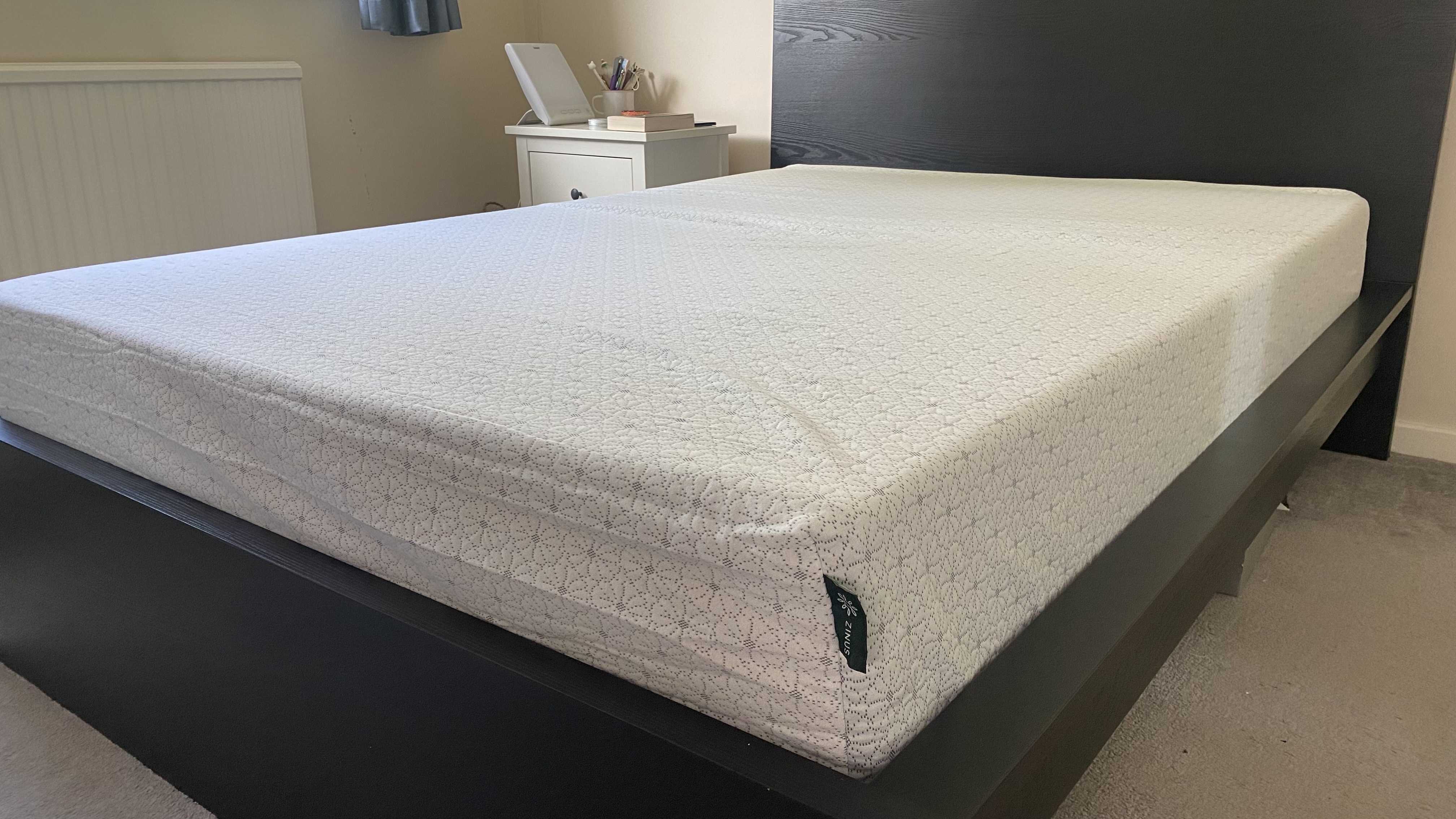
The Zinus Green Tea Memory Foam Mattress is a low-cost bed that often tops the Amazon bestseller list, but can it compare to this year’s best mattresses?
We put it to the test, spending three weeks sleeping on a full-size Zinus 10-inch Mattress, with feedback from a wider review panel and support from objective testing per our mattress methodology. (Spoiler: It’s a hit among side sleepers.)
Zinus Green Tea Mattress specs
Type: All-foam
Materials: Memory foam, other foam
Firmness: 5.5 out of 10
Height: 10 inches (8, 10, and 12 inches also available)
Trial period: 100 nights
Warranty: 10 years
Price: from $399 at Zinus
The Zinus mattress excels in pressure relief. The very best memory foam mattresses are known for their contouring comfort, adapting to the touch points to evenly distribute body weight and decrease pressure buildup. The Zinus, with its slow-moving cushioned foams, eases around the body to bring relief to the shoulders, hips, and knees.
It’s like a big hug from a marshmallow, with the dense base foams providing just enough support to keep the body lifted. All our side sleeping testers enjoyed resting on the Zinus.
It also delivers when it comes to motion isolation. Our testers agree that even a fidgety bed partner shouldn’t bother you when sharing the Zinus. Its performance in this aspect ranks alongside some of our favorite all-foam beds, including the more expensive Nectar Premier Memory Foam Mattress.
Image 1 of 2
Although primarily a side sleepers’ mattress, some back sleepers will also get on with the Zinus, particularly those who prefer a soft bed or have a light build. However, the ‘sink-in’ feeling can cause some tension in the lower back. For this reason, we don’t recommend the Zinus to stomach sleepers. If you lie on your front, a firmer all-foam bed like the Siena mattress is a better choice.
Where the Zinus mattress excels is, undoubtedly, pressure relief
The Zinus does fall into some of the common traps of a cheaper all-foam mattress. It struggles with temperature regulation (which can lead to some sweaty mornings), and the edge support is subpar. If you need a push off the sides of the bed to get up in the morning, consider the superior support of the EGOHOME Memory Foam Mattress because you’ll slide straight off the Zinus.
But while these are noteworthy issues, we still think the Zinus delivers excellent value for money. A queen is often $499 direct from Zinus, but if you head to Amazon, you can pick up an older model for under $250. If you need a crowd-pleasing bed for a well-used guest room, we think this is among this year’s best cheap mattresses.
For everyday use, we think the Zinus Green Tea Memory Foam Mattress will best suit side sleepers who are tired of waking up with aching arms and want a new bed on a tight budget. You could do a lot worse in this price bracket.
Regular mattress sales make Zinus a budget-friendly sleep brand. Its flagship Green Tea Memory Foam mattress can typically be picked up for less than $500 for a queen-size.
Thanks to these frequent Zinus mattress sales, you can pretty much go ahead and ignore the MSRP. Below is the current pricing for the Zinus Green Tea Memory Foam mattress, including the full cost and what you’ll normally pay in the sale:
These sale prices stay fairly consistent year-round, but major sales events are sometimes accompanied by an added discount. We’ve seen an extra 10% off appear several times this year.
But when it comes to the Zinus Green Tea mattress, this is only part of the pricing story. For the lowest cost, you often need to go third-party.
At the Amazon Zinus store, we’ve seen a queen drop below $200 (but you’re most likely to pay around $230). That puts it in line with super-affordable beds like the Linenspa Memory Foam Hybrid Mattress and the Allswell Hybrid Mattress, and makes it one of the best cheap mattresses on Amazon.
There are a few disadvantages, however, to shopping with third parties. First, Amazon typically sells older versions of this mattress. We predict this design has a similar feel to the current build, but the newer model might have better performance aspects (such as cooling).
Second, shopping third party does mean missing out on benefits. You’ll get a 10-year mattress warranty both at Zinus and Amazon, but buying from Zinus comes with the bonus of a 100-night sleep trial. This allows you to try the mattress in your home and return it if it isn’t right for you. At Amazon, once the bed is out of its packaging, it can only be returned if there’s a fault.
You might also have noticed that the Zinus mattress comes in only a handful of sizes. For a cheaper all-foam bed with a vast sizing line-up, try the Brooklyn Bedding Dreamfoam Essential mattress.
Value for money score: 3.5 out of 5
The Zinus Green Tea Memory Foam mattress has a three-layer, all-foam build. That’s a fairly standard design for an all-foam mattress, particularly in this price bracket. We tested the 10-inch model but there are different heights available via Amazon. Only the 10-inch model is available direct from Zinus.
The top layer is a comfort layer consisting of memory foam enhanced with a green tea infusion for added “freshness” (although we have some doubts on its effectiveness). Beneath this is a layer of transition foam, offering responsive support. Finally, a base of durable foam brings stability and support to the overall mattress.

This is all wrapped in a soft to the touch cover with a breathable design. The cover on our model appears cosmetically different to the cover on the Zinus website, but we expect any changes in feel to be minimal. The cover can’t be removed and is spot clean only.
There are no handles, which can make the Zinus Mattress difficult to move around. Our test model also had a surprisingly loose cover. This was rarely noticeable, but after a particularly restless night there was some bunching.
The Zinus Green Tea Memory Foam Mattress delivers the kind of adaptive comfort we expect from a memory foam bed. It ‘hugs’ the body, molding itself to your form to relieve pressure at the touch points and cushion the joints. This is a mattress you sink into, rather than lie on top of.
The memory foam ‘hug’, similar to the cushioned feel of a Tempur-Pedic mattress, makes the Zinus Mattress most comfortable for side sleepers, especially those with a lighter build. At the shoulders and hips the Zinus feels dreamy, with a pillow-y softness that ensures none of the ‘numb’ shoulders and hips that can accompany side sleeping on a firmer mattress. We think it’s one of the best mattresses for side sleepers on a budget.
The dense foam at the base enhances the support of the Zinus Mattress, and our lightweight back sleeping tester was comfortable lying in this position. However, our primary tester would have appreciated firmer support at the hips, to prevent the lumbar region from sinking.

Our lead tester is a stomach sleeper and found the Zinus Memory Foam Mattress too soft to consistently sleep comfortably in this position — most mornings she woke up with a slight ache in her lower back. The best mattresses for stomach sleepers have a firmer feel to prevent the spine from twisting as you sleep. The Siena Mattress is a better alternative if you like to sleep on your front.
The soft foams do make it hard to move about on the Zinus; it’s a bit like having a fight with a marshmallow. For some, this cradling effect is cushioning and cozy. For others, it can be stifling.
Zinus rates the Memory Foam Mattress as having a medium feel, and our testing panel agrees. We rate it as 5.5 out of 10 on the mattress firmness scale, with one being hugely soft and 10 being rock hard. This was backed by our objective testing. When we placed a 50lb kettlebell on the bed it immediately sank at least five inches into the foam, indicating a medium firmness.
We did notice the firmness varied with the weather (which isn’t unusual for a memory foam mattress). On hot days, the Zinus felt a few degrees softer.
Pressure relief score: 4 out of 5
Delivery of the Zinus Memory Foam Mattress was fast and easy, with our tester model purchased from the Zinus store on Amazon. A boxed bed, it arrived vacuum sealed, compressed in plastic, and rolled to fit in a cardboard box.
The package was slightly unwieldy – some mattresses are folded lengthwise then rolled, but as the Zinus was just rolled, it was still pretty tall. However, this is potentially only an issue for some sizes (larger options might be folded) and was only a minor inconvenience. Out of the box, the Zinus Mattress was quick and easy to unroll.
With the mattress on the bed frame, Zinus recommends waiting 72 hours for it to expand before use. This is a long waiting period, but our model looked fully inflated after roughly 24 hours. Although if you can, try waiting the full 72 hours.

Once unboxed, a mattress off-gassing smell lingered for a while. Mattress off-gassing is caused by Volatile Organic Compounds (VOCs) being released into the air, and it’s a common issue with even some of the best mattresses in a box. Our testing panel noted a strong paint-like smell at first, but it did fade quickly with the window open.
Zinus doesn’t offer white glove delivery, and while the bed isn’t particularly heavy for a mattress, it’s bulky and hard to move. Two people or more are needed to unbox safely and efficiently.
Delivery and setup score: 4 out of 5
As part of our mattress testing methodology, we conduct a series of performance tests for three key performance areas: motion isolation (how much movement disrupts the sleep surface), edge support (how strong the mattress is at the perimeter), and temperature regulation (how well the mattress maintains a neutral temperature overnight).
These are the results of our testing:
The Zinus excelled at motion isolation during our testing period. This refers to how well a bed can absorb movement and the slow-moving foams of the Zinus simply eat up motion. If your partner tosses and turns, we don’t think you’ll feel it on the Zinus Green Tea Memory Foam Mattress.
As well as hands-on testing, we used a series of drop tests to get an objective measurement of motion isolation. We placed a wine glass on the mattress and measured 25, 10 and four inches away. We then dropped a 10lb weight from six inches high onto the mattress from these set distances.

The Zinus performed superbly. From 25 inches, the glass didn’t budge and at 10 inches we observed only the slightest movement. From four inches, there was a more pronounced wobble but the glass remained upright.
This places the Zinus among some of the best mattresses we’ve tested in terms of motion isolation. It’s on par with the Nectar Premier and Tempur-Pedic Tempur-Cloud mattress, which are both significantly pricier.
Thanks to this superior motion isolation, we expect the Zinus to be a good mattress for couples. Even the most restless bed partner shouldn’t disrupt your sleep.
Motion isolation score: 4.5 out of 5
Our lead tester isn’t a particularly hot sleeper but she did find herself waking up warm most mornings on the Zinus Green Tea mattress. This isn’t unusual for an all-foam bed: we found the EGOHOME Memory Foam Mattress, from a similar price bracket to the Zinus, delivered a similar performance in terms of temperature control.
However, the soft, dense foams of the Zinus have a tendency to absorb heat and as you sink into the mattress, that heat can’t escape. Zinus uses a green tea infusion for “freshness” but beyond that, there’s little in the way of cooling tech. And to be honest, we’re skeptical the green tea made any difference.

But there’s a caveat: our testing period coincided with some of the hottest nights of year so we predict a cooler feel over winter. And despite the warmth our tester didn’t wake up in the night. That means for most people, the Zinus should retain a comfortable feel, particularly if you opt for breathable bedding.
Hot sleepers, however, should consider one of the best cooling mattresses. The Cocoon by Sealy Chill Mattress is more expensive but it has better heat dissipation (and it’s on the cheap side for a dedicated cooling bed.)
Temperature regulation score: 3 out of 5
Edge support describes the sturdiness of the mattress perimeter and our testers agree this is one area where the Zinus falls short. The sides are medium-soft, meaning when you sit on the edge, it sinks beneath you.
Our testing panel found it difficult to sit or lie close to the side of the Zinus mattress, which minimizes the usable surface area. One night our lead tester knocked a cushion to the floor and when she leaned over the side to pick it up, nearly slid right off.
Sitting on the edge of the mattress was better but still slightly precarious. This could be an issue for those with mobility issues: a member of our testing panel has weak knees and struggled to push off the Zinus from a sitting position.

Admittedly, this is an area where the best hybrid mattresses perform best — the addition of springs add a supportive boost to the sides. But some cheaper all-foam beds can offer good motion isolation but this does tend to be a feature of firmer beds. The EGOHOME and Siena are good examples.
In addition to our subjective testing, we completed an objective support test by balancing a 50lb kettlebell on the edge of the mattress. Or, at least, we attempted to. It was impossible to get the weight to balance close to the sides. In the end, we had to place it roughly eight inches from the edge before it balanced for any extended period.
Edge support score: 2.5 out of 5
The Zinus Memory Foam Mattress is one of the most popular mattresses on Amazon and a fixture of the best-sellers list. So there are a lot of reviews to comb through.
As of October 2025, the Zinus 10” Green Tea Memory Foam Mattress has a rating of 4.1 out of 5 from over 163,000 reviews. However, many of these reviews are for different heights. There are also more than 1,800 reviews on the Zinus website, but again, many of these are for a different model.
Customers have praised the pressure relief and plush feel of the mattress, with many commenting on how the Zinus helped soothe hip and back pain. Reviewers have also been impressed with the balance of support and cushioning, particularly for the price. The inexpensive price was a major selling point among top reviews, with many pleasantly surprised at the quality of the Zinus in comparison to other cheap beds.
The main criticisms are towards the edge support, with some customers finding it difficult to sleep near the side of the bed. Other customers have questioned the durability, with some noticing sagging after only limited use. This isn’t an issue we’ve spotted with our model, but we expect decreased longevity from a budget mattress.
The Zinus Green Tea Memory Foam Mattress is a sink-in memory foam bed with exceptional pressure relief and an attractively low price. With a queen typically setting you back under $500 (cheaper, if you shop third-party), this budget-friendly mattress is an excellent choice for side sleepers and guest rooms.
The dense all-foam build offers body-hugging comfort while also absorbing motion to keep bed sharers snoozing happily. However, a lack of cooling features means those foams also hold onto heat, making for some potentially sweaty nights. Edge support is also a problem, as the sagging sides can lead to an awkward sinking feel if you lie or sit on the edge.
Overall, the Zinus Memory Foam Mattress is best for side sleepers on a tight budget, although it’s comfortable enough in the short term to make a good guest bed choice. But a lack of cooling features and poor edge support means if you can afford a mid-range bed, it’s worth upgrading.
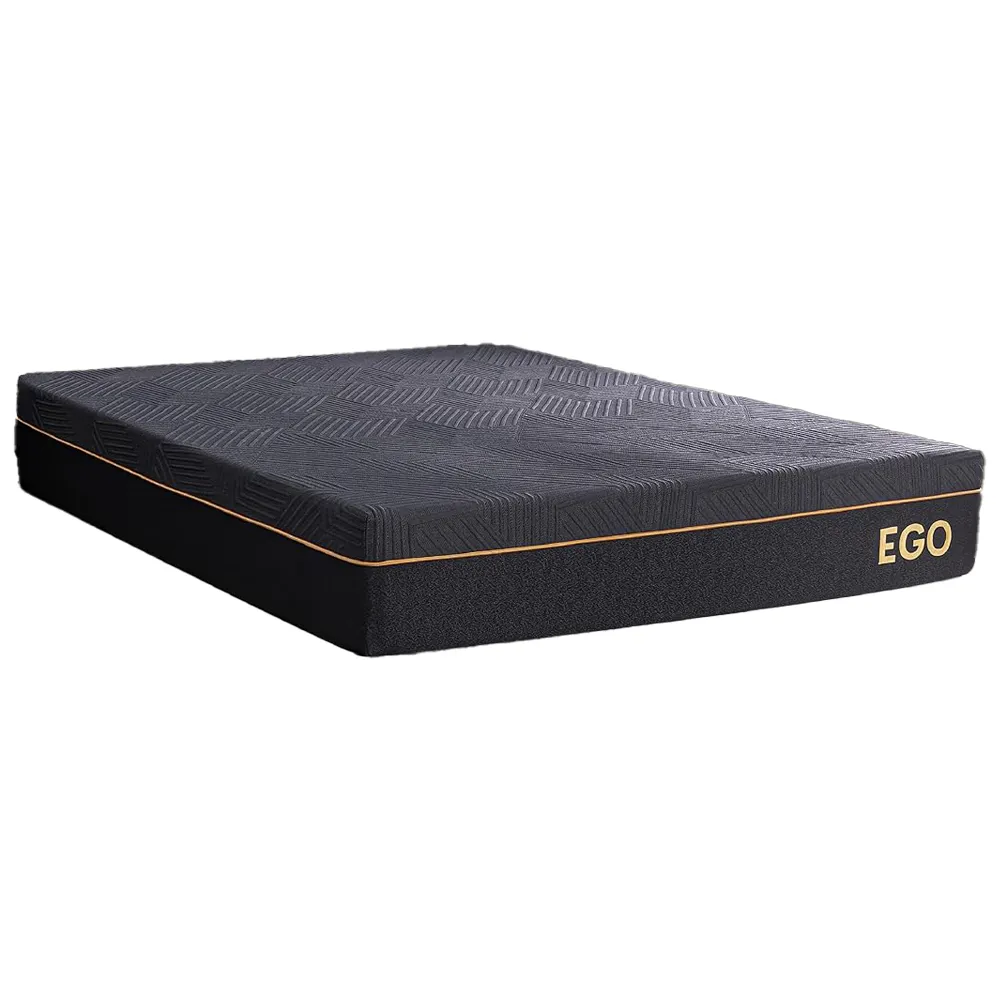
EGOHOME Black Memory Foam
The lead tester in our EGOHOME 12″ Black Memory Foam mattress review is notoriously fussy and even she was impressed with the pressure relief of this all-foam bed. It’s great for side sleepers. Like the Zinus, it does struggle with temperature regulation, so consider the EGOHOME 12″ Hybrid mattress as a breathable alternative. A queen will typically set you back around $369.99 at EGOHOME, but you can sometimes find a better price on Amazon.

In our Siena Memory Foam Mattress review, this all-foam bed bested the Zinus on several fronts — it sleeps cooler and has stronger edges, for instance — but the firm build means it better suits back and stomach sleepers. Side sleepers should stick with the Zinus. Otherwise, the Siena is fantastic quality for a cheap mattress, and it delivers exceptional support. In the year-round Siena mattress sale, a queen is $359, but also look for deals at the Siena Amazon store.

Nectar Premier Memory Foam
The Nectar Premier Memory Foam mattress is a significant step-up in price from the Zinus but if you’re looking for a durable all-foam bed with ample pressure relief, we think it’s worth the investment. It impressed the back and stomach sleepers in our Nectar Premier Memory Foam mattress review team and at $949 for a queen in the Nectar mattress sale, we think it’s a good value for the quality, even if it’s not as budget-friendly as the Zinus.
WASHINGTON — The Council for Responsible Nutrition said it will continue its constitutional challenge to New York’s under-18 supplement sales restrictions after the U.S. Court of Appeals for the Second Circuit declined to grant a preliminary injunction, leaving the law in effect during the legal process.
CRN emphasized that the ruling does not address the merits of its First Amendment claims, which argue the law unlawfully targets truthful, lawful marketing by restricting sales of supplements labeled or promoted for weight loss or muscle building. The association maintains that the statute regulates speech rather than safety by using marketing as a proxy for potential harm, despite a lack of evidence linking dietary supplements to eating disorders or body dysmorphia.
In its response, CRN reiterated that the case remains ongoing and emphasized its confidence in the strength of its constitutional arguments. The group referenced a 2022 review published in Nutrients, which found no causal link between supplement use and disordered eating behaviors, and warned that policies based on unfounded assumptions could undermine legitimate health and wellness practices.
New York’s law, enacted in 2023 and effective since April 2024, was the first in the nation to restrict minors’ access to supplements marketed for weight loss and muscle building. Similar proposals are moving forward in other states, prompting CRN to raise broader concerns about regulatory overreach and the erosion of commercial free speech rights as it continues its legal battle.