The main category of All News Articles.
You can use the search box below to find what you need.
[wd_asp id=1]
The main category of All News Articles.
You can use the search box below to find what you need.
[wd_asp id=1]
Prices climbed 1.36% on Thursday, recovering from early session losses to hit their highest level in nearly three years. The driver? Fresh forecasts from Atmospheric G2 showing sub-normal temperatures across the eastern U.S. from December 9–13. That’s pushing expectations for stronger heating demand, a key seasonal tailwind. Traders have seen this pattern before — winter risk premium creeping in fast, and positioning tends to follow.
Still, not all the data was bullish. The EIA reported a storage draw of just 12 bcf for the week ending November 28, well below expectations for an 18 bcf drop. The five-year average draw for this week is 43 bcf. That’s a miss, and it shows inventories remain comfortable — now 5.1% above the five-year average, even if they’re slightly below last year’s levels. Bottom line: storage isn’t screaming scarcity.
On the production front, dry gas output hit 111.5 bcf/day on Thursday, up more than 6% from a year ago. And despite the cold snap, supply hasn’t flinched. In fact, active rigs climbed to 130 last week, a 2.25-year high. That supply confidence might cap upside in the near term unless weather turns severe.
Demand is holding up. Thursday’s lower-48 consumption hit 118.1 bcf/day — a 12% jump year-over-year. Meanwhile, LNG flows ticked down slightly to 17.7 bcf/day, but that’s still a historically strong level. Power burn is also supportive: U.S. electricity output rose 2.1% y/y last week, with a 3% gain over the trailing 12 months. Traders are watching for whether this demand can keep pace with elevated production — or if another storage miss cools the rally.
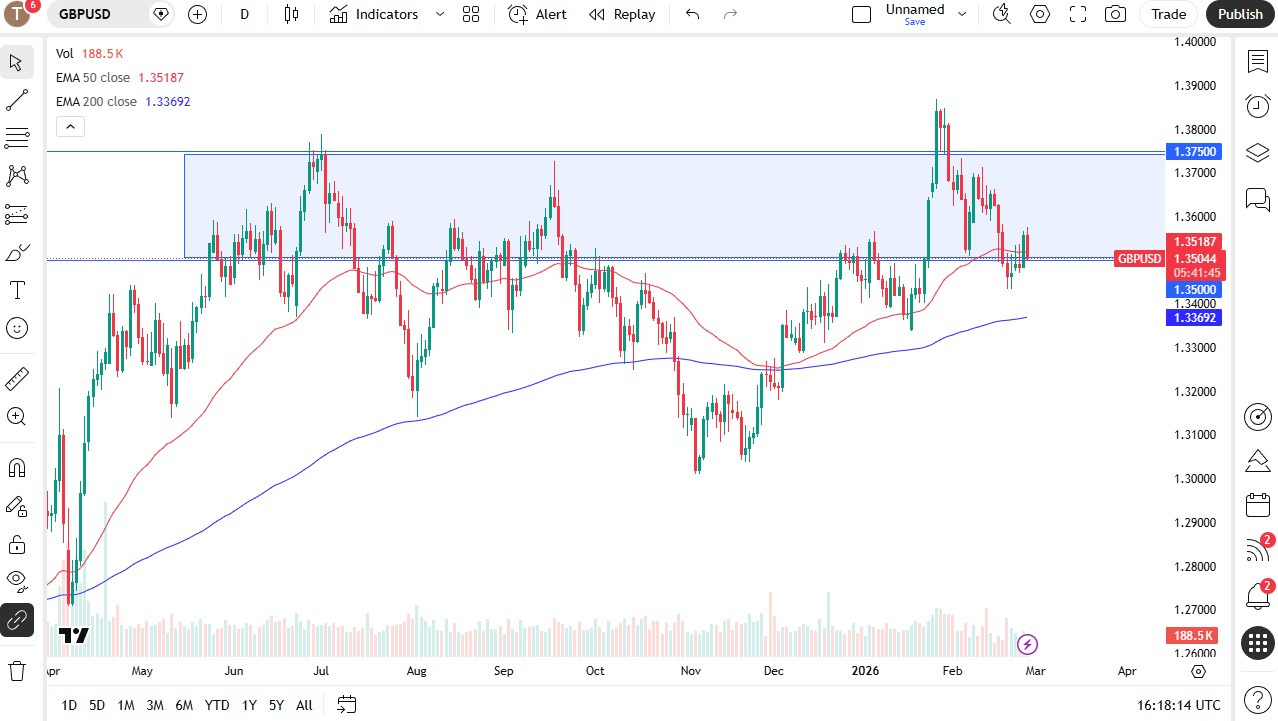
The Pound Sterling (GBP) recovery gathered steam against the US Dollar (USD), driving GBP/USD to fresh five-week highs above the 1.3350 level.
GBP/USD witnessed the extension of the UK Budget-inspired relief rally amid a sustained bearish sentiment around the US Dollar, which bolstered its recovery momentum.
Last week, British Chancellor of the Exchequer Rachel Reeves announced a tax hike amounting to an annual £26 billion to fund the fiscal hole. The UK’s Office for Budget Responsibility (OBR) raised the country’s GDP forecast for 2025 to 1.5% from the previous forecast of 1%.
Pound Sterling, however, capitalized on the absence of any major tax burden on households, as the Labour Party stuck to its self-imposed rule of avoiding fresh borrowings for day-to-day spending, as explained by FXStreet’s Analyst Sagar Dua.
Across the Atlantic, the USD faced headwinds from persistent dovish expectations for the US Federal Reserve’s (Fed) December monetary policy meeting and beyond.
A flurry of unimpressive US data releases kept the bets for a 25 basis points (bps) December Fed rate cut elevated around 90%, according to the CME Group’s FedWatch Tool.
Earlier in the week, the Institute for Supply Management (ISM) Services PMI showed little improvement in November at 52.6 versus 52.4 in October, while the Automatic Data Processing (ADP) said that US private payrolls unexpectedly declined by 32K in November, following a revised 47K increase. Analysts estimated a job gain of 5K.
Data on Thursday showed that the Initial Claims for state unemployment benefits fell 27,000 to a seasonally adjusted 191,000 for the week ended November 29, the lowest level since September 2022.
However, data published by Challenger, Gray & Christmas showed that employers reported 71,321 job cuts in November, its highest level for that month since 2022. Mixed US economic data did little to alter markets’ expectations of a Fed rate cut this month.
Further weighing on the USD were US President Trump’s repeated comments that he has “already decided” who will replace Fed Chairman Jerome Powell in May 2026.
Following his recent references and media reports, markets considered White House Economic Adviser Kevin Hassett as Trump’s top pick for the next Fed Chair.
Hassett has endorsed Trump’s calls for lower rates on several occasions as the head of the National Economic Council (NEC).
Heading toward the weekend, the pair held its bullish streak after the delayed September US annual core Personal Consumption Expenditures (PCE) Price Index rose 2.8%, against the expected increase of 2.9% in the same period.
Meanwhile, the University of Michigan (UoM) preliminary Consumer Sentiment climbed to 53.3 in December, compared to November’s 51 and 52 forecast. The one-year Consumer Inflation Expectations declined to 4.1% in December after reporting 4.5% in November.
It’s a relatively busy week, in terms of economic events, with the Fed policy announcements on Wednesday likely to stand out.
A 25 bps rate cut by the Fed is almost certain, and hence, all eyes will be on the US central bank’s Summary of Economic Projections (SEP), the so-called Dot Plot chart, for fresh insights on the interest rate path for 2026.
Fed Chairman Jerome Powell’s words at the post-policy meeting press conference will also hold weight, having a significant impact on the USD and the GBP/USD pair.
Ahead of the Fed event risk, Tuesday’s US JOLTS Job Openings and the ADP Weekly Employment Change data will be eagerly awaited.
Later in the week, the monthly Gross Domestic Product (GDP) from the United Kingdom (UK), due on Friday, could offer some incentives to Pound Sterling traders.
Apart from the data releases, markets will closely scrutinize speeches from BoE and Fed policymakers and any developments on the US-Russia discussions on the potential Ukraine peace deal.
In the daily chart, the 21-day Simple Moving Average (SMA) has turned higher and price holds above it, with the pair also above the 50-day SMA but still beneath the declining 100-day SMA. The rising 200-day SMA sits just below price, hinting at a gradual improvement in the medium-term tone, while the 100-day SMA at 1.3368 caps the topside. The Relative Strength Index (RSI) is at 62, supportive without entering overbought territory.
Short-term posture improves as the 21-day SMA rises beneath price, while the 50-day SMA continues to drift lower, underscoring an ongoing transition. Risk stays skewed higher while above the rising 200-day SMA, with support concentrated between 1.3329–1.3267. A daily close north of moving-average resistance would add traction to the recovery, whereas a break back into that support band would stall momentum.
(The technical analysis of this story was written with the help of an AI tool)
The table below shows the percentage change of British Pound (GBP) against listed major currencies this week. British Pound was the strongest against the US Dollar.
| USD | EUR | GBP | JPY | CAD | AUD | NZD | CHF | |
|---|---|---|---|---|---|---|---|---|
| USD | -0.47% | -0.82% | -0.59% | -0.72% | -1.47% | -0.86% | -0.00% | |
| EUR | 0.47% | -0.35% | -0.13% | -0.25% | -1.00% | -0.39% | 0.47% | |
| GBP | 0.82% | 0.35% | 0.48% | 0.10% | -0.65% | -0.04% | 0.82% | |
| JPY | 0.59% | 0.13% | -0.48% | -0.12% | -0.89% | -0.27% | 0.58% | |
| CAD | 0.72% | 0.25% | -0.10% | 0.12% | -0.81% | -0.14% | 0.72% | |
| AUD | 1.47% | 1.00% | 0.65% | 0.89% | 0.81% | 0.61% | 1.47% | |
| NZD | 0.86% | 0.39% | 0.04% | 0.27% | 0.14% | -0.61% | 0.86% | |
| CHF | 0.00% | -0.47% | -0.82% | -0.58% | -0.72% | -1.47% | -0.86% |
The heat map shows percentage changes of major currencies against each other. The base currency is picked from the left column, while the quote currency is picked from the top row. For example, if you pick the British Pound from the left column and move along the horizontal line to the US Dollar, the percentage change displayed in the box will represent GBP (base)/USD (quote).
Think you know your Matcha? Rooted in the principles of harmony, respect, purity and tranquillity, the powdered green tea has been a cornerstone of Japanese culture for centuries. In just a few years, though, a social media-led, hipster café-fuelled global phenomenon has seen the ritual of the matcha tea ceremony become a certified craze. Matcha has gone mainstream.
For anyone drawn more toward artisanal culture than Starbucks frappes, the headline culmination of a week long programme of events will see fans of rare craft traditions ‘whisked’ back almost 500 years, as a 20th-generation master craftsman oversees a unique, hands-on experience at Hackney’s beautiful Yorkton Workshops.
This Saturday and Sunday, 6—7 December, Tango Tanimura will host an intimate masterclass for Japanese crafts brand Nakagawa, whose contribution to the country’s heritage culture can be traced back to 1716. His family having crafted the chasen — the bamboo tea whisk essential to the ceremony — for nearly half a millennium, Tanimura will lead workshops dedicated to chasen threading, chashaku (the bamboo tea scoop used in the ceremony) carving, and the history, philosophy and techniques behind this sacred whisk.
The chasen: the bamboo tea whisk essential to the tea ceremony.

20th-generation master craftsman Tango Tanimura.
Participants across the weekend’s three intimate experiences are strictly limited, and booking is required; those interested in this unique opportunity to learn directly from a 20th-generation master can secure their tickets now.
Taking place at industrial-heritage studio and event space, Yorkton Workshops, the lovingly restored Victorian stables will offer a fittingly atmospheric setting for this remarkable event, and can be experienced by all, regardless of attending Tango Tanimura’s masterclasses. A free entry walk-in exhibition of 50 original chasen and matcha tools — including matcha bowls (chawan), chasen stands, and linen tea cloths (chakin) — will see a special selection available for purchase throughout the weekend, with two brand-new designs unveiled for the first time anywhere in the world.
The brand: Nakagawa. The 20th-generation master craftsman: Tango Tanimura . The dates: 6—7 December. The venue: Yorkton Workshop, 1-3 Yorkton Street London E2 8NH. This is one that devotees of matcha and/or Japanese heritage craft will not want to miss, book your tickets today.
Nakagawa Yorkton Workshop Photography, courtesy Nakagawa.
Solana price prediction is back in focus after one expert said SOL could push into the mid-$150 if it breaks through its next major barrier.
The token traded near the $137 mark following a sharp 3% dip in 24 hours, after a recent rcovery from the losses that briefly sent it down to $123 last week. That rebound has also drawn institutional traders back into the market.
The latest Solana price prediction comes as SOL price tested the $144 level again. This area has blocked several rallies, and the latest attempt is showing the same hesitation.
Buyers pushed the price up, but the momentum is fading. Right now, $144 is firm resistance. Each time SOL reaches it, sellers step in.
The market still treats this zone as an important barrier. Until price breaks above it with strength, upside movement will remain limited.
If SOL price fails here, $130 is the next key support. This level helped the last rebound and is the most likely target in a pullback. The projected path on the chart also points to a slow move lower if the rejection continues.
Solana price still needs a strong move above $144 to push the trend higher. If that doesn’t happen, the chart makes a pullback toward $130 a realistic possibility.

Solana price is still pushing into the resistance zone around $145. The chart makes it clear that this area has been a problem for weeks.
Buyers keep trying to break above it, but the level hasn’t given way. A small pullback here would make sense and would help the market cool off after the recent bounce.
According to the Solana price prediction, if SOL price can finally break this level with strength, the next major area sits near $170. That zone acted as support earlier in the trend and is the next logical place for price to move.
A retest of $145 as support would be a clean confirmation, though the move can continue without it if momentum picks up.
This pattern isn’t unique to Solana price. Bitcoin and several large altcoins are sitting in similar reversal zones. Traders are watching for which one makes the first clear move, and for many, the choice right now is between Solana and Ethereum.

Solana Mobile revealed fresh details about its upcoming SKR token, a new digital asset designed for the Seeker smartphone ecosystem.
In a blog post, the team described SKR as the next major step in expanding the presence of Solana in mobile and in strengthening its role in decentralized finance.
According to the announcement, SKR will sit at the center of the system. It will support builders, help secure devices, and play a role in how the dApp Store is curated.
Users will also be able to stake the token to Guardians, a group responsible for helping maintain the network’s integrity.
The team explained that the token will use linear inflation to reward early stakers who help secure the network. They say this model should support the platform in its early growth phase.
Inflation will start at 10% in the first year. It will then fall by 25% each year until it reaches about 2% after six years.
The team also shared how the supply will be allocated. About 30%, or 3 billion tokens, will be airdropped to Seeker owners, dApp users, builders, and other Solana holders.
Another 25% is set aside for growth and partnerships. Ten percent will go toward liquidity and the token launch.
The post Solana Price Prediction: Key Resistance That Could Trigger a SOL Dip to $130 appeared first on The Coin Republic.
The USD/JPY pair prolongs its recent well-established downtrend for the third consecutive day and drops to a three-week low during the early part of the European session on Friday. The Japanese Yen (JPY) continues with its relative outperformance amid rising bets for further policy normalization by the Bank of Japan (BoJ). The US Dollar (USD), on the other hand, languishes near its lowest level since late October amid dovish Federal Reserve (Fed) expectations and turns out to be another factor exerting pressure on the currency pair.
BoJ Governor Kazuo Ueda said on Monday that the likelihood of the central bank’s economic and price projections being met is rising. Ueda added that real interest rates were deeply negative, and another hike would still leave borrowing costs low. This was seen as the clearest hint so far of an impending rate hike. Moreover, Ueda appears to have successfully navigated his first major political hurdle under Prime Minister Sanae Takaichi and secured a broad acceptance for a quarter-point interest rate hike, to 0.75%, at the end of the December 18-19 monetary policy meeting.
This helps offset Friday’s dismal macro data, which showed that Household Spending in Japan unexpectedly fell 2.9% YoY in October, marking the fastest pace of decline since January 2024. This fueled concerns about the economic outlook, though it did little to dent the bullish sentiment surrounding the JPY amid prospects for further BoJ tightening. Furthermore, PM Takaichi’s reflationary push and massive spending plan, to be funded by new debt issuance, pushed the yield on the benchmark 10-year Japanese government bond (JGB) to its strongest level since 2007 on Thursday. Moreover, 20-year and 30-year JGB yields reached levels not seen since 1999.
The resultant narrowing of the yield differential between Japan and other major economies contributes to driving flows towards the lower-yielding JPY. Meanwhile, the USD struggles to capitalize on the overnight recovery, led by a duo of upbeat US labor market reports, amid bets for another interest rate cut by the Fed in December. Global outplacement firm Challenger, Gray & Christmas said that planned job cuts declined 53%, to 71,321 in November. Separately, the US Initial Jobless Claims dropped to 191K in the week ended November 29, or the lowest level in more than three years, which eased fears of a sharp deterioration in labor market conditions.
Market players, however, are still pricing in an over 85% probability that the US central bank will lower borrowing costs by 25-basis-points (bps) at its upcoming policy meeting next week. This marks a significant divergence in comparison to the BoJ’s hawkish outlook and suggests that the path of least resistance for the USD/JPY pair is to the downside. That said, bears seem reluctant to place aggressive bets and opt to wait for the release of the US Personal Consumption Expenditure (PCE) Price Index. Nevertheless, spot prices remain on track to register weekly losses and extend the recent retracement slide from a multi-month peak, touched in November.
The recent repeated failures to move back above the 100-hour Simple Moving Average (SMA) and acceptance below the 155.00 psychological mark favor the USD/JPY bears. Furthermore, technical indicators on the daily chart have just started gaining negative traction and back the case for a further depreciating move. Hence, a subsequent fall towards the 154.00 mark, en route to the mid-November swing low, around the 153.60 area, looks like a distinct possibility.
On the flip side, any meaningful recovery back above the 155.00 mark is likely to confront a stiff barrier near the 155.40 region, or the 100-hour SMA. A sustained strength beyond might trigger a short-covering move and allow the USD/JPY pair to reclaim the 156.00 mark. Some follow-through buying should pave the way for a further move up to the next relevant hurdle near the 156.60-156.65 region and the 157.00 round figure.
Demand for grape seed extracts in Japan is valued at USD 8.9 million in 2025 and is projected to reach USD 14.1 million by 2035 at a CAGR of 4.7%. Early growth is driven by structured consumption across dietary supplements, functional beverages, and cosmetic formulations where antioxidant positioning remains central to product design. Capsules, tablets, and powdered drink mixes account for a large share of volume as retail pharmacies and wellness specialty stores remain key distribution points. Food and beverage manufacturers use grape seed extracts in teas, fortified waters, and confectionery for polyphenol enrichment. Imports supply a meaningful portion of raw extract demand due to limited domestic grape seed processing capacity aligned to nutraceutical-grade specifications.
From 2030 onward, value growth reflects higher formulation intensity rather than rapid expansion in consumer base. Demand rises from about USD 11.2 million in 2030 toward USD 14.1 million by 2035 as supplement manufacturers increase active concentration per serving and expand into combination antioxidant blends. Cosmetic applications gain added weight through anti-aging skincare, where extract purity and standardized proanthocyanidin content influence procurement decisions. Clinical nutrition and hospital-linked supplementation programs also contribute incremental demand in aging population cohorts. Competitive dynamics center on traceability of raw material sourcing, solvent-free extraction methods, and consistency in active compound profiles. Pricing trends during the later phase are shaped more by extract standardization requirements and import logistics than by fluctuations in retail supplement volumes.
Grape seed extracts in Japan derive demand from the intersection of preventive healthcare, functional foods, and beauty nutrition rather than from conventional pharmaceutical consumption. Demand increases from USD 8.9 million in 2025 to USD 9.4 million by 2026 and USD 9.8 million by 2027, reaching USD 10.7 million by 2030 and adding USD 1.8 million from the 2025 base. This phase reflects steady incorporation into antioxidant supplements, cardiovascular support products, skin health formulations, and sports recovery nutrition. Growth is supported by aging-driven demand for polyphenol-rich ingredients, rising interest in oxidative stress management, and consistent intake through daily supplement regimens rather than short-term therapeutic use.
From 2030 to 2035, the market expands from USD 10.7 million to USD 14.1 million, adding USD 3.4 million in the second half of the decade. This back weighted acceleration reflects wider penetration into functional beverages, fortified confectionery, and premium cosmetic nutricosmetics. Higher extract standardization, improved bioavailability formats, and combination blends with collagen, vitamins, and botanical actives raise value per kilogram. As Japanese consumers continue shifting toward long-term wellness maintenance and beauty-from-within routines, grape seed extracts move from specialty antioxidants into structurally embedded daily nutrition ingredients, sustaining long-term demand growth through 2035
| Metric | Value |
|---|---|
| Industry Value (2025) | USD 8.9 million |
| Forecast Value (2035) | USD 14.1 million |
| Forecast CAGR (2025–2035) | 4.7% |
The demand for grape seed extracts in Japan developed from long term shifts in preventive healthcare, functional nutrition, and beauty oriented consumption. Earlier adoption was driven mainly by supplement manufacturers supplying antioxidant focused products for general wellness and cardiovascular support. As Japanese consumers became more attentive to oxidative stress, skin aging, and metabolic health, grape seed extract gained relevance due to its plant based origin and compatibility with daily supplementation. Parallel adoption by cosmetic formulators strengthened demand, as extracts were incorporated into skincare products targeting skin protection and elasticity. This dual use in ingestible and topical formats created a stable base across health, beauty, and wellness distribution channels over time.
Future demand for grape seed extracts in Japan will be shaped by aging demographics, clean label positioning, and integration into functional food and beverage formulations. As preventive care becomes more central to daily health management, extract based ingredients that fit routine consumption will gain further relevance. Expansion is expected beyond capsules into drinks, fortified foods, and beauty from within concepts. Barriers include variability in raw material supply due to dependence on grape processing cycles, rising import cost, and the need for consistent extract standardization. Regulatory scrutiny around health claims and competition from other botanical antioxidants will also influence long term demand stability and product positioning.
The demand for grape seed extracts in Japan is structured by product form and application. Powder form accounts for 65% of total demand, followed by liquid extracts used in selected formulation environments. By application, food and beverage represents 15.0% of total consumption, followed by personal care, dietary supplements, and other functional uses. Demand behavior is shaped by antioxidant concentration requirements, formulation flexibility, dosage precision, and shelf stability expectations. These segments reflect how processing convenience and end use performance needs influence grape seed extract adoption across food manufacturing, wellness product development, personal care formulation, and functional ingredient supply chains in Japan.
Powder accounts for 65% of total grape seed extract demand in Japan due to its high stability, precise dosing capability, and compatibility with dry formulation systems. Powdered extracts are widely used in tablets, capsules, drink mixes, bakery ingredients, and functional food blends where uniform dispersion and controlled concentration are required. The low moisture content supports extended shelf life under ambient storage conditions, which simplifies inventory management for ingredient distributors and manufacturers. These properties suit centralized bulk procurement models used by supplement producers and food processors.
Powder formats also support standardized blending across automated production lines with minimal risk of phase separation or microbial growth. Transportation efficiency is improved due to lower weight per active unit compared with liquids. Packaging flexibility across sachets, bulk drums, and composite bags supports varied client scale. These storage stability, formulation control, and logistics efficiency factors sustain powder as the leading product form in the Japan grape seed extract demand structure.
Food and beverage accounts for 15.0% of total grape seed extract demand in Japan due to its use as a functional antioxidant ingredient in drinks, confectionery, health snacks, and fortified foods. Grape seed extract is incorporated into teas, nutritional beverages, gummies, and functional chocolates where polyphenol content supports value added positioning. Japan’s strong consumer interest in functional food products supports continuous integration of botanical extracts into mainstream food categories sold through convenience stores and supermarkets.
Food manufacturers favor grape seed extract for its relatively neutral taste profile and compatibility with both hot and cold processing conditions. Regulatory acceptance for use in functional food formulations further supports stable demand. Seasonal beverage launches and limited edition health products also increase short term ingredient draw. These formulation versatility, consumer acceptance, and retail driven innovation cycles position food and beverage as a key application segment for grape seed extracts in Japan.
Demand for grape seed extracts in Japan is shaped by their association with microcirculation support and capillary stability rather than broad antioxidant positioning. Aging-related concerns tied to blood flow, eye fatigue, and peripheral cold sensitivity influence supplement selection. Office workers with long screen exposure and elderly users managing circulation discomfort form a steady consumer base. The extract is often used as part of daily vascular maintenance routines rather than short-term wellness cycles. This functional framing anchors demand in long-term bodily regulation rather than in trend-driven immune or beauty supplement use.
Consumption in Japan is split between capsules for controlled daily dosing and functional beverages positioned for convenience-driven intake. Ready-to-drink health formats target commuters and older consumers seeking low-effort supplementation. Compounded nutrition products blend grape seed extract with vitamin E, carotenoids, and collagen for multi-pathway support. Pharmacies and home-delivery supplement programs play a larger role than mass grocery distribution. This channel structure favors consistent, low-volume repeat purchasing rather than bulk retail sales, stabilizing demand through subscription-like behavior rather than impulse buying.
Japan relies heavily on imported grape seed raw materials, which exposes supply to wine industry output cycles abroad. Polyphenol concentration varies widely by grape variety, harvest condition, and extraction method, complicating standardization. Clinical credibility in the Japanese market depends on tightly controlled active content, which raises processing and testing cost. Smaller brands face difficulty maintaining consistent potency across batches. These supply-side and specification pressures limit aggressive volume scaling and keep the category oriented toward controlled, mid-priced health formulations.
Future demand in Japan is shifting toward targeted applications tied to visual fatigue, skin oxidative stress, and metabolic balance. Digital device use intensifies interest in microvascular eye support. Skin-care ingestibles incorporate grape seed extract for elasticity and photoaging control. Metabolic formulations apply it alongside polyphenols for glucose and lipid balance. Research-led positioning increasingly replaces broad antioxidant marketing. These shifts show grape seed extract evolving into a precision-support ingredient for age-associated function rather than a one-size antioxidant supplement input.
| Region | CAGR (%) |
|---|---|
| Kyushu & Okinawa | 5.8% |
| Kanto | 5.3% |
| Kansai | 4.7% |
| Chubu | 4.1% |
| Tohoku | 3.6% |
| Rest of Japan | 3.4% |
The demand for grape seed extracts in Japan is growing steadily across all regions, with Kyushu & Okinawa leading at a 5.8% CAGR. Growth in this region is supported by rising use of antioxidant rich ingredients in dietary supplements, functional beverages, and cosmetic formulations. Kanto follows at 5.3%, driven by high concentration of nutraceutical manufacturers, beauty product brands, and advanced retail distribution networks. Kansai records 4.7% growth, supported by steady demand from health food producers and personal care companies. Chubu at 4.1% reflects moderate uptake linked to regional food ingredient processing and pharmaceutical applications. Tohoku and Rest of Japan, at 3.6% and 3.4%, show slower growth shaped by lower density of supplement manufacturers and smaller scale consumer health markets.
Nutraceutical expansion in Kyushu and Okinawa is advancing at a CAGR of 5.8% through 2035 for grape seed extract demand, supported by dietary supplement manufacturing, functional beverage production, and growing interest in antioxidant rich nutrition. Capsule supplements, powdered drink mixes, and functional gummies represent major application areas. Regional contract manufacturers source grape seed extracts for export focused wellness brands. Tourism driven retail nutrition sales add secondary volume. Demand remains formulation driven, with procurement tied to stable supplement batch production, private label development, and steady growth in health focused consumer product lines.
Urban nutrition market scale in Kanto supports a CAGR of 5.3% through 2035 for grape seed extract demand, driven by pharmaceutical grade supplement brands, dermaceutical product development, and clinical nutrition programs. High consumer focus on cardiovascular and skin health supports consistent extract usage. Beauty supplement drinks and anti aging formulations rely on standardized polyphenol content. Dense distribution networks enable rapid product turnover. Demand remains scale driven and quality focused, shaped by strict ingredient traceability, frequent product reformulation cycles, and continuous innovation across metropolitan wellness and functional food ecosystems.
Regional wellness product diversity in Kansai supports a CAGR of 4.7% through 2035 for grape seed extract demand, shaped by functional confectionery, fortified beverages, and mid sized supplement brands. Antioxidant positioning supports usage in chocolates, gummies, and drink concentrates. Local processors favor flexible sourcing and multi functional botanical blends. Department store private labels contribute to steady specialty nutrition demand. Demand remains replacement driven and formulation balanced, with procurement aligned to seasonal product launches, stable consumer health trends, and consistent snack and beverage fortification activity.
Manufacturing concentration in Chubu supports a CAGR of 4.1% through 2035 for grape seed extract demand, driven by centralized supplement production, ingredient blending facilities, and export oriented nutraceutical processing. Powdered supplements, bulk capsules, and functional premixes dominate extract usage. Long production runs favor predictable ingredient specifications and batch consistency. Export labeling requirements influence polyphenol standardization. Demand remains contract driven and output aligned, with procurement tied to long term manufacturing agreements and stable export focused supplement production schedules.
Agricultural processing and cooperative nutrition production in Tohoku support a CAGR of 3.6% through 2035 for grape seed extract demand, shaped by small supplement workshops, regional health food brands, and functional tea blends. Antioxidant powders, tablets, and wellness infusions represent primary usage formats. Local distribution dominates finished product circulation. Limited large scale automation moderates rapid volume growth. Demand remains necessity driven and locally anchored, with steady procurement linked to cooperative brand output, community wellness consumption, and stable operation of regional health food processors.
Community level nutrition production across the rest of Japan reflects a CAGR of 3.4% through 2035 for grape seed extract demand, supported by independent supplement brands, herbal product makers, and local wellness retailers. Applications focus on capsules, antioxidant syrups, and basic fortified foods. Short distribution routes limit large scale bulk handling. Manual formulation remains common. Demand stays stable and function driven, guided by routine wellness consumption, aging population nutrition needs, and cautious ingredient procurement behavior among small health product manufacturers.
Demand for grape seed extracts in Japan is rising as consumers become more health and wellness conscious and increasingly seek natural antioxidant, skin care, and dietary supplement solutions. The extract’s perceived benefits antioxidant action, support for cardiovascular health, potential anti aging properties, and skin protection align with growing interest in preventive health and beauty from within trends. Demographic ageing and an emphasis on wellness among older consumer’s boost uptake. Market acceptance of natural and plant derived ingredients in cosmetics, nutraceuticals, and functional foods further supports growth. Manufacturers, retailers, and supplement brands respond by offering grape seed extract in forms such as powders and liquids, making the ingredient accessible across dietary supplements, skin care, and functional food segments.
Key global ingredient suppliers shaping availability of grape seed extracts in Japan include Indena S.p.A., Botanic Innovations LLC, Polyphenolics, Naturex, and Nexira. These firms supply high quality grape seed extract formulations, offering both conventional and standardized content extracts to manufacturers of dietary supplements, cosmetics, and functional foods. Their broad sourcing networks, extraction technologies, and quality assurance capabilities help ensure reliable supply for Japanese brands. By providing versatile extract formats (powder, liquid) and clean label certified ingredients, they enable product developers to meet consumer demand for natural, antioxidant rich and plant based formulations.
| Items | Values |
|---|---|
| Quantitative Units (2025) | USD million |
| Product | Powder, Liquid |
| Application | Food & Beverage, Personal Care, Dietary Supplement, Others |
| Region | Kyushu & Okinawa, Kanto, Kinki, Chubu, Tohoku, Rest of Japan |
| Key Companies Profiled | Indena S.p.A, Botanic Innovations LLC, Polyphenolics, Naturex, Nexira |
| Additional Attributes | Dollar by sales by product form, application segment, and regional distribution. Includes powder vs liquid consumption share, dietary supplement vs functional food usage, personal care incorporation for anti-aging or skin health, polyphenol standardization, extraction method (solvent-free, standardized proanthocyanidin content), import dependency, raw material traceability, clinical nutrition adoption, multi-ingredient functional blends, shelf stability and packaging formats, subscription and retail distribution channels, integration into wellness beverage and confectionery applications, and formulation-driven value per kilogram. Growth drivers include aging population health focus, functional beverage expansion, beauty-from-within consumption trends, and private label and contract manufacturing in Japan. |
The demand for grape seed extracts in Japan is estimated to be valued at USD 8.9 million in 2025.
The market size for the grape seed extracts in Japan is projected to reach USD 14.1 million by 2035.
The demand for grape seed extracts in Japan is expected to grow at a 4.7% CAGR between 2025 and 2035.
The key product types in grape seed extracts in Japan are powder and liquid.
In terms of application, food & beverage segment is expected to command 15.0% share in the grape seed extracts in Japan in 2025.
Bitcoin is currently trading at $92,068.94, marking a 1.48% drop. With an RSI of 44.27, some market watchers are hesitant, wondering if Bitcoin can still aim for its next target of $94,000. Let’s dive into the numbers and sentiment to find out.
Bitcoin (BTCUSD) has dropped to $92,068.94, losing 1.48% on the day, as it experiences a pivotal moment on the technical charts. The day’s volatility sees a low of $91,827 and a high of $92,716.42. The market cap stands firm at approximately $1.83 trillion, keeping Bitcoin as the crypto heavyweight despite recent setbacks.
The Relative Strength Index (RSI) sits at 44.27, suggesting that Bitcoin is neither oversold nor overbought. This level can indicate a consolidation phase, often a precursor to either a rally or further decline. Meanwhile, the MACD shows a negative divergence at -4029.17, hinting at bearish momentum. Interestingly, the ADX at 43.53 showcases a strong trend, but the direction remains uncertain.
According to Meyka AI, Bitcoin’s monthly price target is $94,393.67. However, the yearly forecast anticipates a dip to around $89,387.24, reflecting macroeconomic uncertainties and potential regulatory changes. The quarterly forecast predicts a bullish target of $136,189.95, illustrating the potential for significant growth if critical resistance levels are surpassed.
A recent analysis warns that if Bitcoin falls below $80,000, a ‘trap door’ may open, leading to rapid declines. However, Bitcoin’s rebound above $88,000 earlier this week brought temporary relief to investors. The broader market feels these fluctuations keenly, amplifying the importance of maintaining key support levels.
Bitcoin’s journey towards $94,000 faces hurdles with regulatory uncertainties and technical challenges. However, strong trend indicators and positive forecasts provide hope for investors. As always, forecasts can change due to macroeconomic shifts, regulations, or unexpected events affecting the crypto market.
Bitcoin is currently trading at $92,068.94, having decreased by 1.48% today. For more information, check the BTCUSD page.
The RSI for Bitcoin is at 44.27, suggesting a neutral position that might lead to either a bullish or bearish breakout soon depending on other market factors.
Meyka AI predicts Bitcoin could reach $94,393.67 in the next month, with a higher target of $136,189.95 quarterly, though yearly forecasts project a slight dip to $89,387.24.
The ADX, currently at 43.53, indicates a strong trend which could suggest significant price movements, but it does not specify the direction of the trend.
Recently, a potential drop below $80,000 could trigger major declines, but Bitcoin has rebounded above $88,000, maintaining some stability in the market.
Disclaimer:
Cryptocurrency markets are highly volatile. This content is for informational purposes only.
The Forecast Prediction Model is provided for informational purposes only and should not be considered financial advice.
Meyka AI PTY LTD provides market data and sentiment analysis, not financial advice.
Always do your own research and consider consulting a licensed financial advisor before making investment decisions.
The global coffee market is projected to reach USD 486.2 billion by 2035, recording an absolute increase of USD 201.4 billion over the forecast period. The market is valued at USD 284.8 billion in 2025 and is set to rise at a CAGR of 5.5% during the assessment period.
The market is expected to grow by nearly 1.7 times during the same period, supported by increasing consumer preferences for premium coffee experiences and specialty coffee consumption across retail channels, foodservice establishments, and home brewing segments worldwide, driving demand for roasted coffee products, single-serve capsule systems, and ready-to-drink beverage formats across both developed and emerging markets.
Growing application diversity in coffeehouse chains, convenience retail outlets, and e-commerce distribution platforms creates expanding opportunities for coffee product implementations and specialized brand positioning strategies. Rising disposable incomes in emerging economies, coupled with expanding coffee culture penetration through specialty coffee shops and artisanal roasting operations, further accelerate market growth across diverse consumer segments.
The growing global appreciation for coffee variety and brewing innovation, particularly in developed regions, generates sustained interest in premium roasted coffee and single-origin offerings containing arabica beans and specialty processing methods.
Consumer research demonstrating lifestyle integration of coffee consumption, social gathering facilitation, and functional beverage benefits reinforces market confidence in coffee product adoption, while retail industry trends toward premiumization and convenience formats expand addressable market opportunities beyond traditional commodity coffee categories.
Coffee retailers and foodservice operators increasingly incorporate specialty coffee programs into menu offerings, retail merchandising strategies, and customer experience initiatives, creating mainstream consumption channels that extend beyond basic commodity coffee into premium lifestyle categories. Climate change impacts on coffee cultivation regions and price volatility in commodity coffee markets may pose challenges to supply chain stability.
Agricultural challenges involving disease resistance requirements, water availability constraints, and sustainable farming practice adoption in certain production regions also influence supply dynamics, requiring industry stakeholders to develop comprehensive sustainability programs catering to specific environmental requirements across different geographical contexts.
Supply chain complexity during green coffee sourcing and the technical requirements for quality maintenance and freshness preservation protocols may limit market accessibility among smaller coffee roasters in developing regions with constrained capabilities for advanced logistics management and quality control systems.
Between 2025 and 2030, the coffee market is projected to expand from USD 284.8 billion to USD 372.5 billion, resulting in a value increase of USD 87.7 billion, which represents 43.6% of the total forecast growth for the decade. This phase of development will be shaped by rising demand for premium coffee experiences and convenience-oriented consumption formats, product innovation in single-serve capsule technologies and cold brew formulations, as well as expanding integration with digital ordering platforms and subscription-based delivery services. Companies are establishing competitive positions through investment in sustainable sourcing programs, brand differentiation strategies, and strategic market expansion across specialty retail segments, foodservice channels, and direct-to-consumer platforms.
From 2030 to 2035, the market is forecast to grow from USD 372.5 billion to USD 486.2 billion, adding another USD 113.7 billion, which constitutes 56.4% of the overall ten-year expansion. This period is expected to be characterized by the commercialization of innovative coffee formats, including functional coffee beverages and plant-based coffee alternatives tailored for specific consumer preferences, strategic collaborations between coffee brands and retail partners, and an enhanced focus on traceability initiatives and carbon-neutral production practices. The growing emphasis on experiential consumption and ethical sourcing will drive demand for transparent supply chain solutions across diverse retail and foodservice applications.
| Metric | Value |
|---|---|
| Market Value (2025) | USD 284.8 billion |
| Market Forecast Value (2035) | USD 486.2 billion |
| Forecast CAGR (2025-2035) | 5.5% |
The coffee market grows by enabling retailers, foodservice operators, and beverage companies to access diverse product portfolios that support consumer demand while meeting lifestyle integration requirements for daily consumption rituals. Food and beverage companies face mounting pressure to develop differentiated coffee offerings with proven quality attributes, with premium coffee products typically commanding 30-50% price premiums compared to commodity alternatives, making these products essential for margin optimization positioning in specialty beverage categories. The beverage industry’s need for brand differentiation and consumer loyalty creates demand for coffee products that can provide distinctive flavor profiles, maintain consistent quality across production batches, and ensure supply reliability without compromising sustainability credentials or ethical sourcing standards.
Consumer lifestyle changes promoting coffee culture adoption and workplace consumption patterns drive demand in retail stores, coffeehouse establishments, and office coffee services, where coffee product selection has a direct impact on customer satisfaction and repeat purchase behavior. The foodservice industry’s growing focus on specialty coffee programs and premium beverage menus further expands market opportunities, with consumer research demonstrating measurable willingness to pay for quality coffee experiences, convenience formats, and brand authenticity. However, supply chain complexity during sourcing operations and the agricultural requirements for climate adaptation and sustainable farming practices may limit production scalability among coffee growers and developing regions with vulnerable agricultural systems facing environmental pressures.
The market is segmented by product, distribution channel, and region. By product, the market is divided into roasted, instant, ready-to-drink, pods and capsules, and whole beans. Based on distribution channel, the market is categorized into B2C and B2B. Regionally, the market is divided into North America, Europe, Asia Pacific, Latin America, and mea.
The roasted segment represents the dominant force in the coffee market, capturing a 56.1% of total market share in 2025. This established product category encompasses solutions featuring ground coffee and whole bean formats from coffee roasting operations, including light, medium, and dark roast profiles that enable diverse brewing applications and consistent quality standards across all consumption occasions.
The roasted coffee segment’s market leadership stems from its versatility, with products capable of meeting diverse preparation methods while maintaining flavor complexity and operational compatibility across demanding consumer environments. Within the roasted segment, medium roast profiles account for significant share, driven by balanced flavor characteristics and broad consumer appeal.
The instant segment maintains a substantial 18.0% market share, serving consumers who require convenient preparation with rapid dissolution for time-sensitive consumption occasions and travel applications. These products offer accessibility for emerging markets and workplace settings while providing sufficient quality characteristics to meet everyday consumption needs and budget-conscious purchasing requirements. The instant segment serves established price-sensitive markets and convenience-oriented applications.
Key advantages driving the roasted segment include:
B2C dominates the distribution channel segment with approximately 62.4% market share in 2025, reflecting the critical role of consumer retail channels in supporting coffee consumption and household purchasing patterns worldwide. The B2C segment’s market leadership is reinforced by established retail infrastructure, diverse product selection capabilities, and rising consumer preferences for at-home coffee preparation and premium product exploration across developed and emerging consumer markets. Within the B2C segment, supermarkets and specialty retailers account for significant share, driven by product variety and shopping convenience.
The B2B segment represents the second-largest distribution category, capturing 37.6% market share through foodservice establishments, office coffee services, and hospitality sector operations. This segment benefits from commercial consumption patterns that meet workplace productivity requirements, hospitality service expectations, and institutional catering protocols in competitive foodservice markets.
Key market dynamics supporting distribution channel growth include:
The market is driven by three concrete demand factors tied to lifestyle trends and consumption habits. First, increasing urbanization and workplace culture evolution creates growing demand for coffee products, with global coffee consumption expanding by 2-3% annually in major consumer markets worldwide, requiring comprehensive supply chain infrastructure. Second, premiumization trends and specialty coffee appreciation drive increased consumer spending on quality coffee products, with consumers in developed markets allocating 15-20% higher budgets toward premium coffee purchases compared to commodity alternatives. Third, convenience format innovations in single-serve capsules and ready-to-drink beverages enable more accessible consumption occasions that reduce preparation barriers while improving portability and on-the-go consumption capabilities.
Market restraints include climate change impacts affecting coffee-growing regions that can disrupt production volumes and quality consistency, particularly in vulnerable origins where temperature variations and precipitation changes threaten arabica cultivation. Price volatility in commodity coffee markets poses another significant challenge, as coffee prices experience cyclical fluctuations based on harvest conditions and currency movements, potentially causing margin pressure and consumer price sensitivity. Competition from alternative beverages and changing consumption preferences creates additional market challenges for sustained volume growth, demanding ongoing investment in product innovation and marketing programs.
Key trends indicate accelerated consumption growth in Asia Pacific markets, particularly China and India, where coffee culture adoption and Western lifestyle influence drive comprehensive market development. Product innovation trends toward functional coffee formulations with added wellness benefits, cold brew format expansion with extended shelf life capabilities, and sustainability certification programs enable differentiated positioning approaches that optimize brand value and minimize environmental impact. However, the market thesis could face disruption if significant advances in synthetic caffeine alternatives or major shifts in consumer beverage preferences reduce reliance on traditional coffee consumption patterns.
| Country | CAGR (2025-2035) |
|---|---|
| India | 7.2% |
| China | 6.8% |
| Vietnam | 6.4% |
| USA | 5.1% |
| Brazil | 4.7% |
| Germany | 3.9% |
| Saudi Arabia | 3.3% |
The coffee market is expanding steadily, with India leading at a 7.2% CAGR through 2035, driven by coffee culture adoption among young urban consumers, cafe chain expansion, and increasing disposable incomes. China follows at 6.8%, supported by rapid specialty coffee market development, international brand penetration, and evolving beverage consumption patterns. Vietnam records 6.4%, reflecting domestic consumption growth and specialty coffee segment emergence.
USA posts 5.1%, anchored by specialty coffee innovation and premium product proliferation. Brazil grows at 4.7%, with expanding domestic consumption and quality coffee appreciation. Germany advances at 3.9%, emphasizing established coffee culture and premium product preferences, while Saudi Arabia grows steadily at 3.3%, focusing on cafe culture development and lifestyle modernization trends.
India demonstrates the strongest growth potential in the coffee market with a CAGR of 7.2% through 2035. The country’s leadership position stems from coffee culture adoption among young urban consumers, cafe chain expansion across major metropolitan centers, and increasing disposable incomes enabling premium product purchasing.
Growth is concentrated in major cities, including Mumbai, Delhi, Bangalore, and Hyderabad, where international coffee chains and domestic cafe operators are implementing specialty coffee programs for aspirational consumer segments and workplace consumption occasions.
Product distribution through modern retail formats, e-commerce platforms, and branded cafe networks expands access across urban consumer populations and emerging middle-class demographics. The country’s evolving coffee culture provides market momentum for consumption growth, including cafe socialization trends and home brewing adoption.
Key market factors:
In major urban centers including Shanghai, Beijing, Guangzhou, and Shenzhen, the adoption of coffee consumption is accelerating across cafe establishments and retail channels, driven by rapid specialty coffee market development and international brand presence. The market demonstrates strong growth momentum with a CAGR of 6.8% through 2035, linked to rapid specialty coffee market growth, international brand penetration establishing coffee culture, and evolving beverage consumption patterns among younger demographics.
Chinese consumers are implementing coffee consumption into daily routines and social activities to embrace Western lifestyle trends while exploring premium product categories and experiential consumption formats. The country’s expanding urban middle class creates persistent demand for quality coffee products, while increasing cafe density in major cities drives regular consumption habit formation.
Key development areas:
Vietnam’s market expansion is driven by diverse consumption demand, including traditional coffee culture in Ho Chi Minh City and Hanoi, and specialty coffee segment emergence across urban regions. The country demonstrates promising growth potential with a CAGR of 6.4% through 2035, supported by domestic consumption growth beyond production-focused activities, specialty coffee segment development, and increasing quality appreciation among urban consumers.
Vietnamese consumers face market evolution challenges related to premium product accessibility, requiring retail infrastructure development and international brand entry. However, growing urbanization and rising incomes create compelling market expansion cases for coffee consumption, particularly in cities where lifestyle modernization has a direct impact on beverage preference evolution and consumption frequency.
Market characteristics:
The USA market leads in specialty coffee innovation based on integration with established coffee culture and comprehensive retail infrastructure. The country shows steady potential with a CAGR of 5.1% through 2035, driven by specialty coffee innovation programs, premium product proliferation, and the expansion of artisanal roasting operations in major urban centers, including New York, Los Angeles, Seattle, and San Francisco.
American consumers are implementing diverse coffee consumption patterns for workplace productivity and lifestyle integration, particularly in metropolitan regions with advanced coffee culture and consumption occasions demanding comprehensive product variety. Product deployment channels through specialty retailers and coffeehouse chains expand coverage across premium consumer segments and convenience-focused operations.
Leading market segments:
Brazil’s market expansion is driven by evolving consumption patterns, including quality coffee appreciation in São Paulo and Rio de Janeiro, and domestic market development across coffee-producing regions. The country demonstrates promising growth potential with a CAGR of 4.7% through 2035, supported by expanding domestic consumption beyond export focus, quality coffee appreciation programs, and growing consumer sophistication in major urban centers.
Brazilian consumers face market transformation related to premium product availability, requiring retail development and domestic brand positioning. However, coffee culture heritage and production expertise create compelling consumption growth cases, particularly in urban areas where domestic consumption has a direct impact on market value addition and coffee industry diversification.
Market characteristics:
In major consumer markets including Berlin, Munich, Hamburg, and Frankfurt, consumers are maintaining comprehensive coffee consumption patterns supporting market stability and premium product adoption, with documented per capita consumption showing 165 liters annually through established coffee culture integration. The market shows steady potential with a CAGR of 3.9% through 2035, linked to established coffee culture traditions, premium product preferences, and comprehensive retail infrastructure in major consumer regions.
German consumers utilize diverse coffee products and brewing methods to maintain daily consumption rituals while supporting quality standards demanded by sophisticated coffee culture and heritage consumption patterns. The country’s mature market infrastructure creates sustained demand for quality coffee products that integrate with existing consumption habits.
Market development factors:
Saudi Arabia’s coffee market demonstrates evolving consumption landscape focused on cafe culture development and Western lifestyle adoption, with documented growth in coffeehouse establishments, achieving 40% year-over-year expansion in major cities through lifestyle modernization programs.
The country maintains steady growth momentum with a CAGR of 3.3% through 2035, driven by cafe culture development initiatives, lifestyle modernization trends, and youth population preferences that align with social gathering expectations. Major urban centers, including Riyadh, Jeddah, Dammam, and Makkah, showcase expanding deployment of international coffee chains where cafe operators integrate seamlessly with shopping mall developments and comprehensive hospitality programs.
Key market characteristics:
The coffee market in Europe is projected to grow from USD 85.4 billion in 2025 to USD 142.1 billion by 2035, registering a CAGR of 5.5% over the forecast period. Germany is expected to maintain its leadership position with a 22.5% market share in 2025, supported by its established coffee culture, comprehensive retail infrastructure, and strong per capita consumption rates across major consumer centers.
Italy follows with a 19.0% share in 2025, driven by comprehensive espresso culture in major regions implementing traditional consumption patterns and premium product integration. France holds a 16.5% share through the ongoing development of cafe culture and specialty coffee adoption. UK commands a 15.0% share, while Spain accounts for 12.0% in 2025.
The rest of Europe maintains a 15.0% collective share, attributed to increasing coffee consumption in Nordic countries and emerging Eastern European market development implementing coffee culture programs. By 2035, Germany is projected to hold 22.0% share, Italy 19.2%, France 17.0%, UK 15.5%, Spain 12.3%, and Rest of Europe 14.0%, reflecting sustained growth momentum across all major European markets.
The coffee market features approximately 30-40 meaningful players with moderate concentration, where the top three companies control roughly 25-30% of global market value through established brand portfolios and extensive distribution networks. Competition centers on brand positioning, product quality, and distribution reach rather than price competition alone.
Market leaders include Nestlé, Starbucks Coffee Company, and JDE Peet’s, which maintain competitive advantages through comprehensive product portfolios, global brand recognition, and deep expertise in the coffee sourcing and consumer marketing sectors, creating strong brand loyalty among consumers.
These companies leverage established distribution networks and ongoing product innovation programs to defend market positions while expanding into adjacent premium segments and emerging market applications. Nestlé commands a 14.5% market share through vertical integration capabilities and comprehensive brand portfolio coverage.
Challengers encompass Tchibo GmbH and Luigi Lavazza S.p.A., which compete through regional market strength and premium brand positioning in key consumer markets. Coffee specialists, including Strauss Coffee BV, The J.M. Smucker Company, and Melitta Group, focus on specific product categories or distribution channels, offering differentiated capabilities in instant coffee, retail brands, and filter systems.
Regional roasters and specialty coffee companies create competitive pressure through artisanal positioning and local market presence, particularly in high-growth markets including China and India, where emerging consumer preferences provide advantages in specialty segment development.
Market dynamics favor companies that combine sustainable sourcing practices with comprehensive brand marketing programs that address the complete consumer journey from product awareness through purchase decision and consumption experience. Strategic collaborations between coffee companies and retail partners accelerate market penetration, while sustainability certification initiatives enable differentiation and premium positioning across consumer segments.
Coffee products represent critical beverage offerings that enable retailers, foodservice operators, and beverage companies to deliver consumer satisfaction without excessive complexity, typically providing 40-60% gross margins in specialty formats compared to commodity alternatives while maintaining consistent quality expectations.
With the market projected to grow from USD 284.8 billion in 2025 to USD 486.2 billion by 2035 at a 5.5% CAGR, these products offer compelling advantages – lifestyle integration, premium positioning, and consumption versatility – making them essential for retail merchandising (growing segment), foodservice menus (established adoption), and diverse consumption applications seeking proven beverage category alternatives. Scaling market penetration and sustainability programs requires coordinated action across agricultural policy organizations, coffee industry associations, roasting companies, retail partners, and certification bodies.
| Items | Values |
|---|---|
| Quantitative Units | USD 284.8 Billion |
| Product | Roasted, Instant, Ready-to-Drink, Pods & Capsules, Whole Beans |
| Distribution Channel | B2C, B2B |
| Regions Covered | North America, Europe, Asia Pacific, Latin America, mea |
| Country Covered | India, China, Vietnam, USA, Brazil, Germany, Saudi Arabia, and 40+ countries |
| Key Companies Profiled | Nestlé, Starbucks Coffee Company, JDE Peet’s, Tchibo GmbH, Luigi Lavazza S.p.A., Strauss Coffee BV, The J.M. Smucker Company, Melitta Group, UCC Ueshima Coffee Co. Ltd., Massimo Zanetti Beverage Group |
| Additional Attributes | Dollar sales by product and distribution channel categories, regional consumption trends across Asia Pacific, North America, and Europe, competitive landscape with coffee roasters and beverage companies, product specifications and quality standards, integration with retail systems and foodservice platforms. |
Following the bullish action seen in the first half of the week, EUR/USD reversed its direction and closed in negative territory on Thursday. The pair holds its ground early Friday and trades marginally higher on the day, above 1.1650.
The table below shows the percentage change of Euro (EUR) against listed major currencies this week. Euro was the strongest against the US Dollar.
| USD | EUR | GBP | JPY | CAD | AUD | NZD | CHF | |
|---|---|---|---|---|---|---|---|---|
| USD | -0.54% | -0.91% | -0.90% | -0.21% | -1.31% | -0.80% | -0.07% | |
| EUR | 0.54% | -0.36% | -0.36% | 0.31% | -0.77% | -0.27% | 0.47% | |
| GBP | 0.91% | 0.36% | 0.27% | 0.68% | -0.41% | 0.10% | 0.84% | |
| JPY | 0.90% | 0.36% | -0.27% | 0.67% | -0.43% | 0.08% | 0.82% | |
| CAD | 0.21% | -0.31% | -0.68% | -0.67% | -1.13% | -0.59% | 0.16% | |
| AUD | 1.31% | 0.77% | 0.41% | 0.43% | 1.13% | 0.51% | 1.25% | |
| NZD | 0.80% | 0.27% | -0.10% | -0.08% | 0.59% | -0.51% | 0.74% | |
| CHF | 0.07% | -0.47% | -0.84% | -0.82% | -0.16% | -1.25% | -0.74% |
The heat map shows percentage changes of major currencies against each other. The base currency is picked from the left column, while the quote currency is picked from the top row. For example, if you pick the Euro from the left column and move along the horizontal line to the US Dollar, the percentage change displayed in the box will represent EUR (base)/USD (quote).
Upbeat data releases from the US helped the US Dollar stage a modest rebound on Thursday and caused EUR/USD to edge lower.
Challenger, Gray & Christmas’ monthly publication showed that planned job cuts declined 53% from October to 71,321 in November. Additionally, the US Department of Labor (DoL) reported that the number of first-time applications for unemployment benefits declined to 191,000 from 218,000 in the previous week, marking the lowest print since September 2022 and coming in better than the market expectation of 220,000.
Nevertheless, the USD struggles to preserve its recovery momentum as the CME Group FedWatch Tool still shows about a 90% probability of a 25 basis points (bps) Federal Reserve (Fed) rate cut in December, even after the upbeat data.
On Friday, the US economic calendar will feature the Personal Consumption Expenditures (PCE) Price Index. Although this data is seen as a key indicator of inflation that guides the Fed in policymaking, it is unlikely to trigger a market reaction since it will be for September.
Later in the day, the University of Michigan (UoM) will publish the Consumer Sentiment Index data for December. While a noticeable improvement could support the USD heading into the weekend, investors could refrain from betting on a steady USD rebound ahead of next week’s Fed meeting.
The 20-period Simple Moving Average (SMA) rises above the 50-, 100- and 200-period SMAs, with all slopes pointing higher and price holding above them. The 20 SMA at 1.1646 offers nearby dynamic support. The Relative Strength Index (14) stands at 59, maintaining a neutral-to-bullish tone.
Measured from the 1.1885 high to the 1.1474 low, Fibonacci retracements cap the rebound, with the 50% retracement at 1.1680 acting as resistance. A break above would expose the 61.8% retracement at 1.1728. Failure to clear the barrier could keep the pair contained intraday. On the downside, the ascending trend line and the Fibonacci 38.2% retracement form a strong support area at 1.1630 ahead of 1.1580-1.1570 (200-period SMA, Fibonacci 23.6% retracement).
(The technical analysis of this story was written with the help of an AI tool)
The Euro is the currency for the 20 European Union countries that belong to the Eurozone. It is the second most heavily traded currency in the world behind the US Dollar. In 2022, it accounted for 31% of all foreign exchange transactions, with an average daily turnover of over $2.2 trillion a day.
EUR/USD is the most heavily traded currency pair in the world, accounting for an estimated 30% off all transactions, followed by EUR/JPY (4%), EUR/GBP (3%) and EUR/AUD (2%).
The European Central Bank (ECB) in Frankfurt, Germany, is the reserve bank for the Eurozone. The ECB sets interest rates and manages monetary policy.
The ECB’s primary mandate is to maintain price stability, which means either controlling inflation or stimulating growth. Its primary tool is the raising or lowering of interest rates. Relatively high interest rates – or the expectation of higher rates – will usually benefit the Euro and vice versa.
The ECB Governing Council makes monetary policy decisions at meetings held eight times a year. Decisions are made by heads of the Eurozone national banks and six permanent members, including the President of the ECB, Christine Lagarde.
Eurozone inflation data, measured by the Harmonized Index of Consumer Prices (HICP), is an important econometric for the Euro. If inflation rises more than expected, especially if above the ECB’s 2% target, it obliges the ECB to raise interest rates to bring it back under control.
Relatively high interest rates compared to its counterparts will usually benefit the Euro, as it makes the region more attractive as a place for global investors to park their money.
Data releases gauge the health of the economy and can impact on the Euro. Indicators such as GDP, Manufacturing and Services PMIs, employment, and consumer sentiment surveys can all influence the direction of the single currency.
A strong economy is good for the Euro. Not only does it attract more foreign investment but it may encourage the ECB to put up interest rates, which will directly strengthen the Euro. Otherwise, if economic data is weak, the Euro is likely to fall.
Economic data for the four largest economies in the euro area (Germany, France, Italy and Spain) are especially significant, as they account for 75% of the Eurozone’s economy.
Another significant data release for the Euro is the Trade Balance. This indicator measures the difference between what a country earns from its exports and what it spends on imports over a given period.
If a country produces highly sought after exports then its currency will gain in value purely from the extra demand created from foreign buyers seeking to purchase these goods. Therefore, a positive net Trade Balance strengthens a currency and vice versa for a negative balance.
India has pitched for boosting its tea exports to China, where varieties such as Darjeeling and Masala tea have been gaining popularity among consumers traditionally inclined towards green tea.
Leading Chinese tea houses on Wednesday took part in an Indian Tea Buyer-Seller Meet organised by the Indian Embassy here, featuring vibrant presentations on the tea cultures of both countries by Chinese professionals.
India’s tea export to China, the world’s largest tea producer, stood at $20 million last year, according to China’s customs data.
From January to October this year, the figure rose to $37 million, reflecting rising demand, particularly for Darjeeling and Masala teas, in a market dominated by lighter green teas.
Making a strong case for expanding India’s footprints in the Chinese market, India’s Deputy Ambassador to China Abhishek Shukla said tea continues to play an integral role in the cultures of both India and China, “acting as a bridge between our rich histories and traditions”.
As one of the world’s largest producers, India offers a stunning diversity of teas, each with its own distinct flavour profile and cultural significance, he said.
“Every cup of tea is more than just a drink — it is a connection to the land, the climate, and the people who cultivate it. It invites us to experience the essence of the regions where it’s grown, making each sip a journey in itself,” the diplomat said.
Shukla said the potential for cooperation in the tea sector between the two countries was “limitless”, offering opportunities for exchange of ideas and innovation.