The main category of All News Articles.
You can use the search box below to find what you need.
[wd_asp id=1]
The main category of All News Articles.
You can use the search box below to find what you need.
[wd_asp id=1]
NEW YORK, Jan 4, 2026, 12:41 ET — Market closed
EQT Corp shares finished the first trading day of 2026 lower after U.S. natural gas futures slipped on forecasts for milder weather across the country. The largest U.S. gas producer closed down 0.3% at $53.46 on Friday. Baird Maritime / Work Boat World
The move matters because January is the heart of the U.S. heating season, when small shifts in temperature forecasts can swing demand and, by extension, gas prices and producer margins. Traders are also weighing record supply against the export pull from LNG terminals. Baird Maritime / Work Boat World
Gas prices set the revenue baseline for Appalachia-focused producers like EQT, which sell much of their output against the Henry Hub benchmark in Louisiana. That makes weather, storage and export flows immediate drivers for gas-linked equities heading into Monday’s reopen. Baird Maritime / Work Boat World
Front-month natural gas futures for February delivery fell 9.6 cents, or 2.6%, to $3.59 per million British thermal units (mmBtu) on Friday, Reuters reported. An mmBtu is a standard unit used to price gas. Baird Maritime / Work Boat World
Meteorologists see warmer-than-normal temperatures nationwide through Jan. 16, Reuters reported, pushing down “heating degree days,” a measure of how much energy is needed to heat buildings. Heating degree days fell from 413 earlier in the week to 369 by Friday, according to the report. Baird Maritime / Work Boat World
On the supply side, financial firm LSEG estimated average Lower 48 output rose to 110 billion cubic feet per day (bcfd) in December, topping a November record, Reuters said. LSEG also put December feedgas flows to the eight largest U.S. LNG export plants at a record 18.5 bcfd. (A bcfd is a daily volume measure.) Baird Maritime / Work Boat World
Gas-heavy peers moved unevenly with the commodity. Antero Resources fell 0.7% and Range Resources was little changed on Friday, while LNG exporter Cheniere Energy rose 1.8%.
Phil Flynn, senior analyst at Price Futures Group, pointed to shifting weather signals and a softer international backdrop for LNG. “There’s also some concern internationally… talk of a potential glut,” Flynn said. Baird Maritime / Work Boat World
But the downside case for producers is straightforward: if the warm pattern holds, futures can keep sliding as storage draws shrink. Ritterbusch Associates said February futures risk slipping back toward pre-Christmas lows around $3.47, while a colder-than-expected turn would tighten balances quickly and reverse the trade. Baird Maritime / Work Boat World
Investors’ next hard read is U.S. storage data: the Energy Information Administration’s weekly natural gas storage report is scheduled for Jan. 8, and the agency’s Henry Hub spot price series is next slated for an update on Jan. 7. Weather model runs into mid-January will remain the swing factor between those releases. U.S. Energy Information Administration
As the digital asset market moves deeper into 2026, scalability, speed, and real-world usability are defining which projects remain relevant. Solana continues to command attention due to its high-performance blockchain and expanding ecosystem, while Blazpay ($BLAZ) is emerging as a powerful presale token built to redefine how users interact with decentralized finance. Together, these narratives are shaping discussions around Crypto Presale 2026, especially as demand grows for platforms that combine infrastructure strength with advanced DeFi tools.
Solana’s price movements are often viewed as a benchmark for high-throughput networks, while Blazpay represents the next evolution of DeFi interaction through multi-chain efficiency and advanced trading capabilities. Blazpay is a next-gen DeFi platform redefining how users interact with decentralized finance. Designed for both everyday users and businesses, Blazpay combines powerful multi-chain capabilities, real-time trading, NFT support, and unified portfolio management, all through an intuitive, AI-powered interface.
For those tracking a presale token that aligns with the broader momentum of ecosystems like Solana, Blazpay’s ongoing presale is becoming one of the most discussed opportunities within Crypto Presale 2026.
Blazpay Phase 6 Crypto Presale Sets a New Market Benchmark
Blazpay Presale Phase 5 has officially concluded, and Phase 6 is now live with strong momentum. The Phase 6 price for Blazpay is $0.0155, with 253.24M tokens sold out of 271.04M, bringing the sale to 93.4% completion. So far, $2.25M has been raised, reflecting sustained confidence as the presale advances.
This rapid progression positions Blazpay as one of the best crypto presales currently active. As Solana’s market movements continue to influence broader sentiment, Blazpay’s presale performance demonstrates how a well-structured presale token can capture attention through measurable traction rather than speculation alone. Details are available on the official Blazpay Presale page at www.blazpay.com.
Multi-Chain Native & Perpetual Trading: Core Blazpay Utilities Driving Adoption
Blazpay’s Multi-Chain Native architecture enables seamless DeFi interactions across multiple blockchain networks. This allows users to move assets, interact with protocols, and execute strategies without being confined to a single chain. In a market where ecosystems like Solana coexist with other high-performance networks, multi-chain accessibility is essential. This utility strengthens Blazpay’s position among ai crypto coins and advanced DeFi platforms.
Blazpay’s Perpetual Trading utility introduces flexible leverage trading with instant execution and built-in risk controls. This feature supports dynamic market participation while maintaining operational efficiency. As Solana continues to influence high-speed trading environments, Blazpay’s Perpetual Trading capability enhances how users engage with volatile markets, reinforcing its relevance as a forward-looking presale token.
$1000 Investment Scenario for Blazpay Phase 6
At the Phase 6 price of $0.0155, a $1000 allocation into Blazpay would secure approximately 64,516 $BLAZ tokens (excluding applicable fees). With Phase 6 already over 93% complete, this scenario highlights limited remaining access to a rapidly closing presale token opportunity.
This level of exposure allows participants to align with Blazpay’s expanding DeFi ecosystem at a stage where infrastructure development and user adoption are converging.
Price Prediction for the $1000 Blazpay Allocation
As Crypto Presale 2026 continues, platforms that deliver multi-chain flexibility and advanced trading tools are expected to gain broader traction. If Blazpay’s ecosystem adoption grows in parallel with its presale momentum, the projected value of a $1000 allocation could scale alongside platform usage rather than short-term market cycles.
Compared to Solana’s infrastructure-driven price movements, Blazpay’s growth narrative is tied to service adoption and cross-chain utility, positioning it among ai crypto coins and best crypto presales with practical use cases.
How to Buy $BLAZ: Step-by-Step Guide
Follow the steps below to buy Blazpay during Presale Phase 6:
– Visit the Official Presale Page: Navigate to the Blazpay presale platform at www.blazpay.com to begin.
– Connect a Compatible Wallet: Securely connect your Web3 wallet to the interface.
– Choose a Payment Method: Select from supported digital assets.
– Enter the Allocation Amount: Specify how much you want to participate with.
– Confirm the Transaction: Review details and approve the on-chain transaction.
– Receive Token Allocation: $BLAZ tokens are assigned according to presale terms.
Access the official Blazpay Presale to get started.
Solana Price Prediction and Current Market Outlook
Solana remains one of the most closely watched Layer-1 blockchains in the market. In 2026, the current outlook for Solana reflects renewed confidence driven by ecosystem growth, increased developer activity, and expanding DeFi and NFT use cases. Solana’s price prediction is often linked to its ability to maintain network stability while supporting large-scale adoption.
As faster blockchains gain relevance, Solana continues to set performance expectations for the industry. This performance-driven narrative complements the rise of platforms like Blazpay, which are building advanced DeFi layers that can interact seamlessly across ecosystems. Together, Solana and Blazpay highlight why many market participants are evaluating crypto coins to buy that balance infrastructure strength with next-generation functionality.
Blazpay and Solana: Best Coins to Buy in 2026
Blazpay and Solana represent two distinct yet complementary roles in the crypto market. Solana focuses on high-speed blockchain infrastructure, while Blazpay enhances how users interact with DeFi across multiple networks. Together, they illustrate why many market participants are exploring crypto coins to buy that combine performance with advanced functionality.
This pairing highlights how a strong Layer-1 ecosystem and a utility-driven presale token can coexist within broader Crypto Presale 2026 strategies.
Conclusion
As Crypto Presale 2026 evolves, the contrast between Solana’s high-performance blockchain and Blazpay’s utility-driven DeFi ecosystem is shaping market expectations. Blazpay ($BLAZ) stands out through its Multi-Chain Native design, Perpetual Trading capabilities, and strong Phase 6 presale performance.
For those evaluating a presale token that aligns with scalable infrastructure and advanced DeFi interaction, Blazpay offers early access to a platform built for the next stage of Web3 adoption. Learn more about the project, its roadmap, and ongoing presale directly on Blazpay website and understand how it complements the evolving Solana market narrative in 2026.
Join the Blazpay Community
Website: www.blazpay.com
Twitter: @blazpaylabs
Telegram: t.me/blazpay
FAQs
Q1: Why is Blazpay considered a strong presale token in Crypto Presale 2026?
Blazpay offers multi-chain access and advanced trading tools, making it a presale token with real DeFi functionality in Crypto Presale 2026.
Q2: How does Solana price prediction influence crypto coins to buy in 2026?
Solana’s price prediction reflects infrastructure demand, which increases interest in crypto coins to buy that complement high-performance ecosystems.
Q3: Is Blazpay among the best crypto presales currently active?
With Phase 6 nearing completion and strong capital raised, Blazpay is widely discussed among the best crypto presales of 2026.
Q4: How does Blazpay compare with Solana among ai crypto coins?
Solana delivers blockchain speed, while Blazpay enhances DeFi interaction through intelligent tools, making both relevant ai crypto coins narratives.
Q5: Why are AI crypto coins and presale tokens gaining traction globally?
Automation, efficiency, and early access are driving global interest in ai crypto coins and utility-focused presale tokens.
Panama City
0830
Plaza 2000 Tower, 10th Floor, 50th Street, Panama, Republic of Panama
Blazpay is a next-generation DeFi platform built for both users and businesses, blending multi-chain access, perpetual trading, portfolio management, and AI automation in one interface. With over 1.2 million early community members, 10 million processed transactions, and 100+ integrations across blockchain ecosystems, Blazpay is preparing to scale as one of the most anticipated token launches of 2026.
This release was published on openPR.
Important DisclaimersFXEmpire is owned and operated by Empire Media Network LTD., Company Registration Number 514641786, registered at 7 Jabotinsky Road, Ramat Gan 5252007, Israel. The content provided on this website includes general news and publications, our personal analysis and opinions, and materials provided by third parties. This content is intended for educational and research purposes only. It does not constitute, and should not be interpreted as, a recommendation or advice to take any action, including making any investment or purchasing any product. Before making any financial decision, you should conduct your own due diligence, exercise your own discretion, and consult with competent advisors. The content on this website is not personally directed to you, and we do not take into account your individual financial situation or needs. The information contained on this website is not necessarily provided in real time, nor is it guaranteed to be accurate. Prices displayed may be provided by market makers and not by exchanges. Any trading or other financial decision you make is entirely your own responsibility, and you must not rely solely on any information provided through the website. FXEmpire does not provide any warranty regarding the accuracy, completeness, or reliability of any information contained on the website and shall bear no responsibility for any trading losses you may incur as a result of using such information. The website may include advertisements and other promotional content. FXEmpire may receive compensation from third parties in connection with such content. FXEmpire does not endorse, recommend, or assume responsibility for the use of any third-party services or websites. Empire Media Network LTD., its employees, officers, subsidiaries, and affiliates shall not be liable for any loss or damage resulting from your use of the website or reliance on the information provided herein.Risk DisclaimersThis website contains information about cryptocurrencies, contracts for difference (CFDs), and other financial instruments, as well as about brokers, exchanges, and other entities trading in such instruments. Both cryptocurrencies and CFDs are complex instruments and involve a high risk of losing money. You should carefully consider whether you understand how these instruments work and whether you can afford to take the high risk of losing your money. FX Empire encourages you to conduct your own research before making any investment decision and to avoid investing in any financial instrument unless you fully understand how it works and the risks involved.
A major music star was unmasked on Sunday night’s edition of The Masked Singer. The secret celebrity had only just made their debut on the hit ITV singing competition, in which famous faces conceal their identity whilst performing pop classics as the viewers and judges Davina McCall, Jonathan Ross, Maya Jama and Mo Gilligan try to work out who they are.
In the new episode of the seventh series of the hit programme, fresh characters Arctic Fox, Conkers, Monkey Business Teabag, Toastie and Yak all prepared to take to the stage for the first time. After performing Breakfast At Tiffany’s by Deep Blue Something, Tea Bag ended up in the bottom two along with Yak and when the judges decided to save the latter, it was time for the famous unmasking.
After showing his face to viewers for the first time, it was revealed that the secret star was none other than Professor Green, the legendary rapper who has sold millions of albums and worked with fellow musicians like Emeli Sande, Lily Allen, and Example over the course of his career in the industry.
READ MORE: The Masked Singer star ‘absolutely gutted’ to cancel show over health setbackREAD MORE: Rita Ora’s US talk show appearance leaves Americans baffled as they ‘never heard of her’
Upon the unmasking, he told host Joel Dommett: “I can’t believe it, well I can believe it, but I can’t believe it. I thought people would have enjoyed the Tea-Bag. It was quite scary.” When asked how he felt about going out so early, Pro Green, whose real name is Stephen Manderson, admitted he was quite shocked because he knew most of the panel and still none of them guessed who he was.
He said: “Do you know what, I know four of the panel over the last fifteen years. I’ve seen all of them multiple times, and quite regularly at times, and none of them were anywhere near [guessing it was me].
“I was laughing behind the mask. I just thought surely one of them is going to get it. But no one guessed. I got a judge, a rugby player, Sir Trevor McDonald, but I think that was because of the clock; they thought The Ten O’clock News. “
In the first episode, The One Show star Alex Jones was unmasked as Disc Jockey following her performance of Chappell Roan’s Pink Pony Club. Mo guessed that it was radio legend Annie Mac, whilst Davina thought it might be Lioness Jill Scott, guest judge Anne-Marie was not present for the performance but guessed that it was “that bird on the cake show,”, meaning Dame Mary Berry. Jonathan guessed it was BBC Radio 2 star Sara Cox, and Maya Jama guessed Total Eclipse of the Heart songstress Bonnie Tyler, but evidently, all were incorrect.
Upon her unmasking, she told host Joel Dommett and the judges: “I have had a lot of fun. We love this programme, as a family, and I just thought, it would be a lot of fun and that to do it for my children would be wonderful. And it’s the most bizarre experience of my life! Thank you.” Emotionally dedicating her time on the programme, Alex, who is married to Charlie Thomson, said: “Teddy, Kit and Annie, this was for you. I hope that you’ve loved it.”
The former Strictly Come Dancing star, 48, then closed out her time on the competition with an unmasked rendition of Pink Pony Club to massive applause from the studio audience. Following her exit from the show, Alex admitted she wanted her performance to serve as an inspiration to her children.
She said: “I want them to know that overcoming fear is a good thing. I am not a singer but I gave it a go, and I think that’s the take home for them. I won’t be able to bear it but they will be so excited, hopefully it will be something special they remember when they grow up. They’ll think ‘God, our mother, do you remember when she dressed as a disc jockey and she sang on national television without any sort of voice?’”
As well as Gargoyle, other stars still in the competition include Red Panda, Can of Worms, Moth, and Sloth. On Sunday night, Monkey Business, Teabag, Toastie, Yak, Arctic Fox, and Conkers will perform for the first time.
It all came after Anne-Marie had been unmasked as Goldfish, having been performing as the lead singer of a group called No Trout in a first for the programme. After performing as Bruno Mars and Rose hit APT, the judges correctly guessed the identity of the singer.
Following her unmasking, the songstress said: “When I was at school, I had a very short attention span! I’m used to the voice just going that way [in front of me] but in the thing, it was like ‘Oh, that’s what I sound like!” She then gave her first unmasked performance for the studio audience of her signature track 2002, which famously references music icons like Britney Spears, Jay-Z and NSYNC.
The Masked Singer, ITV1/ITVX, Saturday 3rd & Sunday 4th January, 6.30pm
Follow Mirror Celebs on TikTok , Snapchat , Instagram , Twitter , Facebook , YouTube and Threads .
Ripple’s (XRP) price is drawing renewed attention as market indicators point to a potential shift toward altcoin leadership. Cycle data, on-chain metrics, and long-term chart structures suggest that XRP may be approaching a decisive phase, with analysts watching for confirmation of a broader breakout setup.
According to analyst Steph Is Crypto, the Altcoin Year Index provides important context for current market rotation. Historical data shows three major periods of altcoin outperformance since 2018, each following a phase of Bitcoin consolidation. The index currently sits near 75, while the Bitcoin Year Index remains subdued near 31.
This positioning suggests that altcoin momentum has cooled but may be stabilizing. Previous cycles saw renewed upside once the index reversed from similar levels. XRP, as one of the largest altcoins by market capitalization, is often among the primary beneficiaries during such transitions.
🚨 WARNING TO ALL $XRP HOLDERS.
WE’RE GETTING EXTREMELY RICH IN THE NEXT 1-2 MONTHS! pic.twitter.com/6sq1yrpSNX
— STEPH IS CRYPTO (@Steph_iscrypto) January 3, 2026
Moreover, the index reflects relative performance rather than price alone. A recovery in altcoin dominance would favor assets with high liquidity and established use cases. However, continued Bitcoin dominance remains a key risk if rotation fails to materialize.
Meanwhile, on-chain data from Santiment highlights notable changes in large XRP holder behavior. Wallets holding between one million and over ten million XRP saw aggregate balances decline from roughly 25.34 billion to 24.75 billion in December 2025. This shift coincided with price stabilization near the $1.80 to $1.90 range.
The reduction suggests that a significant amount of supply moved off exchanges. Analysts interpret this trend as potential whale accumulation rather than broad distribution. Historically, similar contractions in circulating supply have preceded periods of upward price pressure.
REMINDER: $XRP MEGA WHALES ADDED $3.6B IN 24H. pic.twitter.com/Wpd4i2MrAq
— STEPH IS CRYPTO (@Steph_iscrypto) January 3, 2026
Additionally, the data implies reduced immediate sell-side liquidity. If large holders continue absorbing supply, XRP price could benefit from tighter market conditions. However, sustained accumulation remains necessary to offset market volatility.
Furthermore, analyst Maxi compared weekly XRP price charts from 2017 and 2025, identifying notable structural similarities. Both periods show ascending channels followed by corrective phases before major expansions. In 2025, XRP price retraced from highs near $2.50 to around $1.80, aligning with the historical pattern.
In 2017, a comparable consolidation preceded a sharp upside move once resistance levels broke. The current structure suggests that XRP price may be forming a similar base. A decisive weekly close above the $2.00 level would be a key technical confirmation.
$XRP is about to explode, just like it did in 2017.
Buckle up! 🚀 pic.twitter.com/mITIvZq0xg
— Maxi (@Maxi_Dec2020) January 3, 2026
At the same time, historical comparisons carry limitations. Market conditions, liquidity, and regulatory frameworks differ from prior cycles. Still, the recurring structure provides a reference point for assessing risk and reward as the market moves into 2026.
Overall, XRP price sits at a technically sensitive level shaped by cycle data, supply dynamics, and long-term chart patterns. Confirmation of altcoin rotation and sustained accumulation could support further upside, while failure to hold current levels would delay the bullish thesis.
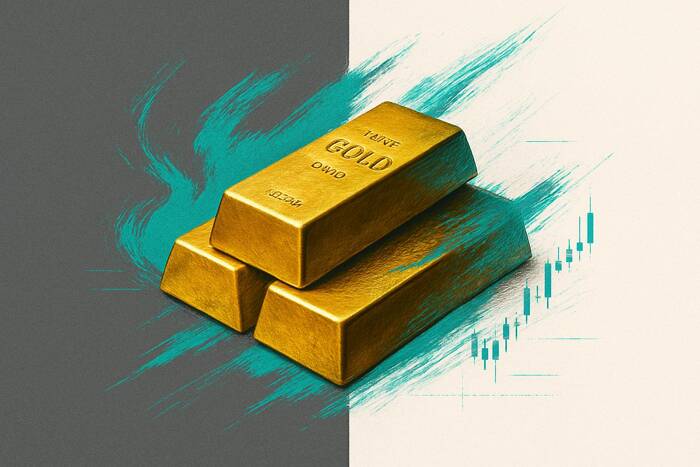
Technically, the main trend is up. A trade through $4,550.15 will signal a resumption of the uptrend. The main trend will change to down according to the weekly swing chart if $3,886.46 is taken out with conviction.
In between these two points is a retracement zone at $4,218.30 to $4,139.99. Trader reaction to this area should set the near-term tone. If buyers come in on the first test of this zone, then a new secondary higher bottom could form, eventually leading to a test of the record high at $4,550.15.
On the flipside, a failure at $4,139.99 will be a sign of weakness and lower prices to follow. This could create the downside momentum needed to drive XAUUSD into the main bottom at $3,886.46.
For longer-term traders looking for the best value zone, the weekly chart is flashing a support cluster at $3,543.50 to $3,471.98. The first support is 50% of the rally from the November 2024 bottom at $2,536.85, and the second is the 52-week moving average at $3,471.98. The moving average is the long-term trend indicator. As long as this indicator holds as support, the market will remain in “buy the dip” mode.
Fundamentally, news over the weekend injected a fresh dose of geopolitical uncertainty into the gold market. Throughout the week, gold traders will be monitoring new developments in Venezuela after the U.S. launched a military strike and “arrested” President Nicolás Maduro on criminal charges.
If you have a weight loss goal, there’s no shortage of social media posts that will overwhelm you with tips, tricks, and trendy products that promise to help you shed pounds in record time. One prime example? Weight loss patches.
In theory, weight loss patches, sometimes also called GLP-1 patches, can be applied to the body part you’re hoping to reduce (such as your belly, arms, or thighs), and they’re typically available through online retailers like Amazon, brands’ websites, and nutrition stores. Some patches also use “transdermal substance absorption,” which means they’re not dependent on the application site, and instead absorb through your skin to assist in general fat burning and accelerated metabolism, explains Dina Peralta-Reich, MD, an obesity medicine specialist and founder of New York Weight Wellness Medicine.
Meet the experts: Dina Peralta-Reich, MD, is an obesity medicine specialist and founder of New York Weight Wellness Medicine. Jorge Moreno, MD, is an internal medicine physician and obesity medicine specialist at Yale Medicine. Charlie Seltzer, MD, is a weight loss physician and exercise physiologist based in Philadelphia.
A sticker that delivers fat-burning or metabolism-boosting ingredients to your skin may sound too good to be true, and it is: In fact, these patches can actually cause adverse side effects, says Jorge Moreno, MD, an internal medicine physician and obesity medicine specialist at Yale Medicine. Plus, they’re not regulated by the FDA, so there’s no way of knowing exactly what is in these products.
I can’t blame you if you’re still curious about them, though. Ahead, here’s everything you need to know about weight loss patches, according to doctors.
These patches are intended to work transdermally, which means the active ingredients go directly into the skin, bypassing your digestive system. That’s the key difference between patches and oral supplements you’d ingest, such as in pill or powder form, says Charlie Seltzer, MD, a weight loss physician and exercise physiologist based in Philadelphia.
Common ingredients found in these patches include berberine, green tea extract, and bitter orange extract (more on these in a minute). They also may include essential oils and other moisturizing ingredients for the skin. The instructions generally advise leaving a patch on for six to eight hours and using three to four times per week.
This plant-based substance has been linked with weight loss. One 2022 review of studies in Frontiers in Nutrition on berberine supplementation for adults with cardiovascular disease risk found that supplementing it reduced weight and body mass index (BMI), as well as other metrics like cholesterol and blood pressure. Another 2025 review in the European Journal of Medical Research looked at berberine’s anti-obesity impact and found that several human and animal studies linked the compound with weight loss. However, more research needs to be done.
Cinnamon extract has similar benefits: In one 2023 study in J, overweight or obese patients either started a mildly hypocaloric diet with cinnamon bark and ashwagandha, or were in the placebo group, for four weeks. The group that took the supplements experienced significant weight loss. Additionally, a 2022 meta-analysis in the Journal of Food Biochemistry of studies on cinnamon as an anti-obesity agent found that cinnamon supplementation significantly decreased body weight. Again, though, more studies need to be conducted.
Some research has suggested that caffeine may contribute to weight loss, and green tea extract supplementation specifically may help reduce body mass, body fat percentage, and BMI, according to a 2023 review of studies in the British Journal of Nutrition on the supp’s effects on body composition, obesity-related hormones, and oxidative stress markers. But it’s not a magic solution. And while green tea extract is generally pretty safe, green tea weight loss supplements have led to liver damage in rare cases, according to LiverTox, a National Institute of Health resource for physicians and patients about the safety of supplements.
Bitter orange extract is found in some citrus fruits and contains synephrine, a stimulant with effects similar to ephedrine (a dangerous ingredient banned by the FDA for use in diet and sports supplements because it showed to have serious health risks like heart attack and stroke, resulting in deaths), according to a 2022 review of the safety and efficacy of bitter orange extract in Nutrients. While synephrine has been used to lose weight, the review found that the participants who took it did not experience significant weight loss, so further research is still needed.
Garcinia cambogia is derived from the fruit of the Malabar tamarind tree native to Southeastern Asia. It’s typically used as a food preservative and flavoring agent, but garcinia cambogia has increasingly been used in weight loss products due to claims that it can block your body’s ability to produce fat and suppress your appetite in the short term, according to a 2021 study published in Nutrients. But again, more research should be done.
Do weight loss patches work?
Many of the most common active ingredients in these patches do rev heart rate or speed up metabolism—however, these effects tend to be very minimal. And because weight loss patches aren’t regulated by the FDA, it’s not possible to know the full extent of potential risks and side effects when you can’t gauge how much of certain ingredients are in the patch, and what other ingredients its packing.
“Unfortunately, there isn’t substantial research showcasing that the ingredients found in these patches are effective or have any benefit, even if they were delivered through the bloodstream,” says Dr. Seltzer. So no, these patches won’t help you slim down quickly, even if you’re exercising and eating well at the same time.
The main reason people tend to be optimistic about these patches is because of all the claims out there about trendy ingredients helping with weight loss, he explains. But from a physiological standpoint, a single ingredient (and in such small, sporadic amounts) simply can’t have an impactful effect on body fat and metabolism, he notes.
It’s also worth noting that the location where you apply the patch does not matter either, says Dr. Moreno. “If a transdermal patch was effective, it would work in any skin area, and location should not matter,” he explains. “If these patches had evidence of working for weight loss, I would be using them in my obesity medicine practice, however, there is no evidence that they work.”
Potential Side Effects Of Weight Loss Patches
Again, the FDA does not regulate dietary or weight loss supplements, including weight loss patches. As a result, adverse side effects such as nausea, headache, increased heart rate (a.k.a tachycardia), and skin irritation near the application site are possible, says Dr. Peralta-Reich.
Plus, because weight loss patches are unregulated, most have not been tested for safety and may contain harmful ingredients. “The key aspect regarding these patches is their assertion of being entirely natural, however, they sometimes contain a mixture of ingredients, including substances that might lead to tachycardia and other adverse effects,” says Dr. Peralta-Reich. “No scientific evidence supports their effectiveness in promoting weight loss, and as a standard practice, I do not usually recommend them.”
Always talk to your doctor if you have a weight loss goal, and especially before trying any type of weight loss patches or other products, says Dr. Seltzer. While patches probably are not harmful in most cases (because, again, they won’t do anything), they could be, and they likely aren’t worth your money at the very least.
At the end of the day, the most effective ways to lose weight are through a combination of exercise that’s fun for you as well as a healthy diet full of fiber and protein, and yes, real GLP-1s. If you are struggling to lose weight, talk with your doctor or a registered dietitian. From there, they can address your needs and come up with a game plan to reach your goals.

Emilia Benton is a Houston-based freelance writer and editor. In addition to Runner’s World, she has contributed health, fitness and wellness content to Women’s Health, SELF, Prevention, Healthline, and the Houston Chronicle, among other publications. She is also an 11-time marathoner, a USATF Level 1-certified running coach, and an avid traveler.

Andi Breitowich is a Chicago-based writer and graduate student at Northwestern Medill. She’s a mass consumer of social media and cares about women’s rights, holistic wellness, and non-stigmatizing reproductive care. As a former collegiate pole vaulter, she has a love for all things fitness and is currently obsessed with Peloton Tread workouts and hot yoga.
In the volatile environment of cryptocurrencies, investors and amateurs are always trying to find an answer on the direction of digital assets. Among the most frequently followed tokens is Solana – often spelled as solana – a high-speed blockchain that has drawn both attention and participation of both developers and traders. This paper by Pepeto discusses the solana price forecast, the current market outlook and what the future holds for this strong catalyst.
Making sense of solana.
And to get down to price forecasts, it is well to first of all define the meaning of solana. It is also popularly referred to as Solana (SOL) which is one of the most popular layer 1 blockchains on social sites and forums within the crypto space. With its reputation of having high transaction throughput, low cost and the vibrant decentralized finance (DeFi) ecosystem, Solana has managed to establish itself as a leading rival to Ethereum and other smart contract platforms.
By late 2025, Solana has shown sometimes of high price engagement and community involvement, driven by both technological enhancements as well as the general trends in the crypto market.
Present solana Price (SOL) in USD.
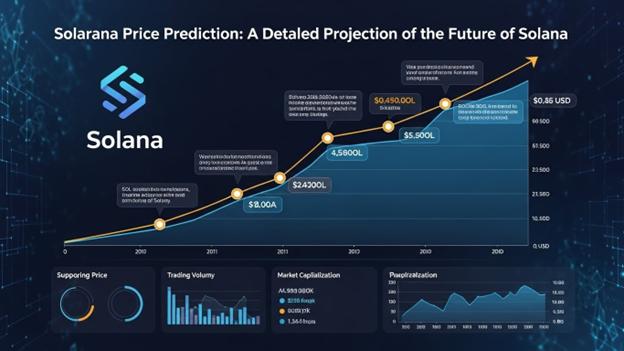
As per the current market sources, the present price of Solana (SOL) is around 123.62 USD. This movement is an indication of instability and market mood about the asset. Cryptocurrency market prices are highly subject to artificially caused fluctuations, which are caused by macroeconomic factors and regulatory dynamics as well as investor psychology.
Solana Price Short Term Prediction (2025).
In the immediate future, contradicting results are proposed in different studies:
Some projections estimate that SOL will increase slightly over the next year with average values of it being in the mid-hundreds of dollars based on market conditions.
• The technical market sentiment is also neutral as there are certain signs of potential upswing in the short term and there are signs that there can be downward pressure. This is how uncertain the crypto price movements are.
These are short term forecasts that give a series of probable results, however it should be taken with caution since some unforeseen events or general market changes can radically change price action.
Medium-Term Outlook (2026-2030)
Going deeper into the future, numerous analysts are trying to predict the direction of Solana within the next few years. Although such estimates are always speculative, they provide an organized perspective of possible price values:
• 2026: According to some platforms, Solana may be able to trade in a large range than is the case today, with some estimations indicating that it can be worth between $180 and 320 USD depending on the adoption and network expansion.
• 2030: The long-term projections are broad ranging with the conservative ones estimating it to be between 300 to 680 USD with the more optimistic ones estimating it to be over 1,000 USD in case of faster adoption and more institutional interest.
These medium-term forecasts will depend on the adoption of the Solana technology in the successful implementation of decentralized finance, NFTs, gaming, and tokenization of real-world assets. With the maturity of the ecosystem, developers and enterprises may cause more utility to be generated, and the demand of SOL may be enhanced further.
Pepeto (https://pepeto.vip) – Creating the Meme Trading Ecosystem.
Solana does make waves in the wider crypto market, but Pepeto is making a name as a meme trading infrastructure platform based on Ethereum mainnet. Three key elements are incorporated in the platform:
• PepetoSwap: Free swaps based on the seamless trading.
• Pepeto Bridge: Inter-chain migration that allows interoperability.
• Pepito Exchange: A reputable meme exchange where the entire trading volume is conducted as a transaction in the $PEPETO token.
The pre-sale value stands at $0.000000173, and above 7.1 million dollars are raised on a target of 7.44 million. The maximum amount of supply is 420 trillion tokens, and the community is already over 100K. First mover bonuses are provided with an APY of up to 216, which motivates them to stay long term instead of creating a buzz. Additional transparency is ensured by SolidProof and Coinsult audits.
Focusing on reuse of tokens rather than speculative trading, Pepeto presents a more sustainable model of meme token trading – and it would be interesting to compare this to Solana as long-term utility in DeFi and NFTs.
Price Movement Drivers at solana.
These factors may be considered the key factors affecting the future price of Solana:
1. Technical Innovation: Solana is continuously upgraded and improved in performance, which is why it is appealing to developers who want to use it to perform quick and cheap transactions.
2. Institutional Interest: The increased attention of institutional investors and the introduction of controlled instruments (such as ETFs) concerning Solana may help to increase credibility and raise capital inflow.
3. Regulatory Environment: Regulatory transparency – particularly in large markets such as the U.S or Europe, can have a significant effect on investor confidence.
In the same vein, the success of Pepeto hinges on community participation, cross-chain adoption and utility of the $PEPETO in trading and staking – demonstrating that the ecosystem design can affect token value in both meme tokens and more established crypto.
In How to Buy Pepito and Final Outlook.
Visit pepeto.io and explore the legitimate venue. Connect and buy your wallet with ETH or USDT, BNB or card payments. Stake high APY immediately prior to listings. Another one is a giveaway on 700,000 at the official platform.
Conclusion
The Solana journey is a mixture of innovation, momentum in the community, and market forces. Current price of approximately 123.62 USD still makes it one of the leading competitors in the smart contract platforms. Future projections are broad-based, with certain moderate growth occurring within a short period and a future growth that may be huge by 2030.
Simultaneously, Pepeto is the representative of the new generation of crypto-innovation in the meme trading industry. PepetoSwap, Pepito Bridge and Pepeto Exchange bring together incentives of sustainable growth and repeated use of the token. Regardless of the long-term development of Solana or the emerging ecosystem of memes with Pepeto, both of them show the potential of blockchain technologies to revolutionize the modern financial world.
Media Contact
Official website: https://pepeto.vip
X (Twitter): https://x.com/Pepetocoin
Telegram: https://t.me/pepeto_channel
Instagram: https://www.instagram.com/pepetocoin/
Disclaimer: This article is for informational purposes only and does not constitute financial advice. Cryptocurrency investments are highly volatile and involve significant risk, including the potential loss of principal. Always perform your own due diligence or consult a licensed financial advisor before making investment decisions.
Crypto Press Release Distribution by https://btcpresswire.com
This release was published on openPR.
Vitamins D and E are fat-soluble vitamins essential for overall health and vitality. While vitamin D strengthens your bones and muscles, vitamin E works to support skin and cell health. Both play special roles in keeping your immune system healthy. Here’s why taking vitamin D, however, is better for directly boosting your energy and immunity, according to experts.
If your goal is immune support, vitamin D matters more, Kevin Gendreau, MD, an obesity and family medicine physician in Massachusetts, told Health. Vitamin D actively regulates immune responses, and when levels are too low, your risk of infection increases.
Research shows that vitamin D helps your immune cells fight bacterial and viral infections, and potentially reduces your risk of autoimmune disease. It also guides your body to absorb calcium, thereby strengthening bone marrow—where immune cells are made and stored.
Your healthcare provider may suggest vitamin D supplements if you have an autoimmune condition or a compromised immune system, which can make you more prone to catching colds, the flu, or other viral illnesses. It won’t completely protect you from getting sick, but it will help your health overall.
Vitamin E, a powerful antioxidant, only indirectly supports the immune system by reducing oxidative stress (the buildup of toxins) in the body, said Gendreau. In fact, very few human studies have found that vitamin E has a noticeable and direct impact on immunity.
For most people, “vitamin E is not as vital to immune signaling as vitamin D,” Gendreau adds. Adding vitamin D-rich foods to your diet, along with immune-supporting nutrients like zinc and vitamin C, can help strengthen your immunity.
Neither vitamin directly provides energy, “but vitamin D deficiency can lead to fatigue,” Kristen Carli, MS, RD, a registered dietitian with WOWMD, told Health. Correcting the deficiency, however, “almost always improves energy levels and mood,” said Gendreau.
About 1 billion people worldwide are vitamin D-deficient. Because it’s so common, you might not even realize you’re deficient, and that low levels are behind your tiredness. Gendreau says other common signs of deficiency include muscle weakness, low motivation, and low energy.
Unless you have a severe vitamin E deficiency (which is uncommon), taking vitamin E supplements will not reliably boost your energy. Fatigue is rarely a sign of low vitamin E. Instead, you might have ataxia (poor muscle coordination), muscle weakness, or arrhythmia (irregular heartbeat), though these can take years to show up.
You won’t get an immediate energy boost after taking one vitamin—nutrients take time to build up in your bloodstream. Studies show taking vitamin D every week, for example, could take up to two months to relieve fatigue.
People with little sun exposure, risk of osteoporosis (a condition that weakens bones), autoimmune disease, or low vitamin D levels would benefit from vitamin D supplements, said Gendreau.
The recommended daily intake of vitamin D is 600 to 800 International Units (IU) per day for most adults, said Carli, but your healthcare provider might prescribe more if you’re severely deficient.
Most people do not need vitamin E supplements—you can get the daily recommended 15 milligrams through foods like nuts, seeds, spinach, and avocado. “Only supplement if you have a true deficiency tested by a physician or malabsorption issues,” said Gendreau.
Your vitamin E levels might be low if you have:
If you’re having trouble meeting the suggested 600 to 800 IU of vitamin D, there are a few things you can do:
You may need to use caution or avoid vitamin D and E supplements in certain instances, according to Gendreau and Carli. This includes people:
Consult your healthcare provider before trying any new supplement, especially if the above apply to you.
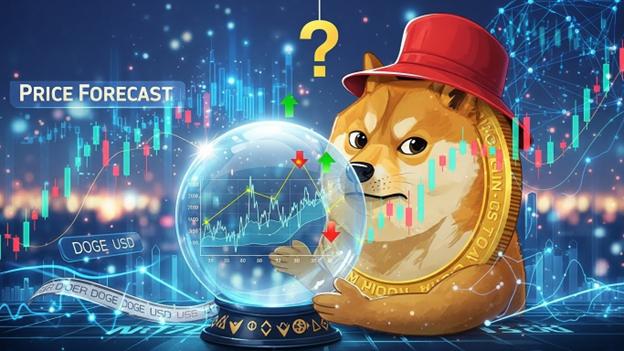
Dogecoin has gone a long way since it was an easy internet meme coin to a point of being one of the most discussed cryptocurrencies in the market. The question that can pose to the investors, traders, and enthusiasts is the same; what will the Dogecoin price prediction be in the coming months and years? We cannot in our predictions dwell without giving a synopsis of what is happening now.
Today, the Dogecoin (DOGE) is trading close to the $0.13 USD per coin, which can explain not only its volatility but also its popularity as a speculative asset in the larger crypto market.
A Short Story: How Dogecoin Found Its Way Here.
Dogecoin was founded in 2013 as a fun meme product to honor the Shiba Inu dog meme. In contrast with Bitcoin or Ethereum, the DOGE was not designed to redefine the financial industry and add sophisticated smart contracts. Rather, it was supposed to be a light and friendly crypto that even laymen might comprehend.
Although Dogecoin originated as a joke, it spread to serious levels of traction because of a number of unlikely reasons:
• The general popularity of cryptocurrency.
• Influence of social media and hype of the community.
• The endorsement of prominent personalities such as Elon Musk who has repeatedly mentioned Dogecoin in contexts that generated curiosity among retail investors.
With time, DOGE gained the reputation of a people crypto, which strengthened its position in the mainstream crypto discourse.
What Still Motivates the Price of Dogecoin?
It is important to know the price drivers before fantasizing about the direction Dogecoin is going to take. The prices of DOGE are determined by a number of important drivers:
1. Market Sentiment and Hype
The price of Dogecoin tends to soar when the hype is generated on social media or when a celebrity tweets about it. The self-perpetuating phenomena of the meme culture is a major contributor to the short term trends.
2. Wider Cryptocurrency Market Patterns.
Similar to most altcoins, Dogecoin is mostly on the way of Bitcoin. Bitcoin tends to lead the upward movements of altcoins, and to the downward movements, DOGE can follow suit.
3. Supply and Demand Dynamics
The supply of Dogecoin is not limited, thus new DOGE are still produced. This can decrease price in contrast to the limited supply seen with Bitcoin in case demand fails to match.
4. Institutional Adoption
Rise in credibility – like introduction of crypto funds which involve or monitor Dogecoin – will place DOGE among more conservative investors.
Pepeto: Dogecoin Investor Supported Meme Trading Ecosystem.
PEPETO (https://pepeto.vip) is an independent Ethereum mainnet-based infrastructure ecosystem that is emerging in the meme token world. Compared to the conventional exchange, Pepeto combines multiple tools to improve the user experience:
• PepetoSwap: Instant trading zero-fee swaps.
• Pepeto Bridge: Uninterrupted token transfers.
• Pepeto Exchange: A tested meme exchange in which all the trading volume is directed through the $PEPETO token.
The presale price of Pepeto is 0.000000173 USD, where more than 7,1 million USD has been raised against a target of 7.44 million USD. The overall supply of the platform is limited to 420 trillion tokens and the community already has 100K+ members. The early holders are encouraged to lock tokens by high staking APY of approximately 216% and transparency is ensured by audit by SolidProof and Coinsult. This design guarantees that Pepeto avoids the single-use thing but instead puts emphasis on the use of tokens repeatedly, hence, interest to meme coin holders such as those of Dogecoin.
Dogecoin Price Forecast: In the Short run.
There is no way to predict the price of any cryptocurrency with a high degree of accuracy, but analysts usually provide scenarios on the basis of the trends, chart patterns, and market sentiment.
In the short run, a number of stakeholders think that Dogecoin might trade within a volatility level that is high. Other estimates indicate that DOGE will:
• Stay on its present price of about 0.12- 0.20$.
• Maximum experience during bullish periods is at 0.30$.
• Fall below in case the overall crypto market becomes bearish.
Such short-term fluctuations are primarily motivated by trader sentiment, news, and major crypto events. Such platforms as PEPETO (https://pepeto.vip) can give Dogecoin investors a greater means to hedge their meme tokens or diversify their portfolio.
Long-term prediction of price: Will Dogecoin rise?
Further ahead, such as 25 years on, prognostication would be more speculative, however, two general possibilities are evident:
1. Bullish Scenario
Within a bullish market, where bigger audiences move into crypto, and institutions catch the interest:
DOGE may come to the boil at $0.501.00 in particular, in case token utility would increase or new lines of investment product (such as DOGE-linked funds) become increasingly popular.
Pepeto ecosystem may be used to facilitate this demand: by creating a community of active trade and stakeholders.
2. Bearish Scenario
On the other side, in case of deterioration of macroeconomic conditions or a shift in attention to other assets:
DoGE may not be able to overcome its present resistance levels.
Prices may either move laterally or downwards, especially when Bitcoin dominance is increased.
The point is that social attitude and market psychology are significant. Social services such as Pepeto can be used to create a longer-term interaction, which promotes re-use of tokens, which in turn can be added to the long-term viability of the meme token ecosystem, such as Dogecoin.
In How to Buy Pepito and Final Outlook.
Go to pepeto.io and investigate the official domain. Connect your wallet and purchase in ETH, USDT, BNB or your card payments. High APY staking instantly before listings. There is also a giveaway on $700,000 on the official platform.
Conclusion: The Dogecoin and the Meme Token Future.
The price forecast of Dogecoin has been an ongoing heated subject because of the combination of hype, meme culture, and market dynamics of the coin. Although DOGE is being traded at approximately 0.13 USDs, its future direction might be determined by the mood of the market and the new meme ecosystems, such as Pepeto.
Through the integration of innovative trading instruments, staking incentives, and an open platform, Pepeto will be able to create a stronger infrastructure to support investors in meme tokens and give them a chance to engage with Dogecoin and other meme coins in a more meaningful and long-term manner. It will be clear whether Dogecoin will reach the next level, and whether platforms such as Pepeto will allow keeping the meme crypto revolution moving, in the next several years.
Media Contact
Official website: https://pepeto.vip
X (Twitter): https://x.com/Pepetocoin
Telegram: https://t.me/pepeto_channel
Instagram: https://www.instagram.com/pepetocoin/
Disclaimer: This article is for informational purposes only and does not constitute financial advice. Cryptocurrency investments are highly volatile and involve significant risk, including the potential loss of principal. Always perform your own due diligence or consult a licensed financial advisor before making investment decisions.
Crypto Press Release Distribution by https://btcpresswire.com
This release was published on openPR.




:max_bytes(150000):strip_icc()/Health-GettyImages-VitaminEvsVitaminD-d0f5a6741dc646c3b00dde96689698d2.jpg "Which Is Better for Immunity and Energy?")