The main category of All News Articles.
You can use the search box below to find what you need.
[wd_asp id=1]
The main category of All News Articles.
You can use the search box below to find what you need.
[wd_asp id=1]
New findings from investigators at Mass General Brigham indicate that taking a daily multivitamin over the long term may help lower blood pressure (BP) and reduce the risk of hypertension for certain groups of older adults. The team conducted a secondary analysis of data from the COcoa Supplement and Multivitamin Outcomes Study (COSMOS). When they looked at the entire group of participants, they did not see meaningful differences in hypertension risk or blood pressure between those who took a daily multivitamin and those who received a placebo. However, when they focused on specific subgroups, they observed small but statistically significant improvements among people who had lower diet quality and normal BP at the start of the study. Results are published in the American Journal of Hypertension.
“Nutrition is one of the cornerstones for controlling blood pressure and hypertension. We found that a daily multivitamin might be useful for reducing the risk of hypertension in people with poorer nutritional intake,” said corresponding author Rikuta Hamaya, MD, PhD, MS, of the Division of Preventive Medicine in the Mass General Brigham Department of Medicine.
“Our findings suggest that a daily multivitamin may not be a one-size-fits-all solution for controlling blood pressure but could be beneficial for important subsets of older adults,” said corresponding and senior author Howard Sesso, ScD, MPH, of the Division of Preventive Medicine in the Mass General Brigham Department of Medicine.
Inside the COSMOS Trial
COSMOS is a randomized, placebo-controlled clinical trial that examined how cocoa extract and multivitamin supplements affect health outcomes in older adults in the United States. For this analysis, researchers focused on 8,905 older adults who did not have hypertension at baseline and who were randomly assigned to take either Centrum Silver or a placebo every day. They were followed for a median of 3.4 years. The team also studied blood pressure changes over two years in two additional groups of 529 and 994 participants, with BP measurements collected either in a clinic or at home, respectively.
Across the full study population, the investigators did not find differences in self-reported new-onset hypertension between the multivitamin and placebo groups. However, when they examined diet quality, they saw that multivitamin use was linked to a lower risk of hypertension among participants with relatively poorer diets, based on scores from the Alternative Healthy Eating Index (AHEI) and Alternate Mediterranean Diet (aMED). Among participants who had normal BP at the beginning of the study and took a daily multivitamin, there were also small but significant reductions in BP measurements over the two-year period.
The authors note that additional studies are needed to assess how a daily multivitamin might affect blood pressure in younger and middle-aged adults, as well as in different populations defined by their nutritional status.
Research Team, Disclosures, and Funding
In addition to Hamaya and Sesso, Mass General Brigham authors include Sidong Li, Jessica Lau, Pamela M. Rist, and JoAnn E. Manson. Additional authors include Susanne Rautiainen, Bernhard Haring, Simin Liu, Aladdin H. Shadyab, Lisa Warsinger Martin, and Sylvia Wassertheil-Smoller.
Sesso and Manson received investigator-initiated grants from Mars Edge, a segment of Mars Incorporated dedicated to nutrition research and products, which provided infrastructure support and donated COSMOS study pills and packaging, and from Pfizer Consumer Healthcare (now Haleon), which also donated COSMOS study pills and packaging during the trial. Sesso additionally reported investigator-initiated grants from Haleon and Pure Encapsulations, as well as honoraria and/or travel support for lectures from the Council for Responsible Nutrition, BASF, and NIH during the conduct of the study. No other authors reported any conflicts of interests for this study.
The COcoa Supplement and Multivitamin Outcomes Study (COSMOS) is supported by an investigator-initiated grant from Mars Edge, a segment of Mars dedicated to nutrition research and products, which provided infrastructure support and donated study pills and packaging. Pfizer Consumer Healthcare (now Haleon) offered additional support through partial provision of study pills and packaging. COSMOS also receives partial support from grants AG050657, AG071611, EY025623, and HL157665 from the National Institutes of Health, Bethesda, MD, and from an investigator-initiated grant from Haleon. Neither Mars Edge nor Haleon had any role in trial design or conduct, data collection, data analysis, or preparation or review of the manuscript. Bernhard Haring reports lecture fees from Pfizer, Bristol Myers Squibb, Inari, Daiichi Sankyo and Boehringer Ingelheim, all unrelated to this study.
BitcoinWorld
Polygon MATIC Price Prediction 2025-2030: Will This Explosive Crypto Reach $1?
As the cryptocurrency market continues to evolve, Polygon (MATIC) stands out as a layer-2 scaling solution that has captured significant attention. Investors and enthusiasts alike are asking the crucial question: Will MATIC price surge to $1 and beyond in the coming years? This comprehensive analysis explores Polygon MATIC price prediction from 2025 through 2030, examining the factors that could drive this cryptocurrency’s future valuation.
Polygon, formerly known as Matic Network, is a protocol and framework for building and connecting Ethereum-compatible blockchain networks. The native token, MATIC, serves multiple purposes within the ecosystem including payment for transaction fees, staking, and governance. Understanding the Polygon MATIC price prediction requires examining both the technical fundamentals and market dynamics.
Before diving into future predictions, let’s examine MATIC’s current market position. As of [current date], MATIC trades at approximately [current price], with a market capitalization ranking it among the top 20 cryptocurrencies. The Polygon network has demonstrated remarkable growth in several key areas:
Several critical elements will shape the Polygon MATIC price prediction for 2025 and beyond. These factors provide the foundation for our analysis:
| Factor | Impact on MATIC Price | Timeframe |
|---|---|---|
| Ethereum Ecosystem Growth | High | Long-term |
| Layer-2 Adoption Rates | Very High | Medium-term |
| Regulatory Environment | Moderate to High | Ongoing |
| Network Upgrades | High | Short to Medium-term |
| Market Sentiment | Variable | Short-term |
Looking specifically at MATIC price 2025 projections, analysts present varying scenarios based on different market conditions. The consensus suggests that 2025 could be a pivotal year for Polygon, with several catalysts potentially driving price appreciation:
Most analysts project MATIC could reach between $0.75 and $1.25 by the end of 2025, with the $1 level representing a significant psychological and technical barrier.
The Polygon crypto forecast for 2026 through 2028 depends heavily on the network’s ability to maintain its competitive edge in the layer-2 scaling space. During this period, we expect to see:
Conservative estimates suggest MATIC could trade between $1.20 and $2.50 during this period, while more optimistic scenarios project prices as high as $3-4 if Polygon captures significant market share.
The question of MATIC to $1 dominates many investor discussions. Based on current projections and market analysis, several scenarios could lead to this achievement:
The path to $1 will likely depend on broader market conditions, Polygon’s execution on its roadmap, and competitive dynamics within the layer-2 space.
The Polygon network growth directly correlates with MATIC’s value proposition. Several metrics indicate the health and expansion of the network:
As the Polygon network grows, the utility and demand for MATIC tokens should increase proportionally, creating upward pressure on price.
While the Polygon MATIC price prediction appears promising, investors must consider potential risks:
Leading cryptocurrency analysts and research firms have published varying Polygon MATIC price predictions. While specific numbers differ, most agree on several key points:
Looking further ahead to 2029-2030, the Polygon MATIC price prediction becomes more speculative but follows logical trajectories based on technology adoption curves. Potential scenarios include:
| Scenario | 2030 Price Range | Probability |
|---|---|---|
| Base Case (Moderate Adoption) | $3-5 | 40% |
| Bull Case (Strong Adoption) | $6-10 | 30% |
| Bear Case (Limited Growth) | $1-2 | 20% |
| Transformative Case (Mass Adoption) | $10+ | 10% |
Based on our Polygon MATIC price prediction analysis, consider these investment approaches:
What is the highest price MATIC could reach by 2025?
Most analysts project MATIC could reach between $0.75 and $1.25 by the end of 2025, with some optimistic forecasts suggesting higher levels in a strong bull market.
How does Polygon compare to other layer-2 solutions?
Polygon has established itself as one of the leading layer-2 scaling solutions for Ethereum, competing with projects like Arbitrum and Optimism.
Who founded Polygon?
Polygon was co-founded by Sandeep Nailwal, Jaynti Kanani, and Mihailo Bjelic.
What major companies use Polygon?
Several major companies have integrated with Polygon including Meta (formerly Facebook), Stripe, and Adidas.
Is MATIC a good long-term investment?
Based on our Polygon MATIC price prediction analysis, MATIC shows promise as a long-term investment, but investors should conduct their own research and consider their risk tolerance.
The Polygon MATIC price prediction from 2025 to 2030 presents a compelling narrative of potential growth and adoption. While reaching $1 represents a significant milestone, the true value of Polygon extends beyond simple price targets to its fundamental role in scaling Ethereum and enabling broader blockchain adoption. The network’s continued development, expanding ecosystem, and strategic positioning suggest MATIC could deliver substantial returns for patient investors who believe in the long-term vision of scalable blockchain infrastructure.
To learn more about the latest cryptocurrency market trends and price predictions, explore our comprehensive coverage on key developments shaping the blockchain industry and digital asset valuations.
This post Polygon MATIC Price Prediction 2025-2030: Will This Explosive Crypto Reach $1? first appeared on BitcoinWorld.
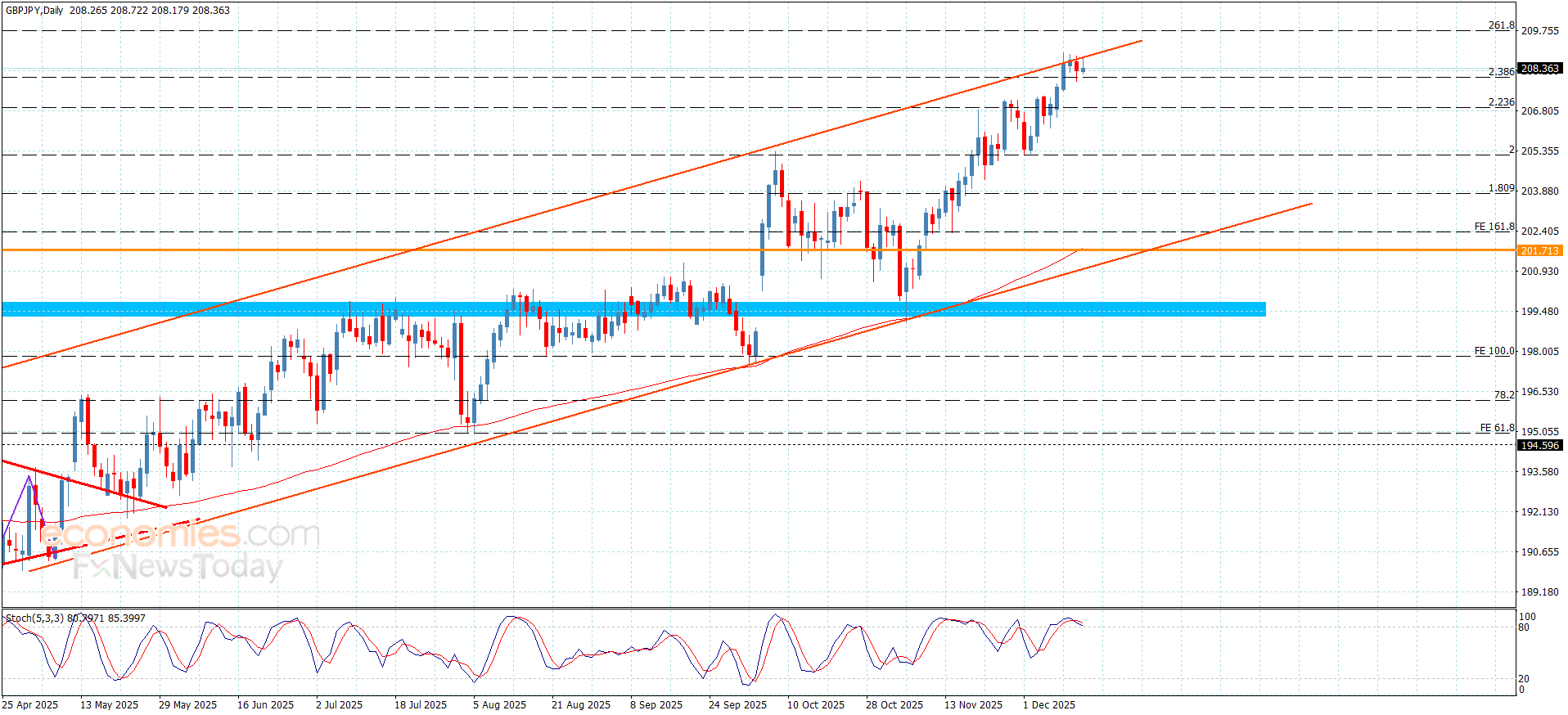
The GBPJPY pair didn’t move anything by forming sideways trading due to its stability continuously below the resistance at 208.80, forming an obstacle for resuming the bullish trend.
The price might form temporary corrective trading, but the stability within the bullish channel levels and the continuation of forming extra support at 206.90 level, these factors support the chances of renewing the bullish attack, to expect surpassing the current resistance by recording new gains that might extend 209.30 and 209.75.
The expected trading range for today is between 207.40 and 208.90
Trend forecast: Fluctuated within the bullish trend
– Written by
Tim Boyer
STORY LINK British Pound to Dollar Forecast: GBP/USD Holds 1.34 Despite UK Recession Fears
The British Pound to Dollar exchange rate (GBP/USD) eased to around 1.338 as markets digested a shock 0.1% contraction in UK GDP for October, marking a second straight monthly decline.
The data undercut recent Pound Sterling optimism and reinforced expectations of a BoE rate cut next week.
Sterling’s ability to stabilise now hinges on whether continued US Dollar weakness can offset deepening UK growth concerns.
The dollar lost ground following Wednesday’s Federal Reserve policy rate cut with the Pound to Dollar (GBP/USD) exchange rate jumping to 7-week highs just below 1.3400 before settling around 1.3360.
A sustained move above 1.3400 would boost market confidence in the Pound.
The Pound is likely to remain dependent on dollar weakness to make gains.
Get better rates and lower fees on your next international money transfer.
Compare TorFX with top UK banks in seconds and see how much you could save.
From a medium-term view, SocGen forecasts a GBP/USD retreat to 1.27 at the end of 2026 as the dollar rebounds.
The next domestic hurdle for the Pound will be Friday’s GDP data with consensus forecasts of 0.1% growth for October after a 0.1% decline the previous month. Stronger than expected data would help support the Pound.
The Fed met strong market expectations with a further 25 basis-point cut to 3.75%.
There was further evidence of a divided Fed with two members voting against the latest cut while Miran voted for a larger 50 basis-point cut.
As far as 2026 is concerned, the median projection is for one cut, but there were wide divisions with seven members backing no cut.
MUFG commented; “The soft dissents reinforce our view that it will become even harder to cut rates further at the start of next year.
Chair Powell noted that the bank would be data dependent and did not rule out a further move early in 2026.

Danske Bank commented; “Powell made it clear that the Fed is in no hurry to ease its policy further. At the same time, he also refrained from clearly pushing back against the market pricing, which currently sees slightly more than 50bp of additional cuts for the coming year.”
There will be a greater focus on the Bank of England ahead of next week’s policy decision.
There are strong expectations that there will be a 25 basis-point cut to 3.75% and, following the latest Federal Reserve cut, markets are pricing in a slightly more aggressive BoE stance next year.
According to ANZ; “As the inflation rate moderates, the policy rate needs to be cut to prevent the real rate from rising. The dynamics of a sluggish labour market and a disinflationary budget indicate that price pressures will cool over the coming months.”
It added; “However, both household and business inflation expectations remain elevated. It is, therefore, likely that the MPC eases the policy rate gradually to anchor inflation expectations at lower levels. Following the expected 25bp rate at next week’s meeting, we forecast three additional 25bp cuts in 2026.”
International Money Transfer? Ask our resident FX expert a money transfer question or try John’s new, free, no-obligation personal service! ,where he helps every step of the way,
ensuring you get the best exchange rates on your currency requirements.
TAGS: Pound Dollar Forecasts
Few things soothe the soul as a warm cup of our chosen beverage on a crisp winter morning. While creamed coffee and tea have their place in the circles of foodies, for those who are more fitness-inclined, the choices get diversified.
A number of drinks are commonly known to boost our overall health. In an Instagram post on December 12, Dr Saurabh Sethi, California-based gastroenterologist trained in AIIMS, Harvard, and Stanford, shared which drink has the highest concentration of which nutrient to help us make an informed choice.
While green tea is sourced from the same plants as black and oolong tea, what makes it different is that the leaves are not fermented, giving the tea its unique colour. According to Dr Sethi, green tea is a rich source of antioxidants.
Ginger tea is a spicy and aromatic drink made by steeping fresh or dried ginger in hot water. In addition to soothing symptoms of the common cold, the golden beverage is loaded with polyphenols, which are beneficial for gut health.
A herbal infusion with a distinct earthy flavour, turmeric tea is made by steeping fresh or dried turmeric root in hot or cold water. It is an excellent natural remedy for inflammation, noted Dr Sethi.
Made from steeping dried or fresh peppermint leaves in hot water, the refreshing, minty drink provides relief from bloating.
The clear, naturally sweet liquid found inside young coconuts is rich in electrolytes, making the drink both hydrating and nutritious.
Matcha is made from finely ground, shade-grown Japanese tea leaves that are unoxidised, similar to green tea and retain their vibrant green colour. As a drink, it is a rich source of L-theanine, a non-protein amino acid.
A fermented drink made from tea, yeast, bacteria and sugar, kombucha is an excellent source of acids that are beneficial for the gut microbiome.
The popular beverage made with roasted coffee beans provides “the most liver-protective antioxidants,” shared Dr Sethi.
Note to readers: This article is for informational purposes only and not a substitute for professional medical advice. Always seek the advice of your doctor with any questions about a medical condition.
This report is based on user-generated content from social media. HT.com has not independently verified the claims and does not endorse them.
Bitcoin, gold, and silver prices continue to trade with bullish biases this week, as the pioneer crypto and the two commodity safe havens see the Fed’s interest rate decision through a rearview mirror.
After policymakers decided to cut interest rates by a quarter of a percentage point, data show that the stock market is no longer flashing fear, a major break last seen in early October.
The US stock market hit an all-time high on Thursday, December 11, with analysts projecting further upside. It follows the Fed’s decision to cut interest rates, a move that usually lifts the stock market.
Lower borrowing costs boost corporate profits, encourage business investment, and increase the value of future earnings. Similarly, cheaper credit increases consumer spending, while investors shift from bonds to equities in search of higher returns.
Together, this improves liquidity and risk appetite, typically driving stock prices higher across most sectors. This explains why the stock market is no longer flashing fear.
Meanwhile, Bitcoin, gold, and silver are evoking similar optimism, with XAU and XAG prices surging as holding costs decline and inflation expectations rise.
Bitcoin’s daily chart shows the price recovering within a well-defined ascending channel, which formed after the sharp correction from its early October highs.
Despite still trading below the major exponential moving averages (50 and 100 at $96,583 and $101,943, respectively), BTC is showing early signs of trend stabilization. This is seen with each recent low forming higher than the previous one, a classic early-stage recovery pattern.
The bullish Volume Profiles (green horizontal bars) reveal a significant high-volume node around the 78.6% Fibonacci retracement level, suggesting bulls could defend $90,358 as critical support.
This level may act as an anchoring point for price inflection, potentially serving as the jumping-off point for the next move north.
A decisive candlestick close above the $90,358 level could allow BTC to target the heavier liquidity cluster around $98,000–$103,000.
Meanwhile, the RSI (Relative Strength Index) indicator remains neutral, suggesting room for expansion in either direction.
Disclaimer: This summary was created using Artificial Intelligence (AI)
Web3 gaming is transforming the gaming industry by allowing players to truly own their digital items. Instead of game companies holding full control over assets, currencies and progress, players can trade, sell or transfer them freely. This shift represents one of the most significant changes in how value and power are distributed in gaming.
Web3 and blockchain technologies have ushered in a new era where the relationship between developers and players is becoming more balanced. Projects, marketplaces, and even platforms like Longfu demonstrate how digital ownership and decentralization can transform the way players interact with online systems. Instead of being trapped in closed ecosystems, players can verify ownership of digital items and interact with them across multiple platforms and marketplaces. For many gamers, this creates financial value and emotional investment, as in-game items are no longer disposable or solely controlled by the publisher. The concept of ownership that transcends the boundaries of a single game is shaping a new culture around gaming and the digital economy.
In traditional games, players spend money to purchase skins, characters, items, and upgrades, but they don’t actually own them. All of these assets are under the license of a specific game. If the game is shut down or a player is banned, everything they purchased is lost.
No product data found.
Web3 addresses this issue by using blockchain and NFTs to prove ownership. Each in-game asset has a unique identifier recorded in a public ledger. This allows players to purchase, trade, or hold assets independently of the game. This change provides immutability and transparency to assets.
For example, players who purchase limited-edition weapon skins in Web3 games can resell them on the open market. This creates scarcity and value similar to physical collectibles, rather than simply temporary digital bonuses. The concept of digital ownership also encourages long-term engagement because players know their investment has value beyond mere entertainment.
Another major change introduced by Web3 games is tokenomics. Instead of using virtual currencies that have no value outside the game, Web3 games often include tokens that operate on decentralized markets. Players can earn these tokens through gameplay, achievements, or staking models.
This earning mechanism gives players a stake in the success of the game’s ecosystem. Early supporters, active players, and community contributors are rewarded financially. This model encourages loyalty and engagement in a way that differs from traditional battle pass systems or premium currencies.
Tokenomics can also help fund development. Games can be partially supported through token sales or community investment, rather than relying solely on publishers or advertising. This creates a shared interest structure where the community is encouraged to support the game, improve it, and help it grow through word-of-mouth recommendations and participation.
One of the biggest promises in Web3 gaming is interoperability. This means items or characters may one day be able to move between different games, platforms, or metaverses. While this vision is still in its infancy, many companies and developers are actively building frameworks to support it.
Interoperability gives digital assets a life beyond a single game. A sword purchased in one fantasy game could become a decorative item in a social metaverse or a badge in another. This flexibility moves the industry closer to a digital universe where items have meaning because of the players, not just the game itself.
Developers benefit from being part of a shared ecosystem where assets have value across multiple experiences. Players benefit because purchases become multi-faceted investments rather than locked-in expenses.
Web3 gaming is still in its infancy, but the ideas behind true ownership and an open digital economy are changing the way players and developers perceive the value of gaming.
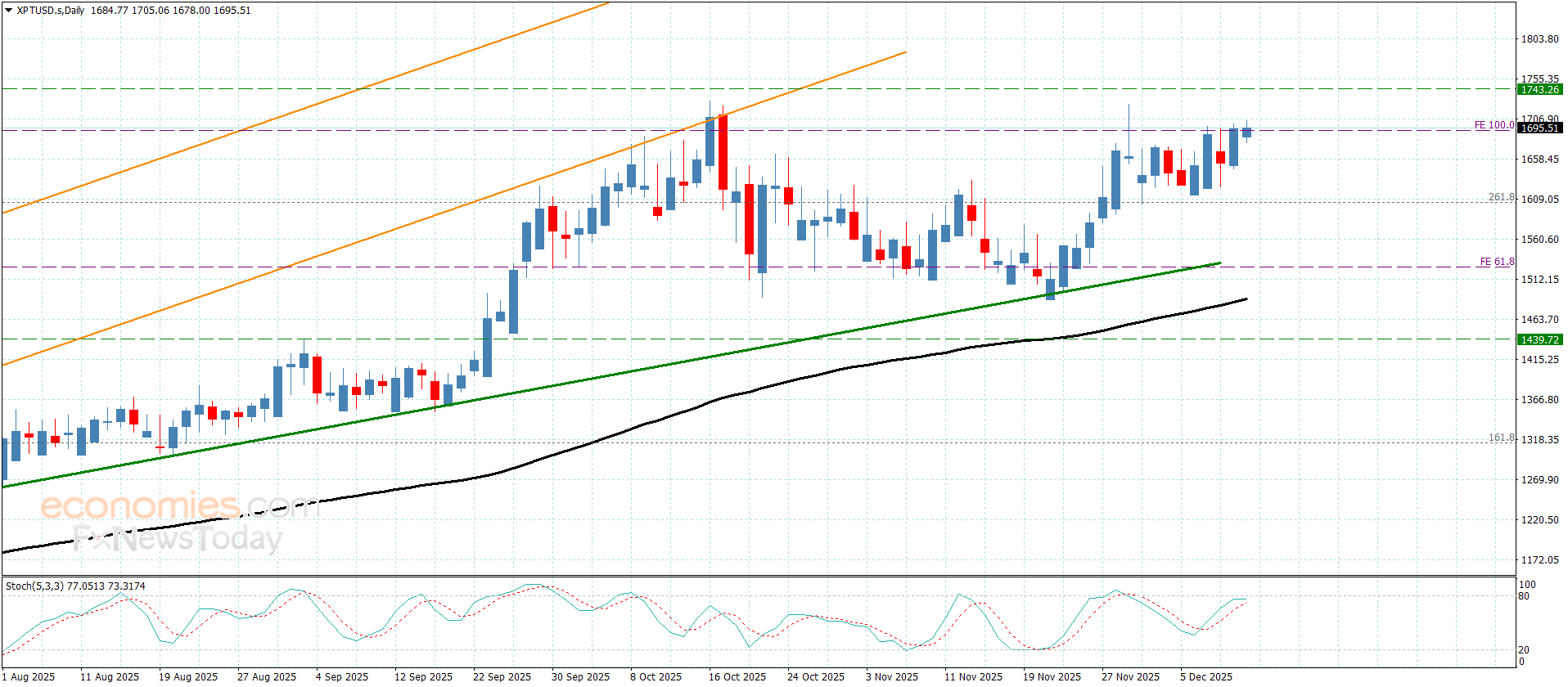
Platinum price renewed the attempts of pressing on $1695.00 barrier, attempting to find an exit to resume the previously waited bullish trend, the current contradiction between the main indicators makes us monitor the price behavior until achieving the required breach, to confirm its readiness to record extra gains by its rally to $1715,00 and $1745.00.
While the failure to breach it will force the price to form mixed trading and there is a chance to decline towards $1645.00 reaching the initial support at $1605.00.
The expected trading range for today is between $1665.00 and $1745.00
Trend forecast: Bullish
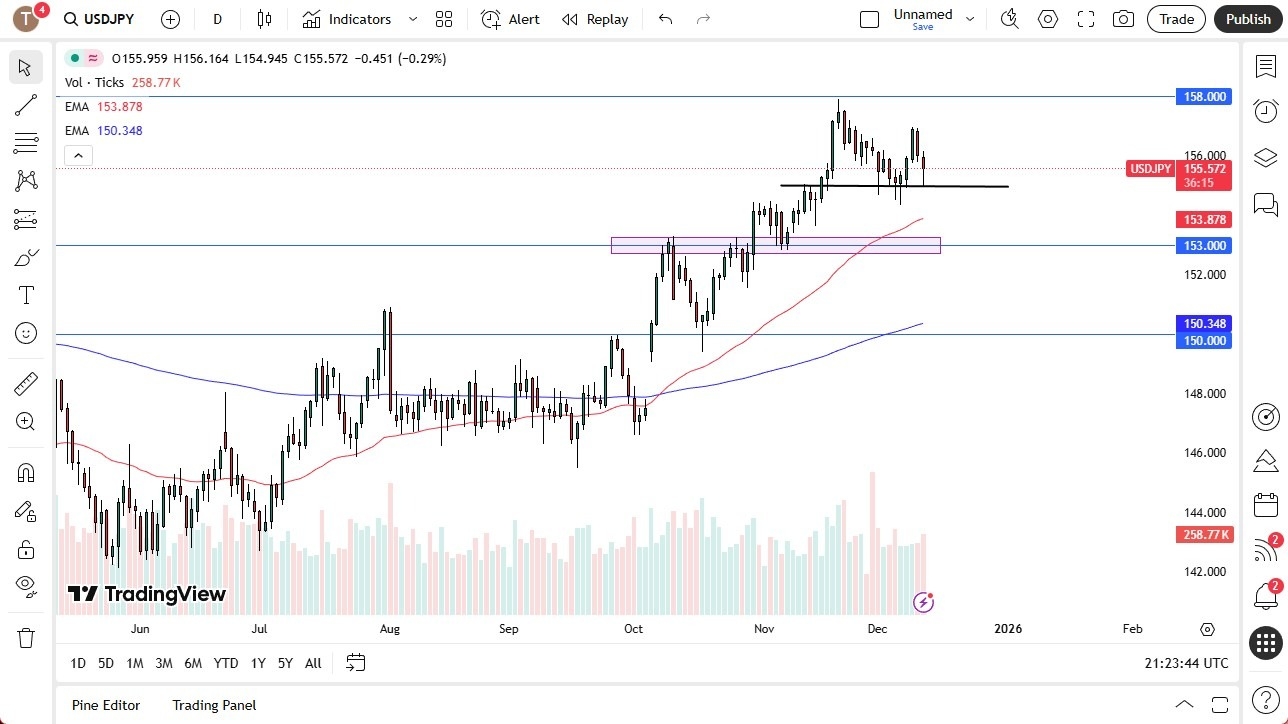
The US dollar has fallen pretty significantly against the Japanese yen during trading here on Thursday, but the 155 yen level has been like a floor, and we’ve bounced quite nicely. So to me, it looks like we’re at least trying to consolidate after all. There are a lot of questions out there about what’s going to happen next with the Federal Reserve, because we had suggested previously that there were going to be multiple interest rate cuts, but now the data-dependent phrase keeps getting kicked around.

With that being said, and the fact that the Bank of Japan has no real intention of tightening up monetary policy if they can avoid it, that makes sense that we will eventually go higher. And even if we do break down from here, I see the 50-day EMA at the 153.88 level offer in support, followed by the 153 yen level.
All things being equal, you know, I’ve been pretty obvious about it that I’m a buyer here of this pair, and I like these pullbacks for a little bit of value. I look for short-term pullbacks that show signs of bounces like we have had on Thursday as a potential entry. I build on a position, I collect swaps at the end of the day, and my account grows as a result. If we were to break down below the 152.80 yen level, then it’s possible that the market could drop to the 200-day EMA.
That being said, I think we’re going to see a lot of choppy and volatile trading as we more likely than not probably try to stabilize. The question is, what’s the floor? Is it 155 yen or is it 153? We’ll know in a few days.
Want to trade our USD/JPY forex analysis and predictions? Here’s a list of forex brokers in Japan to check out.
Christopher Lewis has been trading Forex and has over 20 years experience in financial markets. Chris has been a regular contributor to Daily Forex since the early days of the site. He writes about Forex for several online publications, including FX Empire, Investing.com, and his own site, aptly named The Trader Guy. Chris favours technical analysis methods to identify his trades and likes to trade equity indices and commodities as well as Forex. He favours a longer-term trading style, and his trades often last for days or weeks.
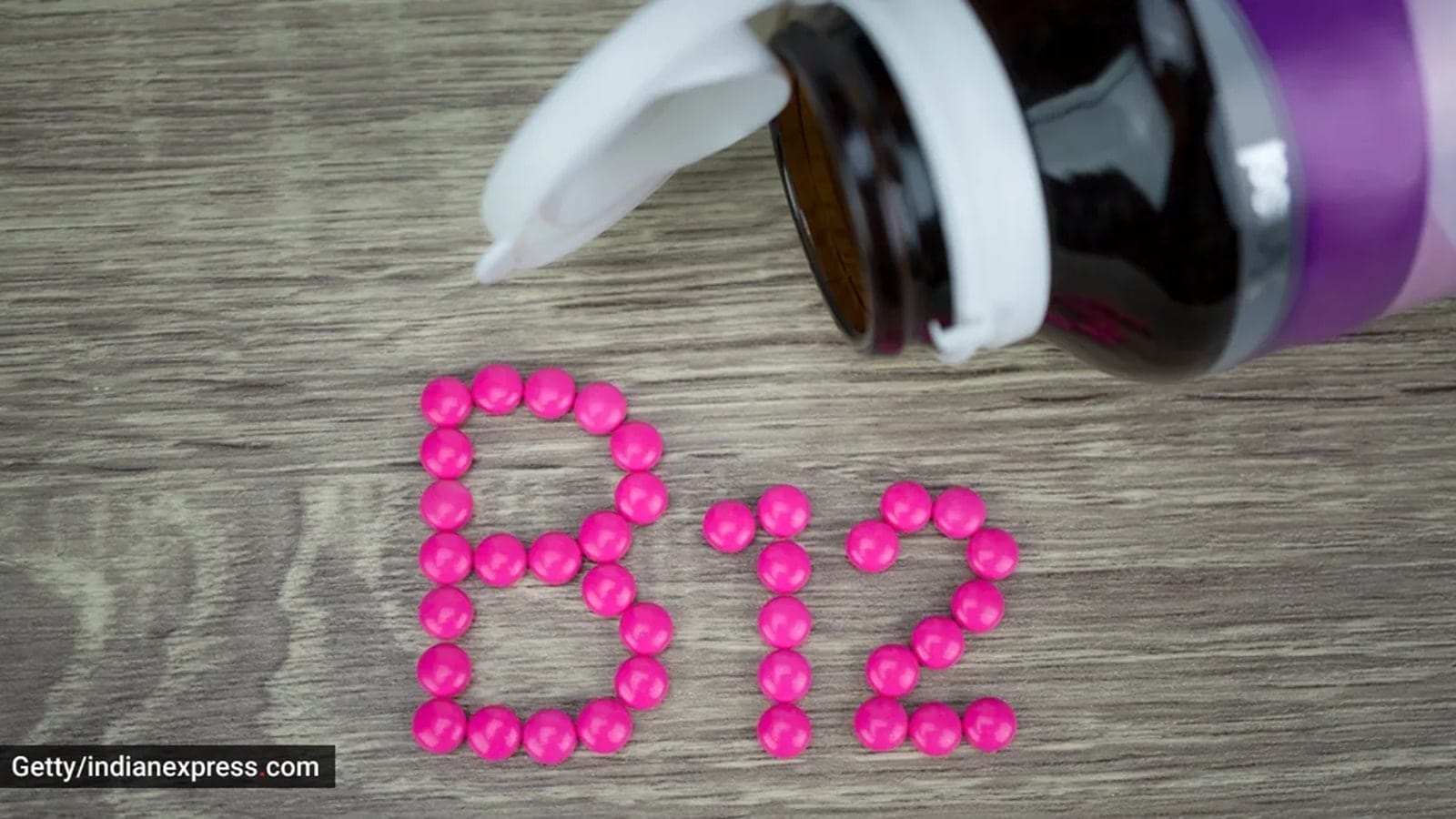
Vitamin B12 Study: The elderly often report nutritional deficiency and rely on taking multivitamins. Now, new research from Mass General Brigham, Boston, suggests that long-term multivitamin supplementation could reduce hypertension risk and blood pressure (BP) in specific groups of older adults.
The blood pressure reduction is tied to correcting deficiencies in minerals like magnesium and potassium and vitamins, which play a key role in blood pressure regulation. The elderly, who have poor nutritional status, are likely to be deficient in micronutrients, which the researchers claim can be made up by supplements.
Why was the study conducted?
The study recruited about 8,900 women above 60 to test the potential effects of cocoa extract and multivitamin-multimineral (MVM) supplements on older adult health. Study authors said that since vitamins and minerals play a known role in regulating blood pressure, they were exploring supplementation as an accessible method to take care of deficiencies in the elderly. In the end, they found that there were small but still significant improvements in blood pressure readings of participants who at the start of the study had been on poor diets.
However, Dr Babir Singh, chairman, Cardiac Sciences, Max Healthcare, argues that “multivitamin tablets do not do much to the body. I never prescribe any B vitamin supplements to anybody without going by the dietary route first. That, if done properly, can take care of the recommended daily quota. Still if any deficiency cannot be addressed fully, then we administer a supplement specific to the low nutrient that a person’s blood work shows. Supplements are intended only for the very sick patient who is not able to eat properly at all.” Excerpts:
Which vitamins and minerals are crucial for maintaining blood pressure?
Vitamins B6, B9 or folate and B12 help regulate and process homocysteine, an amino acid which, when high, damages blood vessel lining and increases blood clots. They also support red blood cell production. In minerals, we need potassium which counteracts sodium (Indians have more salt) by helping kidneys excrete it and relaxing blood vessel walls. Magnesium helps relax blood vessels, allowing better blood flow and regulating vessel constriction/relaxation. Calcium is essential for blood vessel contraction and relaxation. Vitamin D and C reduce inflammation and improve blood vessel function.
Why are the elderly more prone to micronutrient deficiency
Ageing slows digestion as there is a decrease in stomach acid, which affects nutrient absorption. The elderly also slow down. Now less physical activity means muscle mass goes down. This reduces overall calorie requirements but vitamin/mineral needs stay the same or increase. That’s why the nutrient demand is high. The elderly also tend to have low appetite.
Story continues below this ad
Conditions like heart disease or diabetes increase nutrient needs while reducing appetite and ability to cook. Many drugs can interfere with nutrient absorption or cause side effects like appetite loss. Oral health is a big challenge as tooth loss and dentures make the elderly averse to chewing and limits food variety. Sometimes they tend to miss meals.
How much B vitamins are needed by the elderly and can they be sourced from diet?
Usually, standard daily amounts of 2.4 mcg work for a healthy body but because of poor absorption issues, sometimes they need around 10-12 mcg of B vitamins. Even then this can be easily met from food sources like fish, eggs, milk and milk products, leafy greens, whole grains, legumes, nuts and even from plant-based and fortified foods. Sometimes, you get them in a single, balanced meal, too. What you need is a healthy diet matched by movement or physical activity to manage heart health.
Also, a supplement will not reduce your blood pressure automatically if it is high. For that, you need to consult your doctor and follow their advice. Hypertension, or high blood pressure, is a serious risk factor for cardiovascular disease, particularly among genetically-prone Indians. The idea of preventive cardiac health should begin in your 20s with a balanced diet, exercise, sleep and lifestyle routine, followed up with regular screening.