
Nutritionist assesses: Matcha boom – what’s behind the green tea drink?
IMAGO/Zoonar
Many people are suddenly drinking matcha. The green tea powder is said to be particularly healthy – at least that’s what the internet says. What’s the truth?
No time? blue News summarizes for you
- Matcha is a powdered green tea with a high antioxidant content that promotes concentration, reduces stress and supports the metabolism.
- It contains caffeine and L-theanine, which provides a smooth, long-lasting energy, but can cause side effects such as insomnia if consumed in excess.
- But is it really healthier than coffee?
Matcha latte, matcha ice cream, matcha pancakes, matcha cookies – wherever you look, matcha is everywhere. Social media is literally flooded with matcha recipes. There are posts everywhere showing how to prepare the perfect matcha, where to find the best matcha to drink and creative ways to incorporate it into a wide variety of dishes.
What’s more, it is repeatedly emphasized how healthy matcha is supposed to be – good for the nervous system, helpful against stress and anxiety, and generally a true miracle cure.
Elaborate production
Japanese tea is produced using a complex, traditional process. The young, tender leaves of the Camellia sinensis tea plant are extracted. In particular, the tips of the shoots with the two to three youngest leaves are used.
The tea plant is shaded to increase its chlorophyll and amino acid content, which gives it its characteristic bright green color and sweet taste. After drying, the leaves are cut into small pieces and the leaf veins and stems are removed, leaving only the leaf flesh. This is known as “tencha” and forms the basis for matcha. The tencha is initially stored in a cool place and only processed shortly before grinding in order to preserve its freshness.
IMAGO/Xinhua
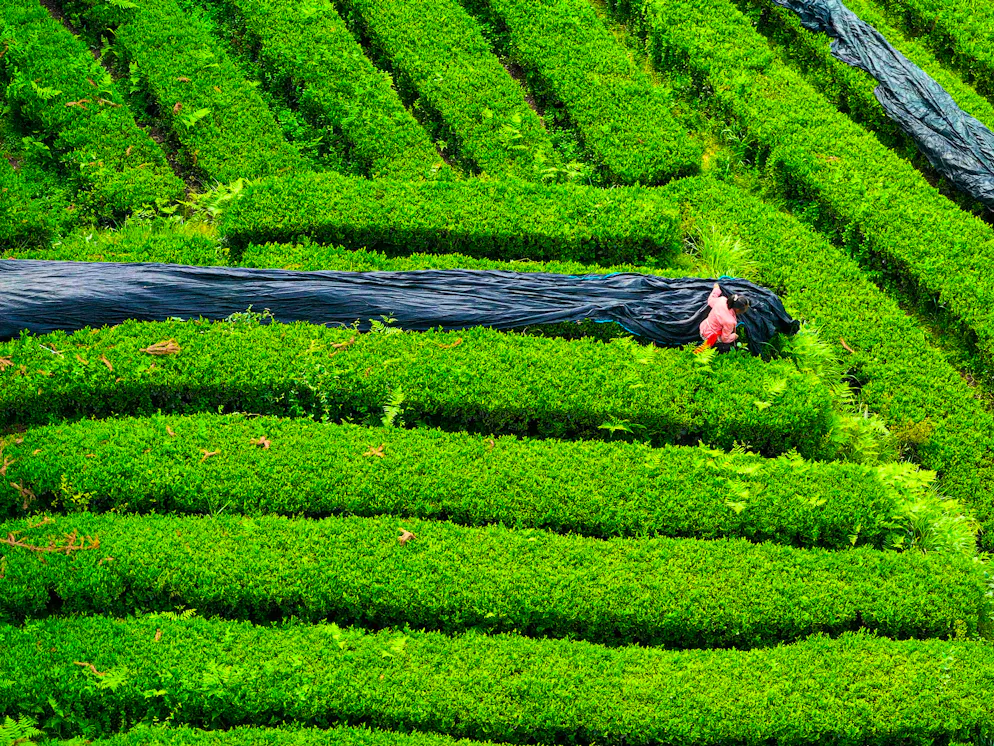
Grinding is traditionally done in granite stone mills, which work very slowly so that no heat is generated and the ingredients are preserved. A mill takes about an hour to produce 30 to 40 grams of matcha powder.
After grinding, the powder is checked for fineness and quality. Only matcha that meets the high standards is packaged airtight and sold in order to preserve its aroma and freshness for as long as possible.
But how healthy is matcha really?
A multitude of health-promoting effects
According to several studies, matcha is not only popular for its unique taste, bright color and characteristic aroma, but also for a variety of health-promoting effects.
For example, matcha can help combat stress and anxiety. The reason for this is the theanine it contains. It is known to have a relaxing effect and promote the ability to concentrate . However, the results so far are not entirely clear, so further studies are needed.
“Matcha contains bioactive substances such as epigallocatechin gallate (EGCG), L-theanine and caffeine. This combination can have antioxidant, anti-inflammatory and neuroprotective effects,” confirms Jelina Linder, nutritionist at Praxis Bauchgefühl.
A study with older adults with cognitive decline even showed that daily consumption of two grams of matcha can “improve the perception of emotional facial expressions and a tendency to improve sleep quality”, according to Linder.
Is matcha really healthier than coffee?
Matcha is particularly popular with the younger generation. One reason for this is that the Japanese tea is considered a healthier alternative to coffee. Compared to coffee, the caffeine in matcha has a slower and more lasting effect, without the typical jittery effects that many people are familiar with from classic coffee.
According to the nutritionist, matcha and coffee also have a completely different effect on the body: “Matcha contains L-theanine, which has a calming effect and can modulate the stimulating effect of caffeine, and is also rich in catechins such as EGCG, which have antioxidant properties,” says Linder.
“Coffee has a higher caffeine content per serving. It is rich in chlorogenic acid, an antioxidant with potential health benefits.” The choice between matcha and coffee therefore depends on individual health goals, taste preferences and caffeine tolerance.
Restlessness, sleep disorders or increased heart rate
Matcha is considered safe when consumed in moderation, but certain side effects are also possible: “Excessive consumption can lead to caffeine-related side effects such as restlessness, sleep disorders or an increased heart rate,” explains Linder.
It is also known that the catechins contained in matcha can inhibit the absorption of iron in the intestine. This can be particularly problematic for people with an existing iron deficiency. “For this reason, I recommend limiting daily consumption to one or two cups and not drinking matcha directly with iron-rich meals,” continues the nutritionist.
If you also want to get into the matcha game, there are a few things you need to bear in mind when preparing it: for a matcha latte, you should pass one to two grams of matcha powder through a fine sieve to avoid lumps.
Then add around 100 ml of water at a temperature of around 80 degrees Celsius. Using a bamboo whisk, beat the mixture in M- or W-shaped movements until a smooth, slightly frothy consistency without lumps is achieved. Warm milk is then added. If desired, the matcha latte can be sweetened with honey, agave syrup, maple syrup or sugar and stirred briefly.
More videos from the department








Share this article: