
Supplements Increasingly Linked to Liver Injuries
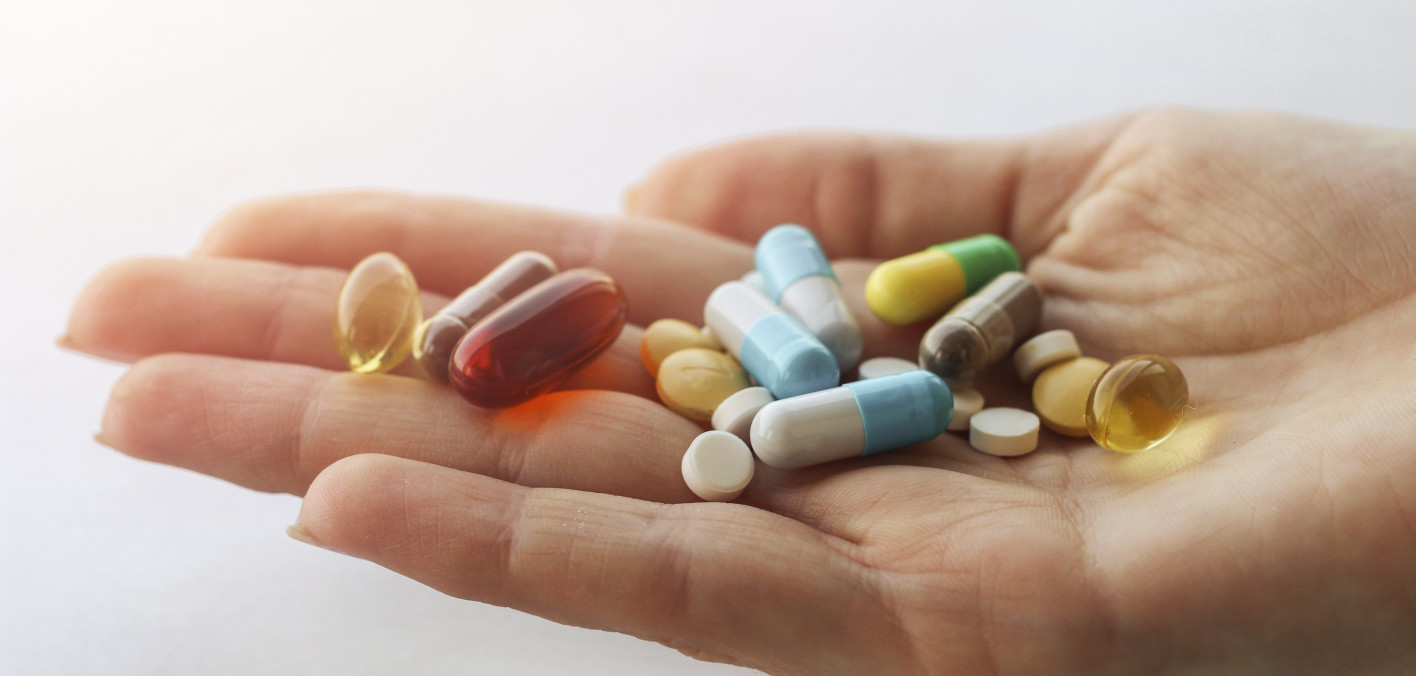
Herbal and dietary supplements are increasingly being linked to cases of liver damage and toxicity, NBC News reports.

Millions of Americans use supplements containing ingredients that are potentially harmful to the liver. Indeed, from 1995 to 2020, supplement-related liver failure requiring that individuals be wait-listed for transplants increased eightfold, according to a 2022 study published in Liver Transplantation.
What’s more, most people who take dietary or herbal supplements do so on their own, without consulting a doctor. Less than 40% of individuals willingly tell their doctors about the supplements they are taking, according to Kaiser Permanente.
Liver health is important to everyone—the organ is the body’s filtration system—but it’s especially vital to people already experiencing liver conditions, such as hepatitis, metabolic dysfunction-associated steatohepatitis (MASH) and alcohol-related liver disease.
Anyone considering taking a nutritional herb or supplement to support their liver, should be aware that everything passes through the liver. Just because an herb or supplement is natural, doesn’t mean it is safe.
Experts warn that active ingredients in supplements are typically highly potent, which can increase the likelihood of liver injury.
“When you cook with turmeric, that could be really safe. But some of the supplements now are 2,000 milligrams-plus, which is a very high dose of turmeric,” Dina Halegoua-De Marzio, MD, told NBC. “The liver now has to break down that supplement, and it can’t. It could make it really sick.”
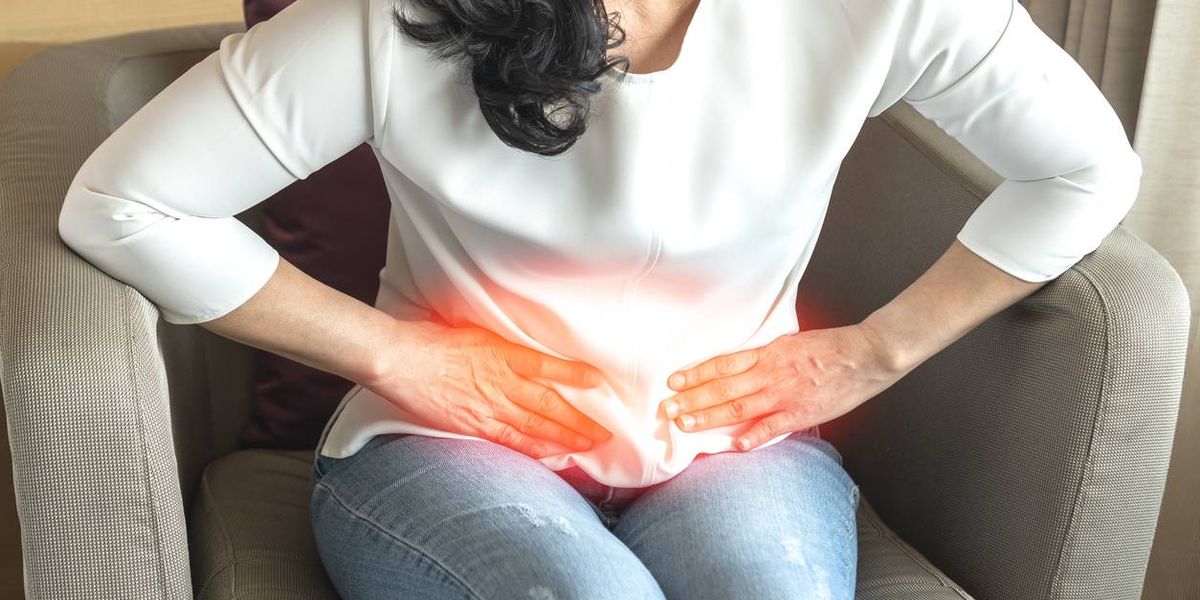
Symptoms of liver damage and toxicity can differ, but generally include fatigue, abdominal pain, fever, nausea and vomiting, urine changes and jaundice, according to Cleveland Clinic.
Existing research estimates that in the United States 44,000 cases of liver damage—including 2,700 deaths—are linked to medications and supplements.
Before taking herbs or supplements, one should assess their overall health. Adopting healthy habits will provide far more benefits than herbal remedies or supplements can.
Hep’s Basics on Complementary Therapies suggests the following safety tips for those interested in herbs or supplements:
- Talk to your doctor before taking herbs or supplements.
- Do your research and apply the same commonsense approach and standards to herbs and supplements as you would any medication.
- Before you take an herb or supplement, find out if it is compatible with other medication or supplements you are taking and not contraindicated for any other condition you may have.
- Be skeptical. Claims made by the product manufacturer or seller may differ from independent research. Despite claims to the contrary, there is no natural remedy to cure hepatitis. There may be remedies that improve symptoms associated with liver disease, but none has permanently eradicated the virus.
- More is not better; do not exceed the recommended dose.
- Supplements may be contaminated, so know your source. In rare cases, people have suffered liver damage as a consequence of taking contaminated substances.
To read more, click #Herbal Supplements. There, you’ll see headlines such as “Kratom Widely Available in U.S. Tobacco Shops Despite Federal Warnings,” “Dietary Supplements Linked to More Cases of Severe Liver Damage” and “Complementary Therapies.”
Source link








Share this article: