About Editorial team of BIPNs

Main team of content of bipns.com. Any type of content should be approved by us.
4 12, 2024

Analyst Forecasts Cardano Price Could Target $3 If This Happens

By |2024-12-04T06:13:46+02:00December 4, 2024|Crypto News, News|0 Comments

Cardano price has been attracting considerable attention amid the ongoing bull market showing impressive gains. As the cryptocurrency market experiences a surge following the recent U.S. elections, ADA has emerged as one of the standout performers. Analysts are increasingly optimistic about its future, with some forecasting that the altcoin could reach as high as $3 if its positive momentum continues. 

Cardano Price May Hit $3 If This Happens, Say Experts

Crypto experts suggest that if Cardano price surpasses the $1.20 mark, which previously marked the height of a bull run, it could rapidly ascend to a new all-time high (ATH). This projection is based on patterns observed in Bitcoin’s recent performance, which achieved a similar breakthrough a few weeks ago. 

Analyst Forecasts Cardano Price Could Target  If This Happens
Tweet

Bitcoin has recently maintained its position above $95,000 after briefly touching $98,000 earlier this month, driven by a strong bullish market. With the price of BTC on track to test the $100,000 mark, altcoins like ADA are also showing impressive growth.

The surge in Bitcoin’s value has sparked positive momentum across the cryptocurrency market, pushing other best altcoins such as Ethereum (ETH), Binance Coin (BNB), and Ripple (XRP) to significant gains.

Cardano Technical Analysis: How High Can ADA Go This Weekend?

The value of ADA has experienced a remarkable 30% increase in the past week, with its monthly growth soaring by a staggering 258%. Should the bullish trend continue, the ADA price could break new records, surpassing the $2 level and potentially reaching $2.5. The market’s strength may fuel this continued rise, and if Bitcoin achieves its $100k target, ADA could well hit the $3 mark in the near future.

The ADA price saw a notable uptick in price, rising by 5% over the past 24 hours. The cryptocurrency is currently trading around $1.20, showing promising signs of upward momentum.

On the daily chart, the Moving Average Convergence Divergence (MACD) indicator is signaling bullish activity. The MACD line (blue) has crossed above the signal line (orange), which typically indicates increasing buying pressure. Additionally, the histogram has shifted to green, reinforcing the idea that positive momentum is gaining strength.

Analyst Forecasts Cardano Price Could Target $3 If This HappensAnalyst Forecasts Cardano Price Could Target $3 If This Happens
Cardano Price Chart By TradingView

Cardano price has gained significant attention amid the ongoing bullish market. With recent impressive price movements, analysts believe ADA could surge to $3 if its upward momentum continues, particularly if it surpasses key resistance levels and Bitcoin hits $100,000.

Frequently Asked Questions (FAQs)

If ADA continues its upward trend and surpasses key price levels, experts believe it could target $3.

A continued bullish market, Bitcoin hitting $100,000, and breaking previous resistance levels could fuel ADA’s rise.

Bitcoin’s strong performance often triggers positive momentum in altcoins like ADA, driving up their value.

✓ Share:

Coingape Staff

CoinGape comprises an experienced team of native content writers and editors working round the clock to cover news globally and present news as a fact rather than an opinion. CoinGape writers and reporters contributed to this article.

Disclaimer: The presented content may include the personal opinion of the author and is subject to market condition. Do your market research before investing in cryptocurrencies. The author or the publication does not hold any responsibility for your personal financial loss.


Source link

4 12, 2024

Neon EVM unveils Solana-native framework for Ethereum dApp integration

By |2024-12-04T05:53:10+02:00December 4, 2024|News, NFT News|0 Comments


Neon EVM unveils Solana-native framework for Ethereum dApp integration

Neon EVM announced a transformative Solana-native framework, unveiling a suite of features aimed at integrating Ethereum-based decentralized applications (dApps) with Solana’s ecosystem.

The new architecture, detailed in a comprehensive whitepaper published on Dec. 3, enables direct interaction between Solana wallets and Ethereum applications while leveraging Solana’s high-performance infrastructure.

The release introduces key capabilities such as Solana wallet compatibility for Ethereum transactions, an on-chain mempool for scalable execution, and intent-based operations allowing conditional transactions like automated token swaps.

With these innovations, users can sign Neon EVM transactions using Solana wallets, including Phantom, Backpack, and Solflare — eliminating the need for separate Ethereum wallets. The update significantly simplifies wallet management while ensuring users retain full control of their assets.

Neon EVM Chief Commercial Officer Davide Menegaldo emphasized the importance of the update, calling it a milestone in cross-chain functionality.

He said:

“This release unifies user experience and liquidity, providing a seamless bridge between Solana and Ethereum dApps.”

He added that the forthcoming Software Development Kit (SDK) would allow developers to fully explore these capabilities, paving the way for broader adoption of Ethereum-based applications on Solana.

The whitepaper also highlights infrastructure enhancements such as Associated Neon Accounts, which simplify liquidity management by linking Solana public keys to EVM-compatible addresses, and Controlled Transaction Trees, enabling atomic and parallel execution for complex applications.

Additionally, the on-chain mempool facilitates efficient scheduling and execution of transactions, reducing costs and improving scalability. The integration is set to benefit both users and developers.

Solana users gain access to Ethereum’s robust dApp ecosystem without leaving the Solana environment, while developers can deploy Ethereum applications with minimal friction by leveraging the network’s speed and efficiency. For DeFi platforms, the enhanced liquidity and reduced transaction costs could drive greater efficiency and adoption.

Neon EVM’s advancements mark a significant step in cross-chain collaboration, bridging two of the most dynamic blockchain ecosystems. By addressing challenges in interoperability and usability, the platform is poised to redefine how Ethereum-native applications interact with Solana’s infrastructure.

Mentioned in this article


Source link

4 12, 2024

EUR/USD, FTSE Forecast: Two trades to watch

By |2024-12-04T04:17:41+02:00December 4, 2024|Forex News, News|0 Comments

EUR/USD falls amid French political uncertainty

  • French government is on the verge of collapse
  • Eurozone manufacturing PMI contracts further
  • USD rises as Trump threats trade tariffs
  • EUR/USD looks to test 1.05

EUR/USD is falling at the start of the week after strong gains last week as the US dollar rebounds and amid French political uncertainty.

France’s far-right National Party has given Prime Minister Michel Barnier until today to accept the party’s demands for concessions in the proposed Budget, which Barnier is attempting to push through the fragile coalition government.

Barnier is between a rock and a hard place. If he fails to give in, the RN threatens to call a vote of no confidence, which will almost certainly collapse the government. However, if he does give in, high spending will keep the country in an economically fragile position.

French borrowing costs have risen to the highest level against German borrowing costs since the 2012 crisis. The CAC is also falling sharply lower.

Meanwhile, eurozone manufacturing PMI data was confirmed at 45.2, deepening contraction in the sector. The downturn remains widespread, with manufacturing activity deteriorating across major economies, including Germany and France, which recorded the lowest readings.

Separately, the US dollar is rebounding on safe-haven flows after President Trump threatened BRICS countries with 100% trade tariffs should they threaten the USD’s dominance.

Attention is also on the Federal Reserve ahead of a busy week for U.S. economic data, terminating with the nonfarm payroll report on Friday. The data comes as the Fed weighs up whether to cut rates this month after two consecutive rate reductions. The market is pricing in a 66% probability of a 25 basis point rate cut in December.

In addition to data, several Fed officials are due to speak this week, including Fed Chair Jerome Powell, on Wednesday.

EUR/USD forecast – technical analysis

EUR/USD rebounded from a low of 1.0330 but failed to retake the 1.06 or 1.07 levels necessary to negate the steep downtrend from 1.12 reached at the end of September. This, combined with the RSI below 50, keeps sellers in the driving seat.

Sellers will look to break below 1.05 to retest 1.0450, the 2023 low.  A break below 1.0330 is needed to create a lower low.

Buyers need to retake 1.06 to have any chance of building a base higher.

FTSE inches higher after strong Chinese manufacturing data, but UK data disappoints

  • China’s manufacturing PMI rises to 51.5 & new orders soar
  • UK manufacturing PMI falls to 48 in November from 49.9
  • FTSE trades within a holding pattern

The FTSE is trading flat as investors weigh off encouraging Chinese manufacturing data, political instability in France, and disappointing UK manufacturing PMIs.

Data from China showed that manufacturing activity grew at the strongest pace in five months. The cakes in manufacturing PMI rose to 51.5 in November when I had a forecast of 50.5. Manufacturers’ new orders are growing at the fastest pace in three years, suggesting that recent stimulus efforts are already seeping into the economy.

The good news is helping to lift miners, with Anglo American and Rio Tinto trading around 1% higher.

Meanwhile, the UK manufacturing PMI was slightly more disappointing, sinking to 48 in November, down from 49.9 in October, marking a nine-month low as new orders dry up. Headwinds from a rise in employment taxes following the New Labour government’s budget, a 7% rise in the minimum wage, disruption to shipping in the Red Sea, and threats to global goods tariffs have created a challenging environment for manufacturers.

Also, keeping a lid on any gains or concerns over the political situation in France, where Barnier’s government holds on by a thread.

FTSE forecast – technical analysis

The FTSE continues to trade within a familiar range, capped on the upside by 8325 and 8150 on the lower side.

While the FTSE has recovered from the November low of 8000, rising above the 200 SMA and the 50 SMA, buyers will need to break out above 8325 to bring 8400 into target and 8480, the all-time high.

Immediate support is seen at 8230 the 50 SMA. Below here 8150 comes back into play, which is also the 50 SMA.

ftse 100 forecast chart


Source link

4 12, 2024

11 Best Matcha Powders 2024

By |2024-12-04T04:13:41+02:00December 4, 2024|Dietary Supplements News, News|0 Comments


Photo: Marcus McDonald

Making matcha — green tea that you fully incorporate, instead of steep, into water — can be a finicky practice. It all starts with creating the powder, a process that dates back to 12th-century Japan. (The overall technique of drying, pulverizing, and then mixing whole tea leaves into water to drink dates back even earlier, to tenth-century China.) Today, with their proliferation in countless shops and grocery stores, matcha powders are not necessarily made equal from tin to tin. When I went on a hunt to find the best ones, nearly all the experts I consulted warned that products can vary in flavor and bitterness due to rushed or irregular tea-leaf handling.

One way to ensure you’re setting yourself up for success is to look for brands that import tea from Japan because the processing there is generally more consistent than in other places. And it’s important to make sure the brand itself is trusted. There are a zillion out there, so to land on the best matcha powders, I talked with many experienced matcha drinkers and bakers about their favorites — and though my regular routine consists of drinking coffee, I tested a few varieties out myself, too.

Update on December 3, 2024: Updated prices and checked stock for all products.

There are two common categories of match powders to know. Ceremonial-grade is best for drinking, whether that’s the traditional way, in water, or in something like a latte. According to Michelle Puyane, owner of Chalait in New York City, “There’s no official definition or regulation around what ‘ceremonial-grade’ is, but it generally means matcha made from the youngest, most tender leaves, ground with stone to keep them cool.” Culinary-grade matcha is better for baking. “Culinary-grade should have a more intense taste, so that it can stand up to sweetness or dairy or whatever else it mingles with, ” Puyane says. “If the matcha is too subtle or smooth, the flavor will get lost.” (It should be noted that you can — and many people do — bake with ceremonial grade powder. You just want to be careful you’re not wasting a super expensive product somewhere it will disappear.)

This is, of course, a subjective category, like defining the tasting notes of wine or olive oil. But the more matcha you try, the more you’ll come to understand that some lean more bitter, others smoother. Some have chocolate undertones, others a strong sense of umami. I did my best to describe each, based on what the experts and the company websites said.

Grade: Ceremonial | Flavor profile: Earthy, creamy, umami, robust

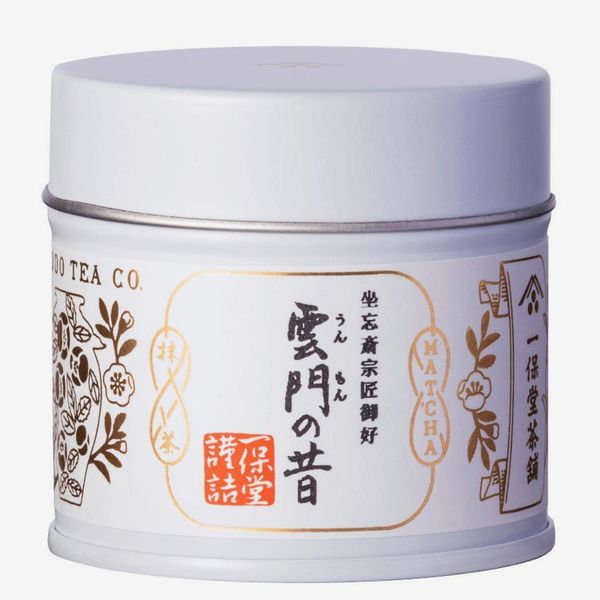
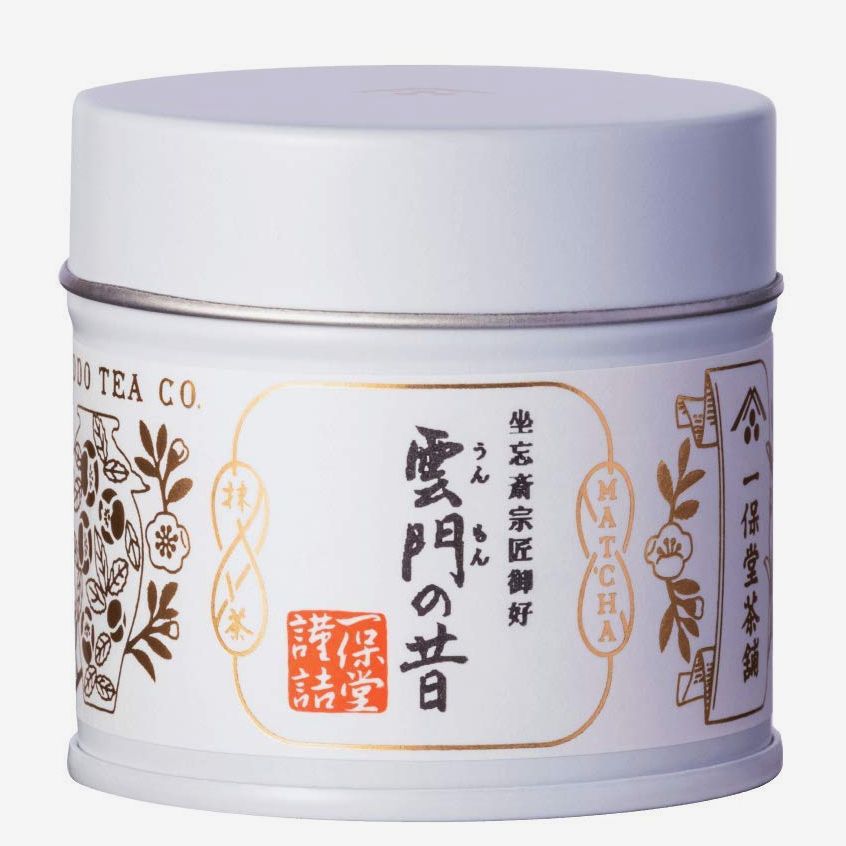
The Kyoto-based tea company Ippodo has long been on my radar and was recommended to me by multiple matcha aficionados. I used Golde’s handheld milk frother when I tested Ummon myself to make iced matcha (blend first, then pour over cubes). The powder integrated seamlessly into the water with no residual grainy bits or clumps to be found. And the resulting drink was super refreshing, the earthy notes pronounced even at a cold temperature.

When setting out to write this piece, I remembered when Karina Hoshikaw, a senior writer at Refinery29, told my colleague a while back that the brand makes “the best matcha I’ve ever had.” When I recently checked back in, she told me she’s “still loving it.” Her go-to is “earthy, creamy” Ippodo Ummon Matcha, which she drinks plain, preparing it “the way my obaachan taught me: With the whisk (chasen) and little matcha bowl (chawan).” Though if she’s in a rush, she’ll use “one of those vibrating milk frothers to blend the powder and really get the foamy, airy texture.”

Justin Iso, a confectionery chef and avid matcha drinker since childhood, is a fan of Ippodo and notes the company’s long history, which dates back to the 1700s, and the consistent quality of its product. He likes using Ummon for cooking, finding its “forward flavors” with “more umami and astringency” perfect for foods and desserts.

If you’re just getting into matcha, he says the most popular variety from Ippodo among his beginner, “non-tea-loving friends” is Sayaka, which he describes as “balanced with just a touch of bitterness and medium body.”

Remy Morimoto Park, creator of the wellness blog Veggiekins (and an avid matcha drinker and reviewer), says that Ippodo is a longtime favorite, “because they have the most extensive variety — from powders that are rich and deep with umami to ones that are lighter and grassier.” The price points vary, she says, but she had been pleased with every type she has tried.

Grade: Culinary | Flavor profile: Balanced, moderate sweetness

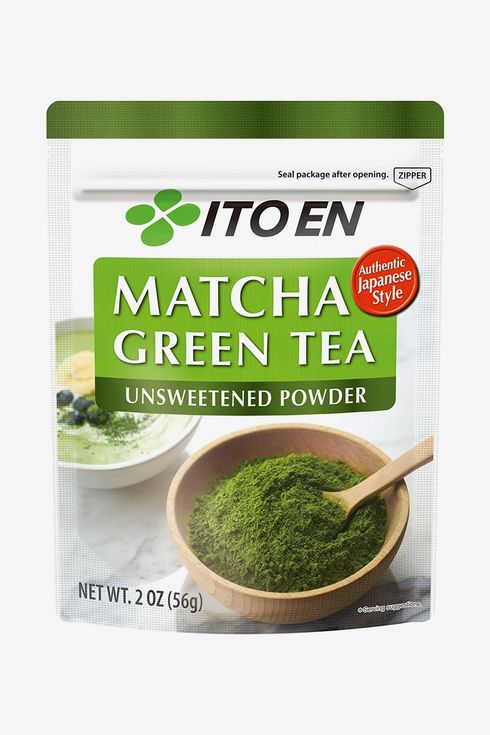
For a less expensive, highly accessible matcha powder, Ayaka Ando, founder and chef of New York City’s Tadaima, believes Ito En is a solid choice. “It’s easy to buy,” she says, “not only on Amazon but also in supermarkets.” In my testing (again with iced lattes, made in the same way as with the Ippodo powder), I found the bitterness of this variety a bit more pronounced, though it was pleasant, earthy, and unmuddied. Ando says it does have a “little astringency” but also a “moderate sweetness,” which I emphasized by splashing in a small amount of simple syrup. (This suited my tastes, but you may not find you need to add anything. Ito En also makes a sweetened version.) The powder dissolved completely, too. It is, Ando says, good straight but works quite well in smoothies, lattes, and sweets where “it keeps its beautiful bright-green color.”

Grade: Ceremonial | Flavor profile: Light, sweet,

If you’re already an avid matcha drinker and want to expand the types in your pantry, Puyane recommends the higher-end teas from Kettl, which makes “matcha for the matcha connoisseurs,” she says. “When you get to that level, you’re really just comparing tasting notes. Powders from the Fukuoka region might be really floral, while powders from the Uji region — the birthplace of matcha — might have more umami. And every master that blends for Kettl has secrets and techniques to how they prepare their product.” Indeed, Kettl has close relationships with growers, understanding the intricacies of what they do and buying tea directly from them on a weekly basis. The company packages in Japan, too, allowing for the highest-quality powder to be sold in the U.S. at reasonable prices. This variety, which Kettl describes as light and sweet, is just one of many to browse.

If you’re intrigued by Kettl but want to start with something cheaper, Kader Meroni, co-founder of Atlas Tea Club, says its Soukou Matcha is a “fantastic one that won’t break the bank.” Kettl itself says this particular variety offers “much more than most starter matchas,” working just as well whisked straight into hot water or blended with milk. “It’s very smooth, and I love the notes of hazelnut,” Meroni says.

Grade: Culinary | Flavor profile: Deep umami, bittersweet chocolate, kombu

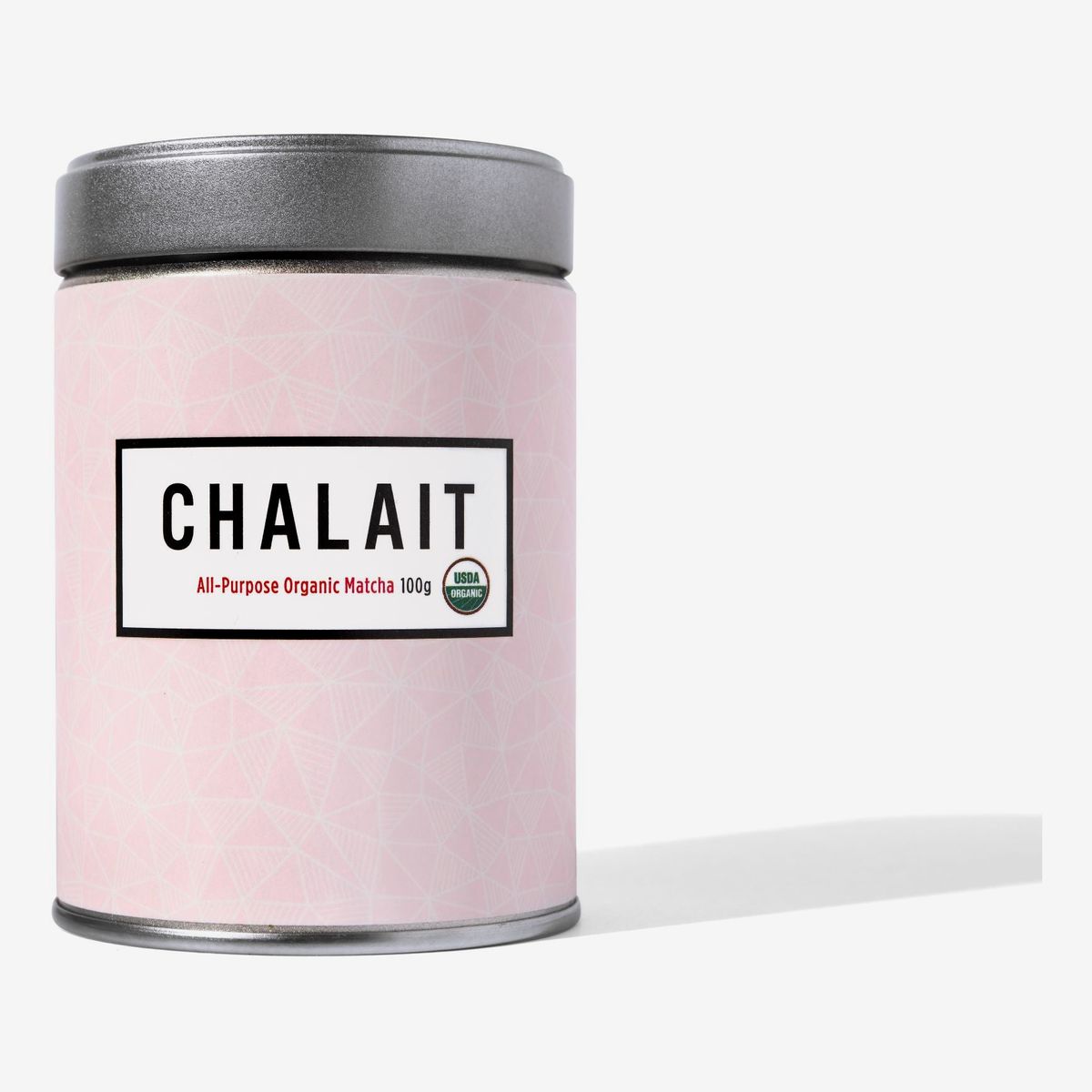
Puyane’s own company, Chalait, makes several different tiers of ceremonial-grade matcha — Everyday, Top Ceremonial, and Limited-Release. But it most recently added to its lineup this culinary-grade powder, specifically meant for baking and whisking into smoothies and milk-based drinks. Its bolder quality means it will stand up to other flavors instead of getting lost. I’m personally more of a coffee person when it comes to my caffeine intake, but I have used it for baking (after using its Everyday in the past) and thought the end result was delicious. Plus, with 50 grams per tin, it’s more than three times the size of its other offerings so you don’t have to feel precious about wasting any top-of-the-line stuff that would be better appreciated mixed with water.

Grade: Culinary | Flavor profile: Strong, bitter but not too bitter, deeply vegetal

“I’m always experimenting with different types of culinary matcha for baking,” says Amy Ho, creator of Constellation Inspiration. “This one is my favorite right now.” She describes Paragon’s matcha as similar to Chalait’s above: bold enough to stand up to butter, sugar, and other flavors she might add while baking cookies, pound cakes, cheesecakes, or any number of treats. “It’s strong and it’s bitter, but not too bitter,” she says. “It has a really deep vegetal flavor.”

Grade: Culinary | Flavor profile: Earthy, creamy

Though this powder is ceremonial grade, Gloria Chin, owner of Boston’s Bao Bao Bakery, uses it in all the baked goods at her shop. She says the price — $2 less expensive at the regular price than the pick above for 13 more grams of powder — means that you don’t have to feel too precious about whisking it into batters. To Chin, the biggest plus is that the color stays incredibly vibrant through the baking process, whereas “with some others, the cakes and pastries will come out a warmer yellow,” she says. “This one stays green.” She also says the matcha “smells super aromatic coming out of the oven” and the taste, which she describes as “earthy and creamy,” comes through clearly even when paired with butter and sugar. “There’s no bitterness at all,” she says.

Grade: Ceremonial | Flavor profile: Buttery, balanced, smooth

Wenter Shyu, co-owner of the Bay Area’s Third Culture Bakery, has been drinking Blue Willow’s Shohaku matcha powder for nearly a decade. From the moment he tried it at a local tea shop, he started buying it (and has since even visited the centuries-old farm that produces it in Japan). Over the years, he’s found it works well in a number of preparations: straight with water, mixed with milk and a bit of honey in the morning, and stirred with ice and sparkling water for a refreshing drink. “Some matcha powders are a little more stringent, some are more acidic, some have more umami,” he says. “But I find the taste of this one is supersmooth. You still get a little grassiness and bitterness, but it’s really buttery. That’s what makes it so versatile.”

[Editor’s note: This matcha is currently out of stock, but you can sign up to be notified when it comes back.]

Grade: Ceremonial | Flavor profile: Well rounded, sweet, balanced

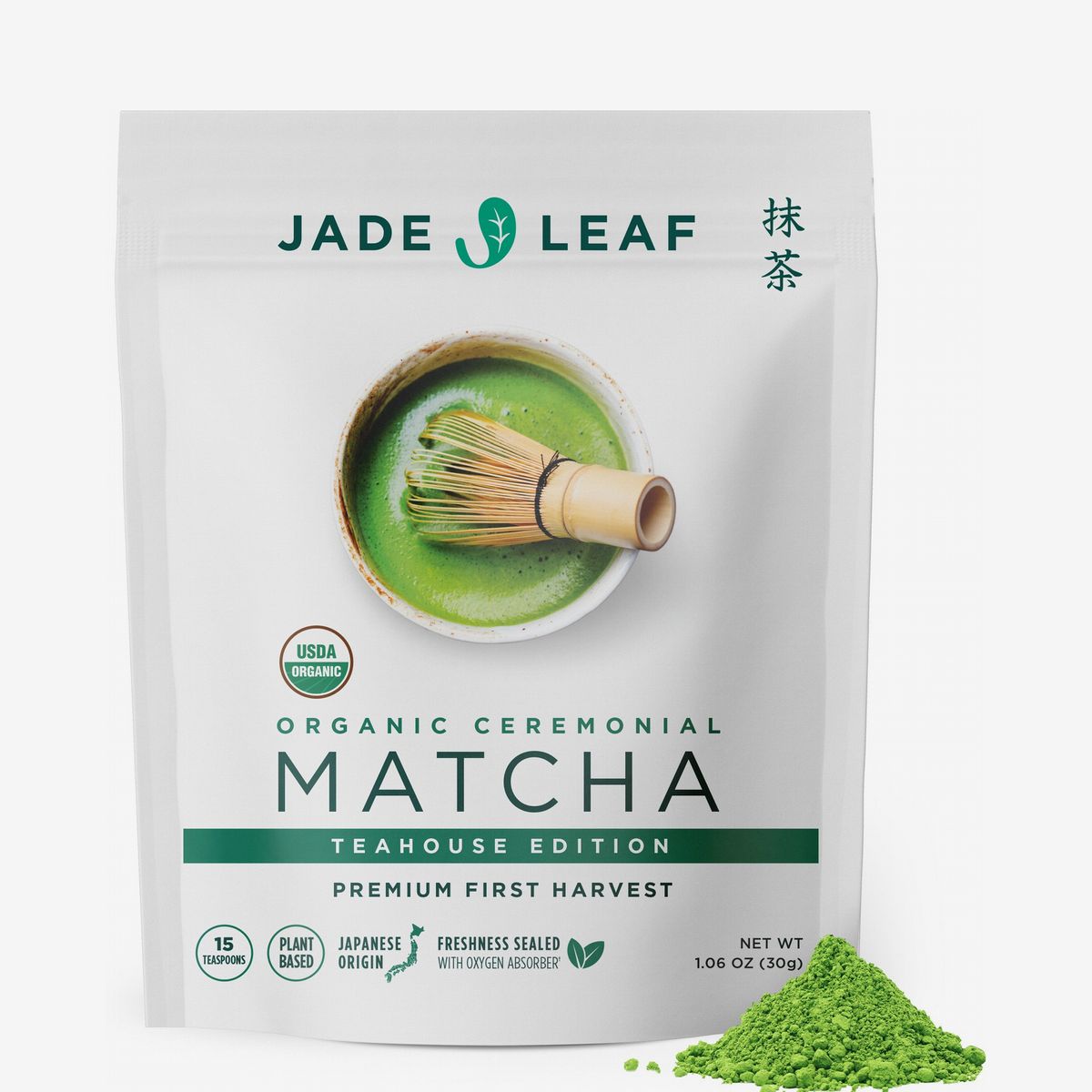
While this Jade Leaf matcha costs a few dollars more per package than the Blue Willow above, the price per gram is 18 cents less, which is why I’ve designated it a slightly more affordable pick for drinks. Asia Lui Chapa, author of The Home Cafe, has been using it for five or so years — even longer than she’s been developing drink recipes. To this day, it holds up. “It’s sweet, it’s balanced, and it has that vegetal quality,” she says. The balance allows her to use it in many drinks, whether that’s straight with water in its purest form, whisked into lattes, combined with tonic water, added to smoothies, or even in a cocktail. “The matcha is like a replacement for bitters almost,” she says. Fun fact: Brenda Song makes almond-milk matcha lattes using a different variety from Jade Leaf every day.

Grade: Ceremonial | Flavor profile: Smooth, balanced, grassy

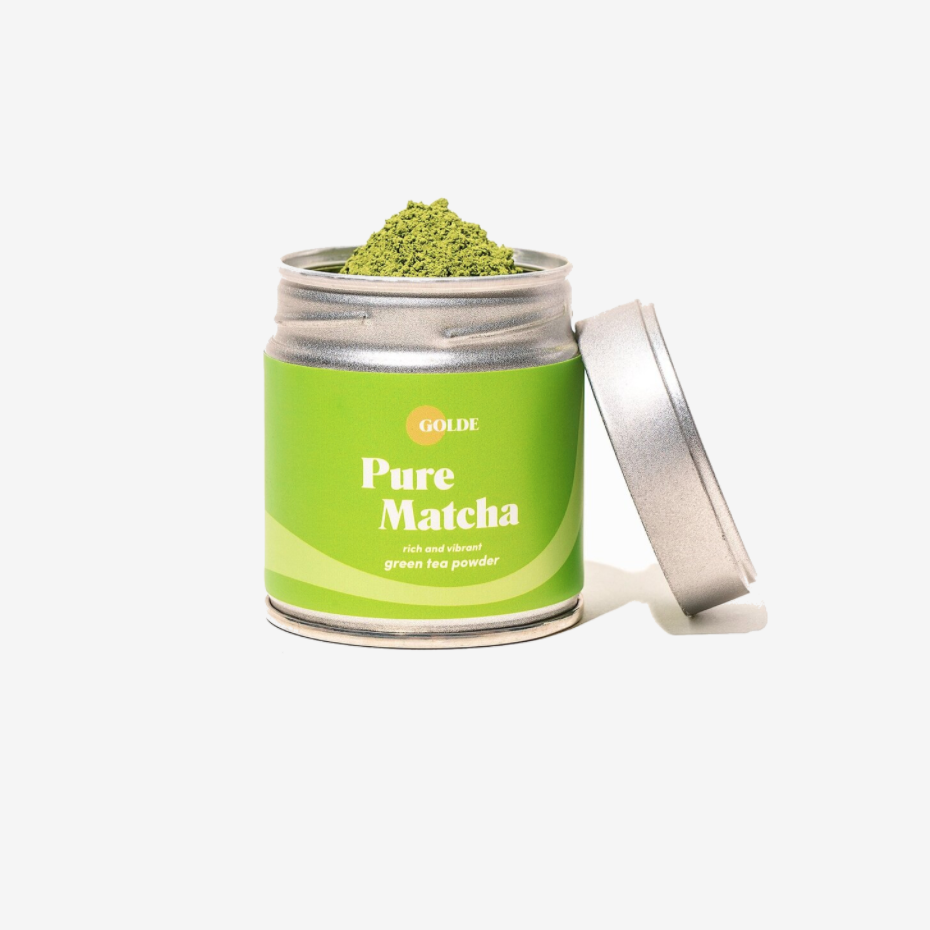
Strategist–favorite brand Golde makes superfood products accessible — both in terms of price and in terms of how they’re presented (meaning, no high-minded, out-of-reach wellness rhetoric) — and its matcha is no different. The powder comes in the company’s signature bright, bold packaging, but it’s the good stuff — ceremonial grade from Uji. While the brand says you can use the powder in a variety of preparations, the instructions on the site are particularly for making matcha lattes — and that certainly seems to be most people’s favorite use, with plenty of videos of the drink dotting its Instagram and a dedicated frother always used in demonstrations. Food writer and editor Aliza Abarbanel has been turning to Golde’s matcha for a few years as a pick-me-up. “When I’m getting sleepy at 2 p.m. but don’t want to max out on caffeine, this is what I reach for,” she says. “The gently grassy tea is perfect for mixing with oat or coconut milk for an afternoon energy boost.”

Grade: Ceremonial | Flavor profile: Grassy, earthy, creamy

Strategist senior editor Simone Kitchens is a recent convert to CAP Beauty’s matcha powder. After buying a few ceremonial varieties from tea houses that leaned too bitter, as well as some culinary ones from the grocery store she says didn’t taste like anything, this one hit. “I want to note its color: It’s bright green,” she says. “Some can look dull, yellowish green even. I think that brightness extends to its taste.” The texture is very nice too: She whisks together a spoonful with some water to form a paste, then stirs in hot oat milk. “It blends perfectly,” she says. “I now prefer my version to the one at my coffee shop. I have become Kourtney Kardashian-Barker.” And while Kitchens started with the 28-gram tin, she plans to buy the listed 227-gram bag next for refills. Not only will it last longer (especially nice if you go through the stuff quickly), but it’s a lot more bang for your buck.

Grade: Ceremonial | Flavor profile: Floral, honey, cream

While all of the matcha powders on this list (with the exception of Ito En) source their leaves directly from Japan, Matchaful’s process has an “extra level of sustainability,” says Park. The company shades its plants — an essential part of the growing process — with solar panels that generate power for nearby towns in the Shizuoka region. “The founder spent a lot of time learning,” Park explains, “and has a deep relationship with the farmers now.” As for the powder itself, she says it’s very high-quality, creating no lumps when you whisk, with a light and floral taste.

• Aliza Abarbanel, food writer and editor
• Ayaka Ando, founder and chef of New York City’s Tadaima
• Asia Lui Chapa, author of The Home Café
• Gloria Chin, owner of Bao Bao Bakery
• Amy Ho, creator of Constellation Inspiration
• Karina Hoshikawa, beauty and wellness writer at Refinery29
• Justin Iso, confectionery chef
• Simone Kitchens, Strategist senior editor
• Kader Meroni, co-founder of Atlas Tea Club
• Remy Morimoto Park, creator of Veggiekins
• Michelle Puyane, owner of Chalait
• Wenter Shyu, co-owner of Third Culture Bakery
• Molly Young, New York Times book critic

Additional reporting by Leah Muncy.

The Strategist is designed to surface the most useful, expert recommendations for things to buy across the vast e-commerce landscape. Some of our latest conquests include the best acne treatments, rolling luggage, pillows for side sleepers, natural anxiety remedies, and bath towels. We update links when possible, but note that deals can expire and all prices are subject to change.


Source link

4 12, 2024

AI Sets XRP Price For December 5, 2024

By |2024-12-04T04:12:19+02:00December 4, 2024|Crypto News, News|0 Comments

Ripple’s cryptocurrency XRP has managed to witness a massive spike over the weekend. The altcoin managed to emerge as the third largest cryptocurrency as its market cap grew to a high of $142 billion. The cryptocurrency managed to beat other assets like Solana (SOL) and Tether (USDT). The price of the altcoin also followed suit. But the real question is if XRP can continue this surge and reach a high of $3 this week.

Also Read: De-dollarization: Trump Vows 100% Tariffs on Nations Abandoning the US Dollar

XRP’s Recent Spike

According to recent data, XRP was trading at $2.41 at press time, following a 27% spike over the past 24 hours. In addition, the asset recorded a 60% uptick throughout the weekend. It should be noted that the altcoin surged all the way to a high of $2.49 during this time.

AI Sets XRP Price For December 5, 2024
Source

Despite its recent price growth, XRP remains 36% below its all-time high of $3.84. This peak was achieved about seven years ago. The community has been quite hopeless about the asset’s potential growth in recent years considering its legal battle with the US government. But the asset’s latest rise has opened doors to the possibility of XRP surging as high as $4.

Also Read: Ripple: New Price Prediction Claims XRP To Hit $18: Here’s When

AI Price Prediction

The community has been waiting to witness a notable spike in the price of the altcoin. According to data from CoinCodex, XRP will see a small drop in its price throughout the next couple of days. The asset will trade at $2.31 on December 5.

Source

In addition, the daily volume of XRP is surging as well. The asset’s volume currently stands at $30.81 billion after a 160% increase over the past 24 hours.

Also Read: Shiba Inu Gets Close To Yearly High: Will SHIB Hit $0.00004 Next?

Source link

4 12, 2024

Do NAD Supplements Reverse Aging, Like TikTok Claims?

By |2024-12-04T02:12:57+02:00December 4, 2024|Dietary Supplements News, News|0 Comments


NAD is the latest supplement having a moment on social media these days. TikTok users are posting about the supposed benefits of this so-called “miracle anti-aging pill” and are even selling bottles of the supplement to their viewers, promising that NAD will not only give them younger-looking skin but also more muscle tone, energy, and an overall youthful feeling. Even celebs like Kendall Jenner and Hailey Bieber are getting in on the NAD trend. The models are featured in a viral clip from The Kardashians, where the pair got at-home IV drip treatments filled with NAD. Bieber even jokes and says, “I’m gonna NAD for the rest of my life, and I’m never gonna age.”

But first, let’s start with the basics. What is NAD, and why are celebrities (and average social media users) obsessed with the supplement all of a sudden? Does it really help “reverse the aging process,” or is it just another overhyped supplement without scientific evidence to support its benefits?

We spoke with a longevity doctor and dietitian to learn more about NAD, plus whether or not the supplement form is actually worth a try based on evidence-based medical research.

Just a Note

Before trying any new vitamin or supplement, it’s best to talk to your doctor first to make sure it’s right for you. Certain supplements can negatively interact with prescription medications or may not be right for people with certain underlying health conditions.

What is NAD?

NAD, short for nicotinamide adenine dinucleotide, is a naturally occurring biomolecule found in all living cells. It’s essential for cellular processes like converting food into energy (a process known as cellular respiration), repairing DNA, and regulating immune system functioning. It’s mainly produced and stored in our cells’ mitochondria—the powerhouse of the cell.

As we get older, our NAD levels naturally decline, which research suggests1 is one of the driving forces behind age-related muscle loss2, cognitive decline, and insulin resistance3. Younger people may experience a drop in NAD levels, too, from things like “overtraining or over-exertion, COVID and long-COVID, various inflammatory conditions and illnesses, or general poor health,” Sajad Zalzala, MD, a longevity and preventive health expert and co-founder and medical director at AgelessRx, tells Well+Good.

This is why NAD is offered and sold in supplement form—as a way to boost NAD levels and offset the aging process where it begins: inside the cells.

NAD supplements come in several different forms, including pills, patches, powders, or intravenously (aka through an IV drip). There are also several subtypes of NAD, including NAD+ and NAD precursors such as nicotinic acid (NA), nicotinamide adenine dinucleotide hydrogen4 (NADH), niacinamide5 (NAM), niacinamide mononucleotide6 (NMN), and nicotinamide ribose7 (NR). The difference between each subtype is mostly bioavailability, i.e., the ability for a substance to be absorbed by your body.

Research has found that NR and NMN appear to be most effective at raising NAD+ levels8; however, whether that translates into meaningful anti-aging effects remains to be seen.

Does it work for anti-aging?

“Research shows9 [NAD supplements] may support energy metabolism, reduce inflammation, enhance mitochondrial function, and promote healthy aging at the cellular level,” Vandana Sheth, a registered dietitian nutritionist specializing in plant-based diets and diabetes, tells Well+Good.

However, the research in question is relatively new and limited. Most of the studies on NAD supplements so far have been conducted on animals rather than humans and include very few participants. Ultimately, we need more robust human studies to confirm the supposed anti-aging benefits of NAD.

Here is what early research has to say:

1. May help protect skin

Niacinamide5 (also known as nicotinamide or vitamin B3) is a component of NAD that’s commonly used as an anti-aging ingredient in skincare products. Preliminary studies11 suggest topical and oral niacinamide may help protect against UV damage and reduce inflammation, which contributes to skin aging. But early human studies suggest that only topical niacinamide12 may help enhance skin elasticity, reduce wrinkling, and protect against skin dehydration.

Keep in mind: Oral niacinamide has not been widely investigated in humans for skin aging.

2. Might help prevent muscle loss

NAD decline has been proposed as one of the culprits for muscle loss, which begins in our 30s and accelerates in our 60s. Several studies have looked into the effects of NAD+ supplements on indicators of muscle health13, such as gait speed, grip strength14, the six-minute walking test, and the frequency of the 30-second chair-stand test. While most of these studies have yielded positive results, it’s worth noting that the sample and effect sizes are small.

This means taking NAD supplements resulted in small improvements in muscle function, but it didn’t necessarily increase mobility or independence into older adulthood. FWIW though, moderate exercise15 has also been shown to boost NAD+ levels and offset age-related muscle loss.

4. Can help support heart health

Early research18 indicates that taking supplements known as NAD+ precursors (i.e., NA, NMN, NAM, NR) can have a positive effect on risk factors for heart disease, including total cholesterol, triglycerides, LDL (“bad”) cholesterol, and HDL (“good”) cholesterol. (For context, high total and LDL cholesterol and high triglycerides lead to stiffness and a buildup of plaque on artery walls, while HDL cholesterol has the opposite effect on arteries.)

Because total cholesterol, LDL cholesterol, and triglycerides all tend to increase with age, NAD+ is thought to offset the rise in these numbers. But keep in mind: These findings are still new and need to be further studied to prove effective.

Other possible benefits of NAD supplements

Beyond the anti-aging properties and claims, there are a few other purported benefits of NAD supplements worth noting. Here is what the research has to say:

1. These supplements may help regulate blood sugar

NAD+ supplements have shown promise for blood sugar control in animal models19, but only a handful of small trials have investigated this in humans. One trial showed that NMN supplementation improves insulin sensitivity20 in post-menopausal people living with obesity. However, there’s not enough evidence to show that these results apply to other groups of people. Therefore, additional robust research is still needed to confirm these claims.

2. Some evidence suggests they can reduce COPD symptoms

A randomized, placebo-controlled trial found that NR supplementation may help reduce interleukin-821—an element found in the blood that, when elevated, serves as a marker of chronic inflammation and chronic obstructive pulmonary disease (COPD) severity. COPD is a group of respiratory conditions that make it difficult to breathe, including emphysema and chronic bronchitis. The World Health Organization says it’s the fourth leading cause of death worldwide and is characterized by shortness of breath, wheezing, ongoing cough, and/or mucus production.

Just note that this study only involved 40 people, and again, more research is needed to prove its findings.

3. Early research shows some improvements in endurance

A small trial on 48 young and middle-aged runners who trained for 40 to 60 minutes, five to six times per week, showed that NMN supplementation improved aerobic capacity and endurance22. In the study, NMN supplementation increased oxygen uptake and improved endurance as the exercise intensity increased. But again, this study is small and preliminary; more studies are needed to confirm its results across different age groups and athletes.

Another thing to note: NAD supplements are also currently being explored as an adjunct therapy23 for Alzheimer’s disease, Parkinson’s disease, obesity, chronic fatigue syndrome, non-alcoholic fatty liver disease, and ovarian aging and infertility, with several trials underway.

Risks and side effects of NAD

While the early results of NAD clinical trials are encouraging, there’s still a lot we don’t know about how these supplements affect the body, including their long-term side effects and risks. For this reason, it’s best to talk to your healthcare provider before trying NAD to weigh out the benefits and risks.

NAD supplements are generally safe and well-tolerated in the short term, but there are some possible side effects. Oral NAD24 supplements may cause bloating, muscle pain, itching, sweating, changes in bowel habits, dizziness, and headaches. Topical NAD can also cause side effects, including itching, burning, and redness.

“Not everyone will benefit from boosting NAD+ levels. Young people who are in very good health likely have plenty of NAD already, and adding more is likely to be of little benefit,” says Dr. Zalzala.

NAD is not heavily regulated by the FDA

It’s important to keep in mind that supplements (like NAD) are not regulated in the same way drugs are by the U.S. Food and Drug Administration (FDA). While supplements are loosely regulated by the FDA, they still cannot claim to treat, cure, or prevent any disease. Ultimately, it is up to the manufacturers to uphold these guidelines, but sometimes, this means the claims and ingredient amounts printed on supplement labels do not accurately reflect what’s inside the product itself. This is why it’s best to purchase supplements that have been third-party tested by reputable companies like The United States Pharmacopeial Convention or NSF.

Because of this discrepancy, NMN is currently banned by the FDA from being sold as a supplement because it’s being investigated as a drug. NMN is currently in the murky space between drug and supplement and cannot be sold as either for the time being.

The bottom line

While early human clinical trials of NAD supplements have been encouraging, there is still not enough research to confidently say NAD supplements will “reverse aging.” It’s also unclear whether NAD supplements can have a significant positive effect on your overall health.

So, do you need them? Likely, no (despite what celebs and TikTokers may tell you). But if you’re still curious to try them, talk to your healthcare provider to determine the right dose, form, and type of NAD supplement that are best suited for your needs.


Well+Good articles reference scientific, reliable, recent, robust studies to back up the information we share. You can trust us along your wellness journey.


  1. McReynolds, Melanie R et al. “Age-related NAD+ decline.” Experimental gerontology, vol. 134 110888. 22 Feb. 2020, doi:10.1016/j.exger.2020.110888

  2. Frederick, David W et al. “Loss of NAD Homeostasis Leads to Progressive and Reversible Degeneration of Skeletal Muscle.” Cell metabolism vol. 24,2 (2016): 269-82. doi:10.1016/j.cmet.2016.07.005

  3. Ruskovska, Tatjana, and David A Bernlohr. “The Role of NAD+ in Metabolic Regulation of Adipose Tissue: Implications for Obesity-Induced Insulin Resistance.” Biomedicines vol. 11,9 2560. 18 Sep. 2023, doi:10.3390/biomedicines11092560

  4. “Nicotinamide Adenine Dinucleotide.” Nicotinamide Adenine Dinucleotide – an Overview | ScienceDirect Topics, www.sciencedirect.com/topics/biochemistry-genetics-and-molecular-biology/nicotinamide-adenine-dinucleotide. Accessed 2 Dec. 2024.

  5. Wohlrab, Johannes, and Daniela Kreft. “Niacinamide – mechanisms of action and its topical use in dermatology.” Skin pharmacology and physiology vol. 27,6 (2014): 311-5. doi:10.1159/000359974

  6. Yi, Lin et al. “The efficacy and safety of β-nicotinamide mononucleotide (NMN) supplementation in healthy middle-aged adults: a randomized, multicenter, double-blind, placebo-controlled, parallel-group, dose-dependent clinical trial.” GeroScience vol. 45,1 (2023): 29-43. doi:10.1007/s11357-022-00705-1

  7. Mehmel, Mario et al. “Nicotinamide Riboside-The Current State of Research and Therapeutic Uses.” Nutrients vol. 12,6 1616. 31 May. 2020, doi:10.3390/nu12061616

  8. She, Jing et al. “Pharmacology and Potential Implications of Nicotinamide Adenine Dinucleotide Precursors.” Aging and disease vol. 12,8 1879-1897. 1 Dec. 2021, doi:10.14336/AD.2021.0523

  9. Peluso, Augusto et al. “Age-Dependent Decline of NAD+-Universal Truth or Confounded Consensus?.” Nutrients vol. 14,1 101. 27 Dec. 2021, doi:10.3390/nu14010101

  10. Wohlrab, Johannes, and Daniela Kreft. “Niacinamide – mechanisms of action and its topical use in dermatology.” Skin pharmacology and physiology vol. 27,6 (2014): 311-5. doi:10.1159/000359974

  11. Rolfe, Heidi M. “A review of nicotinamide: Treatment of skin diseases and potential side effects.” Journal of Cosmetic Dermatology, vol. 13, no. 4, 17 Nov. 2014, pp. 324–328, https://doi.org/10.1111/jocd.12119.

  12. Hamie, Hanin et al. “A review of the efficacy of popular eye cream ingredients.” International journal of women’s dermatology vol. 10,2 e156. 13 Jun. 2024, doi:10.1097/JW9.0000000000000156

  13. Song, Qin et al. “The Safety and Antiaging Effects of Nicotinamide Mononucleotide in Human Clinical Trials: an Update.” Advances in nutrition (Bethesda, Md.) vol. 14,6 (2023): 1416-1435. doi:10.1016/j.advnut.2023.08.008

  14. Bohannon, Richard W. “Grip Strength: An Indispensable Biomarker For Older Adults.” Clinical interventions in aging vol. 14 1681-1691. 1 Oct. 2019, doi:10.2147/CIA.S194543

  15. Walzik, David et al. “Tissue-specific effects of exercise as NAD+ -boosting strategy: Current knowledge and future perspectives.” Acta physiologica (Oxford, England) vol. 237,3 (2023): e13921. doi:10.1111/apha.13921

  16. Campbell, Jared M. “Supplementation with NAD+ and its precursors to prevent cognitive decline across disease contexts.” Nutrients, vol. 14, no. 15, 7 Aug. 2022, p. 3231, https://doi.org/10.3390/nu14153231.

  17. Birkmayer, J G. “Coenzyme nicotinamide adenine dinucleotide: new therapeutic approach for improving dementia of the Alzheimer type.” Annals of clinical and laboratory science vol. 26,1 (1996): 1-9.

  18. Zhong, O., Wang, J., Tan, Y. et al. Effects of NAD+ precursor supplementation on glucose and lipid metabolism in humans: a meta-analysis. Nutr Metab (Lond) 19, 20 (2022). https://doi.org/10.1186/s12986-022-00653-9

  19. Okabe, K., Yaku, K., Tobe, K. et al. Implications of altered NAD metabolism in metabolic disorders. J Biomed Sci 26, 34 (2019). https://doi.org/10.1186/s12929-019-0527-8

  20. Yoshino, Mihoko, et al. “Nicotinamide mononucleotide increases muscle insulin sensitivity in prediabetic women.” Science, vol. 372, no. 6547, 11 June 2021, pp. 1224–1229, https://doi.org/10.1126/science.abe9985.

  21. Norheim, K.L., Ben Ezra, M., Heckenbach, I. et al. Effect of nicotinamide riboside on airway inflammation in COPD: a randomized, placebo-controlled trial. Nat Aging (2024). https://doi.org/10.1038/s43587-024-00758-1

  22. Liao, Bagen, et al. “Nicotinamide mononucleotide supplementation enhances aerobic capacity in amateur runners: A randomized, double-blind study.” Journal of the International Society of Sports Nutrition, vol. 18, no. 1, 2 Jan. 2021, https://doi.org/10.1186/s12970-021-00442-4.

  23. Freeberg, Kaitlin A et al. “Dietary Supplementation With NAD+-Boosting Compounds in Humans: Current Knowledge and Future Directions.” The journals of gerontology. Series A, Biological sciences and medical sciences vol. 78,12 (2023): 2435-2448. doi:10.1093/gerona/glad106

  24. Gindri, Izabelle de Mello et al. “Evaluation of safety and effectiveness of NAD in different clinical conditions: a systematic review.” American journal of physiology. Endocrinology and metabolism vol. 326,4 (2024): E417-E427. doi:10.1152/ajpendo.00242.2023


Source link

4 12, 2024

Solana Price Prediction: How Network Growth Could Push SOL to $1500

By |2024-12-04T02:11:40+02:00December 4, 2024|Crypto News, News|0 Comments

Solana (SOL) recently surpassed the $200 mark and it’s nearing a new all-time high, directly following BTC’s major run. 

This has even prompted a discussion in media channels – is there a chance for it to break the $1500 target? 

There are some factors that suggest it could – but we’ll cover them in more detail below and see how realistic it is. 

There is also potential discussion around a new Layer-2-based project – PlutoChain ($PLUTO). 

Let’s check out the details. 

Solana Hitting a $1,500 Target – Is It Even Possible? 

Since its official launch in 2020, Solana has quickly become one of the most popular projects in crypto because it’s fast, efficient, and handles thousands of transactions per second with almost no fees. 

This makes it a go-to project for developers building dApps, DeFi platforms, and NFT projects. People call it a major competitor to Ethereum because it’s much cheaper and quicker in network transactions. 

Changelly analysts even believe that, if this momentum continues, Solana could hit $1,500 in the coming years. 

This is based on a combination of factors – Solana’s ability to scale effortlessly while keeping costs low has made it a favorite for developers, which drives more projects and users to the network.  Also, its growing adoption in areas like DeFi and NFTs adds to its long-term value.

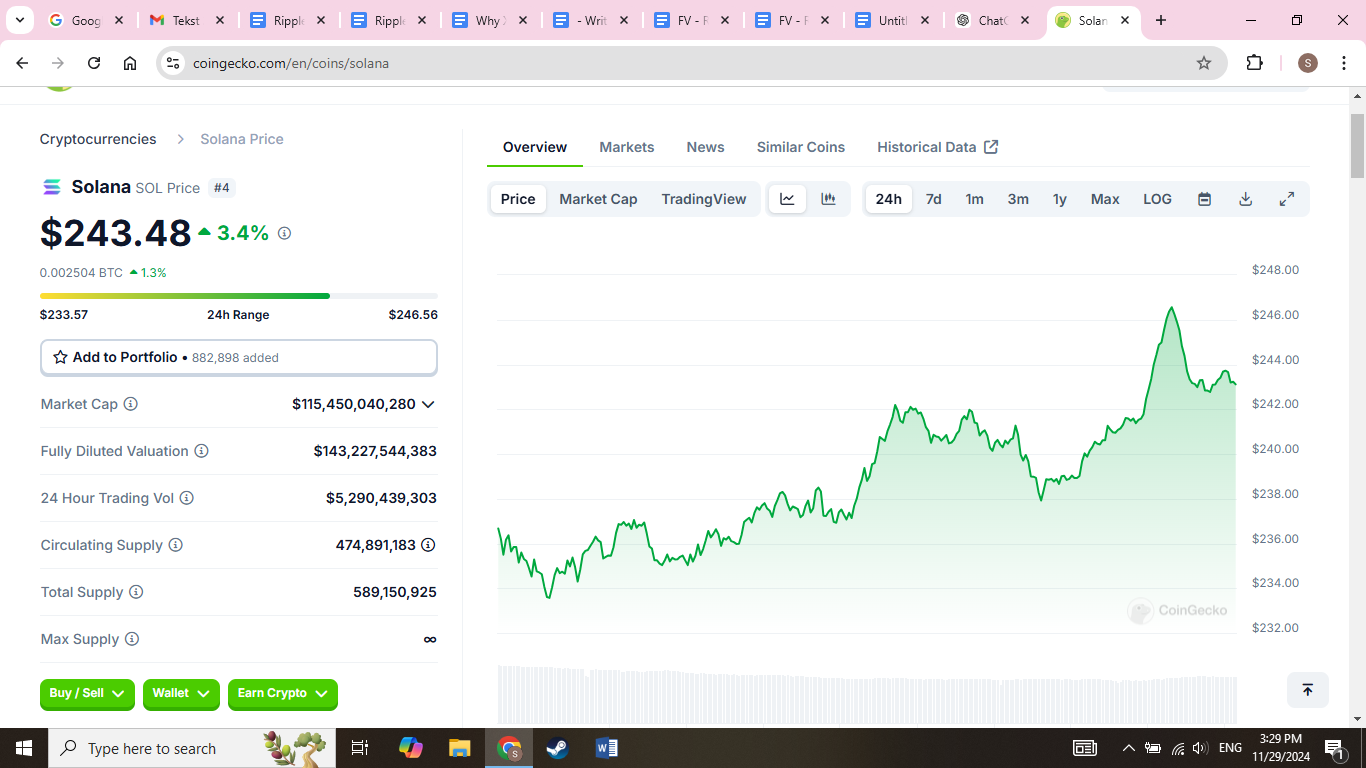
Right now, Solana is still hovering around the $240 mark, which is huge considering it was under $200 before the BTC rally. 

Solana Price Prediction: How Network Growth Could Push SOL to 00

For it to reach $1,500, it would need a major boost of 5,000%. While possible, it’s a bit out of reach at the moment – even if the current rally does continue in 2025. 

There are many other projects right now that could draw attention, including the new PlutoChain ($PLUTO).

Below, we’ll check out what it’s all about. 

PlutoChain ($PLUTO) Is Preparing a Layer-2-Based Technology Solution that Could Improve and Enhance Bitcoin’s Functionality

Bitcoin has been sitting on the sidelines during the DeFi explosion, but PlutoChain ($PLUTO) could change that. 

This new project is building a Layer-2 blockchain that may bring smart contracts and DeFi tools directly to Bitcoin’s network. The idea is to potentially give Bitcoin a whole new level of functionality while keeping its legendary security intact.

PlutoChain also promises low fees and faster transactions, making it potentially practical for everyday end-users and developers. 

Thanks to its EVM compatibility, developers could easily bring Ethereum-based apps over to Bitcoin’s network, which might create an entirely new chapter for Bitcoin in the DeFi world.

Security is a top priority, too. PlutoChain has already passed a thorough audit by SolidProof, ensuring its smart contracts and infrastructure are rock-solid. Plus, the core contributors are committed to regular security checks to keep things safe for early adopters.

Another factor that might set PlutoChain apart is its decentralized governance model—early adopters get a say in the project’s decisions. 

Upon the mainnet launch, we might see PlutoChain draw more attention and potentially create substantial buzz. 

The Verdict

Solana is still on a winning streak – but talks about $1500 may be a bit out of reach for the time being. 

While BTC’s rally could prompt the leading altcoin to continue surging, it would take a perfect storm to make it jump by 5,000%.

At the same time, there are projects like PlutoChain ($PLUTO) that could get traction once it launches its mainnet. 

– – – 

Visit the links below to learn more about PlutoChain and its unique features:

Official Website: https://plutochain.io

X/Twitter Page: https://x.com/plutochain/ 

Telegram Channel: https://t.me/PlutoChainAnnouncements/ 

Please remember that this article is purely informational and not financial advice. Any and all cryptocurrencies are volatile, with prices prone to rapid changes. Always do your own research and consult an expert before joining any crypto venture. We are not liable for any outcomes based on the information in this article. Statements about the future entail risks and may not reflect updates.


Source link

4 12, 2024

Soaring demand for Insta-famous matcha creating Australian shortage

By |2024-12-04T00:12:13+02:00December 4, 2024|Dietary Supplements News, News|0 Comments


Matcha — a finely ground green tea powder made from tea leaves — has become the darling of Instagram feeds and health-conscious influencers.

From lattes and cakes to vibrant, green-dipped croissants, it has become a must-have ingredient — but supply can’t seem to keep up.

Its popularity has led to an unexpected problem: a shortage of the trendy tea, according to some cafe owners and suppliers.

Influencer Tara Zaw has started a community around matcha, posting daily pictures of new cafe matcha creations. (ABC News: Libby Hogan)

A boom in demand

So, what’s behind this scarcity? A poor harvest? Pests ravaging tea plants? Nope.

The culprit is an unprecedented surge in demand.

“There is only limited production, and we did not expect demand to grow this much,” said Yugo Enomoto of Osada Tea, a matcha supplier from Shizuoka prefecture south of Tokyo.

Matcha’s bright Kermit-green hue, smooth texture and rarity have propelled it to superfood stardom.

However, its scarcity is due to the painstaking process of cultivation.

A green cup and a whisk.

Matcha buyers have faced longer wait times and shortages in recent months. (AFP: Sina Schuldt)

The roots of matcha

The origins of matcha in Japan trace back to Buddhist monks who introduced it from China.

By the 12th century, Japanese monks had popularised whisking powdered tea into hot water — a practice tied to Zen meditation.

Matcha is made from the same plant as most tea, Camellia sinensis.

But the leaves undergo a unique process before harvest.

A man checks green tea plants and a shade cloth overhead.

A key reason for matcha’s high price point is its delicate growing process. (AFP: Charly Triballeau)

To produce tencha — the raw leaves that are ground to make matcha — tea bushes are shaded for about 20 days before harvest, increasing chlorophyll levels and enhancing the vibrant green colour while reducing bitterness.

For the highest-quality matcha, only the top three buds of the plant are hand-plucked in spring, steamed immediately to halt oxidation, and ground slowly using stone mills.

This labour-intensive process is why matcha is among the world’s most expensive teas.

A man in a green field.

Mr Hattori, a fourth-generation tea merchant, has embarked on a production increase to meet the growing demand for matcha. (Supplied: Hattori Farm)

“To preserve the rich aroma, it must be ground in a machine slowly to avoid warming,” said fourth-generation Shizuoka prefecture tea farmer Yoshiaki Hattori.

“Rushing it isn’t an option.”

Mr Hattori told the ABC they could not keep up with the demand for matcha this year and hoped to convert more production facilities producing sencha (green tea leaves) to tencha for matcha.

Matcha’s rise to fame

Matcha’s vivid colour and health benefits have made it a hit on social media.

High in antioxidants, matcha is marketed as a “superfood”, fuelling its appeal among health-conscious consumers.

Matcha influencer Tara Zaw, who goes by Melb Matcha Girlies, posts daily on Instagram about where to find matcha drinks across Melbourne.

“I think it’s become so popular because with milk it’s smooth and umami tasting,” she said.

A woman and man wearing red aprons and holdng a green matcha drink.

Ako Miura says matcha sales have overtaken coffee purchases at her cafe. (ABC News: Libby Hogan)

“There has been some matcha shortages in cafes, but those are from mass suppliers.”

Matcha now accounts for 80 per cent of sales at Melbourne cafe Ima Pantry, according to owner Ako Miuro.

“I hope people also appreciate matcha’s cultural origins,” Ms Miura told the ABC, explaining that a few years ago matcha accounted for less than half of her sales.

“Mixing it, rotating the bowl — it’s like meditation.”

David Lyons, from the Australian Tea Cultural Society, said the popularity of matcha in Australia had surged, evolving from a niche product to a mainstream staple, largely driven by “what’s in fashion” in cafe culture.

He noted that much of the current demand stemmed from trends amplified during COVID-19 and innovations such as iced matcha lattes, which made the beverage more accessible to younger people.

Despite reports of shortages, he emphasised “there’s more matcha today in the world than there ever has been” attributing perceived scarcity to logistical challenges and marketing strategies rather than actual supply issues.

A supply chain under strain

The matcha shortage has been felt across Australia’s cafe scene.

Lily Nguyen of Melbourne’s Naau Cafe said they have had to increase their weekly order of 1.5 kilograms of matcha from suppliers to about 6-7kg in recent months to meet demand.

A line of brown puff cakes with green filling.

Matcha and hojicha cream puffs made by executive pastry chef Masaki Takahashi at Restaurant Yuu. (AP via Restaurant Yuu)

Even then, they still sometimes run out.

“We had some days where we couldn’t get any more matcha at all,” Naau barista Tina Ly said.

Other cafes report delays in supply.

Mark Free, owner of Everyday Coffee in the Melbourne suburb of Collingwood, told the ABC he was waiting for a matcha order he made weeks ago.

“It went on back order and the ETA keeps getting pushed back,” he said.

Two green drinks in plastic cups and straws.

Matcha drinks and sweets have become a staple on social media. (ABC News: Libby Hogan)

One challenge is that the highest-grade matcha is harvested only once a year in spring, meaning production cannot simply be scaled up.

Middle-grade “latte matcha” — the most popular variety — has faced the most significant shortages as cafes and consumers use it for everything from lattes to baked goods.

Arthur Tong, from tea wholesaler Tea Craft, said that middle-grade matcha was driving the shortage.

“This latte grade is the driver of the shortage as those are the grades that have been popularised in social media to be had with milk or milk alternatives,” he said.

A green drink held by a woman with pink socks.

Some cafes in Sydney and Melbourne have reported shortages of matcha or being unable to order from their suppliers. (ABC News: Libby Hogan)

Another supplier, Erin Linwall from Matchayutea, agrees.

“We’ve experienced around a 300 per cent increase in demand for matcha this year and a rise in demand for organic matcha,” she told the ABC.

To meet demand, some suppliers had blended ceremonial-grade matcha into latte blends without compromising quality, he added.

Big matcha tea companies such as Marukyu Koyamaen and Ippodo Tea have started limiting customers to one item per customer on their website.

“Production has been unable to keep pace with the recent surge in demand for matcha, leading to a shortage of supply,” Ippodo Tea says in a notice on its website.

“As a result, we regret to inform you that we will temporarily suspend the sales of certain products until the beginning of 2025.”

Planning for the future

In response to matcha’s rising popularity, production in Japan is expanding.

According to Japan’s Ministry of Agriculture, Forestry and Fisheries, tencha production rose from 1,430 tonnes in 2012 to 4,176 tonnes in 2023.

A man carrying a big grey bag in a tea field.

The highest grade of matcha is only harvested once a year in spring. (AFP: Charly Triballeau)

Global Japanese Tea Association president Simona Suzuki acknowledges the strain on traditional regions such as Kyoto and Aichi.

Non-traditional regions such as Kagoshima, Shizuoka, and Fukuoka are now stepping in to bolster supply.

Ms Suzuki attributes part of the matcha shortage to a rise in tourism in Japan, with visitors buying matcha directly from farms as gifts.

Japan’s tourism sector is booming, with authorities reporting a record 3.3 million international arrivals during October 2024.

“Matcha has been growing in popularity for some time and production has steadily increased each year,” she said.

“But this year, a combination of factors — post-COVID global demand and increased tourism — created a sudden surge that overwhelmed the supply chain.”

A man under a shadecloth in a green tea field.

Matcha has many purported health benefits but growing it is labour intensive. (AFP: Charly Triballeau)

Some cafe owners such as Ms Miura worry about the long-term implications of the matcha boom.

“There’s limited land in Japan, so I’m concerned that quality might drop if farmers are overwhelmed,” she said.

For now, the matcha craze shows no signs of slowing down, leaving suppliers and farmers racing to meet the world’s appetite for this green gold.


Source link

4 12, 2024

Binance Coin (BNB) Price Prediction for December 3

By |2024-12-04T00:09:56+02:00December 4, 2024|Crypto News, News|0 Comments

U.Today – Buyers are back in the game, according to CoinStats.

The price of (BNB) has gone up by 2.78% over the last day.

On the hourly chart, the rate of BNB has made a false breakout of the local support of $645.65. If the growth continues, traders may witness a test of the resistance by the end of the day.

A less clear picture can be seen on the daliy time frame. The price of the native exchange coin keeps trading sideways, accumulating energy for a further move.

In this case, consolidation in the zone of $640-$670 is the more likely scenario.

Neither bulls nor bears are dominating on the weekly chart. However, the rate of BNB is closer to the resistance than to the support level. If the breakout of the upper line happens, one can expect a blast to the vital area of $700 and above.

BNB is trading at $646.33 at press time.

This content was originally published on U.Today


Source link

3 12, 2024

Euro turns fragile after retreating below key level

By |2024-12-03T22:13:58+02:00December 3, 2024|Forex News, News|0 Comments

  • EUR/USD trades in a tight range near 1.0500 early Tuesday.
  • Political uncertainty in France, Fed-ECB policy divergence limit the pair’s upside.
  • Technical sellers could remain interested while 1.0520 holds as resistance.

EUR/USD started the week on a bearish noted and dropped below 1.0500 on Monday. The pair holds its ground early Tuesday but shows no signs of a steady recovery.

Euro PRICE This week

The table below shows the percentage change of Euro (EUR) against listed major currencies this week. Euro was the weakest against the US Dollar.

  USD EUR GBP JPY CAD AUD NZD CHF
USD   0.67% 0.54% 0.10% 0.34% 0.45% 0.59% 0.74%
EUR -0.67%   -0.17% -0.55% -0.32% -0.13% -0.07% 0.09%
GBP -0.54% 0.17%   -0.42% -0.18% 0.05% 0.09% 0.23%
JPY -0.10% 0.55% 0.42%   0.24% 0.37% 0.49% 0.56%
CAD -0.34% 0.32% 0.18% -0.24%   0.27% 0.24% 0.38%
AUD -0.45% 0.13% -0.05% -0.37% -0.27%   0.05% 0.18%
NZD -0.59% 0.07% -0.09% -0.49% -0.24% -0.05%   0.16%
CHF -0.74% -0.09% -0.23% -0.56% -0.38% -0.18% -0.16%  

The heat map shows percentage changes of major currencies against each other. The base currency is picked from the left column, while the quote currency is picked from the top row. For example, if you pick the Euro from the left column and move along the horizontal line to the US Dollar, the percentage change displayed in the box will represent EUR (base)/USD (quote).

The risk-averse market atmosphere helped the US Dollar (USD) gather strength against its rivals and weighed on EUR/USD on Monday. Additionally, political woes in France further weighed on the Euro. “The French government is all but certain to collapse later this week after far-right and left-wing parties submitted no-confidence motions on Monday against Prime Minister Michel Barnier,” Reuters reported.

Meanwhile, the potential monetary policy divergence between the Federal Reserve (Fed) and the European Central Bank (ECB) doesn’t allow the pair to gain traction.

Atlanta Fed President Bostic said late Monday that he is undecided on whether a rate cut is needed in December. On a similar note, “one could argue a case for skipping a rate cut in December, will be watching data closely to decide,” NY Fed President John Williams noted. On the flip side, ECB policymaker Martins Kazaks argued that the inflation problem will soon end and added that rate cuts must continue. 

In the second half of the day, the US Bureau of Labor Statistics will publish JOLTS Job Openings data for October. A significant negative surprise, with a reading at or below 7 million, could hurt the USD with the immediate reaction and help EUR/USD edge higher.

EUR/USD Technical Analysis

EUR/USD dropped below 1.0520, where the Fibonacci 23.6% retracement of the latest downtrend is located. While this level holds as resistance, technical sellers could remain interested. On the downside, supports could be seen at 1.0440 (static level) and 1.0400 (end-point of the downtrend, static level).

In case EUR/USD rises above 1.0520, next hurdle is located at 1.0545 (100-period Simple Moving Average (SMA) on the 4-hour chart) ahead of 1.0600 (Fibonacci 38.2% retracement).

Euro FAQs

The Euro is the currency for the 19 European Union countries that belong to the Eurozone. It is the second most heavily traded currency in the world behind the US Dollar. In 2022, it accounted for 31% of all foreign exchange transactions, with an average daily turnover of over $2.2 trillion a day. EUR/USD is the most heavily traded currency pair in the world, accounting for an estimated 30% off all transactions, followed by EUR/JPY (4%), EUR/GBP (3%) and EUR/AUD (2%).

The European Central Bank (ECB) in Frankfurt, Germany, is the reserve bank for the Eurozone. The ECB sets interest rates and manages monetary policy. The ECB’s primary mandate is to maintain price stability, which means either controlling inflation or stimulating growth. Its primary tool is the raising or lowering of interest rates. Relatively high interest rates – or the expectation of higher rates – will usually benefit the Euro and vice versa. The ECB Governing Council makes monetary policy decisions at meetings held eight times a year. Decisions are made by heads of the Eurozone national banks and six permanent members, including the President of the ECB, Christine Lagarde.

Eurozone inflation data, measured by the Harmonized Index of Consumer Prices (HICP), is an important econometric for the Euro. If inflation rises more than expected, especially if above the ECB’s 2% target, it obliges the ECB to raise interest rates to bring it back under control. Relatively high interest rates compared to its counterparts will usually benefit the Euro, as it makes the region more attractive as a place for global investors to park their money.

Data releases gauge the health of the economy and can impact on the Euro. Indicators such as GDP, Manufacturing and Services PMIs, employment, and consumer sentiment surveys can all influence the direction of the single currency. A strong economy is good for the Euro. Not only does it attract more foreign investment but it may encourage the ECB to put up interest rates, which will directly strengthen the Euro. Otherwise, if economic data is weak, the Euro is likely to fall. Economic data for the four largest economies in the euro area (Germany, France, Italy and Spain) are especially significant, as they account for 75% of the Eurozone’s economy.

Another significant data release for the Euro is the Trade Balance. This indicator measures the difference between what a country earns from its exports and what it spends on imports over a given period. If a country produces highly sought after exports then its currency will gain in value purely from the extra demand created from foreign buyers seeking to purchase these goods. Therefore, a positive net Trade Balance strengthens a currency and vice versa for a negative balance.


Source link

Go to Top