About Editorial team of BIPNs

Main team of content of bipns.com. Any type of content should be approved by us.
24 11, 2025

Morgan Stanley’s Shocking Prediction of 140 Drop Revealed

By |2025-11-24T21:25:16+02:00November 24, 2025|Forex News, News|0 Comments

BitcoinWorld

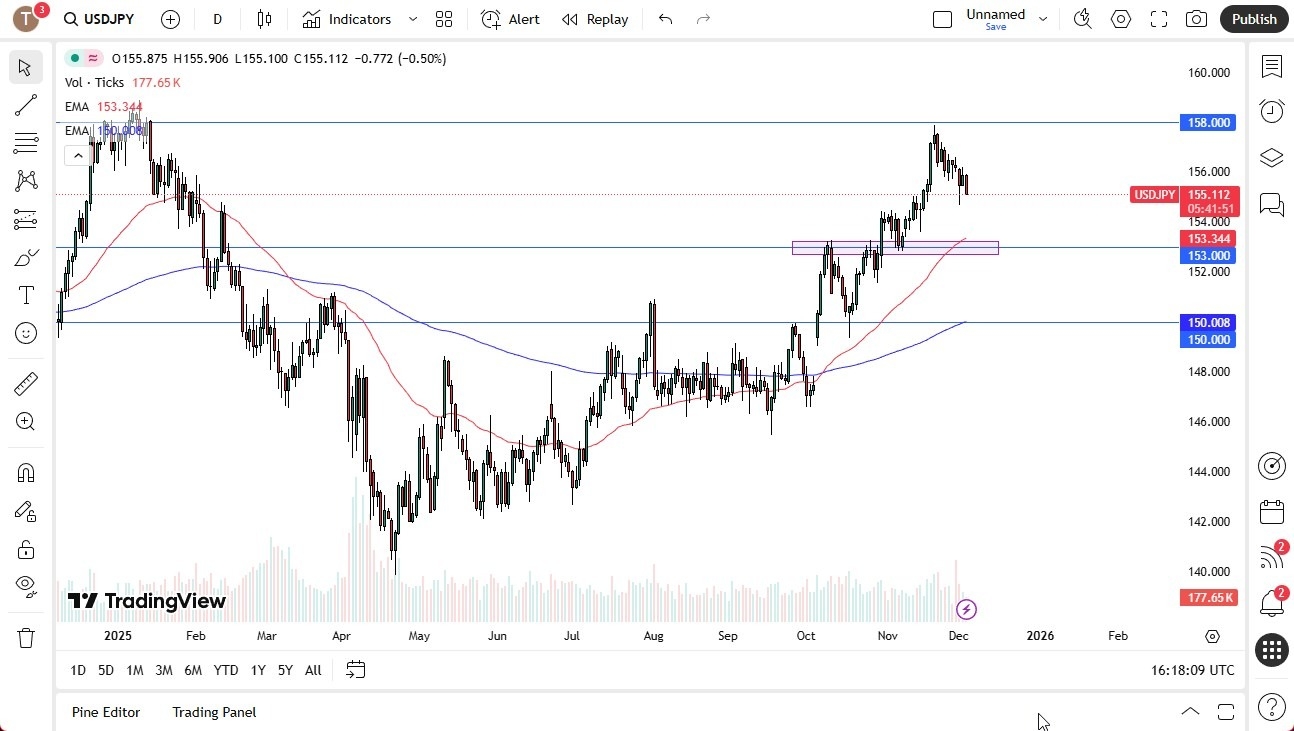
USD/JPY Forecast: Morgan Stanley’s Shocking Prediction of 140 Drop Revealed

Forex markets are buzzing with Morgan Stanley’s latest USD/JPY forecast predicting a dramatic drop to 140. This surprising prediction comes at a time when cryptocurrency traders are closely watching traditional currency movements for cross-market opportunities. The investment bank’s analysis suggests significant shifts in global currency dynamics that could impact digital asset valuations and trading strategies.

Understanding the USD/JPY Forecast

Morgan Stanley’s research team has released a comprehensive USD/JPY forecast that challenges current market consensus. Their analysis points to several key factors driving this prediction:

  • Diverging monetary policies between the Federal Reserve and Bank of Japan
  • Changing global risk sentiment affecting safe-haven currencies
  • Technical breakdowns in current trading ranges
  • Macroeconomic shifts in trade balances and capital flows

Morgan Stanley Analysis: The Methodology Behind the Prediction

The Morgan Stanley analysis employs sophisticated quantitative models combined with fundamental research. Their team examines multiple scenarios including:

Scenario Probability Target Level
Base Case 60% 140
Bearish Case 25% 135
Bullish Case 15% 155

Yen Strength: What’s Driving the Japanese Currency Higher?

The projected yen strength stems from multiple fundamental drivers. Bank of Japan policy normalization appears increasingly likely as inflation pressures build. Meanwhile, Japan’s current account surplus provides structural support for the currency. Technical analysis also suggests the yen is oversold after years of weakness, setting the stage for a meaningful reversal.

Dollar Weakness: Broader Implications for Global Markets

Morgan Stanley’s forecast reflects concerns about dollar weakness extending beyond just the JPY pair. The US currency faces headwinds from potential Fed rate cuts, growing fiscal concerns, and shifting global reserve allocation patterns. This dollar weakness could have significant implications for cryptocurrency markets, particularly stablecoins and cross-border trading pairs.

Forex Trading Strategies in a Changing Landscape

For forex trading professionals, this forecast requires careful consideration of position sizing and risk management. Key actionable insights include:

  • Monitor BOJ policy meetings for normalization signals
  • Watch US economic data for Fed policy clues
  • Consider correlation effects with other currency pairs
  • Implement strict stop-loss orders given volatility risks

FAQs: Understanding the Morgan Stanley USD/JPY Forecast

What timeframe does Morgan Stanley project for USD/JPY reaching 140?
The analysis suggests this level could be reached within the next 6-12 months, depending on policy developments.

How does this forecast compare to other major banks?
Morgan Stanley appears more bearish on USD/JPY than most competitors, who generally see more limited downside.

What are the main risks to this forecast?
Unexpected Fed hawkishness or delayed BOJ normalization could delay or prevent the projected move.

How should cryptocurrency traders interpret this forecast?
Currency movements often correlate with crypto markets, particularly affecting JPY trading pairs and stablecoin flows.

Which companies are most affected by USD/JPY movements?
Japanese exporters like Toyota and Sony benefit from yen weakness, while US companies with Japanese operations face currency headwinds.

Conclusion: Navigating Currency Volatility Ahead

Morgan Stanley’s bold USD/JPY forecast to 140 represents a significant shift in currency market expectations. The combination of yen strength and dollar weakness creates both challenges and opportunities for traders across all asset classes. As global monetary policies diverge and economic conditions evolve, staying informed about currency dynamics becomes increasingly crucial for successful portfolio management.

To learn more about the latest Forex market trends, explore our article on key developments shaping currency pairs and interest rates institutional adoption.

This post USD/JPY Forecast: Morgan Stanley’s Shocking Prediction of 140 Drop Revealed first appeared on BitcoinWorld.

Source link

24 11, 2025

Cata-Kor Launches Next-Generation Inside-Out Beauty Formula Expanding Its Healthy Longevity Portfolio

By |2025-11-24T21:13:08+02:00November 24, 2025|Dietary Supplements News, News|0 Comments


Miami, Florida–(Newsfile Corp. – November 24, 2025) – Cata-Kor, a U.S.-based nutraceutical company known for its science-informed approach to wellness innovation, announces the launch of Cata-Kor CA AKG – Longevity Complex for Skin, Hair & Nail, a next-generation inside-out beauty supplement designed to elevate daily routines with a focus on long-term tissue vitality and visible results.

Cannot view this image? Visit: https://images.newsfilecorp.com/files/8871/275448_d153a8de3422b802_001.jpg

Cata-Kor CA AKG – Longevity Complex for Skin, Hair & Nail

To view an enhanced version of this graphic, please visit:
https://images.newsfilecorp.com/files/8871/275448_d153a8de3422b802_001full.jpg

Bringing the company’s Healthy Longevity philosophy into the beauty-from-within space, the new formula was developed over six months and reflects the growing consumer shift toward supplements that support appearance, confidence and overall well-being through nutrition.

The Cata-Kor CA AKG – Longevity Complex for Skin, Hair & Nail formula features a carefully structured combination of eight active ingredients commonly associated with the health and appearance of skin, hair and nails.

Ca-AKG (Calcium Alpha-Ketoglutarate) – a calcium salt of alpha-ketoglutaric acid, a well-studied molecule involved in key metabolic pathways.

MSM (Methylsulfonylmethane) – an organic sulfur compound that supports normal collagen and keratin formation.

Hyaluronic Acid – helps maintain normal skin hydration and smoothness.

Biotin, Zinc, Vitamin C – nutrients involved in the maintenance of normal skin, hair and nail structure.

Vitamins D3 and K2 (MK-7) – support normal connective tissue function.

The blend is designed to complement topical beauty routines by supporting hydration, smoothness, elasticity and the normal structure of tissues – offering a more holistic approach to beauty that begins from within.

Cata-Kor notes that the formulation draws on published ingredient-level research exploring the established physiological roles of Ca-AKG, MSM, hyaluronic acid and essential micronutrients. While the company underscores that these references relate to individual ingredients rather than product-specific clinical outcomes, the formula reflects a broader industry movement toward evidence-informed beauty solutions.

“Consumers today are looking for beauty support that aligns with their lifestyle and their values,” said Roman Miroedov, PhD, Product Development Lead at Cata-Kor.

“They want products that feel modern, responsible and rooted in real science – not just surface-level promises. With Cata-Kor CA AKG, we aimed to create a formula that fits seamlessly into daily routines while supporting the foundations of healthy-looking skin, strong hair and resilient nails. It represents our vision for the future of wellness-driven beauty.”

The launch marks the beginning of Cata-Kor’s expanded direction in beauty-oriented wellness. The company indicates that it plans to grow this category with additional formulations and is exploring future research initiatives to further inform product development.

About Cata-Kor

Cata-Kor is a U.S.-based nutraceutical company developing formulations that support vitality, well-being and daily performance. Cata-Kor has a manufacturing facility in the United States and conducts all testing domestically, with a focus on transparency, quality and science-informed development.

Learn more at www.catakor.com

Always consult a healthcare provider before starting any new dietary supplement.

To view the source version of this press release, please visit https://www.newsfilecorp.com/release/275448


Source link

24 11, 2025

SOL price struggles below $130 amid bearish signals

By |2025-11-24T21:10:22+02:00November 24, 2025|Crypto News, News|0 Comments

Solana (SOL) remains marginally below $130 at the time of writing on Monday, reflecting risk-off sentiment in the broader cryptocurrency market. SOL hit an intraday high of $134 but retraced, signaling growing uncertainty and high volatility.

Retail interest in Solana remains relatively low, as evidenced by the futures market Open Interest (OI) $6.95 billion on Monday. Since OI, which represents the notional value of outstanding futures contracts, hit a record high of $17.1 billion on September 19, a price downtrend has persisted amid an elusive recovery.

Solana futures OI must steadily rise to support risk-on sentiment as investors increasingly bet on higher prices. However, a weak derivatives market could uphold the downtrend toward $100.

Solana struggles amid steady ETF inflows 

Solana Exchange Traded Funds (ETFs) listed in the United States (US) maintained their steady inflow streak, recording nearly $11 million in inflows on Friday. According to SoSoValue, SOL ETFs have cumulative net inflows of approximately $510 million, with net assets averaging $719 million.

The steady inflow trend suggests that institutional investors are turning toward newly launched altcoin-based ETFs. ETF demand is crucial for driving sentiment in the cryptocurrency market, with inflows supporting a short-term bullish outlook.

Solana ETF stats | Source: CoinGlass

Technical outlook: Solana recovery stalls

Solana is trading below the round-number hurdle of $130 at the time of writing on Monday. The token also holds below the 50-day Exponential Moving Average (EMA) at $166, 100-day EMA at $178 and the 200-day EMA at $178, which slope lower and maintain a bearish bias.
The 50-day EMA at sits under both the 100- and 200-day EMAs, delineating a descending supply band. At the same time, the Moving Average Convergence Divergence (MACD) line edges above the signal line near zero, with a modest positive histogram that suggests nascent upside momentum.
Meanwhile, the Relative Strength Index (RSI) is stabilizing at 32, but still below the midline. Without a recovery through the short-term average, sellers would remain in control.

SOL/USD daily chart

Overhead resistance aligns at $159 – $162, where the descending trend line from $261 meets the SuperTrend indicator. A break below the rising trend line from $95 reinforces the downside tone. Unless buyers reclaim that cluster, any bounce would face supply, while the broader downtrend would extend on fresh lows, targeting $100.

Open Interest, funding rate FAQs

(The technical analysis of this story was written with the help of an AI tool)

Source link

24 11, 2025

Facts About Early-Onset Lung Cancer

By |2025-11-24T20:46:15+02:00November 24, 2025|Fitness News, News|0 Comments

Cases of nonsmokers getting lung cancer have been going up over the past 25 years, and with that, more cases of early-onset lung cancer (before the age of 50) have been occurring.

HealthyWomen spoke with Mohana Roy, M.D., medical oncologist and clinical assistant professor at the Stanford University School of Medicine, about why early-onset lung cancer is on the rise — and what experts are doing about it.

Do we know why the diagnosis of lung cancer in young people is on the rise, particularly among nonsmokers?

We don’t know why. Part of it has to do with improvements in imaging, things like X-rays and CT scans. We’re now able to see lung nodules — small areas of dense tissue — that are smaller than the size of a pea. I think we’re just detecting more cancers because of the pictures we take.

As far as lung cancer in nonsmokers goes, I think this has been one of the most challenging things in medicine. We obviously think of lung cancer as a smoking-associated disease (we don’t really use the word “cause”), but now we are finding more and more cases of lung cancer linked to mutations.

Mutations are genetic changes that happen in your DNA — they’re changes that happen within the body, not things that are inherited. Lots of research points to mutations as the reason we’re seeing more lung cancer in nonsmokers, but why some people may get these mutations is still unknown.

Read: Why Are More Non-Smokers Getting Lung Cancer? >>

Do you see certain mutations more commonly in younger-onset lung cancer?

We do, yes. Epidermal growth factor receptor mutation, or EGFR, is the most common known mutation in nonsmokers. The other two we see most often — although they are still relatively rare if you look at all lung cancers — are ALK and ROS1. Those are the three main mutations we see more in nonsmokers and also in younger patients.

We also are really filling out the pie, meaning if you looked at a pie chart of all lung cancers, we only used to know about those three mutations, which are small slices since they’re still relatively rare. Now we’re finding more and more mutations linked to lung cancer, so the pie keeps getting more slices. But EGFR, ALK and ROS1 are still the three most common ones.

What type of treatments are most often used in cancers with mutations?

If one of these mutations is found, a lot of the treatments are pills, which is actually pretty rare for lung cancer. Lung cancer almost always requires chemotherapy. We’ve done that for many, many years. But for some of these mutations, we now can skip chemotherapy because we have scientific evidence that the pill actually does better than the chemo. This was a huge revelation in our field, and it’s been the standard for about 15 years now.

These pills are a type of targeted treatment. This means they are made to selectively attack the cancer cell with the specific thing that is wrong and, hopefully, block it from growing. Many of these treatments are called tyrosine kinase inhibitors. Tyrosine kinase is one of the enzymes that allows cancer to grow, and these pills block it.

Not all patients with mutations will only get pills, though. For many patients who have the EGFR mutation and stage 4 or metastatic disease, which is when the cancer has already spread and is considered incurable, we are actually finding that adding chemotherapy to the pill might be beneficial.

Read: Lung Cancer Treatment: Next Steps After Diagnosis >>

Are there additional considerations for treatment side effects and outcomes for younger adults with lung cancer?

I think fertility is something we’re thinking a lot more about. We haven’t always had the most robust system set up in most cancer centers because, understandably, we are used to seeing older people. But I think there’s actually quite a bit of national awareness about the need for fertility discussion.

With targeted treatment pills, there’s pretty limited data on how the treatment affects fertility. But in general, someone’s not supposed to be pregnant if they’re taking these pills, so we do talk about that up front.

Many of these targeted treatments do cause a fair bit of rash and skin issues, and that affects body image and can also be painful. We have a really good team at Stanford who we call supportive dermatologists whose entire job is actually to help us manage side effects of these pills. We come up with lots of creams and treatments to make sure the rash is controlled and not impacting people’s day-to-day.

Usually hair loss is pretty minimal, even with the chemotherapies we use with lung cancer. I always tell my patients that my goal is for whatever happens in the clinic room to stay there, so if they go to the grocery store afterward no one can tell they’ve just gotten cancer treatment.

Are there differences in symptoms and survival between younger- and older-onset lung cancer?

In general, lung cancer survival is still very poor, and it’s definitely behind many other cancers as far as how long we’re having people live. I think for younger people, it’s honestly just much harder, because our lungs are very resilient. What I mean by that is, our lungs can hide things really well, especially if someone’s young, is not a smoker and doesn’t have another lung disease.

Someone can unfortunately have a fairly large mass in their lung and not have any symptoms. One of the scariest things is that we tend to find more stage 4 disease in young people. This is not data, necessarily. Just my experience.

For patients with mutations, the survival rate is generally better. For example, we now have data where people with the ALK mutation are living with incurable lung cancer upwards of more than five years. I know that doesn’t sound like a lot, but it’s pretty much unheard of in lung cancer that has spread — so we’ve made a lot of progress.

This educational resource was created with support from Merck.

Related Articles Around the Web


Source link

24 11, 2025

Euro recovery consolidates but remains fragile

By |2025-11-24T19:24:18+02:00November 24, 2025|Forex News, News|0 Comments

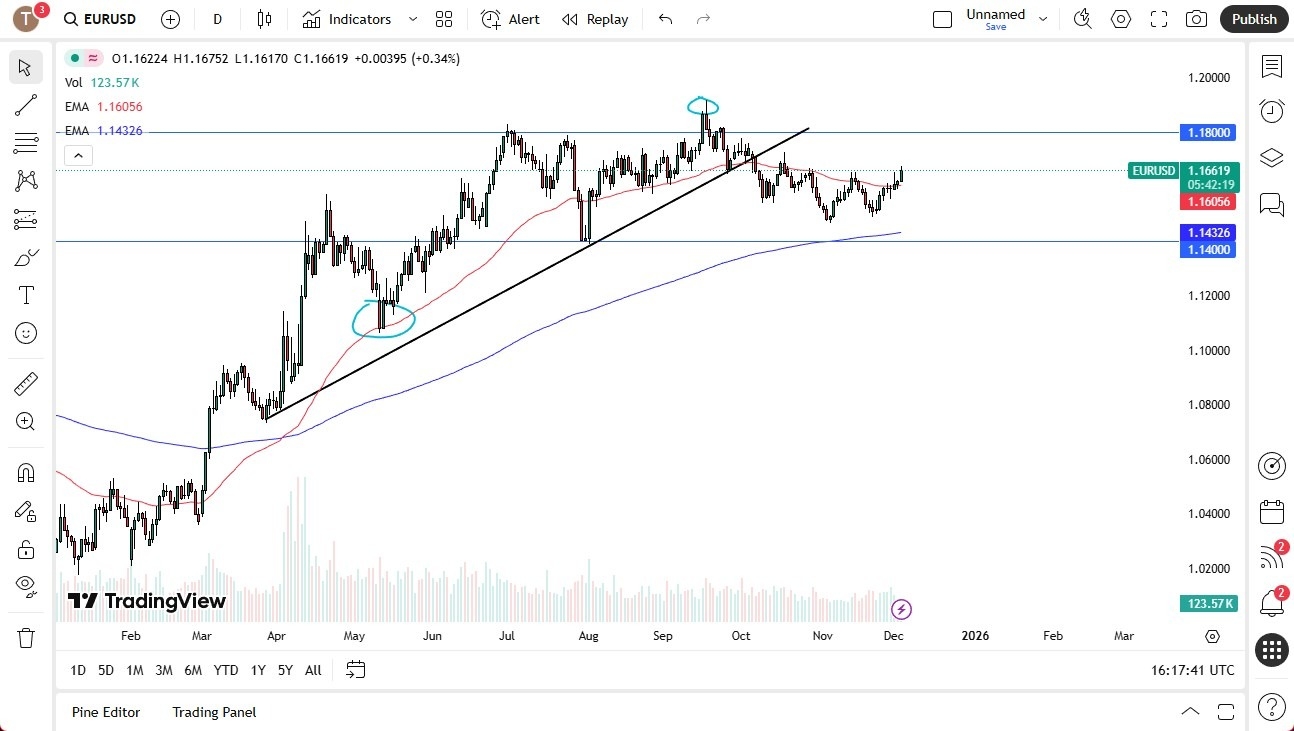
EUR/USD trades around 1.1540 on Monday, up 0.20% on the day, extending Friday’s rebound from 1.1490. The move reflects a moderate recovery in risk sentiment, while the US Dollar loses momentum as easing expectations continue to build.

Euro Price Today

The table below shows the percentage change of Euro (EUR) against listed major currencies today. Euro was the strongest against the Japanese Yen.

USD EUR GBP JPY CAD AUD NZD CHF
USD -0.13% 0.07% 0.39% 0.14% 0.13% 0.17% -0.01%
EUR 0.13% 0.20% 0.53% 0.27% 0.27% 0.30% 0.13%
GBP -0.07% -0.20% 0.33% 0.07% 0.07% 0.09% -0.07%
JPY -0.39% -0.53% -0.33% -0.25% -0.26% -0.21% -0.38%
CAD -0.14% -0.27% -0.07% 0.25% -0.00% 0.02% -0.14%
AUD -0.13% -0.27% -0.07% 0.26% 0.00% 0.03% -0.13%
NZD -0.17% -0.30% -0.09% 0.21% -0.02% -0.03% -0.16%
CHF 0.00% -0.13% 0.07% 0.38% 0.14% 0.13% 0.16%

The heat map shows percentage changes of major currencies against each other. The base currency is picked from the left column, while the quote currency is picked from the top row. For example, if you pick the Euro from the left column and move along the horizontal line to the US Dollar, the percentage change displayed in the box will represent EUR (base)/USD (quote).

Markets remain focused on the increasingly accommodative tone coming from the Federal Reserve (Fed). After New York Fed President John Williams suggested last Friday that policy was now “modestly restrictive” and that there was “room for further adjustment in the near term”, investors were encouraged again on Monday by remarks from Governor Christopher Waller, who said he would advocate for a rate cut at the December meeting, noting that recent data show “not much change” in the inflation-employment balance and highlighting persistent weakness in the labor market.

This shift has significantly strengthened easing expectations. According to the CME FedWatch tool, markets now assign nearly a 70% chance to a 25-basis-point rate cut in December, up from roughly 50% at the end of last week.

In the Eurozone, however, the backdrop remains more fragile. Monday’s IFO survey showed that German business sentiment deteriorated further in November, with the headline index falling to 88.1 from 88.4, against expectations for an improvement. The small uptick in the Current Assessment index was overshadowed by a sharp decline in Expectations, down to 90.6, confirming that Germany’s recovery remains slow and uneven. An element that limits upside potential for the Euro (EUR).

This follows Friday’s Purchasing Managers Index (PMI) releases, which revealed renewed contraction in Eurozone Manufacturing activity and a slowdown in Services. The region’s subdued momentum continues to prevent the Euro from attracting more sustained inflows, even though the broader market mood is improving.

In the United States (US), last week’s S&P Global PMIs and the Michigan Consumer Sentiment Index painted a mixed but broadly softening picture of the economy. The data reinforced the narrative of a gradual cooling, giving markets confidence that the Fed can safely shift toward policy easing. The dovish messaging from Fed policymakers largely overshadowed these developments.

While Monday’s economic calendar remains light, traders are already preparing for a high-impact Tuesday, featuring several economic data sets in the Eurozone and especially in the US.

These releases could redefine short-term direction for both the US Dollar and the Euro, and will likely play a decisive role in shaping EUR/USD this week. If US data confirm further cooling, the pair may extend its recovery. Conversely, stronger-than-expected US inflation or consumption figures could quickly restore support for the Greenback and cap the Euro’s current rebound.

EUR/USD Technical Analysis

In the 4-hour chart, EUR/USD trades at 1.1541, up for the day and 25 pips above the day opening. The 100-period Simple Moving Average (SMA) edges lower at 1.1554, and the pair holds beneath it, keeping rallies contained. A close above this average would ease bearish pressure. The Relative Strength Index (RSI) prints 50 (neutral) after a rebound from oversold, hinting at stabilizing momentum. Immediate resistance stands at 1.1550.

The descending trend line from 1.1819 limits gains, with resistance seen at 1.1624. Support is seen at 1.1500, followed by 1.1470. A break of 1.1550 would open a run toward 1.1624 and 1.1820, while rejection under the moving average would leave the bias heavy and expose 1.1500.

(The technical analysis of this story was written with the help of an AI tool)

Source link

24 11, 2025

Is Melatonin Safe for Kids?

By |2025-11-24T19:12:04+02:00November 24, 2025|Dietary Supplements News, News|0 Comments


NEED TO KNOW

  • Melatonin has been the go-to sleep aid for parents who have been told it’s a natural way to help their kids at bedtime‚ but recent studies have called its safety into question
  • The supplement is not regulated by the FDA, Dr. David Fagan, vice chair for pediatric ambulatory administration at Cohen Children’s Medical Center Northwell Health, tells PEOPLE
  • It is not a “first-line solution for sleep problems,” he says, but it can serve a purpose with a pediatrician’s guidance

Melatonin has long been touted as a safe, reliable — and natural — way to help kids get to sleep. But is it doing more harm than good? 

Synthetic versions of the naturally occurring hormone — often in the form of drops or gummies for kids — promise an easier bedtime. Nearly 46% of parents reported giving the supplement to a child younger than 13 to help them sleep, according to an American Academy of Sleep Medicine poll.

But a recent study linking chronic melatonin use to heart failure has parents concerned. And another study found a “wide range” in concentrations of melatonin in products. ”Because melatonin is a dietary supplement and not a drug, it’s not FDA-regulated,”  Dr. David Fagan, vice chair for pediatric ambulatory administration at Cohen Children’s Medical Center Northwell Health, says. “The actual melatonin content can vary really widely.”

Fagan spoke to PEOPLE about who might be a candidate for melatonin and what to watch out for, while emphasizing that kids shouldn’t be given melatonin without consulting their pediatricians first.

Stock image of melatonin gummies.

Joe Raedle/Getty


Is melatonin recommended for children?

“The American Academy of Pediatrics does not recommend melatonin use as a first-line aid to help children get to sleep and to stay asleep,” Fagan tells PEOPLE. Instead, he said, before reaching for supplements, doctors recommend “behavioral sleep strategies.” These include: consistent bedtime, limiting screen time before bedtime, and having a sleep-friendly environment — like a quiet, dark space, perhaps with blackout curtains — before using a supplement like melatonin.

He shared that for children with neurodevelopmental disorders like ADHD or autism, “short-term use of melatonin” does appear to be safe, as children with ADHD, for example, are often on a stimulant medication and melatonin may help regulate their sleep cycles. “But again, the American Academy of Pediatrics and the American Academy of Sleep Medicine do not recommend melatonin as a first-line solution for sleep problems.”

Once approved by a pediatrician, what does safe melatonin use look like?

“We would want to start with the lowest possible dose,” Fagan says, which is usually 1 mg. “And we would never give it to a child under the age of 2.”  He also tells PEOPLE that melatonin should not be used every night, and urged parents to speak to their pediatrician about how to give their child breaks from the supplement. 

Stock image of a child jumping on their parents’ bed.

Getty


What negative side effects should parents should watch out for?

Children can take too much of it, Fagan tells PEOPLE. It can cause “morning grogginess, you could have headaches, mood swings.” The supplement can also cause “really very, very vivid, vibrant dreams.” 

If a child has a seizure disorder and is taking an anti-epileptic drug, the interaction of melatonin and the medication could make that child “more likely to have a seizure,” according to Fagan. It can also increase blood pressure, which is why parents must contact their pediatrician before giving their child melatonin: “Every child is different, but parents should, with their pediatrician, review other medications that the child is on for any potential interactions.”

Stock image of a sleep mask and melatonin gummies.

Getty


Is magnesium a safe alternative to melatonin?

“The evidence with magnesium is really very limited and and weak,” Dr. Fagan tells PEOPLE, noting that while it can play a role in relaxation, “there is no strong clinical data showing it improves sleep in healthy children.”

What is the biggest misconception about melatonin?

The biggest misconception about melatonin, he says, is that “it’s a cure-all for sleep problems.”

If a family wants to start their child on melatonin, first, he recommends trying the behavioral sleep strategies listed above. “If they’ve done all of that and exhausted all of that, then we would talk about melatonin.”


Source link

24 11, 2025

Cardano Bulls Still Eye $0.50 But

By |2025-11-24T19:09:08+02:00November 24, 2025|Crypto News, News|0 Comments

The Cardano price prediction has been a hot topic all year, but ADA’s slow movement has left many investors looking elsewhere for stronger returns. While Cardano remains a respected blockchain project, its price has failed to break key resistance levels. In contrast, Remittix, a rising PayFi and DeFi token, has exploded in value and attention.

Remittix has already raised $28.2 million through the sale of 686 million tokens at $0.1166, showing faster capital growth than ADA has achieved all year. Its surge underscores a shift in market sentiment as investors move toward newer tokens with real-world payments utility and verified development progress.

Cardano Price Prediction: Bulls Hold the Line at $0.38

The Cardano price prediction still points toward a possible recovery to $0.50 if ADA can defend its $0.38 support. https://x.com/ali_charts/status/1991839258223820879?s=46 Nevertheless, the trend is not that strong. ADA operates near the 50-day and 200-day moving averages at $0.398, and its recent price is still bearing a negative force. There is also a rise in market outflows, which is an indication of cautious crypto investors withdrawing liquidity from Cardano into other altcoins that have stronger catalysts in the near term.

The ecosystem of Cardano is still active among developers, yet advancements in the network have not been reflected in noticeable price power. The RSI of ADA is approaching the area of oversold and therefore may experience a short-run bounce. Nonetheless, the sustained volume of the crypto market is missing, which holds back upside at the moment. Failure by ADA to regain the $0.46 resistance zone in the near future would imply its next major point of support would be at the level of $0.32, which would reaffirm greater vulnerability in the blockchain technology assets.

Nevertheless, the long-term bulls state that the price outlook of a $0.50 gain in the Cardano price will still be feasible in case of a sentiment boost and lessening of crypto regulation in early 2026. But short-term traders are rotating capital to projects with higher growth momentum, and Remittix fits that bill perfectly.

Remittix: Outpacing ADA With Explosive Growth and Real Utility

This year’s surprise performer has been Remittix, a PayFi-driven project that connects decentralized finance (DeFi) with real-world payments. The project’s growth has far outpaced ADA’s, both in funding raised and community expansion. While ADA has struggled to recover from the market correction, Remittix has continued gaining traction week after week.

Backed by a CertiK Grade A security score (80.09) and ranked #1 on CertiK Skynet, Remittix offers transparent development and investor protection. Its team has completed CertiK KYC verification https://skynet.certik.com/projects/remittix-labs#fundamental-health, and two centralized exchange (CEX) listings are already confirmed, with two more locked in for reveal soon. This multi-exchange rollout is designed to boost liquidity and expand access across global crypto exchanges.

The Remittix Wallet Beta https://x.com/remittix/status/1972228712557863364?s=20 has been in active testing, letting real users trial instant crypto-to-fiat transactions. Meanwhile, the upcoming Remittix Web App, which enables direct crypto-to-bank payouts, is nearing beta integration. When both launch, it will mark a full-circle DeFi and Web3 payments ecosystem.

Why Remittix Is Growing Faster Than ADA

● Targets the $19 trillion remittance sector with fast crypto-to-bank payments.

● Fully verified and transparent through CertiK audits.

● Over 40,000 users are active ahead of the mainnet release.

● Web App nearing completion will integrate fiat payments and wallet access.

● Exchange rollout strategy expanding liquidity worldwide.

This focus on real-world usability has made Remittix one of the best crypto projects of 2025, attracting both retail traders and institutional watchers. In contrast to ADA’s slower network growth, Remittix’s product delivery and token momentum have put it ahead in both visibility and user adoption.

Why Remittix’s Rise Could Revive Cardano Confidence

The success of Remittix https://remittix.io doesn’t just show what’s possible in the PayFi sector; it could also revive market confidence in practical blockchain innovation. As more investors look for crypto projects with real utility, ADA’s network could benefit from renewed market sentiment if tokens like Remittix prove the payments model works on-chain.

Provided that Cardano is capable of aligning its roadmap with such use-case-oriented adoption, there is a possibility that in due time the company will be able to regain some lost ground. However, Remittix is the current star performer that has already surpassed the growth of ADA in returns and relevance by 2025.

Frequently Asked Questions

1. Will Cardano go up in value?

It can rise if buyers push the price back above $0.46 – $0.50 with strong volume. Holding support near $0.38 also matters for confidence. Wider crypto market strength would likely lift ADA too.

2. What catalysts could push Cardano higher?

New dApps, stronger DeFi activity, and more liquidity on major CEX/DEX platforms can help. Network upgrades that improve speed or fees would be a plus. Positive crypto news and risk-on sentiment often amplify moves.

3. Is Remittix a good long-term investment?

Remittix focuses on real payments, has CertiK verification, and confirmed CEX listings, which build trust. Its wallet beta and web app plan aim at real utility, not hype. Still, results depend on delivery, user growth, and sound tokenomics.

4. How risky are new crypto tokens?

They can be very volatile and may drop fast on low liquidity. Teams can miss roadmaps or change token models. Always research audits, the team, and on-chain activity before investing.

5. Is now a good time to buy Cardano?

If you like long-term exposure, dollar-cost averaging near support can reduce timing risk. Conservative traders may wait for a clean break above $0.46 – $0.50. Match position size to your risk tolerance and time horizon.

Discover the future of PayFi with Remittix by checking out their project here:

Website: https://remittix.io/

Socials: https://linktr.ee/remittix

$250K Giveaway: https://glem.io/competitions/nz84L-250000-remittix-giveaway

Disclaimer: This article is for informational purposes only and does not constitute financial advice. Cryptocurrency investments carry risk, including total loss of capital. Readers should conduct independent research and consult licensed advisors before making any financial decisions.

Crypto Press Release Distribution by https://btcpresswire.com

This release was published on openPR.

Source link

24 11, 2025

US Dollar Forecast: Pulls Back as Traders Brace for PPI and Fed Commentary – GBP/USD and EUR/USD

By |2025-11-24T17:23:13+02:00November 24, 2025|Forex News, News|0 Comments

Comments from key Fed officials contributed to this shift. New York Fed President John Williams said policymakers could still adjust rates in the “near term,” while Fed Governor Stephen Miran noted recent payroll data supports December easing, adding he would favor a 25-bp cut if he held a vote.

Boston Fed President Susan Collins remains undecided, maintaining some uncertainty.

Consumer Sentiment Improves Despite Inflation Concerns

The University of Michigan’s November Consumer Sentiment Index edged up to 51, above the preliminary 50.3, though below October’s 53.6 reading. Inflation expectations eased slightly: the one-year outlook dipped to 4.5% from 4.7%, and the five-year measure declined to 3.4% from 3.6%.

The data suggests households are marginally more confident, though still cautious about inflation.

Market Outlook: Dollar Faces Near-Term Pressure

Despite last week’s rally, the dollar faces headwinds as traders weigh rising rate-cut expectations against mixed Fed commentary. With PPI data and additional Fed remarks ahead, investors are adopting a more cautious stance.

Near-term performance will likely hinge on incoming inflation and labor data, alongside clearer signals from policymakers. A confirmed shift toward easing would keep the dollar under pressure into year-end.

Source link

24 11, 2025

CRN Spotlights Supplement Safety Science

By |2025-11-24T17:11:03+02:00November 24, 2025|Dietary Supplements News, News|0 Comments


Washington, DC—The Council for Responsible Nutrition (CRN) announced the publication of new and updated chapters in its Vitamin & Mineral Safety, Fourth Edition (VMS4) series. The content expands this comprehensive, science-based resource on nutrient safety. The latest updates include:

A new safety evaluation for choline and citicoline.

These are essential nutrients for brain and liver health. Based on data from more than 20 human clinical trials, and consistent with prior evaluations by the Institute of Medicine (IOM), CRN reaffirmed IOM’s UL of 3,500 mg per day for choline and derived a new supplemental UL of 2,000 mg per day for citicoline. This new content also reviews recent observational studies exploring possible links between choline intake and cardiovascular disease (CVD) outcomes; CRN determined that a clear relationship between dietary choline intake and CVD outcomes cannot be established from the current body of evidence. “This new chapter closes a long-standing gap in nutrient safety guidance,” said Andrea Wong, Ph.D., Senior Vice President, Scientific & Regulatory Affairs, CRN. “Choline and citicoline play vital roles in cognition, liver health, and metabolism—and the evidence confirms their safety when consumed at reasonable supplemental levels.”

A new chapter on lutein, zeaxanthin, and meso-zeaxanthin.

These carotenoids are associated with vision and eye health. Building upon CRN’s earlier risk assessment for lutein (Shao and Hathcock, 2006), the updated review draws from approximately 75 human clinical trials and global evaluations by the Joint FAO/WHO Expert Committee on Food Additives (JECFA) and the European Food Safety Authority (EFSA). CRN reported that no serious adverse effects were identified across studies, even at doses far exceeding typical dietary intakes. Based on the available data, CRN maintained the Highest Observed Intake (HOI) of 22 mg per day for lutein previously established in 2006, and established an HOI of 26 mg per day for zeaxanthin and 17 mg per day for meso-zeaxanthin. “This chapter offers the most updated picture of the clinical safety of lutein, zeaxanthin, and meso-zeaxanthin,” said Dr. Wong. “It affirms these bioactives’ strong safety record and their important contribution to visual health.”

An updated folate chapter.

This new content reaffirms the existing UL of 1 mg per day for folic acid. This chapter also includes a new section on methylfolate (5-MTHF)—the active form increasingly featured in supplements and fortified foods.The updated review synthesizes the latest findings on the safety, metabolism, and bioavailability of methylfolate, establishing a UL of 1.5 mg per day. “Our updated folate chapter provides clarity for today’s market,” said Dr. Wong. “By distinguishing folic acid and methylfolate, CRN is helping ensure safety standards keep pace with innovation.”

An updated Vitamin K2 (menaquinone-7, MK-7) chapter.

The evaluation established a supplemental HOI level of 375 µg/day for adults. Previous editions of CRN’s Vitamin & Mineral Safety derived a single UL value for vitamin K, encompassing vitamin K1 and vitamin K2. Given the growing consumer interest and use of vitamin K2 supplements worldwide, a separate assessment was conducted for vitamin K2, specifically MK-7. CRN noted that this offers essential new guidance for manufacturers, regulators, and health practitioners seeking evidence-based recommendations for this nutrient, which is widely recognized for its role in supporting bone and cardiovascular health. “CRN’s updated MK-7 chapter reflects our commitment to providing rigorous, transparent safety evaluations grounded in the totality of evidence,” said Dr. Wong. “Establishing a HOI for Vitamin K2 (MK-7) represents a major step forward for scientific understanding and responsible product development across the dietary supplement category.”

The new content is accessible at www.crnusa.org/resources/vitamin-mineral-safety. Additional nutrient reviews are scheduled for release throughout 2026.

Related: High Levels of Lead in Protein Powder? Setting the Record Straight

Safety of Melatonin Supplements Questioned; Experts Offer Clarity & Perspectives

CRN Spotlights Regulatory Issues Related to MAHA, State Actions and More


Source link

24 11, 2025

I Recognized the Signs of Ovarian Cancer When It Came Back

By |2025-11-24T16:44:39+02:00November 24, 2025|Fitness News, News|0 Comments


Cancer is a wake-up call. I answered it in the fall of 2018 when I received a shocking ovarian cancer diagnosis at the age of 45. I was stage 2a and had a successful debulking surgery and chemotherapy during the spring of 2019. Then I set about changing almost everything! I relocated from the East Coast to the Midwest to be closer to my friends and family. I began and ended a relationship, changed jobs and started Pilates and TRX classes. I finally redecorated my house, something that was long overdue. I took the bucket list trips I had always dreamed about. I even threw myself a month-long 50th birthday party on the shore of Lake Michigan.

And it wasn’t all Instagram-worthy moments. After cancer, I pushed past my fear of failure and started writing. I took classes to learn playwriting and performed at public storytelling events. I worked a 12-step program for Adult Children of Alcoholics and Dysfunctional Families. I wanted to break patterns that dogged me since childhood.

You see, I’d seen the statistics. I did not like the term “progression-free survival” — I thought remission was still a thing. But I’d seen that the median was 18.4 months to live without cancer progressing after diagnosis. I’d had 1,800 days. I was a unicorn, and I was determined not to take a moment for granted. As they say, most people overestimate what they can do in a year and underestimate what they can do in 10 years. I was living my best life. I had slammed the phone down and hung up on cancer.

Annie, 2019

I sensed something was wrong in March 2024. I was determined not to miss the signs this time around. I noted a sort of phantom pain that came and went on my left side. Every time I walked past a mirror, I stopped to examine my midsection. The main blood test for a tumor marker associated with ovarian cancer is called CA125. I had been receiving a 4 or 5 (essentially undetectable) since initial treatment. I messaged my care team, telling them I was anxious and unable to shake the fear that I was missing early signs of bloat. In April, my CA125 was 7. I told myself to stop fixating. Surely cancer had misdialed.

I was cautiously optimistic going into my July blood draw. It was the weekend of a musical festival. Friends that I’d started taking those bucket list trips with had flown into town. Before the blood draw, I asked my medical team, What number should concern us? They said that so long as I stayed below 12, we wouldn’t sound the alarm. I got a 14. I was sure this was my last music festival.

I Recognized the Signs of Ovarian Cancer When It Came Back Annie, at a music festival, 2024.

I was then scheduled for a CT scan. The results were totally inconclusive. My joy was short-lived. I understood what my nurse practitioner meant when she said, “Sometimes it takes a while for these things to develop.” I lived in this awkward state of “inconclusive” for a couple of months. Every conversation was difficult to navigate. How much should I share? Would I add unnecessary stress to their lives? Would their emotional response stress me out? When my number went down one point in September, I celebrated like I’d won the lottery. By December, my CA125 was 19. A second set of scans confirmed what I’d known for nine months — my cancer was back. Initial diagnosis felt like a kick in the butt, a nudge from the universe. Recurrence felt like a kick in the teeth. A sucker punch to the gut. An absolutely shattered heart and broken spirit.

It was a sort of miracle that I’d caught my own cancer recurrence so early. A sign of how much I’d grown since the last go around, when I missed glaring, blinking neon signs. One morning, before it was confirmed, but when my deep knowing was sure, I asked myself what I still regretted in my life. One item rose to the surface immediately: I had not made total peace with my body. I immediately got with my therapist, who referred me to a body image group. Over the course of many weeks, with the help of tools and support, I gradually shifted my feelings. I could not go into treatment at war with myself.

My amazing friends, family and coworkers once again rallied to support me. I had a laparoscopic surgery and then started another six-chemo regimen. It was so much harder the second time around. Was it age? Or a trauma response to having to endure icing during treatment (I really hate the icing!)? A slow realization was dawning — this is now a chronic condition. I was ashamed. I was being stripped of my unicorn title.

The optimism and faith I had in the first go-round simply were not there. I was dogged daily by existential grief. Even the smallest decisions were difficult. I’m extremely extroverted and usually most comfortable surrounded by people. But this time I felt like a wounded animal. I wanted to be alone and hide in my bed. I could not summon a positive frame of mind for my caregivers. I also struggled to receive their positive intentions.

Things got worse and worse through the first four treatments. Finally, in cycle five, I started to see the light at the end of the tunnel. I had my last treatment the day after my 52nd birthday. I’d found some of my mojo. In a totally unexpected twist of fate, I had also met someone just before my December scans. She was also a cancer survivor, and she quite literally pulled me across the finish line.

Since completing treatment, I’m getting stronger and finding a new normal. I’m grateful to be on a PARP inhibitor, which I hope will extend my progression-free survival for a long time. (I’ve come around on this concept!) I am slowly seeing recurrence not as failure but as just a finer sieve that I’m once again shaking my life into. Cancer is clarifying. Only the most critical and meaningful things can get through. After recurrence, my relationship with cancer has changed. I’m unable to disconnect from it; we’re now in an ongoing dialogue. But I’m grateful that neither of us is spending much time these days talking about dying.

This educational resource was created with support from Merck.

Have your own Real Women, Real Stories you want to share? Let us know.

Our Real Women, Real Stories are the authentic experiences of real-life women. The views, opinions and experiences shared in these stories are not endorsed by HealthyWomen and do not necessarily reflect the official policy or position of HealthyWomen.

From Your Site Articles

Related Articles Around the Web


Source link

Go to Top