Ethereum price today trades near $3,255 after losing $3,400 support and rejecting the descending trendline.
Spot outflows of $97.4 million and falling open interest confirm traders are reducing exposure despite ETF inflows.
Failure to hold $3,150 exposes the $3,080–$3,100 liquidity zone as the next major downside target.
Ethereum price today trades near $3,255, slipping further after losing the key support at $3,400. The rejection at the descending trendline and continued pressure from short term holders have shifted control to sellers. ETF inflows have provided temporary relief, but spot outflows and falling open interest show that conviction from buyers remains weak.
Gold price (XAU/USD) trades in positive territory near $4,185 during the early Asian session on Friday. The precious metal drifts higher as traders anticipate that the reopening of the US government will restore the flow of economic data and reinforce bets of further US interest rate cuts.
A record shutdown in US history ended on Thursday after Trump signed a funding bill to reopen the government. The House of Representatives approved the bill earlier Thursday in a 222-209 vote, with nearly every Republican and a handful of Democrats voting for it. The expectation that US economic data released after the end of the shutdown will reveal US labor market weakness could weigh on the US Dollar (USD) and lift the USD-denominated commodity price in the near term.
On Thursday, White House economic adviser Kevin Hassett said that the government would publish the October employment data, but without the Unemployment Rate due to the lack of a household survey that month.
On the other hand, the cautious tone from the Fed officials could undermine the yellow metal. Boston Fed President Susan Collins used cautious language to express her opinion on policy, saying that it will likely be appropriate to keep policy rates at the current level for some time to balance the inflation and employment risks in this highly uncertain environment.
Meanwhile, Atlanta Fed President Raphael Bostic on Wednesday and Cleveland Fed President Beth Hammack on Thursday have also expressed a preference for holding rates steady.
Markets are now pricing in a more than 51% chance that the Fed will cut its benchmark overnight borrowing rate by a quarter percentage point at its December meeting, down from 62.9% odds that markets priced in a day ago, according to the CME FedWatch Tool.
Gold FAQs
Gold has played a key role in human’s history as it has been widely used as a store of value and medium of exchange. Currently, apart from its shine and usage for jewelry, the precious metal is widely seen as a safe-haven asset, meaning that it is considered a good investment during turbulent times. Gold is also widely seen as a hedge against inflation and against depreciating currencies as it doesn’t rely on any specific issuer or government.
Central banks are the biggest Gold holders. In their aim to support their currencies in turbulent times, central banks tend to diversify their reserves and buy Gold to improve the perceived strength of the economy and the currency. High Gold reserves can be a source of trust for a country’s solvency. Central banks added 1,136 tonnes of Gold worth around $70 billion to their reserves in 2022, according to data from the World Gold Council. This is the highest yearly purchase since records began. Central banks from emerging economies such as China, India and Turkey are quickly increasing their Gold reserves.
Gold has an inverse correlation with the US Dollar and US Treasuries, which are both major reserve and safe-haven assets. When the Dollar depreciates, Gold tends to rise, enabling investors and central banks to diversify their assets in turbulent times. Gold is also inversely correlated with risk assets. A rally in the stock market tends to weaken Gold price, while sell-offs in riskier markets tend to favor the precious metal.
The price can move due to a wide range of factors. Geopolitical instability or fears of a deep recession can quickly make Gold price escalate due to its safe-haven status. As a yield-less asset, Gold tends to rise with lower interest rates, while higher cost of money usually weighs down on the yellow metal. Still, most moves depend on how the US Dollar (USD) behaves as the asset is priced in dollars (XAU/USD). A strong Dollar tends to keep the price of Gold controlled, whereas a weaker Dollar is likely to push Gold prices up.
Matcha, often dubbed the “Gen Z green juice,” traces its origins to Japan. While it has long been a staple there, the drink has turned into a global fad, so much so that people are now brewing business ideas around it.
This green tea powder, celebrated for its nutritional and wellness benefits, has found its way into smoothies, coffees, cakes, cookies, and even cocktails. But now, the internet has a new claim: it may cause hair fall, especially among women.
Such claims first surfaced around midyear but soon faded away. However, the internet is buzzing about them again. So, we decided to set the record straight – not just about the hair fall concerns, but also other potential side effects and how to get your matcha right.
PS: Don’t put that cup of matcha down just yet. Read on to find out what experts say about whether it’s truly everyone’s cup of tea.
Spilling the tea about matcha
At its core, matcha is just powdered, shade-grown green tea leaves. It began as part of Japan’s traditional tea ceremony but is now a global sensation. It is loaded with antioxidants called catechins, which help reduce inflammation. It also contains L-theanine, an amino acid that slows caffeine absorption, making it a comparatively better beverage option than regular coffee.
Broadly, based on quality, matcha is classified into three categories: ceremonial grade, premium grade, and culinary grade.
The highest is ceremonial grade, made from the youngest, most tender leaves, and ideal for traditional tea ceremonies. Premium and daily grades are slightly more robust and popular for making lattes or for everyday drinking. Meanwhile, culinary grade matcha, often divided into further subcategories, is more intense and slightly bitter, making it suitable for cooking, baking, or smoothies without the premium price tag.
But just like a coin, it turns out even the matcha story has two sides. Despite being known as a healthy beverage, its potential side effects are what everyone is talking about now.
Viral claim: Matcha causes hair fall.
Is this viral claim true, though? Not quite. At least, that’s not how experts say.
“Matcha itself doesn’t directly cause hair fall. In fact, its antioxidants (especially EGCG) may protect hair follicles and support scalp circulation. However, excessive caffeine intake from multiple cups daily can raise cortisol levels in sensitive individuals, potentially contributing to hormonal hair shedding,” Vidhi Chawla, dietician and founder of FISICO Diet and Aesthetic Clinic, tells India Today.
Now, this is where the confusion brews about iron deficiency and its connection with hair fall.
So, can matcha cause iron deficiency? Possibly, but terms and conditions apply.
This is possible if matcha is consumed in excess. Matcha is rich in tannins and catechins, which can inhibit iron absorption from plant foods. In such cases, the body’s ferritin (the protein that stores iron) levels can drop, leading to shedding and thinning of hair.
“Low ferritin (iron stores) is a major cause of hair thinning in Indian women. When combined with stress or poor sleep, this can worsen hair shedding,” says Twincy Ann Sunil, clinical nutrition and dietetics, Apollo Spectra Hospital, Bengaluru.
Digestive issues
Tea is known to have certain gastric effects when consumed in excess. Similarly, the caffeine and L-theanine content in this green tea can stimulate gastric acid production too, according to experts.
On an empty stomach, it may lead to bloating, acidity, or nausea. To avoid discomfort, it’s best to drink matcha after a light meal or snack, not first thing in the morning.
Matcha, today, is found in drinks, cookies, lattes, doughnuts and more (Photo: Unsplash)
Menstrual cycle
This, once again, is an effect that can occur only when matcha is consumed in excess. Experts agree that excessive caffeine can amplify PMS symptoms, cause cycle irregularities, or worsen anxiety and cramps in caffeine-sensitive women. However, when consumed in moderate amounts (about one cup daily), matcha is unlikely to affect menstrual cycles significantly.
Quality
Matcha lovers, take note! The beverage can become problematic if you compromise on quality. Cheap, low-grade versions may not only taste bitter but can also cause health issues.
Should Indians drink matcha?
Viral trends keep surfacing, some fade away like a whisper in the wind, while others actually leave an impact and stay. Matcha belongs to the latter. But here’s the thing: wellness and food-related fads don’t always translate the same way everywhere. What works for one culture may need a little tweaking in another.
For instance, the matcha tea culture has been a part of Japanese tradition for centuries. And there’s no denying how several concepts from Japan — like Ikigai, Hara Hachi Bu, and Wabi-Sabi – have become global markers of healthy, mindful living.
Bamboo whisks help mix the powder better (Photo: Pexels)
But when the same green ritual travels to India, the story changes slightly. Our tropical climate already increases body heat and dehydration risk. And matcha, being a warming and stimulating drink, can add to that. That’s why it suits mornings or cooler seasons better than hot afternoons.
Both experts point out that Indian diets are typically carbohydrate-heavy and low in antioxidants, so matcha can still offer a valuable polyphenol and chlorophyll boost. However, those prone to acidity or heat-related issues – like migraines, acne, or PCOS flares – should go easy and limit their intake to just a few times a week.
How to drink your matcha right
Clearly, the world is not giving up on the green drink and even health experts sort of approve of it. Just a little moderation, some body awareness, and you’re good to go.
Here are a few quick notes on how to match up with your matcha:
Look for ceremonial-grade matcha (lower bitterness, higher antioxidants), mostly.
Whisk gently using a bamboo whisk to avoid oxidation.
Add milk (dairy or oat/almond) if caffeine-sensitive, it helps buffer acidity. You can add a pinch of collagen, cinnamon, or ashwagandha for added adaptogenic benefits.
It is best to drink it around mid-morning or early afternoon. It should be avoided on an empty stomach, late evening and with heavy meals at all costs.
Stay hydrated as matcha can mildly dehydrate.
Don’t toss away your matcha just yet – sip, enjoy, and let it work for you, not against you. Because, as far as experts say, side effects are mostly a ‘you problem’ (if you over consume) and not actually a matcha problem.
Cardano Price Prediction With Maxi Doge ($MAXI) As Sentiment Gauge For ADA
Any honest Cardano price prediction (https://coinmarketcap.com/currencies/cardano/) has to start with how price actually trades, not with a magic number shouted on social media. Over the last stretch ADA has been acting like an asset trying to find its balance, with smaller panic moves, more orderly ranges and volume that shows up when levels matter.
In the background Maxi Doge ($MAXI) (https://maxidogetoken.com/) keeps popping up in chats as a higher beta companion, a meme coin that reacts faster to mood swings while Cardano works through the slower, structural part of the cycle.
Market Context For ADA Right Now
If you zoom out one step the broader market still feels cautious rather than euphoric, which suits ADA just fine. Liquidity has been rotating back to majors first, then to projects with visible users and consistent communication, and Cardano is in that second lane. Some desks report that slippage (https://www.binance.com/en/academy/glossary/slippage) on reasonable size orders has improved and random wicks are being absorbed rather than slicing through the book. That doesn’t mean a clean uptrend is guaranteed but it lowers the odds of sudden, confidence killing air pockets.
On Chain And Ecosystem Clues Behind The Chart
A lot of people like to argue about narratives but the quiet data often tells the more useful story. Cardano’s on chain activity hasn’t collapsed into irrelevance yet it also hasn’t gone into full mania mode which means a core group of users are just building and testing. Development updates, protocol tweaks and new app experiments still roll in at a steady pace. For a longer term Cardano price prediction that combination matters because habit and tooling usually support sustainable trends much more than a single viral headline.
Price Zones, Patience And How Traders Frame ADA
Most traders who take ADA seriously seem to think in zones rather than single numbers that magically decide everything. There is a band of support slightly below the recent range where buyers have stepped in more than once and losing that region with conviction would probably change the whole conversation. Above current prices there is a cluster of old supply where previous rallies stalled. If ADA can break into that zone, retest it calmly and hold many sidelined participants will quietly start to come back in with fresh size.
Where Maxi Doge ($MAXI) Enters The Picture
Maxi Doge ($MAXI) (https://maxidogetoken.com/) lives on a different clock but it keeps popping up when people talk about how to express risk around ADA without going all in on leverage. Cardano is the slower layer, the chain that tries to tighten its plumbing and expand its app set, while MAXI behaves like the social surface. It trades like a mood barometer, reacting quickly when timelines shift from boredom to curiosity. That difference lets some portfolios use ADA for structure and MAXI for torque which can be useful when rotations only last a couple of days.
Using MAXI As A Sentiment Gauge Around ADA
Community notes around MAXI often mention a pattern of small but consistent engagement loops. Regular posts, scoreboard style updates, casual challenges and a culture of sharing screenshots give holders a reason to show up even when the chart is not screaming. When risk appetite improves that same group tends to move first, adding liquidity (https://www.investopedia.com/terms/l/liquidity.asp) just as others are still deciding if the bounce is real. In practice MAXI behaves like an amplifier for whatever mood already exists around majors which can support or stress test any short term Cardano price prediction you are working with.
Position Sizing And Risk Management For ADA And MAXI
The boring part, position sizing, is usually what decides if a thesis feels smart or painful a month later. Traders who last more than one cycle rarely bet the same size on ADA and MAXI even if they like both stories. ADA often gets the anchor allocation, scaled in near obvious demand zones and increased only once price proves it can hold above resistance with healthy participation. MAXI usually sits in a smaller, more tactical bucket, with predefined trim levels and stop zones so a sharp move doesn’t hijack the entire portfolio.
Bullish Scenario That Could Support A Higher ADA Range
A constructive scenario for ADA over the next leg doesn’t need fairy tale targets, it just needs a sequence of normal, believable steps. First, buyers keep defending the nearby support pocket without needing heroics every single dip. Second, price grinds back into the old distribution band and spends time there on rising, not collapsing, volume. Third, a base forms above that reclaimed area long enough to annoy impatient shorts. In a tape like that MAXI could benefit from periodic bursts of enthusiasm as traders look for something with more immediate acceleration.
If The Tape Turns Against You Instead
Of course the market doesn’t care about neat scenarios and a realistic Cardano price prediction has to leave room for the ugly version. If ADA starts closing below its recent support without meaningful pushback from buyers and if rebounds look weaker with each attempt the path of least resistance probably points back to deeper historical demand. In that type of slide highly speculative entries like MAXI deserve extra respect. Some holders might shrink their meme exposure early when they see social chatter detach from order book behavior, a mismatch that has preceded plenty of nasty unwinds.
How Different Profiles Can Use The Same Information
Intraday traders will treat all of this as context rather than as a script, fading emotional spikes near key zones and never holding overnight. Swing traders might give more weight to the interplay between ADA’s structural levels and MAXI’s community surges, entering when both price and sentiment line up on reasonable volume. Longer term participants may just use MAXI as a small, optional layer on top of an ADA core, accepting it will be noisy but occasionally very useful when the market decides to reward attention with big moves.
What This Cardano Price Map Is Worth
In the end any Cardano price prediction is just a working map that has to be checked against live data, not a promise carved into stone. ADA is currently trading like a project that still has believers and critics, which is better than total apathy and Maxi Doge ($MAXI) (https://maxidogetoken.com/) is a separate way to measure and express shifts in risk appetite around that story. If you keep your paragraphs, charts and position sizes clear you give yourself room to adjust as the tape answers back, one session at a time.
Buchenweg, Karlsruhe, Germany
For more information about Maxi Doge (MAXI) visit the links below:
Disclosure: Crypto is a high-risk asset class. This article is provided for informational purposes and does not constitute investment advice.
CryptoTimes24 is a digital media and analytics platform dedicated to providing timely, accurate, and insightful information about the cryptocurrency and blockchain industry. The enterprise focuses on delivering high-quality news coverage, market analysis, project reviews, and educational resources for both investors and enthusiasts. By combining data-driven journalism with expert commentary, CryptoTimes24 aims to become a trusted global source for emerging trends in decentralized finance (DeFi), NFTs, Web3 technologies, and digital asset markets.
This mix of economic resilience and policy divergence has traders questioning whether intervention looms before year-end.
US Economic Data and the Fed Outlook
While markets speculate about yen interventions and the BoJ’s rate path, US data and Fed speakers could influence US dollar demand later on Friday.
US producer prices and retail sales figures are set for release. Barring further delays to report releases, the two data sets will give key insights into inflation and consumption.
An uptick in producer prices could further temper bets on a December Fed rate cut, boosting demand for the US dollar. Meanwhile, weaker retail sales, likely because of the shutdown, combined with rising producer prices, could fuel stagflation fears.
With the Fed placing greater emphasis on inflation, higher producer prices would point to a less dovish stance, supporting a potential USD/JPY return to 155. Markets have cut expectations of a December rate cut in recent sessions, contributing to the USD/JPY return to 155.
According to the CME FedWatch Tool, the probability of a Fed rate cut in December has tumbled from 69.6% on November 6 to 50.7% on November 13.
Despite near-term strength, the broader outlook remains bearish because narrowing rate differentials could shift momentum in favor of the yen. The Fed remains on a dovish rate path, while the BoJ continues to keep a rate hike on the table. Additionally, markets may speculate about a shift in the Fed’s focus from inflation to supporting the economy, which could trigger US dollar weakness.
The key question now is whether markets buy into the Fed prioritizing inflation.
USD/JPY Scenarios: Diverging Monetary Policies
Bearish USD/JPY Scenario: Hawkish BoJ rhetoric, intervention threats, weak US data, and dovish Fed comments could drag USD/JPY toward 153.
Bullish USD/JPY Scenario: Dovish BoJ cues, rising US producer prices, and hawkish Fed chatter could send USD/JPY toward 155.
(Gray News) – Officials say there is an ongoing investigation into a reported salmonella outbreak linked to several dietary supplements.
According to the Food and Drug Administration, the products included in the recall were sold at Sam’s Club stores nationwide as well as online through such locations as Amazon, Walmart, Target and eBay.
The products connected to the outbreak are listed below:
Food To Live Organic Moringa Leaf Powder in 8-ounce, 1-pound, 2-pound, 4-pound, 8-pound, 16-pound and 44-pound bags with lot codes SO-69006 through SO-72558.
Food To Live Organic Supergreens Powder Mix in 8-ounce, 1-pound, 1.5-pound, 3-pound, 6-pound and 12-pound bags with lot codes SO-69006 through “SO-72558.
Organic Moringa Leaf Powder in a 1-kilogram box sold on Africa Imports’ website (africaimports.com) after June 5.
All Member’s Mark Super Greens dietary supplement powder, regardless of lot codes and best-by dates.
As part of the investigation, the FDA said that the Virginia Department of Health collected an open sample of Africa Imports Moringa Leaf Powder from an ill person’s home, with the sample testing positive for salmonella.
Currently, the agency is reporting a total of 11 illnesses, with three people being hospitalized. The cases so far have been reported in Florida, Kansas, Michigan, New York, North Carolina, South Carolina and Virginia.
Consumers are urged to throw the affected products away or return them to the store for a full refund.
According to the FDA, it is working to determine the point of contamination and if any additional products are also impacted.
Copyright 2025 Gray Local Media, Inc. All rights reserved.
Dogecoin declines more than 5 percent, as it tests key weekly EMA support at around 0.16 with heavy volume and bearish pressure in November 2025.
Dogecoin suffered a sharp 5.5% decline on Tuesday, declining between $0.1831 and $0.1730 in European trading. The fall closed under the crucial support of 0.1720 on rising volume, with a volume of 500.6 million tokens, -77 percent above the daily average.
This selling spurt put the cryptocurrency under strain in the London session, indicating fading strength and the ability of Dogecoin to withstand its long-term technical support.
The price movement validated a typical lower-high, lower-low trend in a constricted range of $0.0121.
Although buyers tried to stabilize at the level of about 0.1719, short-term reversals were immediately countered by quick selling, implying that the buying was not an accumulation but a distribution.
The high level of token activity during the recovery period also indicates the possibility of seller dominance.
Bears Challenge Crucial Weekly EMA Milestone
The market is currently concentrating on a weekly 200-exponential moving average (EMA) of about 0.16, which is one of the structural supports of Dogecoin.
This line in the sand has withstood six tests since this time last summer, and which would have defined the limits between a cyclical pullback and a more lasting reversal on the trend.
A clear close below 0.17 would enhance the bearishness, and a defence above 0.1720 might enable the consolidation or a rebound to reach 0.1760.
Technical indicators indicate bearish power where the hourly Relative Strength Index (RSI) stands at around 38, which implies mild oversold states but no capitulation at this point.
The lack of underlying drivers highlights only technical processes that help to sustain the downwards trend that has been observed since the beginning of November.
Next Moves: Support Holds or Further Decline?
The traders observe the $0.1719 support cluster, which is fragile. Temporary reduction in volumes of sales gives the market a hint of exhaustion and no follow-through buying force.
The inability to maintain this level exposes the lower support of the 0.1650 to 0.16005 range, where the weekly EMA offers final structural support.
The institutional order flow indicates that it is not a matter of panic selling but systematic de-risking and creating time to allow technical recovery in case the pressure drops.
The direction in which the market will move immediately will be determined by whether or not $0.17 can withstand the current bearish market.
Devoid of regular purchases, Dogecoin will be in danger of another fall, further heating the competition at a critical crossroads point.
Recent action has traced out a small rising parallel channel with wedge-like characteristics—potentially bearish on downside resolution. No trigger has appeared yet, but today’s peak precisely hit multiple resistance layers: the small channel top line, 175% extension of the broader rising trend channel, and 88.6% Fibonacci retracement.
Resistance Confluence Risk
This precise alignment elevates the odds of a bearish correction. Still, recognition of the 175% channel line allows for possible additional grinding higher while hugging that dynamic resistance.
Next Upside Objective
Continuation beyond current levels targets the 200% projection of the rising ABCD pattern, doubling the length of the initial AB leg for the CD advance.
Primary Support Framework
The 10-day average at $4.37—rising sharply—serves as the most reliable dynamic support. The small channel’s lower line and 150% extension of the larger channel provide secondary context, but the 10-day level will dictate the correction’s demand profile.
Weekly Trend Status
Natural gas nears completion of its fourth straight week of higher highs and higher lows, underscoring the bull trend’s persistence despite short-term extension.
Correction Imminence
Short-term overextension signals a correction of some magnitude is likely overdue, even if price sustains briefly higher. The downside risk grows, though recent bullish behavior suggests any pullback will reload for resumption.
The Pound to Dollar exchange rate (GBP/USD) pushed higher on Thursday as an improving global risk mood helped offset the negative impact of disappointing UK GDP figures.
At the time of writing, GBP/USD was trading around $1.3154, up roughly 0.2% on the day.
The US Dollar (USD) fell on Thursday as investors moved out of safe-haven assets and back toward risk-sensitive positions following the official end of the longest US government shutdown in history.
The House of Representatives approved a funding bill late on Wednesday, with President Donald Trump signing it into law shortly afterwards.
The resolution lifted sentiment across global markets and encouraged traders to rotate out of USD, weighing on the currency.
The Pound (GBP), meanwhile, found only limited support from the softer Dollar, with gains capped by the release of disappointing UK growth data earlier in the session.
Fresh figures showed the UK economy slowed more sharply than expected in the third quarter, expanding by just 0.1%, while September’s monthly GDP unexpectedly contracted by 0.1%.
Save on Your GBP/USD Transfer
Get better rates and lower fees on your next international money transfer.
Compare TorFX with top UK banks in seconds and see how much you could save.
The weaker readings deepened concerns ahead of Chancellor Rachel Reeves’s autumn budget, where speculation continues to grow over the likelihood of tax increases and further fiscal tightening.
These worries limited Sterling’s upside despite the broader risk-on backdrop.
GBP/USD Forecast: Fed Remarks in Focus
Looking ahead, GBP/USD may trade more cautiously on Friday, with no major UK or US economic releases due.
Instead, markets will turn to commentary from Federal Reserve policymakers — particularly Jeffrey Schmid, one of the more hawkish voices on the committee.
Any firm remarks on inflation risks or hints that rates may need to stay higher for longer could lend USD fresh support.
For the Pound, political unease ahead of the autumn budget and concerns over the UK’s weakening growth outlook may keep Sterling vulnerable into the weekend, especially with traders continuing to price in further Bank of England rate cuts.
Like this piece? Please share with your friends and colleagues:
International Money Transfer? Ask our resident FX expert a money transfer question or try John’s new, free, no-obligation personal service! ,where he helps every step of the way,
ensuring you get the best exchange rates on your currency requirements.
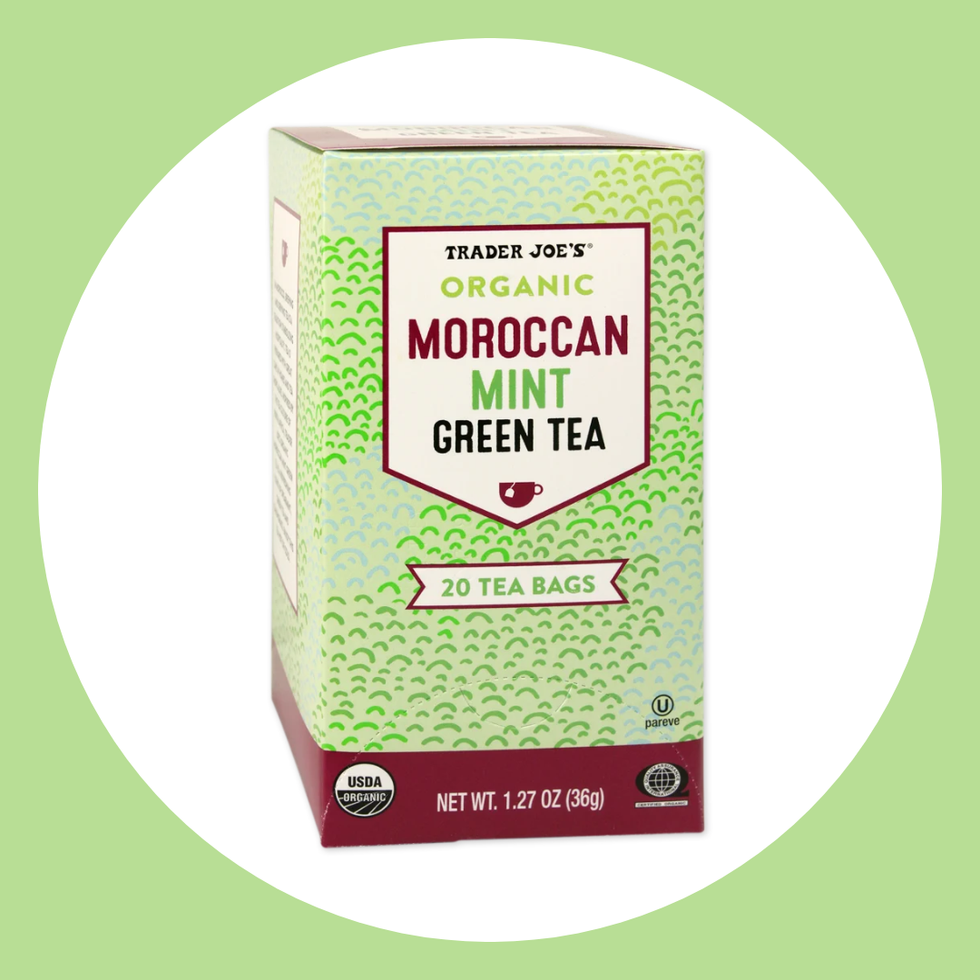
One of the most underrated items I look forward to every time Trader Joe’s ushers in their holiday items is their teas. The grocer releases several stunning flavors once the colder months hit that are just too good to not buy every time I go. Don’t get it twisted, though – I’m a year-round tea lover and have tried plenty of non-seasonal Trader Joe’s teas. As someone who shops there at least once a week, I’m bringing you my personal ranking of the six Trader Joe’s teas I’ve tried so you know which ones are worth stocking up on and which ones are okay being left behind.
Read on for my full ranking of 6 Trader Joe’s teas!
This tea shocked me when I first tried it (in the best way possible). It’s unlike any of the other teas you can find at Trader Joe’s because of its unique espresso inclusion. It boasts a rich blend of black tea, ground espresso beans, and maple, making each sip bold enough to bring full flavor, but mellow and sweet enough to sip on its own. I’ve found it’s perfect for times I want something stronger than a typical black tea, but less intense than an actual cup of coffee. It really brings the best of both worlds. I must note it also tastes immaculate with a small splash of Trader Joe’s seasonal Gingerbread Non-Dairy Oat Creamer.
I will go through an entire box of this green tea within a week if I’m not careful. It’s so festive, especially for this time of year, thanks to the notes of candy cane. It also features flavors like vanilla and cinnamon for a totally holiday-ready sip. Plus, how cute is that little polar bear on the box?! I’ll go out on a whim and say that this Trader Joe’s tea is worth stocking up on a ton so you can enjoy it all year long. Though it’s green tea, the blend is decaffeinated so you can easily sip it before bed without any disturbances (I do it all the time). The only downside to this pick is it’s seasonally available around fall and winter.
Trader Joe’s Harvest Blend basically puts all the best autumn flavors in liquid form: apple, cinnamon, hibiscus, orange peel, and ginger. It’s so warming and cozy, plus it comes with a subtle sweetness that doesn’t require any extra honey or cream – the ease! I can truly drink it all day without getting tired of it. The sly, tea-drinking fox on the box makes prepping it all the more enjoyable, too. Like the Candy Cane Green Tea, this selection is sadly only seasonally available, hence its somewhat-mid ranking.
This Trader Joe’s tea is pretty much a classic. Though it’s always clean, refreshing, and simple, I find it fairly basic compared to the seasonal teas I ranked above. Because it’s a staple, it doesn’t have as much of an “it” factor for me, so I’m not necessarily compelled to prep a mug frequently. If you like to have a go-to for everyday drinking, you’ll probably love this tea, but it’s just not my jam.
Trader Joe’s take on traditional Earl Grey is quite strong and fragrant, with plenty of bergamot flavor right out of the gate. It’s not the most delicate blend, but if you enjoy a brisk black tea with citrusy undertones, this one simply hits the spot. the only issue I take up with this blend is that the steeping time can be pretty tricky. It gets bitter easily, but I do realize user error has a lot to do with the end result.
While Trader Joe’s Blood Orange Rooibos isn’t bad by any means, I find the citrus notes reminiscent of flavored cough syrup, which just isn’t pleasing to the palate at all. Admittedly, I’ve been traumatized my artificial orange-flavored things. Taste aside, it’s caffeine-free, which makes it a good bedtime option, but it doesn’t quite deliver the same cozy satisfaction as other Trader Joe’s herbal blends.