About Editorial team of BIPNs

Main team of content of bipns.com. Any type of content should be approved by us.
5 07, 2025

Nutrition literacy across adolescence stages in Egypt: a quartile-based analysis for tailored educational strategies | BMC Public Health

By |2025-07-05T12:28:18+03:00July 5, 2025|Dietary Supplements News, News|0 Comments


Study design and target groups

A cross-sectional study was conducted across Egypt’s distinct geographical and socioeconomic regions from January to September 2022. The study targeted adolescents of both genders, aged 10–19 years, who consented to participate. The participants were categorized according to the World Health Organization (WHO) criteria for the stages of adolescence [40], early adolescence (10–13 years), middle adolescence (14–16 years), and late adolescence (17–19 years). The study aimed to assess the nutritional literacy of adolescents across these age groups.

Sample size calculation and selection

The sample size was calculated based on an estimated proportion of 18.1% for adolescents with inadequate total nutrition literacy (TNL) in each adolescence stage. A sample size of 297 provided a two-sided 97% confidence interval with a margin of error of 0.100. The sample size was calculated as follows [41].

Numeric results for Two-Sided confidence intervals for one proportion

Confidence interval formula: exact (Clopper-Pearson)

Confidence Level

Sample Size (N)

Target Width

Actual Width

Proportion (P)

Lower Limit

Upper Limit

Width if P = 0.5

0.950

950

0.050

0.050

0.181

0.157

0.207

0.065

To ensure representation across the three stages of adolescence and socioeconomic strata, the sample size was increased to 1,050 participants, with 350 adolescents from each age group (early, middle, and late adolescence) [42]. By focusing on adolescents, the study captures a critical period of development during which nutrition literacy can significantly impact both immediate and long-term health outcomes.

Study setting and participant selection

Participants were recruited from households through a multi-stage random sampling approach. Stage one was the selection of governorates to represent the main districts of four Egyptian regions. each governorate represented distinct geographical and dietary regions of Egypt: Cairo (representative of the Greater Cairo region representing Urban/metropolitan region); Fayoum (representative of Upper Egypt representing Agricultural region); Al Dakhlyia (representative of the Delta region) and Marsa Matrouh (representative of a border/frontier governorate). Each region has unique dietary habits and crops, contributing to the study’s focus on the diversity of dietary patterns across Egypt. These governorates were randomly chosen to capture various dietary practices, socioeconomic backgrounds, and cultural influences on nutrition. This selection enhances the study’s relevance to Egypt’s broader context [43, 44]. Cairo is a dense urban setting with high dietary diversity, while Fayoum and Al Dakhlyia represent agricultural areas with traditional dietary practices, and Marsa Matrouh, a frontier region, has limited food access compared to other areas.

For each governorate, both urban and rural areas were targeted for addressing the regional variability in nutrition literacy. By including both urban and rural households in each governorate, this study accounts for these disparities, enhancing the generalizability of the findings. During phase three, participants were stratified by socioeconomic status (SES) using the Economic Research Forum and CAPMAS (Central Agency for Public Mobilization and Statistics) wealth index (low, middle, and high). To minimize selection bias, random sampling was conducted in urban and rural districts within each SES group, with three cities and three local village units chosen per stratum. This structured approach also addresses potential oversampling biases in urbanized areas, ensuring that rural adolescent voices are represented adequately [45]. This selection was designed as part of a broader effort to identify children at high risk for autism, and it adhered to the study’s inclusion and exclusion criteria [46]. Adolescents were randomly selected through a community house-to-house approach.

For each targeted governorate, 45 participants (15 per adolescent stage) were recruited from each social class, resulting in a total of 225 adolescents from each governorate, with the exception of the Cairo governorate, which had 270 participants (90 per each social class, 30 per each adolescent stage).

Inclusion criteria

The study included adolescents aged 10–19 years, classified according to the World Health Organization (WHO) adolescence stages, encompassing early, middle, and late adolescence. Both male and female participants were eligible, provided they had been residing in the selected governorates for at least one year to ensure their dietary habits reflected the local environment. To account for variations in educational background, the study included adolescents actively attending school in public, private, or community-based educational institutions, as well as those who had dropped out of school but had completed at least six years of formal education, ensuring they possessed the necessary literacy skills to engage with the study materials. Additionally, informed parental consent and adolescent assent were mandatory for participation.

Exclusion criteria

Adolescents were excluded from the study if they had diagnosed cognitive impairments or severe learning disabilities that could hinder their ability to complete the nutrition literacy assessment. Those who had not completed at least six years of formal education were also excluded, as they might lack the foundational literacy skills required for the questionnaire To minimize confounding factors, adolescents with chronic medical conditions affecting nutrition intake, such as diagnosed eating disorders or metabolic disorders, were excluded unless their condition was a specific focus of the study. Additionally, non-Egyptian adolescents or those who had moved to Egypt within the past year were not included, as their dietary habits and environmental influences might not align with the local context. To prevent potential clustering biases within families, only one adolescent per household was selected for participation.

Data collection instruments and procedures

Questionnaire administration

A self-administered questionnaire was utilized to gather data from the adolescent participants. This questionnaire was filled out under the guidance of the research team to ensure clarity and accuracy. The questionnaire was adapted from a previously validated tool, originally designed and published by Hoteit and colleagues [47], ensuring its relevance to the adolescent population in the context of nutrition literacy (NL) assessment. A pilot study involving 10% of the participants was conducted before the main study to enhance clarity, minimize ambiguity, and address potential sources of measurement error.

The questionnaire was divided into two major sections:

Demographic and socioeconomic information

This section focused on collecting essential background information on the enrolled adolescents. The demographic variables collected included the participants’ age, gender, educational level, and details on their primary caregiver (i.e., who was primarily responsible for their daily care). Additionally, the study gathered data on the education levels of both parents, as parental education often influences the nutritional habits and literacy of children. Household Crowding Index: Calculated as the number of co-residents (excluding newborns) divided by the number of rooms (excluding kitchens and bathrooms [48,49,50].

Parents provided self-reported anthropometric data (weight and height) to calculate Body Mass Index (BMI), facilitating assessment of nutritional status in line with WHO’s BMI-for-age guidelines. Participants were instructed to provide recent height and weight measurements to reduce potential reporting biases, particularly in anthropometric data. However, the reliance on self-reported anthropometrics remains a limitation, as it introduces the possibility of data inaccuracy, an issue common in large-scale, self-administered surveys Participants also reported on their intake of vitamins and minerals, providing insight into their dietary supplementation habits.

Vitamins assessment

Assessing adolescents’ consumption of dietary supplements focused on participants’ report on vitamins D, C, A, B12, and folic acid intake. Assessment of these particular vitamins was crucial due to the essential roles these micronutrients play during this critical developmental stage. Adolescence is marked by rapid growth and physiological changes, increasing the demand for nutrients that support bone development, immune function, cognitive maturation, and overall health.​ Monitoring supplement intake in this demographic helps identify nutritional gaps and informs interventions aimed at promoting balanced diets rich in essential vitamins.

Vitamin D

is vital for calcium absorption and bone mineralization, processes that are foundational during the adolescent growth spurt. Adequate vitamin D levels are necessary to achieve optimal bone density, reducing the risk of osteoporosis and fractures later in life [51].​.

Vitamin C

serves as a potent antioxidant and is essential for collagen synthesis, which is integral to the structural integrity of skin, blood vessels, and connective tissues. It also enhances immune defense mechanisms, aiding in the prevention and recovery from infections [52, 53].​.

Vitamin A

is crucial for vision, immune competence, and cellular differentiation. During adolescence, sufficient vitamin A intake supports the development of epithelial tissues and bolsters the body’s ability to combat pathogens [54].

Vitamin B12

is indispensable for neurological function and the formation of red blood cells. Its role in DNA synthesis and myelination of nerve fibers is particularly pertinent during adolescence, a period characterized by significant cognitive and physical development [55].​.

Folic acid (vitamin B9)

is essential for DNA synthesis and repair, supporting rapid cell division and growth. Adequate folic acid intake is vital during adolescence to prevent megaloblastic anemia and to support neural development [56].

Minerals assessment

Understanding which supplements adolescents consume provides insights into existing nutrient gaps and overall dietary patterns. Dietary supplements, such as multivitamin/mineral products, have been shown to help fill nutrient gaps and improve micronutrient sufficiency among children and adolescents. However, there is a concern about the over-reliance on supplements as substitutes for whole foods, which can lead to lower overall energy intake and lack of consumption of other critical nutrients found in whole foods [57, 58]. The current study focused on participants’ report on consumption of dietary supplements, specifically calcium, magnesium, iron, and zinc, that is grounded in their critical role in growth, development, and overall health during this life stage [59]. Adolescence is a period of rapid skeletal growth and bone mineralization, making calcium and magnesium essential for maintaining strong bones and preventing future conditions like osteoporosis and fractures. Since bone mass peaks during adolescence, ensuring adequate intake of these minerals is crucial for long-term musculoskeletal health [60, 61].

Beyond skeletal development, iron and zinc are fundamental for cognitive function, immune health, and metabolic processes. Iron deficiency is a leading cause of anemia among adolescents, particularly in females due to increased iron loss from menstruation, which can lead to fatigue, decreased concentration, and poor academic performance [62]. Similarly, zinc plays a key role in immune function, wound healing, and enzymatic reactions, helping adolescents maintain overall health and fight infections during a stage of high physiological demand [63].

In this study, data on vitamin and mineral intake reflect self-reported use of dietary supplements only, specifically including calcium, magnesium, iron, zinc, and multivitamin preparations. These data do not include intake from food sources. Dietary intake of vitamins and minerals from regular meals was assessed as part of a broader project; however, those findings are presented in a separate manuscript.

Nutrition literacy and food literacy assessment

The second part of the questionnaire measured the nutrition literacy (NL) of the adolescents and the food literacy of their parents. Nutrition literacy refers to the ability to obtain, process, and understand basic nutrition information needed to make appropriate health decisions.

To assess NL, the Adolescent Nutrition Literacy Scale (ANLS) developed by Bari [64], was utilized. This comprehensive tool consists of 22 questions, categorized into three distinct components:

  • Functional Nutrition Literacy (FNL): This component, composed of 7 questionsassessing basic nutritional information comprehension. It evaluated the adolescents’ ability to comprehend and use basic nutritional information, such as their understanding of nutrition-related scientific terms, dietary guidelines, and the recommendations provided by public health professionals. For instance, it included questions assessing participants’ familiarity with international dietary guidelines, such as those from the World Health Organization (WHO) regarding fruit and vegetable intake. The scoring range for FNL is 7–35, with a cut off score of ≥ 21 indicating adequate functional literacy.

  • Interactive Nutrition Literacy (INL): The 6 questionsin this component measured the adolescents’ skills in seeking out, discussing, and applying nutrition-related informationwithin social contexts, including communication with peers, family members, and health professionals. The ability to engage with nutrition topics and translate this knowledge into practical actions, such as modifying dietary habits based on newly acquired information, was a key aspect of this component. The score for INL ranges from 6 to 30, with a cut off score of ≥ 18 considered adequate.

  • Critical Nutrition Literacy (CNL): The9 questionsin this section focused on the adolescents’ ability to critically assess nutrition information and influenceothers’ dietary practices. It assessed participants’ engagement in activities that promote healthy eating, support for policies that improve dietary habits, and their ability to evaluate the credibility of nutrition-related information, particularly from social media and other sources. The score range for CNL is 9–45, with a cut off score of ≥ 27 indicative of sufficient critical literacy.

Total nutrition literacy (TNL)

was calculated as the sum of the three components (FNL, INL, CNL), yielding a total possible score between 22 and 110. A cut off score of ≥ 66 reflected adequate overall nutrition literacy. This metric provided a comprehensive view of the adolescents’ ability to understand, interact with, and critically evaluate nutrition information.

To assess parental food literacy, the validated Short Food Literacy Questionnaire (SFLQ) developed by Gréa Krause et al. [65] was used. The parental food literacy questionnaire was composed of 12 questions, divided across three dimensions similar to those assessed in the adolescent scale but with fewer questions per category: Functional food literacy (6 questions); Interactive food literacy (2 questions); Critical food literacy (4 questions).

The parental food literacy score ranged from 7 to 52, with a cut off score of ≥ 36 indicating adequate food literacy. This allowed for comparison between the literacy levels of parents and their children, providing a deeper understanding of family dynamics regarding nutrition knowledge and behaviors.

Nutritional and growth status assessment

In addition to the self-reported data of the parents, a physical assessment of nutritional status was conducted. By conducting in-person measurements, this study enhances data reliability and consistency across rural and urban participants. Additionally, anthropometric data allows for exploring relationships between growth status and nutrition literacy, which could reveal developmental implications of inadequate nutrition literacy during adolescence. Anthropometric measurements of weight and height were taken using standardized equipment and techniques. Weight was measured with a Seca Scale Balance, while height was recorded using a Holtain portable anthropometer. These measurements were critical for evaluating the growth status of the adolescents, as weight and height are primary indicators of nutritional health. The BMI was calculated as weight (in kilograms) divided by height (in meters) squared based on the WHO growth standards with the help of the Anthro-Program of PC [66]. The body mass index (BMI) was evaluated as follows: underweight if BMI is less than 18.5, normal/healthy weight if BMI is 18.5 to 24.9, overweight is BMI is 25.0 to 29.9, and obese if BMI is 30.0 or higher [67]. The BMI classification provided an additional layer of insight into the participants’ nutritional health, correlating with their dietary habits and nutrition literacy levels.

Measures to ensure validity and reliability of tools used for NL and FL assessment

Both ANLS that is developed by Bari [64] and SFLQ that is developed by Gréa Krause et al. [65] have been translated, culturally adapted and utilized in Arabic-speaking contexts. They have been adapted in a study to assess the nutrition literacy of adolescents across countries including Lebanon, Bahrain, Egypt, Jordan, Kuwait, Morocco, Palestine, Qatar, Saudi Arabia, and the United Arab Emirates [68]. The study involved 5,401 adolescent-parent dyads and found that 28% of adolescents had poor nutrition literacy. However, the study did not detail the process of translating or validating the ANLS and SFLQ for each specific Arabic-speaking context and it did not provide specific psychometric properties of the Arabic-translated tools.

We have conducted a multistep process to mitigate this for ensuring the tools appropriateness for our target population. Initially, a pilot test was conducted before large-scale implementation to ensure the clarity and appropriateness of the translated Arabic ANLS and SFLQ tools. This step involved administer of the Arabic versions of the tools for 10% of different participants as a pilot sample (n = 105) to assess their usability and ensure that participants could complete the questionnaire without difficulty. Subsequently, to assess internal consistency, the study employed Cronbach’s alpha [69]. with a larger sample of 330 participants, achieving high values of Cronbach’s alpha (0.89 for ANLS and 0.86 for SFLQ, ≥ 0.8) that indicated strong reliability [70]. To assess the stability of responses over time, a subset of 105 participants completes the Arabic SFLQ twice, with a two-week interval (test-retest reliability). The Intraclass Correlation Coefficient (ICC) was calculated to measure consistency, achieving ICC of 94% and 92% respectively indicating excellent reliability (ICC ≥ 0.75) [71]. This comprehensive approach ensured that the Arabic ANLS and SFLQ are scientifically sound and culturally relevant tool for assessing nutrition literacy among Arabic-speaking adolescents.

Statistical analysis

Data were analyzed using the Statistical Package for Social Sciences (SPSS), version 26. Various statistical techniques were employed to summarize and analyze the collected data: Categorical variables (e.g., gender, social class, nutritional literacy categories) were summarized as numbers and percentages. Continuous variables (e.g., BMI, literacy scores) were presented as means and standard deviations.

Statistical significance was determined using: Pearson’s Chi-square test (χ²) and Fisher’s exact test to assess associations between categorical variables. Z-tests were applied for comparisons of proportions.For comparisons of means between groups, the t-test and ANOVA were utilized. Crude Odds Ratio (COR) with 95% confidence intervals (CI) were calculated to examine associations between adolescence stages and nutritional literacy. Logistic regression analysis was conducted to identify significant predictors of adequate TNL among the adolescents.A p-value < 0.05 was considered statistically significant, indicating a meaningful association or difference, while a pvalue < 0.01 was considered highly important, highlighting particularly strong associations or differences.



Source link

5 07, 2025

Google’s Gemini AI Predicts the Price of XRP, Solana and Cardano by the End of 2025

By |2025-07-05T12:23:19+03:00July 5, 2025|Crypto News, News|0 Comments

Google’s Gemini predicts that leading altcoins may find new price highs through the latter part of 2025.

See, in the last 24 hours Bitcoin rose to $109,997, which put it just 1.6% short of beating its historic price peak of $111,814 on May 22. Clearly bulls are looking to recapture that ground fast, which bodes well for various other leading cryptocurrencies, since Bitcoin clearly sets the pace of growth for the rest of the industry.

This persistent market optimism has led many to believe that the next bull cycle could eclipse the legendary 2021 bull market, with altcoins expected to chart unprecedented highs.

Here are several digital assets that Gemini has identified as having strong growth potential in the coming months.

XRP (Ripple): Google’s Gemini Expects a Smooth Doubling for This Global Payments Leader

According to Gemini’s forecasts, Ripple’s XRP could reach $20 by late 2025—effectively increasing ninefold from its present price of around $2.23.

This positive projection is driven by growing institutional integration, strengthened regulatory clarity, and speculation regarding a potential XRP spot ETF approval, which would broaden access to institutional and retail buyers.

XRP continues to enjoy worldwide recognition for facilitating quick, low-cost, and compliant cross-border payments. In 2024, the United Nations Capital Development Fund (UNCDF) lauded XRP for its effectiveness in facilitating instant international remittances without intermediaries.

A landmark U.S. court decision ruled that XRP’s retail sales did not constitute securities transactions, delivering a major setback to the SEC’s long-standing claims.

Ripple CEO Brad Garlinghouse confirmed in March that the protracted legal battle had finally concluded, removing a major obstacle and lifting market sentiment for XRP and the broader altcoin space.

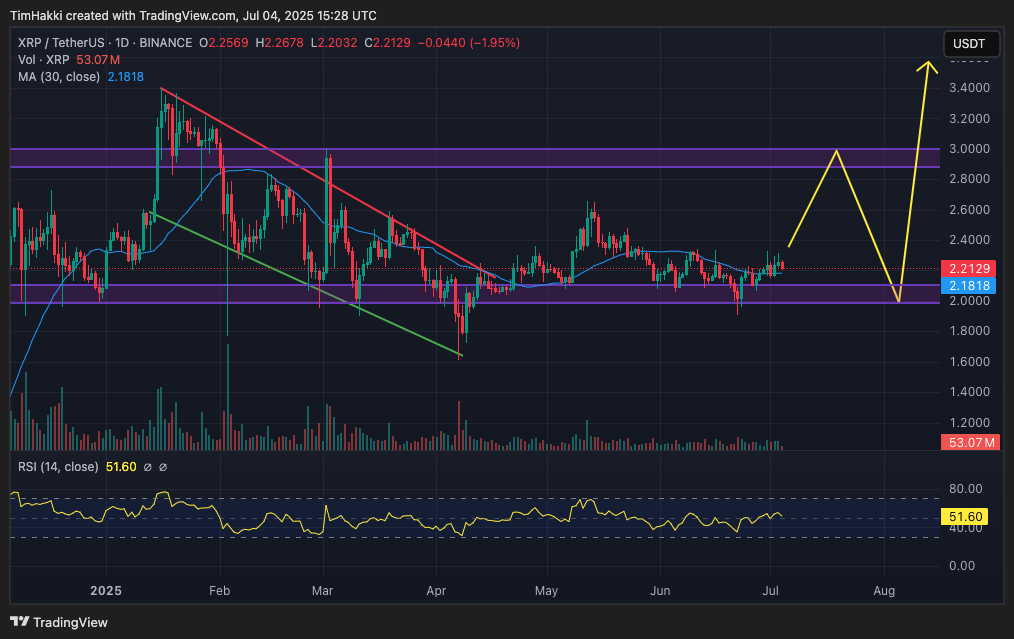
In the short term, resistance around $3 remains a key test. Should XRP surpass this barrier in the coming months, a move toward $5 (Gemini’s most conservative target) by year-end becomes increasingly feasible.

However, getting to Gemini’s most ambitious target of $20 would require serious political developments, mainly a framework for regulating crypto in the US and a peaceful solution to the Middle East crisis.

It’s also worth noting that XRP is clearly the best-performing coin among the projects with billionaire market caps. In the last 365 days, its price has risen 397% compared to Bitcoin’s meager 88%.

Solana ($SOL): Gemini Projects This High-Throughput Blockchain Could More-Than-Treble by New Year

Solana ($SOL) remains a formidable player in the smart contract ecosystem, second only to Ethereum in terms of decentralized application deployment and user activity. With its market cap now approaching $80.5 billion, SOL continues to attract developer interest and institutional funds.

Speculation is mounting around the potential approval of a Solana spot ETF in the U.S., which could mirror the substantial capital inflows seen for Bitcoin and Ethereum after their ETF launches.

Moreover, discussions of including SOL within a proposed U.S. digital asset reserve are enhancing its standing among large-scale investors.

From a technical perspective, Solana has reversed its previous downtrend. After sliding from highs above $250 in January to lows near $100 in April, it recently broke out from a descending wedge pattern in early April—a formation typically viewed as bullish—and now trades for $150.

Gemini’s projections place SOL at $500 by the end of 2025, up from its current trading price of around $150, more than tripling its value.

A bullish summer could see SOL reaching $300, while a subsequent rise into the $500 range is considered well within reach.

Some analysts even believe Solana can hit the the $1,000 milestone, but it would require the green light of US crypto legislation to catalyze such a big price movement.

Cardano ($ADA): Google’s Gemini Predicts a Massive 10X Upsurge for This Smart Contract Pioneer

Cardano ($ADA) was recently sighted in the crosshairs of US President Donald Trump, who took to his social media platform, Truth Social, to post a proposal to include ADA as part of a US Strategic Crypto Reserve strategy.

Unlike Bitcoin, which the plan suggested the government could directly acquire, Cardano would be sourced exclusively via law enforcement seizures.

Created by Ethereum co-founder Charles Hoskinson, Cardano staked its reputation on a rigorous, research-driven development approach and emphasis on scalability and environmental sustainability.

With a market valuation near $21 billion, ADA remains a key competitor to Ethereum and is closing in on rapidly growing blockchains like Solana.

Gemini’s models suggest ADA could reach $5.66 by the end of this year—a near tenfold jump from its current level of $0.58.

Technically, ADA has been consolidating within a descending wedge pattern since late 2024. A breakout above its $1.10 resistance could trigger a short-term rally toward $1.50.

Under a strong bull market scenario, even Gemini’s most conservative upside target of around $3 could see ADA surpassing its previous all-time high of $3.09.

Bitcoin Hyper ($HYPER): Meme-Driven Layer-2 Solution Primed for a Breakout

While Google’s Gemini excels in evaluating established assets, it may not fully account for the explosive potential of early-stage projects like Bitcoin Hyper ($HYPER). This presale-phase, meme-inspired Layer-2 protocol merges viral marketing with technical innovation.

Although $HYPER is not yet trading on major exchanges such as Gemini, its presale has already raised over $1.9 million, with early backers eyeing potential 10X returns post-launch.

Leveraging Solana Virtual Machine (SVM) architecture, Bitcoin Hyper integrates smart contract capabilities into the Bitcoin ecosystem through its proprietary Layer-2 network. Its Canonical Bridge supports rapid and cost-efficient transactions alongside an expanding suite of DeFi and NFT functionalities.

Recent security audits by Coinsult found no key vulnerabilities, enhancing investor confidence. The native $HYPER token powers governance, staking, fees, and access to its ecosystem, while staking yields currently reach as high as 408% APY.

For updates, visit the official presale website or follow Bitcoin Hyper on X and Telegram.

The post Google’s Gemini AI Predicts the Price of XRP, Solana and Cardano by the End of 2025 appeared first on Cryptonews.

Source link

5 07, 2025

Immutable X Dominates Web3 Gaming with Major Partnerships and 660 Plus Games in 2025

By |2025-07-05T10:37:24+03:00July 5, 2025|News, NFT News|0 Comments


Over the last 5 days leading up to July 2, 2025, several significant updates have emerged regarding Immutable X, a leading web3 crypto gaming project. One of the key highlights is the recognition of Immutable X as a major player in onboarding users to crypto through web3 gaming. Robbie Ferguson, co-founder of Immutable, emphasized the readiness of web3 gaming infrastructure to attract more users to cryptocurrency than any other category combined, underscoring the project’s pivotal role in the industry.

Source: No direct link to social media post provided for this general sentiment; information derived from recent web coverage by CCN.

Additionally, Immutable X has reported impressive growth statistics for the first half of 2025. According to Robbie Ferguson, the project signed its third multi-billion dollar partnership with a AAA studio, with these companies collectively boasting over 400 million monthly active users. This milestone highlights Immutable X’s expanding influence in the gaming sector and its ability to attract major industry players.

Source: https://t.co/j6cfEhi70u

In terms of distribution and user engagement, Immutable launched Immutable Play, which Ferguson describes as the single largest distribution network for web3 games globally. The platform has already achieved 5.3 million wallet registrations, 62 million game quests completed, and an impressive weekly retention rate of approximately 85%, demonstrating strong user adoption and engagement.

Source: https://t.co/mTpcHJOgCh

Immutable X also continues to grow its portfolio of games, with Ferguson announcing the signing of 171 well-funded games in the past six months, bringing the total to over 660. Notably, in the last week leading up to July 2, 2025, Immutable signed an MMO from a franchise valued at over $100 million, signaling the scale and ambition of upcoming projects on the platform.

Source: https://t.co/5CavwIZ7mO

Lastly, Immutable X is enhancing its tokenomics strategy to benefit IMX stakers. Ferguson revealed that stakers will be rewarded with 0.2% of the $END token supply, and with a game launching a token generation event (TGE) on Immutable every month since the new strategy’s inception, the project is fostering a robust ecosystem. Additionally, with over 625 more games in the pipeline, Immutable X is actively discussing gaming tokens with developers, further solidifying its position in the web3 gaming space.

Source: https://t.co/BbmvEtGL4M


Source link

5 07, 2025

Abnormal Japan heat may cause global matcha shortage

By |2025-07-05T10:26:26+03:00July 5, 2025|Dietary Supplements News, News|0 Comments


Japan’s ongoing heatwaves have significantly reduced this year’s
production of matcha green tea, leading to supply shortages and
price hikes to historic highs, according to Japanese farmers and
industry officials, Azernews reports.

Kyoto Prefecture, responsible for about a quarter of Japan’s
tencha production—the dried tea leaves that are ground into
matcha—was hit especially hard. The extreme heat during Japan’s
hottest year on record caused significant crop damage, resulting in
poor harvests in April and May.

Farmer Masahiro Yoshida, who typically produces around two tons
of tencha annually, harvested only 1.5 tons this year. “Last summer
was so hot it scorched the bushes. We simply couldn’t collect as
many tea leaves,” he said.

The timing couldn’t be worse. Global demand for matcha has
surged in recent years, driven by Millennials and Gen Z consumers
embracing health-conscious lifestyles. Trendy cafes worldwide now
offer matcha-based lattes, smoothies, and desserts. On social
media, matcha content frequently goes viral—boosting its popularity
as both a superfood and an aesthetic drink.

Finely ground matcha is prized for its high antioxidant content
and higher caffeine levels compared to traditional green tea. But
the recent spike in demand has led some wholesalers to implement
purchase restrictions to manage limited supply.

According to Japan’s Ministry of Agriculture, Forestry and
Fisheries, green tea exports, including matcha, rose by 25% in
value to reach 36.4 billion yen ($252 million) in 2024. Export
volume also grew by 16%, largely due to the popularity of powdered
teas like matcha.

In response, Japanese tea producers are working to expand
production. However, industry experts warn that matcha shortages
are likely to persist, as it takes about five years for newly
planted tea bushes to mature enough for harvesting.

Meanwhile, matcha enthusiasts around the globe may need to brace
for higher prices—or seek out alternative sources, such as Taiwan
or China, where matcha-style green tea is also produced, though
purists argue the flavor and quality are distinctively different
from Japanese matcha.


Source link

5 07, 2025

Here’s XRP Price if Bitcoin Hits $1M and XRP Maintains Its Market Share

By |2025-07-05T10:22:17+03:00July 5, 2025|Crypto News, News|0 Comments

A market where Bitcoin is priced over $1 million could significantly benefit XRP.

Industry experts are increasingly in agreement that Bitcoin will eventually reach the $1 million mark. Sentiment has improved this year as Bitcoin broke into six-figure territory, ushering in unprecedented institutional FOMO (fear of missing out). Company after company has announced Bitcoin strategies, adding the asset to their balance sheets.

Reports even suggest that over 200 companies have adopted BTC as part of their treasury reserves, following the lead of MicroStrategy. The U.S. government is also planning to create a BTC reserve to hold 1 million BTC.

Amid this new environment, calls for Bitcoin reaching $1 million have grown stronger than ever. Among the prominent voices supporting this outlook are Michael Saylor, CZ of Binance, Jack Dorsey, Samson Mow, Cardano’s Charles Hoskinson, and even Eric Trump, son of U.S. President Donald Trump.

XRP Price if Bitcoin Hits $1 Million

This promising outlook raises questions about the potential valuation of altcoins like XRP if Bitcoin were to actually reach $1 million.

Currently, Bitcoin commands a 65.71% dominance in the $3.28 trillion crypto market. If Bitcoin hits $1 million and maintains this dominance, the total crypto market cap would be approximately $30.26 trillion.

XRP currently holds about 3.93% of the global crypto market. If it retains this market share in a $30.26 trillion environment, XRP’s price would be around $20.15. This would give XRP a market cap of approximately $1.19 trillion, a record high for the asset.

This scenario would represent an 830% increase (or roughly a 9x gain) from XRP’s current price of $2.18.

Can XRP Hit an Even Higher Price Before Bitcoin Reaches $1M?

While such growth would be a significant turnaround for XRP, many believe it could achieve this 830% surge even before Bitcoin hits $1 million.

For example, longtime Bitcoin advocate Davinci Jeremie has stated that XRP could reach $24 by the end of 2025.

However, many analysts see the $1 million Bitcoin target as something much farther in the future, with projections often pointing to 2030.

This suggests that XRP’s market share could increase beyond its current ~4% before Bitcoin reaches the $1 million milestone. In other words, XRP could be worth significantly more than $20 by that time.

For instance, Telegaon analysts predict that XRP could trade at $87 by 2035, the same year they expect Bitcoin to hit $1.2 million.

Indeed, XRP has historically shown more dramatic surges than Bitcoin. For example, over the past year, Bitcoin has risen by 75%, while XRP has gained 350%. This indicates XRP has grown nearly five times faster than Bitcoin, and could shape future outcomes.

DisClamier: This content is informational and should not be considered financial advice. The views expressed in this article may include the author’s personal opinions and do not reflect The Crypto Basic opinion. Readers are encouraged to do thorough research before making any investment decisions. The Crypto Basic is not responsible for any financial losses.

Source link

5 07, 2025

15 Innovations in Natural & Organic

By |2025-07-05T08:25:20+03:00July 5, 2025|Dietary Supplements News, News|0 Comments


GROCERY


Seed-Oil-Free Dip

Growee is introducing customers to the latest addition to its dip lineup: Garlic Eggplant. The savory, tomato-kissed dip is free of seed oil, fillers, and the top-nine allergens. It is the fourth veggie-forward flavor offering from the brand, joining Curry Zucchini, Red Pepper, and Spiced Mango. The new Garlic Eggplant flavor is shelf-stable and meant to be enjoyed as a dip, spread, or topper.
Groweefoods.com


Protein Instant Latte

Laird Superfood Protein Instant Latte is an all-in-one powder-to-latte mix featuring 10 grams of protein per serving that can be enjoyed as a hot or iced beverage. The latte uses a proprietary blend of pea, hemp, and pumpkin seed protein, naturally occurring MCTs from coconut, organic lion’s mane, cordyceps, maitake, and chaga mushroom extracts, and instant coffee to deliver mind and body benefits. Each bag contains 6 servings.
LairdSuperfood.com

SunnieS'moreSnack.png

Snack Packs

Sunnie has launched the S’more Snack Dipper, featuring grain-free sea salt crackers, chocolate pumpkin seed spread, and marshmallow fluff. Sunnie is known for its ready-to-eat snack packs and grain-free crackers made without seed oils, refined sugar, and  artificial or “natural” flavors. Sunnie also has Pizza, Strawberry Jam, Humus, and Cocoa Snack Packs. FeelSunnie.com 


Pancake & Waffle Mix

Jovial Foods, which makes gluten-free, grain-free, and organic Italian food products, has released Organic Einkorn Pancake and Waffle Mix. The mix is made with five ingredients including regenerative organic einkorn flour. It is USDA Organic, Non-GMO Project Verified, Kosher, vegan, and Certified Glyphosate Residue Free—offering an easy, nutrient-rich breakfast upgrade.
Jovialfoods.com 


DIETARY SUPPLEMENTS


F.jpg

Gut Microbiome Support

FLORASSIST Probiotic Youthful Gut from Life Extension is a science-based probiotic and postbiotic formula designed to help promote a balanced gut microbiome, healthy inflammatory response, and support other healthy aging biomarkers. FLORASSIST supports the healthy aging process, helps maintain already-healthy cholesterol, and encourages a healthy nutritional status, according to the company. It is gluten free, non-GMO, and has a MSRP of $22.50.
LifeExtension.com 

Memory and Focus
Qunol Brain Memory Plus and Qunol Brain Focus Plus to help support memory, focus, and productivity as we age. TheseQunol.png products utilize Magtein (Magnesium L-Threonate), which is a patented compound shown to effectively cross the blood-brain barrier to support memory and mental clarity and Cognizin (Citicoline), clinically shown to support focus, attention, and mental energy. While a nutritious diet, sleep, exercise, and stress management are essential for brain health, incorporating a supplement into your routine can provide added support.
www.qunol.com

Screenshot_1-7-2025_95822_ir.jupiterneurosciences.com.jpeg

Longevity Line

Jupiter Neurosciences has launched Nugevia, a line of resveratrol-based products that target longevity, performance and beauty-from-within. This line features three products: Glo, a healthy skin & anti-aging supplement; MND, a brain function and memory supplement and PWR, a mitochondria and muscle boost supplement. These products utilize scientific synergy, advanced micellar technology, precision and transparency, and intelligent optimization. Nugevia will be commercially available this fall.  
https://ir.jupiterneurosciences.com/ 


TMDPOW02_07.jpg

Mineral Powder

Trace has launched ConcenTrace Daily Mineral Powder, a powder-format supplement delivering 72+ ionic trace minerals, including magnesium, calcium, and potassium in a clean-label, flavor-forward formula. This is available in three flavors: blue raspberry, blue hawaiian and blue acai. ConcenTrace aims to meet growing consumer demand for hydration, sleep, digestion, and multifunctional wellness.
TraceMinerals.com

Membralife.jpgBeauty-from-Within 
AstaReal AB has launched Membralife sea buckthorn products for skin and mucous membranes. The Membralife series consists of two products – a dietary supplement in capsule form and a serum. The Membralife dietary supplement contains organic sea buckthorn oil with natural omega-7 content, other polyunsaturated fatty acids, vitamin A, vitamin C, and vitamin E. The capsules are plant-based and gluten-free. The serum, Membralife Active Glow Serum, is based on 100% organic sea buckthorn oil to hydrate and strengthen the skin, as well as support the skin’s natural repair process. The product contains naturally occurring omega-7, carotenoids, and vitamin E, and is suitable for all skin types. AstaRealUSA.com

HEALTH AND BEAUTY / PERSONAL CARE


EvenGlow.jpgSkincare

With a formula that combines the organic vitamin C of Kakadu plum, maple leaf complex, and bakuchiol, the Even Glow Organic Dark Spot Corrector from Pureance offers a gentle solution to signs of aging, the company says. Paraben free, sulfate free, fragrance free, and silicone free, Even Glow reduces the appearance of dark spots, uneven skin tone, and dullness by cleansing pores and improving the appearance of occasional blemishes to reveal a brighter, more radiant skin complexion, according to the company. It has a MSRP of $39.99.
Pureance.com


BRANDED INGREDIENTS & TECHNOLOGY


Anti-Cellulite

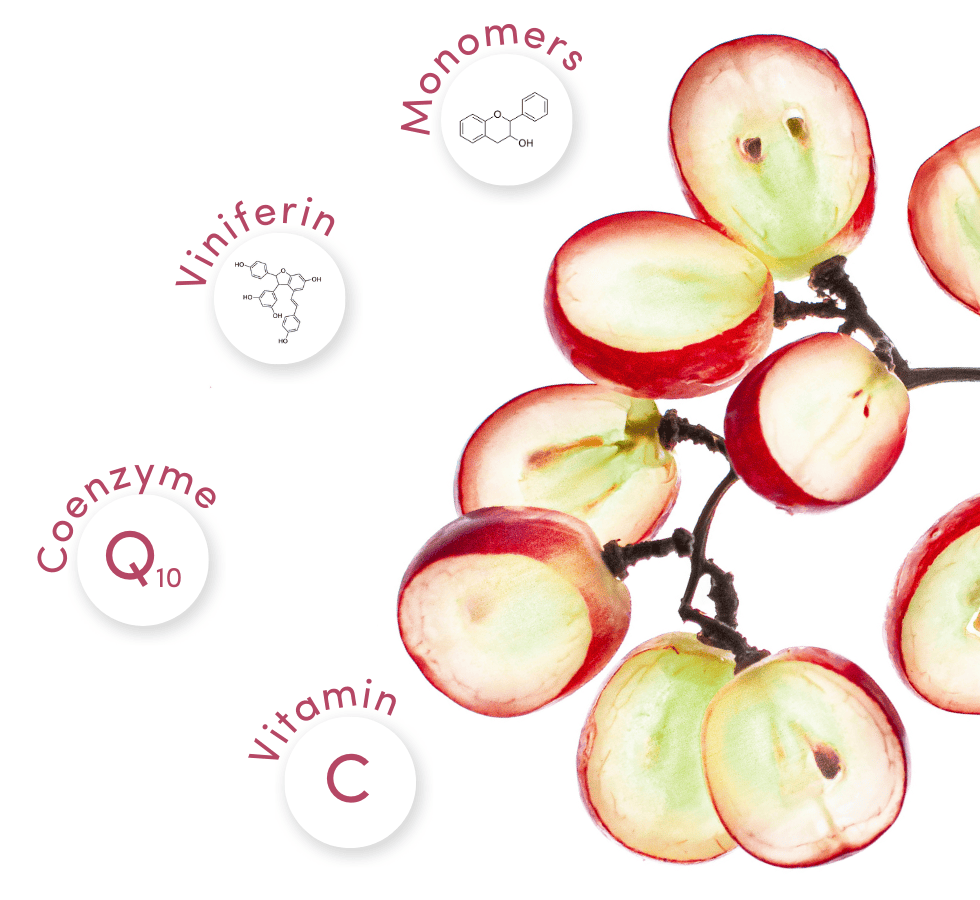
molécules celluvine (1).pngActiv’Inside has launched Celluvine, a patented, nutricosmetic anti-cellulite solution. Celluvine is designed to meet a growing market demand for natural and effective anti-cellulite solutions. It combines grape extract rich in monomers and ε-viniferin with Coenzyme Q10, and Vitamin C, which are complementary ingredients that aim to benefit skin firmness, fat metabolism, and collagen synthesis.
Activinside.com

Vision Support

Bgn_Marigold Farms_Flower.JPGLute-gen from Bio-gen Extracts supports visual health, macular function and tear film stability, the company says. With concerns growing over screen-induced eye health issues, Lute-gen works to increase macular pigment density through the targeted delivery of Lutein and Zeaxanthin isomers, which accumulate in both the retina and brain. The marigold extract is non-GMO and available in various highly stable delivery formats, including beadlets, oil suspensions, gummy-grade powders, water-dispersible options and liquid emulsions.
Bio-gen.in 


Plant-based Protein SolutionsRoquette - NUTRALYS protein launch (3).png

Roquette is releasing two new plant-based protein textured solutions: NUTRALYS T WHEAT 600L textured wheat protein and NUTRALYS T PEA 700XC textured pea protein. NUTRALYS T WHEAT 600L features extended, meat-like fibers that provide the authentic chewiness and tenderness crucial for mimicking the experience of real chicken, with over 60% protein content. NUTRALYS T PEA 700XC is a pea protein with 70% protein content and is ideal for plant-based meals, sauces and traditional recipes, like goulash or bourguignon. These products are designed to be sustainable and nutritious. Roquette.com/plant-protein


Prebiotic Solutions

MartinBauer Launches Line of Prebiotic Solutions.jpgCourtesy of MartinBauer

MartinBauer has introduced a line of prebiotic solutions. The initial launch features two ready-to-use extracts: Organic Apple Cider Vinegar and Kombucha. By using prebiotic fibers as carriers, this line aims to transform conventional extracts into dual-function ingredients that combine the benefits of botanicals with the microbiome-nourishing power of prebiotics, with digestive wellness built into every serving. They company says the offerings deliver taste, stability, and gut health support, meeting growing demand for wellness-forward products while simplifying formulation across food, beverage, and supplement applications. martin-bauer.com


Keeki Bag.jpgFood Storage

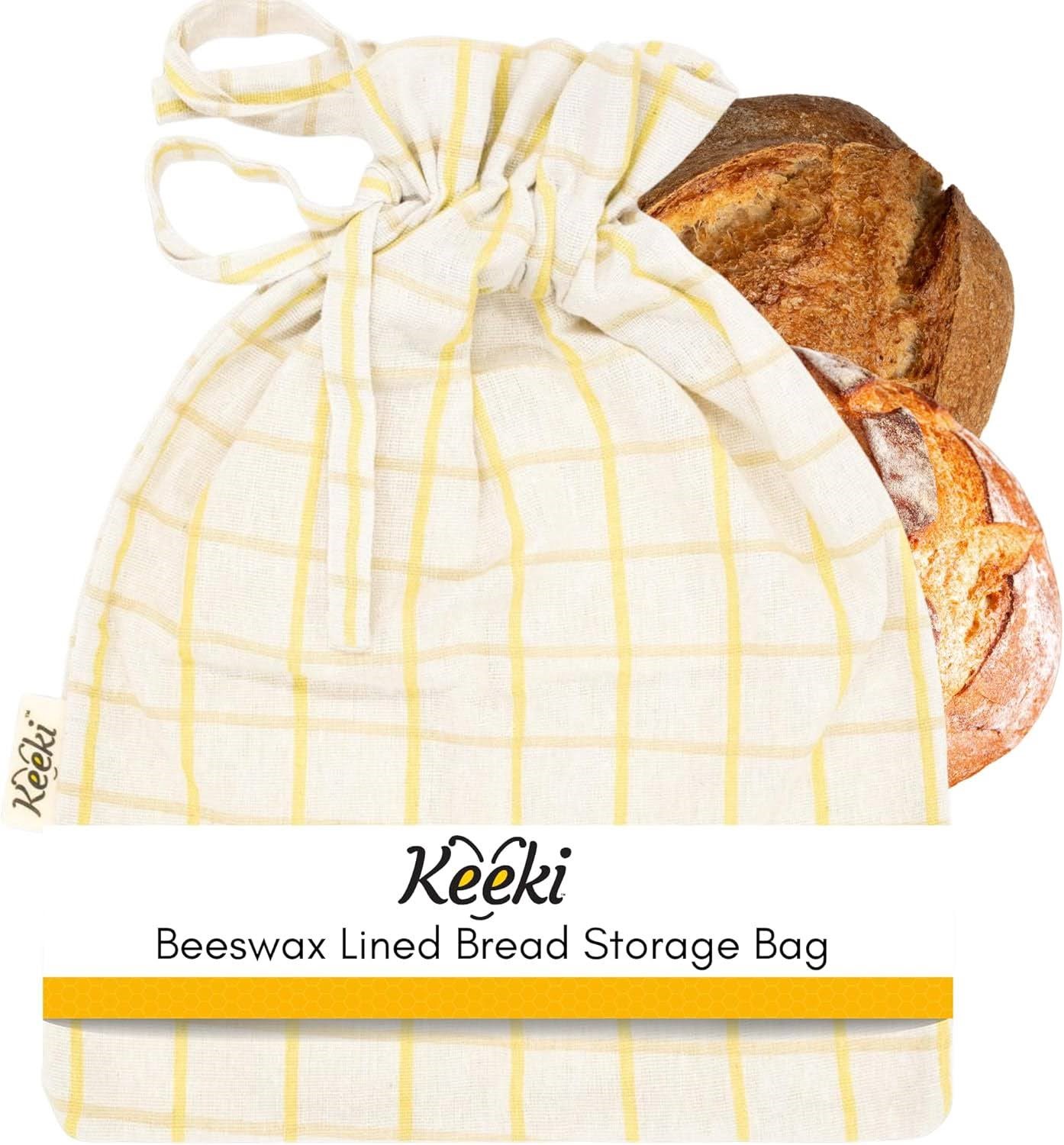
The Keeki Bag keeps food fresh longer without the use of plastic. It can store bread, produce, fruits, and baked goods. These bags are designed to be naturally antibacterial, multi-use, sustainable, economical and purpose-driven.
Keeki.com


Source link

5 07, 2025

Is $3450 A Real Possibility?

By |2025-07-05T08:21:46+03:00July 5, 2025|Crypto News, News|0 Comments

There is a marked increase in bullish sentiment surrounding Solana, especially among prominent analysts and smart money investors. 

Despite the broader market pullback on Friday, the SOL price continues to hold key support levels as top traders on Binance remain skewed long. 

Meanwhile, top crypto analyst Ali Martinez’s Solana price prediction is going viral. Martinez, who has shot to fame with his accurate calls this bull cycle, has now identified a bullish cup-and-handle pattern in the higher timeframe. 

A breakout from the “handle” zone could result in a rally to $3000 and beyond. 

Solana Price Prediction – How High Can $SOL Go?

It isn’t hard to explain the excitement around Solana. 

REX Shares’ SOL staking ETF is now live and saw strong trading volume in the two days since its debut. Meanwhile, the spot Solana ETFs are set for imminent approval from the SEC. 

JPMorgan analysts project that the spot SOL ETFs would record nearly $3 billion to $6 billion in inflows within a year. 

Meanwhile, Cantor Fitzgerald analysts are labelling Solana treasury stocks like Sol Strategies as “overweight”, projecting it to outperform other stocks in its sector. 

It is not without any reason that the Solana CME Futures hit a record high of $167 million following REX Shares’ ETF debut. 

Despite a 3% pullback on Friday, smart money investors remain optimistic regarding Solana’s short and long-term prospects. For instance, the top trader long-short ratio on Binance, which tracks the accounts of the most successful traders on the platform, is heavily skewed long at 2.49, data from CoinGlass reveals. 

Simply put, the top traders on Binance currently hold nearly 2.5 long positions for every short bet. 

Indeed, the Solana price chart looks decidedly bullish in the higher timeframe. 

$SOL has broken out of a falling wedge and has successfully retested its upper trendline. It has also continued to hold above the key $144 support level. 

All eyes are now on whether it will breach its macro downtrend, which would kickstart a new long-term uptrend in Solana.

$180 and $240 remain key resistance levels, flipping which would pave the way for a new Solana all-time high. 

Simply put, SOL remains an attractive buy as long as it continues to hold above $144. However, investors may choose to take some profits at $180 and $240. 

Ali Martinez’s Solana price prediction also portrays it as an excellent long-term investment. The popular altcoin is expected to see strong institutional demand, which is already evident by a surge of SOL treasury firms.

Meanwhile, popular trading terminal Robinhood has started a Solana staking service for US users, further confirming the potential for widespread mainstream adoption. Therefore, a price target of $3450 isn’t out of the question. 

Best Solana Meme Coins To Buy

Smart money investors continue to view Solana meme coins as excellent beta bets on SOL, considering the strong correlation between the two. 

For instance, Fartcoin continues to be an excellent crypto investment for this bull cycle. It reached an all-time high $2.7 billion valuation just because of its funny name. Now, with its Coinbase and Hyperliquid listing, experts project that it could potentially hit $10 billion this year. 

However, investors shouldn’t overlook Dogwifhat (WIF) either. New buyers could net over 5x returns as WIF remains poised for new all-time highs before the end of the year. 

Among newer meme coins, Snorter (SNORT) has emerged as a high-upside investment. The native token of the new Snorter Bot, SNORT has already raised over $1.5 million in its ICO in short order. 

The Snorter Bot is in high demand among retail investors, considering it is the fastest and cheapest Telegram-native crypto trading bot. 

Retailers will now have the same speed, automation and real-time market insights that whales have used to dominate profits. Snorter facilitates sub-second meme coin snipes, copy trading, protection against scams and MEV bots, and automated futures trading. 

SNORT holders will only pay 0.85% in trading fees, the lowest of any prominent trading bot on the market. 

With the Snorter Bot in such high demand, it is no surprise that many are viewing SNORT as one of the best Solana meme coins to buy now. 

Visit Snorter Presale

This article has been provided by one of our commercial partners and does not reflect Cryptonomist’s opinion. Please be aware that our commercial partners may use affiliate programs to generate revenue through the links in this article.

Source link

5 07, 2025

Japan Coffee Bean Market Consumption Trends & Forecast Report 2025-2033 Featuring Starbucks, Nescafe, Kraft Heinz, Lunchin Coffee, J M Smucker, Coca Cola, Dutch Bros,. Keurig Dr Pepper, and Peet’s

By |2025-07-05T06:33:58+03:00July 5, 2025|Forex News, News|0 Comments


Company Logo

The Japan Coffee Bean Market is poised for robust growth, projected to surge to US$ 2.51 billion by 2033 from US$ 1.60 billion in 2024, with a compound annual growth rate (CAGR) of 5.11% from 2025 to 2033. Driven primarily by advancements in coffee cultivation and eco-friendly processing methods, Japan’s industry is thriving on the back of rising specialty coffee culture, urbanization, and increasing disposable incomes. Key products include Arabica and Robusta beans, distributed online and offline, catering to diverse end users such as personal care, food, and pharmaceuticals. Major players like Starbucks and Nescafe are innovating to meet evolving consumer demands for quality and sustainability in coffee.

Japanese Coffee Bean Market

Japanese Coffee Bean Market

Dublin, July 04, 2025 (GLOBE NEWSWIRE) — The “Japan Coffee Bean Market – Consumption Trends & Forecast 2025-2033” report has been added to ResearchAndMarkets.com’s offering.

Japan Coffee Bean Market is expected to reach US$ 2.51 billion by 2033 from US$ 1.60 billion in 2024, with a CAGR of 5.11% from 2025 to 2033. The industry is mostly being driven by growing developments in coffee cultivation and processing methods that can boost productivity, enhance quality, and affect bean supply.

The seeds of the Coffea plant, known as coffee beans, are gathered and processed to make the popular beverage. Usually found inside the coffee plant’s fruit, also known as coffee cherries, are these beans. Freshly picked green beans go through a number of processes to become the fragrant brown beans used in brewing. The cherries are first dried, and then their outer coats are removed by hulling, exposing the green coffee beans.

The next important process that gives coffee its distinct flavor, fragrance, and color is roasting these green beans. High temperatures are applied to the beans during roasting, which results in chemical changes that give coffee its distinctive flavor and aroma. The ultimate flavor profile, which ranges from light to dark roasts, depends on the roast’s duration and temperature. After roasting, the beans can be ground and brewed to make drip coffee or espresso, among other varieties.

The Japanese market for coffee beans is significantly impacted by a number of important factors, each of which is essential in determining the market’s future course. First off, there is no denying that the increase in coffee consumption, particularly among millennials, has spurred industry expansion. Furthermore, this need has been further increased by the rise of specialty coffees and the growing influence of cafe culture in Japan. Furthermore, improvements in coffee brewing equipment and techniques have increased the ways that customers may enjoy their drinks, increasing market potential.

Additionally, urbanization and rising disposable income are the main drivers of the Asia Pacific coffee market’s expansion. For example, according to the International Coffee Organization (ICO), Japan drank around 7303 bags of coffee in 2020-2021, which increased the market for coffee in thousands of 60-kg bags.

The industry is expanding due to a number of health advantages of coffee consumption, including lowering the risk of diabetes, burning fat, and providing a strong energy boost from caffeine. In an effort to lead healthier lives, consumers are gravitating toward plant-based or organic coffee. As a result, major companies are working on new products to keep their hold on the market. To address the quickly increasing demand for plant-based foods in Japan, Nestle Japan, for example, introduced a line of Nescafe lattes in 2021 that feature coffee capsules made with plant-based components.

Key Factors Driving the Japan Coffee Bean Market Growth

Rise of Specialty Coffee Culture

Due to customer demand for premium, artisanal, and high-quality coffee, there has been a noticeable movement in the Japanese coffee industry toward specialty coffee. A fondness for single-origin coffee, which has unique flavors depending on where it comes from, is one example of this. Particularly in cities like Tokyo and Osaka, specialty coffee shops and artisanal cafes have sprung up everywhere, providing unusual brewing techniques like pour-over, siphon, and AeroPress.

These establishments also place a strong emphasis on sourcing transparency and intricate taste profiles, which appeal to a discriminating customer base. Third-wave coffee culture’s growing appeal has pushed local roasters and baristas to prioritize quality, artistry, and narrative, which has greatly expanded the market and diversified Japan’s formerly tea-dominated beverage culture.

Health and Sustainability Consciousness

Environmental responsibility and health consciousness are emerging as key factors in the Japanese coffee business. Due to growing concerns about the use of pesticides, ethical labor practices, and environmental sustainability, consumers are increasingly looking for coffee beans that are certified organic and Fair Trade. As a result of this change, companies are launching low-acid, lower-caffeine, and functional coffee choices, frequently enhanced with vitamins or collagen.

Additionally, packaging technologies like biodegradable and recyclable materials are becoming more popular. Furthermore, traceability is important to Japanese customers, who want to know where their coffee comes from and how it is grown. Demand for more sustainable and healthful options is in line with Japan’s larger wellness trends and environmental objectives, which forces manufacturers and retailers to innovate and adjust their product offerings as well as their corporate social responsibility.

Technological Advancements in Brewing

The coffee market in Japan is changing significantly due in large part to the development of brewing technology. Sophisticated espresso machines, capsule systems, and smart coffee gadgets are widely used in homes and cafes due to modern consumers’ need for convenience without sacrificing quality. Even for inexperienced users, these advances facilitate the replication of barista-level quality.

Precision-engineered brewing gadgets that let users adjust temperature, grind size, and brew time are another contribution from Japanese IT businesses. Smart brewer-connected mobile apps that provide guided brewing experiences are growing in popularity. These advancements have made high-quality coffee experiences more accessible to all, fostering growth in both domestic consumption and home brewing tendencies while also reflecting the nation’s appreciation of craftsmanship and technology.

Challenges in the Japan Coffee Bean Market

Climate Change and Supply Chain Disruptions

The market for coffee beans in Japan is greatly impacted by climate-related disruptions in major producing nations like Vietnam and Indonesia. Coffee harvests, especially of the robusta type, are declining due to extended droughts, unpredictable rainfall, and rising temperatures. Global coffee prices have increased significantly as a result of these environmental changes; in the last year, the price of robusta futures alone has increased by more than 50%.

These price hikes are unavoidably passed on to merchants and customers because almost all of Japan’s coffee beans are imported. Higher retail costs are the outcome, which may reduce demand and jeopardize coffee’s accessibility and affordability, especially for independent roasters and small cafes. The stability and expansion of the market are seriously threatened in the long run by the continuous instability in the global supply chain.

Economic Pressures and Currency Fluctuations

The declining value of the yen is the main cause of the growing economic difficulties facing the Japanese coffee sector. Importing coffee beans, equipment, and other cafe supplies becomes much more expensive when the value of the currency declines. Due to their narrow profit margins, small and independent coffee shops are particularly affected by this financial hardship.

Many firms are forced to raise prices due to rising operating costs, such as labor, rent, and equipment upkeep. But doing so runs the danger of offending consumers on a tight budget, especially in a market where price sensitivity is rising as a result of wider inflationary pressures. If ignored, these economic swings endanger not only the bottom line of tiny businesses but also Japan’s rich and varied coffee culture.

Company Analysis: Overview, Key Persons, Recent Developments, Revenue Analysis

  • Starbucks

  • Nescafe

  • The Kraft Heinz Company

  • Lunchin Coffee

  • J M Smucker

  • Coca Cola

  • Dutch Bros.

  • Keurig Dr Pepper

  • JSE Peet’s N.V

Key Attributes:

Report Attribute

Details

No. of Pages

200

Forecast Period

2024 – 2033

Estimated Market Value (USD) in 2024

$1.61 Million

Forecasted Market Value (USD) by 2033

$2.52 Million

Compound Annual Growth Rate

5.1%

Regions Covered

Japan

Key Topics Covered:

1. Introduction

2. Research & Methodology
2.1 Data Source
2.1.1 Primary Sources
2.1.2 Secondary Sources
2.2 Research Approach
2.2.1 Top-Down Approach
2.2.2 Bottom-Up Approach
2.3 Forecast Projection Methodology

3. Executive Summary

4. Market Dynamics
4.1 Growth Drivers
4.2 Challenges

5. Japan Coffee Bean Market
5.1 Historical Market Trends
5.2 Market Forecast

6. Market Share Analysis
6.1 By Product
6.2 By Distribution Channel
6.3 By End User

7. Product
7.1 Arabica
7.2 Robusta
7.3 Others

8. Distribution Channel
8.1 Online
8.2 Offline

9. End User
9.1 Personal Care
9.2 Food and Beverages
9.3 Pharmaceutical

10. Porter’s Five Forces Analysis
10.1 Bargaining Power of Buyers
10.2 Bargaining Power of Suppliers
10.3 Degree of Rivalry
10.4 Threat of New Entrants
10.5 Threat of Substitutes

11. SWOT Analysis
11.1 Strength
11.2 Weakness
11.3 Opportunity
11.4 Threat

12. Key Players Analysis

For more information about this report visit https://www.researchandmarkets.com/r/940q5b

About ResearchAndMarkets.com
ResearchAndMarkets.com is the world’s leading source for international market research reports and market data. We provide you with the latest data on international and regional markets, key industries, the top companies, new products and the latest trends.

Attachment

CONTACT: CONTACT: ResearchAndMarkets.com Laura Wood,Senior Press Manager press@researchandmarkets.com For E.S.T Office Hours Call 1-917-300-0470 For U.S./ CAN Toll Free Call 1-800-526-8630 For GMT Office Hours Call +353-1-416-8900


Source link

5 07, 2025

5 cool Japanese drinks that aren’t matcha

By |2025-07-05T06:24:44+03:00July 5, 2025|Dietary Supplements News, News|0 Comments


Matcha may have become the poster child for wellness drinks, but it’s far from the only star in Japan’s beverage arsenal. In fact, the global matcha market was valued at a whopping USD 4.3 billion in 2023, and it’s expected to surge to USD 7.43 billion by 2030, growing at a CAGR of 7.9%. This booming demand reflects a broader trend: rising health consciousness and growing consumer awareness about the benefits of traditional, plant-based drinks.

But as the matcha craze reaches its peak, a fresh wave of Japanese beverages is gaining momentum.

Sencha

Often overshadowed by its powdered cousin matcha, Sencha is Japan’s most commonly consumed green tea. Unlike matcha, which is made from shade-grown tea leaves that are stone-ground, sencha is brewed from whole sun-grown leaves. It has a fresh, grassy flavor with a delicate bitterness that balances its sweetness. Rich in catechins and antioxidants, sencha is known for boosting metabolism and enhancing focus—minus the jittery caffeine crash.


Source link

5 07, 2025

Binance Coin (BNB) Price Prediction for July 4

By |2025-07-05T06:20:24+03:00July 5, 2025|Crypto News, News|0 Comments

The market is not ready for a continued upward move, according to CoinStats.

BNB chart by CoinStats

BNB/USD

The price of Binance Coin (BNB) has fallen by 0.28% over the last 24 hours.

Article image
Image by TradingView

On the hourly chart, the rate of BNB is coming back to the local support of $655.92. If sellers’ pressure continues, one can expect a level breakout, followed by a test of the $650-$655 range.

Article image
Image by TradingView

On the longer time frame, the price of the native exchange coin has made a false breakout of yesterday’s bar’s low. 

You Might Also Like

Title news

However, if the daily candle closes near $656.70, traders may witness an ongoing decline to the $645 mark.

Article image
Image by TradingView

From the midterm point of view, one should wait until the weekly candle’s closure. If it happens far from the previous bar’s high and with no long wick, growth may lead to a test of the resistance.

BNB is trading at $657.88 at press time.

Source link

Go to Top