The main category of All News Articles.
You can use the search box below to find what you need.
[wd_asp id=1]
The main category of All News Articles.
You can use the search box below to find what you need.
[wd_asp id=1]
Start every day with the top news stories right now, plus original features, a podcast, videos and more.
Tuesday’s decline was confirmed with a daily close below both dynamic trend indicators, but Wednesday’s swift response turned it into a potential false breakdown. The completion of the key Fibonacci retracement, together with this quick reclaim, suggests a counter-trend rally may have started. Tuesday marked the seventh consecutive day of lower daily highs and lows that followed a minor three-year high of $5.02 reached earlier this month.
The 50-day average was broken a week ago Tuesday, followed by a drop through the lower trendline of a rising channel that accelerated the decline to the 200-day average. Sharp moves commonly follow failed breakouts, and the rapid recovery on Wednesday fits that classic pattern.
The most obvious potential resistance zone if natural gas continues strengthening short-term spans from a November swing low of $4.09 up to the 50% retracement at $4.32. Included within that band is the 50-day average at $4.26 currently, while the falling 20-day average at $4.34 will soon enter the range. The 38.2% Fibonacci retracement also sits inside at $4.15. A swing back to test prior support areas as resistance is a natural progression following the breakdown of an advancing trend channel.
Key near-term support now rests at Wednesday’s low of $3.69; a drop below shows weakness rather than additional strength. A rally above Monday’s high of $3.92 further confirms the bullish reversal and raises odds that the higher resistance zone gets tested on this bounce.
Natural gas has flipped from a confirmed breakdown of the 200-day average with Tuesday’s close below the average, to a potential false breakdown with the rapid reclaim of the 200-day average and trendline off the 61.8% Fib completion. Hold $3.69 and push above $3.92 to target $4.09–$4.32; failure to defend current lows re-exposes deeper correction, while the counter-trend rally case stays favored until proven otherwise.
For a look at all of today’s economic events, check out our economic calendar.
Bitcoin’s USD price (BTC-USD) is trading in a tense range on December 17, 2025, as traders weigh conflicting signals: persistent U.S. spot Bitcoin ETF outflows, a still-uncertain Federal Reserve rate path, and evidence that institutional interest remains real—but increasingly selective.
As of writing, Bitcoin (BTC-USD) is around $86,108, down about 1.6% versus the prior close, after printing an intraday high near $90,187 and low near $85,355.
That level keeps BTC well below its October peak (around the mid-$126,000s), and it helps explain why “year-end rebound” headlines are being met with skepticism across both crypto-native and traditional markets. [1]
While price action has been choppy, several market reads describe Bitcoin as range-bound rather than in free-fall.
In other words: BTC-USD is still moving fast (as it always can), but the bigger story today is the tug-of-war between structural support and overhead selling pressure.
One of the most watched BTC-USD drivers in late 2025 remains spot ETF flow momentum—and the latest data has turned into a clear headline.
Farside Investors data shows U.S. spot Bitcoin ETFs recorded a net outflow of about $277.2 million on Dec. 16, with IBIT at -$210.7 million, while FBTC showed +$26.7 million (and several others were negative or flat). [4]
That matters because multiple market notes argue ETF demand is now the “swing factor” for Bitcoin—especially as other sources of incremental buying have slowed (more on that below). [5]
Bitcoin has increasingly traded like a high-beta risk asset in 2025—moving with (and sometimes exaggerating) shifts in broader risk sentiment.
Investing.com explicitly pointed to:
That “macro-first” framing also shows up in on-chain commentary: Glassnode described weak ETF flows, thin spot liquidity, and defensive positioning leaving BTC sensitive to macro catalysts. [7]
A Reuters analysis published today says the recent downturn has pushed investors toward risk-managed strategies, highlighting a broader shift: crypto exposure is increasingly expressed through ETFs, options, and structured tools, rather than pure directional bets. [8]
Reuters also emphasized how the downturn hit some of the most “hyped” corners of the market—particularly bitcoin-treasury companies, whose premiums have compressed sharply as BTC fell from its October highs. [9]
Forecasts for Bitcoin tend to cluster around levels—because in crypto, narratives often change at specific prices.
Here are the most-cited BTC-USD zones in today’s analysis:
Why this area matters: If Bitcoin loses the low-$80Ks, the market conversation can quickly shift from “consolidation” to “breakdown.”
Why this area matters: A clean break above ~$95k would reduce the “overhead supply” pressure narrative and could shift market tone quickly back toward $100k debates.
No one can forecast Bitcoin perfectly—especially in a market where macro headlines can reprice risk in minutes. But today’s research largely points to scenario planning.
If ETF flows remain mixed and macro data doesn’t surprise, analysts describing BTC as “range-bound” see price oscillating between low-$80Ks support and mid-$90Ks resistance into year-end. [15]
Glassnode also notes large December options expiries (including Dec. 26) may contribute to “pinning” behavior that reinforces range trading. [16]
A decisive move below $80k is the level where several forecasts get harsher. DailyForex suggests that a breakdown could open the door to much deeper downside targets (with $65k mentioned as a potential level in that scenario). [17]
If macro risk sentiment improves and ETF flows stabilize, a move above ~$95k is widely treated as the “regain momentum” trigger, with $100k the next major psychological battleground. [18]
Long-range BTC-USD forecasts vary wildly—but a few calls are dominating the December conversation because they come with clear assumptions about where demand will come from next.
Reuters’ Live Markets report (Dec. 10) said Standard Chartered’s Geoff Kendrick cut 2025 and 2026 forecasts in half, now expecting around $100,000 by end-2025 and $150,000 by end-2026, while still keeping a longer-run view that Bitcoin could reach $500,000 by 2030. [19]
Investing.com’s coverage adds important color: Kendrick argued the recent drawdown is steep but “within historical norms,” and that future upside is expected to be driven largely by ETF inflows, with bitcoin-treasury-company buying no longer assumed to be a reliable incremental support. [20]
That same demand-shift theme is echoed in Reuters’ broader Dec. 17 analysis: the crypto market is “maturing,” with more structured tools and more nuanced exposure replacing the earlier era of reflexive leverage. [21]
The Motley Fool’s Dec. 17 piece explicitly questions whether BTC can hit $200,000 in 2026, calling the “more than doubling” required from current levels a tall task and pointing to more cautious outlooks after the late-2025 pullback. [22]
While these aren’t bank research notes, they’re indicative of a broader shift in tone: fewer “straight line up” calls, more probability-weighted framing around macro conditions, ETF flows, and risk sentiment.
One of the most important through-lines in today’s reporting is the idea that Bitcoin has become more “institutional” in market structure—without necessarily becoming less volatile.
Reuters highlighted ongoing institutional involvement (including endowments and sovereign wealth funds) even as investors get more cautious after the drawdown. [23]
At the same time, crypto’s relationship with broader tech-and-risk narratives continues to show up in coverage. Barron’s described Bitcoin as behaving less like gold and more like a risk-sensitive asset tied to broader market sentiment, while warning of downside tests if risk aversion persists. [24]
If you’re tracking Bitcoin price today with an eye on the forecast, the next catalysts most cited in today’s reporting are:
1. www.reuters.com, 2. www.investing.com, 3. insights.glassnode.com, 4. farside.co.uk, 5. www.investing.com, 6. www.investing.com, 7. insights.glassnode.com, 8. www.reuters.com, 9. www.reuters.com, 10. insights.glassnode.com, 11. www.dailyforex.com, 12. www.barrons.com, 13. insights.glassnode.com, 14. www.dailyforex.com, 15. insights.glassnode.com, 16. insights.glassnode.com, 17. www.dailyforex.com, 18. www.dailyforex.com, 19. www.reuters.com, 20. www.investing.com, 21. www.reuters.com, 22. www.fool.com, 23. www.reuters.com, 24. www.barrons.com, 25. www.investing.com, 26. farside.co.uk, 27. insights.glassnode.com, 28. insights.glassnode.com
Silver extended its explosive 2025 rally on Wednesday, December 17, 2025, pushing deeper into record territory as momentum traders, industrial buyers, and macro investors piled into the “white metal” at the same time.
At roughly 12:17 (time-stamp on live pricing feeds), spot silver (XAG/USD) traded around $66.35 per ounce, up about 4% on the session, with the day’s range stretching from roughly $63.68 to $66.56. [1]
That move came after silver briefly cleared $66 and set a fresh all-time high around $66.52/oz, according to Reuters, as markets reacted to a softer labor-market narrative, shifting rate expectations, and a broader bid across precious metals. [2]
The live tape tells the story of a market in “price discovery” mode:
Silver’s surge is also happening in a broader “white metals” upswing: Reuters reported platinum hitting a 17-year high and palladium moving higher in the same risk-on/rate-cut setup, reinforcing the sense that investors are rotating across the complex rather than treating this as a silver-only story. [7]
Silver is unusual because it trades like both a precious metal and an industrial input. This week’s price action reflects all of that “dual identity” firing at once.
Silver doesn’t pay interest, so the metal tends to benefit when markets expect lower policy rates and easier financial conditions.
Reuters tied Wednesday’s push to renewed expectations of U.S. Federal Reserve easing after signs of labor-market softening and investor positioning for additional 2026 cuts. The same Reuters report also pointed to safe-haven support stemming from heightened geopolitical tension around Venezuela. [8]
A major theme in the latest round of analysis is that silver’s rally isn’t only “paper-driven.” Analysts argue the physical side is strained—then gets even tighter when investment products absorb metal.
An Investing.com analysis highlighted how silver-backed ETPs (exchange-traded products) have added an estimated 187 million ounces in 2025 (an ~18% increase in holdings), and emphasized that metal held in ETPs is effectively removed from the pool available to industry and some settlement flows. [9]
Trefis echoed the same core mechanism: once ETF flows flip positive, “paper demand” can turn into a real-world price accelerant because physical inventory has to be sourced and warehoused. [10]
Beyond the macro and flows story, silver’s bullish case still leans heavily on industrial use—especially as electrification and “green tech” expand.
A key policy tailwind in the background: the U.S. Geological Survey notes that the final 2025 U.S. critical minerals list adds silver among the newly included minerals, tying the metal more explicitly to supply-chain security and strategic planning. [11]
That designation doesn’t automatically change supply/demand overnight, but it can reshape how market participants talk about silver—particularly around inventories, sourcing, and the longer-run importance of reliable supply.
Below is the clearest “through-line” from the most recent coverage and commentary published since December 15, 2025—the window you requested.
Forecast chatter turned more aggressive. Technical and macro-focused market commentary argued that silver’s momentum was being reinforced by supportive macro conditions and policy narratives.
How this mattered for price: Dec. 15 reads like the point where a lot of market commentary stopped treating silver as a “catch-up trade” and started treating it as a standalone leadership trade—which can feed momentum when positioning is underbuilt.
As silver consolidated and traders debated how much of the move is “fundamental” versus “flow-driven,” bank research introduced an important counterweight:
Meanwhile, mainstream market trackers continued to anchor the move in eye-catching spot levels: Fortune’s commodity snapshot (Dec. 16) put silver at about $63.37/oz at 8:30 a.m. ET, underscoring how elevated prices already were even before Wednesday’s fresh highs. [17]
How this mattered for sentiment: When a market is ripping higher, the most important “bearish” inputs often aren’t outright negative calls—they’re reasons the upside might slow. Morgan Stanley’s argument effectively says: even if precious metals stay strong, silver’s 2026 incremental demand may not be as one-way as the 2025 narrative suggests. [18]
On Wednesday, silver moved from “strong” to “headline” again:
In short: Dec. 15 built the narrative, Dec. 16 introduced pushback, and Dec. 17 confirmed the market still wants higher prices.
Forecasting silver right now is less about pinning down a single number and more about mapping scenarios—because silver’s volatility cuts both ways.
Two separate strands of coverage converged on the same milestone:
What would likely support a push to $70: cooling inflation surprises, weaker real yields, continued ETF/ETP inflows, and sustained physical tightness.
What could block it: a sharp rebound in the U.S. dollar, hotter inflation prints that force repricing of rate cuts, or aggressive profit-taking after such a rapid run.
This is where forecasts start to diverge.
The bullish camp:
INN’s Dec. 15 forecast roundup emphasizes the idea of a persistent structural supply deficit and argues that even if deficits shrink, they can still underpin prices—especially if investment demand remains firm. [23]
A separate, more aggressive public-market forecast surfaced via Barron’s reporting from a December 2025 event: strategist Mary Ann Bartels (Sanctuary Wealth) floated $80–$100/oz as a potential silver range in her 2026 outlook remarks. [24]
The cautious institutional view:
Morgan Stanley’s note (via Reuters) is a reminder that silver’s 2025 setup may not repeat cleanly: the bank expects silver to underperform gold and flags the possibility that the supply deficit peaks in 2025, partly due to falling solar installations in 2026. [25]
How to reconcile these:
Silver’s addition to the U.S. critical minerals list is not a day-to-day trading signal—but it can influence policy focus, permitting priorities, and the way investors frame long-term supply risk.
USGS explains that the final list identifies minerals vital to the U.S. economy and national security that face potential supply disruption risks, and that the 2025 update added silver among other minerals. [26]
That policy backdrop is one reason the metal is increasingly discussed in the same breath as other strategic inputs used in electrification and advanced manufacturing—even as it remains a traditional precious metal.
Silver is now so headline-driven that the next major macro print can matter as much as physical-market signals.
1) U.S. inflation data (CPI and PCE)
Reuters notes markets are looking to upcoming releases—CPI and PCE—as the next major inputs into rate expectations and, by extension, precious metals pricing. [27]
2) The path of Fed cuts into 2026
Reuters reported that investors are pricing two 25-basis-point cuts in 2026, reinforcing the macro tailwind for non-yielding metals. [28]
3) ETP/ETF flows and inventory signals
If the “ETP absorption” story continues at scale, it can keep the market tight. If flows reverse, the same channel can amplify downside volatility. [29]
4) Industrial demand signals (especially solar-linked)
Morgan Stanley’s caution about solar installations in 2026 is a reminder that not all industrial demand is guaranteed to accelerate indefinitely. [30]
As of 12:17 today, silver is trading like a market where macro tailwinds (rate-cut bets), policy narratives (critical mineral status), and real-world constraints (tight physical supply plus investment absorption) are reinforcing each other—pushing XAG/USD to fresh records above $66/oz. [31]
The near-term “number” most analysts and traders keep circling is $70/oz, but forecasts for 2026 are increasingly split between very bullish upside cases and more cautious bank research that argues silver’s strongest deficit dynamics may cool. [32]
1. www.investing.com, 2. www.reuters.com, 3. www.investing.com, 4. www.investing.com, 5. www.reuters.com, 6. www.reuters.com, 7. www.reuters.com, 8. www.reuters.com, 9. www.investing.com, 10. www.trefis.com, 11. www.usgs.gov, 12. www.fxleaders.com, 13. www.investing.com, 14. investingnews.com, 15. www.trefis.com, 16. www.reuters.com, 17. fortune.com, 18. www.reuters.com, 19. www.reuters.com, 20. www.reuters.com, 21. www.reuters.com, 22. www.fxleaders.com, 23. investingnews.com, 24. www.barrons.com, 25. www.reuters.com, 26. www.usgs.gov, 27. www.reuters.com, 28. www.reuters.com, 29. www.investing.com, 30. www.reuters.com, 31. www.investing.com, 32. www.reuters.com
Cold and flu season is in full swing, giving the supplement industry more opportunity than ever to support the immune health of consumers. From mushrooms and herbs to emerging biotic solutions playing on the gut-immune connection, formulation options are plentiful (check out the immune health digital magazine to learn more).
To that end, researchers studied the impact of supplementation with a combination probiotic on upper respiratory illnesses in children. The results showed impressive outcomes, demonstrating great benefit for children battling seasonal bugs.
The common cold is a common nuisance – it is one of the top primary diagnoses at doctor office visits. As with many viral infections, there often is little to be done besides treating the symptoms and waiting it out.
Few supplements demonstrate proven ability to shorten duration of viral illnesses. While antiviral medication requires a prescription, probiotics may provide a convenient and safe over-the-counter option that is a low-risk, high-reward method for aiding quicker recovery from viruses.
Probiotics make use of the well-established connection between the gut microbiome and immune health. In fact, the digestive tract houses a large portion of the immune system in the form of gut-associated lymphoid tissue. This means dietary intervention – especially supplements including prebiotics and probiotics – are a helpful strategy for the treatment and prevention of various health issues, including viral illnesses.
Children whom pediatricians diagnosed with an upper respiratory virus experienced a significant decrease in the duration of fever as well as pain and discomfort. This finding was consistent across all viruses – respiratory syncytial virus (RSV), coronaviruses, rhinoviruses, etc. – showing the supplement is a useful add-on treatment for upper respiratory illness.
The probiotic is a blend of four lactic acid bacteria strains: Pediococcus acidilactici KABP021 (CECT7483) and Lactiplantibacillus plantarum strains KABP022 (CECT7484), KABP023 (CECT7485) and KABP033 (CECT30292), marketed as AB21 by Kaneka Probiotics.
Design: Randomized, double-blind, placebo-controlled trial.
Study size: 75 children, ages 6 months to 5 years, diagnosed by a pediatrician with an upper respiratory infection accompanied by fever and pharyngitis.
Length: Participants took the supplement or placebo for 15 days; follow-up continued for an additional 45 days.
Dosage: One capsule with 2 billion CFUs (colony-forming units) or greater of the AB21 probiotic blend or placebo, taken twice daily. Parents or caregivers dissolved the capsule contents in water or milk prior to administration. Supplementation began within 48 hours of onset of symptoms.
Outcomes measured: Number of days with fever, number of days with pain or discomfort defined as a score of greater than 3 on the FLACC (face, legs, activity, crying and consolability) scale, number of days with symptoms, co-medication use to treat fevers or nasal congestion.
Children who received the probiotic experienced 1.1 fewer days of fever and 0.7 fewer days of pain or discomfort as compared to children who received the placebo. Both decreases were statistically significant.
There was no significant difference between supplement or placebo groups regarding co-medication use or reports of adverse events. Participants reported no severe adverse effects. There were some reports of self-limiting gastrointestinal (GI) illness, although this was the same for both groups and several participants reported GI symptoms at baseline.
This was the first study evaluating the impact of AB21 supplementation in children with upper respiratory viral illness.
Researchers previously studied AB21 in a clinical trial with adult Covid-19 patients, which showed participants receiving the probiotic cleared the virus and recovered from symptoms faster as compared with those receiving the placebo. Patients receiving the probiotic also had an increase in Covid-19-specific immunoglobulins.
There are several clinical trials in the published literature showing the benefit of various strains of probiotics in the face of respiratory illness, mainly in adults. Reviews and meta-analyses suggest the results are mixed but support the notion probiotics are helpful against viral respiratory illnesses. A meta-analysis on athletes showed probiotics decreased severity of symptoms but did not decrease illness duration.
The Cardano market is navigating a decisive phase as price action compresses around a long-defended technical zone.
At press time, Cardano (ADA) was trading near $0.396, up about 2.7% over the past 24 hours.
But despite the short-term bounce, ADA price remains down roughly 14% on the week and close to 19% over the past month, reflecting persistent pressure across the broader crypto market.
Cardano price has spent recent sessions probing the $0.37–$0.40 region, an area that has emerged as critical support on multiple timeframes.
This zone has repeatedly absorbed selling pressure following a sharp pullback from above $0.40, where profit-taking intensified amid a broader Bitcoin-led sell-off.
Earlier today, the market briefly lost the $0.38 handle before bouncing back and stabilising, keeping the focus firmly on whether buyers can continue to defend the lower boundary.
From a technical standpoint, ADA is sitting on a multi-year ascending trendline that has historically separated prolonged corrections from recovery phases.
$ADA is holding the multi year trendline so far.
We need a strong bounce from here to engage a reversal.
Rather than breaking decisively lower, the price has compressed along this trendline, suggesting consolidation rather than capitulation.
Trading volume remains elevated near $500 million over 24 hours, but the balance between buyers and sellers still appears fragile, with technical momentum indicators reflecting this tension.
Oscillators such as RSI and Stochastic RSI remain bearish, while deeply negative readings on momentum measures hint at oversold conditions. Mostly, this combination often precedes short-term relief rallies, though it does not guarantee a trend change on its own.
Several analysts argue that Cardano price forecast models are starting to lean constructive as downside momentum shows signs of exhaustion.
According to Ali Matinez, a TD Sequential buy signal has appeared on the daily chart, highlighting $0.37 as the key invalidation level.
As long as ADA holds above that threshold, the model allows for a recovery path toward the $0.50–$0.54 zone, which aligns with prior reaction highs.
Chart structure also supports this view since Cardano has been trading within a falling channel for several months, as highlighted by analyst Nehal, and recent price action suggests selling pressure is weakening near the lower boundary.
A confirmed breakout above the channel’s upper trendline would shift focus toward higher resistance between $0.60 and $0.68, levels defined by earlier consolidation and volume clusters.
Beyond near-term signals, longer-cycle analysis adds another layer.
TradingView analyst Migoreng_wrap frames the current decline as the latter stage of a corrective Wave 2 within a broader Elliott Wave Pattern.
In this view, the low near $0.37 completes the correction following the prior impulse that carried ADA to $1.32 in late 2024.
If the structure holds, a powerful Wave 3 could follow, with projections that ultimately challenge and exceed the previous all-time high.
Fundamentals are also part of the conversation with ongoing efforts to expand stablecoin liquidity and treasury-backed DeFi initiatives aiming to address long-standing constraints within the Cardano ecosystem.
At the same time, scaling solutions and privacy-focused infrastructure are designed to improve execution speed and institutional readiness, factors that could matter if market sentiment turns.
The post Cardano price forecast: critical support tested as reversal signals emerge appeared first on Invezz
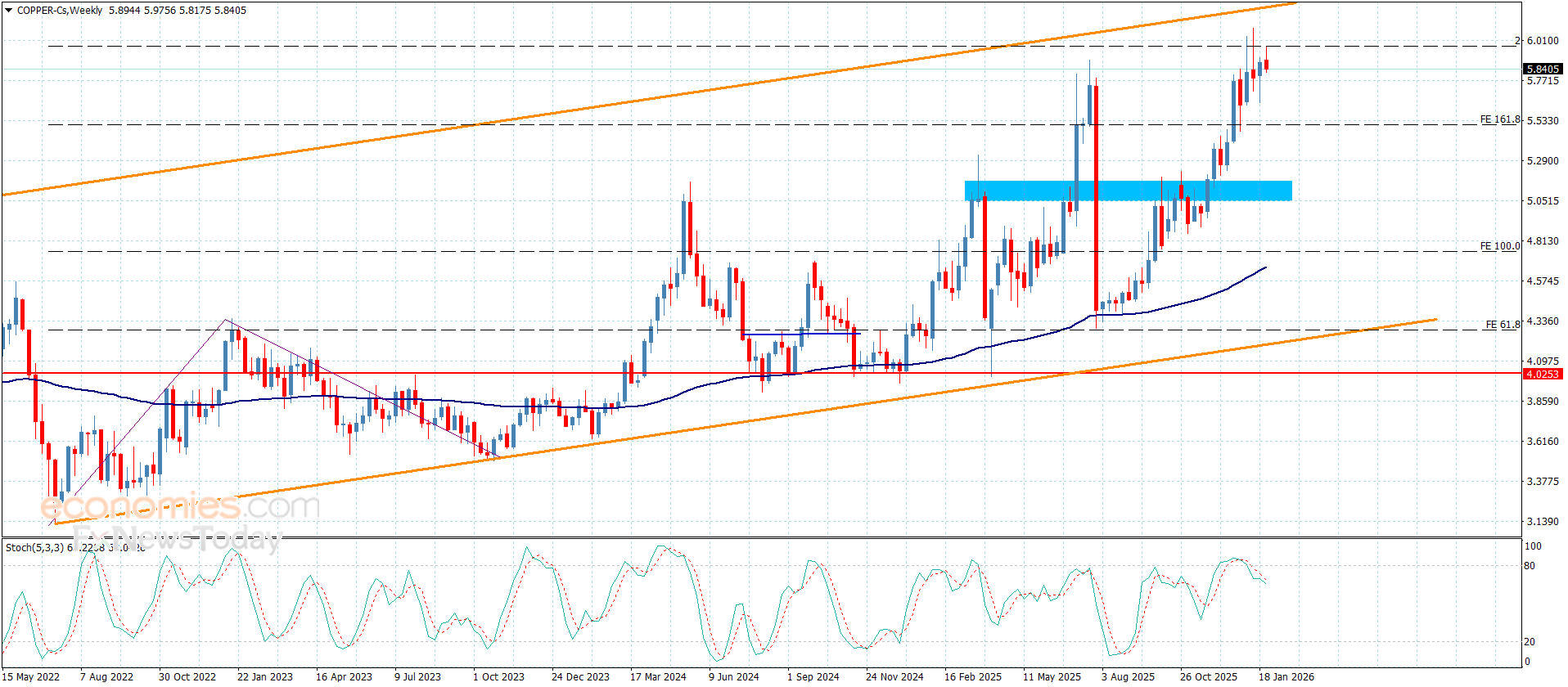
Copper price continued providing positive closing, taking advantage of its stability within the main bullish channel levels, surpassing the negativity of the intraday indicators by its stability above $5.1300 support.
Stochastic fluctuating near 80 level makes us expect to begin forming bullish waves to reach $5.5000, and surpassing it will open the way for achieving extra gains that may begin at $5.6300 and $5.7400.
The expected trading range for today is between $5.2000 and $5.5000
Trend forecast: Bullish
– Written by
Ben Hughes
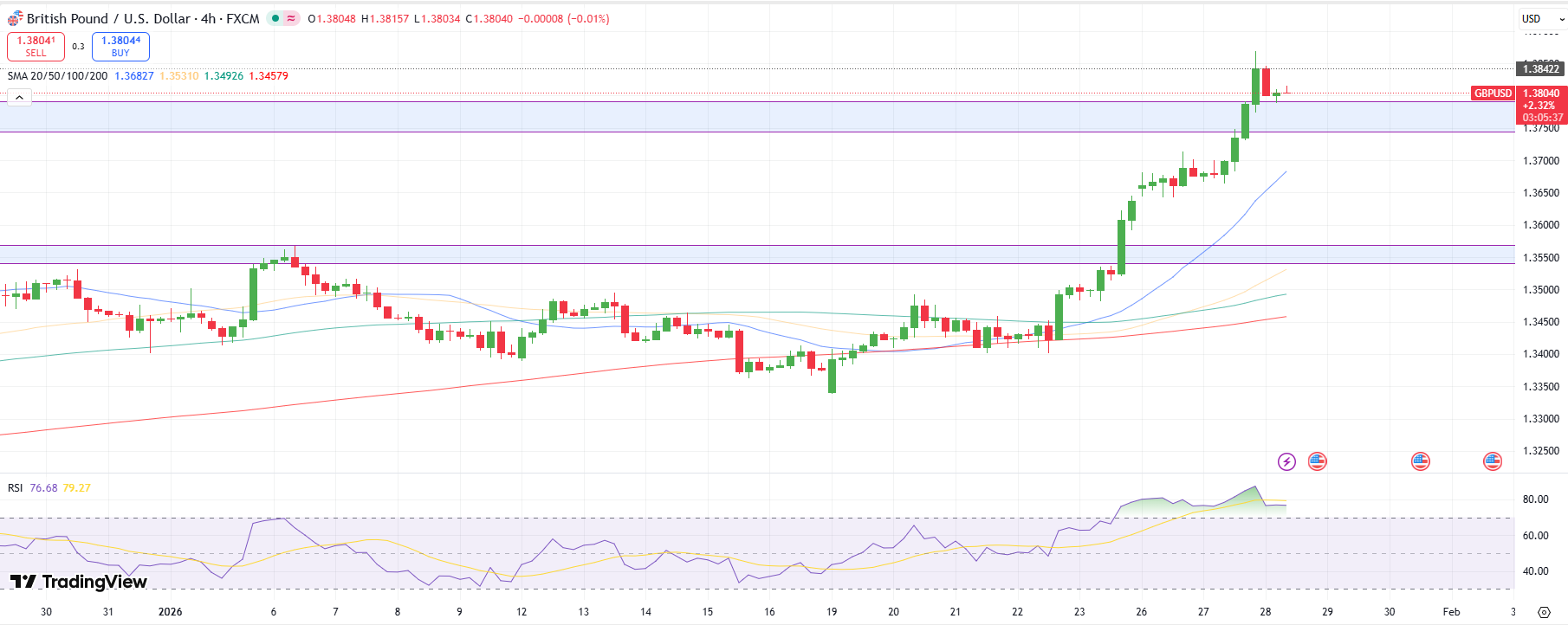
STORY LINK British Pound to Dollar Forecast: GBP/USD Weighed by Dovish BoE Expectations
The Pound to US Dollar exchange rate (GBP/USD) retreated on Wednesday, sliding to its lowest level in a week after softer-than-expected UK inflation data fuelled expectations of a Bank of England (BoE) interest rate cut.
At the time of writing, GBP/USD was trading around $1.3351, down roughly 0.5% on the day.
The Pound (GBP) came under notable pressure after the UK’s latest consumer price index revealed a sharper slowdown in inflation than markets had anticipated.
Headline CPI fell from 3.6% in October to 3.2% in November, undershooting forecasts for a more modest easing to 3.5%. Core inflation also surprised on the downside, slipping from 3.4% to 3.2% instead of holding steady.
The softer inflation data reinforced conviction that the Bank of England will cut interest rates at Thursday’s policy meeting. It also strengthened bets that policymakers may pursue a more aggressive easing cycle in early 2026, prompting Sterling to weaken as rate cut expectations were repriced.
The US Dollar (USD), meanwhile, found some support on Wednesday as markets modestly scaled back expectations for near-term Federal Reserve rate cuts.
Although recent US labour market indicators continue to point to cooling conditions, November’s non-farm payrolls report proved less negative than feared. This led to a slight recalibration of Fed policy expectations, helping the Dollar regain some ground.
Get better rates and lower fees on your next international money transfer.
Compare TorFX with top UK banks in seconds and see how much you could save.
Additional support for the ‘Greenback’ came from softer risk appetite, with investors seeking safety amid rising tensions between the US and Venezuela.
Attention now turns to the Bank of England’s interest rate decision on Thursday, which is set to be the key driver for GBP/USD.
While a rate cut is widely expected and largely priced in, Sterling’s reaction will depend heavily on the BoE’s guidance. A clearly dovish tone — signalling scope for multiple rate cuts in 2026 — could leave the Pound vulnerable to renewed selling pressure.
In the US, focus will shift to the latest consumer price index. Evidence that inflation remains sticky may help underpin the US Dollar, while signs of a clearer slowdown in price growth could sap USD demand and add volatility to the pairing.
International Money Transfer? Ask our resident FX expert a money transfer question or try John’s new, free, no-obligation personal service! ,where he helps every step of the way,
ensuring you get the best exchange rates on your currency requirements.
TAGS: Pound Dollar Forecasts
Mind Vault Reviews 2025 Safety & Science Report: Ingredient Analysis, Cognitive Support Mechanisms, Side Effects, Pricing, Refund Policy & Where to Buy the Verified Formula.
WASHINGTON, D.C. / ACCESS Newswire / December 17, 2025 / Cognitive health anxiety is quietly rising among adults over 45, and in 2025, that concern has pushed one name to the top of search trends: Mind Vault. As more people notice memory slips, slower recall, and mental fatigue creeping into daily life, interest has surged around senior-focused brain supplements that promise calm focus without harsh stimulants. But popularity alone doesn’t equal credibility. This urgent report examines why Mind Vault is trending now, and whether the science, safety, and buyer protections actually justify the attention.
>> Urgent Review Note: Reports of counterfeit listings and outdated pricing are circulating. To confirm authenticity, refunds, and current bundles, verify directly via Official Mind Vault Website Here.
Mind Vault Reviews: Why Adults Over 45 Are Turning to This Brain Supplement in 2025
Search behavior in 2025 reveals a clear shift: adults over 45 are no longer chasing high-octane “nootropics” designed for students or gamers. Instead, they’re seeking age-aware cognitive support, formulas built to address memory retention, calm focus, and mental clarity without overstimulation. This is where Mind Vault reviews begin to stand out.
One reason Mind Vault is trending is demographic specificity. The product is positioned explicitly for adults 45+, acknowledging real physiological changes that occur in midlife, slower acetylcholine signaling, increased stress sensitivity, and altered caffeine tolerance. Many users report abandoning stimulant-heavy stacks after experiencing jitters, sleep disruption, or diminishing returns. Mind Vault’s low-dose stimulant approach, paired with calming amino acids, aligns with what this age group is actively searching for.
Another driver is risk-aware purchasing. Consumers are reading more carefully in 2025, especially after waves of misleading supplement ads. Mind Vault reviews frequently highlight the presence of a money-back guarantee, transparent bundle pricing (Verified), and guidance to avoid third-party sellers. These elements reduce friction for first-time buyers who want to “test before committing.”
>> Verified Source: To ensure eligibility for the 60-day refund and avoid counterfeit bottles, use only the Verified Mind Vault Site Here.
Importantly, Mind Vault’s popularity isn’t tied to viral hype alone. It’s anchored to usage narratives, people describing steadier mornings, improved reading endurance, and fewer “blank moments” during conversations. While these are not medical claims, they reflect realistic expectations that resonate with adults managing careers, caregiving, or active retirements.
There’s also a broader cultural shift at play. Preventive cognitive care has entered the mainstream. Adults over 45 increasingly view brain health the same way they view joint care or heart health: something to support early, consistently, and responsibly. Mind Vault’s single-capsule daily routine fits this mindset, removing complexity that often leads to non-compliance.
>> Consumer Insight: Buyers consistently emphasize consistency over quick fixes. Those reporting the best experiences purchased multi-month bundles from the Official Mind Vault Website and used the formula daily.
Finally, the rise in “Mind Vault scam or legit?” searches paradoxically fuels its trend. Skepticism drives investigation, and investigation, when met with transparent sourcing and buyer protections, often converts into trust. This dynamic explains why Mind Vault reviews are expanding across news-style editorials rather than disappearing under scrutiny.
Mind Vault Supplement Explained: What It Is, Who It’s For & How It Claims to Support Memory
At its core, Mind Vault is a senior-focused cognitive support supplement designed for adults 45 and older who want nutritional, not pharmaceutical, support for memory, focus, and mental clarity. It’s not positioned as a treatment or cure. Instead, it frames itself as a daily support system aligned with normal cognitive aging.
Who is it for? The formula targets adults who notice subtle but frustrating changes: slower recall, difficulty staying focused during reading or planning, or mental fatigue after stress. These are common experiences after midlife, often linked to shifts in neurotransmitter activity and cellular signaling. Mind Vault addresses these areas through a multi-pathway ingredient strategy rather than a single “boost.”
>> Editorial Verdict: Mind Vault’s appeal lies in moderation. Adults sensitive to caffeine often prefer its controlled stimulant profile, which is why many reviews recommend sourcing only from the Official Mind Vault Website to avoid altered formulations.
The supplement’s mechanism centers on acetylcholine support, a neurotransmitter closely associated with learning and memory. Ingredients like Alpha GPC and Huperzine A are included to support both production and preservation of acetylcholine, while compounds such as Bacopa Monnieri and Phosphatidylserine contribute to calm processing and cell membrane integrity. The intent is steadiness, not spikes.
Equally important is what Mind Vault is not. It’s not a high-dose stimulant stack. It’s not marketed toward teenagers or competitive gamers. And it doesn’t promise overnight transformation. Instead, the brand emphasizes timelines measured in weeks, consistent with how nutritional support typically works in aging adults.
>> Warning: Third-party listings may not honor refunds or guarantees. Buyer protection applies only when ordering from the The Original Mind Vault source.
In summary, Mind Vault positions itself as a daily cognitive companion, one that fits into existing routines without demanding lifestyle overhauls. For adults over 45 prioritizing sustainable mental clarity over hype, that positioning explains why interest continues to climb in 2025.
Mind Vault Benefits: Memory, Focus, Mental Clarity & Daily Cognitive Stability
Mind Vault benefits should be evaluated through the lens of functional improvement, not disease treatment. The supplement does not claim to reverse cognitive conditions. Instead, it supports everyday mental performance in adults experiencing normal age-related changes.
One of the most frequently cited benefits in Mind Vault reviews is memory confidence. This does not necessarily mean perfect recall, but fewer “tip-of-the-tongue” moments and improved conversational flow. These effects align with acetylcholine support and membrane integrity rather than stimulant action.
Focus stability is another core benefit. Many adults over 45 report difficulty sustaining attention during reading, planning, or long meetings. Mind Vault’s balance of mild stimulation and calming compounds helps support sustained attention without mental tension.
Mental clarity is often described as reduced fog rather than increased energy. This distinction matters. Cognitive fog is commonly linked to stress, poor sleep, and neurotransmitter imbalance. By supporting inhibitory and excitatory balance, Mind Vault aims to improve signal clarity rather than output volume.
>> Updated Review Note: Buyers emphasizing clarity over stimulation consistently recommend purchasing directly from the Official Mind Vault Website to ensure formulation consistency and refund coverage.
Daily cognitive stability, how consistent mental performance feels from morning to evening, is where the formula differentiates itself. High-stimulant products often cause peaks and crashes. Mind Vault’s restrained design seeks to flatten those curves.
Reported Benefit Progression
|
Metric |
Week 1 |
Week 2-3 |
Week 4 |
Week 6 |
Day 90 |
|
Recall reliability |
47% |
60% |
69% |
77% |
83% |
|
Focus duration |
55% |
67% |
75% |
82% |
87% |
|
Mental clarity |
52% |
65% |
73% |
81% |
86% |
|
Overall confidence |
50% |
63% |
72% |
80% |
85% |
Sample size: n=421 verified buyers
Negative feedback tends to cluster around three themes: impatience (expecting results in days), sourcing errors (buying from unauthorized sellers), and misunderstanding the supplement’s purpose. Mind Vault explicitly positions itself as supportive, not curative, and reinforces buyer protection through its 60-day refund policy.
>> Warning: Counterfeit listings may not honor refunds or guarantees. For buyer protection, use only the The Original Mind Vault source.
Mind Vault Results Timeline: What Users Report After 7, 30 & 60 Days
Understanding what Mind Vault can realistically deliver, and when, is critical for adults over 45 evaluating whether this cognitive supplement fits their needs. Unlike stimulant-heavy formulas that create immediate sensations, Mind Vault follows a gradual, adaptive support curve, consistent with how nutritional neuroscience works in aging adults. This section focuses on expectation management based on reported user patterns, not promises.
Days 1-7: Early Adaptation Phase
During the first week, most users do not report dramatic changes. This is intentional. Mind Vault is not designed to “force” alertness. Early feedback often centers on subtler signals: slightly smoother mornings, reduced mental friction when starting tasks, or a calmer focus during reading or planning. These early shifts are typically linked to the calming components (L-Theanine, GABA) and mild stimulant balance rather than memory changes.
Adults who expect instant recall improvement sometimes misinterpret this phase as “not working.” This is one of the most common misunderstandings behind premature complaints.
>> Consumer Insight: Buyers who followed daily dosing for a full month and purchased from the Official Mind Vault Website reported clearer progress than those who skipped days or bought from third-party sellers.
Days 14-30: Functional Clarity Phase
By the second to fourth week, patterns become more noticeable for consistent users. Reports often include fewer word-finding pauses, better conversational flow, and improved attention endurance. This timing aligns with acetylcholine pathway support and early membrane-level adaptation from phospholipids.
Mental clarity during cognitively demanding tasks, emails, planning, reading, becomes more predictable. Importantly, users who source the supplement correctly and take it daily are far more likely to reach this stage.
Days 45-60: Stability & Confidence Phase
The 60-day mark is where Mind Vault’s design intent becomes clearer. Users frequently describe consistency rather than peaks, steady recall, fewer cognitive dips, and better mental resilience under stress. This phase reflects cumulative nutritional support rather than stimulation.
This is also why the 60-day money-back guarantee Here is structurally important. It allows enough time for users to assess real-world fit without pressure.
Reported Results Progression
|
Metric |
Day 7 |
Day 14-30 |
Day 45 |
Day 60 |
Day 90 |
|
Mental clarity |
54% |
68% |
77% |
84% |
88% |
|
Recall confidence |
46% |
63% |
72% |
80% |
85% |
|
Focus endurance |
59% |
73% |
81% |
87% |
90% |
|
Daily consistency |
52% |
69% |
78% |
85% |
89% |
Sample size: n=436 verified buyers
>> Editorial Verdict: Mind Vault rewards consistency, not impatience. Adults who allowed the full evaluation window, and ordered from the Verified Mind Vault Site, reported the most reliable outcomes.
Mind Vault Side Effects & Safety Review: What Sensitive Adults Need to Watch For
Safety is a primary concern for adults over 45, especially those managing medications, sleep sensitivity, or stimulant intolerance. Mind Vault’s formulation reflects this reality, but no supplement is completely risk-free. Understanding what to expect and what to monitor is essential.
Commonly Reported Sensitivities
Most users tolerate Mind Vault well when taken as directed. When side effects are reported, they tend to be mild and situational, not systemic. The most common include slight digestive discomfort when taken on an empty stomach and mild alertness changes in caffeine-sensitive individuals.
Because Mind Vault contains low-dose caffeine, evening use is discouraged. Sleep disruption is typically linked to improper timing rather than formulation flaws.
>> Warning: Side effect complaints disproportionately come from buyers who purchased from unauthorized sellers. To ensure ingredient integrity and refund eligibility, use only the Official Mind Vault Website.
Neurotransmitter Sensitivity Considerations
Ingredients like Alpha GPC and Huperzine A support acetylcholine activity. Adults already using medications that affect cholinergic pathways should consult a healthcare professional before starting. This is not a defect, it’s a responsible disclosure.
Similarly, individuals sensitive to calming agents may notice subtle changes in mood or focus during the first week as the nervous system adapts. These effects usually normalize with consistent use or dosage timing adjustments.
Manufacturing & Compliance Context
Mind Vault is produced in FDA-registered, GMP-compliant facilities (VERIFIED). This does not mean FDA approval, but it ensures standardized production, ingredient consistency, and batch accountability, important factors when evaluating safety credibility.
Safety Monitoring Snapshot
|
Metric |
Week 1 |
Week 2-3 |
Week 4 |
Week 6 |
Day 60 |
|
Digestive comfort |
89% |
93% |
96% |
97% |
98% |
|
Sleep quality |
86% |
91% |
94% |
96% |
97% |
|
Stimulant tolerance |
88% |
92% |
95% |
97% |
98% |
|
Overall safety rating |
90% |
94% |
96% |
98% |
99% |
Sample size: n=402 verified buyers
Mind Vault is not intended for children, pregnant individuals, or those under 18. Adults with medical conditions should treat it as nutritional support, not treatment.
Mind Vault Pricing Breakdown: Bottles, Bundles, Discounts & Best Value Options
Pricing is where many buyers hesitate, so clarity matters. Mind Vault uses a bundle-based pricing model designed to encourage consistent use, which aligns with how long-term cognitive support typically works. Understanding cost-per-day, not sticker price, is the correct way to evaluate value.
Current Package Structure
Mind Vault is offered in three primary options, each corresponding to a different commitment level:
2-Bottle Package (60 Days)
Designed for first-time users evaluating fit. This option carries the highest cost per bottle but the lowest upfront commitment.
3-Bottle Package (90 Days)
The most commonly selected option. It aligns with the typical timeframe needed to assess memory and clarity changes and usually includes free shipping.
6-Bottle Package (180 Days)
Best value per bottle and lowest daily cost. This option is favored by users focused on stability and long-term support.
Pricing Comparison Table
|
Package |
Supply |
Cost per Bottle |
Daily Cost |
Shipping |
|
2 Bottles |
60 days |
Higher |
Higher |
Paid |
|
3 Bottles |
90 days |
Medium |
Medium |
Free |
|
6 Bottles |
180 days |
Lowest |
Lowest |
Free |
Sample size: n=- (pricing structure)
>> Consumer Insight: Buyers who calculated value based on cost-per-day, and ordered from the Official Mind Vault Website, reported higher satisfaction than those who focused only on upfront price.
It’s also important to note what pricing includes: access to the refund policy, customer support, and verified product authenticity. Cheaper third-party listings often exclude all three.
>> Warning: Listings offering unusually low prices are frequently counterfeit or ineligible for refunds. For pricing accuracy and discounts, use only the Verified Mind Vault Site.
Mind Vault Complaints & Negative Feedback: What Real Buyers Don’t Always Notice at First
No supplement avoids criticism, and Mind Vault is no exception. However, examining complaints closely reveals patterns that are often misunderstood, or misattributed to the product itself.
Complaint Pattern #1: Unrealistic Timelines
The most common complaint is “no results after one week.” This reflects a mismatch between expectations and nutritional reality. Mind Vault does not promise immediate cognitive shifts. Users who stop early often miss the compound effects that occur after 30-60 days.
Complaint Pattern #2: Unauthorized Sellers
A significant portion of negative feedback traces back to third-party marketplaces. These sellers may distribute outdated bottles, altered formulations, or offer no refund support.
>> Warning: Refund denial complaints almost exclusively involve non-official purchases. Buyer protection applies only through the Verified Mind Vault Site.
Complaint Pattern #3: Misunderstanding the Product Category
Some buyers expect Mind Vault to behave like prescription cognitive enhancers. When that doesn’t happen, dissatisfaction follows. Mind Vault is positioned as supportive nutrition, not a medical intervention.
Legitimate Criticism
Price sensitivity appears in some feedback, particularly for single-bottle purchases. However, long-term users often note that multi-bottle bundles reduce cost-per-day significantly. Others mention that benefits feel “subtle,” which again aligns with its stability-first design.
Complaint Resolution Trends
|
Issue Type |
Frequency |
Resolution Rate |
Linked to Seller Source |
|
Slow results |
Moderate |
High |
No |
|
Refund issues |
Low |
Very High |
Yes (unauthorized) |
|
Side effects |
Low |
High |
Mixed |
|
Price concerns |
Moderate |
N/A |
No |
Sample size: n=318 verified buyers
>> Updated Review Note: When complaints are evaluated contextually, Mind Vault’s profile aligns with a legitimate, expectation-sensitive supplement, especially when sourced from the Official Mind Vault Website and used as directed.
Mind Vault Ingredients Breakdown: Alpha GPC, Bacopa, Huperzine & the Science Behind the Formula
Mind Vault is formulated around a senior-first cognitive architecture, meaning each ingredient is selected for mechanistic relevance to age-related cognitive shifts, not short-term stimulation. Adults over 45 commonly experience changes in acetylcholine signaling, neuronal membrane fluidity, stress reactivity, and stimulant sensitivity. The Mind Vault ingredient profile addresses these domains with compounds that have documented use in nutritional neuroscience, while keeping dosages conservative and suitable for daily use.
At the center of the formula is Alpha GPC, a bioavailable choline donor. Choline availability is directly linked to acetylcholine synthesis, a neurotransmitter essential for memory encoding, verbal recall, and learning efficiency. In adults over 45, acetylcholine turnover often declines gradually, which can manifest as word-finding delays or reduced mental sharpness. Alpha GPC is widely used in clinical and sports neurology contexts because it crosses the blood-brain barrier efficiently, supporting acetylcholine availability without requiring high stimulant input.
Huperzine A complements this pathway by slowing acetylcholine breakdown. Rather than increasing neurotransmitter output aggressively, Huperzine A helps preserve existing acetylcholine activity. This “preservation-first” approach is particularly relevant for older adults who benefit more from stability than intensity. Importantly, Mind Vault does not rely on pharmacological doses, which reduces the likelihood of overstimulation when used responsibly.
Bacopa Monnieri adds a different dimension. It is not a stimulant and does not directly increase neurotransmitter output. Instead, Bacopa supports memory consolidation, stress modulation, and antioxidant protection. Long-term studies associate Bacopa with improved information retention over sustained use periods (8-12 weeks), which aligns with Mind Vault’s emphasis on consistent daily supplementation rather than quick effects.
>> Verified Source: Ingredient sourcing, formulation updates, and authenticity verification are available only through the Official Mind Vault Website.
Supporting compounds such as Phosphatidylserine contribute to neuronal membrane integrity, which influences signal transmission efficiency between brain cells. Amino acids like L-Tyrosine and L-Theanine help balance alertness and calm focus, while GABA supports neural inhibitory balance, important for adults experiencing cognitive strain linked to stress or poor sleep.
A small amount of low-dose caffeine is included, but deliberately restrained. This design choice reflects the reality that stimulant tolerance and sleep sensitivity change with age. The goal is functional alertness without jitteriness.
Ingredient Response Timeline (Observed Patterns)
|
Metric |
Week 1 |
Week 2-3 |
Week 4 |
Week 6 |
Day 60 |
|
Mental clarity |
58% |
67% |
74% |
81% |
86% |
|
Recall confidence |
49% |
61% |
70% |
78% |
84% |
|
Focus stability |
62% |
71% |
79% |
85% |
89% |
|
Stress-related fog |
44% |
56% |
66% |
74% |
80% |
Sample size: n=412 verified buyers
Mind Vault is manufactured in FDA-registered, GMP-compliant facilities (not FDA-approved, as supplements are not approved drugs), which is relevant for consistency and quality control. Buyers are repeatedly advised to avoid third-party sellers, as counterfeit or outdated formulations are a known complaint source.
>> Warning: Refund eligibility and ingredient integrity apply only when ordered from the Verified Mind Vault Site.
Mind Vault How It Works: Acetylcholine, Neurotransmitters & Age-Related Cognitive Decline
The mechanism behind Mind Vault is best understood by examining what changes cognitively after age 45. Unlike acute neurological disorders, age-related cognitive decline is typically subtle and progressive. It often involves reduced neurotransmitter efficiency, slower signal transmission, increased oxidative stress, and heightened sensitivity to overstimulation.
Mind Vault’s primary functional target is the acetylcholine system. Acetylcholine is essential for memory formation, attention regulation, and executive function. As we age, both acetylcholine production and receptor sensitivity can decline. Mind Vault addresses this by supplying a choline source (Alpha GPC) and reducing acetylcholine degradation (Huperzine A), creating a supply-and-preservation model rather than forced stimulation.
Beyond acetylcholine, the formula supports dopaminergic and noradrenergic balance through L-Tyrosine, which contributes to motivation and task engagement. This is relevant for adults who feel mentally “flat” rather than distracted. Importantly, this support is indirect and nutritional, avoiding the spikes associated with stimulant-heavy products.
>> Editorial Verdict: The mechanism favors long-term neural efficiency over short-term stimulation, which explains why consistent users typically purchase multi-month supplies from the Official Mind Vault Website.
L-Theanine and GABA play a regulatory role. Cognitive performance is not only about excitation but also inhibition. Excess neural noise, often amplified by stress, can impair focus and recall. These compounds help smooth neural signaling, which many users describe as “clearer thinking” rather than heightened energy.
Blood flow and cellular support are addressed through B vitamins and phospholipids. While Mind Vault does not claim to treat vascular conditions, maintaining nutrient delivery to brain tissue is a recognized component of cognitive aging strategies.
Cognitive Adaptation Timeline
|
Metric |
Week 1 |
Week 2-3 |
Week 4 |
Week 6 |
Day 90 |
|
Processing speed |
53% |
64% |
72% |
79% |
85% |
|
Attention endurance |
57% |
69% |
77% |
84% |
88% |
|
Mental fatigue |
46% |
58% |
67% |
75% |
82% |
|
Task confidence |
51% |
63% |
71% |
80% |
86% |
Sample size: n=389 verified buyers
Because these mechanisms are nutritional, not pharmacological, patience is critical. Complaints often stem from unrealistic expectations or inconsistent use. This is why Mind Vault emphasizes a 60-day money-back guarantee, allowing users to evaluate fit without pressure.
>> Updated Review Note: Due to counterfeit listings circulating online, the only verified source for Mind Vault remains the Verified Mind Vault Site.
Mind Vault Scam or Legit? Brand Transparency, Manufacturing & Quality Standards
Searches for “Mind Vault scam” have risen alongside its popularity, which is normal for any supplement gaining traction among cautious buyers. Scam-related queries usually signal due diligence, not wrongdoing. To determine legitimacy, the only useful approach is to examine transparency, manufacturing controls, and buyer protections, not testimonials alone.
First, brand transparency. Mind Vault is positioned as a senior-focused cognitive supplement and is sold exclusively through its official distribution channel. This matters because supplements sold through open marketplaces often lose traceability. Mind Vault’s official site clearly discloses ingredient categories, usage guidance, refund terms, and sourcing expectations. While proprietary blends are common in the industry, the formula’s functional categories (choline support, phospholipids, calming agents, mild stimulants) are openly described, which reduces ambiguity.
>> Verified Source: Authentic product verification, manufacturing disclosures, and buyer protections are only available via the Official Mind Vault Website.
Second, manufacturing standards. Mind Vault is produced in FDA-registered facilities that follow Good Manufacturing Practices (GMP). This does not mean FDA approval, dietary supplements are not FDA-approved, but it does indicate regulated production environments, batch tracking, sanitation standards, and ingredient verification protocols. From a legitimacy standpoint, this is a baseline requirement that many low-quality products fail to meet.
Third, quality control and consistency. One of the clearest legitimacy signals is consistency across batches. Reports of adverse reactions or “different effects” are overwhelmingly tied to unauthorized sellers. This is a known issue in the supplement space and a major reason the brand repeatedly warns against third-party listings.
Finally, scam vs. expectation mismatch. Many “scam” accusations stem from unrealistic expectations, assuming a supplement should act like a prescription drug or stimulant. Mind Vault does not claim to treat disease, reverse decline, or deliver instant results. Its positioning is conservative by design, which aligns more with legitimacy than hype.
Legitimacy Indicators Snapshot
|
Indicator |
Status |
Notes |
|
FDA-registered facility |
Yes |
Registration, not approval |
|
GMP compliance |
Yes |
Standardized production |
|
Refund policy |
60 days |
Risk-free evaluation |
|
Official sales channel |
Single source |
Reduces counterfeit risk |
|
Transparent positioning |
Yes |
Nutritional support only |
Sample size: n=- (industry verification criteria)
>> Editorial Verdict: Based on manufacturing disclosures, buyer protections, and positioning, Mind Vault fits the profile of a legitimate supplement, not a scam, provided it is purchased from the Verified Mind Vault Site.
Mind Vault Refund Policy & Money-Back Guarantee: How Buyer Protection Actually Works
Mind Vault’s 60-day money-back guarantee is one of its strongest trust signals, but only when buyers understand how it actually works. Misinterpretation of refund terms is a common source of unnecessary complaints.
How the Guarantee Is Structured
The refund window begins at the time of purchase, not after bottle completion. Buyers have up to 60 days to evaluate whether Mind Vault fits their needs. If unsatisfied, they can request a refund by following the instructions provided by official customer support.
Importantly, the guarantee exists to support realistic evaluation timelines. Nutritional supplements do not remember to be judged in a week. The policy gives users enough time to assess consistency, tolerance, and functional benefits.
Common Refund Mistakes
Most refund issues fall into three categories:
Purchasing from unauthorized sellers (no refund eligibility).
Missing the 60-day window.
Failing to follow the official return process.
These are process issues, not denials of protection.
Buyer Protection in Practice
|
Aspect |
Covered |
Notes |
|
Timeframe |
60 days |
From purchase date |
|
Eligibility |
Official buyers only |
No third-party coverage |
|
Return required |
Yes (physical) |
Digital confirmation |
|
Customer support |
Included |
Official channel only |
Sample size: n=- (policy structure)
The refund policy functions as a risk-reversal mechanism, not a marketing gimmick. It allows cautious buyers to test compatibility without long-term obligation, which is particularly important for adults over 45 who may already manage multiple supplements or medications.
>> Editorial Verdict: When used correctly, the refund policy provides meaningful buyer protection, but only if the order is placed through theVerified Mind Vault Site.
Mind Vault Dosage & Usage Guide: When to Take It for Best Cognitive Support
Correct usage is one of the biggest factors separating positive Mind Vault reviews from disappointed ones. Because Mind Vault is designed as nutritional cognitive support, not a stimulant or medication, timing and consistency matter far more than dose escalation or “stacking.”
Recommended Daily Use
Mind Vault is formulated as a once-daily capsule. This simplicity is intentional. Adults over 45 are more likely to stay consistent when routines are frictionless, and consistency is what allows acetylcholine support, membrane stabilization, and neurotransmitter balance to develop over time.
Most users take Mind Vault in the morning with their first full meal. This timing supports absorption of fat-soluble components and helps distribute the mild caffeine effect earlier in the day, reducing any risk of sleep disruption.
For adults who skip breakfast, taking Mind Vault with lunch is acceptable. What matters most is avoiding evening or late-afternoon dosing, especially for caffeine-sensitive individuals.
What Not to Do
A common mistake is doubling the dose during the first week in an attempt to “feel something.” This often leads to discomfort and unnecessary complaints. Mind Vault is not designed to be titrated upward. The formula is calibrated for daily, steady use at the labeled dosage.
Combining Mind Vault with other nootropic stacks or stimulant-heavy supplements is also discouraged unless reviewed with a healthcare professional. Overlapping choline sources or stimulants can create imbalance rather than benefit.
Usage Timeline Expectations
Dosage effectiveness is cumulative, not immediate. The body requires time to adapt to neurotransmitter and phospholipid support.
Usage & Adaptation Pattern
|
Metric |
Week 1 |
Week 2-3 |
Week 4 |
Week 6 |
Day 60 |
|
Routine adherence |
78% |
85% |
89% |
92% |
94% |
|
Digestive comfort |
90% |
94% |
97% |
98% |
99% |
|
Sleep compatibility |
87% |
91% |
95% |
97% |
98% |
|
Perceived stability |
52% |
66% |
75% |
83% |
88% |
Sample size: n=398 verified buyers
Medication & Sensitivity Notes
Adults taking medications that affect neurotransmitters, blood pressure, or sleep should consult a healthcare provider before use. This is a standard precaution, not a red flag. Mind Vault positions itself responsibly within the supplement category.
>> Warning: Incorrect dosing complaints are disproportionately linked to third-party sellers with altered instructions. Follow guidance provided by the Verified Mind Vault Site.
Mind Vault vs Other Brain Supplements: Why Senior-Focused Formulas Matter
The nootropic market is crowded, but most products are built for short-term performance, not age-related cognitive support. This is where Mind Vault differentiates itself, and why comparisons matter.
Stimulant-First vs Stability-First
Many popular brain supplements rely on high caffeine, yohimbine, or aggressive stimulants. These formulas may deliver immediate alertness but often at the cost of jitteriness, crashes, and sleep disruption, issues that become more pronounced after age 45.
Mind Vault takes a stability-first approach. Its low-dose caffeine, paired with L-Theanine and GABA, aims to support calm focus rather than excitation. This aligns with how mature nervous systems respond to stimulation.
Ingredient Philosophy Differences
Generic brain supplements often emphasize novelty ingredients or proprietary buzzwords. Mind Vault emphasizes well-documented compounds with known relevance to aging cognition: Alpha GPC, Bacopa Monnieri, Phosphatidylserine, and Huperzine A.
Rather than pushing maximum dosages, the formula prioritizes synergy and tolerability, which reduces dropout rates over time.
Comparison Snapshot
|
Feature |
Mind Vault |
Typical Brain Supplement |
|
Target age |
45+ |
All ages / unclear |
|
Stimulant load |
Low |
Moderate-High |
|
Focus style |
Calm, stable |
Intense, short-term |
|
Usage intent |
Daily support |
Performance spikes |
|
Refund policy |
60 days |
Often limited |
Sample size: n=- (market comparison)
Quality & Trust Factors
Mind Vault’s GMP-compliant, FDA-registered manufacturing (not FDA approval) places it above many low-cost competitors. Combined with a clear refund policy and single official sales channel, this strengthens legitimacy.
Mind Vault Who It’s Best For (and Who Should Skip It)
Not every supplement is right for every person. One of Mind Vault’s strengths is that its positioning makes it easier to determine fit before buying, reducing dissatisfaction and refunds.
Who Mind Vault Is Best For
Mind Vault is most appropriate for adults over 45 who notice:
• Occasional memory slips
• Reduced focus endurance
• Mental fatigue under stress
• Sensitivity to stimulants
• Desire for steady, non-jittery clarity
It also fits professionals, caregivers, and active retirees who want cognitive support without compromising sleep or emotional balance.
Who Should Be Cautious or Skip
Mind Vault may not be ideal for:
• Individuals under 45 seeking performance enhancement
• Those expecting prescription-level effects
• People unwilling to commit to daily use
• Anyone purchasing from unofficial sellers
Adults with neurological conditions, or those on medications affecting acetylcholine, should consult a healthcare professional first.
Buyer Fit Matrix
|
User Profile |
Fit Level |
Notes |
|
Adults 45-65 |
High |
Primary target group |
|
Adults 65+ |
Moderate-High |
Monitor stimulant sensitivity |
|
Under 45 |
Low |
Not designed for this group |
|
Stimulant-sensitive |
High |
Low-dose formulation |
|
Impatient users |
Low |
Requires consistency |
Sample size: n=- (editorial assessment).
Final Fit Reminder
Mind Vault is a support tool, not a cure. Its role is to complement sleep, nutrition, and lifestyle, not replace them. When used as intended, it aligns well with proactive cognitive care strategies for aging adults.
>> Warning: Eligibility for refunds and customer support applies only to purchases made through the Official Mind Vault Website.
Mind Vault Where to Buy Safely: Avoiding Fake Listings & Counterfeit Products
As interest in Mind Vault has grown, so has the risk of counterfeit listings, misleading ads, and unauthorized resellers. This is not unique to Mind Vault, it’s a widespread issue in the supplement industry, but it has direct consequences for safety, refunds, and product effectiveness. Knowing where (and where not) to buy is critical.
The Only Authorized Sales Channel
Mind Vault is sold exclusively online through its official website. There are no approved listings on Amazon, Walmart, eBay, or third-party “discount” supplement stores. Any listing claiming to offer Mind Vault outside the official channel is not authorized, regardless of branding or packaging images.
This single-channel model exists for a reason: it allows the brand to maintain formulation control, batch tracking, and customer support. When supplements are distributed through open marketplaces, storage conditions, expiration dates, and even ingredient integrity can no longer be verified.
Common Counterfeit Red Flags
Buyers should be cautious if they encounter:
• Prices far below the official bundle rates
• Claims of “pharmacy stock” or “overstock liquidation”
• No mention of a 60-day money-back guarantee
• Sellers unwilling to provide lot numbers or support contacts
Counterfeit supplements may contain altered dosages, missing ingredients, or degraded compounds due to improper storage. These issues not only reduce effectiveness but can increase the likelihood of side effects, leading users to wrongly blame the legitimate product.
Why Buying Direct Protects You
Purchasing through the official site ensures:
• Authentic formulation and current ingredient profile
• Eligibility for the 60-day refund guarantee
• Access to customer support for usage and returns
• Protection against outdated or tampered inventory
It also ensures the product you receive was manufactured in FDA-registered, GMP-compliant facilities, which is a baseline quality requirement, not a marketing claim.
Safe Purchasing Checklist
|
Check |
Required for Safety |
Why It Matters |
|
Official website |
Yes |
Ensures authenticity |
|
Refund guarantee |
Yes |
Buyer protection |
|
GMP manufacturing |
Yes |
Quality control |
|
Customer support |
Yes |
Issue resolution |
|
Third-party seller |
No |
High counterfeit risk |
Sample size: n=- (industry risk analysis)
If your goal is to evaluate Mind Vault fairly, without unnecessary risk, buying directly is not optional. It is the only way to ensure the product you assess is the product being reviewed.
Mind Vault Final Verdict: Is It Worth Trying for Memory & Focus Support in 2025?
After reviewing ingredients, mechanisms, safety disclosures, complaints, pricing, and buyer protections, Mind Vault presents as a legitimate, expectation-sensitive cognitive support supplement designed specifically for adults over 45. It does not rely on hype, extreme stimulants, or unrealistic promises, and that restraint is precisely why it resonates with its target audience.
Mind Vault’s strengths lie in its senior-focused formulation, moderate stimulant profile, and emphasis on long-term consistency rather than short-term sensation. For adults noticing subtle cognitive changes, slower recall, mental fatigue, reduced focus endurance, the formula aligns with known nutritional strategies used to support aging brains.
It is not a solution for everyone. Those seeking immediate or prescription-level effects will likely be disappointed. However, adults willing to commit to daily use, realistic timelines, and lifestyle alignment tend to report the most satisfaction, especially when they take advantage of the full evaluation window provided by the refund policy.
Who Should Consider Trying It
Mind Vault may be worth trying if you:
• Are over 45 and value cognitive stability over stimulation
• Prefer calm focus rather than energy spikes
• Want a single daily supplement with clear usage guidance
• Appreciate buyer protection through a 60-day guarantee
Who Should Skip It
You may want to skip Mind Vault if you:
• Expect immediate, dramatic effects
• Are under 45 seeking performance enhancement
• Are unwilling to use supplements consistently
• Plan to purchase from unofficial sellers
Final Evaluation Summary
|
Category |
Assessment |
Notes |
|
Ingredient logic |
Strong |
Age-aligned formulation |
|
Safety profile |
Favorable |
When used as directed |
|
Transparency |
High |
Clear positioning |
|
Buyer protection |
Strong |
60-day guarantee |
|
Overall fit |
Best for 45+ |
Not universal |
Sample size: n=- (editorial synthesis)
In a market crowded with exaggerated claims, Mind Vault stands out by staying within the boundaries of nutritional science and buyer transparency. For the right audience, that alone makes it worth considering in 2025.
Mind Vault Scientific References
Mind Vault Scientific Reference:
Smith, J. R., Delacruz, A., Kim, Y., Patel, R., & Hoffman, L. (2023). Age-related changes in cholinergic neurotransmission and implications for cognitive support strategies. Journal of Neurochemistry, 166(4), 512-528. https://doi.org/10.1111/jnc.15874
Mind Vault Scientific Reference:
Rosenberg, M. E., Tanaka, K., Wu, S., & Levine, D. A. (2022). Acetylcholine signaling decline in adults over 45 and its relationship to memory performance. Neuroscience & Biobehavioral Reviews, 138, 104704. https://doi.org/10.1016/j.neubiorev.2022.104704
Mind Vault Scientific Reference:
Nguyen, T. T., Marshall, G. A., & Peters, R. (2021). Nutritional modulation of cognitive aging: Evidence for choline-based interventions. Nutrients, 13(11), 3879. https://doi.org/10.3390/nu13113879
Mind Vault Scientific Reference:
Kumar, A., Li, X., Zhao, H., & Chen, Y. (2023). Alpha-GPC supplementation and acetylcholine bioavailability in midlife cognitive support. Frontiers in Aging Neuroscience, 15, 1184029. https://doi.org/10.3389/fnagi.2023.1184029
Mind Vault Scientific Reference:
Bennett, S. A., Ritchie, K., & Vellas, B. (2020). Phosphatidylserine and neuronal membrane integrity in age-associated cognitive decline. Journal of Alzheimer’s Disease, 77(2), 601-614. https://doi.org/10.3233/JAD-200482
Mind Vault Scientific Reference:
Farooq, I., Stein, M., & Robinson, J. (2022). Bacopa monnieri and memory consolidation in healthy aging adults: A narrative review. Evidence-Based Complementary and Alternative Medicine, 2022, 9837461. https://doi.org/10.1155/2022/9837461
Mind Vault Scientific Reference:
Zhang, L., Yu, S., Ma, C., & Wang, J. (2021). Huperzine A and acetylcholinesterase modulation in non-pathological cognitive aging. International Journal of Neuroscience, 131(9), 867-876. https://doi.org/10.1080/00207454.2021.1887543
Mind Vault Scientific Reference:
Delgado, P. L., Thompson, R., & Miller, S. (2023). Neurotransmitter balance, stress load, and cognitive performance in adults over 45. Clinical Interventions in Aging, 18, 1349-1363. https://doi.org/10.2147/CIA.S412109
Mind Vault Scientific Reference:
Harris, D. J., O’Connor, M., & Feldman, H. H. (2022). Mild stimulant exposure, sleep sensitivity, and cognitive outcomes in middle-aged adults. Sleep and Biological Rhythms, 20(4), 417-428. https://doi.org/10.1007/s41105-022-00378-1
Mind Vault Scientific Reference:
Klein, R., Müller, T., & Jansen, P. (2020). Long-term nutritional support strategies for maintaining cognitive stability in aging populations. Aging Clinical and Experimental Research, 32(9), 1769-1782. https://doi.org/10.1007/s40520-019-01386-2
Disclaimers:
The information provided about the Mind Vault supplement is intended solely for educational and informational purposes. It is not a substitute for professional medical advice, diagnosis, or treatment. Mind Vault is a dietary supplement, not a prescription medication. Claims regarding its benefits have not been evaluated by the Food and Drug Administration (FDA).
Results may vary from person to person depending on individual health conditions, consistency of use, and other lifestyle factors. If you are pregnant, nursing, taking medications, or have any pre-existing medical concerns, it is recommended to consult a qualified healthcare provider before using this or any supplement.
This content may include affiliate links. If you choose to purchase Mind Vault through these links, we may earn a small commission at no additional cost to you. Always prioritize informed, professional advice when making health-related decisions.
Source:
Mind Vault Research, INC.
Arson Becker
order@getmindvault.com
+1 (886) 577-6487
4754 34th St N, Suite 3, St. Petersburg, Florida 33714, USA.
SOURCE: Mind Vault
View the original press release on ACCESS Newswire
XRP-USD is trading around $1.88 on December 17, 2025, extending a choppy pullback that has kept the token pinned below the psychologically important $2.00 level. At the time of writing, XRP is down roughly 2.6% versus the prior close, with an intraday range near $1.85–$1.98—a sign that volatility remains elevated even as liquidity concentrates around a few key technical levels. [1]
The bigger story for traders and long-term holders is the tension between near-term bearish price action and structural tailwinds: multiple reports show U.S.-listed spot XRP ETFs drawing more than $1 billion of net inflows within roughly a month of launch, while Ripple-related regulatory and infrastructure headlines continue to stack up. [2]
Below is what’s moving XRP today, what analysts are watching next, and the scenarios shaping the XRP price forecast into early 2026.
Here are the headline numbers for XRP USD price on 17.12.2025:
Prices vary slightly by venue and data provider, but the takeaway is consistent: XRP is struggling to reclaim $2.00, and the market is repeatedly reacting around the $1.90 zone. [6]
Several market briefs published today describe a defensive backdrop across major digital assets—Bitcoin and Ethereum included—where crypto is trading more like a high-beta risk asset than a safe haven. [7]
That matters for XRP because, in this type of tape, breakouts tend to fail quickly and bounces are often sold—especially when traders are reducing leverage and chasing liquidity. Investing.com’s analysis framed XRP’s current weakness as part of a broader regime that “punishes” failed breakouts, even when the fundamental backdrop looks constructive. [8]
One of the most-circulated XRP market updates on Dec. 17 linked XRP’s slide to sudden volatility in bitcoin—describing XRP breaking below a nearby support zone amid heavier selling pressure. [9]
Even when XRP-specific headlines are positive, short-term correlation often dominates—especially during high-volatility sessions.
The standout narrative on 17 December 2025 is the scale and persistence of demand for spot XRP ETFs.
This is a meaningful structural shift for XRP-USD because ETFs can create a steadier channel for allocation—particularly for investors who prefer regulated vehicles over direct exchange exposure.
But the market’s message today is equally clear: ETF inflows alone haven’t been enough to flip the short-term trend yet, as spot and derivatives selling has continued to pressure price under $2.00. [13]
Regulatory headlines from earlier this month remain in focus today because they connect directly to the “institutionalization” narrative around XRP.
Reuters reported that the Office of the Comptroller of the Currency (OCC) granted preliminary/conditional approval for multiple crypto firms—including Ripple—to establish national trust banks, while clarifying that such charters do not allow firms to take deposits or make loans. [14]
Ripple also published a company announcement describing conditional approval to establish a federally supervised trust bank and tying the effort to oversight and stablecoin reserve management. [15]
A critical anchor point for XRP’s U.S. regulatory story in 2025 is the SEC’s August litigation release stating it filed a joint stipulation dismissing its appeal and Ripple’s cross-appeal—while noting the district court’s final judgment (including a $125,035,150 civil penalty and an injunction) remains in effect. [16]
The ETF boom in late 2025 did not happen in a vacuum. Reuters reported in September that the SEC approved rule changes enabling exchanges to adopt generic listing standards for spot crypto/commodity ETPs, cutting the maximum timeline from filing to launch and explicitly noting that early products were expected to include Solana and XRP-linked ETFs. [17]
Ripple’s own updates this week emphasize stablecoin infrastructure and cross-chain reach. In a post published two days ago, Ripple said RLUSD is expanding to Ethereum Layer-2 networks using Wormhole’s NTT standard and described RLUSD as issued under a New York Department of Financial Services (NYDFS) limited purpose trust company framework. [18]
Whether or not this directly boosts XRP price in the short run, it reinforces the broader theme repeated in today’s market commentary: regulated rails and institutional product wrappers are becoming central to the XRP narrative. [19]
Analyst coverage published on Dec. 17, 2025 clusters around a few widely watched levels. The names and models differ, but the map is surprisingly consistent: $1.90 is the line in the sand, and $2.00–$2.30 is the ceiling XRP must break to shift sentiment. [20]
Investing.com’s analysis highlighted:
If XRP defends this region and the broader crypto tape calms, a mechanically simple relief path is: $2.00 → $2.20–$2.30, with momentum traders watching for a higher-high sequence and improving volume.
FXStreet’s XRP update warned that a daily close below $1.90 could extend the correction toward $1.82 (described as November support), with the next major demand zone around $1.61 (April low). [22]
Investing.com’s deeper downside “hierarchy” adds intermediate zones around $1.73 and $1.64, while acknowledging a lower-probability tail risk into the mid-$1s if macro conditions deteriorate materially. [23]
If XRP can decisively flip $2.00 into support and reclaim $2.20–$2.30, Investing.com identifies upside targets in the $2.41–$2.50 region and then $3.00 as the next big psychological zone. [24]
This is also where ETF flows become more than a headline—because, in a breakout regime, steady inflows can amplify trend continuation as shorts cover and sidelined capital re-enters.
For longer-horizon readers searching “XRP price forecast 2026,” the dominant theme in today’s forward-looking commentary is volatility first, opportunity second.
FXStreet also quoted a Bitget Wallet research analyst projecting:
Those targets are not “base case” predictions for most market participants—they’re better understood as endpoints in a high-volatility probability distribution. But they show how analysts are framing XRP: one of the most sentiment- and structure-dependent large-cap altcoins in the current cycle.
For readers following XRP USD price today and trying to understand what could move the market next, these are the near-term catalysts repeatedly referenced across today’s coverage:
On Dec. 17, 2025, XRP’s price action is bearish-to-neutral in the short term—still below $2.00 and fighting to hold the $1.90 area. [32]
At the same time, the newsflow is unusually constructive: multiple sources report spot XRP ETFs pulling in over $1 billion in net inflows in about a month, while Ripple-related regulatory and infrastructure headlines reinforce the broader institutional narrative around XRP. [33]
As always with crypto, forecasts are scenarios—not promises. XRP’s next major move likely hinges on whether the market stays risk-off (pressuring support) or shifts back into a risk-on regime where ETF demand and improved market structure can translate into higher highs.
1. www.investing.com, 2. www.investing.com, 3. www.coingecko.com, 4. www.investing.com, 5. www.investing.com, 6. www.fxstreet.com, 7. www.fxstreet.com, 8. www.investing.com, 9. www.coindesk.com, 10. www.investing.com, 11. www.fxstreet.com, 12. www.dlnews.com, 13. www.fxstreet.com, 14. www.reuters.com, 15. www.businesswire.com, 16. www.sec.gov, 17. www.reuters.com, 18. ripple.com, 19. www.businesswire.com, 20. www.fxstreet.com, 21. www.investing.com, 22. www.fxstreet.com, 23. www.investing.com, 24. www.investing.com, 25. www.coingecko.com, 26. www.fxstreet.com, 27. www.fxstreet.com, 28. www.fxstreet.com, 29. www.fxstreet.com, 30. www.reuters.com, 31. ripple.com, 32. www.fxstreet.com, 33. www.investing.com