The main category of All News Articles.
You can use the search box below to find what you need.
[wd_asp id=1]
The main category of All News Articles.
You can use the search box below to find what you need.
[wd_asp id=1]
– Written by
David Woodsmith
STORY LINK British Pound to Dollar Forecast: GBP Steady with Fed Cut Odds Above 85%
The Pound to Dollar exchange rate (GBP/USD) hovered near 1.3200 as the dollar regained some ground and Sterling struggled to build momentum.
Markets remain heavily priced for a December Fed cut, with upcoming ADP and ISM data likely to shape expectations.
Medium-term projections still favour a softer dollar, though BoE easing could temper Pound Sterling gains.
The Pound to Dollar (GBP/USD) exchange rate tested support below 1.3200 on Tuesday before trading close to this level as the dollar recouped some ground while the Pound was unable to make headway.
ING expects renewed dollar losses; “We think the conditions for USD weakening persist after yesterday’s rollercoaster ride.”
JP Morgan forecasts GBP/USD gains to 1.37 by March as the dollar loses ground.
Get better rates and lower fees on your next international money transfer.
Compare TorFX with top UK banks in seconds and see how much you could save.
On a near-term view, markets are waiting for ADP jobs and ISM services-sector releases on Wednesday.
ING commented; “Yesterday’s ISM manufacturing didn’t move pricing for a December cut as expected: prices paid were a bit higher than expected, but the headline index print was soft. We expect that the remainder of the week will validate the market’s dovish pricing for next week’s Fed meeting.”
Markets are still pricing in over an 85% chance of a Fed rate cut next week.
According to ANZ head of G3 economics Brian Martin; “I really do think the Fed needs to cut interest rates, and not just cut rates in December, but follow through with further cuts next year.”
The medium-term Fed outlook will also be a key element for markets, especially with on-going speculation that Kevin Hassett will be nominated to be the next Fed Chair and act as a “shadow Chair” over the next few months.
Scotiabank noted that markets are reluctant to price in rates dipping below 3% and added; “It will be hard to persuade some policymakers of the merits of that argument in the near-term but leadership lobbying to lower the Fed funds target rate significantly without clear justification would raise concerns about political influence on the FOMC, representing a clear threat to USD stability.”
As far as the UK economy is concerned, the OECD has raised its 2026 forecast for GDP growth to 1.2% from 1% and sees growth of 1.3% in 2027.

The organisation is still wary over the risk of sticky inflation.
According to the OECD; “Elevated inflation expectations and potential second-round effects from increases in payroll taxes and the minimum wage, as well as from high food inflation, constitute an upside risk to prices.”
It called for the Bank of England (BoE) to maintain a cautious stance on rate cuts, but traders are pricing in around a 90% chance of a cut this month.
MUFG noted relatively hawkish comments from MPC member Greene on Monday, but added; “with only one additional member likely required to vote for cut to get a majority on the MPC, we still believe the BoE is on track to cut rates, and encourage a weaker pound heading into year end.”
According to Scotiabank; “The outlook for relative central bank policy remains supportive for the GBP, as we expect the BoE to ease less than the Fed.”
International Money Transfer? Ask our resident FX expert a money transfer question or try John’s new, free, no-obligation personal service! ,where he helps every step of the way,
ensuring you get the best exchange rates on your currency requirements.
TAGS: Pound Dollar Forecasts
New analysis breaks down decades of debate, revealing that creatine’s biggest threats aren’t cancer or kidney failure, but misinformation and poor-quality supplements.
Study: A short review of the most common safety concerns regarding creatine ingestion. Image credit: djavan rodriguez/Shutterstock.com
In a recent review published in Frontiers in Nutrition, researchers evaluated long-standing health concerns about creatine monohydrate, an extensively used supplement.
Their findings indicate that when taken appropriately, creatine appears to be safe. Any side effects are generally mild and most often linked to the consumption of high single doses. However, further research is needed to understand risks for those who are pregnant or have kidney disease.
Discussion of creatine’s potential carcinogenicity often centers on heterocyclic amines (HCAs), compounds that form when creatine, amino acids, and sugars react under high temperatures during cooking.
Although HCAs can be mutagenic at very high concentrations in laboratory models, the amounts found in cooked meat (and even more so in creatine supplements) are far lower. Human evidence showing direct harm is almost non-existent. In one human trial examining creatine’s influence on HCA formation, only nine urine samples contained measurable HCAs, and the majority came from placebo recipients, suggesting that creatine does not increase mutagen production.
Some mechanistic studies raise theoretical concerns that elevated creatine availability may support cancer cell energy metabolism or metastasis through creatine kinase-related pathways. Evidence from certain mouse models indicates that Smad2/3-mediated increases in metastatic potential exist.
However, other experiments report precisely opposite effects: creatine and its analog, cyclocreatine, often slow tumor growth, enhance the activity of cytotoxic T lymphocytes (CD8 T-cells), which are crucial for targeting and destroying cancerous cells, and may even augment the efficacy of chemotherapies.
These inconsistencies reflect the great variability in cancer types and experimental models. As a result, current evidence does not justify claims that creatine increases cancer risk in humans. Instead, the primary safety issue lies in supplement purity, as some commercial products may contain contaminants or even unapproved pharmaceutical ingredients if not third-party tested.
Concerns about renal harm date back to isolated case reports in the 1990s, many involving people with pre-existing kidney disease, extreme training loads, or simultaneous use of nephrotoxic substances. Some early animal models also suggested possible harm. However, interspecific differences make it difficult to extrapolate such findings.
A large body of human research now demonstrates that creatine does not impair kidney function in healthy individuals. Serum creatinine often rises during supplementation, but this increase reflects increased creatine turnover, not reduced filtration. When more accurate renal markers, such as cystatin C, urinary proteins, electrolytes, or direct glomerular filtration rate techniques, are used, kidney function remains stable. Studies using doses of up to 20 grams per day and durations of up to five years have shown no evidence of renal damage.
Even in higher-risk groups, including adults on hemodialysis, older adults with diabetes, individuals with rheumatic diseases, and even a person with a single kidney, creatine has not produced clinically meaningful declines in kidney health when monitored appropriately. Still, because evidence in people with significant renal impairment is limited, the authors advise close supervision and use of biomarkers independent of creatinine if supplementation is considered.
Creatine is osmotically active and increases intracellular water, especially during loading phases that involve high daily doses. This observation led to speculation that creatine might reduce extracellular water, impair heat dissipation, and contribute to dehydration-associated injuries, particularly after anecdotal reports involving athletes training in hot environments.
However, controlled studies have consistently contradicted these fears. Research involving strenuous exercise in heat, dehydration protocols, and high humidity found that creatine does not exacerbate plasma volume loss, electrolyte balance, body temperature, or heart rate responses.
Sweat rates, total body water, intracellular water, and thermoregulatory responses remain comparable to placebo, and in some cases, creatine users maintain plasma volume slightly better during early dehydration. Long-term trials in football players even suggest that creatine may reduce the risk of cramping and muscle injury, likely because increased intracellular water helps preserve cellular function under heat stress.
Gastrointestinal discomfort, including diarrhea, bloating, and stomach upset, is the most reported side effect, yet it appears to be dose-related. Large single doses (more than 10 g at once) may leave excess creatine unabsorbed in the intestine, drawing water into the gut and accelerating transit.
Controlled trials have shown that when daily doses are kept between 2 and 5 grams, or when higher intakes are divided into multiple smaller servings, symptoms are generally comparable to those of a placebo. Meta-analyses of hundreds of trials involving more than 26,000 participants similarly find no significant difference in gastrointestinal event rates between creatine and placebo groups. Some discomfort may stem from impurities or additives in poorly manufactured supplements rather than creatine itself.
Although human data are limited, the review notes that animal studies consistently show protective effects of creatine during fetal hypoxia and other stressors, without observed harm to mothers or offspring.
However, because no randomized controlled trials exist in pregnant humans and physiological changes during pregnancy could alter creatine handling, the authors emphasize that creatine supplementation should not currently be recommended in routine prenatal care.
According to this review, the evidence overwhelmingly indicates that creatine monohydrate is safe when used in recommended doses. Mild gastrointestinal side effects may occur with large single intakes, and more research is needed in pregnant women and individuals with serious kidney disease.
For the general population, however, creatine remains one of the most well-supported and safest dietary supplements available. The authors also stress that only third-party tested creatine products should be used to avoid potential contamination with undeclared or unapproved ingredients.
Alvin Lang
Dec 03, 2025 08:01
MATIC price prediction points to $0.45 medium-term target despite trading at $0.38, with critical $0.58 resistance determining bullish continuation.
Polygon (MATIC) finds itself at a critical juncture as December 2025 unfolds, trading at $0.38 and showing signs of consolidation near multi-month lows. Our comprehensive MATIC price prediction analysis reveals a mixed technical picture that suggests moderate upside potential, contingent on breaking key resistance levels that have proven stubborn throughout the recent bearish cycle.
• MATIC short-term target (1 week): $0.40 (+5.3%)
• Polygon medium-term forecast (1 month): $0.42-$0.48 range
• Key level to break for bullish continuation: $0.58
• Critical support if bearish: $0.33
Recent analyst consensus points to cautious optimism for MATIC’s price trajectory. Blockchain.News has consistently maintained medium-term targets between $0.42-$0.52 across multiple forecasts, with their latest Polygon forecast suggesting a $0.42-$0.48 range representing 11-26% upside potential from current levels.
The analytical community appears divided on timing but unified on the importance of the $0.58 resistance level. This critical threshold has emerged as the make-or-break point that will determine whether MATIC can mount a sustained recovery or remain range-bound. The consensus MATIC price prediction reflects moderate confidence levels, with most analysts acknowledging the challenging technical environment while recognizing oversold conditions that could fuel a bounce.
Current Polygon technical analysis reveals a cryptocurrency in transition, displaying characteristics of both oversold conditions and bearish momentum. The RSI reading of 38.00 positions MATIC in neutral territory, suggesting the selling pressure that drove the token down 70% from its 52-week high of $1.27 may be exhausting itself.
The MACD histogram at -0.0045 continues to flash bearish signals, but the narrowing momentum divergence hints at potential stabilization. More telling is MATIC’s position within the Bollinger Bands at 0.2879, indicating the price is trading in the lower portion of its recent range but not at extreme oversold levels that typically precede sharp reversals.
Volume analysis from Binance spot trading shows $1.07 million in 24-hour turnover, representing below-average participation that often characterizes consolidation phases. The daily ATR of $0.03 suggests relatively contained volatility, which could indicate accumulation by longer-term holders ahead of the next directional move.
The optimistic MATIC price prediction scenario envisions a structured recovery that begins with reclaiming the $0.42 level (EMA 26), followed by a test of the $0.45-$0.48 resistance zone. This Polygon forecast aligns with the SMA 50 at $0.45, making it a natural profit-taking area for any sustained bounce.
For the bullish case to materialize, MATIC must first establish support above the current pivot point of $0.38, then demonstrate the ability to hold gains above the SMA 7 at $0.37. The critical MATIC price target remains $0.58, where breaking this level would signal a fundamental shift in market structure and potentially open the door to $0.70+ targets over the medium term.
Technical confirmation would come from RSI moving above 50, MACD histogram turning positive, and sustained volume above the recent average. The timeline for this scenario spans 4-6 weeks, requiring patience as MATIC works through overhead resistance.
The downside MATIC price prediction centers on a break below the immediate support at $0.35, which would likely trigger stops and push the token toward the strong support zone at $0.33. This level represents approximately the 52-week low area and would constitute a significant technical failure.
A breakdown scenario would likely be accompanied by broader cryptocurrency market weakness and could see MATIC testing the $0.30 psychological level. The bearish case gains credibility if the RSI fails to hold above 35 or if the MACD histogram extends deeper into negative territory without signs of stabilization.
Risk factors include continued institutional selling pressure, broader market correction, or failure to demonstrate utility growth within the Polygon ecosystem. The timeline for bearish development would be more compressed, potentially playing out over 2-3 weeks.
The current technical setup suggests a measured approach rather than aggressive accumulation. For those considering whether to buy or sell MATIC, the optimal entry strategy involves scaling into positions on any weakness toward the $0.35 support level, with initial stop-losses placed below $0.33.
Conservative traders should wait for confirmation above $0.40 before initiating positions, as this would suggest the immediate downtrend is breaking. More aggressive investors might consider dollar-cost averaging between $0.35-$0.38, recognizing the proximity to established support levels.
Position sizing should remain modest given the mixed technical signals, with no single entry representing more than 2-3% of portfolio allocation. The risk-reward profile favors patience, as the spread between current price and both upside targets ($0.45+) and downside risks ($0.33) provides reasonable asymmetry for disciplined entries.
Our comprehensive MATIC price prediction points to a $0.42-$0.48 target range over the next 4-6 weeks, representing 11-26% upside potential from current levels. This Polygon forecast carries medium confidence given the mixed technical signals and broader market uncertainty affecting cryptocurrency valuations.
The key indicators to monitor for confirmation include RSI movement above 45, MACD histogram stabilization, and most critically, price action around the $0.58 resistance level. Invalidation of the bullish thesis would come from a decisive break below $0.35 on sustained volume.
The timeline for this prediction extends through January 2026, with initial signals expected within 2-3 weeks as MATIC either confirms support at current levels or breaks down toward deeper oversold conditions. Traders should remain flexible and ready to adjust positions based on these key technical developments that will determine MATIC’s near-term trajectory.
Image source: Shutterstock
Silver declined in its latest intraday trading after the important resistance level at $58.80 held, as the price attempts to acquire positive momentum that may help it break this resistance. At the same time, silver is trying to relieve part of its clear overbought saturation on the RSI indicators, especially with the arrival of negative signal inflows. This comes under the dominance of the main short-term ascending trend, with the price moving alongside both primary and secondary trendlines that support this path.
The US dollar rallied a bit against the Japanese yen during the trading session on Tuesday, as we continue to see this market trying to recover. Ultimately, I think we are probably in a timeframe of noisy volatility, and that noisy volatility will continue to be the overall theme, I think not only of this pair, but probably several others.

Looking back over the last several months, we have seen a lot of strength coming out of the US dollar, and sooner or later, there has to be a little bit of a pullback. And I think that’s all we are seeing here. Yes, the Federal Reserve has an interest rate decision next Wednesday, and it very well could be an interest rate cut. But the reality is, the interest rate differential between these two currencies will remain wide enough to drive a truck through.
And with that being the case, I just don’t see why you would get short of this market unless we get some type of financial meltdown. That being said, the first quarter of 2026 should be very strong for the US economy, from some of the leading indicators that I follow. And therefore, I think the US dollar will continue to strengthen against most currencies. I don’t necessarily think this is a scenario where it’s going to be straight up in the air, but I do recognize that there’s a very real world in which there is just a grind higher.
I think that ends up being the overall theme here, and with that, I remain a buyer of dips. I have no interest in shorting this market, nor would I even be concerned about the trend until we broke down below the 153 yen level, where the 50-day EMA and previous support and resistance show themselves.
Want to trade our USD/JPY forex analysis and predictions? Here’s a list of forex brokers in Japan to check out.
Christopher Lewis has been trading Forex and has over 20 years experience in financial markets. Chris has been a regular contributor to Daily Forex since the early days of the site. He writes about Forex for several online publications, including FX Empire, Investing.com, and his own site, aptly named The Trader Guy. Chris favours technical analysis methods to identify his trades and likes to trade equity indices and commodities as well as Forex. He favours a longer-term trading style, and his trades often last for days or weeks.
Green tea is not necessarily the best when it comes to its flavour or its rather mild personality. However, this unassuming beverage, consumed worldwide, is packed with antioxidants that improve your health. In fact, Dr William Li, a Harvard-trained doctor, researcher, and author of Eat To Beat Your Diet, is urging people to make green tea a part of their daily diet. In a blog, the doctor talks about the three compelling reasons why green tea should be consumed every day. What are they? Let’s take a look.
Yes, that’s right. The potent antioxidants called catechins may help protect you from cancer. “There are remarkable epidemiological studies supporting green tea,” the doctor said. A 2007 study published by the American Association for Cancer Research found that green tea can slash the risk of colon cancer. “The Shanghai Women’s Health Study followed 69,000 women and found that those who drank tea at least three times per week had a 37% reduction in the risk for colon cancer, compared to women who didn’t drink green tea,” the doctor explained. Dr Li added that the way you steep the tea could also make a huge difference. “The more you steep, the more natural cancer-fighting substances from the tea leaves are released into your cup! Dunking a tea bag up and down for a few minutes is better than letting the bag just sit on the bottom of the cup,” he said.
Green tea has antioxidants that protect your DNA from oxidative damage. “Your DNA is the blueprint for your health. Green tea contains a bioactive called EGCG that makes a natural antioxidant enzyme called GSTP1 that protects your DNA from oxidative stress,” the doctor said. He added, “By the way, EGCG can also activate tumour-suppressor genes that stop cancer cells from growing.”
Another potential benefit of drinking green tea every day is that it can reduce stress. A 2006 study published in The American Journal of Clinical Nutrition found that green tea is linked to lower psychological stress. The participants of the study were 2,774 people in Japan living with high levels of psychological stress. “It was found that those who drank five or more cups of green tea daily exhibited fewer stress symptoms,” Dr Li added. Another 2004 study by Loma Linda University researchers, published in JAMA, showed that regular green tea consumption lowered blood pressure. “Green tea also helps reduce blood pressure, which can be raised when you are stressed out,” Dr Li said. Referring to the study, he added that the participants “who drank half a cup per day of green or oolong tea were 46% less likely to develop high blood pressure than non-tea drinkers. The risk reduction increased to 65% for those who drank two and a half cups of tea or more per day.” Sometimes, simple lifestyle changes can make a huge impact. Case in point: regular consumption of green tea. “Although we can’t always change the things in our lives that cause us stress, we can drink tea to help counter the effects on our mental and physical health,” the doctor added.Note: The information provided in this article is for educational purposes only and is not intended as medical advice. Always consult a qualified healthcare professional before starting any new medication or treatment, or before changing your diet or supplement regimen.
Dogecoin (DOGE) is trading near $0.1445 after a 24-hour gain of about 5.44%, setting the stage for a focused DOGE outlook. Market data from CoinMarketCap and TradingView show modest upside inside a fragile structure, and analyst Ali Martinez highlights the critical $0.14 support level as a pivot for short-term risk.
This Dogecoin (DOGE) Price Prediction piece examines how technicals and social metrics support DOGE’s incumbent position even as new entrants press the market. PHOENIX and Crypto News & Analytics report that DOGE still leads in social engagement, which underpins investor confidence and liquidity.
At the same time, presale-driven projects and Bitcoin Hyper (https://bitcoinhyper.com/) adopt low entry prices and whitelist mechanics to pull capital and attention. The DOGE vs HYPER dynamic frames a broader debate over meme coin dominance, where structured presales and novel tokenomics can challenge legacy momentum.
The following section will detail price action, key supports and resistances, and technical indicators to shape a practical DOGE outlook for traders and investors.
Market snapshot and short-term technical outlook for Dogecoin (DOGE)
Dogecoin is showing mixed signals after a short uptick near $0.1445, with a 5.44% gain in the past 24 hours that points to renewed buying interest. The intraday rally sits against a daily structure of lower highs and lower lows on TradingView, so traders should treat gains with caution. Watching DOGE price action over the next few sessions will clarify whether buyers can change the trend.
Current price action and momentum
Short-term DOGE momentum has improved slightly, yet the broader trend remains bearish on the one-day chart. The $0.14 zone, highlighted by analyst Ali Martinez, has acted as a historic demand area. Recent slips below that level undermine bullish conviction and suggest sellers retain control until higher lows form on daily closes.
Key support and resistance levels to watch
The immediate support sits at $0.14, a key demand area that has been tested and briefly breached. If that level fails to hold, sequential downside targets include $0.13, $0.12, and $0.10. A much deeper structural floor near $0.07 serves as a longer-term backup if multiple supports cascade.
The nearest resistance is around $0.16, the zone DOGE previously failed to clear and the next meaningful supply area on any rebound. Price needs to reclaim $0.14-$0.16 and then produce higher highs to shift the bias back to buyers.
Technical indicators summary
Daily DOGE technical indicators keep the bias tilted to the downside. The RSI sits near 35, close to oversold territory but not yet signaling a clear reversal. The MACD remains below its signal line with negative histogram bars, showing persistent bearish pressure.
Taken together, DOGE RSI MACD and other indicators point to limited upside until price proves strength above key levels. Traders should monitor DOGE technical indicators and DOGE support resistance behavior to gauge whether momentum can flip from bearish to bullish.
Dogecoin (DOGE) Price Prediction
This part lays out clear directional scenarios for traders and holders. Use the next sections to compare downside and upside paths, with specific DOGE targets and guidance for position sizing and DOGE risk management.
Bearish scenario: extension of decline
If Dogecoin stays below $0.14 and keeps making lower highs and lower lows, expect an extension of the sell-off. A first sequence of stops sits near $0.13 and $0.12, with $0.10 acting as a historically significant pause zone on Ali Martinez’s roadmap.
Daily momentum indicators add weight to the downside view. The RSI close to the mid-30s and a negative MACD histogram suggest sellers remain in control until those readings turn.
Should multiple demand zones fail, deeper structural support near $0.07 could be tested over time. Traders should set DOGE risk management rules now, using smaller position sizes and tight stops to limit losses in a protracted decline.
Bullish scenario: rebound from support
A solid reclaim of $0.14 followed by a daily close above $0.16 would shift the edge toward buyers. That sequence would open a path back into the prior consolidation range and create short-term DOGE targets above $0.16.
Technical confirmation would come from RSI moving back above neutral and MACD turning positive. Renewed social interest and broader crypto strength could amplify that move as retail sentiment returns.
Active DOGE risk management remains important during a rebound. Trail stops and defined profit-taking levels help lock gains while the market tests new resistance zones.
Timeframe-based projections and risk considerations
Short-term (days to weeks): expect choppy action around $0.14-$0.16. A breakdown would set immediate DOGE targets near $0.13-$0.10. A reclaim would target $0.16 and above for follow-through moves.
Medium-term (weeks to months): the market’s ability to form higher lows will determine whether recovery holds. Failure to reestablish that structure raises the risk of deeper retracement toward $0.07 over an extended bear phase.
Key risks include technical breakdowns, broader crypto market shocks, and capital rotation into presale meme projects that draw speculative funding away from Dogecoin. Prudent DOGE risk management-position sizing, stop-loss orders, and scenario planning-helps protect capital across both bullish and bearish outcomes.
How Bitcoin Hyper (HYPER) and new meme coins challenge DOGE’s dominance
New meme projects are reshaping attention and capital flows in crypto. Bitcoin Hyper (HYPER) (https://bitcoinhyper.com/) and several presale-driven launches use staged distribution and marketing to capture retail interest. That pattern changes how traders discover upside and how narrative momentum forms around tokens.
Competition from HYPER and presale-driven projects
Structured presales create urgency with whitelists, staggered pricing, and limited allocation. These mechanics help presale tokens push a concentrated bid into the market during initial listing. The Apeing presale model shows how a $0.0001 entry price plus staged rounds can attract many small buyers seeking first-mover advantages.
That approach contrasts with Dogecoin’s looser issuance and grassroots marketing. Presale mechanics can compress demand and produce fast price discovery, drawing speculative capital away from established coins in short bursts.
Social activity and community influence
Social leadership still matters. Dogecoin’s brand and large user base keep it highly visible across platforms. Recent reports showed DOGE leading meme coin social metrics with intense posting and interactions that sustain retail flow and headlines.
At the same time, smaller projects can concentrate narrative building within tight communities. Projects that drive viral threads and coordinated posting often convert social momentum into rapid trading volume. That dynamic fragments attention and fuels meme coin competition for new entrants and capital.
Structural advantages vs. novel tokenomics
Dogecoin’s advantages include deep brand recognition, practical tipping use cases, and a broad social footprint. Those features support steady retail interest and long-term awareness.
Novel tokenomics and presale setups offer engineered scarcity and clearer early-stage upside. Investors facing HYPER (https://bitcoinhyper.com/) vs DOGE must weigh brand stability against the high-risk, high-reward narratives of presale tokens. Presale tokens can deliver outsized short-term returns but carry concentrated risk compared with Dogecoin’s established ecosystem.
Implications for investors and trading strategies in the evolving meme-coin landscape
Investors should treat DOGE trading strategy as a mix of technical discipline and position sizing. Monitor the immediate pivot at $0.14: a daily close below it raises downside targets toward $0.13-$0.10 and possibly $0.07, while reclaiming $0.16 with higher-lows supports bullish setups. Use RSI and MACD with price structure to time entries; current momentum readings near RSI 35 and a negative MACD warrant caution before committing larger capital.
Risk controls are essential given meme coin investment volatility. Apply strict DOGE risk management with clear stop-losses and modest position sizes for newly launched tokens. For presale investment risks, limit exposure to a small, predefined percentage of capital and treat whitelist deals as high-risk, high-reward plays rather than core holdings. This keeps drawdowns manageable while preserving upside participation.
Watch capital rotation into presale-driven projects like Apeing and similar low-entry tokens that can siphon social momentum from Dogecoin. Track social metrics and on-chain activity as early indicators of retail flows; Dogecoin’s large engagement remains a stabilizing factor but can be outpaced by concentrated presale hype. Blend technical signals with sentiment to refine timing and avoid chasing narratives.
For longer-term portfolios, balance crypto portfolio allocation between established meme assets and speculative stakes. Allocate larger conviction to established tokens only when fundamentals and technicals align, and reserve small, controlled bets for presales. This approach preserves exposure to upside while maintaining prudent DOGE risk management and overall capital protection.
Buchenweg 15, Karlsruhe, Germany
For more information about Bitcoin Hyper (HYPER) visit the links below:
Website: https://bitcoinhyper.com/
Whitepaper: https://bitcoinhyper.com/assets/documents/whitepaper.pdf
Telegram: https://t.me/btchyperz
Twitter/X: https://x.com/BTC_Hyper2
Disclosure: Crypto is a high-risk asset class. This article is provided for informational purposes and does not constitute investment advice.
CryptoTimes24 is a digital media and analytics platform dedicated to providing timely, accurate, and insightful information about the cryptocurrency and blockchain industry. The enterprise focuses on delivering high-quality news coverage, market analysis, project reviews, and educational resources for both investors and enthusiasts. By combining data-driven journalism with expert commentary, CryptoTimes24 aims to become a trusted global source for emerging trends in decentralized finance (DeFi), NFTs, Web3 technologies, and digital asset markets.
This release was published on openPR.
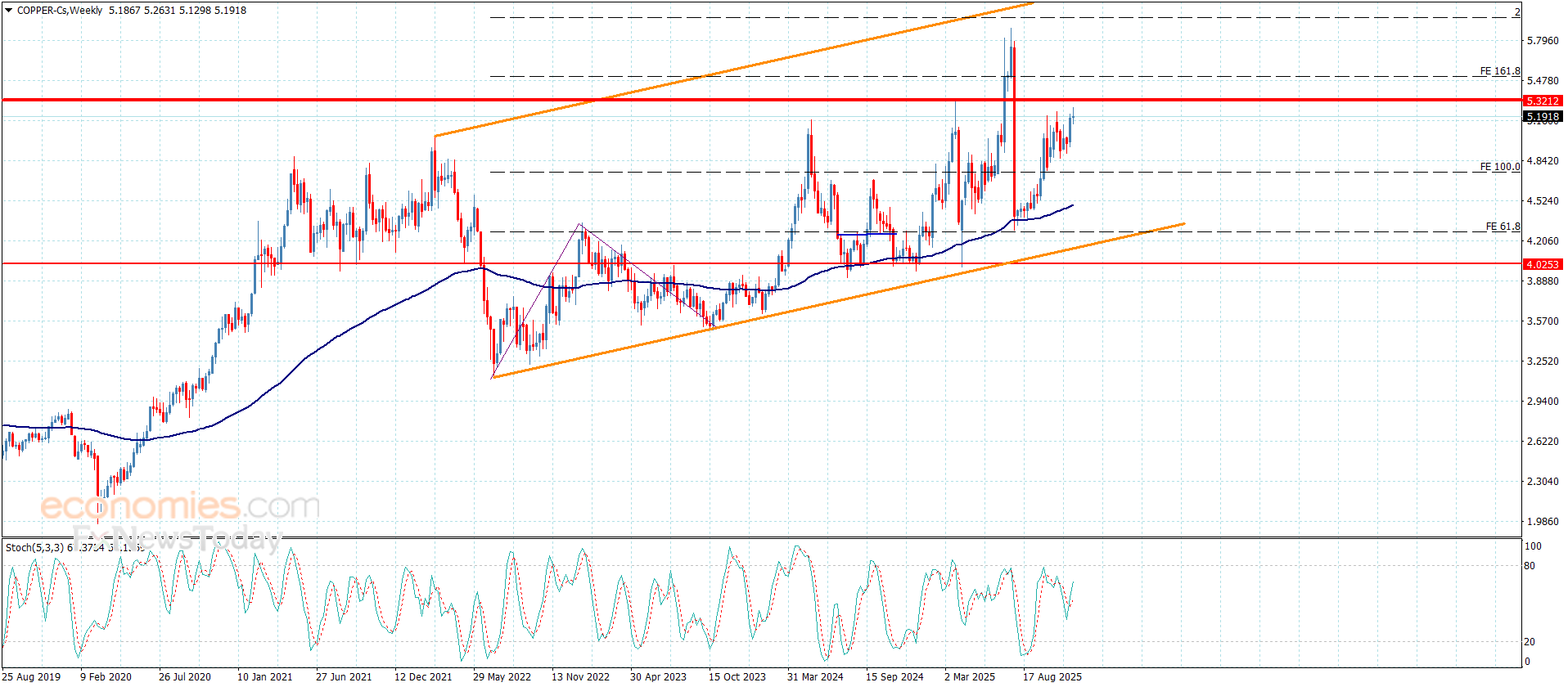
Near $5.2000, while the positive factors—particularly the alignment of major indicators supporting bullish momentum—will increase the chances of breaking this barrier and beginning to target the next positive levels at $5.3200 and $5.5000 respectively.
We note that a decline in the price during current trading below $4.9700 and a negative closing may force it into forming temporary corrective movements, attempting to test the support level at $4.7500 before any new attempt to reach the suggested targets.
Expected trading range for today: between $5.1200 and $5.3200
Price forecast for today: Bullish
EUR/USD holds its ground and rises to the 1.1650 region in the European morning on Wednesday, after closing in positive territory on Monday and Tuesday. The pair’s technical picture confirms the bullish bias in the near term.
The table below shows the percentage change of Euro (EUR) against listed major currencies this week. Euro was the strongest against the US Dollar.
| USD | EUR | GBP | JPY | CAD | AUD | NZD | CHF | |
|---|---|---|---|---|---|---|---|---|
| USD | -0.40% | -0.02% | -0.34% | -0.06% | -0.55% | -0.35% | -0.22% | |
| EUR | 0.40% | 0.39% | 0.05% | 0.34% | -0.14% | 0.07% | 0.18% | |
| GBP | 0.02% | -0.39% | -0.08% | -0.04% | -0.53% | -0.31% | -0.20% | |
| JPY | 0.34% | -0.05% | 0.08% | 0.28% | -0.22% | -0.00% | 0.11% | |
| CAD | 0.06% | -0.34% | 0.04% | -0.28% | -0.54% | -0.27% | -0.17% | |
| AUD | 0.55% | 0.14% | 0.53% | 0.22% | 0.54% | 0.21% | 0.32% | |
| NZD | 0.35% | -0.07% | 0.31% | 0.00% | 0.27% | -0.21% | 0.11% | |
| CHF | 0.22% | -0.18% | 0.20% | -0.11% | 0.17% | -0.32% | -0.11% |
The heat map shows percentage changes of major currencies against each other. The base currency is picked from the left column, while the quote currency is picked from the top row. For example, if you pick the Euro from the left column and move along the horizontal line to the US Dollar, the percentage change displayed in the box will represent EUR (base)/USD (quote).
The broad-based selling pressure on the US Dollar (USD) on growing expectations for a dovish Federal Reserve (Fed) policy outlook next year helps EUR/USD preserve its bullish momentum. US President Donald Trump hinted that he wants to nominate his chief economic adviser Kevin Hassett, who is widely seen as a dove, to replace outgoing Fed Chairman Jerome Powell next year.
In the second half of the day, the US economic calendar will feature the Automatic Data Processing’s private sector employment data and the Institute for Supply Management’s (ISM) Services Purchasing Managers’ Index (PMI) report for November.
Since the official employment report, which will show Nonfarm Payrolls (NFP) figures, will be released after the Fed meets for the last time this year, investors will pay close attention to the Employment Index of the PMI report.
In case the Employment Index recovers above 50 and reflects an expansion in service sector payrolls, the USD could stage a rebound with the immediate reaction and limit EUR/USD’s upside. On the other hand, a reading below October’s 48.2 could have the opposite impact on the USD’s valuation, opening the door for a leg higher in the pair.
The 20-period Simple Moving Average (SMA) rises above the 50-, 100-, and 200-period SMAs, while price holds above all of them. The 50- and 100-period SMAs edge higher as the 200-period SMA remains flat, with the 20 SMA at 1.1610 offering nearby dynamic support. The 14-period RSI sits at 68, near overbought and consistent with firm momentum.
Measured from the 1.1885 high to the 1.1472 low, EUR/USD holds above the 38.2% retracement at 1.1630, turning the spotlight on the 50% retracement at 1.1679. A sustained break above 1.1679 would open the path toward 1.1730 (Fibonacci 61.8% retracement) and 1.1800 (Fibonacci 78.6% retracement), while failure to defend 1.1630 could send the pair back toward the 200-period SMA at 1.1585 before the static support at 1.1551.
(The technical analysis of this story was written with the help of an AI tool)
The Euro is the currency for the 20 European Union countries that belong to the Eurozone. It is the second most heavily traded currency in the world behind the US Dollar. In 2022, it accounted for 31% of all foreign exchange transactions, with an average daily turnover of over $2.2 trillion a day.
EUR/USD is the most heavily traded currency pair in the world, accounting for an estimated 30% off all transactions, followed by EUR/JPY (4%), EUR/GBP (3%) and EUR/AUD (2%).
The European Central Bank (ECB) in Frankfurt, Germany, is the reserve bank for the Eurozone. The ECB sets interest rates and manages monetary policy.
The ECB’s primary mandate is to maintain price stability, which means either controlling inflation or stimulating growth. Its primary tool is the raising or lowering of interest rates. Relatively high interest rates – or the expectation of higher rates – will usually benefit the Euro and vice versa.
The ECB Governing Council makes monetary policy decisions at meetings held eight times a year. Decisions are made by heads of the Eurozone national banks and six permanent members, including the President of the ECB, Christine Lagarde.
Eurozone inflation data, measured by the Harmonized Index of Consumer Prices (HICP), is an important econometric for the Euro. If inflation rises more than expected, especially if above the ECB’s 2% target, it obliges the ECB to raise interest rates to bring it back under control.
Relatively high interest rates compared to its counterparts will usually benefit the Euro, as it makes the region more attractive as a place for global investors to park their money.
Data releases gauge the health of the economy and can impact on the Euro. Indicators such as GDP, Manufacturing and Services PMIs, employment, and consumer sentiment surveys can all influence the direction of the single currency.
A strong economy is good for the Euro. Not only does it attract more foreign investment but it may encourage the ECB to put up interest rates, which will directly strengthen the Euro. Otherwise, if economic data is weak, the Euro is likely to fall.
Economic data for the four largest economies in the euro area (Germany, France, Italy and Spain) are especially significant, as they account for 75% of the Eurozone’s economy.
Another significant data release for the Euro is the Trade Balance. This indicator measures the difference between what a country earns from its exports and what it spends on imports over a given period.
If a country produces highly sought after exports then its currency will gain in value purely from the extra demand created from foreign buyers seeking to purchase these goods. Therefore, a positive net Trade Balance strengthens a currency and vice versa for a negative balance.
A new cancer nutritional intervention study has demonstrated the link between gut health and prostate cancer.
The research, published in the journal European Urology Oncology, is the largest, most comprehensive evaluation of nutritional interventions in prostate cancer to date.
It demonstrated that the phytochemical rich food blend, YourPhyto, not only significantly slowed PSA progression to a higher degree than previously reported, but also improved urinary symptoms and erectile function.
In addition, this was the world’s first double blind RCT to show that a probiotic also further reduced PSA progression, improved markers of inflammation and grip strength (markers of overall health & longevity).
The trial provides essential scientific evidence for health professionals and practical guidance for people with cancer, interested in empowering themselves with the most effective strategies to improve their well-being and help alleviate the toxicities of hormonal, radiotherapy or surgical treatments.
Men who stopped all other supplements and took two capsules of YourgutPlus along with two capsules of YourPhyto a day showed the following improvements:
YourPhyto contains pomegranate, broccoli, green tea and turmeric, which have all been shown to be beneficial in previous studies conducted by the same research team.
However, the supplement now includes new ingredients and embraces advances in food fortification, safety and technology.
These include purification, measurement and standardisation of the candidate phytochemical ensuring each capsule maintains its effectiveness and safety.
Traditionally supplements either have extracts of plants or dried whole plants — uniquely, this new supplement has both.
This ensures a wide spectrum of synergistically acting natural elements from the whole plant, but also boosts levels of the most active phytochemicals responsible for the health benefits.
During the last ten years, other foods have also demonstrated benefits in studies, particularly cranberry and organic ginger, both of which are included in these new capsules.
Cranberry reduced markers of disease progression and helped urinary urgency. Ginger aided digestion and improved gut health and is a known bio-enhancer, meaning it promotes the absorption of healthy phytochemicals.
Yourgutplus contains five non-histamine inducing, non-diary, lactose secreting lactobacillus bacterial strains, combined with inulin from chicory and vitamin D.
It has been previously evaluated and found to be beneficial in the UK national COVID nutritional intervention study and was chosen for the current covid vaccine support study, thus, has an excellent track record.
Existing research shows that phytochemical intake and probiotics work in synergy to improve gut health and reduce inflammation in the body.
Laboratory studies have already shown that manipulating gut bacteria can slow prostate cancer progression but, until now, no clinical studies in men had investigated combining phytochemicals with probiotics.
As both these capsules were specifically made for national medical trials, the ethical committee insisted on a level of quality assurance unprecedented in supplement manufacturing.
In this double blind randomised clinical trial, men with early but progressive prostate cancer were given the opportunity to try these nutritional interventions before considering treatments such as surgery, radiotherapy or hormone therapies, which have significant risks and toxicities that impact quality of life.
None of the men in the study were taking any other supplements treatments for their prostate cancer.
In an unprecedented result for a nutritional trial, the MRI scans taken before and after the interventions supported the PSA findings. In the combined group, disease on MRI actually reduced in size in seven per cent of paricipants and stabilised in 84%.
Low grip strength (GS), along with inflammation levels is a practical biomarker for increasing age (longevity), the risk of chronic degenerative disease, including cancer.
In younger people — particularly athletes — phytochemical-rich foods and probiotics have independently been shown to improve strength and performance.
However, this is the first study showing a statistically significant effect of a nutritional intervention in an older population.
YourPhyto is now the most up-to-date, comprehensively researched supplement available over the counter.
It’s scientific evaluation not only significantly slowed PSA progression to a higher degree than previously reported, but also improved urinary symptoms and erectile function.
This is the world’s first double blind RCT to demonstrate that a probiotic intervention, Yourgutplus further reduced PSA progression, reduced longevity markers of inflammation and improved grip strength.
This combination has been choice for a major intervention study in women and further trials are planned evaluating their role for enhancing sports performance, strength and longevity.